How to Keep Your AC Running Strong Through a Southern California Heat Wave
When temperatures spike across Southern California, your AC works harder than ever. This guide covers exactly how to keep your AC running during a heat wave, from daily habits to emergency warning signs.
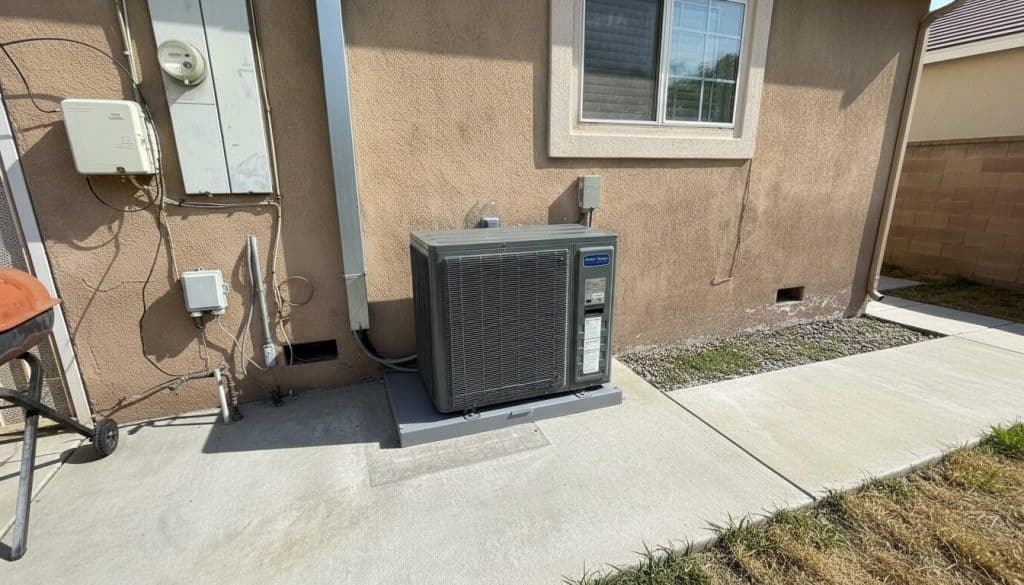
Knowing how to keep your AC running during a heat wave is the difference between a cool home and an emergency repair call on the hottest day of the year. When outdoor temperatures in Southern California climb past 100°F for several days in a row, residential air conditioners run almost continuously — and that sustained stress exposes every weak point in the system. This guide covers what you can do right now, today, to protect your equipment and keep the cold air flowing.
Why Does a Heat Wave Push Your AC to Its Limits?
During a heat wave, your AC can run 50-70% longer per hour than it does on a mild summer day, and that extra runtime accelerates wear on every moving part. A standard central AC system is rated to cool a home when outdoor temperatures are at or below about 95°F. Once the thermometer climbs past that mark — which happens regularly across Southern California from late June through September — the system enters what engineers call “high-load” operation.
In high-load operation, the compressor cycles less frequently but stays on longer. Refrigerant pressure rises. The condenser coil has to reject more heat into already-hot outdoor air. Capacitors and contactors that might last 10 years under normal use can fail in a single brutal week. According to the National Weather Service, Southern California’s peak heat events now regularly produce multi-day stretches above 105°F in inland areas — conditions that stress even well-maintained systems.
Capacitors and contactors that might last 10 years under normal use can fail in a single brutal heat-wave week.
The good news: most heat-wave AC failures are preventable. The steps below take less than an hour and can extend your system’s life through the hottest stretch of the year.
How to Keep Your AC Running During a Heat Wave: Daily Habits That Matter
The single most effective daily habit is setting your thermostat to 74-78°F instead of pushing it to 68°F — a 6-degree difference cuts your compressor’s runtime by roughly 15-20% and dramatically reduces heat-wave strain. Pair that with a few other consistent habits and your system will handle even a week-long heat event far better.
Thermostat Settings
- Set a realistic target temperature: Aim for 74-78°F during peak heat (2-6 PM). The system cannot cool a home to 68°F when it is 108°F outside without running nonstop.
- Use a programmable or smart thermostat: Pre-cool the home to 72°F before 10 AM, then let it drift up to 76°F during peak hours. This strategy reduces compressor load when outdoor heat is at its worst.
- Avoid rapid setpoint changes: Dropping the thermostat 10 degrees at once does not cool the home faster — it just keeps the compressor on longer and risks freezing the evaporator coil.
Reduce the Heat Load Inside Your Home
- Close blinds and curtains on south- and west-facing windows between 10 AM and 6 PM. Solar heat gain through glass is one of the largest contributors to indoor heat load.
- Run ceiling fans counterclockwise (the summer setting) to create a wind-chill effect. Fans allow you to raise the thermostat 2-4°F without noticing a comfort difference, according to U.S. Department of Energy guidance.
- Avoid heat-generating appliances — oven, clothes dryer, dishwasher — during the 2-8 PM window. Use them in the morning or after 9 PM.
- Seal gaps under doors and around windows with weatherstripping. A poorly sealed home can lose 10-15% of its cooling to air infiltration.
Keep Vents and Registers Clear
- Make sure no furniture, rugs, or curtains are blocking supply or return vents. Blocked airflow forces the blower to work harder and can cause the evaporator coil to freeze.
- Check every room — even guest rooms and offices — because a closed or blocked vent in one room creates pressure imbalance throughout the duct system.
What Should You Check on Your AC System Right Now?
There are five things you can inspect yourself in under 30 minutes that cover the most common heat-wave failure points: the air filter, the outdoor condenser, the condensate drain line, the thermostat batteries, and the circuit breaker.
Air Filter
A clogged filter is the number one cause of reduced airflow and frozen evaporator coils during heat waves. During peak summer, a standard 1-inch filter in an average home should be checked every 30 days and replaced when it looks gray and matted. If you have pets or live near a construction zone, check it every 2-3 weeks. Our technicians find that roughly 40% of heat-wave service calls across Southern California involve a filter that has not been changed in 3 or more months.
Outdoor Condenser Unit
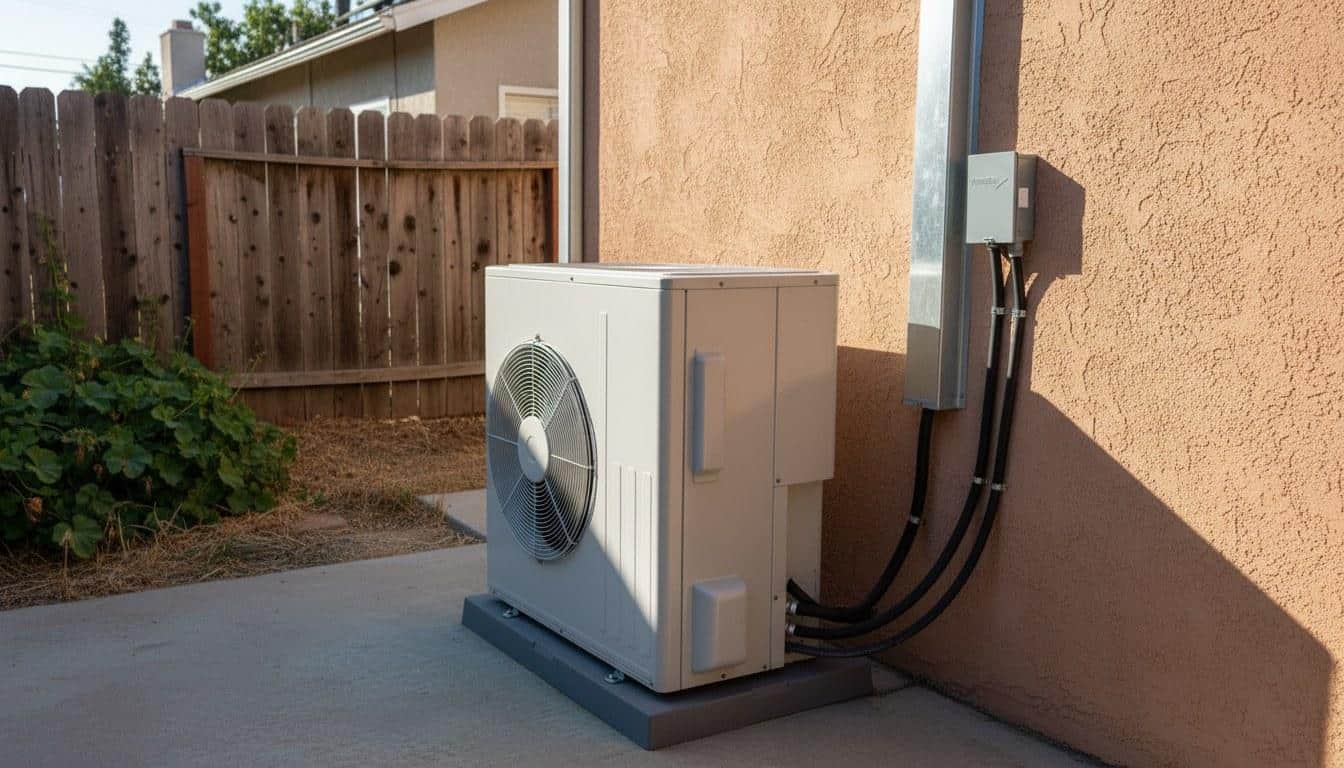
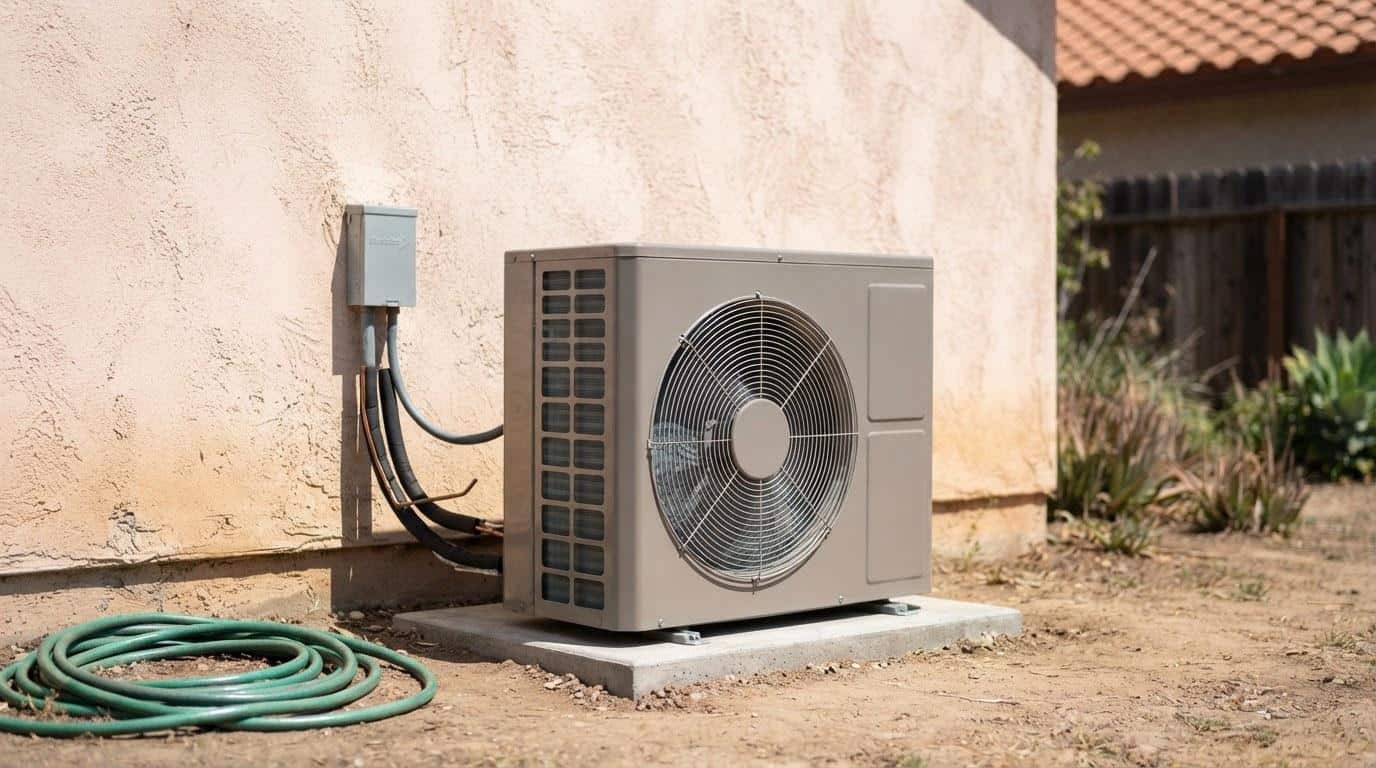
Walk outside and look at the condenser. It should have at least 2 feet of clear space on all sides. Remove any leaves, grass clippings, or debris from the fins. Do not hose it down with high pressure — a gentle rinse from the inside out (if you know how to remove the top grille) is the right technique, but if you are not comfortable doing that, leave it for a pro. The condenser coil needs to breathe to reject heat efficiently.
Condensate Drain Line
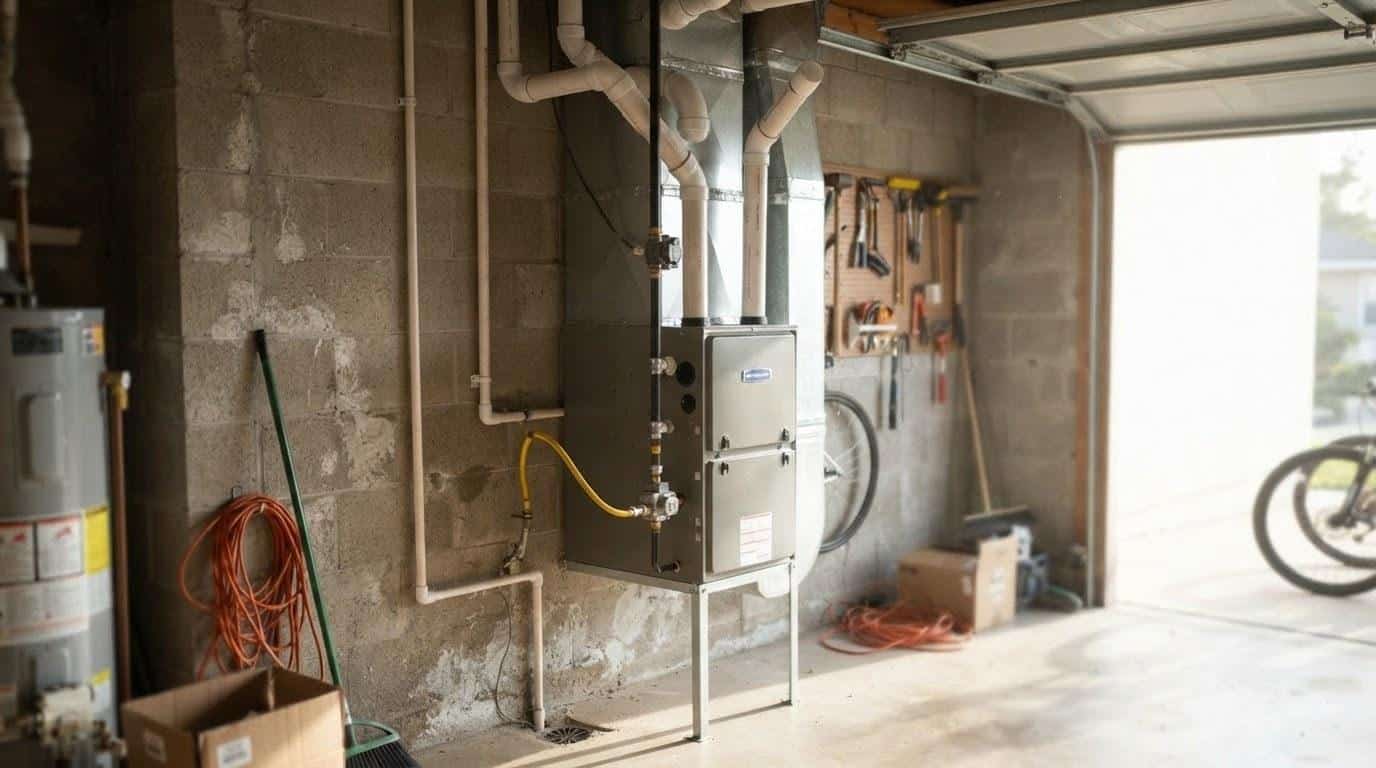
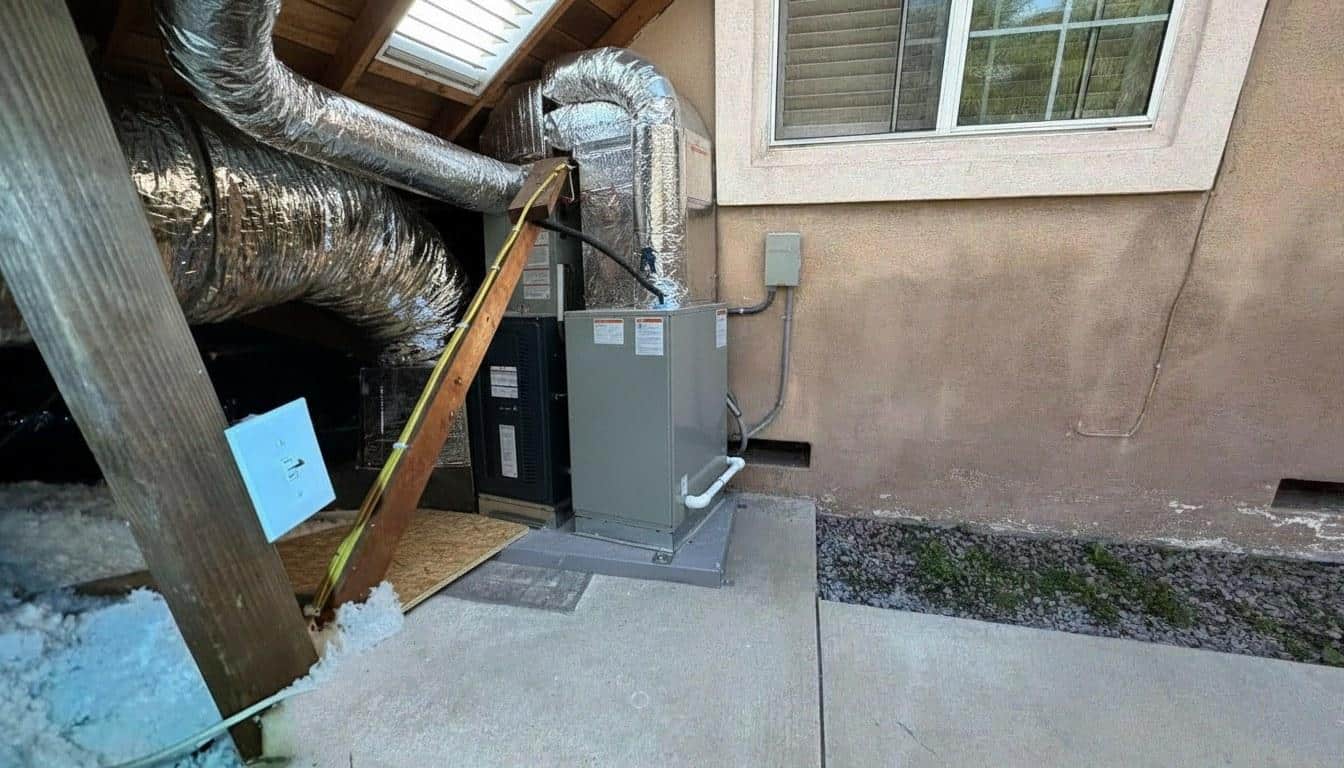
Your AC removes humidity from the air and that water drains through a PVC line, usually near the air handler. During a heat wave, your system pulls 2-4 gallons of water per hour out of the air — far more than on a mild day. A clogged drain line can overflow and trigger a safety float switch that shuts the system off. Pour a cup of diluted white vinegar into the drain access port monthly to keep it clear.
Thermostat and Breaker
- Replace thermostat batteries if they are more than 12 months old. A low-battery thermostat can misread temperatures or fail to send the start signal to the compressor.
- Check the circuit breaker panel. The AC breaker should be fully in the ON position — not tripped to the middle. If it has tripped, reset it once. If it trips again within an hour, do not reset it again. Call a technician, because a repeatedly tripping breaker signals an electrical fault or an overloaded compressor.
What Does a Professional AC Tune-Up Include During Peak Season?
A professional mid-season AC tune-up typically takes 60-90 minutes and covers refrigerant pressure, electrical components, coil condition, airflow measurements, and a full safety check — tasks that go well beyond what a homeowner can do without gauges and meters.
Here is what a qualified technician checks during a heat-wave service call:
- Refrigerant charge: Low refrigerant (often caused by a slow leak) is a leading cause of reduced cooling capacity in summer. The technician checks pressures against manufacturer specs. Note that under EPA refrigerant regulations (Section 608), only certified technicians may purchase and handle refrigerants like R-410A.
- Capacitor and contactor condition: These electrical components fail most often in extreme heat. A weak capacitor causes hard starts that shorten compressor life. Capacitors typically cost $15-$50 in parts; replacing one during a tune-up is far cheaper than an emergency call after failure.
- Coil cleaning: Both the evaporator coil (indoor) and condenser coil (outdoor) are inspected and cleaned if fouled. A dirty coil can reduce efficiency by 15-30%.
- Blower motor and belt: The technician checks amperage draw and lubrication. A failing blower motor reduces airflow and can cause the evaporator to freeze.
- Thermostat calibration: A thermostat reading 2°F high means your home never reaches the setpoint — the system runs continuously for no reason.
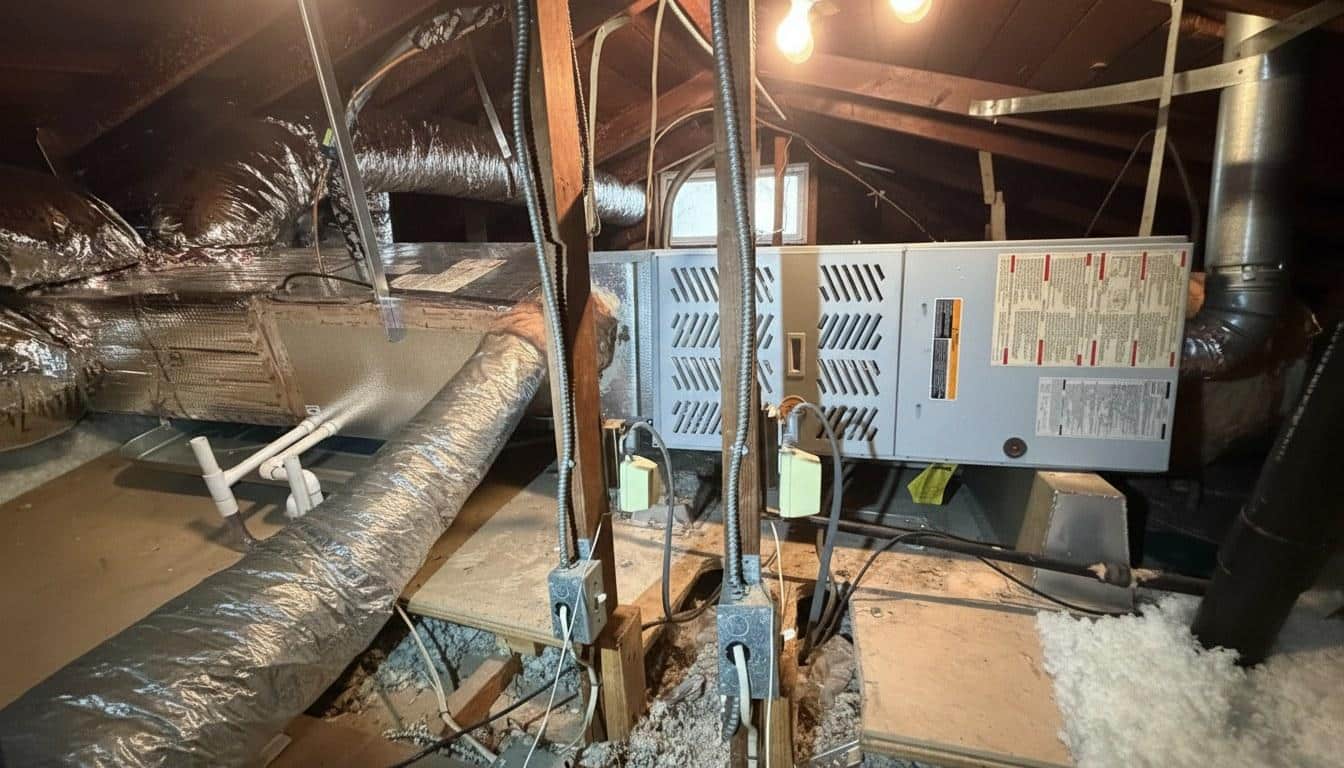
- Duct leakage check: Leaky ducts can waste 20-30% of cooled air in unconditioned attic space, per ENERGY STAR duct sealing data. The tech checks accessible connections for gaps or disconnected sections.
- Safety controls: High-pressure and low-pressure cutouts, condensate overflow switches, and electrical disconnect condition are all verified.
In the regional Southern California market, a standard mid-season tune-up typically ranges from $80 to $175, depending on the scope of work and system type. Emergency same-day calls during a heat wave generally carry a premium. The best time to schedule is before temperatures peak — but if you are already in a heat event, same-day service is still worth requesting.
What Warning Signs Mean Your AC Is About to Fail?
Six warning signs during a heat wave indicate your system needs a professional within 24 hours, not next week: warm air from vents, ice on the refrigerant line, the circuit breaker tripping repeatedly, loud grinding or banging noises, a burning smell, and water pooling around the air handler.
Catching these early can mean the difference between a $150 repair and a $3,000-$5,000 compressor replacement. Here is what each sign usually means:
- Warm air from vents: Low refrigerant, a failed compressor, or a dirty coil. Do not ignore this — it will not self-correct.
- Ice on the refrigerant line or coil: A frozen evaporator coil, usually caused by low airflow (dirty filter) or low refrigerant. Turn the system to FAN ONLY mode for 2 hours to thaw it, then check the filter. If it freezes again, call a tech.
- Breaker tripping repeatedly: The compressor may be drawing too much current, which signals internal damage or a hard-start condition. Do not keep resetting the breaker.
- Grinding or banging sounds: A failing blower motor bearing or a loose component in the compressor. These worsen rapidly under heat-wave load.
- Burning or electrical smell: Overheated wiring or a failing motor. Shut the system off and call immediately.
- Water pooling around the air handler: The condensate drain is clogged or the drain pan is cracked. Left alone, this causes water damage and mold growth within 24-48 hours.
How Do Maintenance Schedules Compare: DIY vs. Professional Tasks?
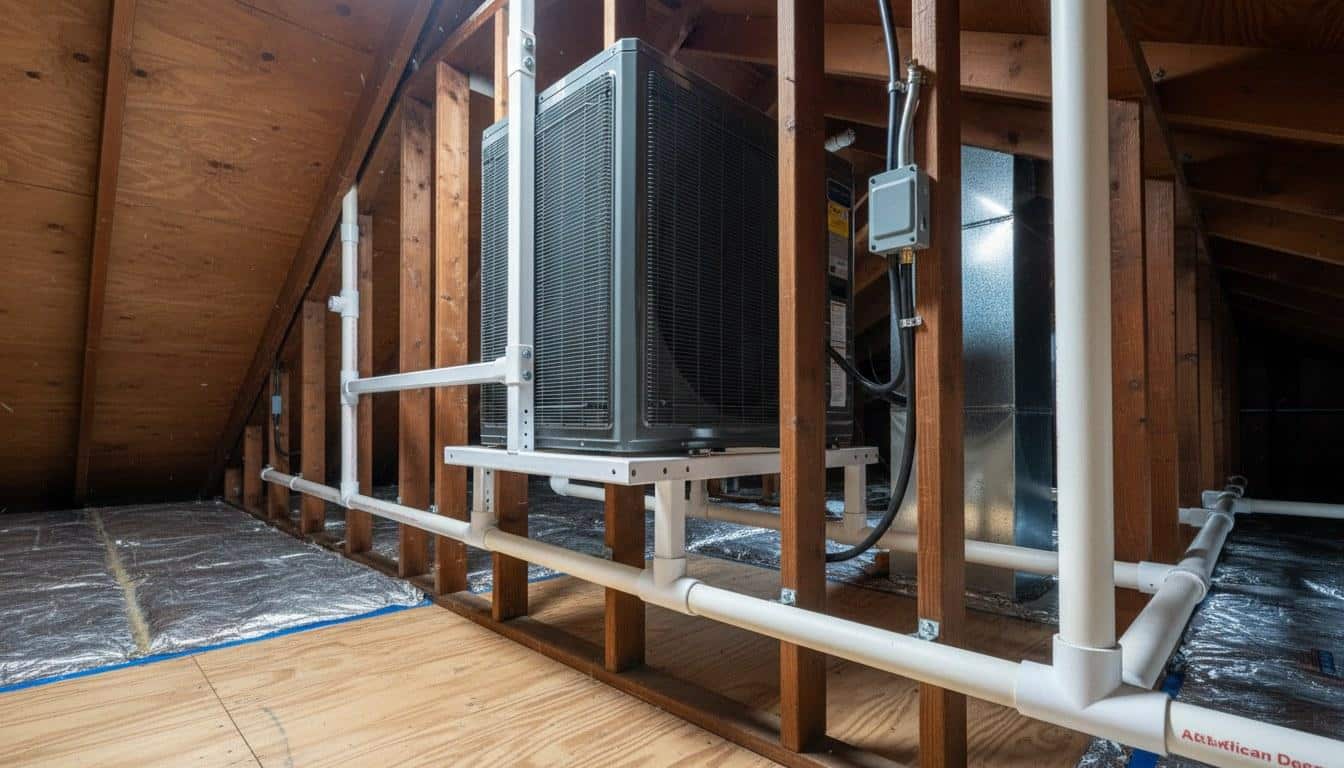
Most homeowners can handle filter changes, thermostat checks, and basic condenser cleaning on their own — but refrigerant handling, electrical testing, and coil chemical cleaning require a licensed professional. The table below lays out the most important maintenance tasks, how often to do them during heat season, and who should handle each one.
| Maintenance Task | Frequency During Heat Season | DIY or Pro? |
|---|---|---|
| Air filter inspection and replacement | Every 2-4 weeks | DIY |
| Clear debris from outdoor condenser | Weekly during high-wind or dusty conditions | DIY |
| Condensate drain line flush | Monthly | DIY |
| Thermostat battery replacement | Annually (check now if over 12 months) | DIY |
| Refrigerant pressure check | Annually or if cooling drops | Pro only (EPA Section 608) |
| Capacitor and contactor inspection | Annually | Pro |
| Evaporator and condenser coil cleaning | Annually or if efficiency drops | Pro (chemical clean) / DIY (light rinse) |
| Blower motor amp draw check | Annually | Pro |
| Duct connection inspection | Every 2-3 years | Pro |
| Full system safety and electrical check | Annually (before summer) | Pro |
If your system is more than 10 years old, consider scheduling a mid-season check even if it passed its spring tune-up. Across our service calls during summer heat waves, we see capacitor failures spike sharply on systems between 10 and 15 years old — the heat accelerates the degradation that was already underway from the previous season.
California homeowners replacing systems that no longer keep up with heat-wave demand should also be aware that as of 2023, new central AC systems must meet updated California Energy Commission appliance standards and minimum SEER2 efficiency ratings. Systems that qualify as ENERGY STAR certified may also be eligible for the Inflation Reduction Act federal tax credit of up to $600 for high-efficiency central air conditioning, which remains available through 2032.
Knowing how to keep your AC running during a heat wave also means knowing when the system is simply too old or undersized to cope. If your AC is running continuously for 6-8 hours without bringing the home below 80°F on a 100°F day, it may be undersized, severely degraded, or both — and a Manual J load calculation by an ACCA-certified contractor can tell you definitively what size system your home actually needs.
Schedule Your AC Service Before the Next Heat Wave Peaks
Heat waves in Southern California do not give much warning, and HVAC technicians book out quickly once temperatures spike. The best move is to schedule a professional inspection now — before your system is already struggling.
Shalom Heating & Air serves homeowners across Southern California with same-day and next-day AC service, including mid-season tune-ups, refrigerant checks, and emergency repairs. All work is performed by technicians licensed by the California Contractors State License Board (CSLB). Call (714) 886-2021 to schedule your appointment or request a same-day visit if your system is already showing warning signs.
Do not wait until the hottest afternoon of the year to find out your AC cannot keep up. A single service call now can protect your equipment through the rest of the summer and into next year.
Explore our full range of HVAC services across Southern California.
Frequently Asked Questions
How do I keep my AC running during a heat wave without it breaking down?
Change your air filter every 2-4 weeks, keep the outdoor condenser clear of debris, and set your thermostat to a realistic temperature — 74-78°F rather than 68°F. Run ceiling fans to reduce the load on your system and avoid using heat-generating appliances like ovens during the hottest part of the day. If your system is older than 10 years, a mid-season professional check is the single best way to prevent a breakdown.
Why is my AC running constantly but not cooling my house during a heat wave?
Continuous running without adequate cooling usually points to one of four problems: a clogged air filter restricting airflow, low refrigerant from a slow leak, a dirty condenser coil that cannot reject heat efficiently, or a system that is simply undersized for the home. Start by checking and replacing the air filter. If the problem continues, call a licensed technician to check refrigerant levels and coil condition — these require professional tools and certification.
What temperature should I set my AC to during a heat wave?
Set your thermostat to 74-78°F during peak heat hours, typically 2-6 PM. Trying to cool to 68°F when it is 105°F outside forces the compressor to run nonstop and significantly increases the chance of a breakdown. Pre-cooling the home to 72°F before 10 AM and then allowing the setpoint to rise slightly during peak hours is the most effective strategy for both comfort and equipment protection.
How do I know if my AC is about to fail during a heat wave?
Watch for these six warning signs: warm air blowing from vents, ice forming on the refrigerant line, the circuit breaker tripping more than once, grinding or banging noises from the unit, a burning or electrical smell, and water pooling around the indoor air handler. Any of these signs means you should call a technician within 24 hours — not next week. Catching a failing capacitor or refrigerant leak early can save thousands of dollars compared to a full compressor replacement.
How often should I change my AC filter during a Southern California heat wave?
During a heat wave, check your 1-inch standard filter every 2-3 weeks and replace it as soon as it looks gray or matted. Southern California homes near construction zones, wildfire smoke events, or with multiple pets may need changes even more frequently. A clogged filter is the leading cause of frozen evaporator coils and reduced airflow — the two most common heat-wave AC problems that result in a service call.