Why Is My AC Running But Not Cooling? Troubleshooting Guide for Homeowners
If your AC is running but not cooling your home, the cause is usually a dirty filter, low refrigerant, or a frozen evaporator coil. This guide walks you through every step to diagnose and fix the problem.
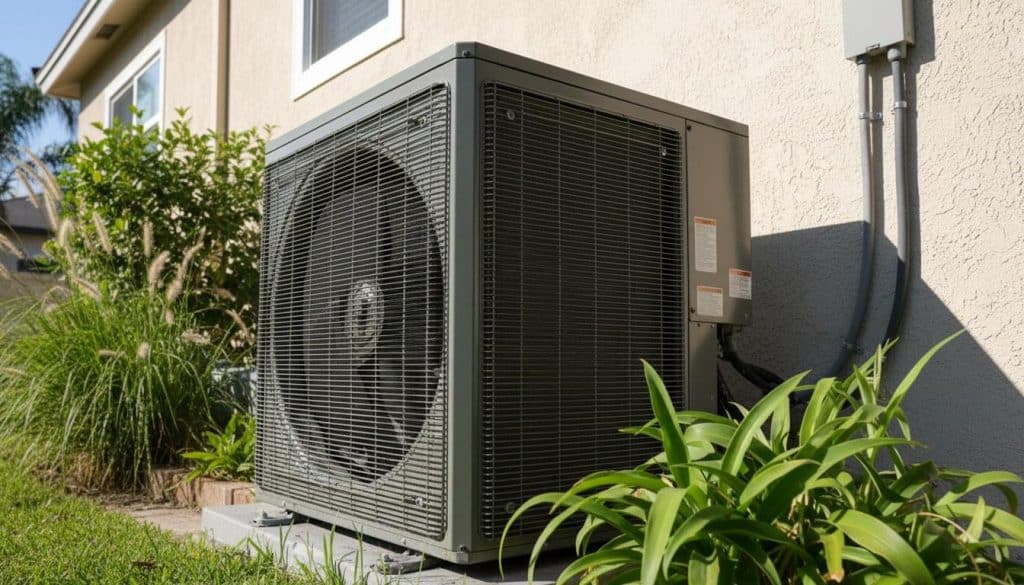
Why Is Your AC Running But Not Producing Cold Air?
An AC that runs but does not cool is almost always caused by one of four problems: a blocked air filter, a refrigerant leak, a frozen evaporator coil, or a failed capacitor. Southern California summers regularly push outdoor temperatures past 95°F, and that heat stress accelerates wear on every component in your system. Homes built before 2000 are especially prone to these failures because aging ductwork, original equipment, and years of deferred maintenance all compound at once.
California’s climate also creates a unique pattern. Coastal communities deal with salt-laden marine-layer air that corrodes condenser coils faster than inland areas. Inland valleys face extreme dry heat that taxes compressors and capacitors. Both conditions lead to the same frustrating result: the system runs, the electricity bill climbs, but the rooms stay warm.
Understanding why your system fails is the first step toward fixing it. The sections below cover every major cause of ac running but not cooling troubleshooting problems, what you can safely check yourself, and when the repair requires a licensed technician.
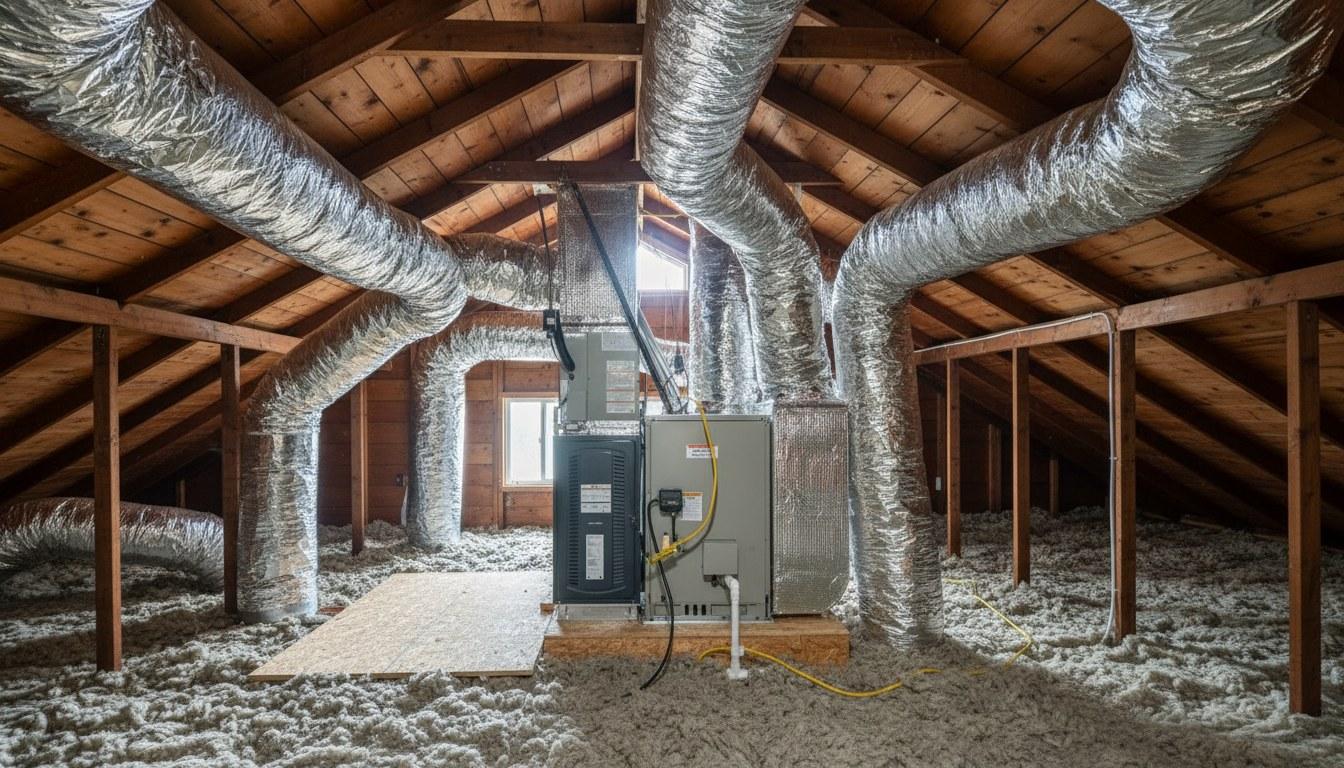
What Are the Warning Signs Your AC Needs Attention?
Most AC failures give you clear warning signs 1 to 3 weeks before the system stops cooling entirely. Catching these early can mean the difference between a minor repair and a full compressor replacement.
- Warm air from vents: Supply vents blow air that feels room temperature or warmer, even after the system has run for 15 minutes.
- Weak airflow: Air volume from vents drops noticeably compared to a few weeks ago, suggesting a clogged filter or blower issue.
- Ice on the indoor unit or refrigerant lines: Visible frost or ice on the copper lines or air handler almost always signals a refrigerant problem or blocked airflow.
- Unusual sounds: Clicking, grinding, or high-pitched squealing points to a failing capacitor, worn blower motor bearings, or compressor stress.
- Short cycling: The system turns on and off every 5 to 10 minutes instead of running a full 15- to 20-minute cycle.
- Humidity indoors: Rooms feel sticky or clammy even when the thermostat is set low, a sign the evaporator coil is not removing moisture properly.
- Higher electric bills: A system working harder to compensate for a refrigerant leak or dirty coil can increase energy use by 20% or more before it stops cooling completely.
- Thermostat reads higher than the setpoint: The thermostat shows 80°F two hours after you set it to 72°F, indicating the system cannot keep up with the load.
AC Running But Not Cooling Troubleshooting Problems: Symptom-to-Cause Table
Use this table to match what you observe to the most likely cause and decide whether it is a safe DIY check or a job for a licensed HVAC technician. When in doubt, stop and call a pro — refrigerant and high-voltage components are not safe to handle without proper certification.
| Symptom | Likely Cause | DIY or Pro? |
|---|---|---|
| Warm air from all vents | Clogged air filter or low refrigerant | Check filter yourself; refrigerant requires a pro |
| Weak airflow from vents | Dirty filter, blocked return, or failing blower motor | Filter and return — DIY; blower motor — pro |
| Ice on refrigerant lines or coil | Blocked airflow or refrigerant leak | Turn system off and thaw; cause diagnosis requires a pro |
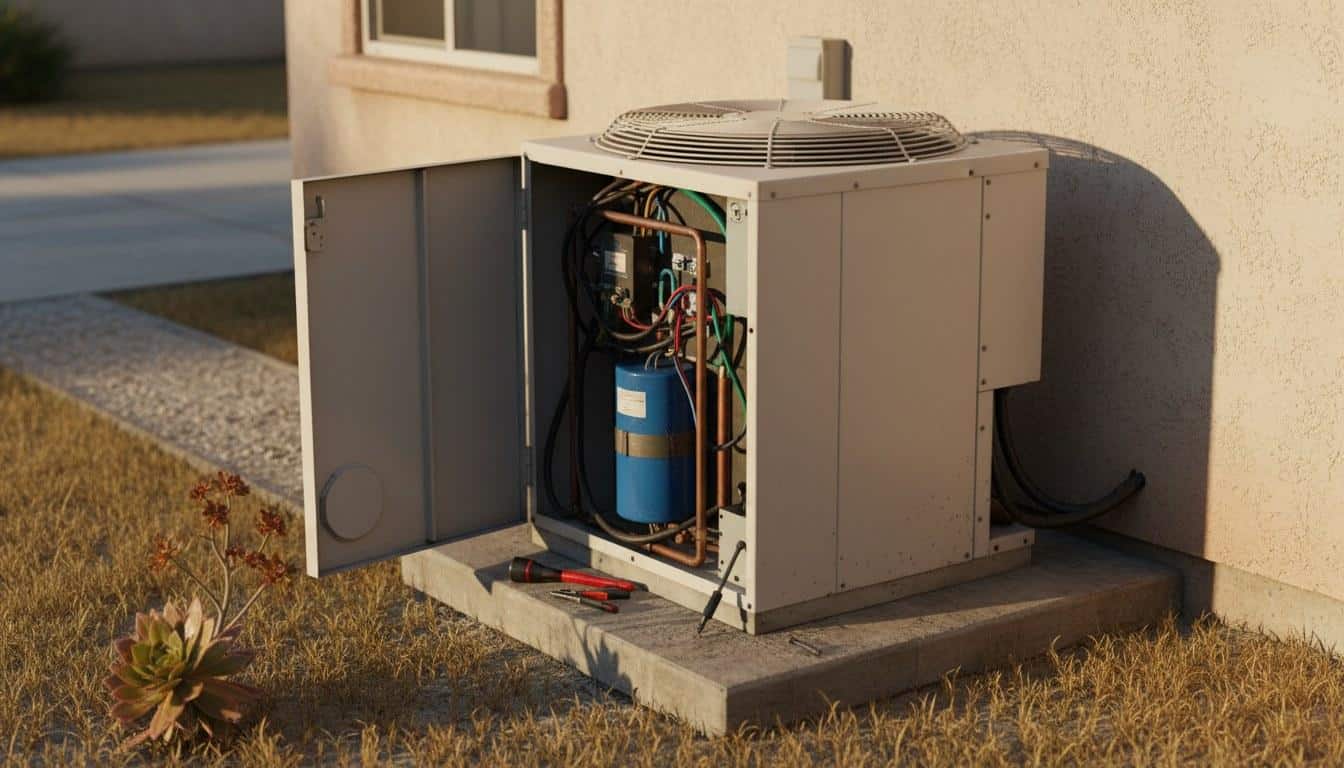
| System clicks on but shuts off quickly | Failed capacitor or overheating compressor | Pro — capacitors store lethal voltage |
| Outdoor unit runs but indoor unit does not | Tripped circuit breaker or failed contactor | Reset breaker yourself; contactor replacement — pro |
| Thermostat reads correct but rooms stay warm | Duct leak, undersized system, or dirty evaporator coil | Check vents yourself; duct and coil work — pro |
| Grinding or squealing from indoor unit | Worn blower motor bearings | Pro |
| Hissing or bubbling sound near outdoor unit | Refrigerant leak | Pro — required by EPA refrigerant regulations (Section 608) |
| High indoor humidity despite AC running | Dirty evaporator coil or low refrigerant | Pro |
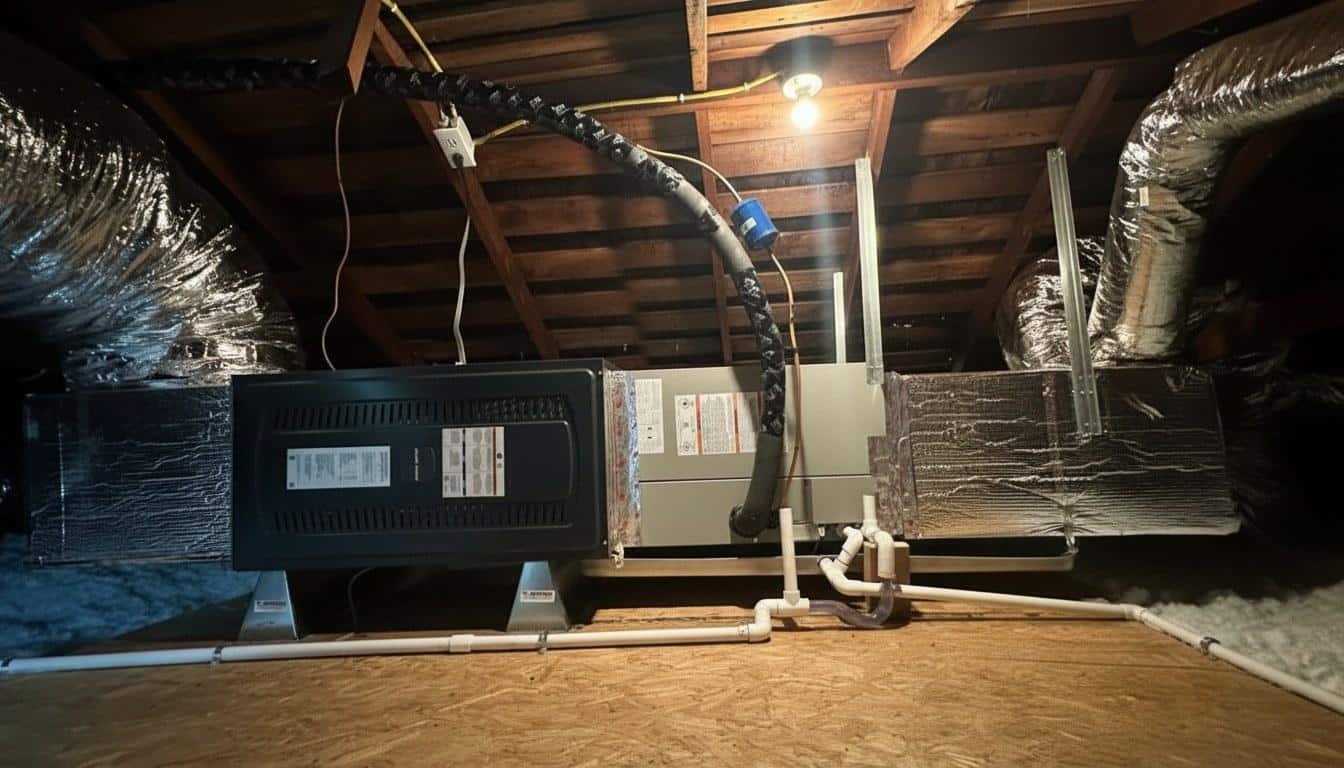
What Can You Check Yourself Before Calling a Pro?
Several of the most common ac running but not cooling troubleshooting problems can be diagnosed — and sometimes fixed — in under 30 minutes with no tools. Work through these steps in order before scheduling a service call.
Step 1: Check and Replace the Air Filter
A clogged filter is the single most common reason a running AC stops cooling. Hold your current filter up to a light source. If you cannot see light through it, it needs to be replaced. Filters should be changed every 30 to 90 days depending on household dust levels and pet hair. A 1-inch standard filter costs between $5 and $20 at any hardware store.
Step 2: Inspect the Thermostat Settings
Confirm the thermostat is set to COOL, not FAN ONLY. Fan-only mode circulates air without activating the compressor, so air blows from the vents but stays warm. Also check that the set temperature is at least 3 to 5 degrees below the current room temperature — some systems will not engage the compressor if the differential is too small.
Step 3: Check the Circuit Breakers
Your AC system typically uses two breakers: one for the air handler inside and one for the condenser outside. Open your electrical panel and look for any breaker in the middle position (tripped). Reset it by pushing it fully to OFF and then back to ON. If it trips again immediately, stop and call a technician — a repeatedly tripping breaker signals a wiring or compressor fault that requires professional diagnosis.
Step 4: Look for Ice on the Indoor Unit
Open the access panel on your air handler or look at the copper refrigerant lines running to it. If you see frost or ice, turn the system off immediately and switch the fan to ON to melt the ice over 2 to 4 hours. Running a frozen coil causes compressor damage. Once thawed, replace the filter and restart the system. If it freezes again within 24 hours, the cause is likely a refrigerant issue that requires a licensed technician.
Step 5: Clear the Area Around the Outdoor Condenser
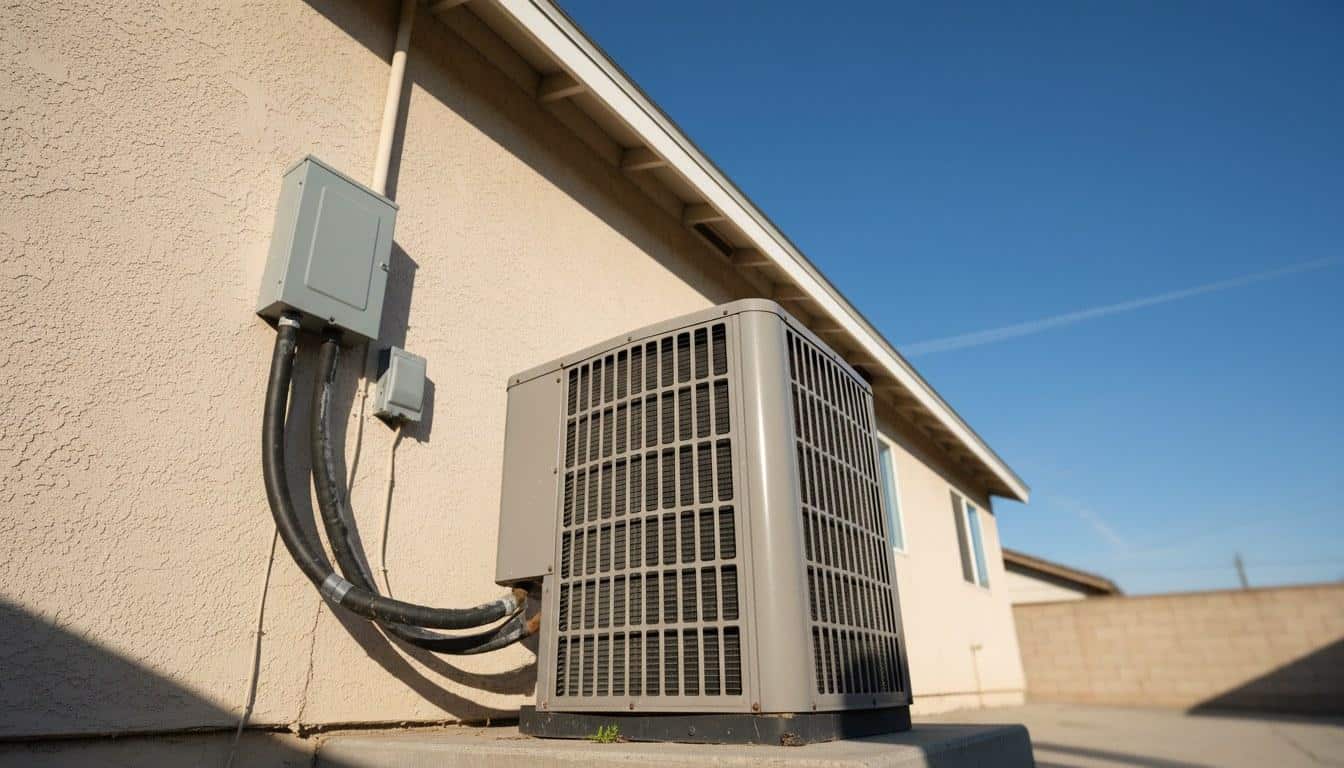
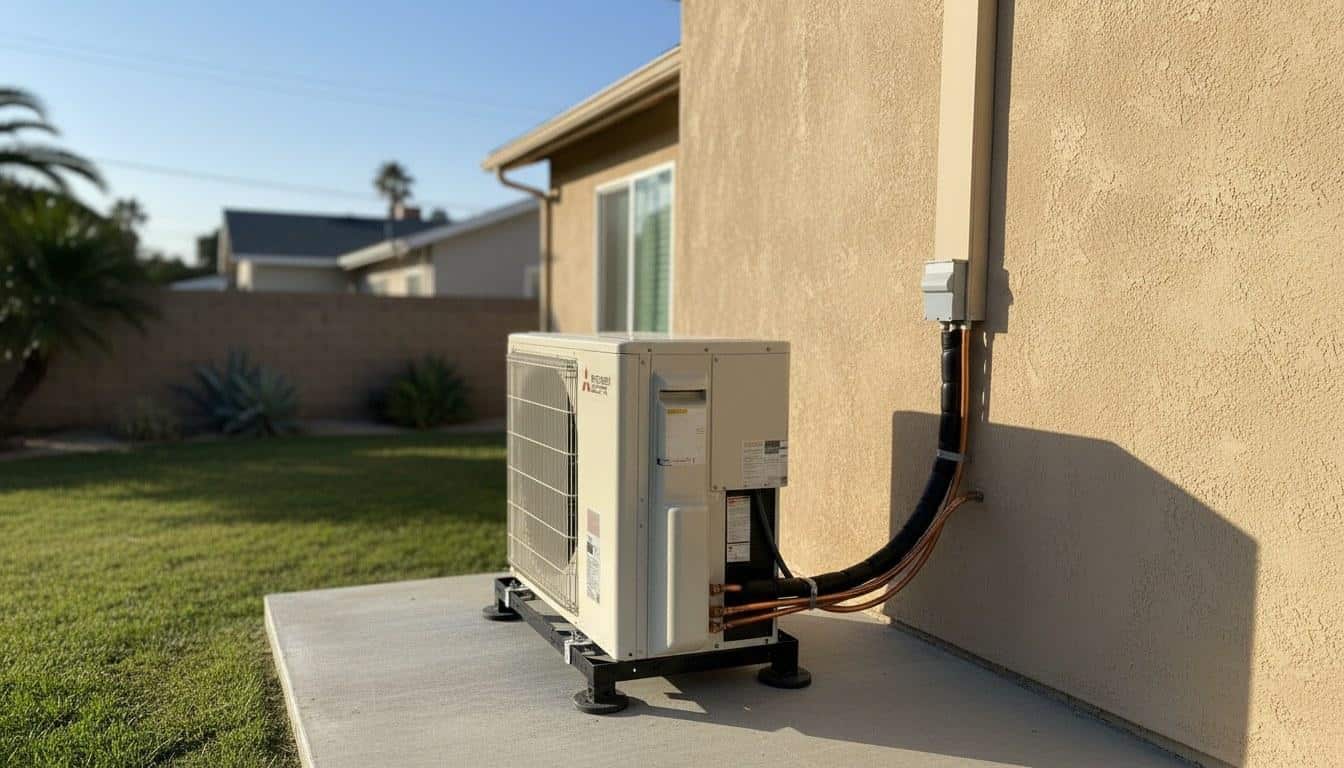
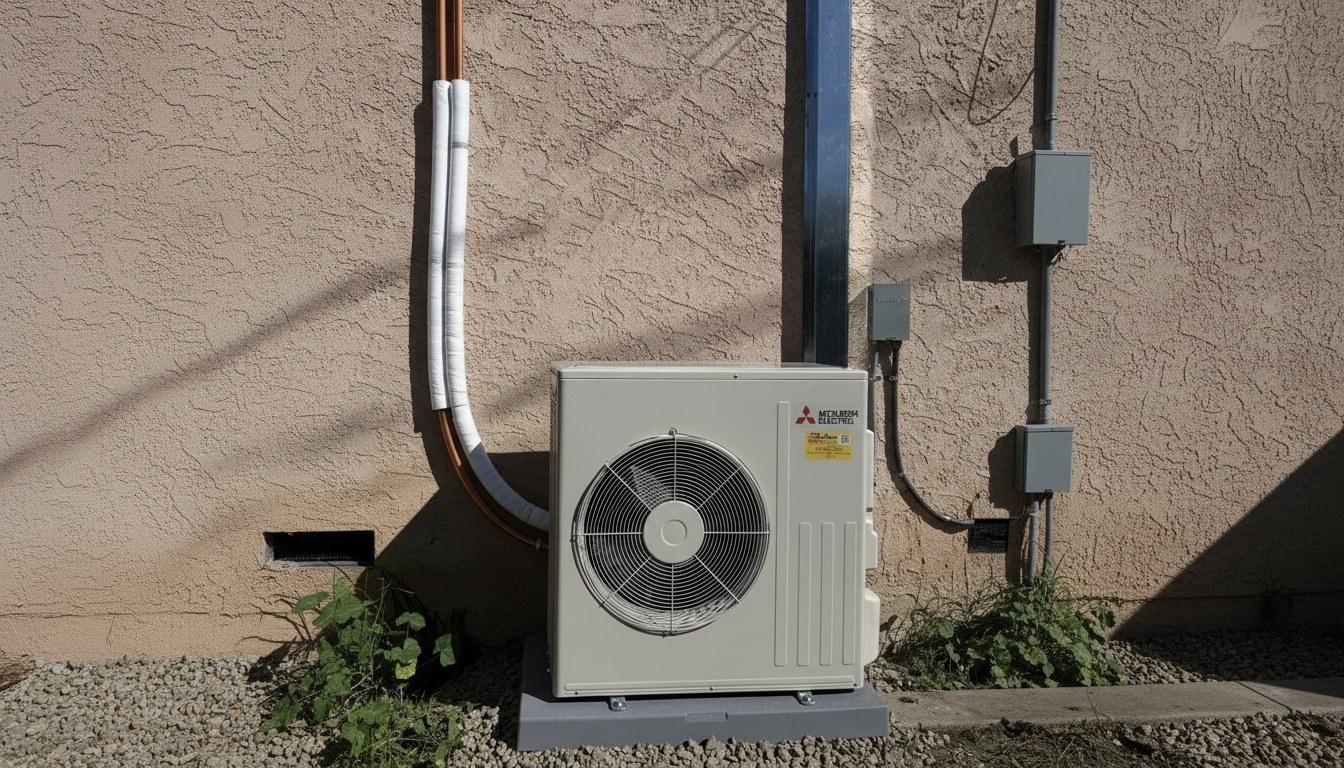
The outdoor condenser needs at least 2 feet of clear space on all sides to reject heat efficiently. Remove any leaves, debris, or overgrown shrubs blocking the unit. You can also gently rinse the condenser fins with a garden hose on a low-pressure setting to clear dust and pollen buildup. Never use a pressure washer — the fins bend easily and restrict airflow when damaged.
- Turn the system off at the thermostat before cleaning the condenser.
- Turn off the outdoor disconnect switch (the box on the wall near the unit).
- Rinse fins from the inside out if possible, or top-down from outside.
- Wait 15 minutes before restoring power and restarting the system.
Step 6: Check the Condensate Drain Line
Many modern AC systems have a safety float switch that shuts the system off when the condensate drain pan fills with water. Locate the PVC drain line near your air handler (usually a white pipe exiting the unit). If it is clogged, the pan overflows and the safety switch cuts cooling. You can often clear a mild clog by pouring a cup of diluted white vinegar into the drain access port and waiting 30 minutes.
When Should You Call a Professional HVAC Technician?
Call a licensed HVAC pro immediately if you see ice on the unit and the filter is clean, if you hear grinding or hissing, or if the system trips its breaker more than once. These symptoms point to refrigerant leaks, electrical faults, or compressor damage — none of which are safe or legal to address without proper certification.
Under EPA refrigerant regulations (Section 608), only certified technicians are permitted to purchase, handle, and recover refrigerants like R-410A and the newer R-454B. Attempting to add refrigerant yourself is illegal and can cause permanent compressor damage.
Our technicians respond to roughly 3 times more emergency cooling calls in July and August than in any other two-month window across Southern California — the majority involving refrigerant leaks on systems that were 10 or more years old and had not been serviced in the prior 12 months.
A licensed technician should also handle any of the following:
- Refrigerant recharge or leak repair: Requires EPA Section 608 certification and specialized recovery equipment.
- Capacitor or contactor replacement: Capacitors store voltages up to 400 volts even when power is off — a potentially lethal shock risk.
- Evaporator or condenser coil cleaning: Requires chemical coil cleaner and proper containment to avoid drain-pan overflow.
- Blower motor or compressor replacement: These are major components requiring correct sizing and U.S. Department of Energy-compliant equipment selection.
- Duct leak diagnosis: Leaky ducts can reduce system efficiency by 20 to 30%, but finding and sealing them requires a duct blaster test or pressurization equipment.
- New system sizing: Any replacement system must be sized using a Manual J load calculation per ACCA standards — an oversized or undersized unit will short-cycle and fail prematurely regardless of brand.
Technicians licensed by the California Contractors State License Board (CSLB) are required to carry liability insurance and meet state competency standards. Always verify a contractor’s license at the CSLB website before authorizing any repair.
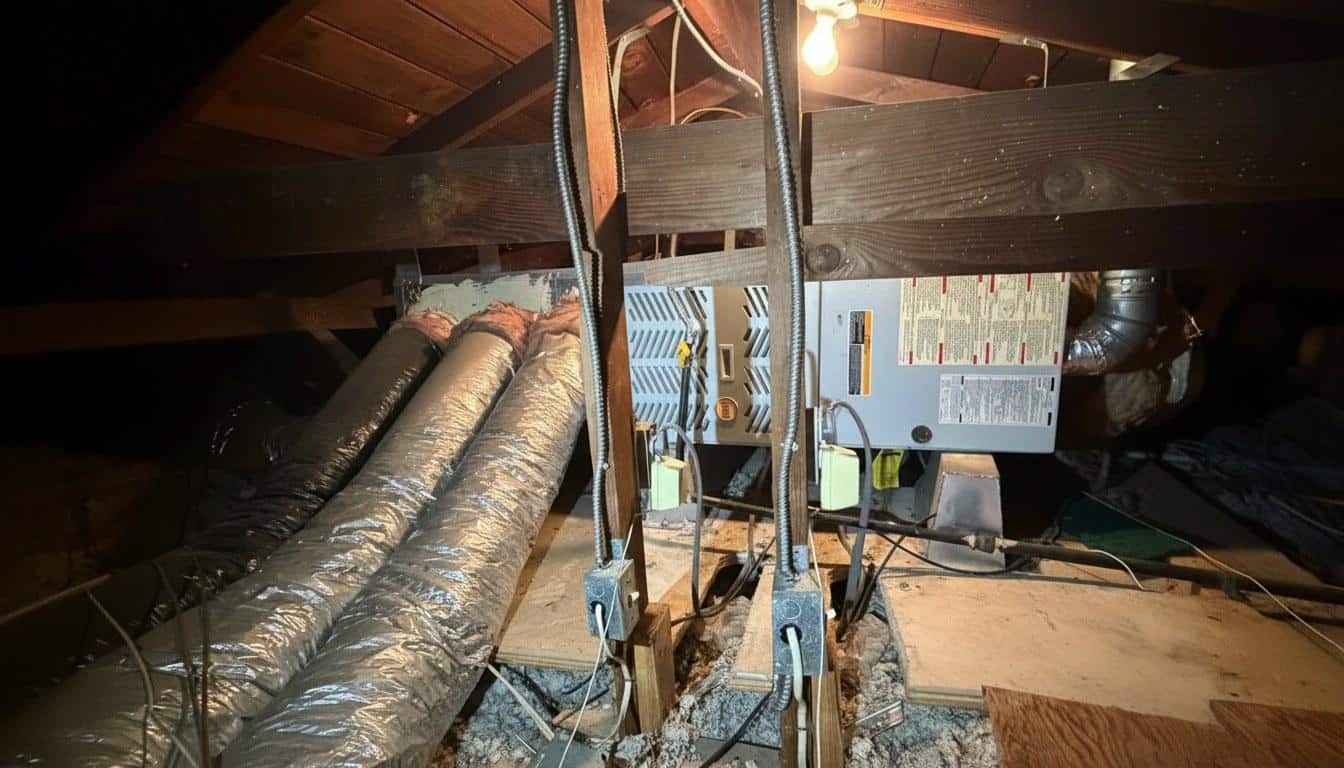
How Much Does AC Repair Typically Cost in Southern California?
In the Southern California market, most AC repairs range from $150 to $1,500 depending on the component involved and the complexity of the job. Refrigerant-related work sits at the higher end of that range because of material costs and the time required for leak detection and pressure testing.
Here is a general breakdown of typical repair categories in this regional market. These are market ranges, not quotes — actual costs vary by system age, brand, and accessibility.
| Repair Type | Typical Market Range (Southern CA) | Key Cost Drivers |
|---|---|---|
| Air filter replacement (DIY) | $5 – $30 | Filter MERV rating, size |
| Capacitor replacement | $150 – $350 | Single vs. dual-run capacitor, brand |
| Contactor replacement | $150 – $300 | Amperage rating, accessibility |
| Refrigerant recharge (R-410A) | $250 – $600 | Amount needed, leak location |
| Evaporator coil cleaning | $100 – $400 | Coil access, severity of buildup |
| Blower motor replacement | $400 – $900 | Motor type, labor hours |
| Compressor replacement | $1,200 – $2,500+ | Tonnage, refrigerant type, system age |
| Duct sealing (professional) | $300 – $1,000 | Linear feet, access, method used |
As of 2024, California’s Title 24 building energy standards require that replacement systems meet minimum ENERGY STAR efficiency thresholds and SEER2 ratings for new installations. If your repair estimate approaches the cost of a new system, ask your technician to compare total cost of ownership — a system older than 15 years with a failing compressor is often more cost-effective to replace than repair.
A system older than 15 years with a failing compressor is often more cost-effective to replace than repair.
Homeowners replacing qualifying systems may also be eligible for the Inflation Reduction Act federal tax credit of up to $600 for high-efficiency central air conditioning equipment, as well as TECH Clean California rebate programs offered through participating utilities. Ask your contractor which incentives apply to your specific equipment and income bracket.
Across our service calls in Southern California, we see capacitor failures account for roughly 35% of all “running but not cooling” service visits — and nearly all of them involve outdoor units that are 10 years or older and had not received a seasonal tune-up in the prior year.
Request a custom quote before any work begins. Costs shift based on your specific system, the parts required, and access to the equipment.
Get Expert AC Help Today
If you have worked through the DIY steps above and your system is still blowing warm air, it is time to bring in a licensed technician. Shalom Heating & Air serves homeowners across Southern California with honest diagnostics, upfront pricing, and repairs backed by licensed, insured technicians. Whether you need a capacitor swap, a refrigerant leak repaired, or a full system evaluation, the team is ready to help.
Call (714) 886-2021 to schedule your diagnostic appointment. Same-day and next-day appointments are available throughout the region. Get a written quote before any work begins so you know exactly what you are paying for.
Explore our full range of HVAC services across Southern California.
Frequently Asked Questions
Why is my air conditioner running but not making the house cooler?
The most common reasons are a clogged air filter, low refrigerant from a leak, a frozen evaporator coil, or a failed capacitor. Start by checking your filter — if it is gray and packed with dust, replace it and give the system 30 minutes to recover. If the filter is clean and the problem continues, the cause is likely refrigerant or a mechanical component that needs a licensed technician.
How do I know if my AC is low on refrigerant?
Signs of low refrigerant include warm air from the vents even after the system runs for 20 minutes, ice forming on the refrigerant lines or indoor coil, a hissing or bubbling sound near the outdoor unit, and noticeably higher indoor humidity. Refrigerant does not deplete on its own — low levels always mean a leak somewhere in the system. A licensed HVAC technician must locate and repair the leak before recharging the system.
Can I add refrigerant to my AC myself?
No. Under EPA refrigerant regulations (Section 608), only certified technicians are legally permitted to purchase and handle refrigerants like R-410A. Attempting to add refrigerant yourself is a federal violation and can permanently damage the compressor if the wrong amount or type is added. Call a licensed HVAC pro to handle any refrigerant work.
How much does it usually cost to fix an AC that is running but not cooling?
In the Southern California market, repair costs typically range from $150 for a capacitor replacement up to $2,500 or more for a compressor replacement. The most common repair — a capacitor or refrigerant recharge — generally falls between $150 and $600. Get a written quote from a licensed contractor before authorizing any work. Shalom Heating & Air offers upfront pricing — call (714) 886-2021 to schedule a diagnostic visit.
How long can I run my AC if it is blowing warm air before it causes damage?
If the system is blowing warm air due to a clogged filter or thermostat issue, running it briefly while you troubleshoot is unlikely to cause damage. However, if you see ice on the lines or hear unusual sounds, turn the system off immediately — running a frozen coil or a compressor under refrigerant stress can cause permanent damage within hours. When in doubt, shut it off and call a technician the same day.