How Indoor Air Quality Changes in Fall and Winter, and What Southern California Homeowners Can Do
When windows close for fall and winter, indoor air quality in Southern California homes can drop fast. This guide covers the real reasons why, and what you can do about it.
Why Does Indoor Air Quality Get Worse in Fall and Winter?
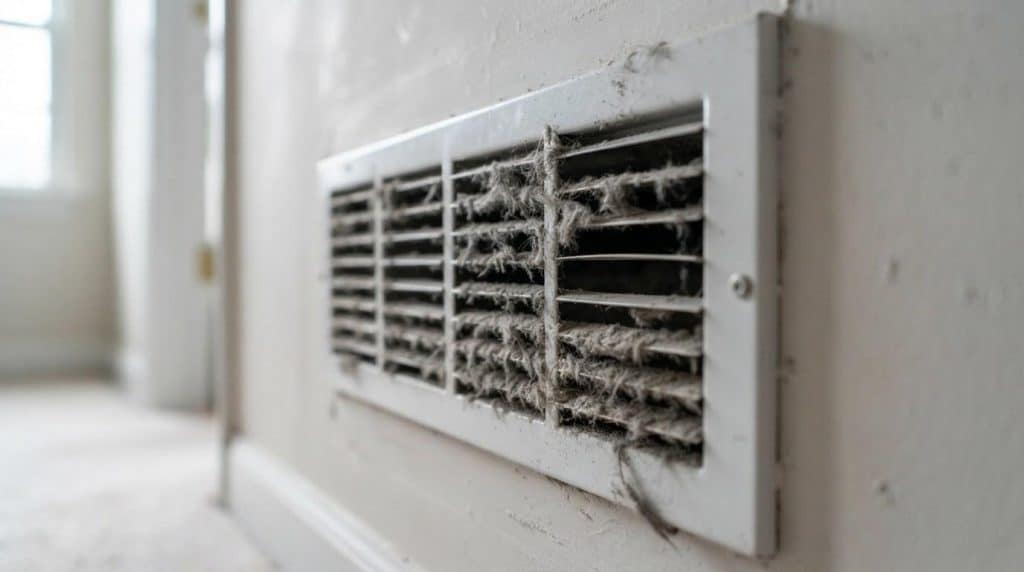
Indoor air quality drops in fall and winter primarily because homes stay sealed for weeks at a time, trapping pollutants that would otherwise escape through open windows. Heating systems that sat idle all summer then push months of accumulated dust, mold spores, and debris back into living spaces the first time they run.
In Southern California, this seasonal shift is real even though winters are mild. Temperatures still dip enough that most households keep windows shut from October through February. That means the same air recirculates through your home repeatedly, picking up particles with every pass.
According to the U.S. Environmental Protection Agency, indoor air can be two to five times more polluted than outdoor air. In a sealed home during winter, that gap can widen further. The combination of reduced ventilation, active heating equipment, and Southern California’s ongoing wildfire season makes fall and winter a genuinely high-risk period for indoor air quality.
What Are the Biggest Indoor Air Quality Threats This Season?
The four main threats to indoor air quality in Southern California during fall and winter are dust and allergen buildup, wildfire smoke residue in ductwork, heating system combustion odors, and low humidity that dries out airways and makes particles easier to inhale.
Dust and Allergen Buildup
When a furnace or heat pump runs for the first time in months, it blows settled dust off heat exchangers, coils, and duct walls. That dust contains pet dander, pollen, and dust mite debris. Homes with older or clogged filters recirculate these particles continuously.
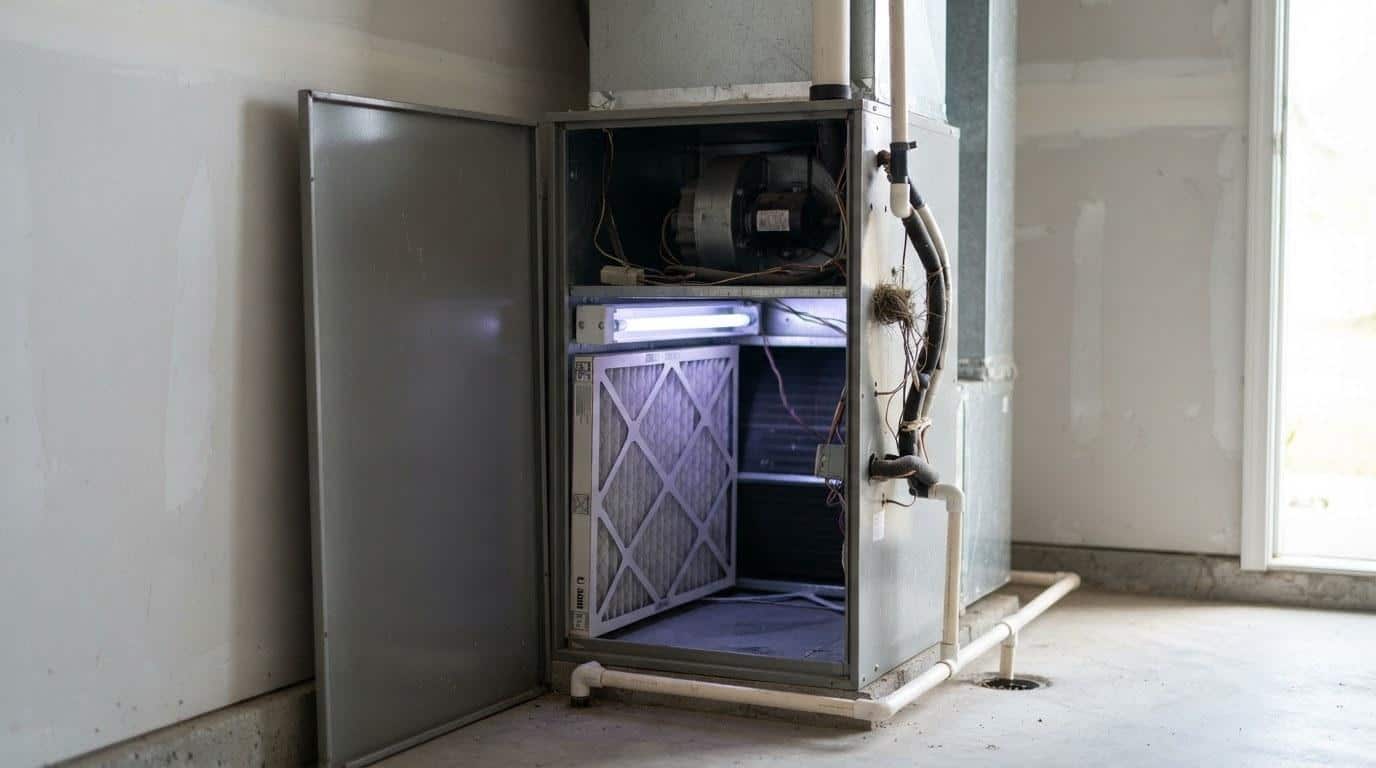
A standard 1-inch fiberglass filter captures particles as small as 10 microns. Fine allergens and PM2.5 particles (smaller than 2.5 microns) pass right through. Upgrading to a filter with a MERV rating of 11 to 13 catches a significantly higher percentage of fine particles without restricting airflow in most residential systems.
Wildfire Smoke Residue
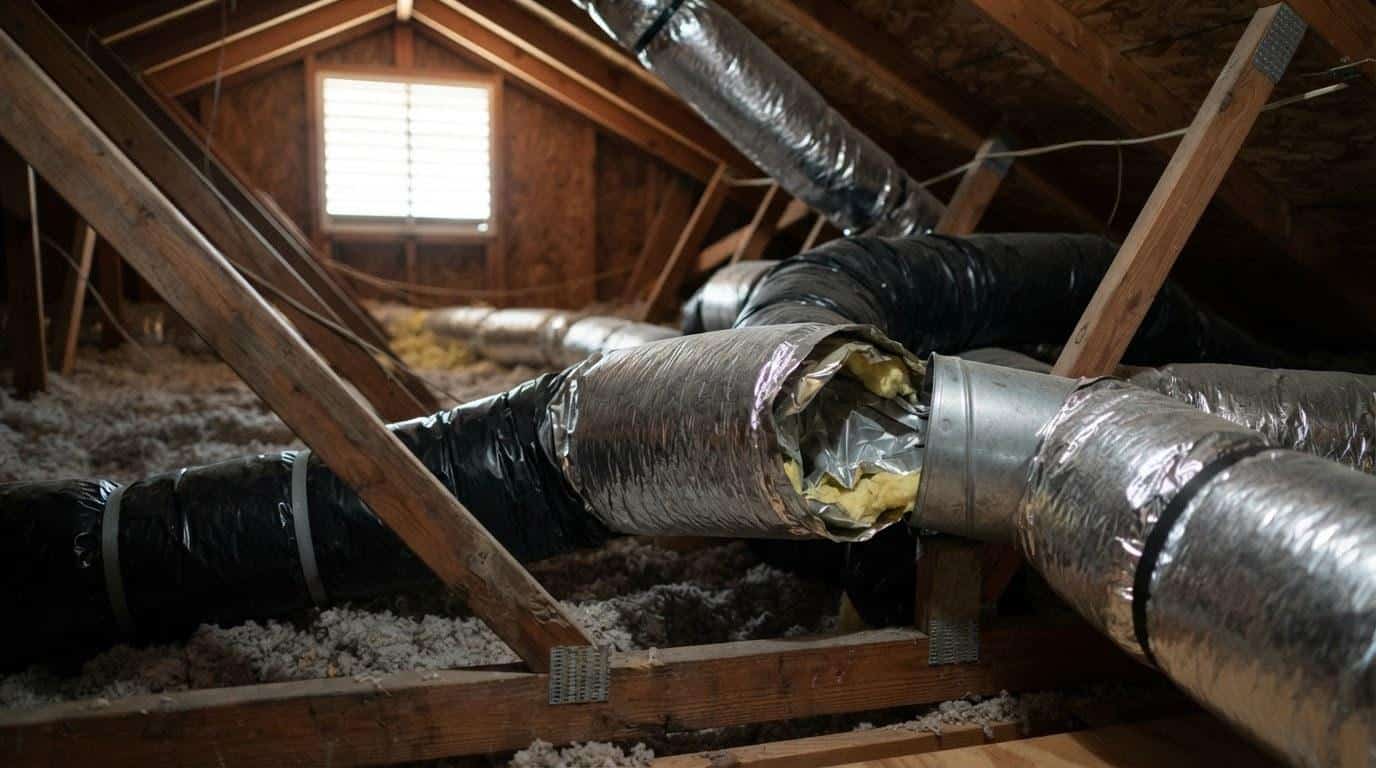
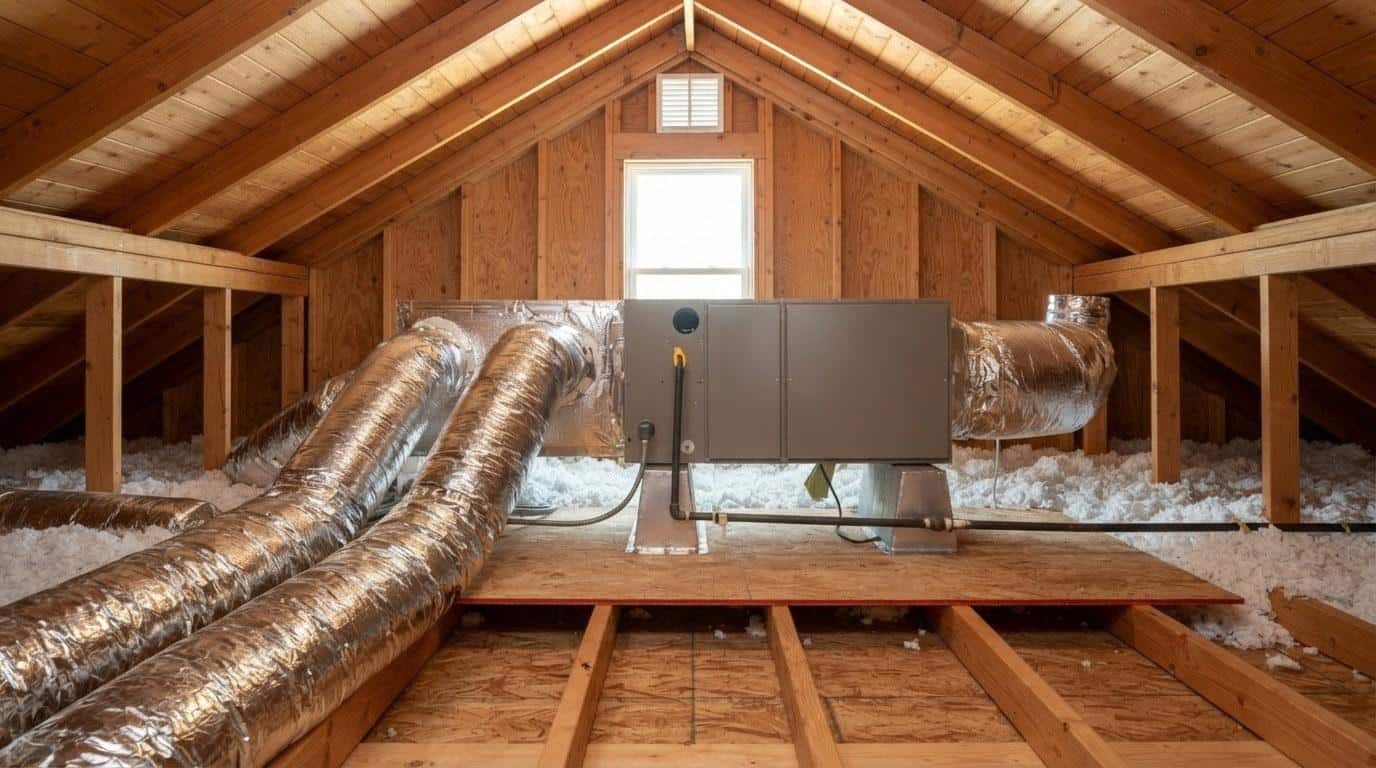
Southern California experiences some of the most active wildfire seasons in the country, and smoke does not disappear when the fires are out. Fine particles from smoke events settle inside ductwork, on coil surfaces, and in return-air plenums. When the heating season begins, those particles re-enter the air stream.
Our technicians frequently find a visible gray film on evaporator coils and duct interiors in homes that were near a fire event even months earlier. That residue is not cosmetic. It contains combustion byproducts that irritate airways, and it reduces system efficiency at the same time.
Wildfire smoke particles are predominantly in the PM2.5 range, which means standard filters offer little protection. The AirNow program, run by the EPA and NOAA, tracks real-time air quality index (AQI) readings across California. When outdoor AQI exceeds 150, indoor filtration becomes the primary line of defense.
Heating System Odors and Combustion Gases
Gas furnaces produce combustion gases including carbon monoxide and nitrogen dioxide. A properly functioning, well-maintained furnace vents these gases safely outdoors. But cracked heat exchangers, blocked flues, or dirty burners can allow trace gases to enter living spaces. Even small concentrations of carbon monoxide over extended periods are a health risk.
The first time a furnace runs each fall, a burning smell is common and usually lasts less than 30 minutes as dust burns off. A smell that persists longer, smells like rotten eggs, or returns repeatedly is a warning sign that needs professional attention.
Low Indoor Humidity
Southern California winters are dry. Running a forced-air heating system makes indoor humidity drop further because heated air holds less relative moisture. The U.S. Department of Energy recommends maintaining indoor humidity between 30 and 50 percent. Below 30 percent, mucous membranes dry out, making it easier for airborne particles and viruses to penetrate the respiratory tract.
What Do Indoor Air Quality Fall Winter Tips Homeowners Actually Need to Follow?
The most effective indoor air quality fall winter tips homeowners can act on before the season starts are: replace the air filter, have ductwork inspected after any nearby wildfire event, test carbon monoxide detectors, and consider adding a whole-home air purifier or humidifier.
Seasonal Task Checklist by Month
October (Pre-Season)
- Replace the HVAC filter: Install a MERV 11 to 13 filter if your system supports it. Mark the date on the filter frame so you know when to change it again.
- Test carbon monoxide and smoke detectors: Replace batteries and test each unit. CO detectors should be replaced entirely every 5 to 7 years.
- Schedule a furnace or heat pump tune-up: A professional inspection before first use catches cracked heat exchangers, dirty burners, and blocked flue pipes.
- Inspect ductwork for wildfire residue: If your home was near a fire event in the past 12 months, have ducts inspected and cleaned before the heating season begins.
November Through January (Active Season)
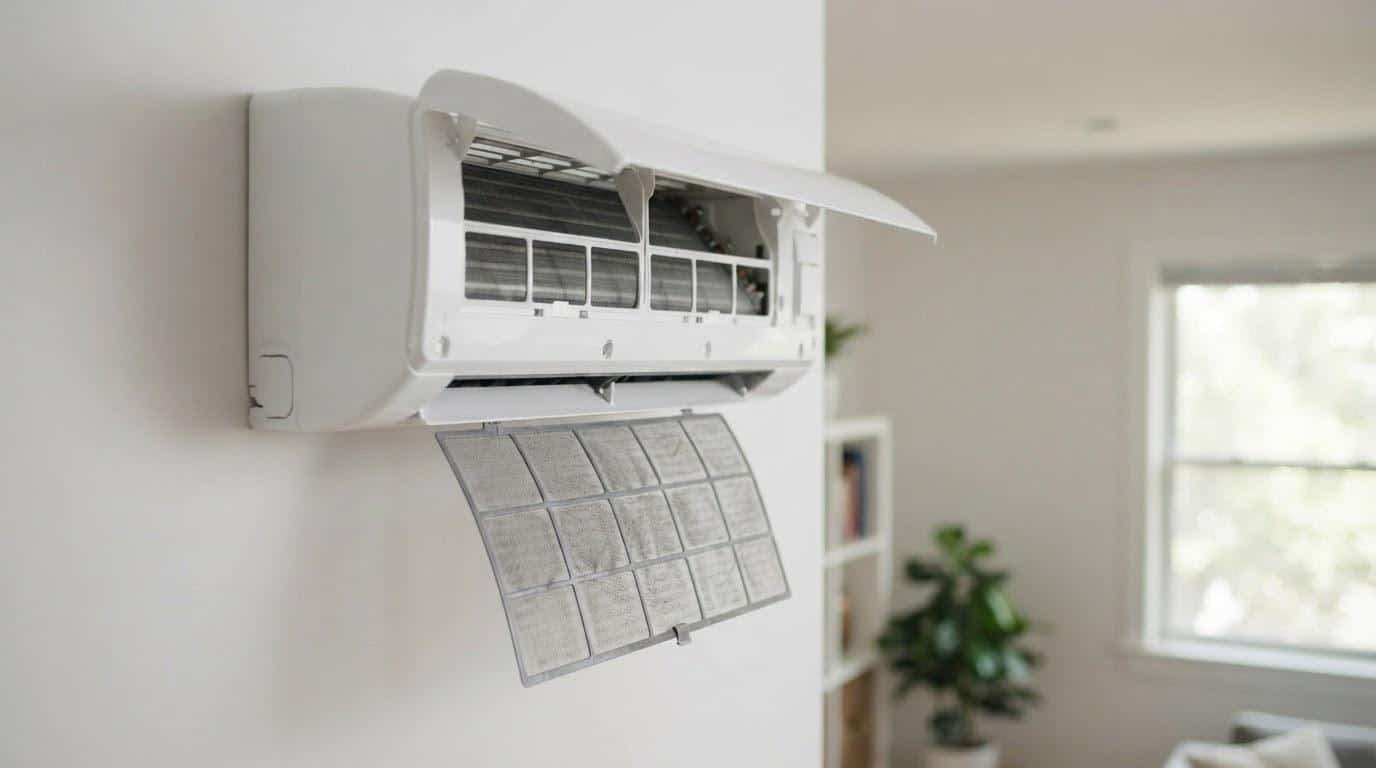
- Check filter monthly: High-use months clog filters faster. Hold the filter up to light; if you cannot see light through it, replace it regardless of schedule.
- Monitor indoor humidity: Use an inexpensive hygrometer. If readings stay below 30 percent for more than a few days, consider a humidifier.
- Run exhaust fans when cooking or bathing: These activities release moisture and combustion byproducts. Ventilating them out reduces the load on your filtration system.
- Keep air purifier running on medium: Portable HEPA units are most effective when run continuously rather than in short bursts.
February (Post-Season)
- Replace the filter again: End-of-season filter changes prevent accumulated debris from sitting in the system all spring.
- Clean supply and return vents: Wipe grilles with a damp cloth to remove settled dust before warmer weather brings open windows back.
- Check humidifier water panel: Whole-home humidifiers have a water panel or evaporator pad that should be replaced annually, typically at the end of the heating season.
Filter and Purification Comparison
| Solution | What It Captures | Typical Cost Range (Market) | DIY or Pro? |
|---|---|---|---|
| 1-inch MERV 8 filter | Dust, pollen, lint (particles 3 microns and larger) | $5 to $20 per filter | DIY |
| MERV 11 to 13 filter | Fine dust, mold spores, pet dander, some smoke particles | $15 to $40 per filter | DIY (verify system compatibility first) |
| Portable HEPA air purifier | Particles down to 0.3 microns, wildfire smoke, allergens | $80 to $400 per unit | DIY |
| Whole-home media filter (4 to 5 inch) | Fine particles, smoke, allergens at the system level | $200 to $600 installed (market range) | Pro installation required |
| Whole-home UV air purifier | Bacteria, mold spores, viruses on coil surfaces | $300 to $800 installed (market range) | Pro installation required |
| Whole-home humidifier (bypass or fan-powered) | Low humidity (raises RH to 30 to 50 percent range) | $400 to $900 installed (market range) | Pro installation required |
| Duct cleaning service | Accumulated dust, debris, wildfire residue in ductwork | $300 to $700 depending on system size | Pro only |
Costs vary based on system size, home square footage, and the specific equipment selected. Request a custom quote from Shalom Heating & Air for an accurate number based on your home.
What Does a Professional IAQ Service Include?
A professional indoor air quality inspection typically covers a full review of your filtration system, ductwork condition, heating equipment, and ventilation in one to two hours. The technician identifies the specific pollutant sources in your home rather than recommending a one-size-fits-all solution.
Here is what a thorough seasonal IAQ service generally includes:
- Filter inspection and replacement: The technician checks the current filter’s MERV rating, condition, and fit. Gaps around the filter frame allow unfiltered air to bypass the media entirely.
- Duct visual inspection: Supply and return ducts are checked for visible debris, mold growth, disconnected sections, and wildfire residue accumulation.
- Coil cleaning: Evaporator and condenser coils collect biological growth and smoke particles. A dirty coil also reduces system efficiency by up to 15 percent.
- Heat exchanger inspection: For gas furnaces, cracks in the heat exchanger are the primary path for combustion gases to enter living space. This inspection requires disassembly and is not a DIY task.
- Combustion analysis: Technicians check burner flame color and combustion byproduct levels to confirm safe operation.
- Ventilation assessment: The technician evaluates whether the home has adequate fresh-air intake, which becomes critical in tightly sealed winter homes.
- Humidity measurement: Current indoor relative humidity is measured and compared against the 30 to 50 percent target range.
- Carbon monoxide test: CO levels are measured at supply registers and near the furnace to confirm safe operation.
ACCA (Air Conditioning Contractors of America) standards recommend that technicians follow a documented inspection protocol. Ask your contractor what their inspection checklist covers before scheduling. A licensed contractor, verified through the California Contractors State License Board (CSLB), is required for any work involving gas appliances or ductwork modifications in California.
How Does Humidity Control Affect Winter Air Quality?
Maintaining indoor humidity between 30 and 50 percent during winter reduces airborne particle transmission, prevents dry skin and respiratory irritation, and inhibits mold growth that thrives in both very dry and very humid conditions. Most Southern California homes run well below 30 percent relative humidity during peak heating months without active humidification.
Low humidity has a direct effect on how particles behave in the air. When humidity is below 30 percent, fine particles stay suspended longer because the air lacks the moisture weight to pull them down onto surfaces. That means particles stay in your breathing zone longer with each pass of the heating system.
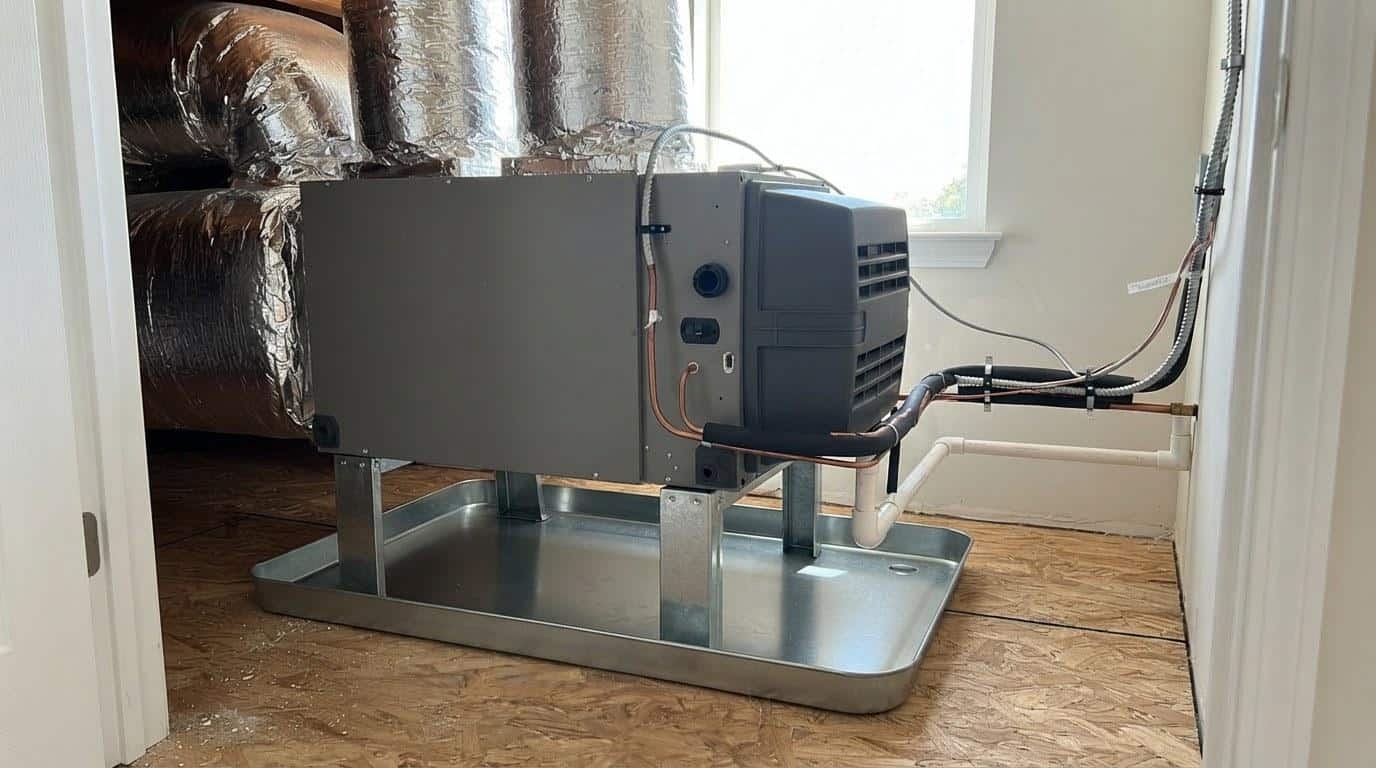
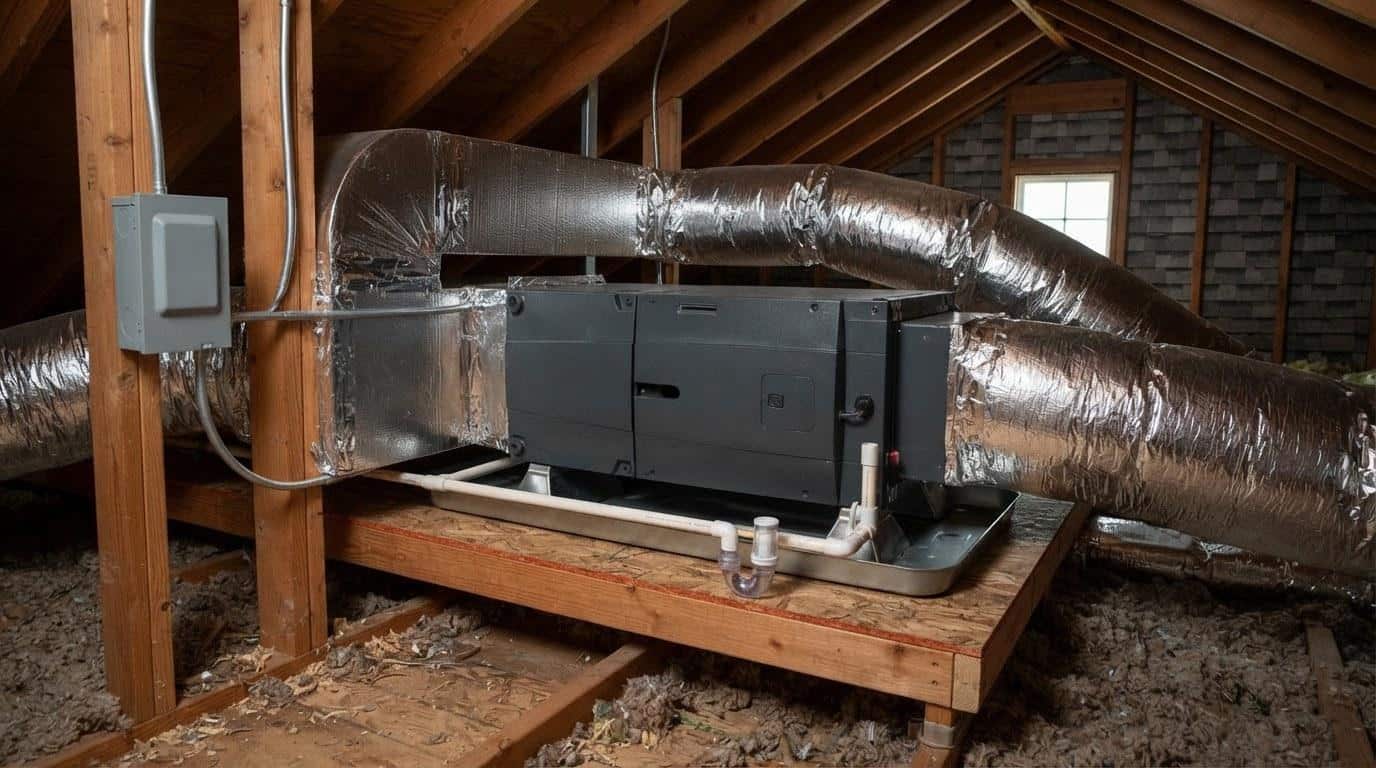
Whole-home humidifiers connect directly to your HVAC system and water supply, adding moisture to the air stream as it passes through the furnace or air handler. Bypass models work well in most homes. Fan-powered models are better suited to larger homes or systems with lower static pressure. A properly sized unit can maintain target humidity levels even when outdoor temperatures drop into the 40s Fahrenheit, which does happen in parts of Southern California during December and January.
Portable tabletop humidifiers are a lower-cost alternative for single rooms. They require daily refilling and weekly cleaning to prevent mold and bacteria growth in the reservoir. For whole-home coverage, a professionally installed unit is far more practical. Pricing for whole-home humidifiers in this regional market typically ranges from $400 to $900 installed, depending on the model and system compatibility.
What Warning Signs Tell You Your Indoor Air Quality Is a Problem?
The clearest warning signs of poor indoor air quality in fall and winter are persistent allergy or asthma symptoms indoors, a burning smell that lasts more than 30 minutes when the heater first runs, visible dust buildup on vents within days of cleaning, and unexplained headaches or fatigue.
- Allergy or asthma flares indoors: If symptoms are worse inside than outside, your filtration system is not keeping up with the pollutant load.
- Visible dust on supply registers: Dust that reappears within a day or two of wiping vents points to heavy particle loading in the duct system.
- Persistent burning or musty smell from vents: A brief burn-off smell is normal at season start. A smell that continues or returns on subsequent days needs professional diagnosis.
- Dry skin, nosebleeds, or scratchy throat: These are classic signs of humidity below 30 percent and are common in Southern California homes running forced-air heat without humidification.
- Headaches, dizziness, or unusual fatigue: These can indicate elevated carbon monoxide or VOC levels. If symptoms improve immediately after leaving the home, treat this as an urgent situation and have the heating system inspected.
- Condensation on windows: This is the opposite problem: humidity above 60 percent encourages mold growth. It can occur in bathrooms or kitchens if exhaust ventilation is inadequate.
- Yellow or orange burner flame: A healthy gas furnace flame is blue. Yellow or orange flames indicate incomplete combustion, which produces higher carbon monoxide output.
- Filter clogged in less than 30 days: A filter that fills up unusually fast signals a high particle load in the home, often from duct debris, pet dander, or wildfire residue.
These indoor air quality fall winter tips homeowners should watch for are not just comfort issues. The EPA links long-term exposure to indoor PM2.5 particles to cardiovascular and respiratory disease. Catching warning signs early and addressing them with the right equipment is a health decision, not just a comfort upgrade.
Schedule Your Fall IAQ Service Before the Season Peaks
Fall is the right time to get ahead of indoor air quality problems before your heating system runs daily and windows stay shut for months. A pre-season inspection, a filter upgrade, and the right humidification or purification equipment can make a measurable difference in how your home feels and how healthy your air is through winter.
Shalom Heating & Air provides indoor air quality solutions, air purification system installation, humidity control, ductwork inspection, and full HVAC maintenance for homeowners across Southern California. The team is licensed and insured, and all work meets California’s Title 24 building energy standards.
Book your seasonal IAQ service before the heating season peaks. Call (714) 886-2021 or reach out online to get a custom quote for your home.
Explore our full range of HVAC services across Southern California.
Frequently Asked Questions
Why do my allergies get worse inside my house in the fall and winter?
When you close windows for the cooler months, allergens like dust mite debris, pet dander, and mold spores stop escaping and build up indoors. Your heating system then recirculates them every time it runs. Upgrading to a MERV 11 or 13 filter and adding a whole-home or portable HEPA air purifier can significantly reduce the allergen load in your home.
Is it normal for my heater to smell when I turn it on for the first time in fall?
A brief burning smell for the first 20 to 30 minutes of the season is normal. It is dust that settled on the heat exchanger and burners burning off. If the smell lasts longer than 30 minutes, returns on subsequent days, or smells like rotten eggs or something chemical, shut the system off and call a licensed HVAC technician to inspect the furnace before using it again.
How often should I change my air filter in the fall and winter?
Most HVAC manufacturers recommend filter changes every 60 to 90 days under normal use. During fall and winter, when the system runs more often and windows stay closed, filters typically load up faster. Check your filter monthly by holding it up to a light source. If you cannot see light through it, replace it right away regardless of how long it has been in place.
Can wildfire smoke from past fires still affect my indoor air quality months later?
Yes. Fine smoke particles settle inside ductwork, on evaporator coils, and on return-air surfaces and can re-enter your living space when the heating season begins. If your home was near a wildfire event in the past 12 months, a professional duct inspection and cleaning before the heating season is the most effective way to remove that residue before it circulates through your home all winter.
What humidity level should I keep my home at during winter?
The U.S. Department of Energy recommends keeping indoor relative humidity between 30 and 50 percent year-round. During Southern California winters, forced-air heating systems often push humidity below 30 percent without active humidification. A simple hygrometer from a hardware store lets you monitor levels, and a whole-home humidifier connected to your HVAC system is the most practical way to maintain target humidity throughout the season.