AC Repair Cost in Southern California: What Homeowners Pay in 2026
AC repair costs in Southern California typically range from $150 to $1,500 depending on the repair type, system age, and parts needed. This guide breaks down what drives the price and how to plan your budget.
What Does AC Repair Cost in Southern California in 2026?
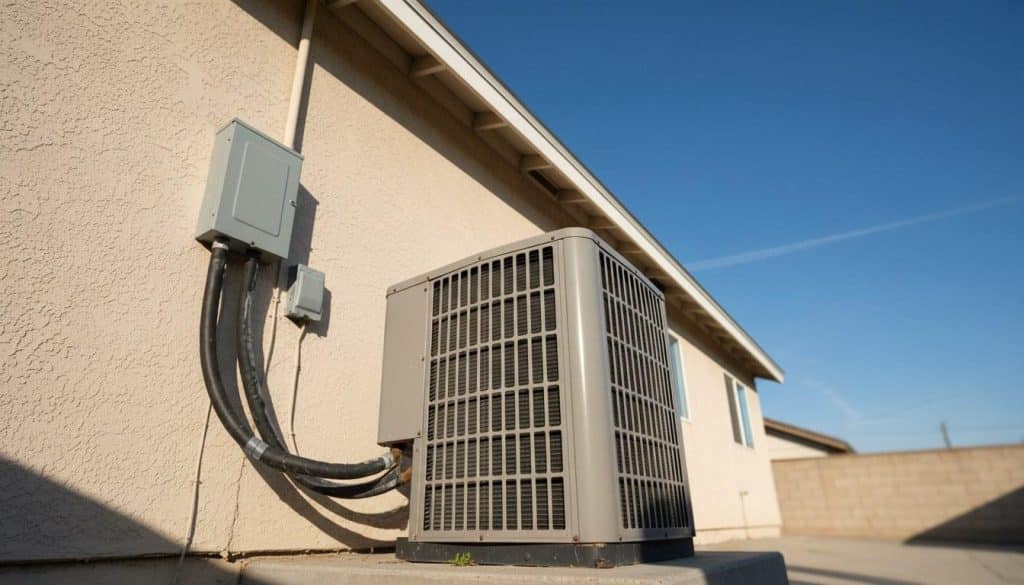
AC repair cost in Southern California typically falls between $150 and $1,500 in the current market, with most homeowners paying somewhere in the $250 to $750 range for a single-visit repair. Major component failures — like a compressor replacement — can push the total above $2,000 depending on the system size and refrigerant type. These are regional market ranges based on common repair types and current labor and parts pricing in the area. They are not quotes from any specific contractor.
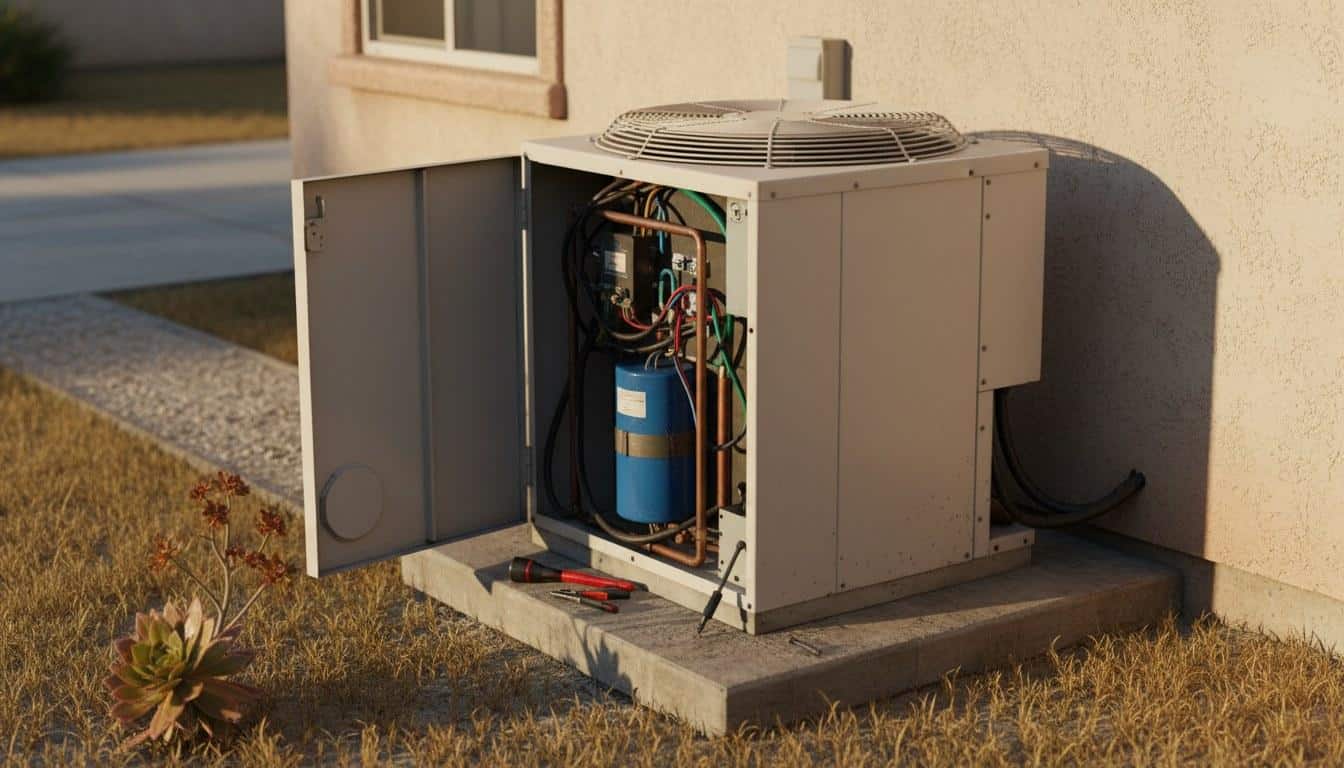
Southern California’s climate puts air conditioning systems under serious stress. Inland areas like the San Gabriel Valley and parts of Orange County regularly see summer temperatures above 95°F, and systems run nearly nonstop from June through September. That continuous load accelerates wear on capacitors, contactors, compressors, and refrigerant lines — the parts most likely to fail and drive a service call.
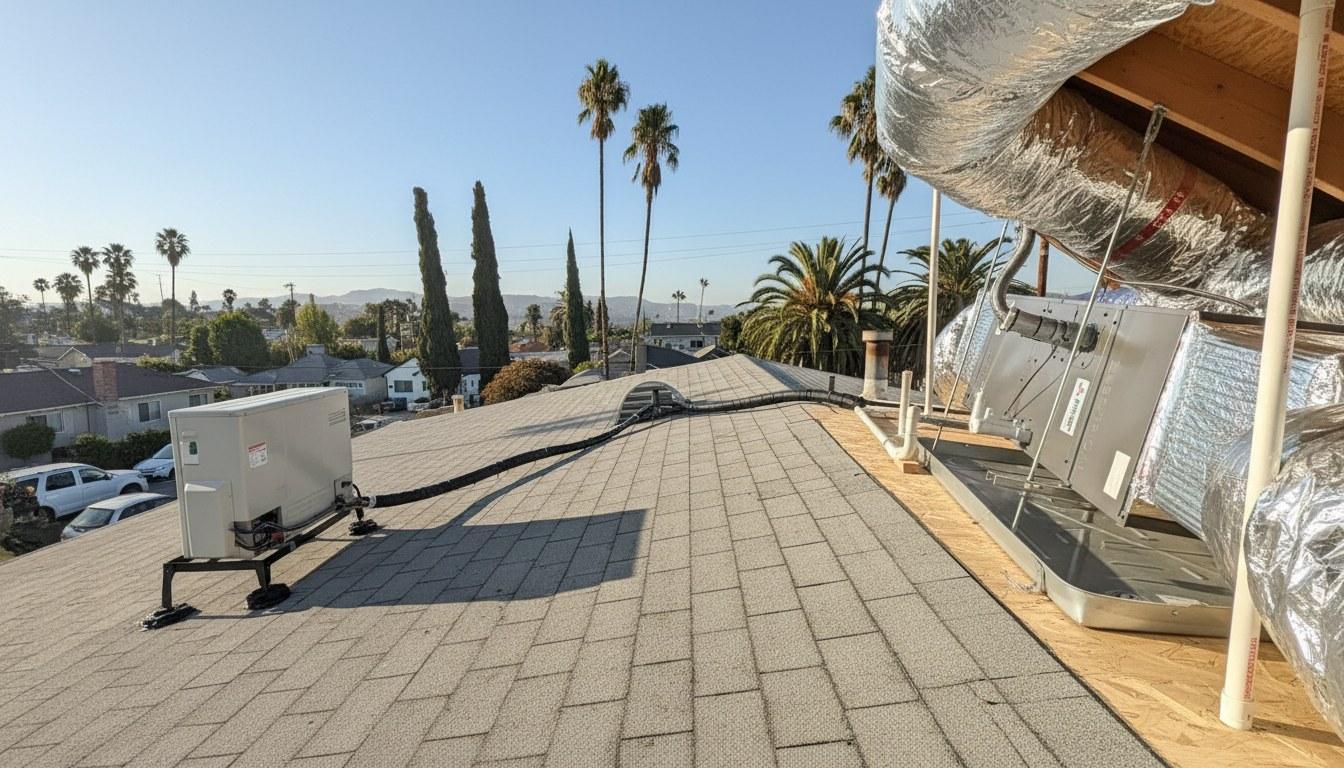
What Factors Affect AC Repair Cost the Most?
The five biggest drivers of AC repair cost are the specific part that failed, the refrigerant type your system uses, the age and brand of your equipment, local labor rates, and whether the repair requires a permit. Understanding each one helps you evaluate any quote you receive.
- Failed component: A capacitor costs far less to replace than a compressor. The part itself and the labor to access it are the two biggest line items on any repair invoice.
- Refrigerant type: Systems using R-22 (phased out under EPA refrigerant regulations (Section 608) as of January 2020) cost significantly more to recharge because R-22 is no longer manufactured and supply is limited. Systems using the newer R-410A or the emerging R-454B refrigerant are less expensive to service for refrigerant-related repairs.
- System age: Units older than 10 to 12 years often need harder-to-source parts, which adds cost and can extend the repair timeline by one to several days.
- System size and brand: Larger tonnage units (3-ton, 4-ton, or 5-ton systems common in Southern California homes) use bigger, more expensive components. Some premium brands have proprietary parts that cost more than generic equivalents.
- Labor rates in your area: Labor in Los Angeles County and Orange County generally runs higher than the national average, reflecting the regional cost of living and licensing requirements enforced by the California Contractors State License Board (CSLB).
- Permit requirements: Most routine repairs (capacitor swaps, contactor replacements, refrigerant top-offs) do not require a permit. However, replacing a coil, compressor, or full air handler in California may trigger a permit and inspection under local building codes, adding $75 to $300 or more to the project cost.
How Much Do Common AC Repairs Cost in the Southern California Market?
Capacitor and contactor replacements are the most frequent repairs in this region, typically running $150 to $400 all-in. Refrigerant-related repairs and compressor work sit at the higher end, often $600 to $2,500 depending on scope. The table below shows typical market ranges for the most common repair scenarios across Southern California communities.
| Repair Scenario | Typical Market Range (Southern CA) | What’s Usually Included |
|---|---|---|
| Capacitor replacement | $150 – $400 | Diagnosis, new capacitor, labor, system test |
| Contactor replacement | $150 – $350 | Diagnosis, new contactor, labor, system test |
| Refrigerant recharge (R-410A) | $250 – $600 | Pressure check, refrigerant added, leak check |
| Refrigerant leak repair | $400 – $1,500 | Leak detection, repair or coil seal, recharge, test |
| Evaporator or condenser coil replacement | $900 – $2,200 | New coil, labor, refrigerant, permit if required |
| Compressor replacement | $1,200 – $2,800 | New compressor, labor, refrigerant, electrical check |
| Blower motor replacement | $350 – $900 | New motor, labor, airflow test |
| Thermostat replacement (smart/programmable) | $150 – $450 | New thermostat, wiring check, programming |
Our technicians respond to roughly 3 times more emergency service calls in July and August than during any other two-month window across the region — and capacitor failures account for nearly 40% of those summer calls, almost always on units that are 10 years old or older.
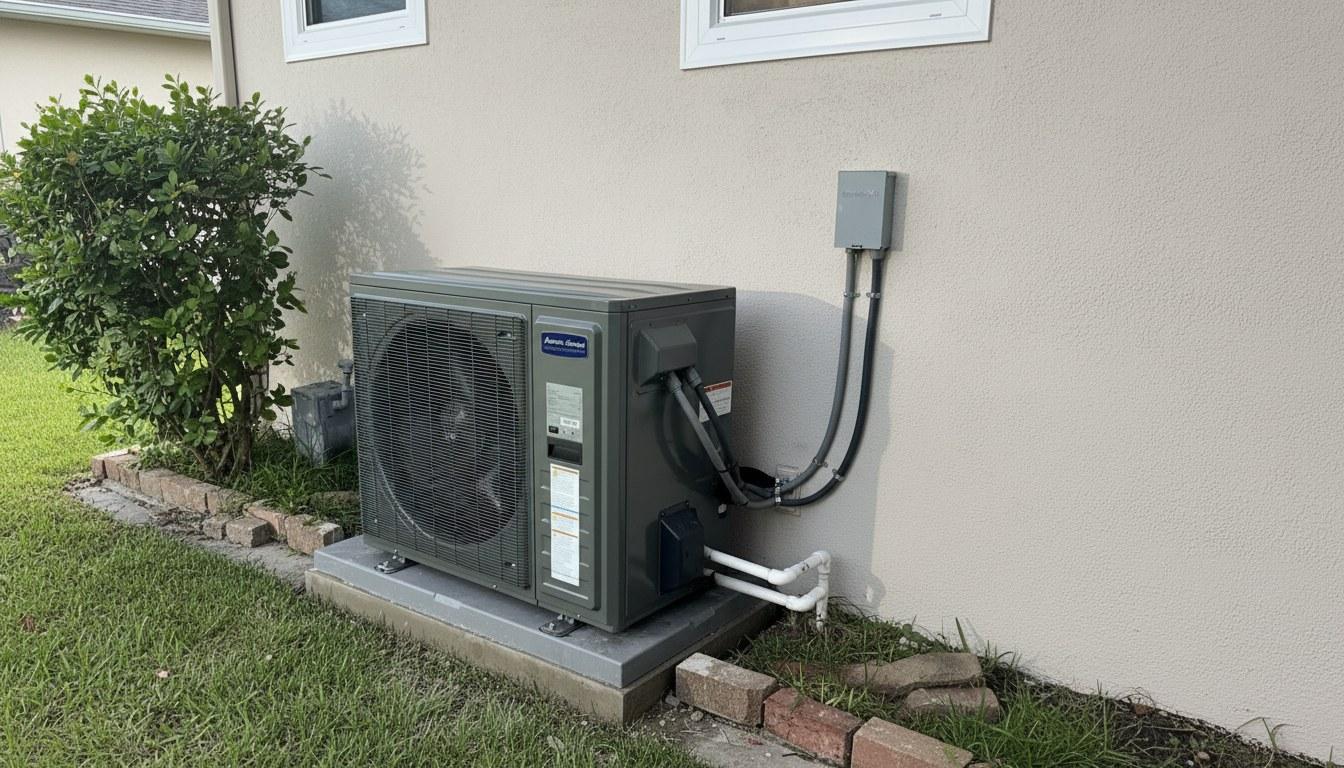
Homeowners researching air conditioning repair in communities across Orange County and Los Angeles County should know that diagnostic fees — typically $75 to $150 — are standard practice in this market. Most contractors apply the diagnostic fee toward the repair cost if you proceed with the work. Always confirm this policy before booking.
If your system uses R-22 refrigerant and needs a recharge, the cost can jump significantly. Since R-22 production ended in 2020 under EPA Section 608 regulations, remaining supplies are recycled and reclaimed stock only. Recharging an R-22 system can cost $600 to $1,800 or more depending on how much refrigerant is needed — often making full system replacement the smarter financial decision.
Recharging an R-22 system can cost $600 to $1,800 or more depending on how much refrigerant is needed — often making full system replacement the smarter financial decision.
What Is NOT Included in a Standard AC Repair Quote?
A standard repair quote covers the diagnosed failed component and the labor to replace it. Several common add-ons surprise homeowners when they appear on the final invoice. Knowing these in advance helps you ask the right questions upfront.
- Diagnostic or service call fee: Usually $75 to $150, billed even if you decline the repair. Confirm whether it applies toward the repair total.
- Refrigerant cost: Some quotes list labor only and add refrigerant as a per-pound line item. Refrigerant for R-410A systems typically runs $30 to $80 per pound in this market; R-22 runs much higher.
- Permits and inspections: Required for certain coil or compressor replacements under California building codes. The permit fee varies by city but commonly runs $75 to $300.
- Electrical repairs: A failing capacitor sometimes damages the contactor or wiring. If the technician finds secondary damage, that repair is typically a separate line item.
- Duct sealing or cleaning: If poor airflow is partly a duct issue, duct work is quoted separately from the equipment repair.
- After-hours or emergency rates: Evening, weekend, and holiday service calls commonly carry a surcharge of $50 to $150 above standard rates in Southern California.
How Do You Know If You Should Repair or Replace Your AC?
A repair makes financial sense when the repair cost is less than 50% of the cost of a new system and the unit is under 12 years old. Once a system is 15 years or older and facing a major component failure, replacement usually delivers better long-term value.
Once a system is 15 years or older and facing a major component failure, replacement usually delivers better long-term value than repair.
The U.S. Department of Energy recommends replacing air conditioners that are more than 15 to 20 years old, especially when repair costs are high and the system uses outdated refrigerant. Newer systems must meet California’s Title 24 building energy standards and carry minimum SEER2 ratings (15 SEER2 for split systems in California’s climate zones as of 2023), which translates to meaningfully lower electricity bills compared to older 10 SEER units still running in many homes.
| Situation | Likely Best Move | Why |
|---|---|---|
| Unit under 10 years, minor part failure | Repair | System has useful life remaining; repair cost is low relative to replacement |
| Unit 10–15 years, compressor failure | Get replacement quote too | Compressor cost approaches new system territory; efficiency gains may offset replacement cost |
| Unit over 15 years, R-22 refrigerant | Replace | R-22 recharge is very expensive; new systems are 30–50% more efficient |
| Repeated repairs in the last 2 years | Replace | Pattern of failures signals end of useful life; cumulative repair cost exceeds replacement value |
| New system, single component failure | Repair (check warranty) | May be covered under manufacturer or installer warranty at no cost |
Homeowners replacing a system in 2026 should also check eligibility for the Inflation Reduction Act federal tax credit, which offers up to 30% back (capped at $600) on qualifying high-efficiency HVAC equipment. The TECH Clean California rebate program may offer additional stacking incentives for households that qualify based on income.
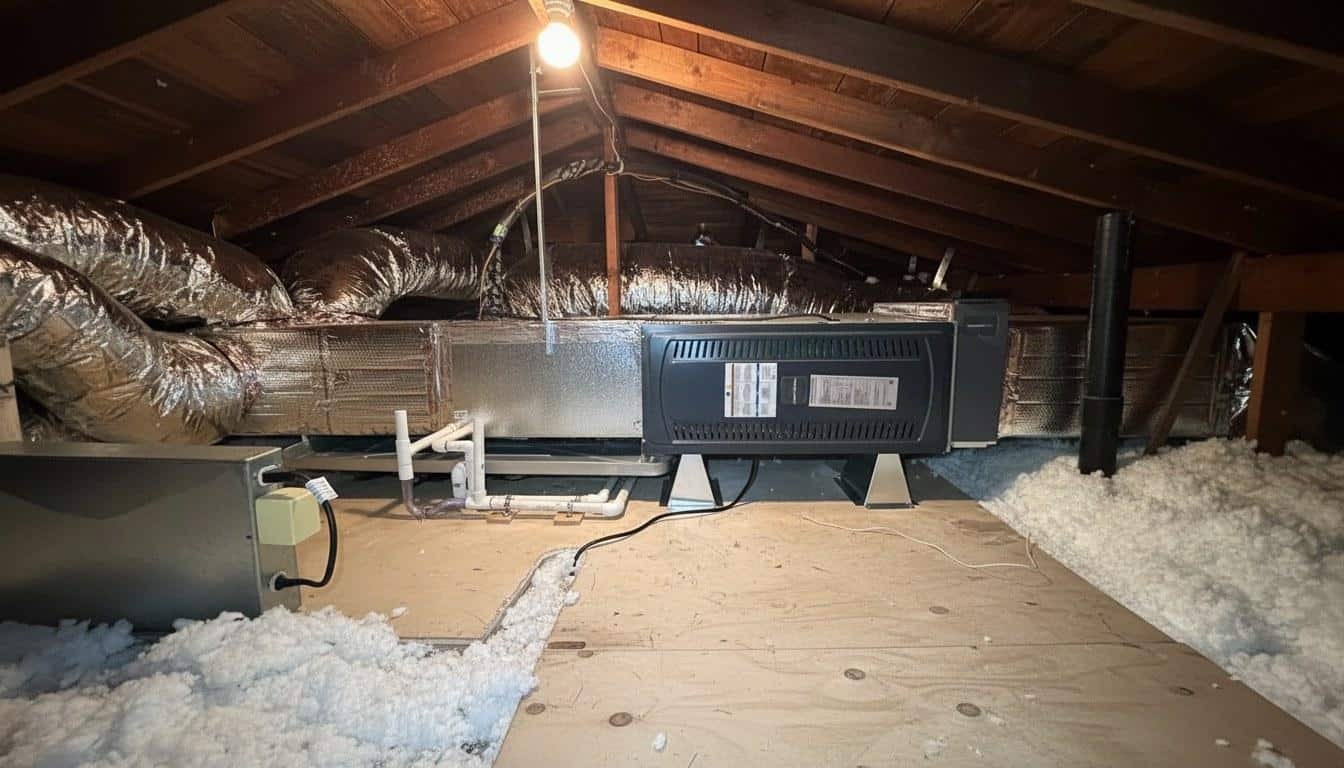
Across our service calls in the region, we’ve found that roughly 1 in 4 homeowners who called for a compressor repair ultimately chose replacement once they saw the side-by-side cost comparison — particularly when their system was already 13 years or older and running on R-22.
How to Get an Accurate AC Repair Quote
The most accurate quotes come from contractors who perform an in-person diagnostic before pricing the work — not from phone estimates based on symptoms alone. Have the following information ready before you call any HVAC company in Southern California.
- System brand and model number: Usually on a label on the outdoor condenser unit. This tells the technician what parts are needed before they arrive.
- Age of the system: Check the installation date on your original paperwork or the data plate on the unit. Age affects both parts availability and the repair-vs-replace decision.
- Refrigerant type: R-22 vs. R-410A changes the cost picture significantly. The data plate usually lists this.
- Description of symptoms: Is the system running but blowing warm air? Not turning on at all? Making unusual sounds? Short-cycling (turning on and off every few minutes)? Each symptom points to different likely causes.
- Recent repair history: If the system has been serviced in the last 12 to 24 months, share what was done. Repeat failures on the same component are a red flag worth discussing.
- Whether you have a home warranty: Some home warranty plans cover HVAC repairs. Confirm before booking, because the claim process affects who you can call and how billing works.
Always ask for a written quote before any work begins. The quote should itemize parts, labor, refrigerant (if applicable), and any fees separately. A contractor licensed by the California Contractors State License Board (CSLB) is required to provide a written contract for work over $500. You can verify any CSLB license number at cslb.ca.gov before you commit.
Request a Custom AC Repair Quote in the Bellflower Area
The market ranges in this guide reflect typical Southern California pricing as of 2026. Your actual repair cost depends on what your specific system needs, the parts required, and the scope of work — not on any regional average. Get a written, itemized quote before approving any repair.
Shalom Heating & Air serves communities across Los Angeles County, Orange County, and surrounding areas. Whether you need air conditioning repair, a refrigerant leak diagnosed, or a full system replacement quote, call (714) 886-2021 to schedule a diagnostic visit. Same-day appointments are available during peak summer season — book early to avoid the mid-July backlog that hits every year across the region.
Call Shalom Heating & Air at (714) 886-2021 or request a quote online. A licensed technician will diagnose the problem, give you a written price before any work starts, and walk you through your repair-vs-replace options with no pressure.
Explore our full range of HVAC services across Southern California.
Frequently Asked Questions
How much does it usually cost to repair an AC unit in Southern California?
Most AC repairs in Southern California fall between $150 and $1,500 in the current market, with the majority of single-visit repairs landing in the $250 to $750 range. Major repairs like compressor replacement can exceed $2,000. The exact cost depends on which component failed, the age of the system, and the refrigerant type it uses.
Is it worth repairing an AC that's more than 15 years old?
Generally, no — especially if the repair involves a major component like the compressor or evaporator coil. Once a system is 15 years or older and facing a repair that costs more than half the price of a new unit, replacement usually makes more financial sense. Newer systems also qualify for the Inflation Reduction Act federal tax credit and meet California's current Title 24 efficiency standards, which lowers your electricity bill going forward.
Why is my air conditioner blowing warm air?
The most common causes are a failed capacitor, low refrigerant due to a leak, a dirty evaporator coil, or a faulty compressor. A capacitor failure is the most frequent culprit in Southern California during summer and is one of the least expensive repairs — typically $150 to $400. A refrigerant leak or compressor issue costs more and requires a licensed technician to diagnose and repair legally under EPA Section 608 regulations.
Do I tip the AC repair technician?
Tipping an HVAC technician is not expected or standard practice in Southern California. Most homeowners show appreciation through online reviews or by requesting the same technician for future service. If a technician goes significantly above and beyond — for example, staying late on an emergency call — a tip of $10 to $20 is a thoughtful gesture but never required.
How do I know if my AC has a refrigerant leak?
Common signs of a refrigerant leak include the system running continuously without cooling the home, ice forming on the refrigerant lines or evaporator coil, a hissing or bubbling sound near the unit, and higher-than-normal electricity bills. A licensed HVAC technician can confirm a leak using a pressure test or electronic leak detector. Refrigerant work must be performed by a certified technician under EPA Section 608 — it is not a DIY repair.