California HVAC Permits: What Homeowners Need to Know Before Any Installation
Skipping an HVAC permit in California can void your homeowner's insurance and cost thousands in fines. This guide walks you through exactly when a permit is required, what the inspection process looks like, and how to make sure your contractor is properly licensed.
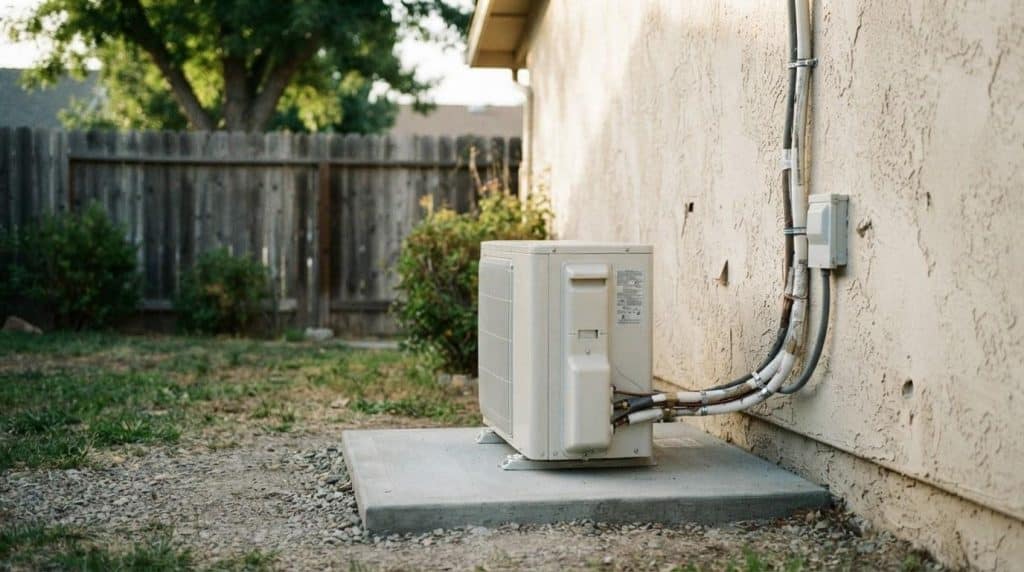
Most HVAC installations and significant repairs in California require a building permit, and only a contractor licensed by the California Contractors State License Board (CSLB) can legally pull one for residential work. Skipping the permit process puts your insurance coverage, your home’s resale value, and your family’s safety at risk. This hvac permit california homeowner guide covers every step, from understanding which jobs trigger a permit to verifying your contractor’s license before a single bolt is turned.
Why Does California Require an HVAC Permit?
California requires HVAC permits to make sure every installation meets the state’s building and energy codes, protecting homeowners from fire hazards, carbon monoxide risks, and inefficient systems that drive up utility bills. The permit process creates a paper trail that proves the work was inspected and approved by a local building official.
Without a permit, your homeowner’s insurance carrier may deny a claim tied to the HVAC system. Many carriers treat unpermitted work as a material misrepresentation, which can void the policy entirely. Beyond insurance, unpermitted systems can stall a home sale: buyers’ lenders routinely flag open or missing permits during escrow.
California’s Title 24 building energy standards, updated on a regular cycle, set minimum efficiency levels for new HVAC equipment. A permit inspection confirms the installed system actually meets those standards. Skipping the inspection means no one verifies compliance, and you may end up with equipment that fails California Energy Commission appliance standards.
What HVAC Work Requires a Permit in California?
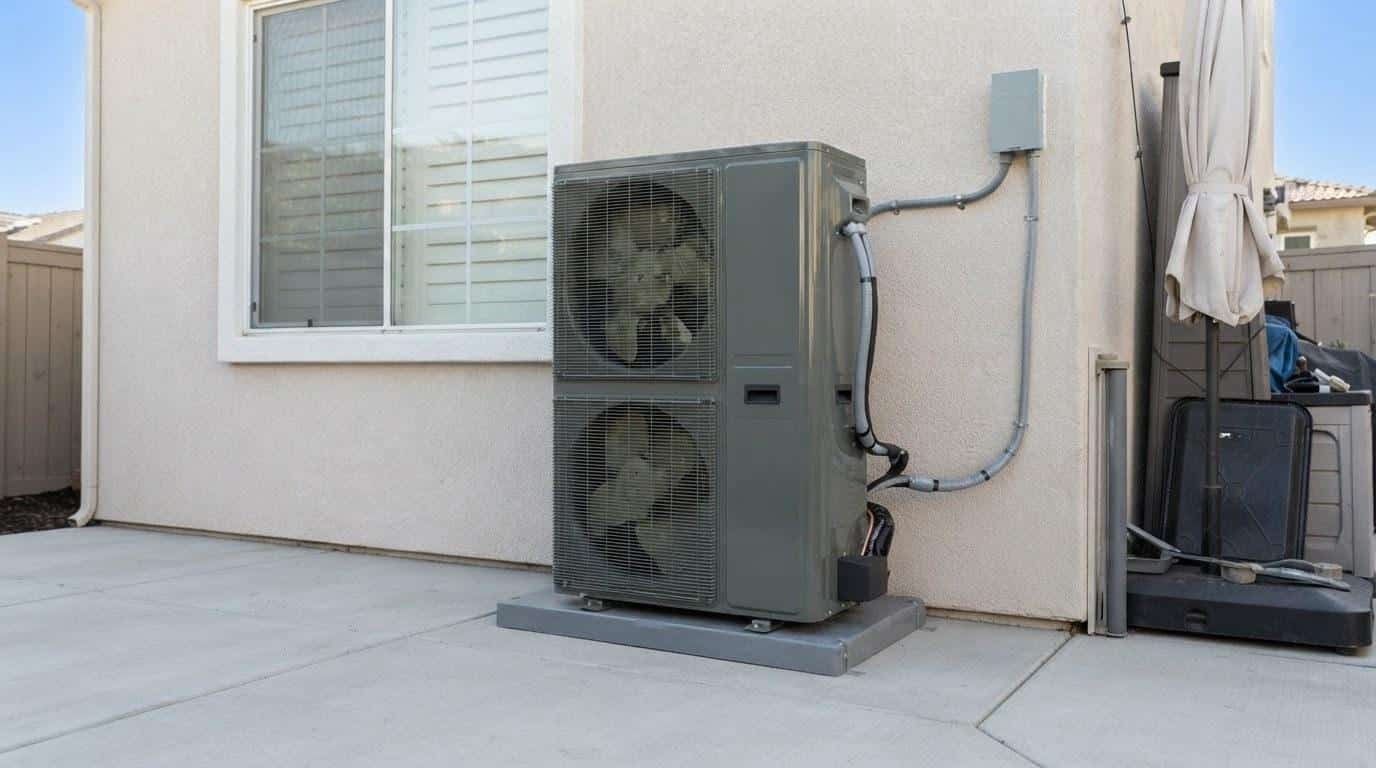
Any new HVAC system installation, full system replacement, or change to existing ductwork almost always requires a permit in California. Minor repairs, filter changes, and routine maintenance typically do not. The line between “repair” and “replacement” matters a great deal here.
The following types of work generally require a permit across California jurisdictions:
- New central AC or furnace installation: Any first-time installation of a central system triggers a mechanical permit.
- Full system replacement: Swapping out an old air conditioner, heat pump, or furnace for a new unit is considered new work and requires a permit in virtually every California city and county.
- Ductwork installation or major modification: Adding new ducts, rerouting existing runs, or sealing a leaky duct system to meet Title 24 duct leakage standards requires a permit and a duct leakage test.
- Ductless mini-split installation: Installing a new mini-split system, including running refrigerant lines and electrical connections, requires a mechanical and often an electrical permit.
- Heat pump installation: Heat pumps are covered under the same mechanical permit rules as traditional HVAC equipment.
- Gas line work: Any modification to a gas line serving a furnace or water heater requires a separate plumbing or gas permit.
- Electrical panel upgrades tied to HVAC: If the new system requires a dedicated circuit or panel upgrade, an electrical permit is also required.
Work that generally does NOT require a permit includes replacing a like-for-like part (a capacitor, a contactor, a blower motor), cleaning coils, changing filters, or performing a seasonal tune-up. If you are unsure, ask your local building department before any work begins.
| Type of Work | Permit Required? | Notes |
|---|---|---|
| New central AC or furnace installation | Yes | Mechanical permit; Title 24 compliance required |
| Full system replacement (same location) | Yes | Most California jurisdictions require this |
| Ductless mini-split installation | Yes | Mechanical + electrical permit usually needed |
| Ductwork installation or rerouting | Yes | Duct leakage test required under Title 24 |
| Heat pump installation | Yes | Covered under standard mechanical permit rules |
| Like-for-like part replacement (capacitor, motor) | No | Considered routine repair |
| Seasonal maintenance or tune-up | No | No structural or system change involved |
How Do You Pull an HVAC Permit in California?
In California, a licensed HVAC contractor pulls the mechanical permit on your behalf. Homeowners can pull their own permits for owner-occupied single-family homes, but most building departments strongly advise using a licensed contractor because the permit holder is legally responsible for code compliance.
Here is the typical permit process from start to finish:
- Hire a CSLB-licensed contractor: Confirm the contractor holds a valid C-20 (Warm-Air Heating, Ventilating and Air-Conditioning) license or a C-38 (Refrigeration) license, depending on the scope of work. Both are issued by the California Contractors State License Board (CSLB).
- Contractor submits permit application: The contractor files the application with your local building department, either online or in person. Most cities in Southern California now offer online permitting portals.
- Pay the permit fee: Fees vary by jurisdiction and project scope. Mechanical permit fees for a standard system replacement typically range from $100 to $500 across California cities, though complex projects or jurisdictions with higher fee schedules can run more.
- Work begins after permit issuance: The contractor should not start installation until the permit is issued and posted at the job site.
- Schedule the inspection: The contractor or homeowner contacts the building department to schedule a rough-in inspection (before walls are closed) and a final inspection after the work is complete.
- Pass final inspection: The building inspector signs off, and the permit is closed. Keep a copy of the final inspection card for your records.
Our technicians typically see permit turnaround times of 1 to 5 business days for standard residential replacements in Southern California counties, though larger cities occasionally take up to 10 business days during peak construction season.
What Happens During an HVAC Inspection?
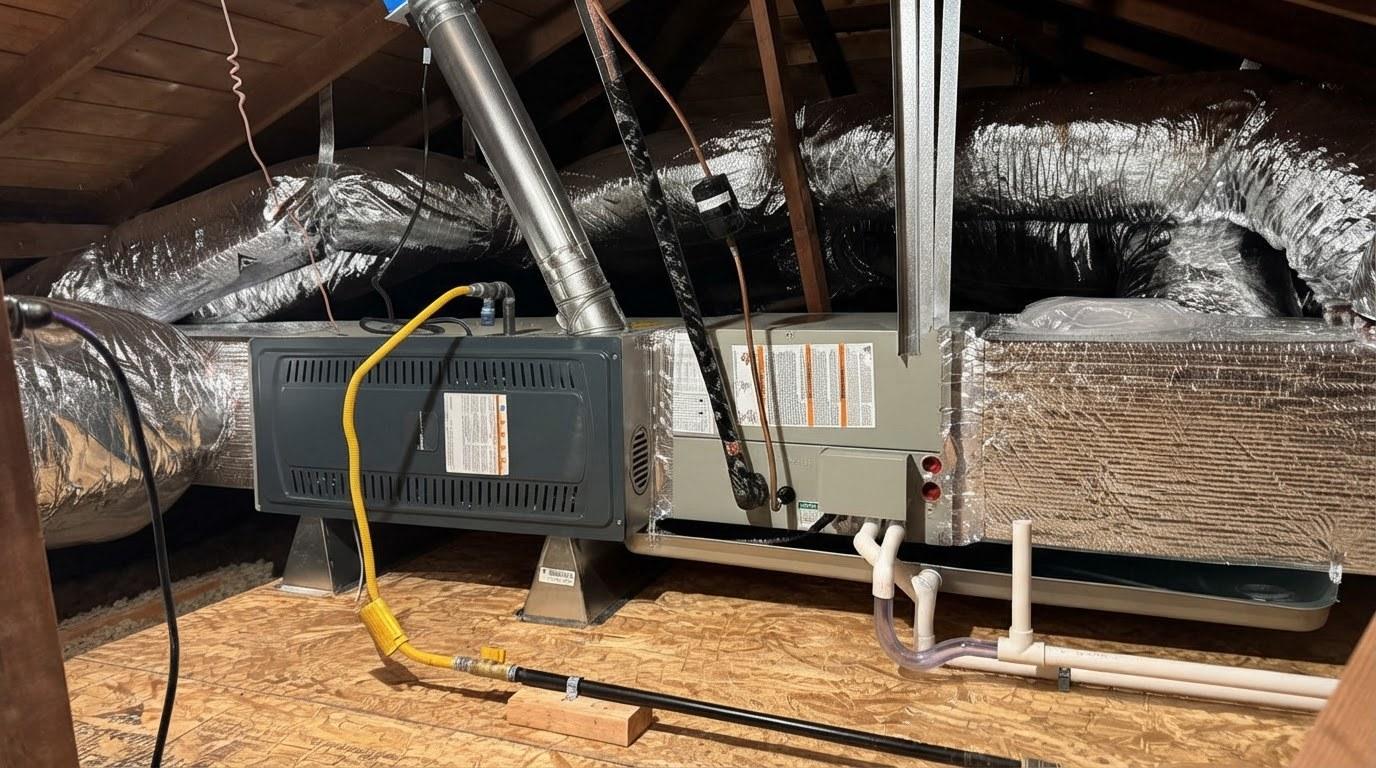
A California building inspector will check that the installed equipment matches what was permitted, that refrigerant line sizing and electrical connections meet code, and that the system passes a duct leakage test if new ductwork was installed. Most residential HVAC inspections take between 30 and 60 minutes on site.
Under California’s Title 24 building energy standards, any new HVAC installation that includes duct modifications must pass a duct leakage test. The standard requires that duct leakage to the outside be no more than 15% of the system’s nominal airflow for existing buildings, and no more than 6% for new construction. A third-party HERS (Home Energy Rating System) rater often performs this test and submits the results directly to the state’s registry.
Inspectors also verify the following:
- Equipment SEER2 rating: New air conditioners installed in California must meet minimum ENERGY STAR and California Energy Commission efficiency thresholds. As of 2023, the minimum SEER2 rating for split-system central air conditioners in California’s climate zones is 14.3 SEER2.
- Refrigerant compliance: Technicians must follow EPA refrigerant regulations (Section 608) when handling, recovering, or charging refrigerants. Inspectors may ask for documentation of refrigerant handling.
- Electrical connections: Wiring, breaker sizing, and disconnect switches must meet the National Electrical Code as adopted by California.
- Combustion safety (gas systems): For furnaces, inspectors check flue venting, gas line connections, and combustion air supply.
- Equipment clearances: Minimum clearances around the air handler, condenser, and any combustion equipment must meet manufacturer specs and local code.
If the system fails inspection, the contractor must correct the deficiency and schedule a re-inspection. Most straightforward installations pass on the first visit.
How Do You Verify a Contractor’s HVAC License in California?
Every homeowner should verify their HVAC contractor’s license on the CSLB website before signing any contract. The lookup is free, takes under two minutes, and shows the license number, classification, expiration date, bond status, and any disciplinary actions.
To verify, visit the CSLB license check tool and search by the contractor’s name, business name, or license number. Here is what to look for:
- Active status: The license must show “Active” on the date of your project. Expired licenses are not valid.
- Correct classification: HVAC work requires a C-20 or C-38 classification, or a General Building Contractor (B) license with a qualifying HVAC subcontractor. A plumbing-only (C-36) or electrical-only (C-10) license does not cover mechanical HVAC installation.
- Workers’ compensation insurance: California law requires contractors with employees to carry workers’ comp. The CSLB record will show whether this is on file.
- Bond on file: A $25,000 contractor’s bond is required by California law. The CSLB record confirms this.
- No disciplinary actions: Check for any citations, suspensions, or revocations on the record.
Be cautious of any contractor who asks you to pull the permit yourself as the homeowner. While legally allowed for owner-occupied homes, this arrangement shifts all code-compliance liability to you and may signal the contractor is unlicensed.
What Does a Permitted HVAC Installation Cost in California?
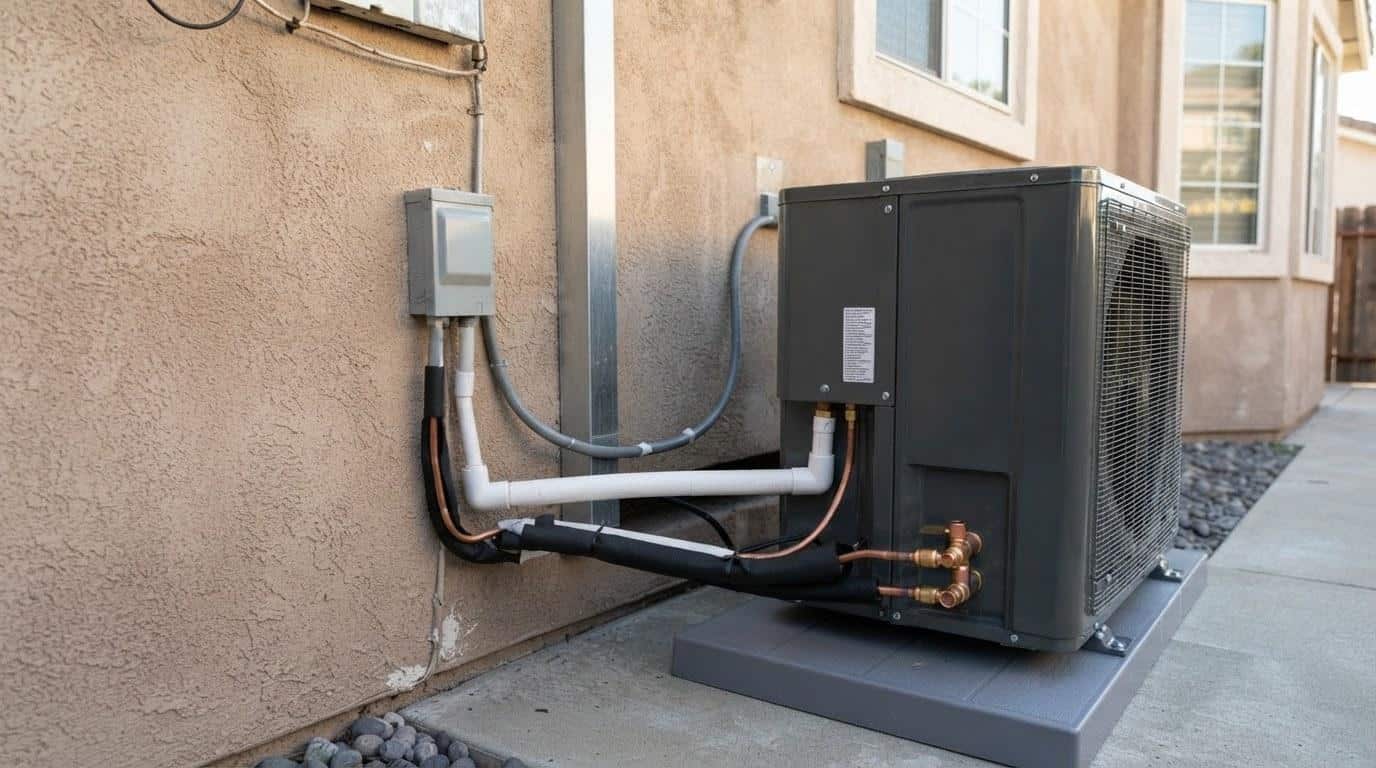
In the Southern California regional market, a permitted central AC replacement typically ranges from $4,500 to $12,000 depending on system size, equipment efficiency, and ductwork condition. A ductless mini-split installation for a single zone generally runs $3,000 to $6,000 in this market. Permit fees and HERS testing add to the total but are a small fraction of overall project cost.
Several factors move the final number:
- System size (tonnage): A properly sized system requires a Manual J load calculation. Undersizing or oversizing by even 0.5 tons affects both comfort and efficiency. Larger homes with 3 to 5 tons of cooling capacity cost more than smaller 1.5 to 2-ton systems.
- Equipment efficiency (SEER2): Higher-efficiency units cost more upfront but qualify for the Inflation Reduction Act federal tax credit of up to $600 for qualifying central air conditioners and $2,000 for qualifying heat pumps, as updated under the Inflation Reduction Act. California’s TECH Clean California rebate program may also reduce out-of-pocket costs.
- Ductwork condition: Homes with leaky or undersized ducts may need duct repairs or replacement, adding $1,500 to $4,000 to the project in this market.
- Permit and HERS fees: Mechanical permit fees typically range from $100 to $500. A HERS duct leakage test generally costs $150 to $300 in Southern California.
- Electrical upgrades: If the new system requires a dedicated 240-volt circuit or a panel upgrade, electrical work adds to the total scope.
Across our service calls in Southern California, we see that homeowners who invest in a properly permitted, higher-efficiency system recover a meaningful portion of the upfront cost through lower monthly utility bills, with systems rated 18 SEER2 or above consistently outperforming older 10-13 SEER units by 25 to 35% in seasonal energy use.
For an accurate number tied to your home’s actual square footage, insulation level, and duct condition, request a custom quote before any work begins. Call Shalom Heating & Air at (714) 886-2021 to schedule an in-home assessment.
Ready to Schedule a Permitted HVAC Installation?
Permits protect your investment, your insurance, and your family. Every installation Shalom Heating & Air performs is pulled with the proper mechanical permit, inspected to California code, and documented so you have a clean record for your home’s file.
Schedule your installation or replacement today. Call (714) 886-2021 to speak with a member of the team and get a written quote that includes permit fees, equipment, and labor. Shalom Heating & Air serves homeowners across Southern California and is ready to walk you through every step of the permit process from start to finish.
Explore our full range of HVAC services across Southern California.
Frequently Asked Questions
Do I need a permit to replace my air conditioner in California?
Yes, replacing an air conditioner in California almost always requires a mechanical building permit, even if you are swapping the old unit for the same size and brand. The new system must meet current Title 24 energy standards, and a building inspector must sign off on the installation. Your licensed HVAC contractor should pull this permit before work begins.
Can a homeowner pull their own HVAC permit in California?
California law allows owner-occupants of single-family homes to pull their own permits, but doing so makes you legally responsible for ensuring the work meets all building codes. Most building departments strongly recommend using a licensed C-20 or C-38 contractor who pulls the permit and carries full liability for compliance. If a contractor asks you to pull the permit, ask why before agreeing.
How do I check if my HVAC contractor is licensed in California?
Go to the CSLB license verification tool at cslb.ca.gov and search by the contractor's name or license number. You want to see an Active status, a C-20 or C-38 classification for HVAC work, a current bond, and workers' compensation insurance on file. This check is free and takes less than two minutes.
What happens if HVAC work is done without a permit in California?
Unpermitted HVAC work can void your homeowner's insurance coverage for any claim related to the system. It can also result in fines from the local building department, require you to open walls for a retroactive inspection, and create serious problems when you sell your home. Buyers' lenders flag unpermitted work during escrow, and you may be required to correct it at your own expense before the sale closes.
Are there rebates or tax credits available for a new HVAC system in California?
Yes. The Inflation Reduction Act federal tax credit offers up to $600 for qualifying high-efficiency central air conditioners and up to $2,000 for qualifying heat pumps installed in your primary residence. California's TECH Clean California program offers additional rebates for heat pumps and high-efficiency HVAC equipment. Both programs require that the system be properly permitted and installed by a licensed contractor to qualify.