AC Spring Maintenance Checklist: Get Your System Ready Before Summer Heat Hits
A thorough AC spring maintenance checklist can prevent breakdowns, lower energy bills, and extend your system's life before California's hottest months arrive.
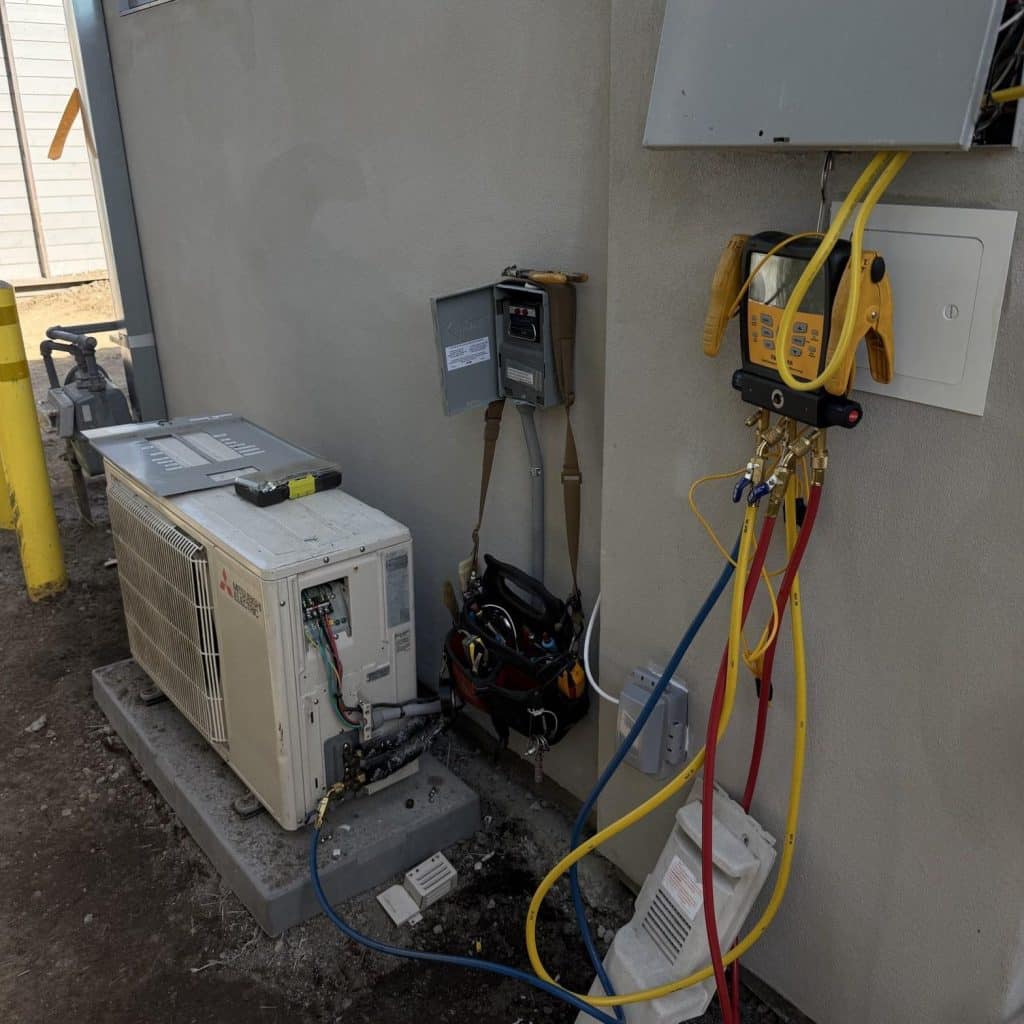
Why Does Spring AC Maintenance Matter in California’s Climate?
Southern California summers routinely push outdoor temperatures above 95°F for weeks at a time, and an AC system that skipped spring maintenance is the one most likely to fail on the hottest day of the year. National Weather Service data for the Los Angeles area shows that heat events in the region can extend from late May through September, giving homeowners a narrow window to prepare.
California’s dry, dusty air also loads air filters and condenser coils faster than in more temperate climates. A clogged filter forces the blower motor to work harder, raising energy use by 5 to 15 percent according to U.S. Department of Energy guidance. That extra strain shortens component life and raises the odds of a mid-summer breakdown when repair crews are busiest.
A clogged filter forces the blower motor to work harder, raising energy use by 5 to 15 percent — and that extra strain shortens component life.
Spring — specifically April and May — is the ideal window. Temperatures are mild enough that you can safely run the system for a test cycle, and HVAC technicians still have open appointment slots before the summer rush begins.
What Is on a Complete AC Spring Maintenance Checklist?
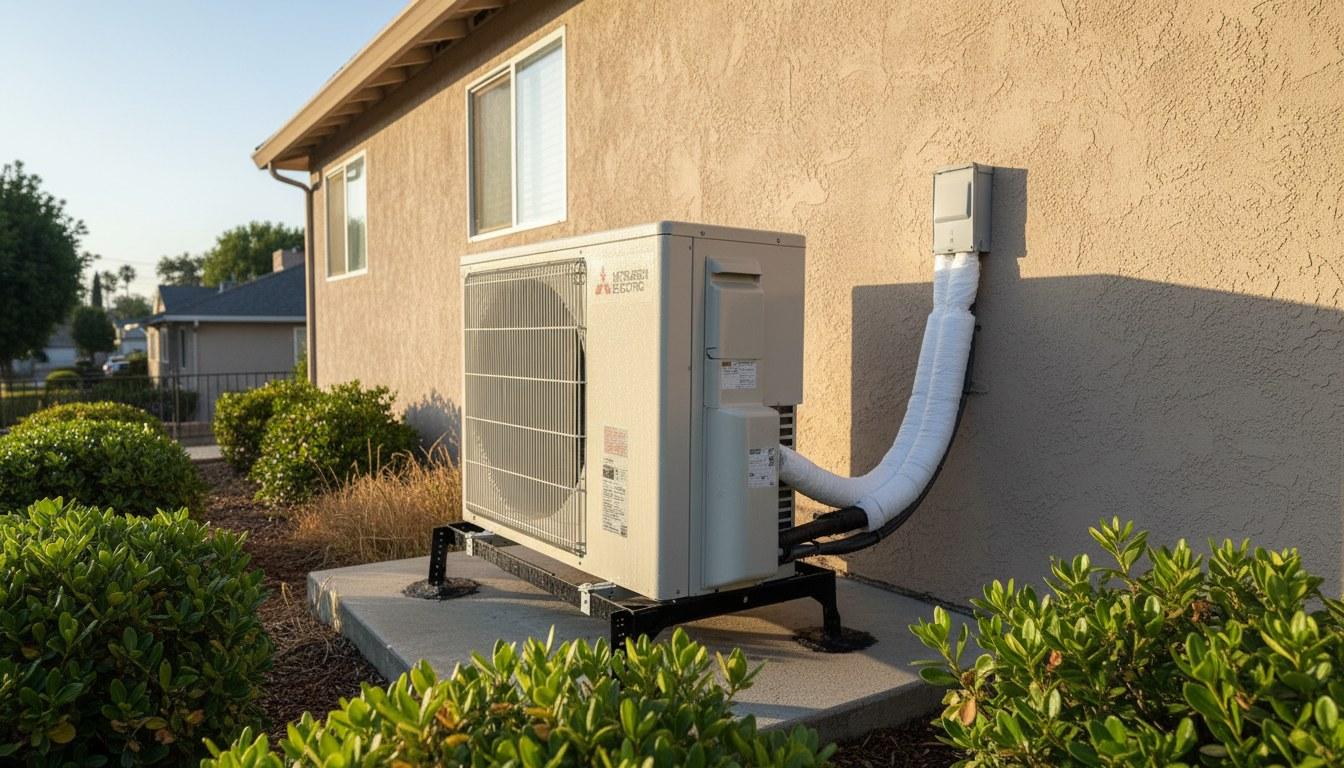
A complete ac spring maintenance checklist covers both the indoor air handler and the outdoor condenser unit, plus the thermostat, refrigerant circuit, and condensate drainage system. Work through the list in order — start with power off, then move to cleaning, then testing.
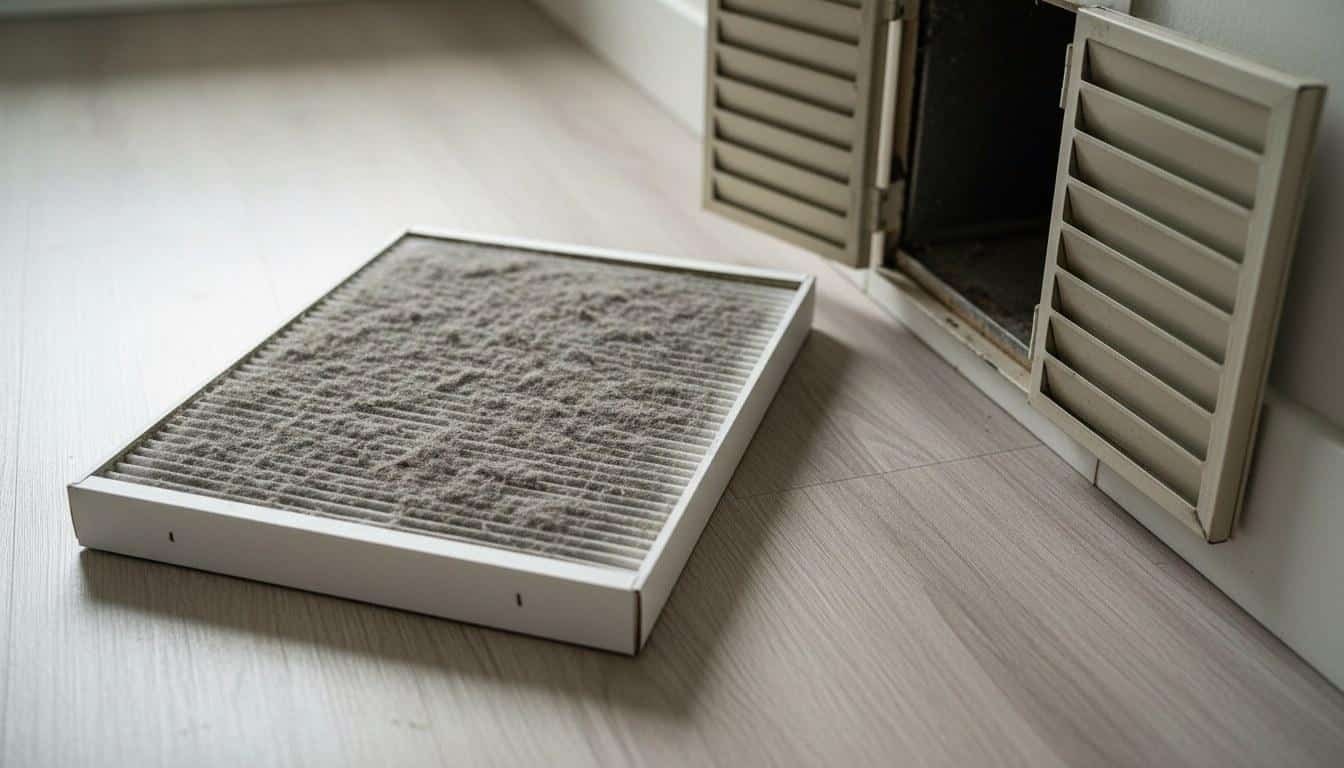
- Replace the air filter: Use a filter rated MERV 8 to MERV 11 for residential systems. Replace every 1 to 3 months depending on pets and dust levels.
- Inspect and clean the evaporator coil: A dirty evaporator coil reduces cooling capacity and can cause the coil to freeze. Brush off visible dust with a soft brush or call a pro for a no-rinse coil cleaner application.
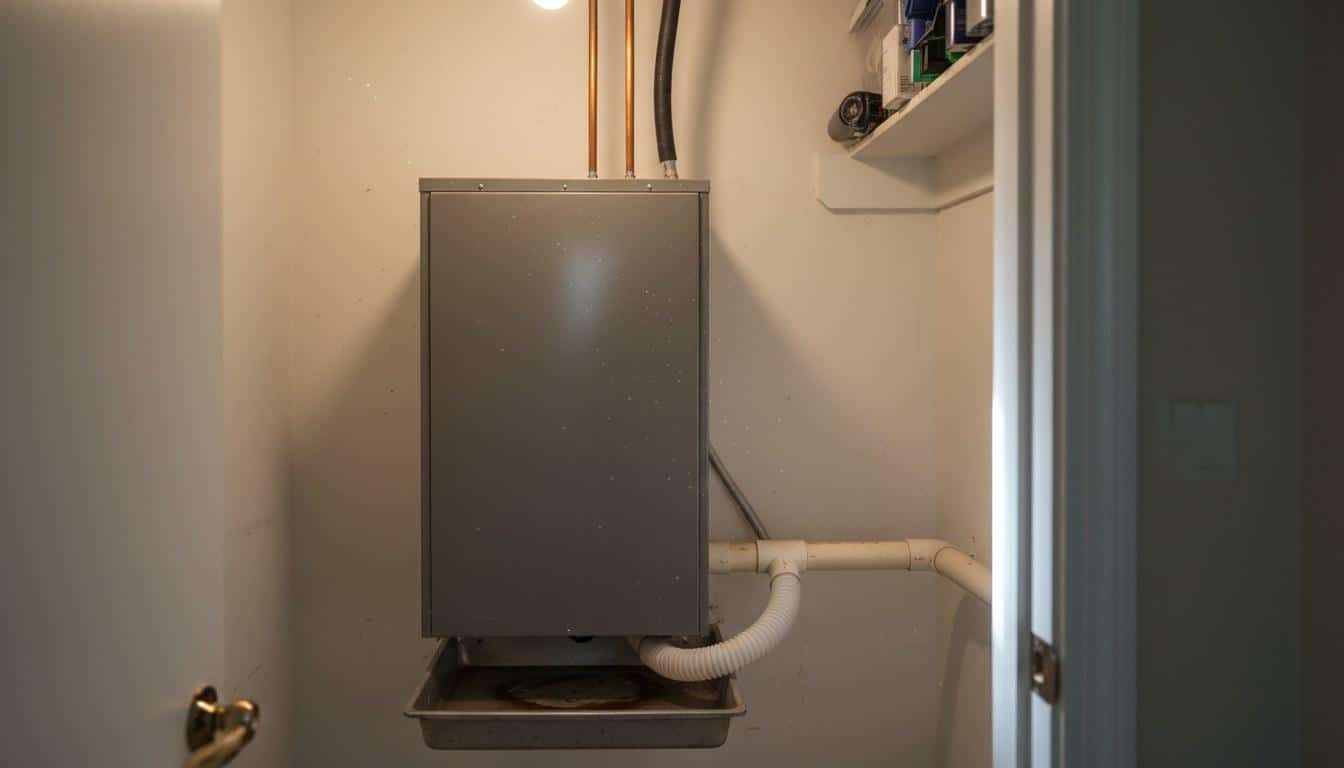
- Clear the condensate drain line: Pour a cup of distilled white vinegar into the drain pan access port to prevent algae buildup. A clogged drain can cause water damage and trigger a safety shutoff.
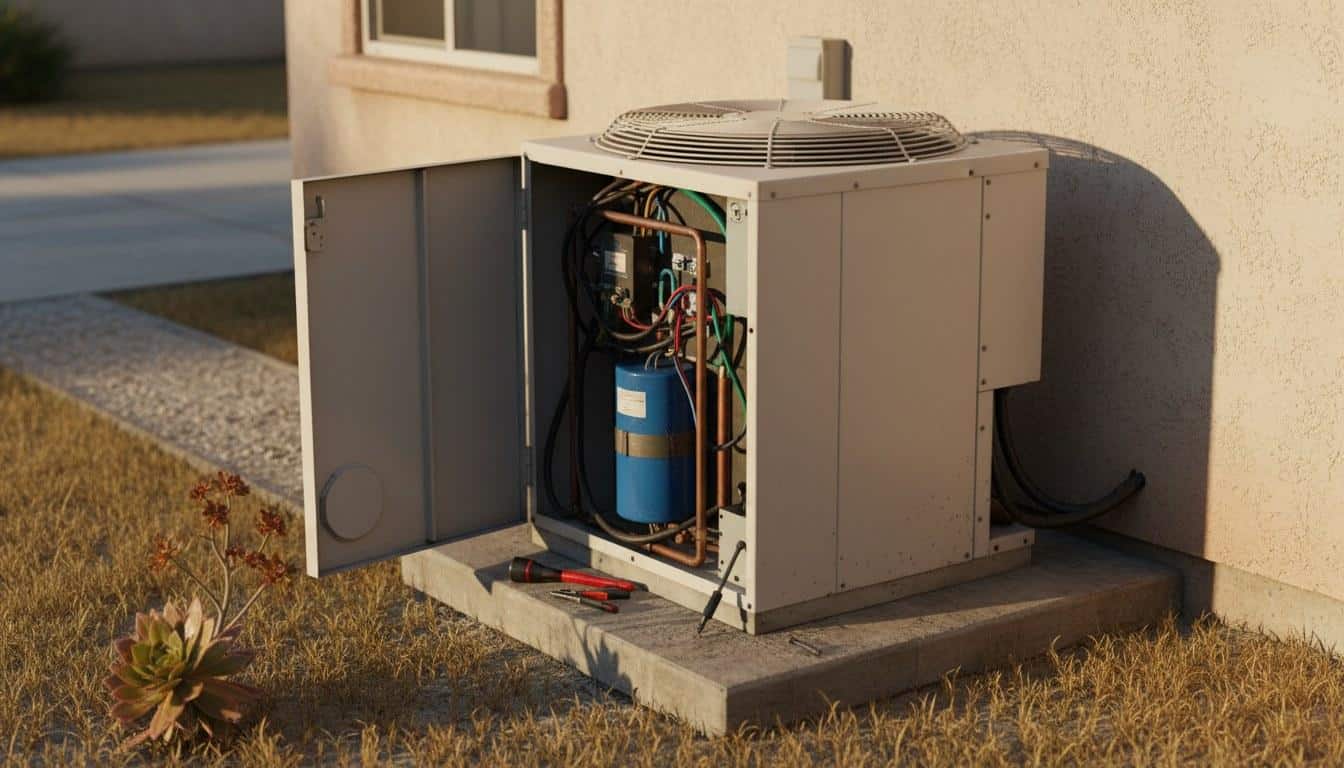
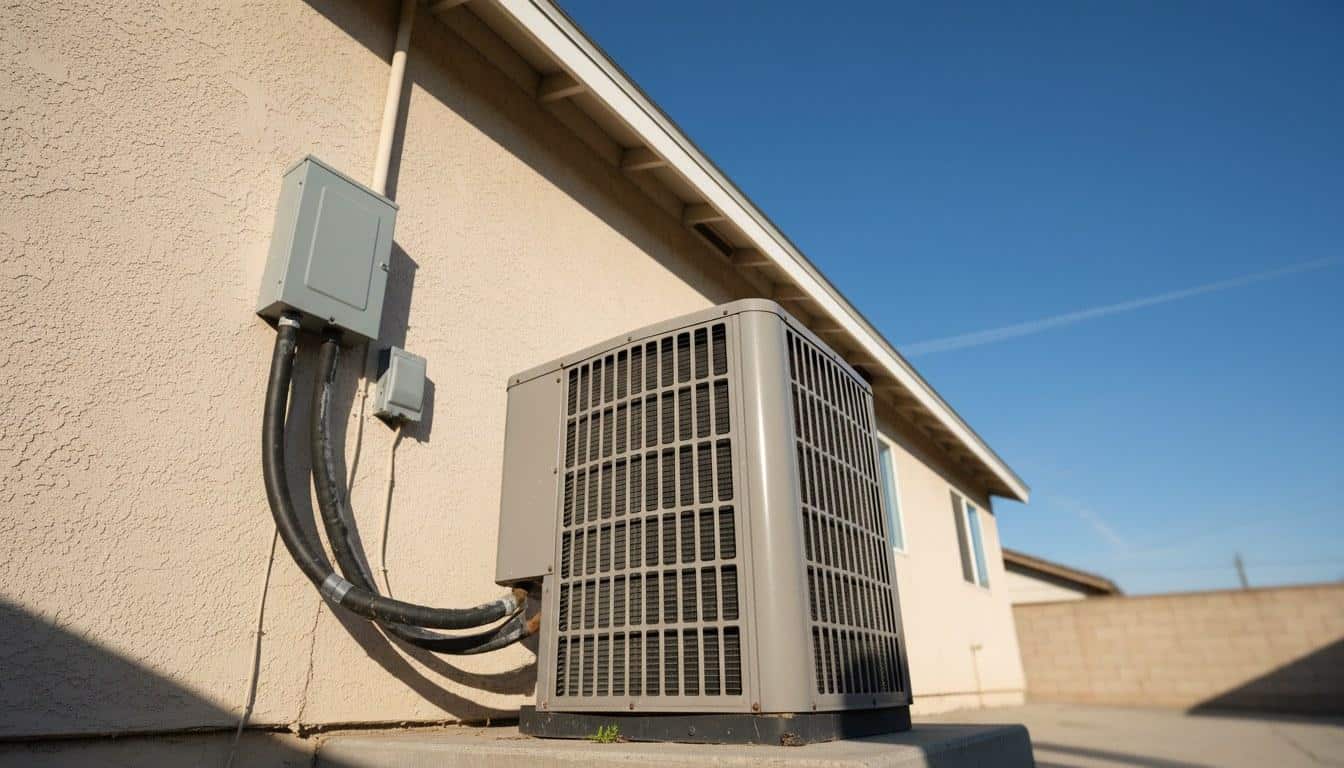
- Clean the outdoor condenser coils: Shut off power at the disconnect box, then rinse coils from the inside out with a garden hose on a gentle setting. Never use a pressure washer — it bends the fins.
- Straighten bent condenser fins: Use an inexpensive fin comb to straighten any bent aluminum fins. Even minor fin damage reduces airflow across the coil.
- Check refrigerant levels: Low refrigerant usually signals a leak, not normal depletion. This step requires a licensed technician under EPA refrigerant regulations (Section 608) — it is not a DIY task.
- Inspect electrical connections: Tighten any loose terminals at the disconnect box and air handler. Loose connections cause arcing and can damage the compressor.
- Test the thermostat: Set the thermostat to cooling mode and confirm the system reaches the set temperature within 15 to 20 minutes. If it overshoots or undershoots, recalibrate or replace the thermostat.
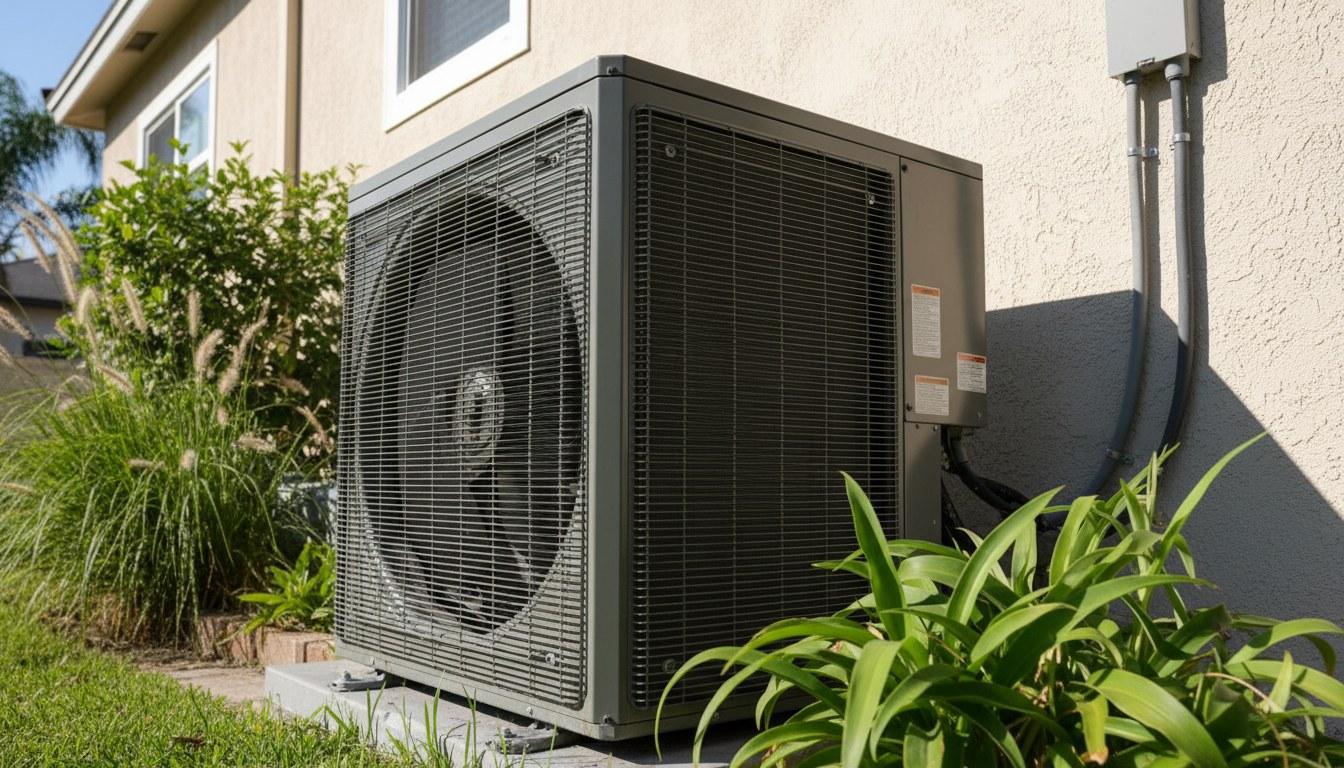
- Check and clear debris around the condenser: Remove leaves, mulch, and vegetation within 2 feet of the unit. Restricted airflow forces the compressor to run hotter.
- Inspect ductwork for visible leaks: Look for disconnected joints or gaps at registers. The U.S. Department of Energy estimates that leaky ducts can waste 20 to 30 percent of conditioned air in a typical home.
| Task | Frequency | DIY or Pro? |
|---|---|---|
| Replace air filter | Every 1–3 months | DIY |
| Clean condenser coils | Once a year (spring) | DIY (light rinse) / Pro (deep clean) |
| Flush condensate drain | Every 6 months | DIY |
| Check refrigerant charge | Annually or when cooling drops | Pro only (EPA Section 608) |
| Inspect electrical connections | Annually | Pro recommended |
| Test thermostat calibration | Annually | DIY / Pro |
| Straighten condenser fins | As needed | DIY (fin comb) |
| Inspect ductwork for leaks | Every 2–3 years | Pro recommended |
| Clear debris around condenser | Monthly in spring/fall | DIY |
| Full system performance test | Annually (spring) | Pro |
What Should You Do Each Season to Protect Your AC?
Year-round AC care is broken into four seasonal windows, each with a short task list that takes 15 to 60 minutes. Staying on this schedule prevents the small problems that turn into expensive repairs.
Spring (April – May)
- Complete the full ac spring maintenance checklist above before the first hot week.
- Schedule a professional tune-up while appointment slots are still available.
- Test the system on a day when outdoor temps are above 65°F to get an accurate performance reading.
- Check and replace the air filter if it has been more than 30 days since the last change.
Summer (June – September)
- Replace the air filter every 30 days during peak cooling season.
- Keep the area around the condenser clear of overgrown vegetation.
- Monitor your energy bill — a sudden spike often signals a refrigerant leak or failing capacitor.
- Check the drain pan monthly for standing water, which signals a clogged condensate line.
Fall (October – November)
- Cover the condenser top (not the sides) with a breathable mesh cover to keep debris out during off-season.
- Replace the air filter before switching to heating mode.
- Schedule a heating system inspection if your home uses a heat pump — the same unit handles both modes.
Winter (December – March)
- Check the condenser cover monthly and remove any leaves or debris that accumulate underneath.
- Keep the area around the indoor air handler clear — stored boxes can block return air grilles.
- Note any unusual sounds or smells from the heating system so you can report them at the spring tune-up.
What Does an Annual Professional AC Service Include?
A professional AC tune-up typically takes 60 to 90 minutes and covers a 20-point inspection that includes refrigerant pressure testing, electrical safety checks, coil cleaning, and a full system performance run. This is the service that catches problems the homeowner’s eye cannot — like a capacitor that is weakening but has not yet failed, or a refrigerant charge that is 10 percent low.
Technicians follow ACCA (Air Conditioning Contractors of America) standards for residential tune-ups, which specify minimum inspection points for the refrigerant circuit, electrical system, airflow, and safety controls. A legitimate tune-up always includes a written report of findings.
Here is what a thorough professional inspection covers:
- Refrigerant pressure measurement and leak check (required under EPA Section 608 for any system handling refrigerant)
- Capacitor and contactor testing — these are the two most common failure points on units older than 8 years
- Evaporator and condenser coil cleaning with approved coil cleaner
- Blower wheel inspection and lubrication of motor bearings
- Condensate drain flush and pan treatment
- Thermostat calibration and staging verification
- Static pressure measurement to confirm proper airflow through the duct system
- Safety control test — including the high-pressure shutoff and float switch
Our technicians respond to roughly 3 times more emergency calls in July and August than in any other two-month window — nearly all of them on systems that skipped the spring tune-up. A $100 to $150 preventive visit consistently prevents a $400 to $1,200 emergency repair call in the middle of summer.
If your system is more than 10 years old, ask the technician to check the SEER2 rating of your current unit against current ENERGY STAR efficiency ratings. As of 2023, new central AC systems sold in California must meet a minimum 15 SEER2 under California Energy Commission appliance standards — older units often fall well below that threshold, and the energy savings from upgrading can be substantial.
What Warning Signs Should You Watch for Between Services?
Six warning signs indicate your AC needs immediate attention, not just a scheduled tune-up. Catching these early usually means a repair rather than a replacement.
- Warm air from vents: If the system runs but blows air that is not noticeably cooler than room temperature, the refrigerant charge is likely low or the compressor is struggling. This is not a DIY fix — call a licensed technician.
- Weak airflow: Reduced airflow from registers often points to a clogged filter, a failing blower motor, or duct leaks. Check the filter first; if that is clean, schedule a service call.
- Loud or unusual noises: Banging suggests a loose component inside the air handler. Squealing points to a worn belt or bearing. Clicking at startup and shutdown is normal; clicking that continues during operation is not.
- Ice on the indoor coil or refrigerant lines: A frozen coil is a sign of restricted airflow or low refrigerant. Turn the system off and let it thaw for 2 to 3 hours before calling for service — running a frozen system can destroy the compressor.
- Water pooling around the indoor unit: A clogged condensate drain or a cracked drain pan causes this. Left unaddressed, it can damage ceilings, walls, and flooring.
- Sudden spike in energy bills: A system working harder than it should — due to a dirty coil, low refrigerant, or a failing capacitor — will show up on your electricity bill before it shows up as a breakdown.
How Much Does AC Maintenance and Repair Cost in Southern California?
In the Southern California market, a professional AC tune-up typically ranges from $85 to $175 depending on the scope of the visit and whether refrigerant testing is included. Repair costs vary widely based on the component involved.
Here is a general breakdown of common repair categories in this regional market:
| Repair Type | Typical Market Range (CA) | Key Cost Factors |
|---|---|---|
| Capacitor replacement | $150 – $350 | Unit age, capacitor type (single vs. dual run) |
| Refrigerant recharge (R-410A or R-22) | $200 – $600+ | Refrigerant type, amount needed, leak repair required |
| Condenser fan motor | $300 – $650 | Motor size, OEM vs. aftermarket, access difficulty |
| Evaporator coil replacement | $800 – $1,800 | Coil size, refrigerant type, labor hours |
| Compressor replacement | $1,200 – $2,800 | Tonnage, system age, warranty status |
| Full system replacement (3-ton central AC) | $5,000 – $12,000+ | SEER2 rating, ductwork condition, permit fees |
Homeowners researching ac installation or considering a full system upgrade should also ask about available rebates. The Inflation Reduction Act federal tax credit covers up to 30 percent of the cost of qualifying high-efficiency HVAC equipment (up to $600 for central AC as of 2026). TECH Clean California and SoCalREN also offer rebate programs that can reduce out-of-pocket costs further — ask your contractor which programs apply to your equipment and income level.
Our team replaces capacitors on roughly 40 to 50 units across Southern California each summer, and more than 85 percent of those units are 10 years or older. Replacing a capacitor proactively during a spring tune-up — before it fails — costs significantly less than an emergency call on a 100-degree afternoon.
All pricing above reflects regional market ranges only. For a written quote specific to your system and situation, contact Shalom Heating & Air directly.
Schedule Your Spring AC Tune-Up Today
Complete your ac spring maintenance checklist before the first heat wave of 2026. DIY tasks like filter replacement and condenser cleaning are a great start, but a professional inspection catches the electrical and refrigerant issues that cause mid-summer failures.
Shalom Heating & Air provides thorough spring tune-ups for homeowners across Southern California. Every service visit includes a written inspection report, honest repair recommendations, and work performed by technicians licensed by the California Contractors State License Board (CSLB). Call (714) 886-2021 to book your appointment or request a custom quote before summer demand fills the schedule.
Explore our full range of HVAC services across Southern California.
Frequently Asked Questions
How do I know if my AC needs a refrigerant recharge?
The most common signs of low refrigerant are warm air blowing from the vents even when the system runs continuously, ice forming on the indoor coil or refrigerant lines, and a noticeable drop in cooling performance. Low refrigerant almost always means there is a leak somewhere in the system — refrigerant does not deplete on its own. A licensed technician must diagnose and repair the leak before recharging, as required under EPA Section 608 regulations.
How much does it usually cost to fix an AC unit in Southern California?
Repair costs in this regional market range widely depending on what failed. Capacitor replacements typically run $150 to $350, refrigerant recharges range from $200 to $600 or more depending on the refrigerant type and leak repair needed, and compressor replacements can reach $1,200 to $2,800. A professional diagnostic visit — usually $75 to $125 — is the starting point for any accurate repair estimate. Contact Shalom Heating & Air at (714) 886-2021 for a written quote specific to your system.
Can I do AC spring maintenance myself, or do I need a professional?
Several tasks on the ac spring maintenance checklist are safe for homeowners: replacing the air filter, rinsing the condenser coils with a garden hose, flushing the condensate drain with vinegar, and clearing debris around the outdoor unit. However, refrigerant pressure testing, electrical connection inspections, and capacitor testing require a licensed HVAC technician. Attempting refrigerant work without certification is a federal violation under EPA Section 608.
How often should I have my AC professionally serviced?
The U.S. Department of Energy recommends a professional AC tune-up once a year, ideally in spring before cooling season begins. In Southern California's climate, where systems often run 6 to 8 months per year, annual service is especially important because components wear faster under extended use. Systems older than 10 years benefit from a mid-season check as well, since capacitors and contactors are more likely to fail on older equipment.
Why is my air conditioner blowing warm air even though it is running?
Warm air from a running AC system usually points to one of three causes: a severely clogged air filter restricting airflow across the evaporator coil, low refrigerant due to a leak in the system, or a failed compressor that can no longer pressurize the refrigerant circuit. Start by checking and replacing the air filter. If the filter is clean and the problem continues, turn the system off and call a licensed technician — running the system with low refrigerant or a frozen coil can cause compressor damage that turns a $300 repair into a $2,000 one.