AC Repair Guide: How to Diagnose, Fix, and Prevent Air Conditioner Problems
This AC repair guide walks you through the most common air conditioner failures, typical repair costs, and how to find a qualified contractor, so you can make smart decisions before the heat hits.
What Does AC Repair Actually Cover?
AC repair covers any service that restores a broken or underperforming air conditioner to normal operation — from replacing a failed capacitor to fixing a refrigerant leak or repairing a frozen evaporator coil. It is different from a routine tune-up, which is preventive maintenance, and different from a full replacement, which involves swapping the entire system.
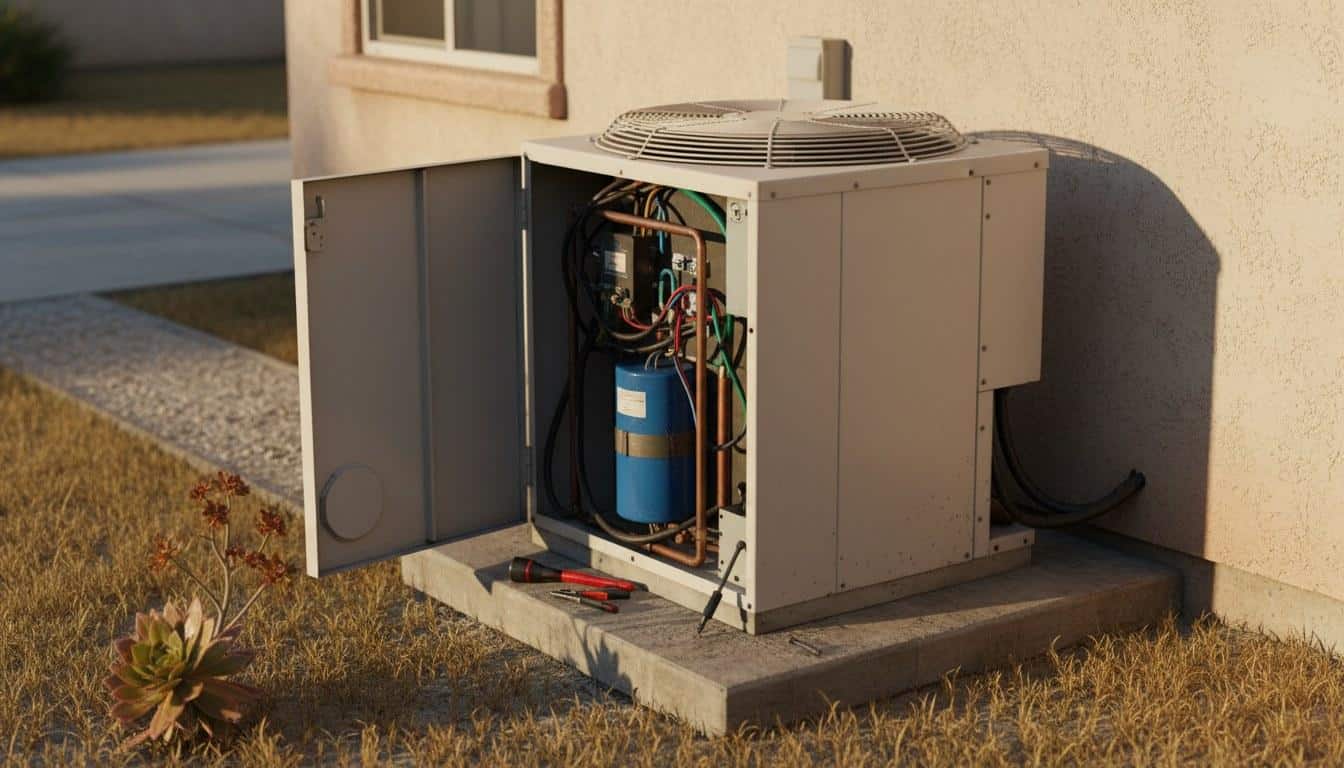
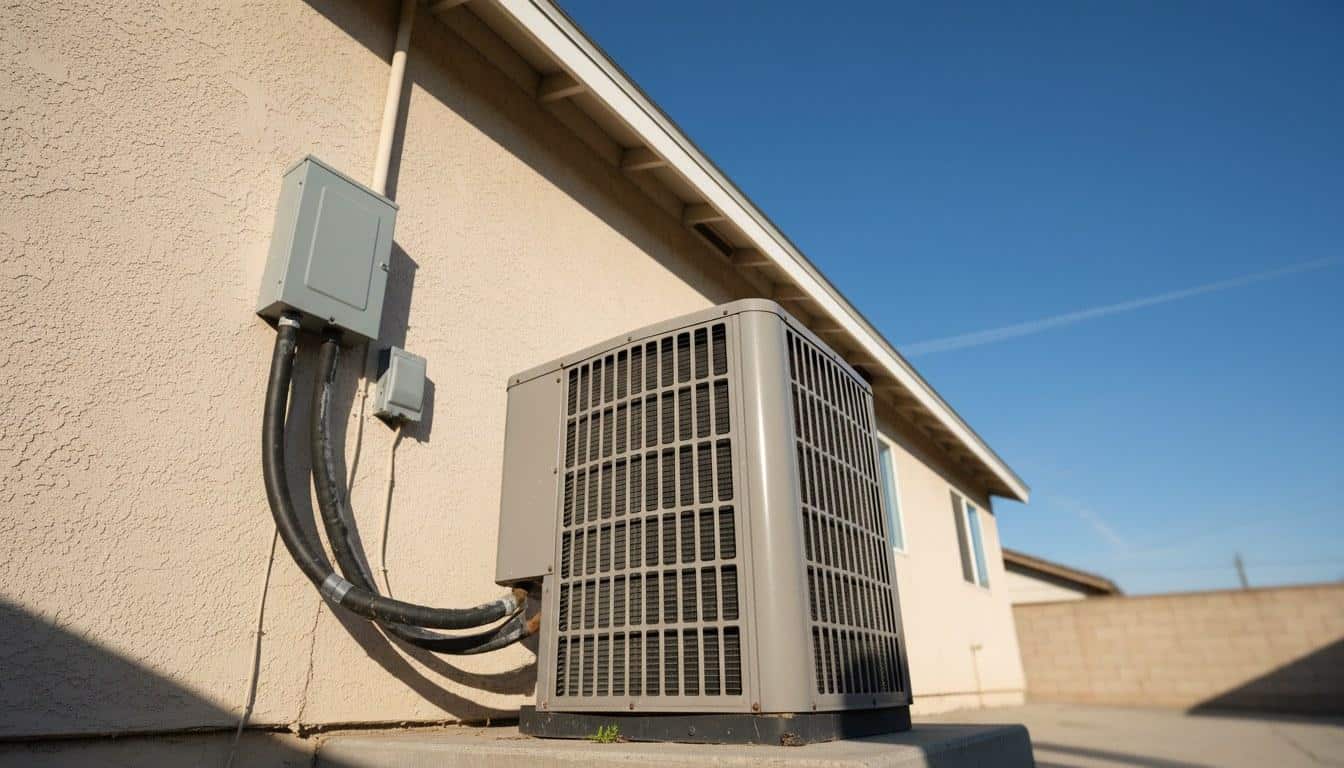
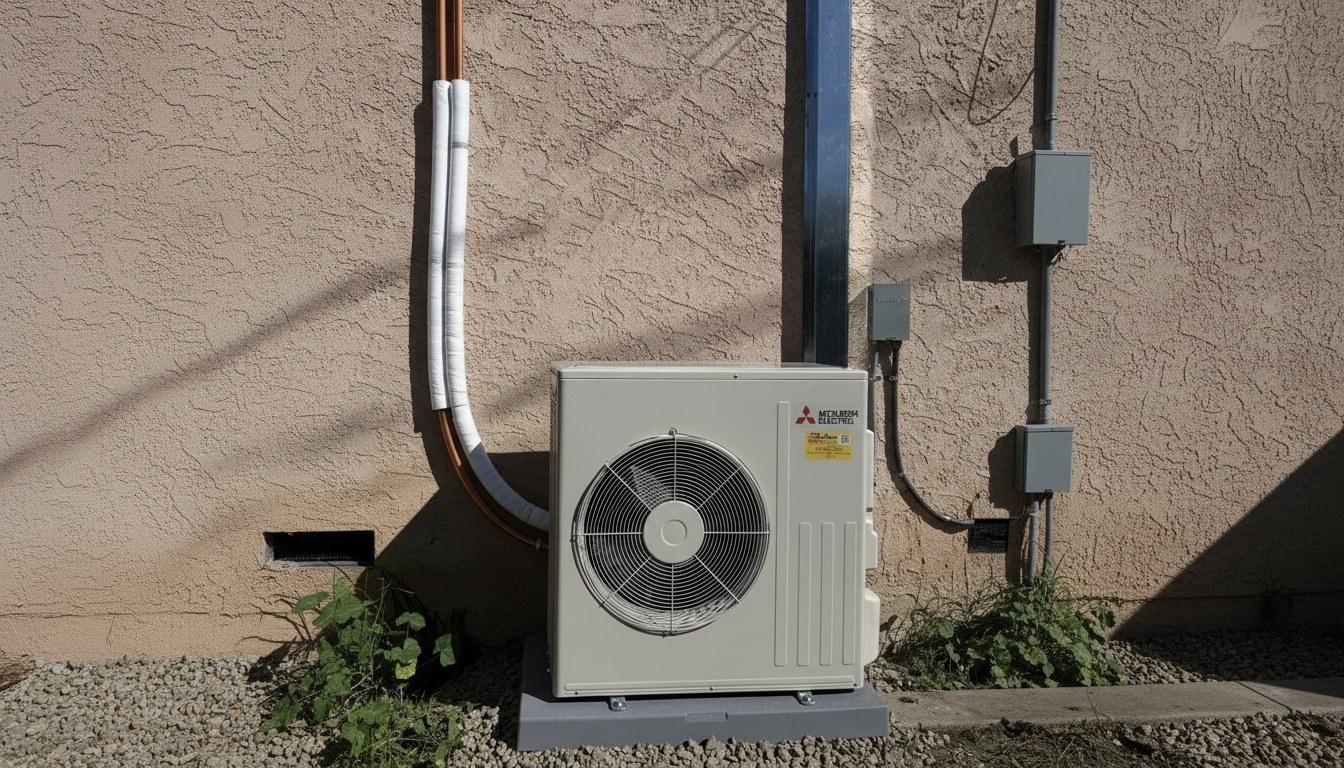
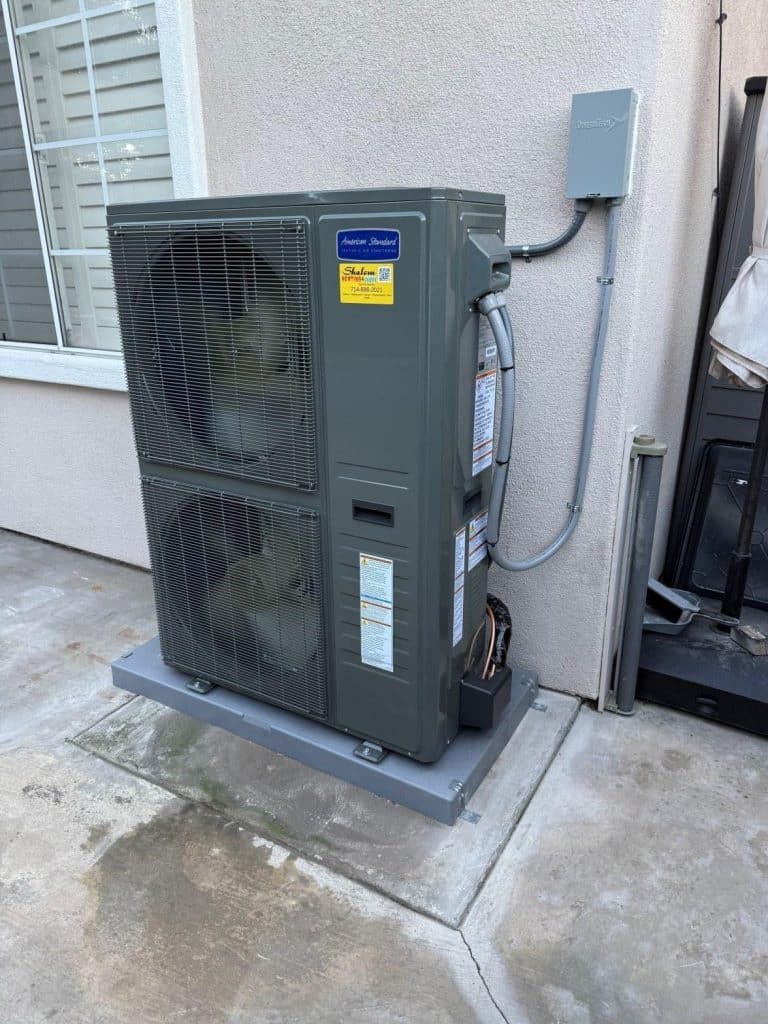
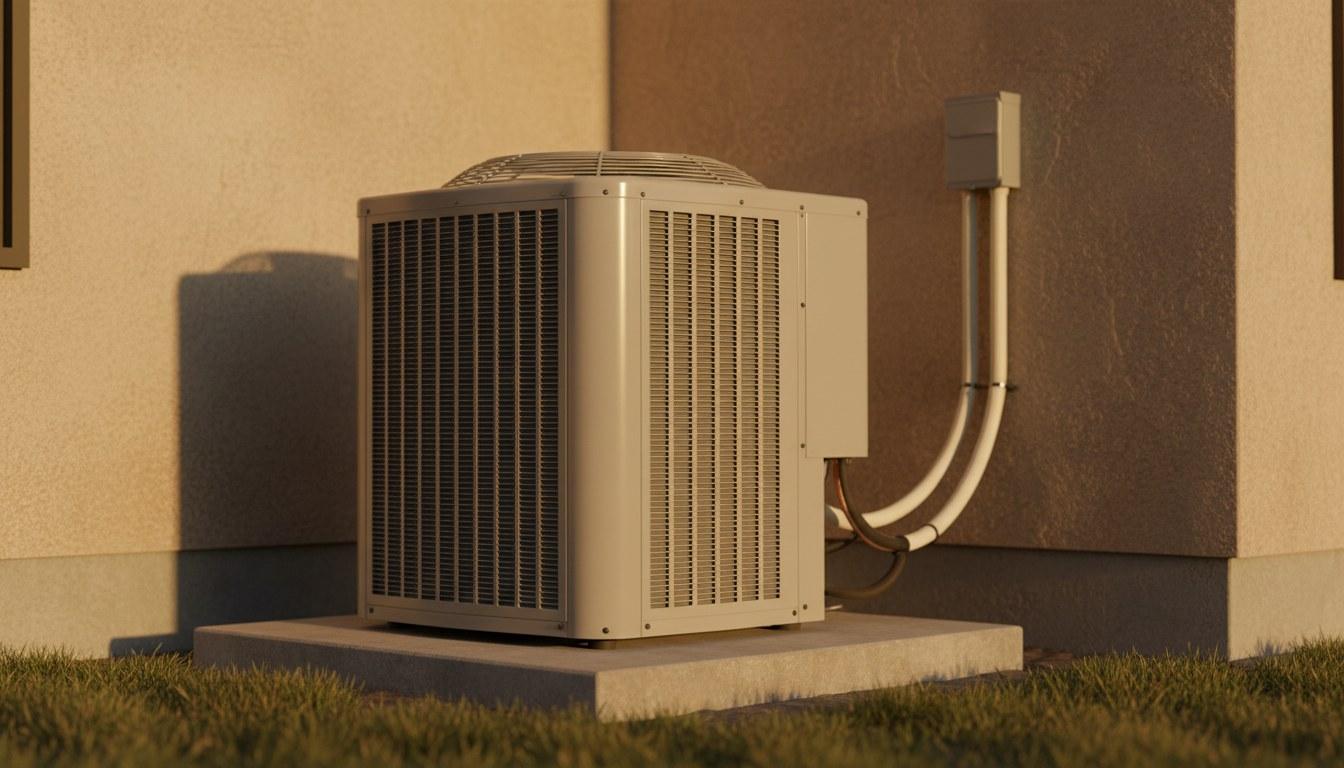
This ac repair guide focuses on central split systems, which are the most common setup in Southern California homes. These systems have two main sections: an indoor air handler (or furnace with a coil) and an outdoor condenser unit. Most failures happen in one of those two sections or in the refrigerant line connecting them.
Repairs can also involve the ductwork, thermostat, electrical disconnect, or condensate drain. A good technician will diagnose the root cause rather than just treat the symptom, which saves money over the long run.
What Are the Most Common AC Problems and Their Fixes?
The five most frequent AC failures are capacitor failure, refrigerant leaks, frozen evaporator coils, clogged condensate drains, and faulty contactors. Each has distinct symptoms and a different repair path.
Capacitor Failure
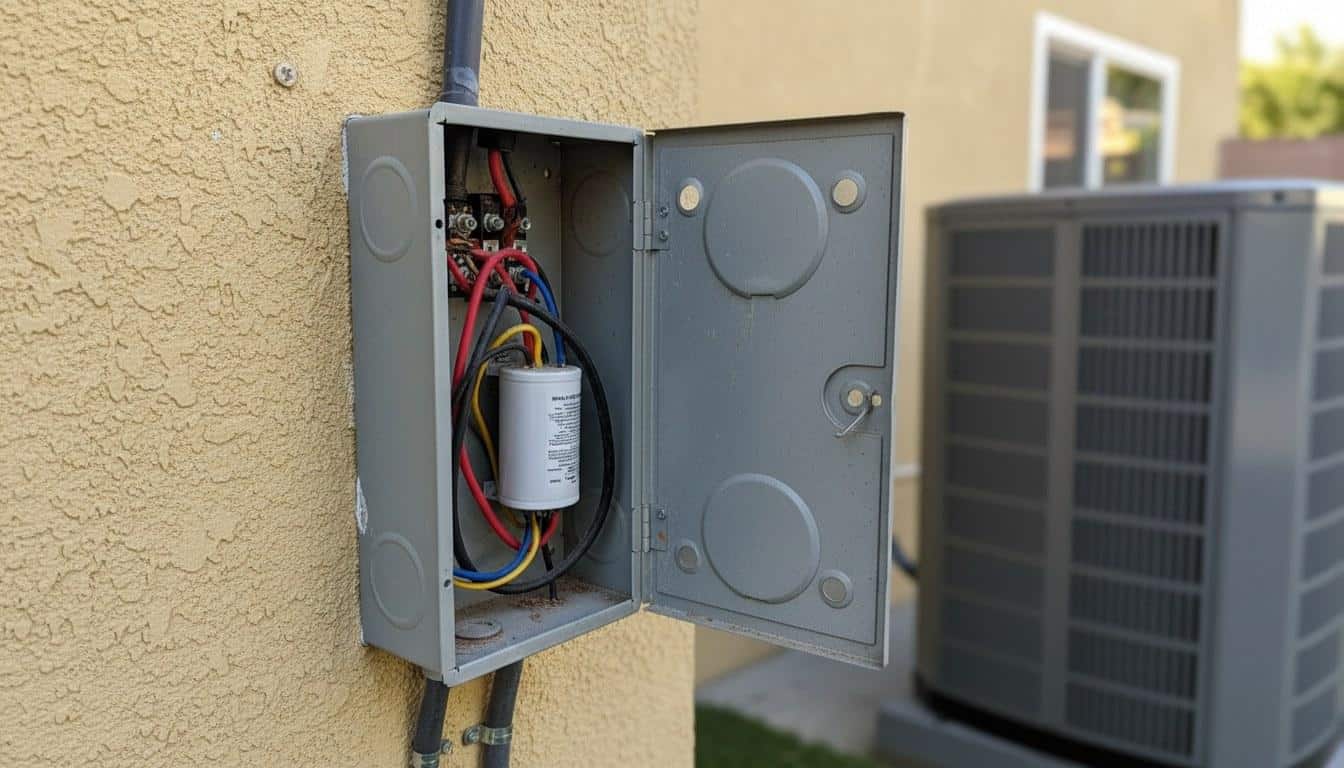
The capacitor gives the compressor and fan motors the electrical jolt they need to start. When it fails, the outdoor unit may hum but not start, or the fan may spin slowly. Capacitors are inexpensive parts — typically $10 to $50 — but the labor to diagnose and swap one safely brings the total to around $150 to $300 in this market.
Refrigerant Leaks
Low refrigerant causes weak cooling, ice buildup on the indoor coil, and higher energy bills. Simply adding refrigerant without fixing the leak is a short-term patch. Under EPA refrigerant regulations (Section 608), technicians must be certified to handle refrigerants, and leaks must be repaired — not just topped off. Leak detection and repair typically costs $200 to $500 before the refrigerant recharge cost is added.
Frozen Evaporator Coil
A frozen coil usually points to low airflow (dirty filter or blocked vents) or low refrigerant. The fix starts with turning the system off and letting it thaw — which can take 2 to 24 hours — then addressing the root cause. If it is just a dirty filter, the fix is free. If refrigerant is involved, costs climb.
Clogged Condensate Drain
The drain line removes humidity pulled from your air. When it clogs, water backs up and can damage ceilings or trigger a float switch that shuts the system off. Clearing the line is usually a quick, low-cost fix — often under $150.
Faulty Contactor
The contactor is an electrical switch in the outdoor unit that tells the compressor to run. A worn contactor can cause the system to short-cycle or fail to start entirely. Replacement typically costs $150 to $350 in the regional market.
- Weak airflow: Often a clogged filter, blocked return vent, or failing blower motor.
- Warm air from vents: Points to low refrigerant, a failed compressor, or a thermostat set to “fan only.”
- Loud banging or rattling: Loose parts inside the air handler or debris in the outdoor unit.
- Short cycling (turns on and off rapidly): Oversized system, refrigerant issue, or a dirty condenser coil.
- High energy bills with no change in usage: Dirty coils, low refrigerant, or a failing compressor driving up runtime.
Our technicians respond to roughly 3 times more emergency calls in July and August than in any other two-month window across our Southern California service area, with capacitor failures and refrigerant leaks making up over 60 percent of those calls.
How Much Does AC Repair Cost in Southern California?
Most AC repairs in the Southern California market fall between $150 and $1,200, depending on the part involved, refrigerant type, and labor time required. Compressor replacement is the most expensive single repair, often running $1,200 to $2,500 or more, which is why that repair frequently leads to a replacement conversation instead.
| Repair Type | Typical Market Range | Key Cost Drivers |
|---|---|---|
| Capacitor replacement | $150 – $300 | Single vs. dual-run capacitor, access difficulty |
| Refrigerant recharge (R-410A) | $200 – $500 | Amount needed, leak repair included or not |
| Leak detection and repair | $200 – $500 | Location of leak, coil vs. line set vs. fitting |
| Contactor replacement | $150 – $350 | Amperage rating, brand compatibility |
| Condensate drain clearing | $75 – $200 | Severity of clog, drain pan condition |
| Blower motor replacement | $400 – $900 | Motor type (PSC vs. ECM), brand, labor access |
| Compressor replacement | $1,200 – $2,500+ | Tonnage, refrigerant type, warranty status |
| Thermostat replacement (smart) | $200 – $500 | Model chosen, wiring compatibility |
Note that as of 2024, R-22 refrigerant (used in systems built before 2010) is no longer manufactured in the U.S. under EPA phaseout rules, making R-22 recharges significantly more expensive than R-410A service. Systems still running R-22 are strong candidates for replacement rather than repair.
Labor rates in Orange County and Los Angeles County typically run $85 to $150 per hour. Diagnostic fees are usually $75 to $125 and are often waived if you proceed with the repair. Always request a written estimate before any work begins.
Should You Repair or Replace Your AC Unit?
The general rule is this: if the repair cost exceeds 50 percent of the price of a new system, and the unit is more than 10 years old, replacement is usually the smarter financial move. A new ENERGY STAR-certified system with a SEER2 rating of 16 or higher will also cut cooling energy use by 20 to 40 percent compared to an older 10-SEER unit.
If the repair cost exceeds 50 percent of the price of a new system and the unit is more than 10 years old, replacement is usually the smarter financial move.
Factors That Favor Repair
- System is under 8 to 10 years old
- Repair cost is under $600 and the issue is a single failed component
- System uses R-410A refrigerant (not the phased-out R-22)
- The unit has been well maintained with annual tune-ups
Factors That Favor Replacement
- System is 15 years old or older
- Compressor has failed on a system out of warranty
- Multiple components have failed in the past two seasons
- System uses R-22 refrigerant
- Energy bills have climbed steadily without a change in usage
If you do replace, check whether you qualify for the Inflation Reduction Act federal tax credit, which provides up to 30 percent back (capped at $600) on qualifying high-efficiency HVAC equipment as of 2026. California’s TECH Clean California rebate program may also offer additional money back for heat pump systems. Always request a custom quote before committing to either path.
How Do You Choose a Qualified AC Repair Contractor?
A qualified AC repair contractor should be licensed by the California Contractors State License Board (CSLB), carry liability insurance, and employ EPA Section 608-certified technicians for any refrigerant work. You can verify a contractor’s CSLB license number at the CSLB’s online license check tool before scheduling service.
Beyond licensing, look for these qualities when comparing contractors:
- Written estimates: Any reputable contractor will provide a written scope of work and price before touching the system.
- Flat-rate or itemized pricing: Understand whether you are paying a flat rate per repair or time and materials — both are legitimate, but you should know which applies.
- Warranty on parts and labor: Most quality contractors offer at least a 1-year labor warranty and pass through the manufacturer’s parts warranty.
- No-pressure diagnosis: A good technician explains the problem, shows you evidence, and gives you options — not an ultimatum to replace the whole system on the spot.
- Familiarity with California’s Title 24 building energy standards: Any replacement or major repair that involves new equipment should comply with California Energy Commission appliance standards.
Avoid contractors who quote a price over the phone without seeing the system, demand full payment upfront, or cannot provide a CSLB license number. For HVAC work in Southern California, ACCA (Air Conditioning Contractors of America) membership is another positive signal that the company follows industry standards for load calculations and installation.
Across our service calls in Southern California, we find that roughly 1 in 4 systems diagnosed as needing a compressor replacement actually have a failed capacitor or contactor — a repair that costs a fraction of compressor work. A second opinion before any repair over $800 is almost always worth the diagnostic fee.
Roughly 1 in 4 systems diagnosed as needing a compressor replacement actually have a failed capacitor or contactor — a repair that costs a fraction of compressor work.
How Can You Prevent Costly AC Repairs?
Routine maintenance — primarily annual professional tune-ups and monthly filter checks — prevents the majority of common AC failures and extends system life by 3 to 5 years on average. The U.S. Department of Energy recommends servicing your AC system every spring before the cooling season begins.
Homeowner Tasks (Monthly to Seasonally)
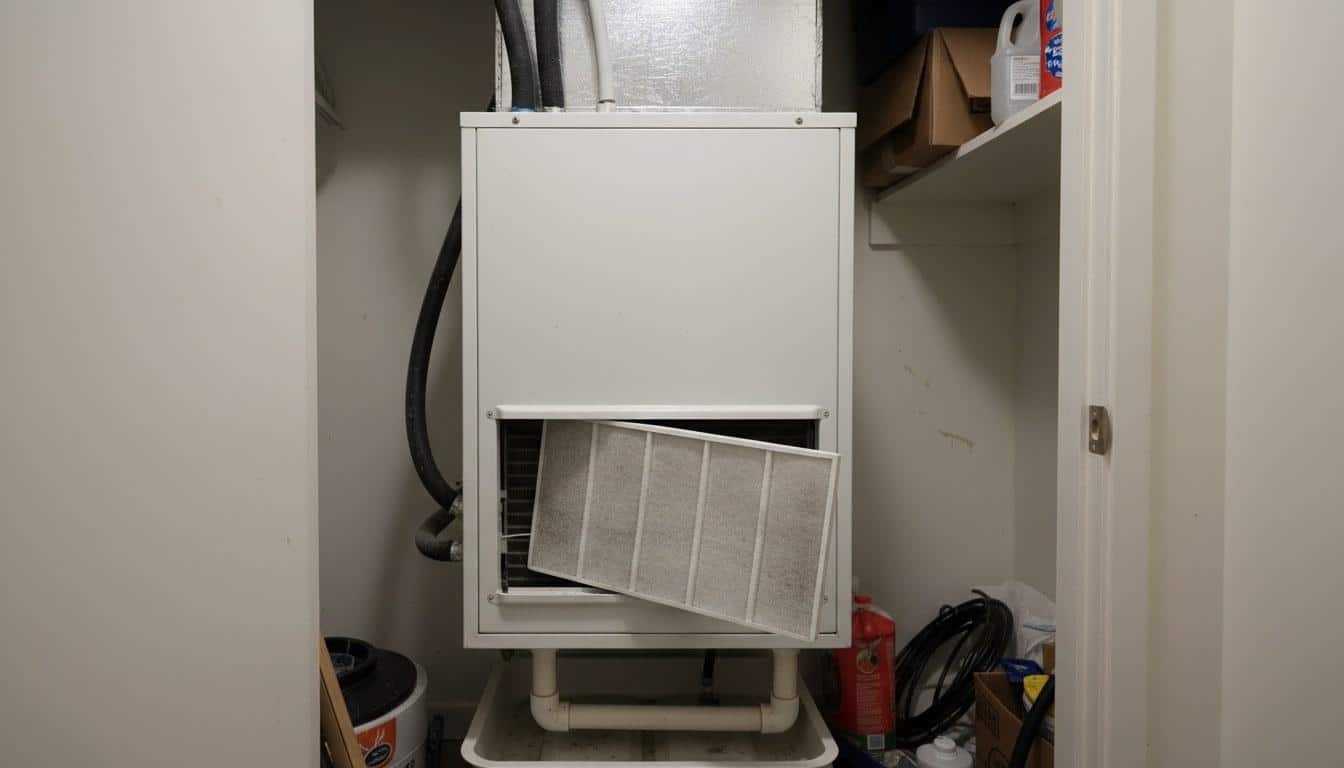
- Check and replace the air filter every 1 to 3 months. A 1-inch filter in a dusty home may need monthly replacement.
- Clear debris (leaves, dirt, plant growth) from around the outdoor condenser unit. Keep at least 18 inches of clearance on all sides.
- Check that all supply and return vents are open and unblocked by furniture or rugs.
- Pour a cup of diluted bleach or white vinegar down the condensate drain line each spring to prevent algae buildup.
- Test the thermostat before the first hot day of the season to confirm it switches the system on correctly.
Professional Tune-Up Tasks (Annual)
- Check refrigerant charge and inspect for leaks
- Clean evaporator and condenser coils
- Test capacitors, contactors, and electrical connections
- Lubricate blower motor bearings where applicable
- Verify airflow across the coil with a temperature split measurement
- Inspect and flush the condensate drain
- Check thermostat calibration and wiring
Annual tune-ups typically cost $80 to $150 in the Southern California market and can catch a $20 capacitor before it becomes a $1,500 emergency call on a 100-degree afternoon.
Annual tune-ups typically cost $80 to $150 in the Southern California market and can catch a $20 capacitor before it becomes a $1,500 emergency call on a 100-degree afternoon.
Get Expert AC Repair Help Today
If your air conditioner is blowing warm air, making unusual noises, or simply not keeping up with Southern California’s summer heat, do not wait for a complete breakdown. Early diagnosis almost always means a smaller repair bill.
Shalom Heating & Air provides professional AC repair, maintenance, and replacement across Southern California. Our technicians are EPA Section 608-certified, and every job comes with a written estimate before any work begins. Call (714) 886-2021 to schedule your diagnostic appointment or request a quote today.
Whether you need a quick capacitor swap or a full system evaluation, get a written quote before any work begins and make sure you are working with a contractor who is licensed by the California Contractors State License Board (CSLB). Your comfort — and your wallet — depend on it.
Explore our full range of HVAC services across Southern California.
Frequently Asked Questions
How much does it usually cost to repair an AC unit in Southern California?
Most AC repairs in the Southern California market range from $150 to $1,200 depending on the part involved. Simple fixes like a capacitor or contactor replacement typically run $150 to $350, while refrigerant leak repair and recharge can reach $500 to $700. Compressor replacement is the most expensive repair, often $1,200 to $2,500, and at that price point a full system replacement is worth considering. Always get a written estimate before approving any work.
How do I know if my AC compressor needs to be repaired or replaced?
A failing compressor typically causes the outdoor unit to hum without starting, the system to blow warm air despite running, or the circuit breaker to trip repeatedly. Before assuming the compressor is bad, a qualified technician should rule out a failed capacitor or contactor, which cause the same symptoms and cost a fraction of compressor work. If the compressor itself has failed and the unit is more than 10 years old, replacement of the full system is usually more cost-effective than a compressor swap.
How do I fix an AC refrigerant leak myself?
Refrigerant leaks are not a DIY repair. Under EPA refrigerant regulations (Section 608), only certified technicians are legally allowed to purchase and handle refrigerants, and leaks must be repaired — not just topped off. Attempting to add refrigerant without fixing the leak will cause the problem to return quickly and can damage the compressor. Call a licensed HVAC contractor to locate the leak, repair it, and recharge the system to the manufacturer's specification.
Why is my air conditioner running but not cooling the house?
The most common reasons an AC runs without cooling are low refrigerant, a dirty condenser coil, a failed compressor, or a thermostat set to 'fan only' mode. Start by checking the thermostat setting and replacing the air filter if it is clogged. If the outdoor unit is running and the air from vents is still warm, the system likely has a refrigerant or mechanical issue that requires a professional diagnosis. Continuing to run the system in that state can cause further damage.
How long does a typical AC repair take?
Most common repairs — capacitor replacement, contactor swap, or drain line clearing — are completed in one to two hours. Refrigerant leak detection and repair can take two to four hours depending on where the leak is located. Blower motor or coil replacement may require a half-day appointment. If a part needs to be ordered, some repairs may require a return visit, typically within one to three business days for common components in the Southern California market.