How Long Does an AC Installation Take? What Southern California Homeowners Should Know
Most AC installations in Southern California take one to two days. Learn what affects the timeline, what to expect on installation day, and how to avoid common delays.
How Long Does an AC Installation Take on a Typical Day?
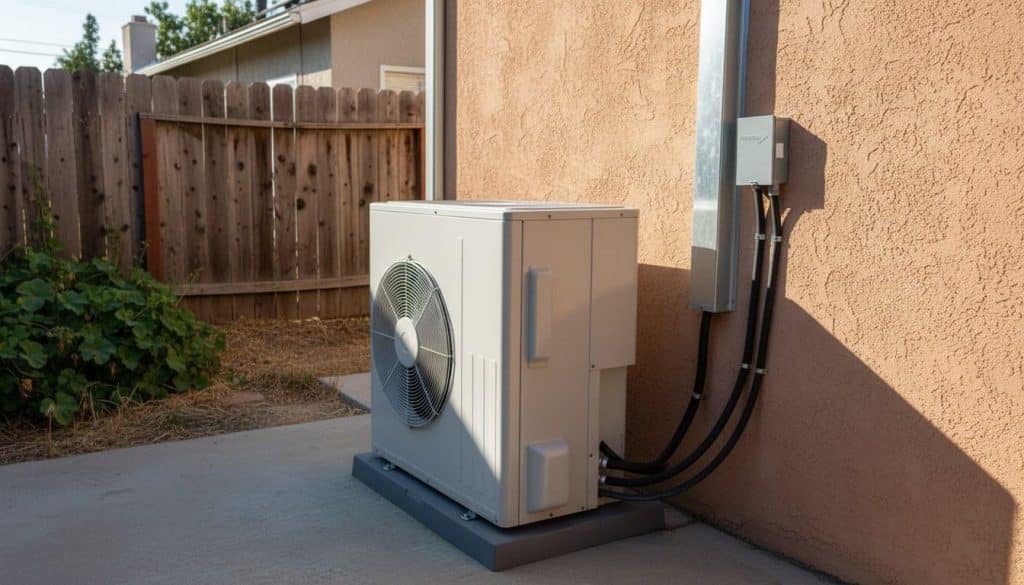
A standard central AC installation takes between 4 and 8 hours for most Southern California homes. If the existing ductwork is in good shape and the electrical panel is already sized correctly, a crew can often finish in a single day. Jobs that involve new ductwork, a larger air handler, or an electrical upgrade routinely stretch to two or three days total.
The 4-to-8-hour window covers the most common scenario: swapping an old central system for a new one of similar size in a single-story home with existing ducts. Two-story homes, homes with attic or crawl-space air handlers, and properties with older infrastructure almost always need more time.
So when homeowners ask how long does ac installation take, the honest answer is: plan for one full day and treat anything faster as a bonus.
What Factors Make an AC Installation Take Longer?
Six factors consistently push an AC installation past a single day. Knowing them in advance lets you plan around the schedule rather than be surprised by it.
- Ductwork condition: Leaky, undersized, or missing ducts can add a full day or more. The U.S. Department of Energy estimates that duct leakage accounts for up to 30% of a home’s cooling energy loss, so technicians cannot skip this step.
- Electrical panel capacity: Modern high-efficiency systems, especially those rated 16 SEER2 or above, sometimes draw more amperage than an older 100-amp panel can safely handle. An electrician upgrade adds half a day to a full day.
- System size change: Upgrading from a 2-ton to a 3-ton or 4-ton unit requires a new line set, larger refrigerant piping, and sometimes a bigger air handler cabinet that does not fit the old footprint.
- Refrigerant type: Systems manufactured after January 1, 2025 use R-454B or R-32 refrigerant under EPA refrigerant regulations (Section 608). Technicians must purge and properly recover the old R-410A before charging the new system, which adds 30 to 60 minutes.
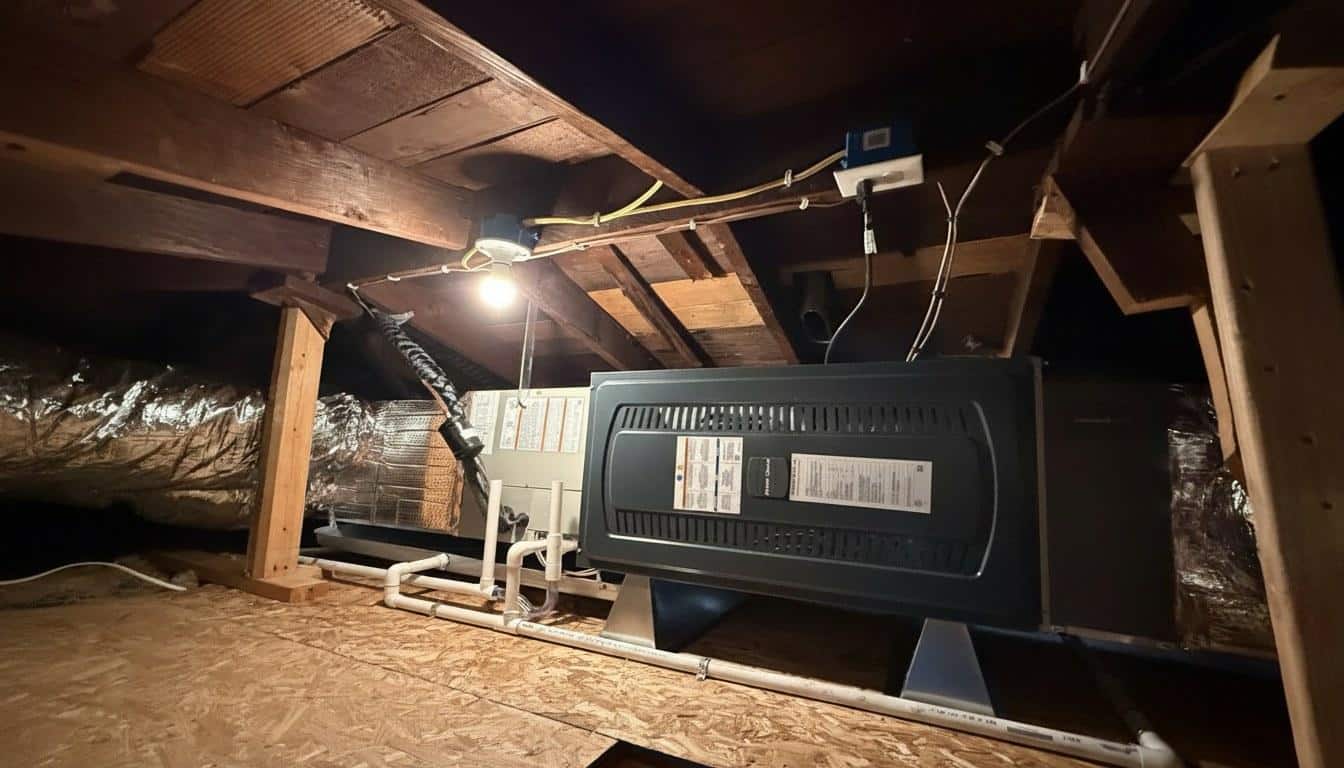
- Attic or crawl-space placement: Air handlers tucked in tight attic spaces in Southern California homes take longer to remove and reinstall safely, especially in summer when attic temperatures can exceed 140 degrees Fahrenheit.
- Permit inspection scheduling: Some jurisdictions in Los Angeles County and Orange County require a field inspection before the system can be turned on. If the inspector cannot come the same day, the job sits idle until they arrive.
Our technicians see attic-mounted air handlers add an average of 90 minutes to a standard installation, and that number climbs closer to 3 hours when the original platform or support structure needs reinforcement.
How Does the Permit and Inspection Process Affect Your Timeline?
Pulling a permit adds one to five business days to the overall project in most Southern California jurisdictions. The permit itself is usually approved quickly, but scheduling a field inspection is where delays pile up.
California’s Title 24 building energy standards require that new AC installations meet minimum efficiency thresholds and that the installation be documented. A licensed contractor pulls the permit on your behalf, but the inspection window is set by the local building department, not the contractor.
Here is what the permit timeline typically looks like in this region:
| Stage | Typical Duration | Who Handles It |
|---|---|---|
| Permit application submission | Same day to 2 business days | Licensed contractor |
| Permit approval | 1 to 3 business days | Local building department |
| Equipment installation | 4 to 8 hours (same day as approval in many cases) | Installation crew |
| Field inspection scheduling | 1 to 5 business days after installation | Building department inspector |
| Final sign-off | Same day as inspection if work passes | Inspector + contractor |
Some homeowners ask whether they can skip the permit to save time. Skipping a required permit creates real problems: insurance claims can be denied, home sales can be delayed, and the contractor’s license can be put at risk. A contractor who is licensed by the California Contractors State License Board (CSLB) will always pull the required permits.
What Happens During Each Stage of an AC Installation?
A full AC installation follows a predictable sequence. Understanding each stage helps you know what the crew is doing and why certain steps cannot be rushed.
- Site assessment and load calculation: Before any equipment moves, a technician performs a Manual J load calculation to confirm the correct system size for your home’s square footage, insulation level, window exposure, and local climate. Skipping this step leads to oversized or undersized equipment that short-cycles and fails early. This takes 30 to 60 minutes.
- Equipment delivery and staging: The condenser, air handler, and line set arrive on the truck. The crew stages everything near the installation points. This takes 20 to 40 minutes depending on access.
- Old system removal: The existing condenser and air handler are disconnected, refrigerant is recovered per EPA Section 608 requirements, and the old equipment is removed from the property. This takes 45 to 90 minutes.
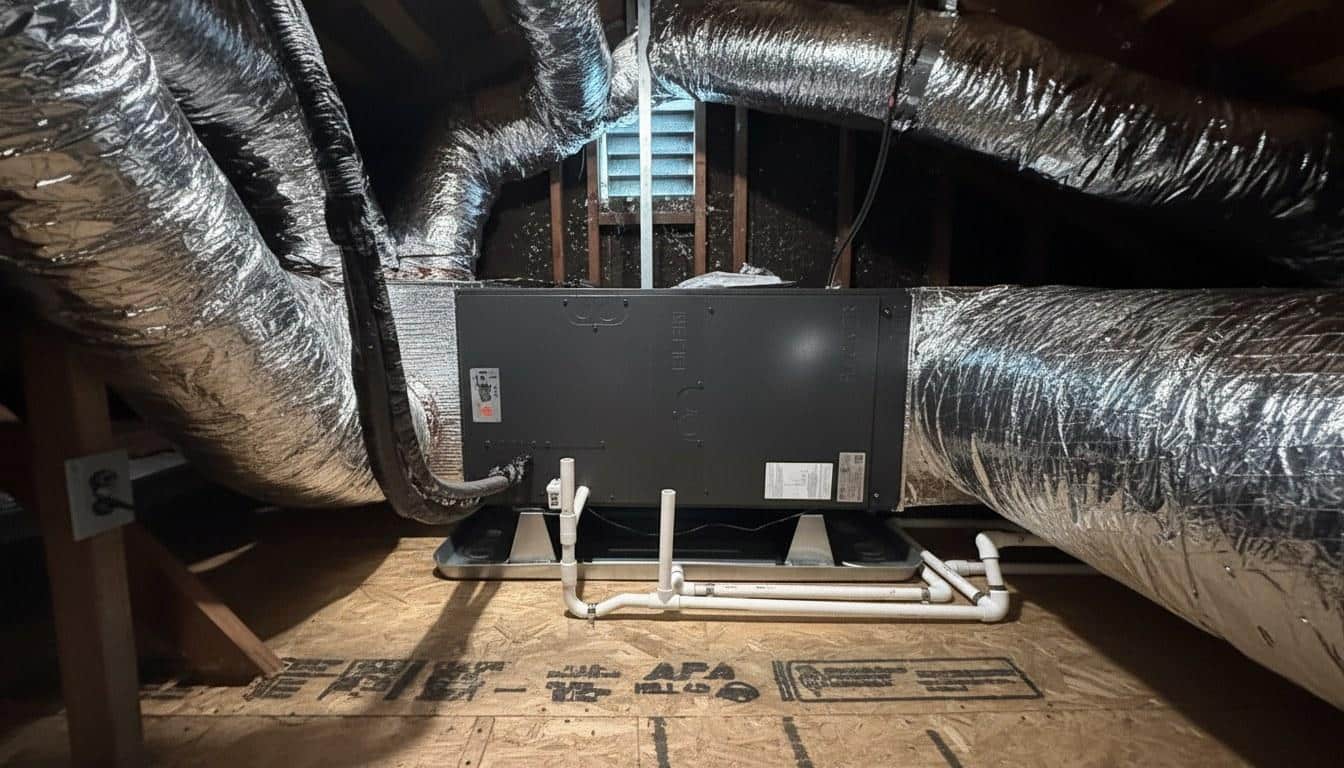
- New equipment installation: The new condenser is set on a pad or wall bracket, the air handler is mounted, and the line set is run. Electrical connections are made and the thermostat is wired or replaced. This is the longest single stage: 2 to 4 hours.
- Ductwork inspection and sealing: The crew inspects accessible duct connections and seals obvious leaks with mastic or UL 181-rated tape. Major duct replacement is a separate project and adds significant time.
- System commissioning and testing: The refrigerant charge is verified, airflow is measured at each register, and the system cycles through heating and cooling modes. This takes 45 to 75 minutes and should never be skipped.
- Homeowner walkthrough: The lead technician explains thermostat operation, filter replacement schedule (every 1 to 3 months depending on filter type), and warranty registration. Plan for 15 to 30 minutes.
How Does the Type of AC System Change the Installation Time?
Different system types have different installation timelines. A like-for-like central AC swap is the fastest; a full ductless mini-split installation covering multiple zones is the most time-intensive.
| System Type | Typical Installation Time | Key Time Driver |
|---|---|---|
| Central AC (same size, existing ducts) | 4 to 8 hours | Equipment swap and refrigerant work |
| Central AC with new ductwork | 2 to 4 days | Duct fabrication and installation |
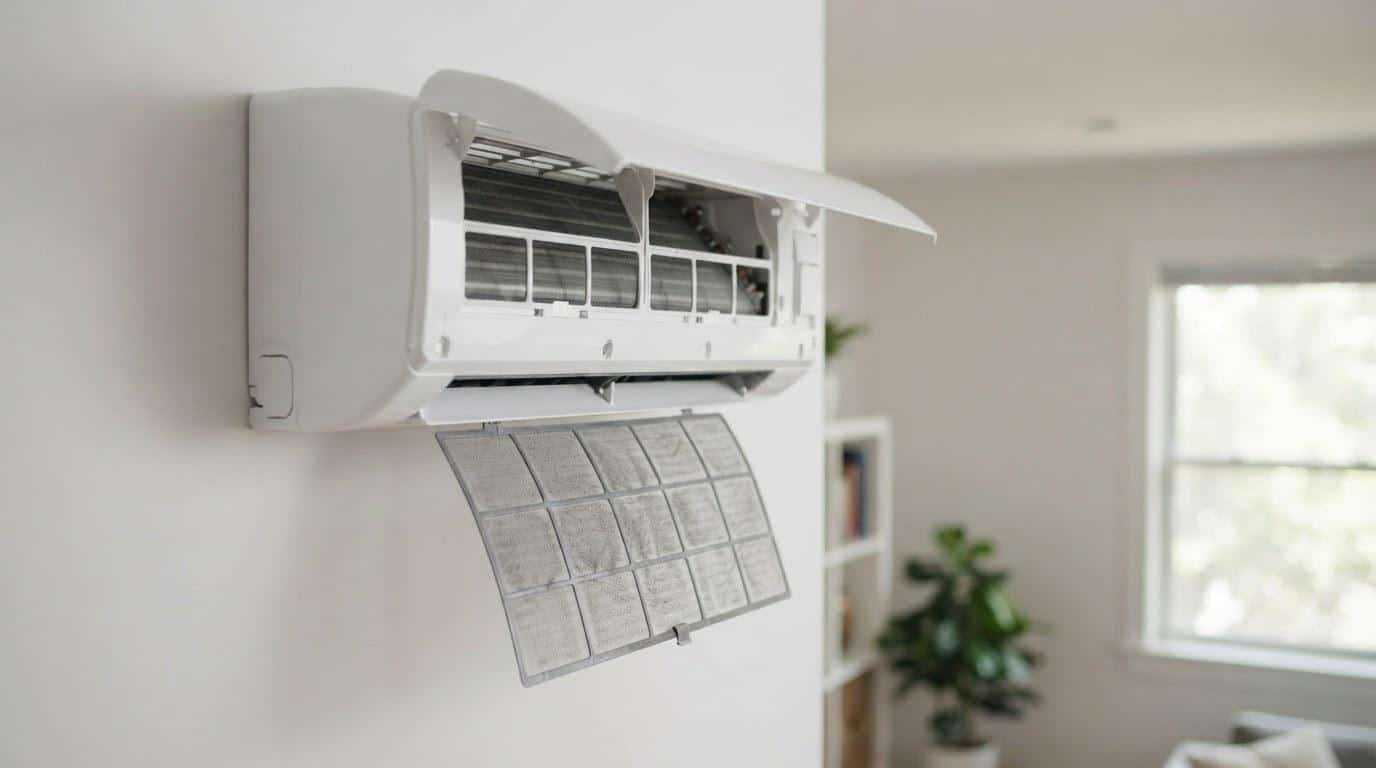
| Single-zone ductless mini-split | 4 to 6 hours | Wall penetration and line set routing |
| Multi-zone ductless mini-split (3 to 5 zones) | 1 to 3 days | Multiple indoor unit placements and line sets |
| Heat pump system (replaces AC and furnace) | 1 to 2 days | Air handler replacement and electrical upgrade |
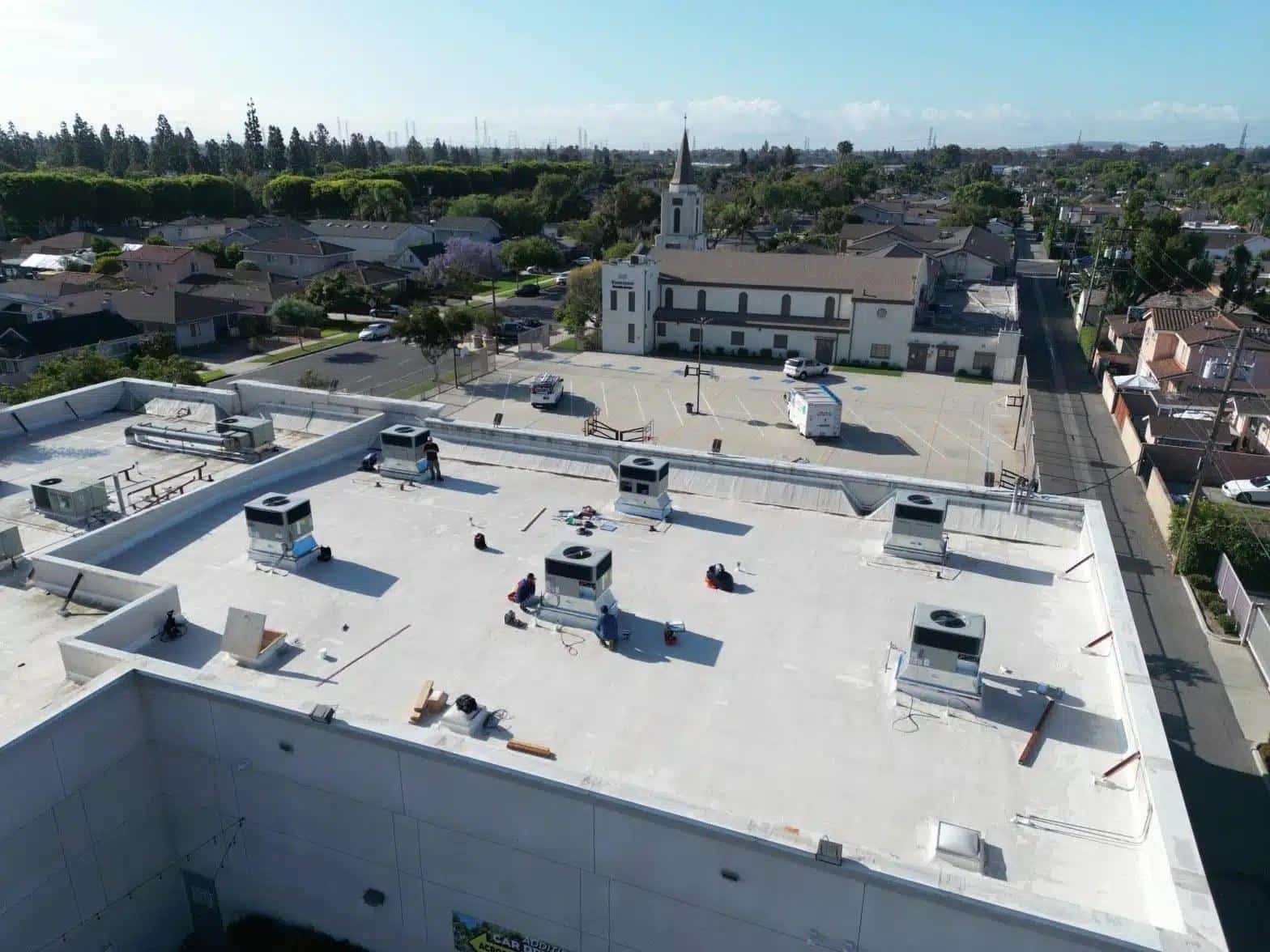
| Package unit (rooftop or side-yard) | 5 to 8 hours | Crane or lift access and duct connection |
Ductless mini-splits are popular in Orange County and Los Angeles County homes that were built without central ductwork. A single-zone system can be running in less than a day, which makes it one of the fastest paths to whole-room cooling. Multi-zone systems covering 4 or 5 rooms add a full day for each additional indoor unit and its line set.
Heat pump systems that qualify under the Inflation Reduction Act federal tax credit may allow homeowners to claim up to 30% of the installed cost as a federal tax credit, which makes the longer installation timeline well worth the planning investment. The TECH Clean California rebate program also offers additional incentives for qualifying heat pump installations across the state.
How Can You Avoid Delays on Your AC Installation Day?
Most installation delays are preventable. The homeowner controls more of the schedule than most people realize.
- Book early in the season: AC installers in Southern California are busiest from late April through mid-September. Booking in February or March gives you a wider choice of dates and avoids the 2-to-3-week wait times that are common by June.
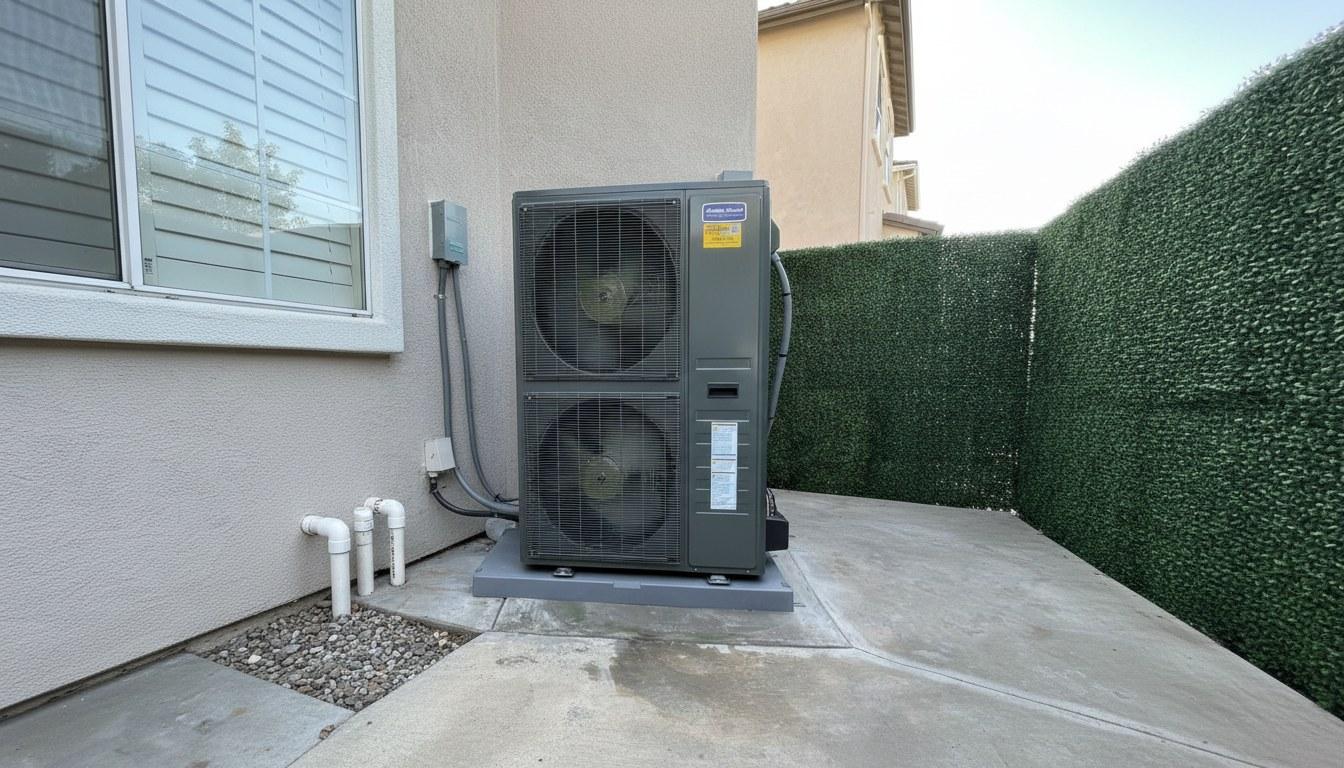
- Clear access routes before the crew arrives: The crew needs a clear path from the street to the condenser pad location and to the air handler. Move vehicles, patio furniture, and stored items the night before.
- Confirm the electrical panel capacity in advance: Ask your contractor to check the panel during the quote visit, not on installation day. Discovering a panel upgrade is needed on the morning of the install adds at least a day.
- Have a trusted adult home for the full day: Someone needs to be available to answer questions, approve any scope changes, and receive the homeowner walkthrough at the end. An empty house can stall a job.
- Ask about permit lead times upfront: If your city requires a permit before work begins (rather than a post-installation inspection), ask the contractor how long approval typically takes in your jurisdiction so you can plan accordingly.
- Confirm equipment availability before signing: Supply chain conditions can delay specific models by 2 to 6 weeks. Ask whether the equipment is in stock or on order before you commit to a date.
- Schedule duct inspection as a separate pre-visit: If your home is more than 20 years old, ask for a duct inspection before installation day. Discovering major duct problems on the day of install almost always pushes the job to a second day.
Across our service calls in Southern California, roughly 1 in 4 installations that run past 5 p.m. trace back to a panel or duct surprise that could have been caught during the quote visit. A thorough pre-installation walkthrough by the contractor is the single best way to protect your schedule.
Roughly 1 in 4 installations that run past 5 p.m. trace back to a panel or duct surprise that could have been caught during the quote visit.
Ready to Schedule Your AC Installation in Southern California?
A well-planned AC installation moves quickly. Most Southern California homeowners are up and running with cool air the same day the crew arrives, as long as the site prep is done and the equipment is ready.
Shalom Heating & Air handles every stage of the process, from the initial load calculation and permit application through final commissioning and the homeowner walkthrough. Systems installed by Shalom Heating & Air are sized using ACCA Manual J standards and meet California’s Title 24 building energy requirements.
If you are comparing quotes or just want a straight answer on how long does ac installation take for your specific home, call (714) 886-2021 to talk through your situation. Written quotes are provided before any work begins, and permit handling is included in the project scope.
Schedule your AC installation with Shalom Heating & Air and get a clear timeline before the crew ever shows up. Serving homeowners across Southern California.
Explore our full range of HVAC services across Southern California.
Frequently Asked Questions
How long does an AC installation usually take for a standard home?
Most standard central AC installations take between 4 and 8 hours for a home with existing ductwork and a correctly sized electrical panel. A like-for-like equipment swap on a single-story home is often done in a single day. Homes needing new ductwork or an electrical upgrade should plan for two to three days total.
Do I need a permit for a new AC installation in California?
Yes, most California jurisdictions require a permit for a new AC installation. A licensed contractor pulls the permit on your behalf. The permit process typically adds one to five business days to the overall project timeline, mainly due to inspection scheduling. A contractor licensed by the California Contractors State License Board (CSLB) will always handle required permits.
Can an AC installation be done in just a few hours?
A straightforward equipment swap on a home with good existing ductwork and proper electrical capacity can be completed in as few as 4 hours. However, most installations take closer to 6 to 8 hours once you include removal of the old system, refrigerant recovery, commissioning, and the homeowner walkthrough. Rushing the commissioning stage leads to problems down the road.
What is the best time of year to schedule an AC installation in Southern California?
February through March is the best window for Southern California homeowners. Demand is low, equipment is in stock, and contractors have flexible scheduling. By May and June, wait times for installations commonly stretch to two to three weeks as the summer rush begins. Booking early also gives you more leverage to choose your preferred installation date.
How long does a ductless mini-split installation take compared to central AC?
A single-zone ductless mini-split installation typically takes 4 to 6 hours, which is similar to a central AC swap. Multi-zone systems covering three to five rooms take one to three full days because each indoor unit requires its own wall penetration, line set, and electrical connection. The more zones you add, the longer the project runs.