How to Choose the Right AC System for Your Southern California Home
Choosing the right AC system for a Southern California home means matching the unit type, size, and efficiency rating to your specific climate, home layout, and budget. This guide walks you through every factor that matters.
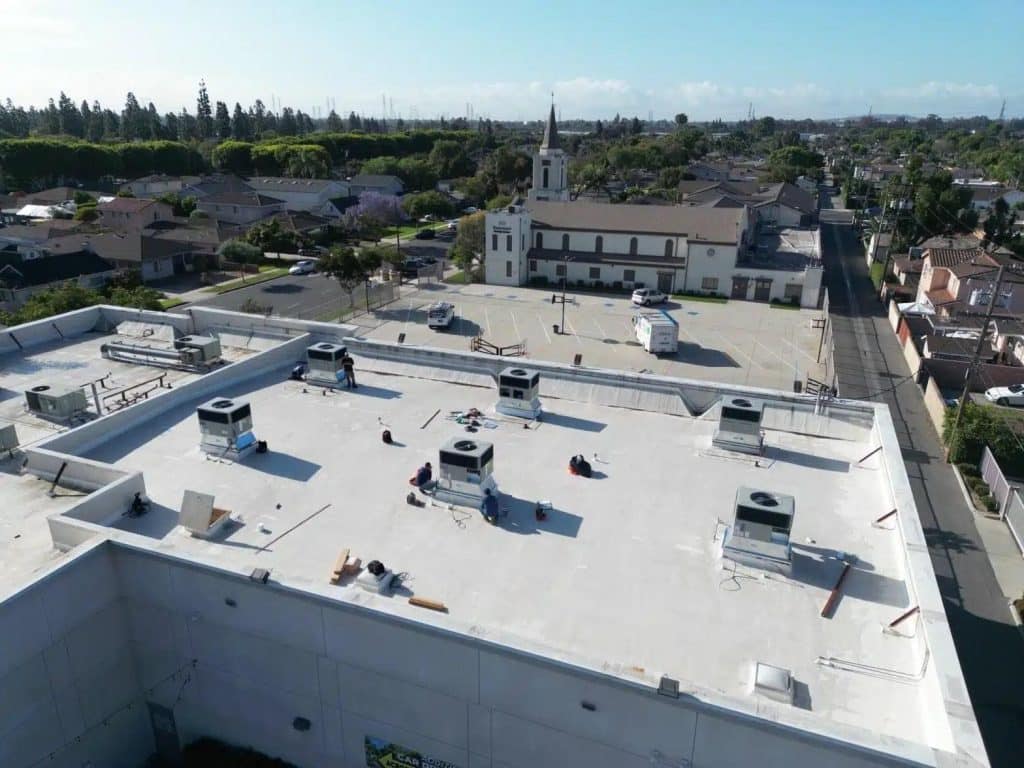
How to Choose an AC System for Your Southern California Home
Knowing how to choose an AC system for your Southern California home comes down to three things: the right system type for your home layout, the correct size in tons or BTUs, and an efficiency rating that matches the regional climate. Southern California summers regularly push temperatures above 95°F inland and hold humidity near the coast, so a system that is undersized or inefficient will struggle from day one.
This guide covers every factor that matters — system types, sizing, SEER2 ratings, typical costs, available rebates, and the most common buying mistakes. By the end, you will have a clear picture of what to look for before you spend a dollar.
What Types of AC Systems Work Best in Southern California?
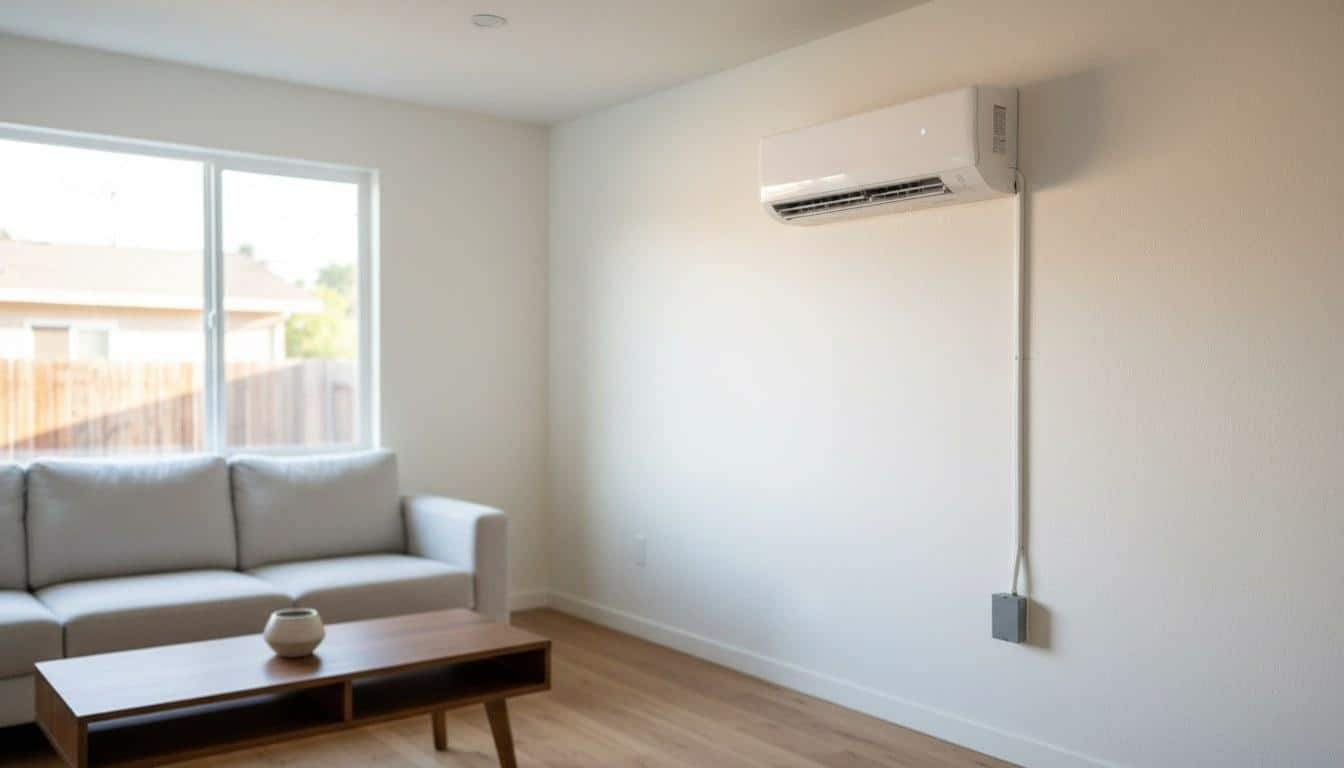
Central split systems are the most common choice for Southern California homes that already have ductwork, while ductless mini-splits are the fastest-growing option for homes without ducts or for homeowners who want zone-by-zone control. Each system type has a different cost profile, installation footprint, and performance profile.
| System Type | Best For | Key Advantage | Key Consideration | Typical Installed Cost (Market Range) |
|---|---|---|---|---|
| Central Split System | Homes with existing ductwork | Cools entire home evenly; familiar technology | Duct condition affects efficiency significantly | $4,000 – $10,000+ |
| Ductless Mini-Split | Homes without ducts; room additions; ADUs | Zone control; no duct losses; flexible install | Higher upfront cost per zone | $3,000 – $8,000 per zone installed |
| Heat Pump (Air-Source) | Homeowners who want heating and cooling in one unit | Qualifies for larger federal tax credits; high efficiency | Works best in mild-to-moderate climates like coastal SoCal | $5,000 – $14,000+ |
| Packaged Unit | Homes with limited indoor space; flat rooftops | All components in one outdoor cabinet | Slightly lower efficiency ceiling than split systems | $3,500 – $9,000+ |
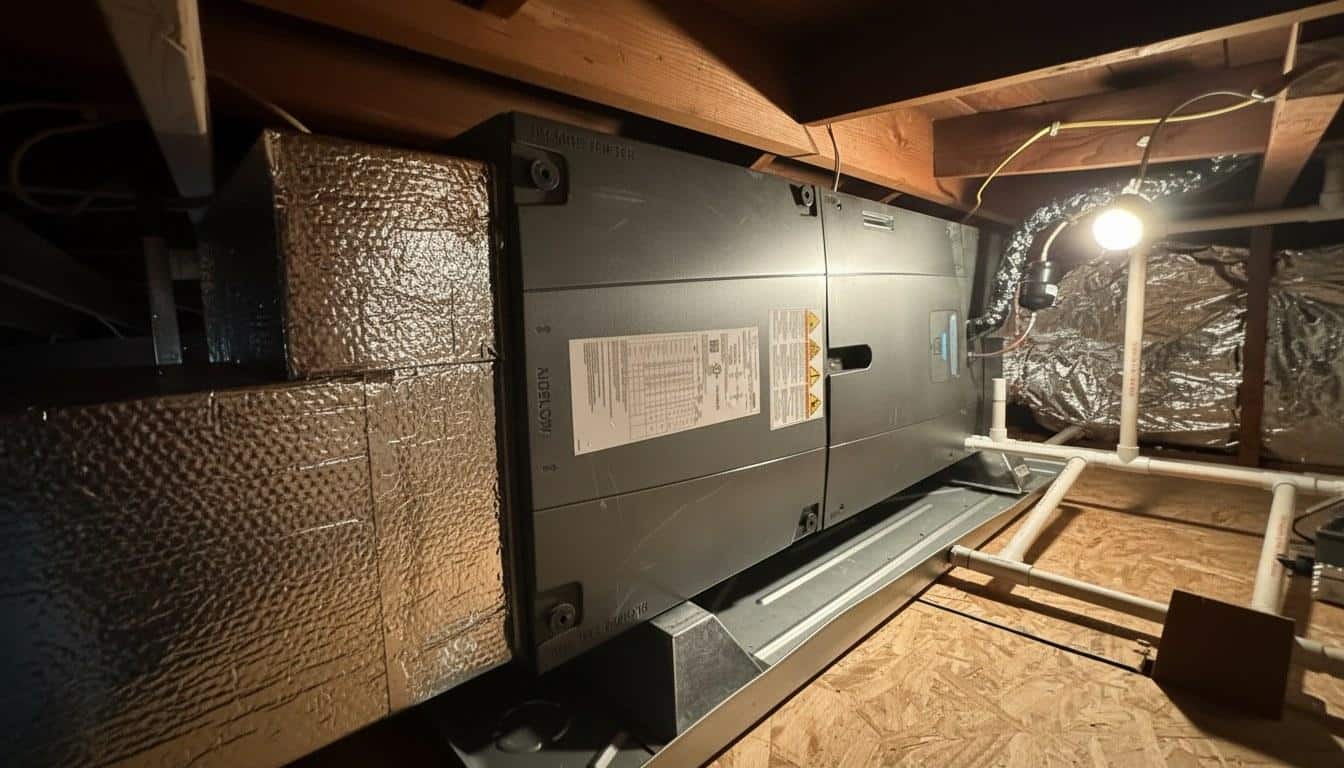
Homes built before the 1980s across Southern California often have little to no existing ductwork. In those cases, a ductless mini-split avoids the $3,000 to $8,000 cost of adding new ducts. For a newer tract home with sealed, insulated ducts already in place, a central split system usually delivers the best value per square foot cooled.
Heat pumps have gained popularity since California’s push toward electrification. As of 2024, California’s California Energy Commission appliance standards increasingly favor heat pumps over gas-paired systems for new construction and major replacements.
What Size AC System Does Your Home Actually Need?
AC size is measured in tons, and most Southern California homes need between 2 and 5 tons of cooling capacity — but the only accurate way to determine the right size is a Manual J load calculation performed by a licensed contractor. Guessing based on square footage alone leads to oversized or undersized equipment that wastes energy and wears out faster.
A Manual J calculation, developed by the Air Conditioning Contractors of America (ACCA), accounts for your home’s insulation, window area, ceiling height, local climate data, and sun exposure. Inland Southern California ZIP codes see design temperatures 10°F to 15°F higher than coastal areas, which directly affects the tonnage a home needs.
Here is a rough starting point for planning purposes only — your final size must come from a load calculation:
- Under 1,000 sq ft: Typically 1.5 to 2 tons
- 1,000 – 1,500 sq ft: Typically 2 to 2.5 tons
- 1,500 – 2,000 sq ft: Typically 2.5 to 3.5 tons
- 2,000 – 2,500 sq ft: Typically 3.5 to 4 tons
- 2,500 sq ft and above: Typically 4 to 5+ tons
Oversized units short-cycle — they cool the air quickly but shut off before removing humidity, leaving the home feeling clammy. Undersized units run constantly and still cannot hit the thermostat setpoint on the hottest days. Our technicians replace roughly 1 in 4 systems in the region that were originally installed at the wrong tonnage, almost always because the original installer skipped a proper load calculation.
What SEER2 Rating Should You Look for in Southern California?
In Southern California’s warm climate, a SEER2 rating of 16 or higher is the practical minimum for new installations, and ratings of 18 to 22 pay back their premium cost faster here than in cooler states because the system runs more hours per year. SEER2 is the updated efficiency standard that replaced the older SEER metric starting January 1, 2023, under U.S. Department of Energy rules.
The ENERGY STAR program currently certifies central air conditioners that meet a SEER2 of 15.2 or higher in the Southwest region. Choosing an ENERGY STAR-certified unit is one of the fastest ways to qualify for utility rebates through programs like TECH Clean California, which can reduce upfront costs by $300 to $1,500 depending on the unit and installer.
A system with a SEER2 of 22 versus a SEER2 of 16 can cut cooling energy use by 25% to 30% annually. In a Southern California home that runs the AC for 5 to 6 months per year, that difference translates to real savings on every utility bill.
A system with a SEER2 of 22 versus a SEER2 of 16 can cut cooling energy use by 25% to 30% annually.
How Much Does a New AC System Cost in Southern California?
In the Southern California market, a complete central AC installation — equipment plus labor — typically ranges from $5,000 to $14,000, with most single-family home projects landing between $7,000 and $11,000 depending on system size, efficiency tier, and duct condition. Ductless mini-split installations for a single zone generally run $3,000 to $8,000 installed.
Several factors push a project toward the higher end of those ranges:
- Duct repair or replacement: Leaky or deteriorated ducts add $1,500 to $5,000 to the project.
- Electrical panel upgrades: Older homes may need a 200-amp panel upgrade, which adds $1,500 to $3,500.
- High-efficiency equipment: Units with SEER2 ratings above 20 carry a $1,000 to $3,000 premium over baseline models.
- Attic or rooftop access difficulty: Complex installations with limited access add labor hours and cost.
- Refrigerant type: Systems using the newer R-454B refrigerant (required under EPA refrigerant regulations, Section 608) may carry slightly higher equipment costs as supply scales up through 2025 and 2026.
Always request a written, itemized quote before any work begins. A reputable contractor licensed by the California Contractors State License Board (CSLB) will provide a detailed scope of work, not just a bottom-line number. Contact Shalom Heating & Air at (714) 886-2021 for a custom quote based on your home’s specific layout and needs.
What Rebates and Tax Credits Are Available in Southern California?
Southern California homeowners can stack multiple incentives when replacing an AC system — federal tax credits, state rebate programs, and utility rebates can together reduce the net cost by $1,000 to $3,000 or more on qualifying equipment. The key is knowing which programs apply to your system type and income level before you buy.
Southern California homeowners can stack multiple incentives when replacing an AC system — federal tax credits, state rebate programs, and utility rebates can together reduce the net cost by $1,000 to $3,000 or more.
Here are the main programs available as of 2026:
- Inflation Reduction Act federal tax credit: Homeowners who install a qualifying heat pump or high-efficiency central AC system can claim a federal tax credit of up to $600 for central AC or up to $2,000 for heat pumps under the 25C credit. This is a dollar-for-dollar reduction in your federal tax bill.
- TECH Clean California: This statewide program offers point-of-sale rebates through participating contractors for heat pumps and high-efficiency HVAC equipment. Rebates range from $300 to $1,500 depending on equipment type.
- SoCalREN: The Southern California Regional Energy Network offers rebates and no-cost energy audits for qualifying homeowners in Los Angeles County and surrounding areas.
- SCE and SoCalGas utility rebates: Southern California Edison and SoCalGas each run seasonal rebate programs for ENERGY STAR-certified equipment. Rebate amounts change annually, so verify current offers before purchasing.
To claim the Inflation Reduction Act federal tax credit, you must use IRS Form 5695 when filing your taxes. Your contractor should provide documentation of the equipment’s efficiency rating and installation date. Visit the U.S. Department of Energy’s energy savings page for current credit amounts and qualifying criteria.
What Mistakes Should You Avoid When Buying a New AC System?
The most costly AC buying mistakes in Southern California are skipping a load calculation, choosing the lowest-bid contractor without verifying their CSLB license, and ignoring duct condition before installing new equipment. Each of these errors can cost thousands of dollars in repairs or efficiency losses within the first few years. A related concern for many homeowners is wildfire HVAC preparation, which covers how to shield ducts and filters from smoke damage before air quality worsens.
Avoid these common pitfalls:
- Skipping the Manual J calculation: Guessing at system size based on square footage alone leads to equipment that is too large or too small. Always insist on a load calculation before any equipment is specified.
- Choosing a contractor based on price alone: The lowest bid often cuts corners on equipment quality, refrigerant handling, or permit pulls. Verify the contractor’s CSLB license number at cslb.ca.gov before signing anything.
- Ignoring duct leakage: A new high-efficiency system connected to ducts losing 20% to 30% of airflow will never perform at its rated SEER2. Ask for a duct leakage test as part of the installation scope.
- Buying equipment without checking rebate eligibility first: Some rebates require pre-approval or a specific contractor enrollment. Buying the equipment first can disqualify you from thousands of dollars in incentives.
- Overlooking California’s Title 24 building energy standards: Replacement AC installations in California must comply with California’s Title 24 building energy standards, which govern minimum efficiency levels and sometimes require a permit. A contractor who skips the permit puts you at risk during resale or insurance claims.
- Not asking about the refrigerant type: Systems manufactured after January 1, 2025 must use lower-GWP refrigerants under updated EPA refrigerant regulations (Section 608). Confirm your new unit uses a compliant refrigerant like R-454B or R-32.
- Replacing only the outdoor condenser: Mixing an old indoor air handler with a new outdoor condenser creates a mismatched system that voids warranties and underperforms. Always replace matched system components together.
Across our service calls in Southern California, we see mismatched system components on roughly 15% of service calls where the homeowner replaced only the outdoor unit to save money — and in nearly every case, the system runs inefficiently and the warranty is void.
Get Expert Guidance on Your New AC System
Choosing the right AC system for your Southern California home is a decision that affects your comfort and energy bills for the next 15 to 20 years. Getting the sizing, efficiency rating, and installation right from the start is worth the time it takes to do it properly.
Shalom Heating & Air helps homeowners across Southern California select, size, and install AC systems that match their home, budget, and climate. Our team is licensed by the California Contractors State License Board (CSLB) and works with ENERGY STAR-certified equipment that qualifies for available rebate programs.
Schedule your in-home assessment and get a written, itemized quote before any work begins. Call (714) 886-2021 or reach out online to book your appointment. Same-day and next-day availability is often possible for urgent cooling needs across the region.
Explore our full range of HVAC services across Southern California.
Frequently Asked Questions
How do I know what size AC system I need for my Southern California home?
The only reliable way to determine the right AC size is a Manual J load calculation performed by a licensed HVAC contractor. This calculation accounts for your home's square footage, insulation, window area, ceiling height, and local climate data. A rough rule of thumb is 1 ton of cooling per 400 to 600 square feet, but inland homes that see temperatures above 100°F may need more. Shalom Heating & Air performs load calculations as part of every installation quote — call (714) 886-2021 to schedule.
What SEER2 rating is recommended for Southern California?
A SEER2 rating of 16 or higher is the practical minimum for new AC installations in Southern California's warm climate. Because the system runs 5 to 6 months per year in this region, higher-efficiency units with SEER2 ratings of 18 to 22 recover their premium cost faster than in cooler climates. ENERGY STAR-certified units meeting regional thresholds also qualify for utility and state rebates that can reduce your upfront cost.
How much does it cost to install a new AC system in Southern California?
A complete central AC installation in the Southern California market typically ranges from $5,000 to $14,000, with most single-family home projects falling between $7,000 and $11,000. Factors that push costs higher include duct repair, electrical panel upgrades, and high-efficiency equipment. Ductless mini-split installations for a single zone generally run $3,000 to $8,000 installed. Request a custom itemized quote from Shalom Heating & Air by calling (714) 886-2021.
What rebates are available for a new AC system in Southern California?
Southern California homeowners can access several incentives when replacing an AC system. The Inflation Reduction Act federal tax credit offers up to $600 for qualifying central AC systems and up to $2,000 for heat pumps. TECH Clean California provides point-of-sale rebates of $300 to $1,500 through participating contractors. Southern California Edison and SoCalGas also run seasonal rebate programs for ENERGY STAR-certified equipment. Ask your contractor about eligibility before purchasing any equipment.
Is a heat pump a good choice for a Southern California home?
Yes, heat pumps are an excellent fit for most Southern California homes, especially coastal and inland valley areas where winter temperatures rarely drop below 30°F. They provide both heating and cooling in one unit and qualify for larger federal tax credits under the Inflation Reduction Act — up to $2,000 versus $600 for a standard AC system. California's energy standards increasingly favor heat pumps for new and replacement installations as of 2024.