How a Ductwork Inspection Works: What Technicians Check and Why It Matters
A ductwork inspection is the fastest way to find out why your home feels uneven, stuffy, or expensive to cool, and this guide walks you through exactly what technicians check and what they find.
What Is a Ductwork Inspection and Why Does It Matter?
A ductwork inspection is a detailed evaluation of the air ducts, vents, and connections that carry conditioned air through your home. Technicians use it to find leaks, blockages, damage, and airflow problems that your HVAC system cannot fix on its own. This ductwork inspection guide covers every stage of the process so you know what to expect before a technician arrives.
Most homeowners only think about their ducts when something goes wrong: a room that never cools down, a spike in energy bills, or a musty smell from the vents. But by that point, the problem has often been building for months or years. An inspection catches issues early, before they become expensive repairs or a full air ductwork replacement.
The U.S. Department of Energy estimates that duct leakage accounts for up to 30 percent of a home’s heating and cooling energy loss. That is a significant drag on comfort and utility costs, and it is entirely fixable once you know where the leaks are.
Duct leakage accounts for up to 30 percent of a home's heating and cooling energy loss, according to the U.S. Department of Energy.
What Do Technicians Actually Check During an Inspection?
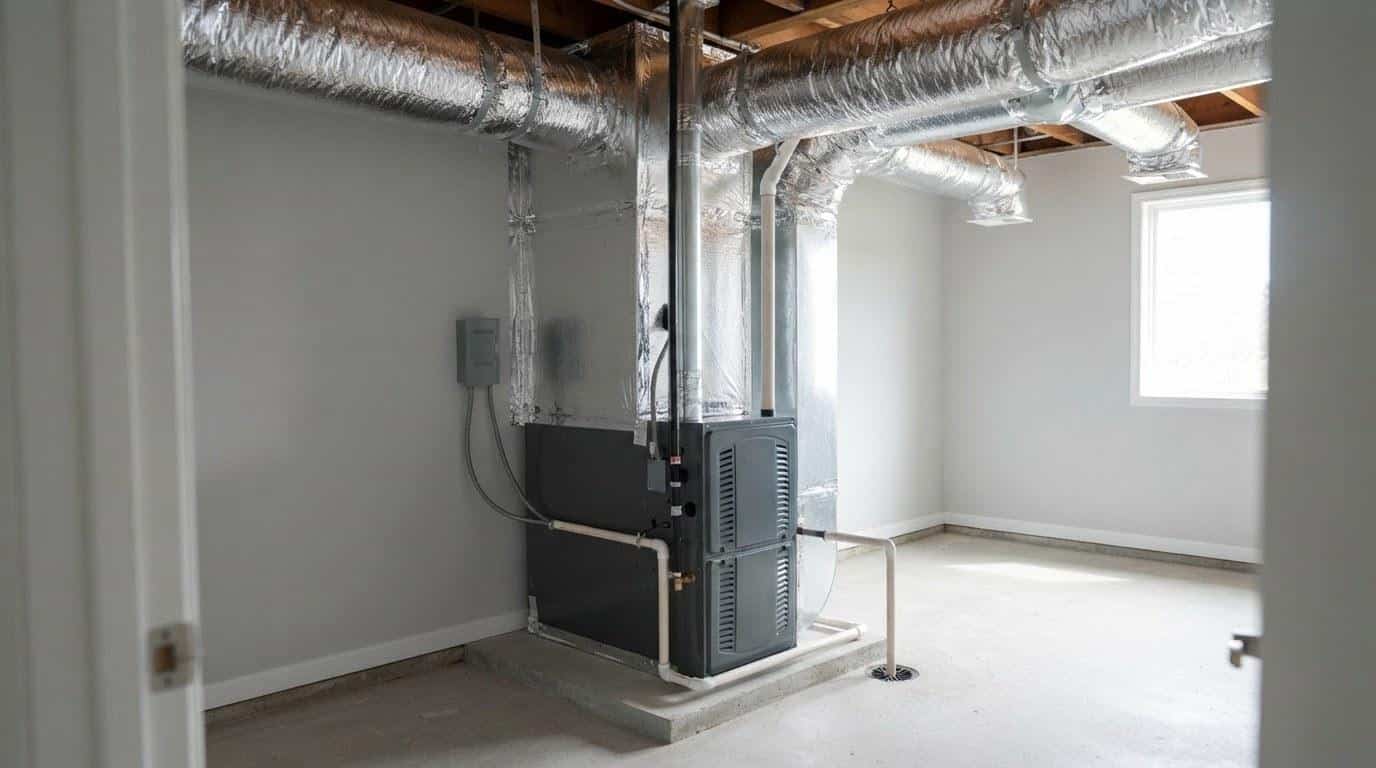
A thorough inspection covers every accessible section of the duct system, from the air handler to the farthest supply register. Technicians look at physical condition, airflow performance, insulation, and air quality indicators. Here is a breakdown of the specific checkpoints.
Physical Condition of the Ductwork
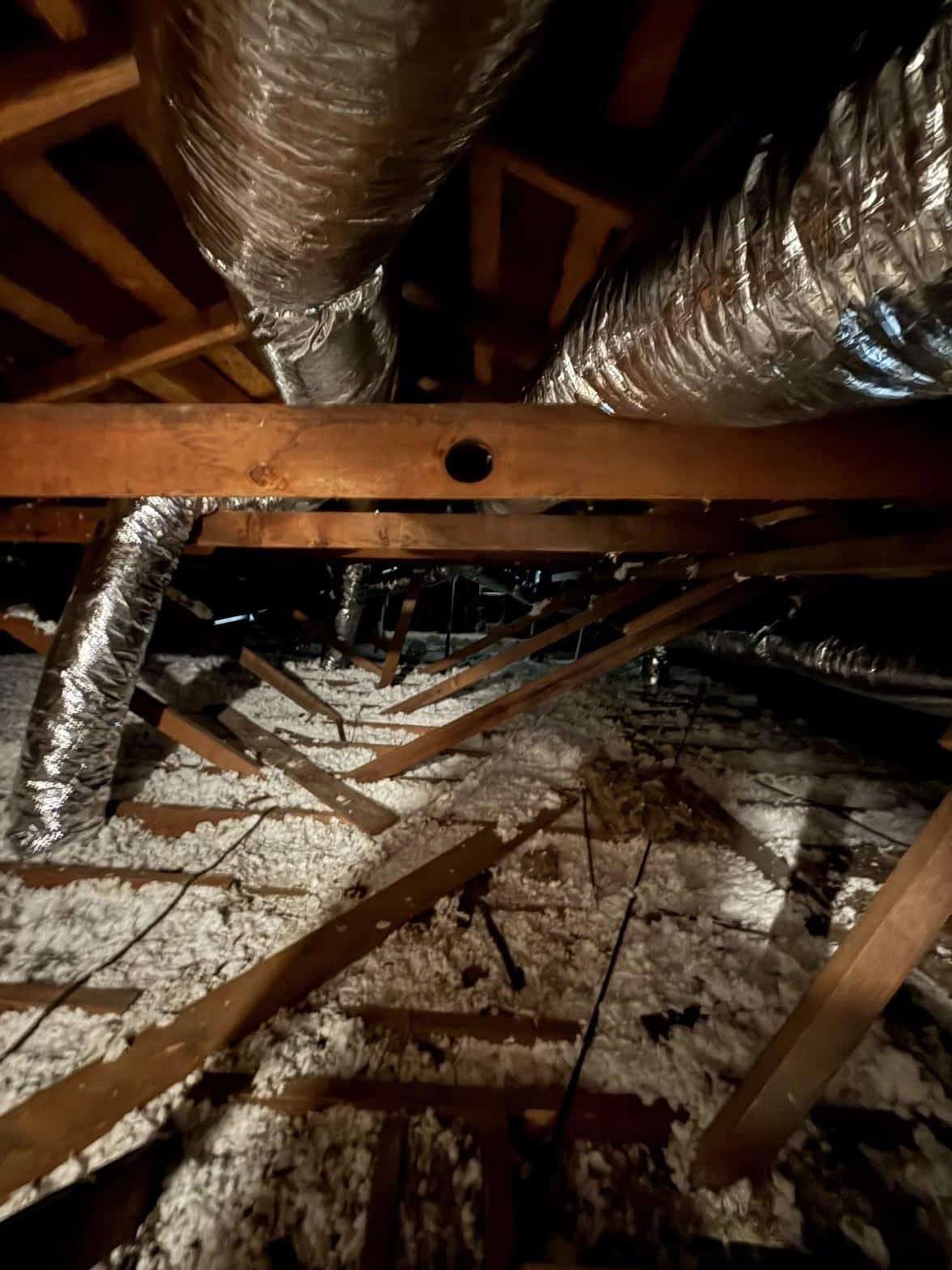
- Visible leaks and gaps: Joints between duct sections are common failure points. Technicians check for separations, missing tape, and holes that let conditioned air escape into unconditioned spaces like attics and crawl spaces.
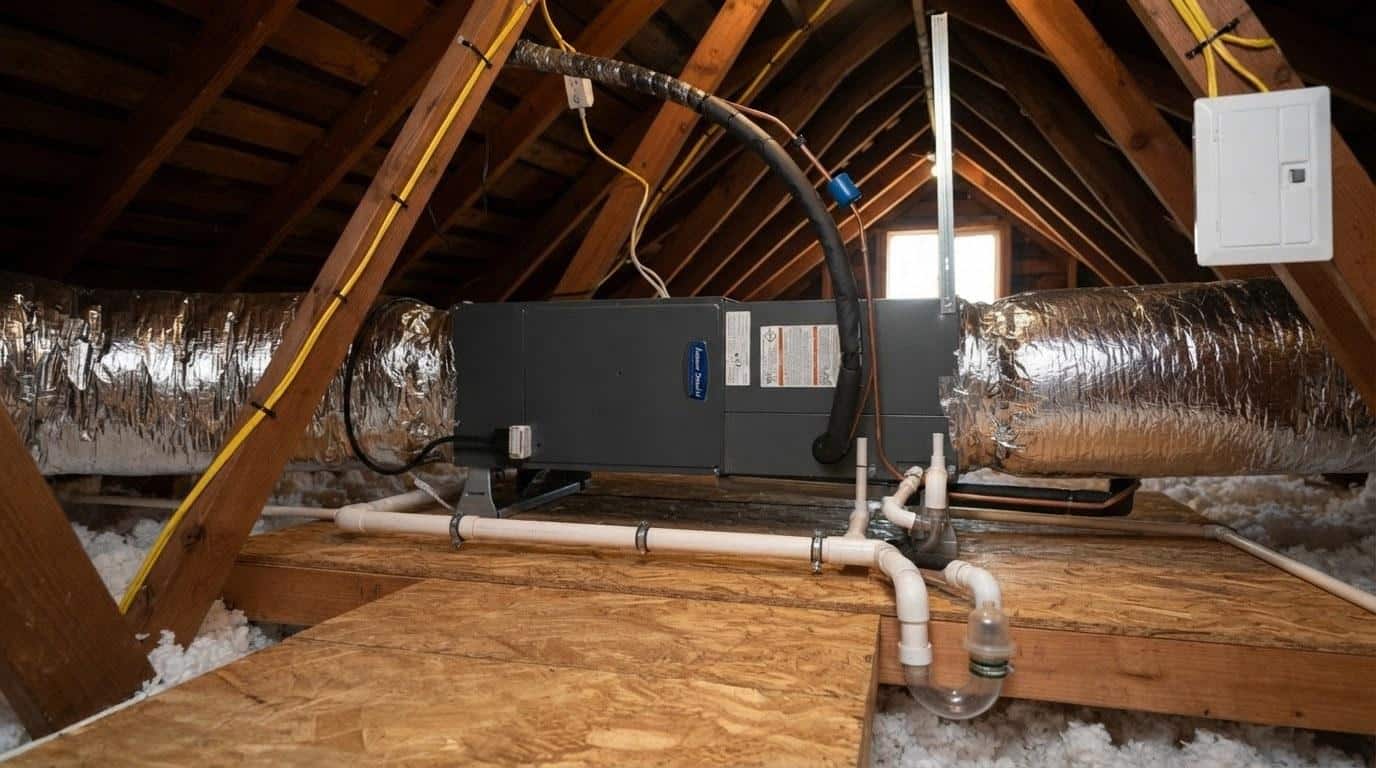
- Crushed or kinked flexible duct: Flex duct (the corrugated, insulated tubing common in residential systems) can kink at bends or sag between supports, cutting airflow by as much as 50 percent in a single run.
- Corrosion and rust: Metal hvac duct sections in humid or coastal environments can corrode from the inside out, creating pinhole leaks that are invisible without a close inspection.
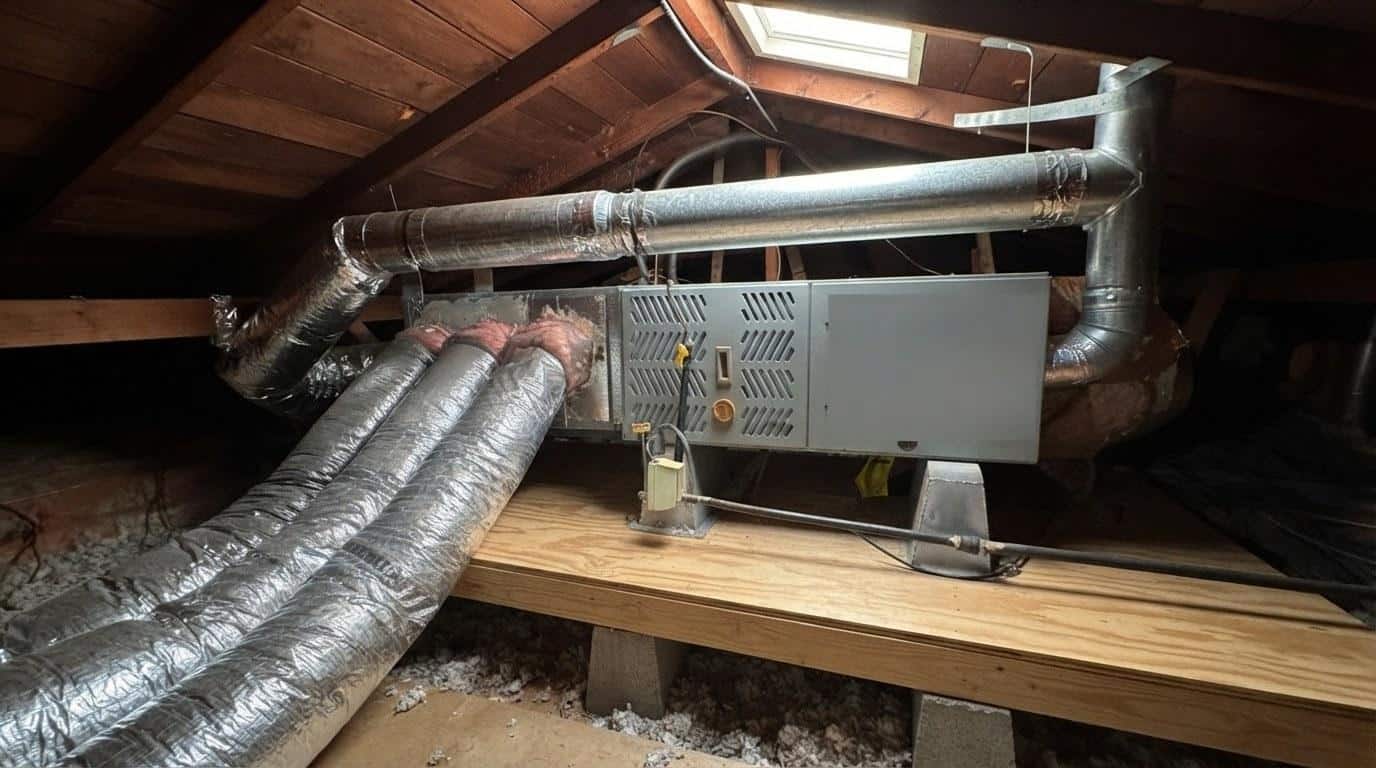
- Pest and rodent damage: Rodents chew through both flex duct and the foil facing on insulated rigid duct. Our technicians find evidence of this on roughly 1 in 5 inspections in homes with attic duct runs, especially in properties built before 1990.
- Disconnected sections: In older homes, entire duct sections can pull apart at the seams, sending conditioned air directly into the attic or crawl space rather than into the living area.
Airflow and Pressure Testing
Beyond visual checks, technicians measure airflow at each supply and return register. They compare the readings against the design specifications for your system. A blower door or duct blaster test can quantify total leakage as a percentage of system airflow, giving you a precise number rather than a rough estimate.
Technicians also check that the return air ductwork is properly sized. An undersized return is one of the most overlooked causes of poor system performance. It starves the air handler of return air, which forces the system to work harder and shortens its lifespan.
Insulation and Thermal Performance
Ducts running through unconditioned spaces need insulation rated at R-6 or higher under California’s Title 24 building energy standards. Technicians check for insulation that has fallen off, gotten wet, or compressed over time. Wet insulation is a red flag because it almost always means a nearby duct leak has been pulling in humid air.
Indoor Air Quality Indicators
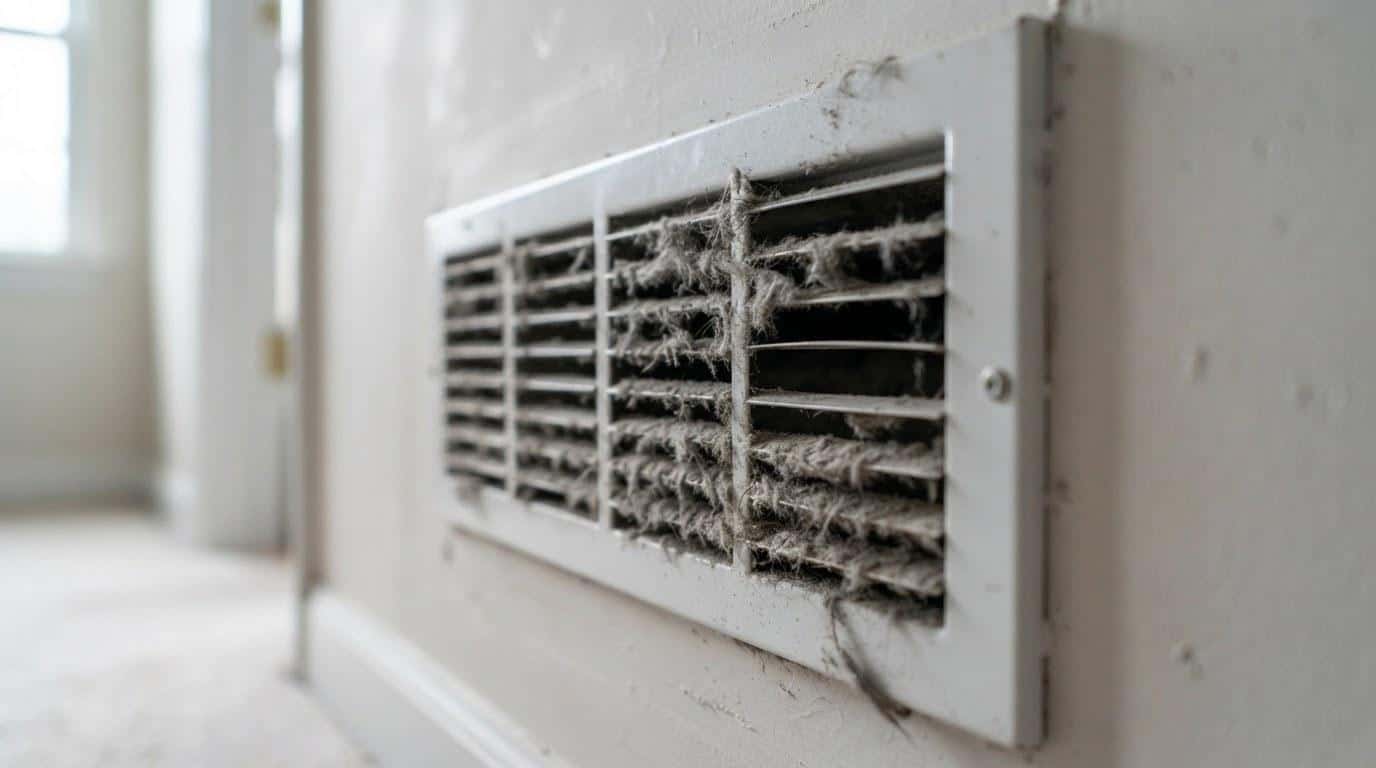
- Dust and debris buildup: Heavy debris inside the ac duct can restrict airflow and recirculate particles into your living space.
- Mold or mildew signs: Visible mold growth or a musty odor at the registers points to moisture intrusion. This requires remediation before any sealing work begins.
- Pest droppings or nesting material: A health and safety concern that needs to be addressed as part of any ductwork services plan.
How Long Does a Ductwork Inspection Take?
A standard residential ductwork inspection takes one to three hours, depending on the size of the home and the accessibility of the duct system. A single-story home with ducts in a low attic typically runs closer to one hour. A two-story home with ducts split between the attic and a crawl space, or a property with a complex zoned system, can take the full three hours.
Commercial ductwork inspection in larger buildings takes longer. A small retail or office space might wrap up in two to four hours, while a multi-unit building or warehouse system can take a full day or more depending on duct length and accessibility.
Pressure testing with a duct blaster adds roughly 30 to 45 minutes to the inspection time but produces the most accurate leakage data. If you are planning to pull permits for ductwork installation and repair in Orange County or elsewhere in California, pressure test results are often required to demonstrate compliance with Title 24.
What Do the Findings Mean for Your Home?
Inspection findings fall into three broad categories: minor issues you can address with targeted ductwork repair, moderate problems that require partial replacement, and severe deterioration that makes full air ductwork replacement the most cost-effective path. The table below maps common findings to their typical recommended action.
| Finding | Severity | Typical Recommended Action |
|---|---|---|
| Small gaps at duct joints, minor tape failure | Low | Targeted ductwork repair with mastic sealant or metal tape |
| Kinked or sagging flex duct sections | Low to Moderate | Re-support or replace the affected flex duct runs |
| Corroded metal duct sections | Moderate | Replace corroded sections; seal surrounding joints |
| Disconnected duct sections in attic or crawl space | Moderate to High | Reconnect and seal; inspect full run for additional damage |
| Widespread pest damage across multiple runs | High | Partial or full ductwork replacement; pest remediation first |
| Mold growth inside duct interior | High | Mold remediation followed by duct cleaning or replacement |
| System-wide leakage above 15% of airflow | High | Full air ductwork replacement; Manual J load recalculation |
| Insulation missing or damaged throughout | Moderate | Re-insulate to Title 24 minimum R-6 or higher |
When leakage is above 15 percent of system airflow, repair costs often approach or exceed the cost of replacement. A technician can walk you through the math so you can make an informed decision. Across our service calls in Southern California, we find that homes with original ductwork older than 20 years have a leakage rate above 20 percent in roughly 6 out of 10 cases, making full replacement the smarter long-term investment for those homeowners.
Homes with original ductwork older than 20 years have a leakage rate above 20 percent in roughly 6 out of 10 cases, making full replacement the smarter long-term investment.
If the inspection reveals that your duct system was never properly sized for your home, a acca.org/technology/resources/manual-j” rel=”noopener” target=”_blank”>Manual J load calculation should be performed before any replacement work begins. Installing new ducts to the same wrong sizing just repeats the original problem.
How Much Does Ductwork Repair or Replacement Cost After an Inspection?
Ductwork repair cost in the regional market typically ranges from $300 to $1,500 for targeted repairs on one to three problem areas. Full ductwork replacement cost for a single-family home generally falls between $3,000 and $10,000 or more, depending on system size, duct material, and access difficulty. These are market ranges, not quotes; your actual cost depends on the scope the inspection reveals.
Key Factors That Move the Price
- Duct material: Flex duct is less expensive than sheet metal. Rigid fiberglass duct board sits in the middle range. The inspection findings often determine which material is the right fit for each section.
- Access difficulty: Ducts in a tight crawl space or a sealed attic take longer to reach, which adds labor cost. Ductwork repair cost in a crawl space is often 20 to 40 percent higher than the same repair in an open attic.
- System size: A 1,200-square-foot home has far less duct footage than a 3,500-square-foot home. Replacement cost scales with the total linear footage of duct that needs to be run.
- Permit requirements: Full ductwork replacement in California typically requires a permit and a final inspection to verify Title 24 compliance. Permit fees vary by jurisdiction and add to the total project cost.
- Insulation upgrades: If existing insulation is below R-6 or is damaged, bringing it up to code adds material and labor cost.
Homeowners who replace their HVAC system at the same time as their ductwork often save on combined labor costs. If your air conditioning unit is also approaching the end of its useful life (typically 15 to 20 years for a well-maintained system), it is worth asking your technician to evaluate both at once.
For projects that qualify, the Inflation Reduction Act federal tax credit may offset a portion of energy-efficiency upgrades. Check with a tax professional and review current guidance at energy.gov to see whether your duct replacement project qualifies under current rules.
How Do You Prepare for a Ductwork Inspection?
A few simple steps before the technician arrives make the inspection faster and more thorough. Good access to the duct system is the single biggest factor in inspection quality.
- Clear access to the attic hatch and crawl space entry. Move stored items away from access panels so the technician can enter quickly and safely.
- Make sure all vents and registers are unblocked. Furniture, rugs, and curtains placed over registers skew airflow readings. Move them at least 12 inches away before the inspection.
- Note any rooms that feel warmer, cooler, or stuffier than the rest of the home. Write them down and share the list with the technician. Uneven comfort is one of the most useful diagnostic clues an inspector has.
- Have your HVAC system’s age and service history ready if you know it. Systems installed before 2006 were built to older efficiency and sizing standards, and the technician will want to factor that in.
- Plan to be home for the full inspection window. The technician may need to ask questions about when problems started or whether there have been any recent renovations that could have disturbed the duct runs.
If you have noticed a musty smell at your vents, let the technician know before they start. Mold inside hvac ducting requires a different approach than a standard leakage inspection, and knowing in advance lets the technician bring the right testing equipment.
Get a Professional Ductwork Inspection in Southern California
If your home has uneven temperatures, rising energy bills, or air quality concerns, a professional ductwork inspection is the right first step. Shalom Heating & Air provides comprehensive ductwork inspections, ductwork repair, and full air ductwork replacement for residential and commercial customers across Southern California.
Our team is licensed by the California Contractors State License Board (CSLB) and carries full insurance. Every inspection follows ACCA standards and includes a written summary of findings so you have a clear record of what was found and what was recommended.
Schedule your ductwork inspection today. Call Shalom Heating & Air at (714) 886-2021 to book your appointment or request a custom quote for ductwork repair or replacement based on your inspection results.
Explore our full range of HVAC services across Southern California.
Frequently Asked Questions
How much does it usually cost to replace ductwork in a house?
Full ductwork replacement for a single-family home typically ranges from $3,000 to $10,000 or more in the Southern California market. The final cost depends on the home's square footage, the type of duct material used, how difficult the ducts are to access, and whether permits and insulation upgrades are required. The best way to get an accurate number is to schedule an inspection first so the technician can assess the actual scope.
How do I know if there is mold growing in my ductwork?
The most common signs are a musty or earthy smell that comes from the vents when your HVAC system runs, visible dark spots around register grilles, and unexplained allergy or respiratory symptoms that improve when you leave the house. A professional ductwork inspection can confirm whether mold is present inside the duct system and determine whether cleaning or replacement is the appropriate fix.
How do technicians actually clean ductwork?
Technicians typically use a combination of high-powered vacuum equipment connected to the main trunk line and rotating brush attachments inserted into individual duct runs. This loosens and removes accumulated dust, debris, and biological material. For mold contamination, antimicrobial treatments are applied after cleaning. The process usually takes two to four hours for a standard residential system.
How much does it cost to repair ductwork in a crawl space?
Crawl space ductwork repair typically costs more than the same repair in an open attic because of the tight working conditions and longer labor time. In the Southern California regional market, targeted crawl space duct repairs generally range from $400 to $2,000 depending on how many sections need attention and whether insulation also needs to be replaced. Call (714) 886-2021 for a custom quote based on your specific situation.
How long does a ductwork inspection take for a typical home?
Most residential ductwork inspections take one to three hours. A smaller single-story home with an accessible attic usually runs about one hour, while a larger two-story home or a property with ducts in both the attic and a crawl space can take the full three hours. Adding a pressure test with a duct blaster extends the appointment by roughly 30 to 45 minutes but gives you the most accurate leakage data.