How Long Does a Furnace Last? Signs It’s Time to Replace Yours
Most furnaces last 15 to 20 years, but age alone does not tell the whole story. This guide walks you through the real warning signs that it is time to replace yours.
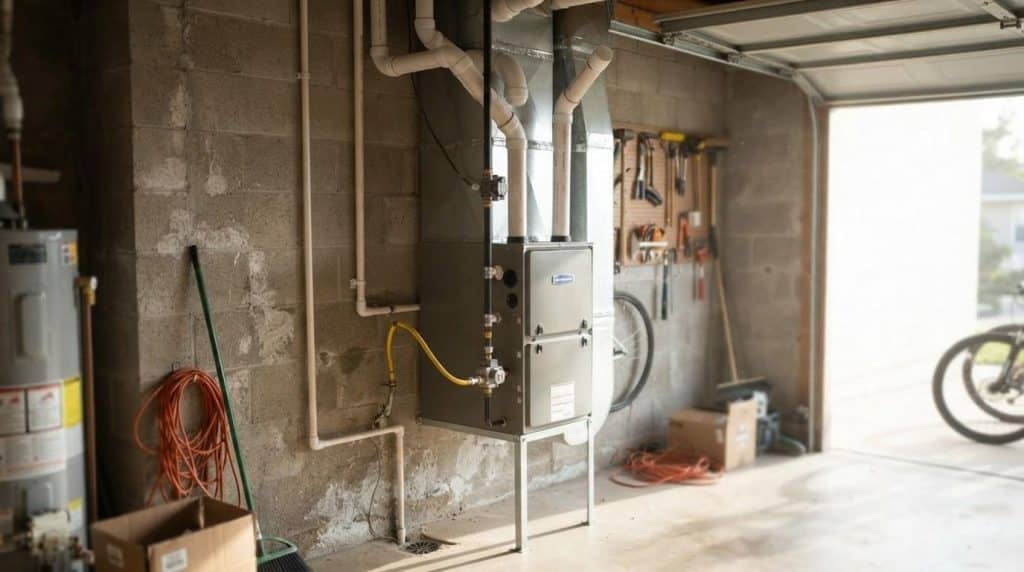
Why Do Furnaces Stop Working Before Their Time?
Furnaces fail early when they are undersized, poorly maintained, or installed in homes where the ductwork was never designed to handle the load. Southern California’s climate adds a twist: furnaces here often sit idle for months at a time, then get pushed hard during brief cold snaps. That stop-and-start pattern stresses the heat exchanger and ignition components more than steady winter use would.
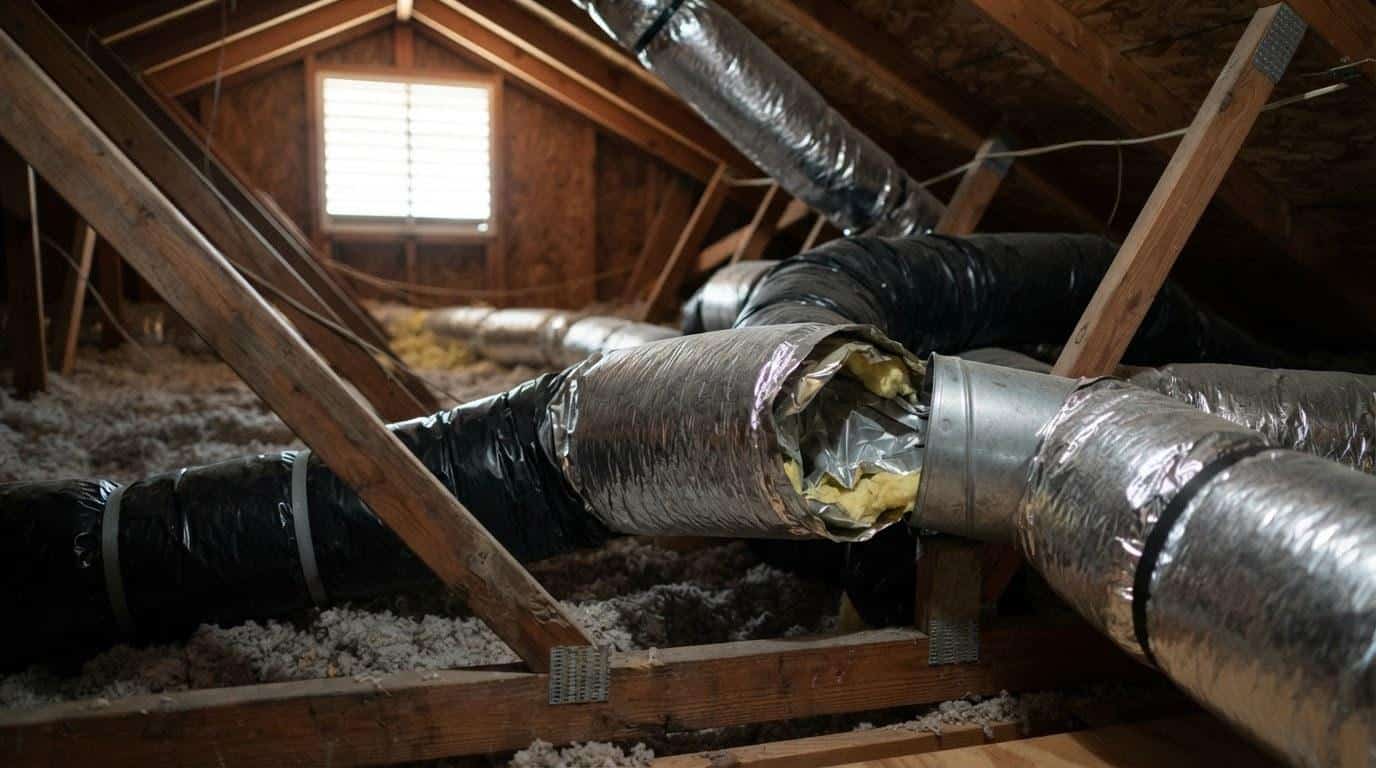
Homes built before 1990 across the region often have original ductwork that leaks conditioned air into unconditioned attic space. When a furnace has to fight leaky ducts, it runs longer cycles, burns more fuel, and wears out faster. According to the U.S. Department of Energy, duct leakage can waste 20 to 30 percent of the energy a furnace produces before it ever reaches a living space.
Deferred maintenance is the other major culprit. A dirty flame sensor, a clogged filter, or a cracked heat exchanger left unaddressed for one or two seasons can shorten a furnace’s useful life by several years.
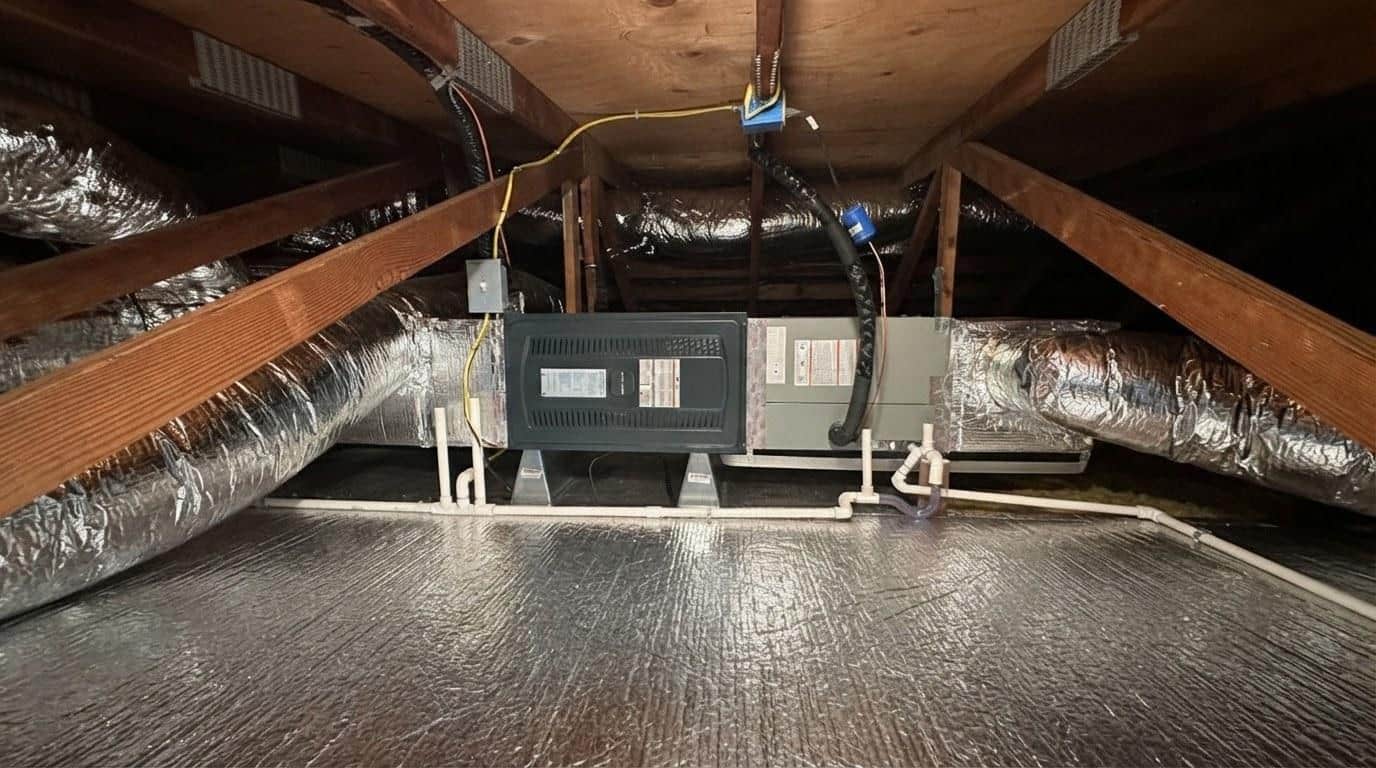
How Long Does a Furnace Last? Signs to Replace and What Drives the Timeline
A gas furnace typically lasts 15 to 20 years. High-efficiency condensing furnaces with AFUE ratings of 90 percent or above can sometimes reach 20 to 25 years when serviced annually, while older 80 percent AFUE units often start showing serious problems closer to the 15-year mark. Understanding how long does a furnace last signs to replace means looking at both age and condition together, not just one or the other.
Several factors push a furnace toward the shorter end of that range:
- Irregular filter changes: A clogged filter forces the blower motor to work harder, raising operating temperatures inside the cabinet and accelerating wear on the heat exchanger.
- Oversized or undersized equipment: A furnace that is too large short-cycles, meaning it turns on and off rapidly rather than running full, efficient cycles. Short-cycling is one of the fastest ways to wear out a heat exchanger.
- Poor original installation: Incorrect flue sizing, improper gas pressure, or a duct system that was never balanced can cut years off a furnace’s life regardless of how well it is maintained afterward.
- Infrequent tune-ups: The U.S. Department of Energy recommends annual furnace inspections. Skipping even two or three years allows small problems to compound into expensive failures.
- High cycling frequency: Homes with poor insulation or leaky windows cause the furnace to cycle more often than it should, adding wear over time.
On the other end, furnaces that receive annual tune-ups, run with clean filters, and were sized correctly using an ACCA Manual J load calculation at installation routinely reach or exceed the 20-year mark.
What Are the Warning Signs Your Furnace Needs Attention?
The clearest warning signs are a sudden spike in your gas bill, uneven heat across rooms, and a furnace that cycles on and off more than three or four times per hour. Any one of these signals a problem; two or more together usually means the furnace is approaching the end of its useful life.
- Rising energy bills: If your gas bill climbs noticeably from one winter to the next without a change in usage habits, the furnace is losing efficiency. An older 80 percent AFUE unit can degrade further as components wear, meaning you pay more for the same amount of heat.
- Uneven heating: Some rooms are cold while others are comfortable. This can point to duct problems, but it can also mean the furnace can no longer produce enough consistent output to heat the whole home.
- Frequent cycling: The furnace turns on, runs for a short time, shuts off, and repeats. Short-cycling is often caused by an overheating heat exchanger, a faulty limit switch, or a dirty flame sensor.
- Yellow or flickering burner flame: A healthy gas furnace flame is steady and blue. A yellow or orange flame can indicate incomplete combustion and possible carbon monoxide production. This is a safety issue, not just a performance issue.
- Unusual noises: Banging, rattling, popping, or squealing sounds coming from the furnace cabinet often mean a loose panel, a failing blower motor bearing, or a cracked heat exchanger expanding under heat stress.
- Visible rust or cracks: Rust on the furnace cabinet or visible cracks around the heat exchanger are serious. A cracked heat exchanger can allow combustion gases, including carbon monoxide, to mix with the air circulated through your home.
- Frequent repairs in the last two years: If you have called for furnace repair more than once in a two-year window, the cost of those repairs is likely approaching or exceeding what a new, more efficient system would cost to operate.
- Age over 15 years: Once a furnace crosses the 15-year threshold, replacement parts become harder to source and more expensive. Even a furnace that seems to be running should be evaluated by a licensed technician at this age.
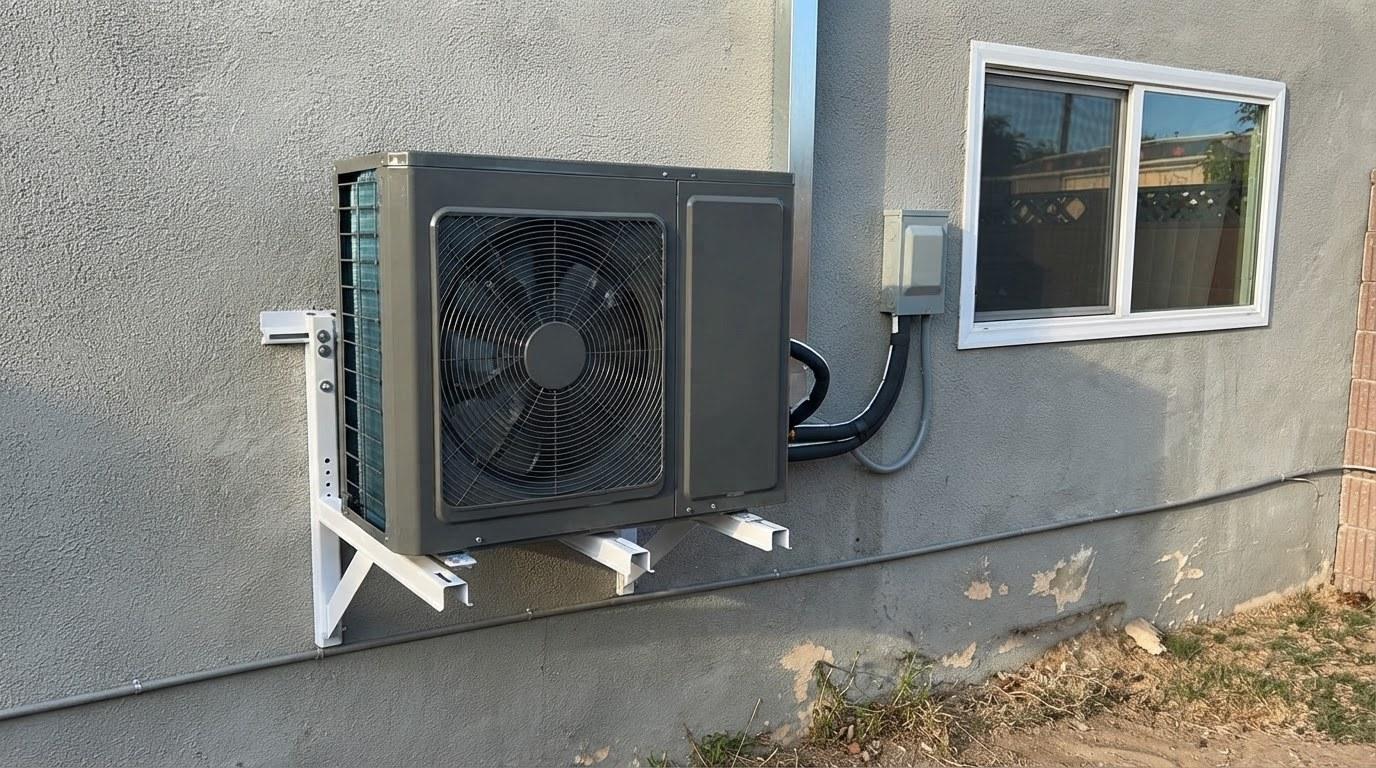
Symptom, Likely Cause, and DIY or Pro: A Quick Reference
Use this table to match what you are seeing or hearing to the most likely cause and the right next step. Some issues are safe to investigate yourself; others require a licensed technician with the proper tools and certifications.
| Symptom | Likely Cause | DIY or Pro? |
|---|---|---|
| No heat at all | Tripped breaker, thermostat setting, pilot light or igniter failure | Check breaker and thermostat first (DIY); if those are fine, call a pro |
| Weak or uneven heat | Clogged filter, leaky ducts, failing blower motor | Replace filter (DIY); duct and motor work requires a pro |
| Yellow or flickering flame | Incomplete combustion, possible cracked heat exchanger | Pro only; potential carbon monoxide hazard |
| Banging or popping on startup | Delayed ignition, dirty burners, expanding ductwork | Pro; dirty burners and ignition issues are not safe DIY tasks |
| Rattling or squealing during operation | Loose panel, worn blower bearing, failing belt (older units) | Check and tighten access panel (DIY); bearing or belt is a pro repair |
| Furnace cycles on and off rapidly | Dirty flame sensor, overheating heat exchanger, faulty limit switch | Pro; involves gas and high-voltage components |
| High gas bills with no change in use | Declining AFUE efficiency, duct leaks, aging components | Schedule a professional efficiency audit |
| Visible rust or cracks on cabinet | Age-related deterioration, heat exchanger wear | Pro inspection immediately; do not delay |
What Can You Check Yourself Before Calling a Tech?
A few simple checks can rule out the most common causes of furnace trouble and save you a service call. Work through these steps in order before scheduling a repair visit.
- Check the thermostat settings. Make sure the thermostat is set to Heat, not Cool or Fan Only. Set the target temperature at least 5 degrees above the current room temperature and listen for the furnace to start within about 60 seconds.
- Inspect the air filter. A filter clogged with dust is one of the most common causes of furnace problems. Filters should be replaced every 1 to 3 months depending on the type and your home’s dust levels. Hold the old filter up to a light source: if you cannot see light through it, replace it immediately.
- Check the circuit breaker. Furnaces draw significant power for the blower motor and ignition. Find the breaker labeled Furnace or Air Handler in your electrical panel and make sure it is fully in the On position. A tripped breaker sits between On and Off. Reset it once and see if the furnace starts.
- Confirm the furnace power switch is on. Many furnaces have a wall switch that looks like a standard light switch, often located at the top of the basement stairs or on the wall near the unit. It is easy to flip off accidentally.
- Check that all supply and return vents are open and unblocked. Closed or blocked vents restrict airflow and can trigger the furnace’s high-limit switch, causing it to shut down. Walk through the home and make sure furniture, rugs, and curtains are not covering any registers.
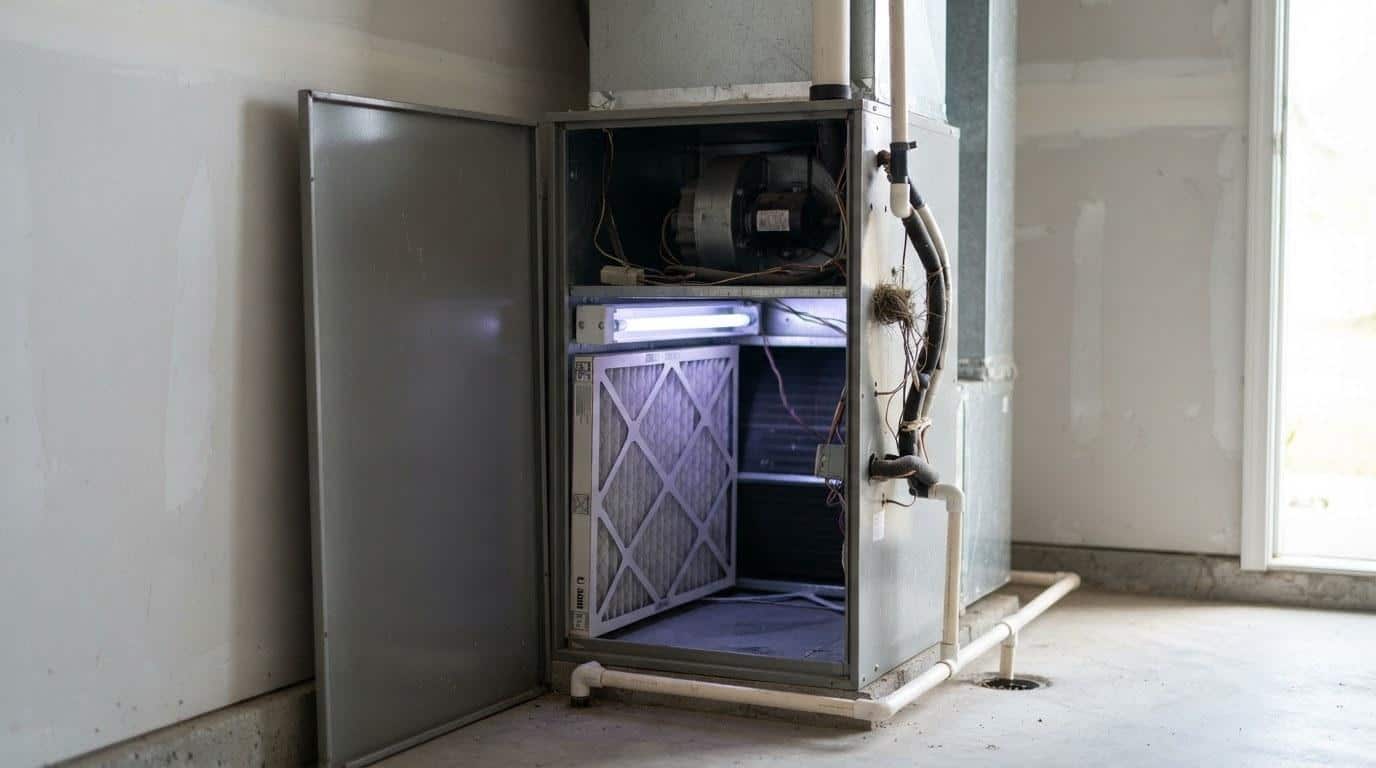
- Look at the furnace’s status light. Most modern furnaces have a small LED indicator on the control board that flashes a diagnostic code when something is wrong. Count the flashes and compare them to the code chart printed on the inside of the furnace access panel. This code tells a technician exactly where to look.
Our technicians find that the status light flash code is often already pointing to the failed component before we open the cabinet, which makes the diagnosis faster and the repair more straightforward for the homeowner.
When Should You Call a Professional for Furnace Repair or Replacement?
Call a licensed HVAC professional immediately if you smell gas near the furnace, see a yellow or orange flame, or if your carbon monoxide detector sounds an alarm. These are safety emergencies that go beyond a DIY fix.
Beyond those urgent situations, call a pro when:
- The furnace does not respond after you have worked through the DIY checklist above.
- You hear grinding, banging, or persistent squealing from inside the cabinet.
- The furnace is older than 15 years and you are seeing any of the warning signs listed earlier in this guide.
- Your energy bills have increased noticeably over one or two heating seasons with no obvious explanation.
- You have already paid for one or more repairs in the past 12 months and the furnace is still not running reliably.
Any work involving gas lines, heat exchangers, refrigerant, or the furnace control board requires a technician who is Licensed by the California Contractors State License Board (CSLB). California law requires HVAC contractors to hold a valid C-20 license for this type of work. You can verify a contractor’s license status at cslb.ca.gov before any work begins.
It is also worth knowing that as of 2024, California’s updated Title 24 building energy standards affect which replacement systems qualify for certain utility incentives. A licensed technician can walk you through current requirements and help you understand which systems meet those standards.
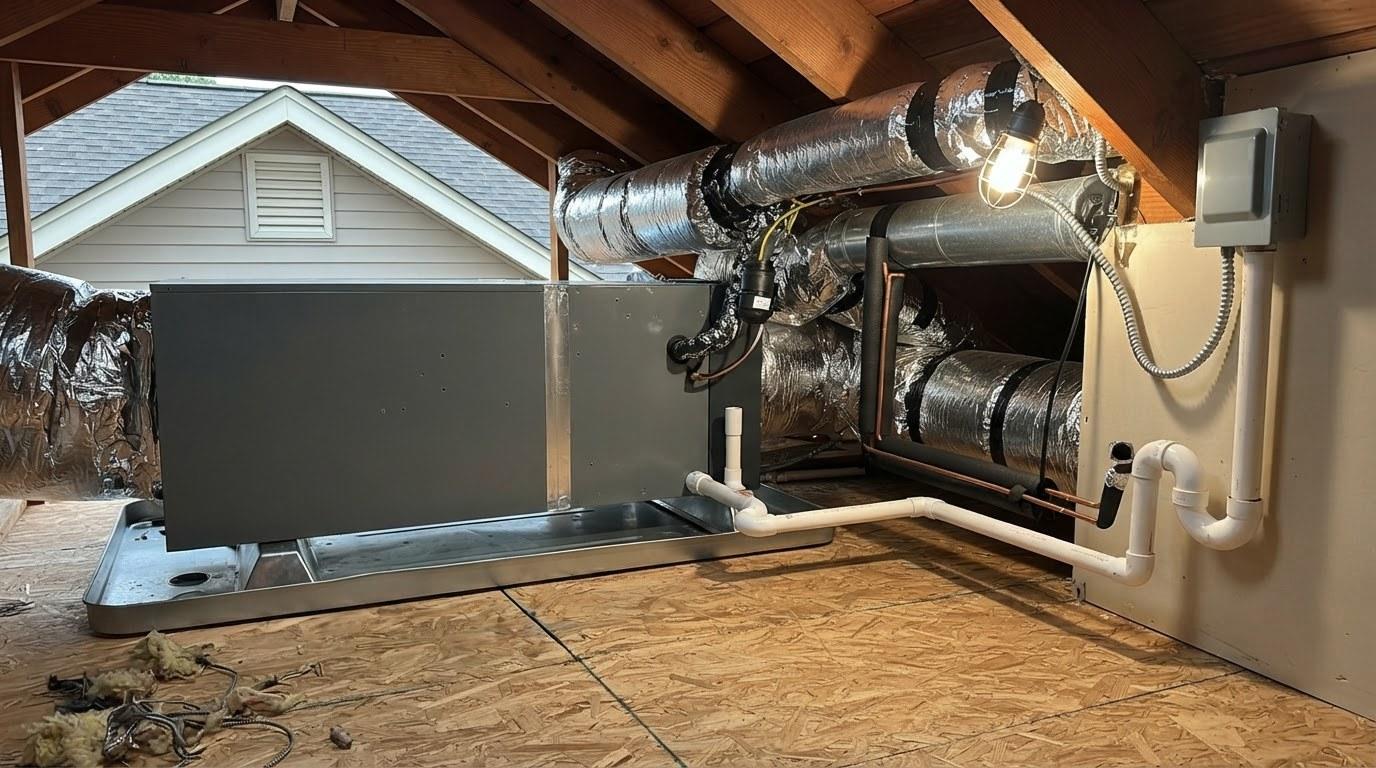
Repair vs. Replace: How Do You Make the Right Call?
The industry standard rule of thumb is the 50 percent rule: if a repair costs more than 50 percent of the price of a new system, replacement is almost always the better financial decision. For a furnace older than 15 years, that threshold drops to about 30 percent, because an older system will likely need additional repairs within the next one to three years anyway.
If a repair costs more than 50 percent of the price of a new system, replacement is almost always the better financial decision.
Here is a practical way to frame the decision:
| Furnace Age | Repair Cost Threshold | Recommended Action |
|---|---|---|
| Under 10 years | Under 30% of replacement cost | Repair is usually worthwhile |
| 10 to 15 years | Under 20% of replacement cost | Repair if the system is otherwise healthy; get a replacement quote too |
| Over 15 years | Any significant repair cost | Strongly consider replacement; parts availability declines after this point |
In the regional market, furnace repair costs typically range from about $150 to $600 for common issues like a faulty igniter, a dirty flame sensor, or a failed capacitor. A new gas furnace installation generally ranges from $2,500 to $6,000 or more depending on the AFUE rating, the size of the home, and whether ductwork modifications are needed. These are market ranges; your actual cost depends on the specific scope of work.
When replacing, look for systems with a high AFUE rating. The U.S. Department of Energy sets the minimum AFUE for new gas furnaces in the Southwest region at 80 percent, but high-efficiency models rated at 95 to 98 percent AFUE are available and can significantly reduce monthly gas costs. New systems that meet ENERGY STAR efficiency standards may also qualify for the Inflation Reduction Act federal tax credit, which as of 2025 covers up to 30 percent of the cost of qualifying high-efficiency heating equipment, capped at $600 for furnaces. Visit energystar.gov for current eligibility details.
California homeowners may also qualify for rebates through the TECH Clean California program, which supports the adoption of high-efficiency and electric heating systems. Ask your contractor about current rebate availability before you finalize a purchase decision.
Explore our full range of HVAC services across Southern California.
Frequently Asked Questions
How do I know if my furnace needs replacing or just repairing?
If your furnace is older than 15 years and has needed more than one repair in the past two years, replacement is usually the better financial choice. The 50 percent rule is a helpful guide: if a single repair costs more than half the price of a new system, replace it. A licensed technician can inspect the heat exchanger and control board to give you a clear picture of what the system has left in it.
How much does it usually cost to repair a furnace?
In the Southern California market, furnace repairs typically range from about $150 for a simple fix like a flame sensor cleaning to $600 or more for a failed inducer motor or control board. The final cost depends on which component failed, parts availability, and the age of the system. Getting a written estimate before work begins helps you compare the repair cost against the price of a new unit.
Why is my furnace turning on and off every few minutes?
Rapid on-and-off cycling, called short-cycling, is usually caused by a dirty flame sensor, a clogged air filter causing the heat exchanger to overheat, or a faulty high-limit switch. Start by replacing the air filter. If the short-cycling continues after that, the issue is inside the furnace and requires a licensed technician to diagnose safely.
How long does a furnace last with regular maintenance?
A gas furnace that receives annual tune-ups and regular filter changes typically lasts 15 to 20 years. High-efficiency condensing furnaces with AFUE ratings above 90 percent can sometimes reach 20 to 25 years under ideal maintenance conditions. Skipping annual service is the single fastest way to shorten a furnace's lifespan.
Are there tax credits or rebates available when I replace my furnace in California?
Yes. As of 2025, the Inflation Reduction Act federal tax credit covers up to 30 percent of the cost of qualifying high-efficiency heating equipment, capped at $600 for furnaces that meet ENERGY STAR standards. California homeowners may also qualify for additional rebates through the TECH Clean California program. A licensed HVAC contractor can help you identify which systems and incentives apply to your specific situation.