What Is Air Purification? How It Works and Why Your Home Needs It
Indoor air can carry two to five times more pollutants than outdoor air, according to the EPA. This guide breaks down what air purification is, how the main technologies work, and how to choose the right system for your home.
What Is Air Purification and Why Does It Matter?
Air purification is the process of filtering or neutralizing airborne contaminants inside an enclosed space. It removes particles, gases, and biological agents that standard HVAC filters miss. The goal is to make the air you breathe at home measurably cleaner and safer, especially for people with allergies, asthma, or respiratory conditions.
The epa.gov/report-environment/indoor-air-quality” rel=”noopener”>U.S. Environmental Protection Agency has found that indoor air can be two to five times more polluted than outdoor air. Modern homes are tightly sealed for energy efficiency, which traps pollutants inside. Without active purification, those contaminants recirculate every time your heating or cooling system runs.
Southern California’s climate adds another layer of concern. Wildfire smoke, high-traffic corridors, and seasonal pollen from native plants push outdoor pollutant loads higher than in many other regions. When windows stay closed during hot stretches, those particles accumulate indoors quickly.
How Do Air Purifiers Actually Work?
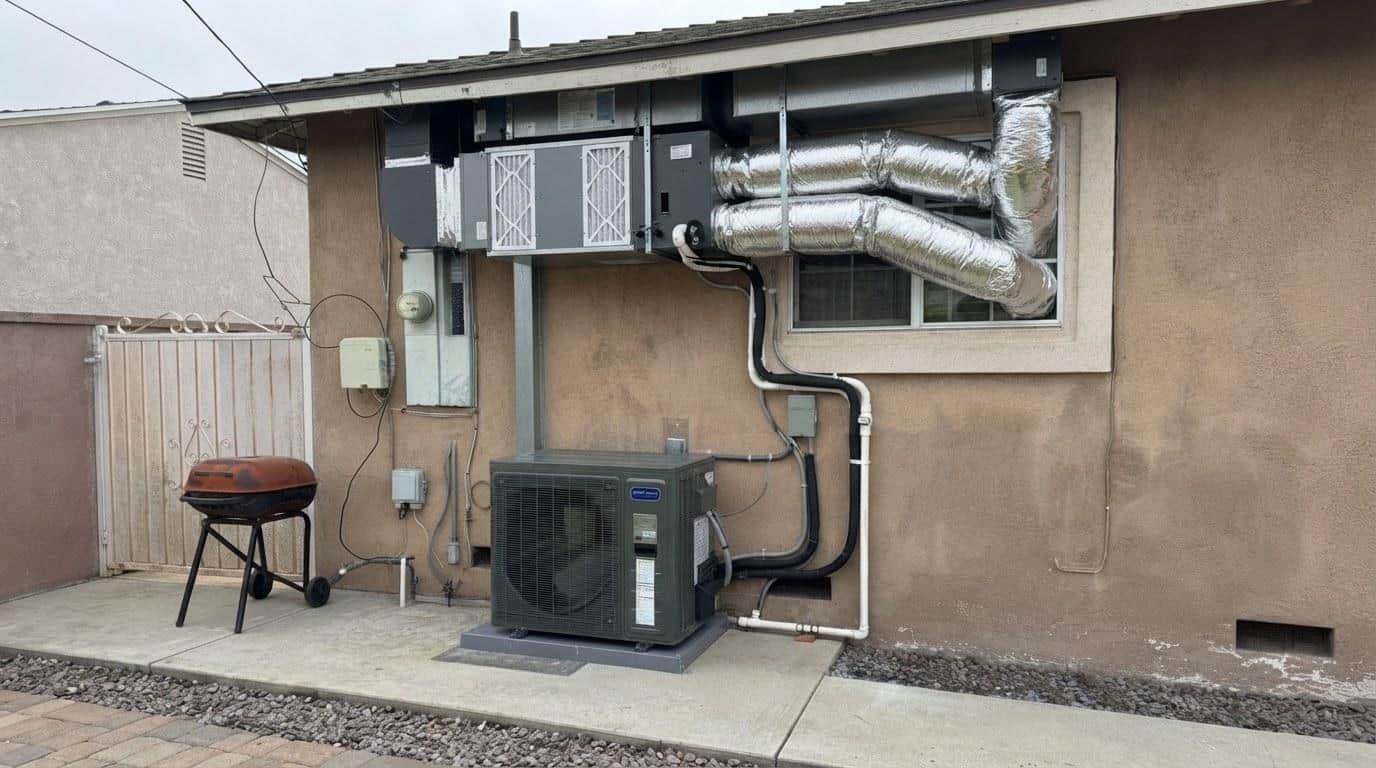
Air purifiers work by moving air through one or more treatment stages that trap or destroy contaminants. The most common stages are mechanical filtration, activated carbon adsorption, UV-C light exposure, and ionization. Whole-home systems apply these stages to all the air moving through your ductwork, while portable units treat a single room.
Here is how each core technology works:
- Mechanical filtration (HEPA and MERV-rated filters): Air passes through a dense fiber mat that physically traps particles. True HEPA filters capture 99.97% of particles 0.3 microns or larger, which includes most dust, pollen, mold spores, and pet dander.
- Activated carbon adsorption: A porous carbon bed attracts and holds volatile organic compounds (VOCs), odors, and combustion gases. This stage does not trap particles but handles chemical pollutants that fiber filters cannot.
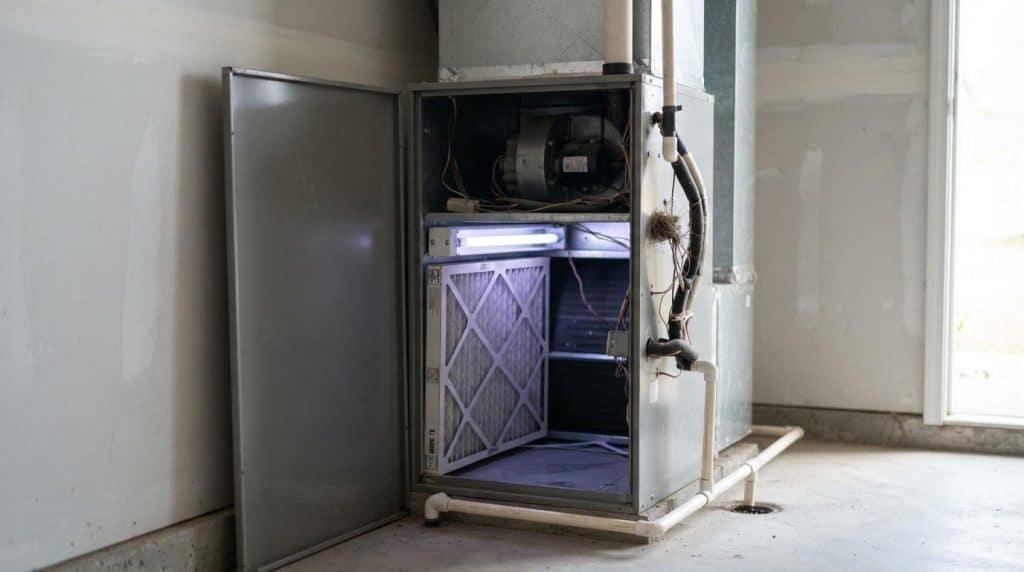
- UV-C germicidal irradiation: Ultraviolet light at the 254-nanometer wavelength damages the DNA of bacteria, viruses, and mold spores, preventing them from reproducing. UV-C lamps are often installed inside the air handler near the evaporator coil, where moisture makes biological growth more likely.
- Ionization and plasma technology: Ions or plasma fields charge airborne particles so they clump together and fall out of the air or stick to a collection plate. Some systems also produce reactive oxygen species that break down VOCs.
- Photocatalytic oxidation (PCO): UV light reacts with a titanium dioxide catalyst to produce oxidizing agents that neutralize VOCs and biological contaminants. This technology is common in advanced whole-home units.
Most high-performing systems combine two or more of these stages. A UV-C lamp paired with a high-MERV filter, for example, handles both particles and biological threats at the same time.
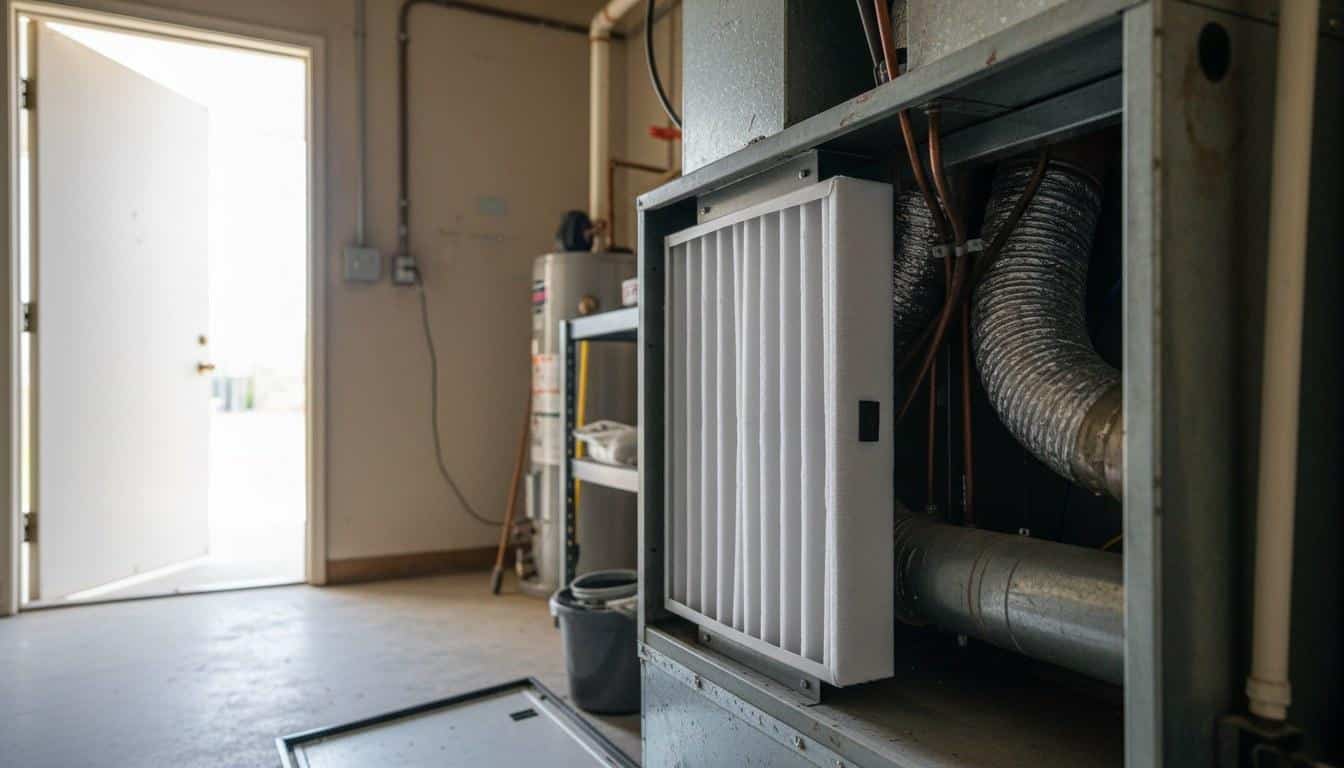
Our technicians often find that the evaporator coil inside the air handler is already growing microbial buildup before any air quality symptoms appear in the home. Placing a UV-C lamp directly above the coil is one of the most effective steps you can take to stop that growth at the source. If your air handler shows signs of trouble beyond buildup, a guide on emergency AC repair covers the warning signs and next steps.
What Types of Air Purification Systems Are Available?
The two main categories are whole-home systems that integrate with your HVAC and portable room units. Within those categories, there are several technology types, each suited to different pollutants and budgets.
| System Type | How It Installs | Best For | Typical Filter Life |
|---|---|---|---|
| Media / HEPA whole-home filter | Replaces or upgrades existing return-air filter slot | Dust, pollen, pet dander, mold spores | 6 to 12 months |
| UV-C air purifier (in-duct) | Lamp mounts inside air handler or supply plenum | Bacteria, viruses, mold on coil | Lamp replacement every 1 to 2 years |
| Activated carbon in-duct unit | Inline with ductwork or combined with media filter | VOCs, smoke, cooking odors, chemical off-gassing | 6 to 12 months |
| Whole-home ionizer / bipolar ionization | Mounts inside air handler; no separate filter needed | Fine particles, VOCs, odors, biological agents | Device life 3 to 5 years; no consumable filter |
| Photocatalytic oxidation (PCO) unit | In-duct, near air handler | VOCs, bacteria, viruses, odors | Catalyst cell replacement every 2 years |
| Portable HEPA room unit | Plug-in, freestanding | Single rooms up to 400-600 sq ft | Filter replacement every 6 to 12 months |
Whole-home systems treat conditioned air continuously without requiring you to move a unit from room to room. They are governed by ashrae.org/technical-resources/bookstore/standards-62-1-62-2″ rel=”noopener”>ASHRAE ventilation and indoor air quality standards, which set minimum requirements for air changes per hour and filtration efficiency in residential buildings.
Filter efficiency for in-duct systems is measured on the MERV scale (Minimum Efficiency Reporting Value). Residential systems typically use MERV 8 to MERV 13 filters. MERV 13 captures particles as small as 0.3 to 1 micron, which includes most airborne bacteria and fine smoke particles. Going above MERV 13 can restrict airflow in systems not designed for it, so matching the filter rating to your equipment matters.
What Pollutants Can Air Purification Remove?
A properly matched air purification system can remove particles, biological agents, and chemical gases. No single technology eliminates every type of pollutant, which is why layered systems outperform single-stage units.
- Particulate matter (PM2.5 and PM10): Fine particles from combustion, dust, and pollen. PM2.5 particles (2.5 microns or smaller) penetrate deep into the lungs and are linked to cardiovascular and respiratory disease. HEPA and high-MERV filters capture these effectively.
- Biological contaminants: Mold spores, bacteria, viruses, dust mite allergens, and pet dander. UV-C lamps and bipolar ionization are especially effective against these.
- Volatile organic compounds (VOCs): Off-gassing from paints, adhesives, cleaning products, and furniture. Activated carbon and PCO systems target VOCs that particle filters cannot hold.
- Combustion byproducts: Carbon monoxide, nitrogen dioxide, and smoke particles from gas appliances, fireplaces, or wildfire events. Activated carbon and HEPA filtration work together on these.
- Radon decay products: Radon gas itself is not removed by air purifiers, but the solid particles it decays into can be partially captured by HEPA filtration.
- Odors: Cooking smells, pet odors, and chemical odors are handled by activated carbon and ionization stages.
The ENERGY STAR program certifies air purifiers that meet strict energy and performance standards. Choosing an ENERGY STAR-certified unit means the claimed filtration efficiency has been independently verified.
What Does a Home Air Purification System Cost?
In the Southern California market, whole-home air purification systems typically range from around $500 to $3,000 installed, depending on the technology, the size of your HVAC system, and whether ductwork modifications are needed. Portable room units are less expensive upfront but add ongoing filter costs and do not treat the whole home.
Whole-home air purification systems typically range from around $500 to $3,000 installed in the Southern California market, depending on the technology and whether ductwork modifications are needed.
Several factors move the final price:
- Technology type: A UV-C lamp installation is generally less expensive than a whole-home media filter cabinet with activated carbon. Bipolar ionization and PCO systems fall in the mid-to-upper range.
- Home size and HVAC capacity: Larger systems with higher airflow rates require more robust purification hardware to treat all the air effectively.
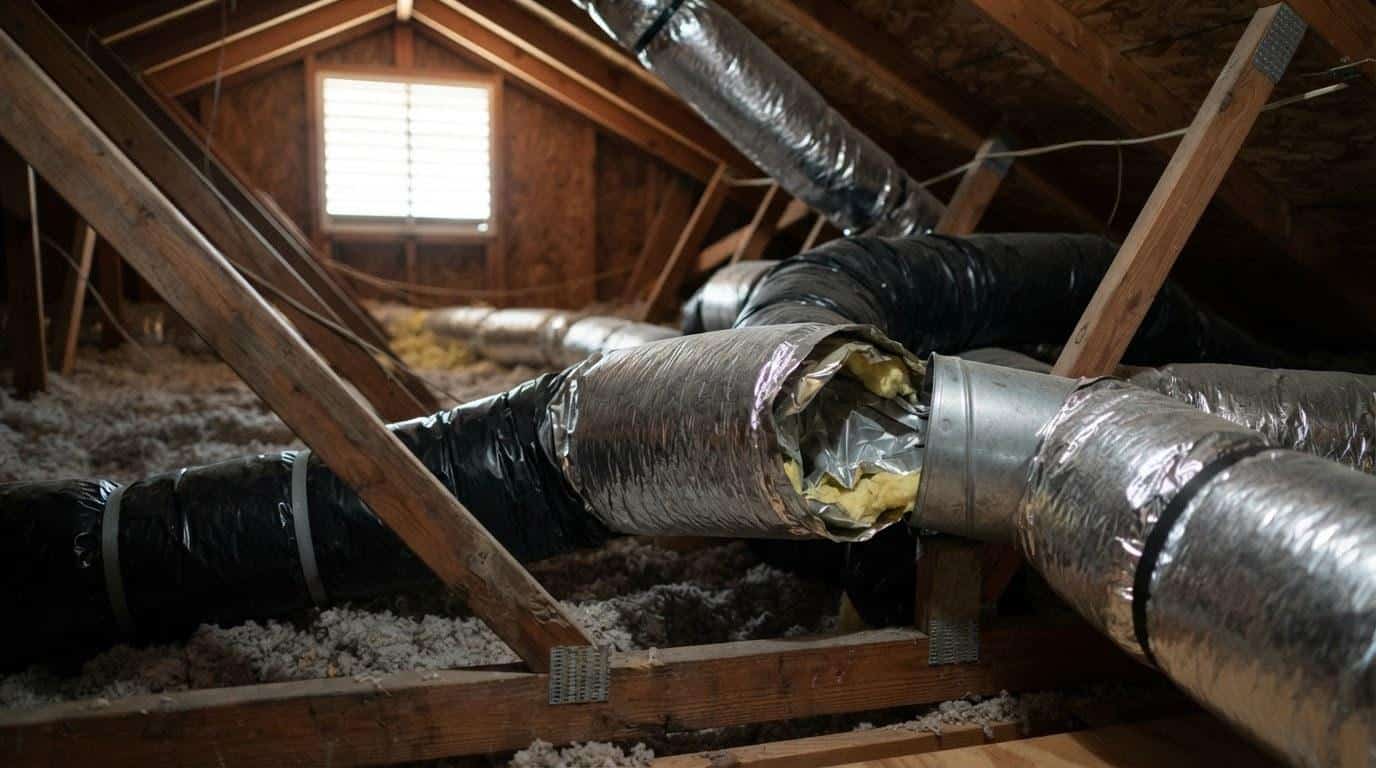
- Ductwork condition: Leaky or undersized ducts reduce purification effectiveness and may need repair before a whole-home unit performs as rated.
- Filter and lamp replacement costs: Budget for ongoing consumables. HEPA filter replacements typically run $30 to $100 per filter; UV-C lamps run $20 to $80 each and need replacement every one to two years.
- Federal tax incentives: The Inflation Reduction Act federal tax credit covers certain energy-efficient home improvement equipment. Some whole-home ventilation and air quality systems may qualify depending on how they are categorized under current IRS guidance. Confirm eligibility with a tax professional before purchasing.
California homeowners may also find rebates through programs like TECH Clean California or regional programs tied to their utility provider. These programs change periodically, so checking current availability before purchasing is worthwhile.
For an accurate cost estimate specific to your home and HVAC setup, request a custom quote from Shalom Heating & Air by calling (714) 886-2021.
How Do You Choose the Right Air Purification System?
Choosing the right system starts with identifying your primary pollutant concern, then matching the technology to it. A home with allergy sufferers needs strong particle filtration; a home with chemical sensitivities or cooking odors needs activated carbon or PCO capability.
Follow these steps to narrow down your options:
- Identify your main concern. Allergy symptoms point to biological and particulate pollutants. Persistent odors or headaches after remodeling suggest VOCs. Frequent illness in the household may indicate biological contamination of the coil or ductwork.
- Assess your existing HVAC system. A whole-home system only works well if your air handler and ductwork are in good condition. A system with a MERV 13 filter installed in a unit sized for MERV 8 can reduce airflow enough to damage the equipment.
- Check the CADR rating for portable units. Clean Air Delivery Rate (CADR) measures how quickly a portable unit cleans a room. The Association of Home Appliance Manufacturers recommends a CADR of at least two-thirds the room’s square footage. A 300-square-foot room needs a CADR of at least 200.
- Consider maintenance requirements. UV-C lamps need replacement every 12 to 24 months. High-MERV filters need checking every 60 to 90 days and replacement every 6 to 12 months. Choose a system whose maintenance schedule fits your routine.
- Look for ENERGY STAR certification and ACCA compliance. ACCA (Air Conditioning Contractors of America) standards guide how systems should be sized and installed. A contractor following ACCA protocols will perform a proper load calculation and confirm that adding a purification stage does not compromise system performance.
- Verify contractor licensing. Any contractor installing a whole-home system in California should be Licensed by the California Contractors State License Board (CSLB). You can verify a license number at cslb.ca.gov.
California’s Title 24 building energy standards also apply to ventilation systems in new construction and major renovations. If your project involves adding mechanical ventilation as part of a purification upgrade, confirm that the design meets current Title 24 requirements with your contractor.
When we pull an air handler cover during a system assessment, the condition of the evaporator coil tells us a great deal about what the ductwork downstream looks like. A coil with visible microbial growth almost always means the rest of the system needs attention before a new purifier will perform as expected.
Ready to Breathe Cleaner Air? Get Expert Help
Air purification is one of the most effective upgrades you can make to your home’s HVAC system, and the right technology depends on your specific home, your existing equipment, and the pollutants you want to address. A professional assessment takes the guesswork out of the process.
Shalom Heating & Air installs and services whole-home air purification and ventilation systems for homeowners across Southern California. Whether you need a UV-C lamp added to your existing air handler, a high-MERV media filter cabinet, or a full indoor air quality evaluation, the team can match the right solution to your home.
Schedule your air quality assessment or request a custom quote today. Call (714) 886-2021 to speak with a licensed HVAC professional and get a clear picture of what your home’s air actually needs.
Explore our full range of HVAC services across Southern California.
Frequently Asked Questions
What is air purification and how is it different from regular air filtering?
Air purification goes beyond standard filtration by using technologies like UV-C light, activated carbon, and ionization to neutralize biological agents and chemical gases that ordinary filters cannot capture. A standard 1-inch furnace filter removes large dust particles but misses fine particles, VOCs, and bacteria. A dedicated air purification system targets all three categories. Most whole-home systems combine two or more technologies for broader coverage.
How do I know if I need an air purifier in my home?
Common signs include persistent allergy or asthma symptoms indoors, noticeable odors that do not clear after ventilating, visible dust buildup shortly after cleaning, or recent renovation work that introduced VOCs from paints or adhesives. Homes with pets, gas appliances, or occupants who are immunocompromised also benefit significantly from active air purification. An HVAC professional can assess your system and air quality to recommend the right solution.
Can an air purifier remove wildfire smoke from my home?
Yes, but it requires the right combination of technologies. Wildfire smoke contains both fine particulate matter (PM2.5) and VOCs from burning materials. A HEPA or MERV 13 filter captures the particles, while an activated carbon stage adsorbs the chemical gases and odors. Running a whole-home system during a smoke event with windows sealed is more effective than a portable unit for large homes.
How often do air purifier filters need to be replaced?
Most HEPA and high-MERV filters need replacement every 6 to 12 months depending on usage and indoor air quality. UV-C lamps typically last 12 to 24 months before output drops below effective levels. Activated carbon filters and PCO catalyst cells generally need replacement every 6 to 24 months. Checking filters every 60 to 90 days and replacing them on schedule keeps the system performing as rated.
Are whole-home air purification systems worth the cost compared to portable units?
For most households, whole-home systems deliver better long-term value because they treat all the air in the house continuously without requiring you to manage multiple devices. Portable units are effective for single rooms up to about 400 to 600 square feet but cannot address pollutants throughout the home. The upfront cost of a whole-home system is higher, typically $500 to $3,000 installed in the Southern California market, but the per-room cost over time is generally lower and the coverage is complete.