Why Is My AC Not Cooling? Common Causes and How to Fix It
If your AC is running but not cooling, the cause is usually a dirty filter, low refrigerant, a frozen evaporator coil, or a failing compressor. This guide walks you through every likely cause and what to do about each one.
Why Is My AC Not Cooling Even Though It’s Running?
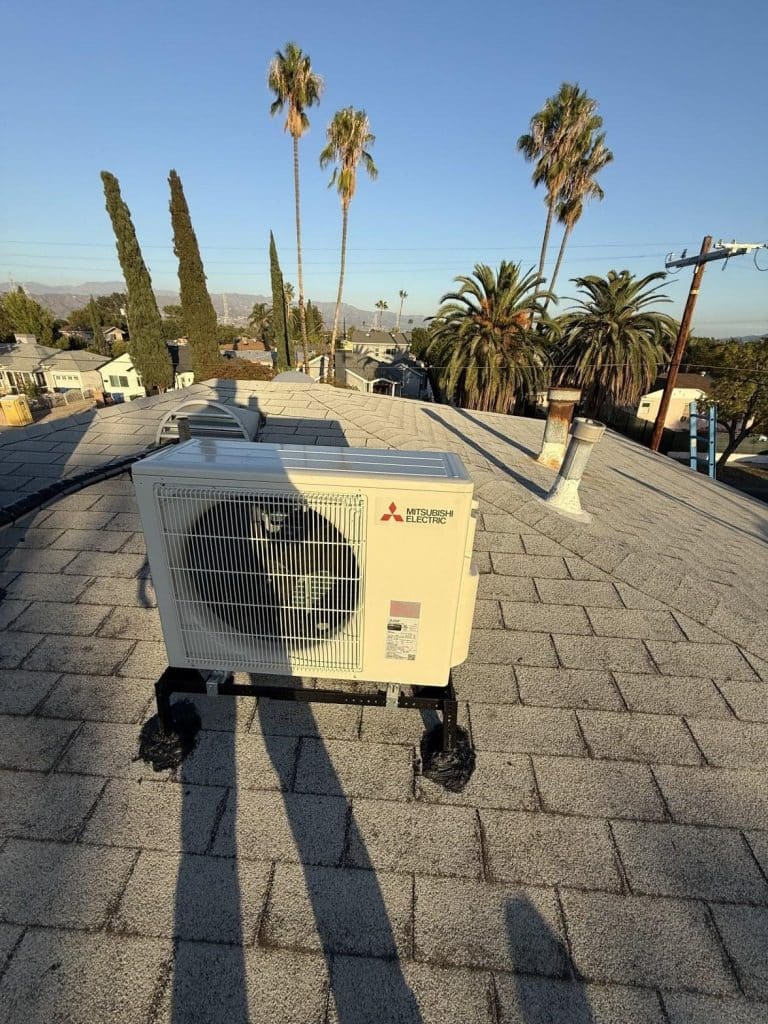
The most common reason why is my ac not cooling comes down to one of four problems: a clogged air filter blocking airflow, low refrigerant from a leak, a frozen evaporator coil, or a dirty outdoor condenser unit. Each of these prevents the system from transferring heat effectively, so the air coming out of your vents stays warm even while the unit hums along.
Southern California summers push residential AC systems hard. According to the National Weather Service, inland areas of Los Angeles and Orange counties regularly see temperatures above 95°F from June through September — sometimes spiking past 110°F during heat events. That sustained heat stress accelerates wear on components that might otherwise last years longer in a milder climate.
The age of the housing stock matters too. A large share of homes in the region were built between the 1950s and 1980s with ductwork that was sized for older, less efficient systems. When that ductwork develops leaks or the insulation degrades, even a perfectly functioning AC unit struggles to cool the space it was designed to serve.
What Are the Warning Signs Your AC Needs Attention?
Catching a problem early can mean the difference between a simple filter swap and a full compressor replacement. Watch for any of these signs that your system is struggling.
- Warm or lukewarm air from vents: The clearest sign — the system runs but never reaches the set temperature.
- Weak airflow: Vents push noticeably less air than usual, pointing to a blocked filter, frozen coil, or failing blower motor.
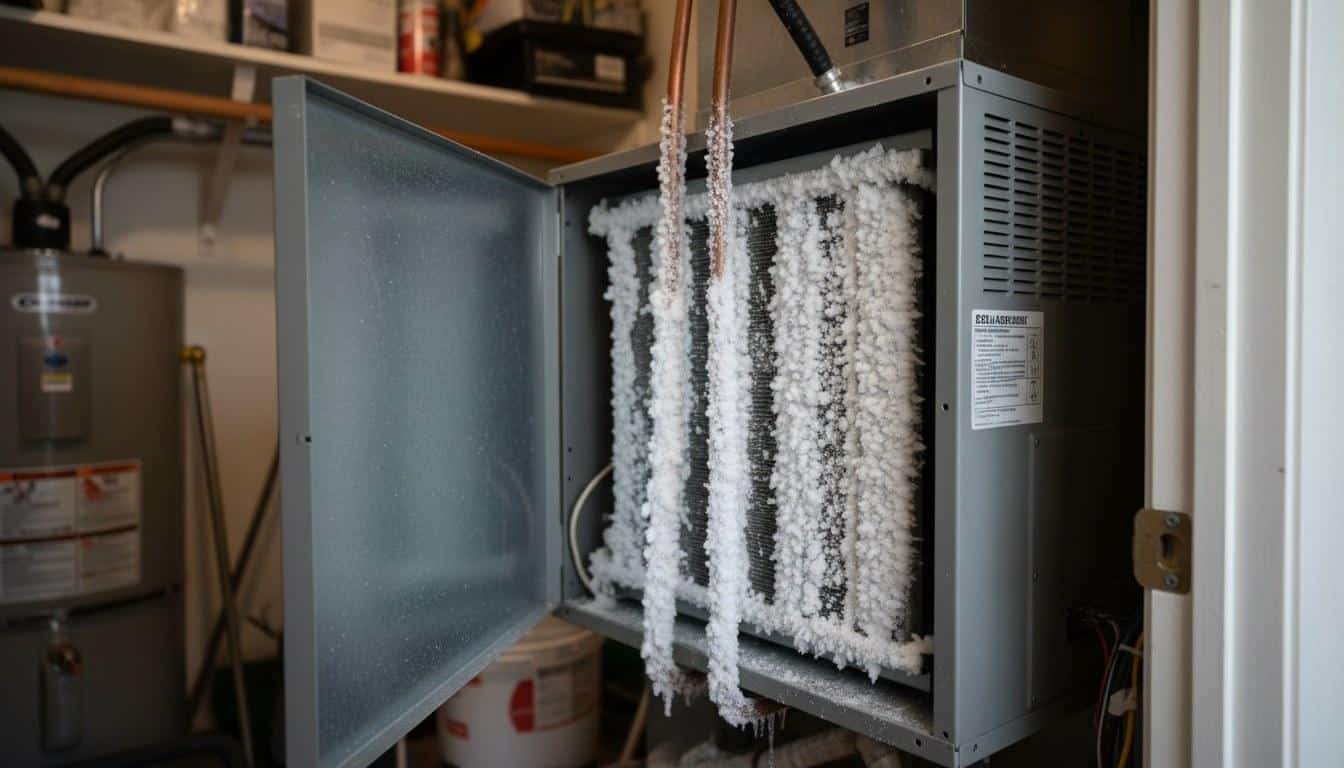
- Ice on the indoor unit or refrigerant lines: Visible frost or ice on the evaporator coil or copper lines signals restricted airflow or low refrigerant.
- Short cycling: The unit turns on, runs for only 2-5 minutes, then shuts off before the room cools — often an oversized system, a refrigerant issue, or a failing capacitor.
- Unusual noises: Grinding, squealing, or banging from the air handler or outdoor unit usually means a mechanical component is failing.
- Higher-than-normal energy bills: If your bill jumps 20% or more without a change in usage habits, the system is working harder than it should to produce the same cooling.
- Warm air only at certain vents: Localized cooling failure often points to a duct leak or a closed/blocked register rather than the unit itself.
- Musty or burning smell: Musty odors suggest mold in the drain pan or coil; a burning smell can indicate an electrical issue that needs immediate attention.
Symptom, Likely Cause, and What to Do: A Quick Reference
Use this table to match what you’re experiencing to the most likely cause and decide whether it’s a DIY fix or a job for a licensed technician.
| Symptom | Likely Cause | DIY or Pro? |
|---|---|---|
| Warm air, unit running normally | Clogged air filter or dirty condenser coils | DIY — replace filter, clean condenser fins |
| Weak airflow from all vents | Blocked filter, frozen evaporator coil, or failing blower | DIY filter check first; Pro if coil is frozen or blower is faulty |
| Ice on refrigerant lines or indoor coil | Low refrigerant or severely restricted airflow | Pro — refrigerant handling requires EPA Section 608 certification |
| Unit short cycles (on/off every few minutes) | Failing capacitor, refrigerant issue, or oversized unit | Pro — capacitor replacement and refrigerant work require a tech |
| Outdoor unit not running, indoor blower on | Tripped breaker, failed capacitor, or bad contactor | DIY breaker reset; Pro for capacitor or contactor |
| Warm air only at one or two vents | Duct leak, closed damper, or blocked register | DIY — check registers; Pro for duct inspection and sealing |
| System runs constantly, never reaches setpoint | Undersized unit, duct leaks, or refrigerant loss | Pro — requires Manual J load calculation review |
| Grinding or banging noise from outdoor unit | Failing compressor or loose fan blade | Pro — compressor work is a major repair |
What Can You Check and Fix Yourself?
Several of the most common AC cooling failures have simple fixes any homeowner can handle safely in under 30 minutes. Start with these before calling for service.
Step 1: Check the Thermostat
Make sure the thermostat is set to COOL (not FAN or HEAT) and the set temperature is at least 3-5 degrees below the current room temperature. Replace the batteries if the display is dim or blank. A thermostat that has lost its calibration can cause the system to run without ever reaching the correct temperature.
Step 2: Replace the Air Filter
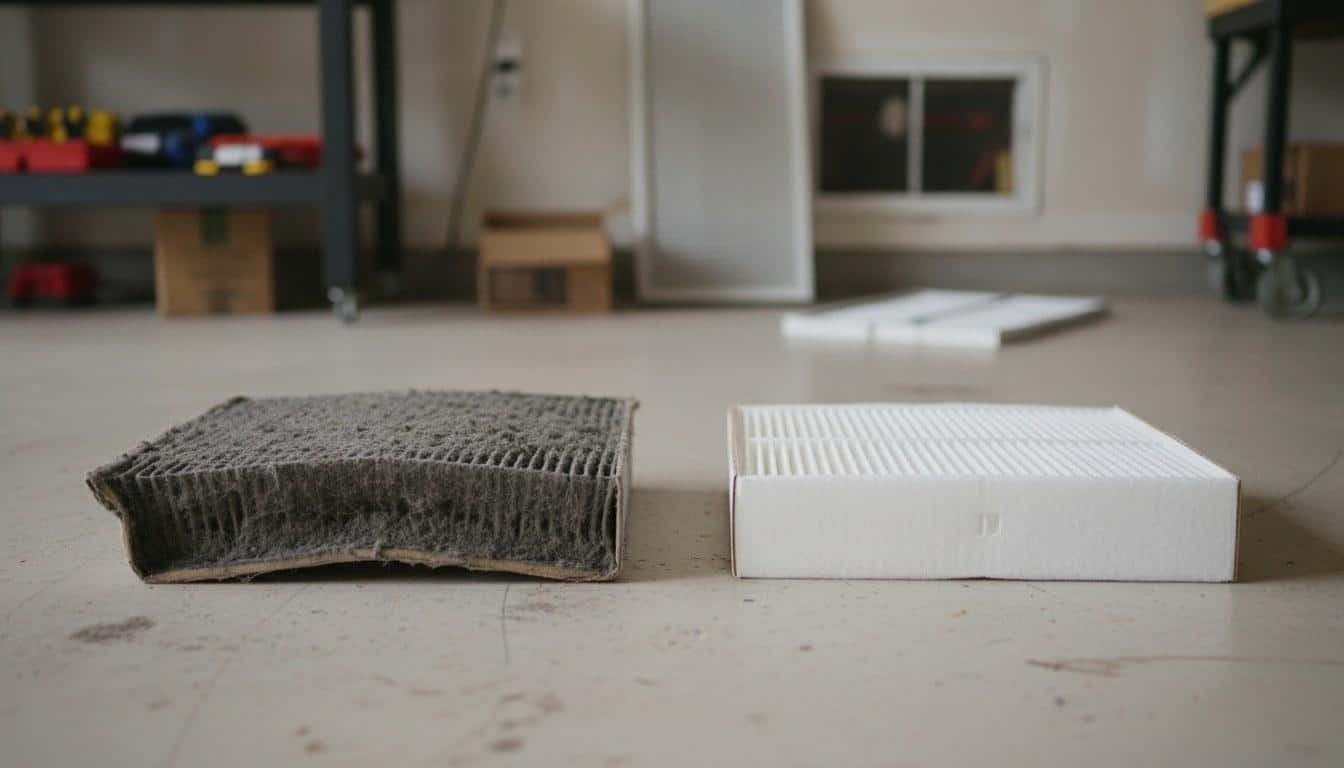
A clogged filter is the single most common reason why is my ac not cooling effectively. Filters should be replaced every 30-90 days depending on the filter type and household conditions — homes with pets or high dust levels need more frequent changes. Pull the filter out and hold it up to a light source. If you can’t see light through it, replace it immediately. Our technicians find clogged filters on roughly 4 out of 10 service calls where the homeowner reported weak or warm airflow — it’s that common.
Step 3: Check and Reset the Circuit Breaker
Go to your electrical panel and look for a tripped breaker labeled AC, HVAC, or AIR HANDLER. A tripped breaker will be in a middle position between ON and OFF. Flip it fully to OFF, then back to ON. If it trips again within a few minutes, stop — a repeatedly tripping breaker signals an electrical fault that needs a licensed technician.
Step 4: Clear the Area Around the Outdoor Condenser
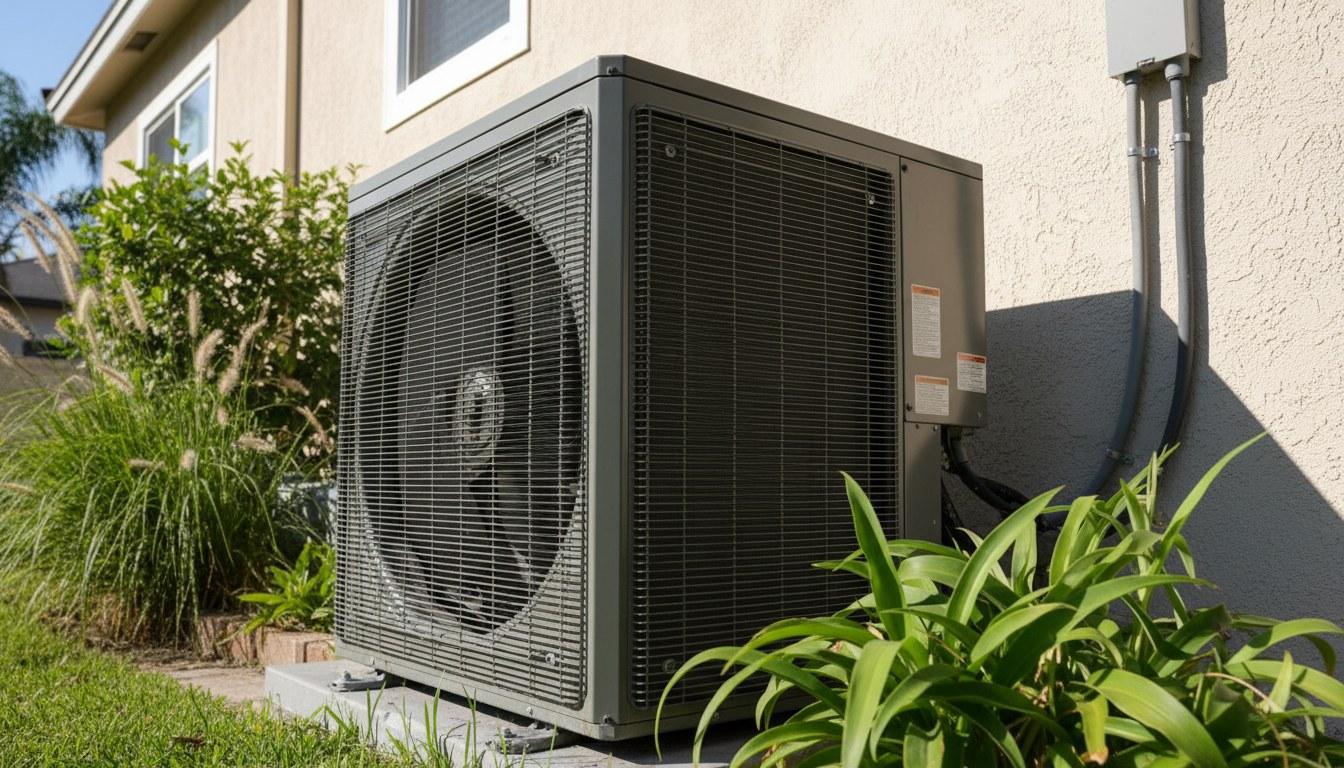
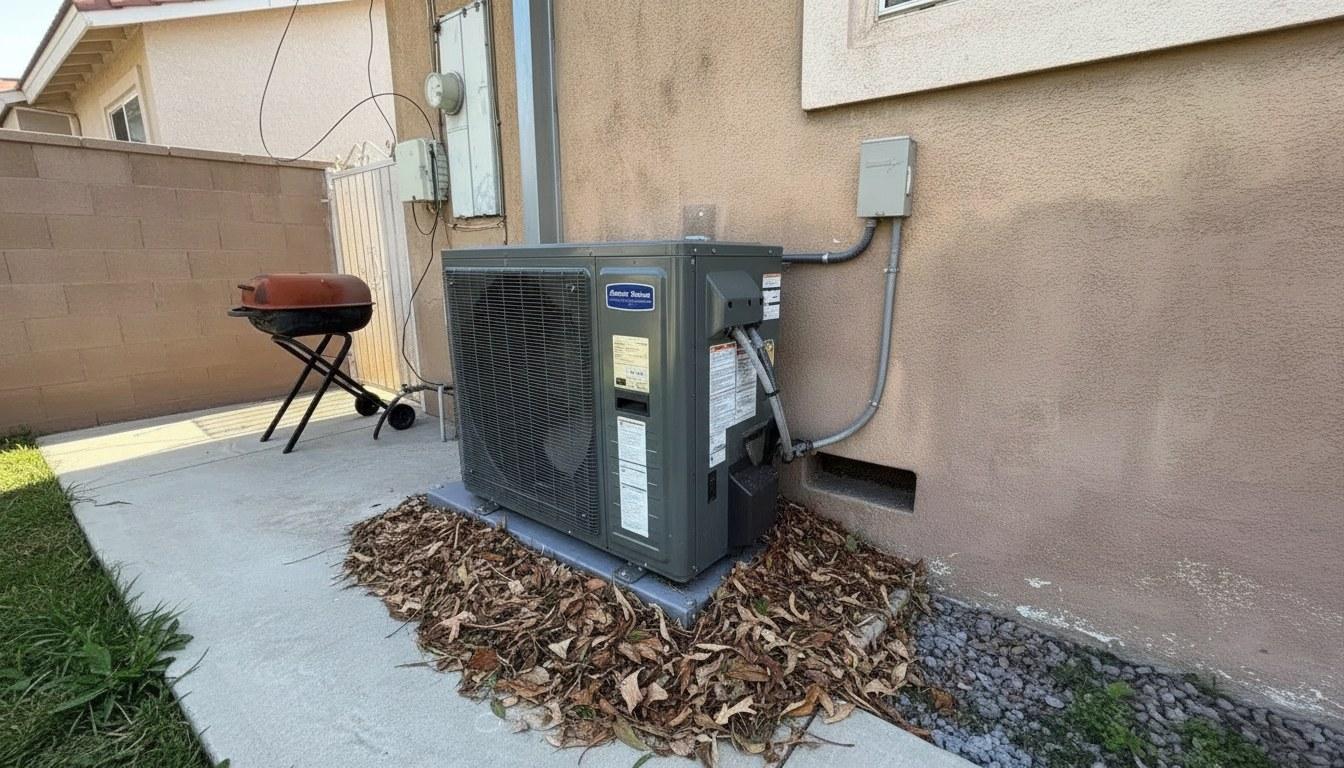
The outdoor condenser unit needs at least 2 feet of clear space on all sides to pull in enough air. Trim back any shrubs, remove debris, and gently rinse the condenser fins with a garden hose (spraying from the inside out if possible) to clear dirt and cottonwood buildup. Never use a pressure washer — the fins bend easily and a damaged coil reduces efficiency significantly.
Step 5: Check the Condensate Drain Line
A clogged condensate drain can trigger a float switch that shuts the system off to prevent water damage. Find the white PVC drain line near the indoor air handler and look for a visible clog or standing water in the drain pan. Pouring a cup of diluted white vinegar into the drain access port every 90 days helps prevent buildup.
Step 6: Let a Frozen Coil Thaw
If you see ice on the indoor unit or refrigerant lines, turn the system to FAN ONLY for 2-3 hours to let the coil thaw completely. Do not run it in COOL mode while frozen — it won’t cool the home and can damage the compressor. Once thawed, replace the filter and restart. If it freezes again within 24 hours, call a technician to check refrigerant levels.
When Should You Call a Professional to Fix Air Conditioning?
Call a licensed HVAC technician when DIY checks don’t resolve the problem, when you see ice on the system after thawing, when the outdoor unit isn’t running, or when you hear grinding or banging sounds from any part of the system.
Refrigerant is the most common professional-only repair. Under EPA refrigerant regulations (Section 608), only technicians with EPA 608 certification are legally allowed to purchase, handle, or recharge refrigerants like R-410A or the newer R-454B. A system that is low on refrigerant has a leak somewhere — simply topping it off without finding and fixing the leak is both illegal and ineffective.
Capacitor and contactor failures are also common professional repairs, especially on systems that are 10 years or older. These small electrical components fail frequently in hot climates because heat degrades them faster. Our team replaces capacitors on approximately 50-70 units per summer across Southern California, with the vast majority on systems manufactured before 2014.
Compressor failure is the most expensive single repair in a residential AC system. If the compressor is failing, a technician will weigh the repair cost against the age of the system and its current ENERGY STAR efficiency ratings to help you decide whether repair or replacement makes more financial sense. As of 2026, new central AC systems must meet a minimum SEER2 rating under California’s Title 24 building energy standards — a replacement is often an opportunity to upgrade to a significantly more efficient system.
You should also call a professional if:
- The system is more than 15 years old and has recurring problems
- Your energy bills have increased 20% or more without explanation
- The breaker trips repeatedly after being reset
- You smell burning plastic or electrical odors near the air handler
- The system was recently serviced but still isn’t cooling properly
How Much Does AC Repair Typically Cost?
In the Southern California market, most residential AC repairs range from around $150 for a simple capacitor swap to $1,500 or more for a refrigerant leak repair with recharge, depending on the refrigerant type and the amount needed. Major repairs like compressor replacement typically range from $1,200 to $2,800, though at that cost level many homeowners choose a full system replacement instead.
The factors that move the price most are:
- Type of repair: Electrical component swaps (capacitors, contactors, relays) are generally less expensive than refrigerant work or compressor jobs.
- Refrigerant type: R-410A systems are common in units installed between 2010 and 2023. Older R-22 systems cost significantly more to service because R-22 is no longer manufactured in the U.S. Newer R-454B systems use next-generation refrigerant under updated EPA guidelines.
- System age and parts availability: Parts for units older than 15 years can be harder to source, which adds to labor time and cost.
- Duct condition: If a cooling problem traces back to duct leaks, sealing or replacing sections adds to the overall project cost.
- Time of year: Emergency service during peak summer demand (typically July and August) may carry after-hours or priority fees.
Homeowners who replace a system that is more than 15 years old may qualify for the Inflation Reduction Act federal tax credit, which covers up to 30% of the cost of qualifying high-efficiency heat pump systems as of 2026. The TECH Clean California rebate program also offers incentives for qualifying heat pump installations in the state. Always request a written itemized quote before authorizing any repair or replacement work.
Explore our full range of HVAC services across Southern California.
Frequently Asked Questions
Why is my AC running but not cooling the house?
The most common reasons are a clogged air filter, low refrigerant from a leak, a frozen evaporator coil, or a dirty outdoor condenser. Start by replacing the filter and checking that the thermostat is set correctly. If the problem continues after those checks, the system likely needs a licensed technician to diagnose refrigerant levels or electrical components.
How much does it usually cost to repair a home AC unit?
In the Southern California market, typical AC repairs range from about $150 for a capacitor replacement to $1,500 or more for refrigerant leak detection and recharge. Compressor replacements generally run between $1,200 and $2,800. The final cost depends on the type of repair, the refrigerant the system uses, and the age of the unit. Always get a written quote before work begins — call Shalom Heating & Air at (714) 886-2021 for a diagnosis.
Can I recharge my AC refrigerant myself?
No. Under EPA refrigerant regulations (Section 608), only technicians who hold an EPA 608 certification are legally permitted to handle, purchase, or recharge refrigerants used in residential AC systems. Beyond the legal issue, adding refrigerant without finding and fixing the underlying leak is a temporary fix that will fail again — and can damage the compressor.
How do I know if my AC compressor is failing?
Common signs of a failing compressor include the outdoor unit not starting even though the indoor blower runs, a grinding or clanking noise from the outdoor cabinet, the system short cycling (turning on and off every few minutes), and the home never reaching the set temperature despite the unit running constantly. Compressor issues require a licensed HVAC technician to diagnose and repair.
How often should I replace my AC air filter to keep it cooling properly?
Most manufacturers and the U.S. Department of Energy recommend replacing standard 1-inch filters every 30 to 60 days during heavy-use summer months. Thicker 4-inch media filters can last 90 to 180 days. Homes with pets, high dust, or anyone with allergies should replace filters more frequently. A clogged filter is the single most preventable cause of an AC not cooling effectively.