Furnace Repair Cost in Southern California: What Homeowners Pay in 2026
Furnace repair costs in Southern California typically range from $150 to $1,500 in 2026, depending on the part, system age, and labor involved. This guide breaks down what drives the price and how to get an accurate quote.
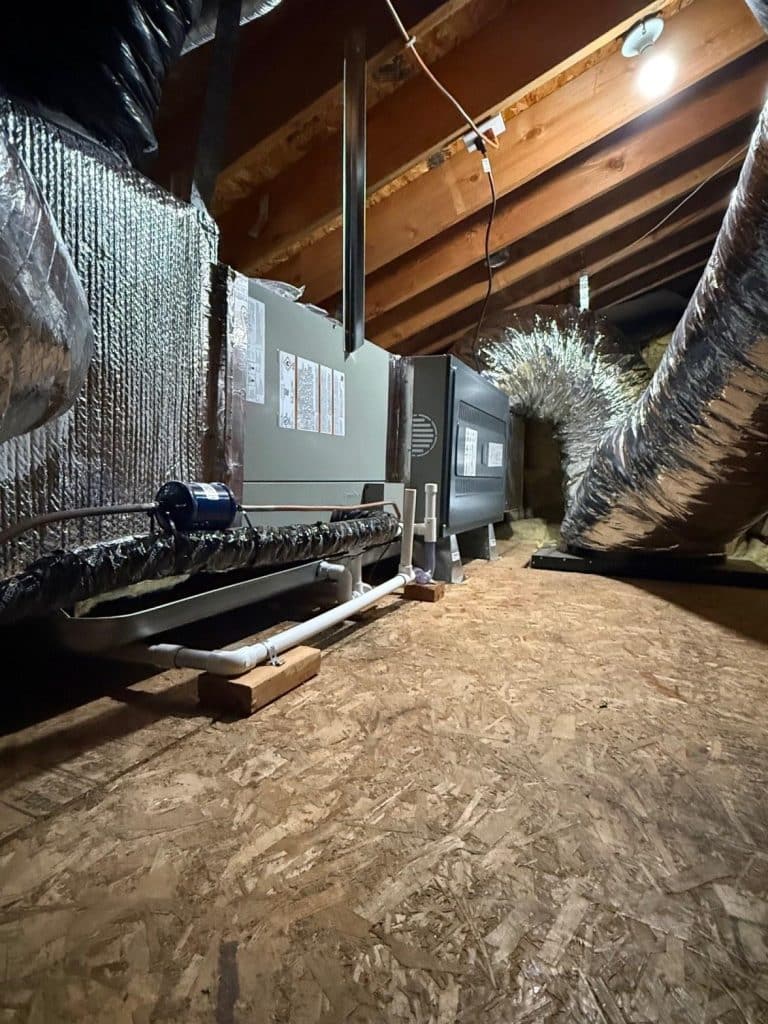
What Does Furnace Repair Cost in 2026 in Southern California?
Furnace repair cost in 2026 in the Southern California market typically ranges from $150 to $1,500, with the majority of homeowners paying between $200 and $600 for a single-component repair. Complex repairs involving heat exchangers or control boards can push toward the higher end of that range, while simple fixes like igniter replacements or thermostat recalibrations usually land well below $400.
Southern California’s mild winters mean furnaces run fewer hours per year than in colder states, but that also means systems often sit idle for months — which can cause parts to degrade, seals to dry out, and ignition components to fail when the heater finally kicks on in late fall. Repair demand across communities in Los Angeles County, Orange County, and surrounding regions spikes sharply between October and January.
The figures in this guide reflect regional market context, not the rates of any specific contractor. Actual pricing depends on your system, the repair needed, and the contractor you choose. Always request a written estimate before any work begins.
What Factors Affect How Much Furnace Repair Costs?
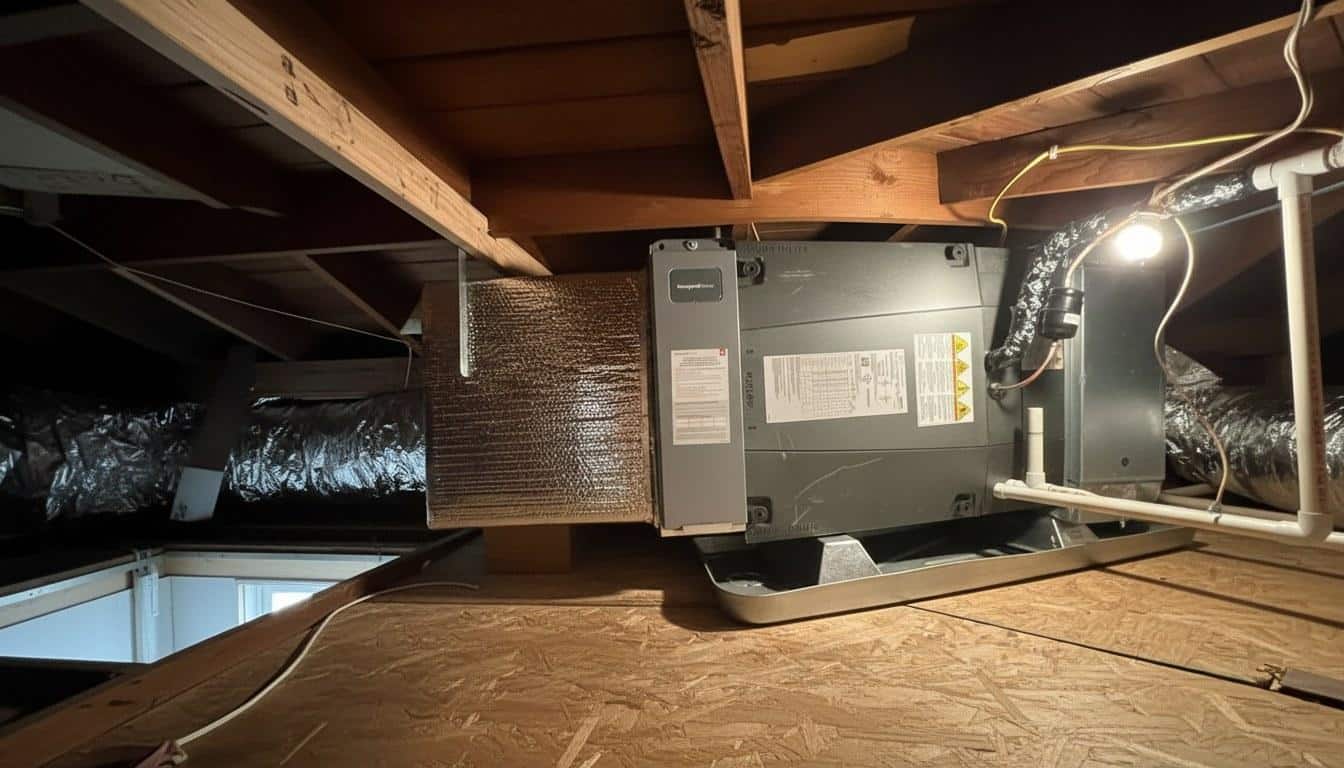
Six core variables move the furnace repair cost 2026 needle more than anything else. Understanding them helps you evaluate quotes and avoid surprises.
- Failed component: A $25 igniter replacement costs far less in labor and parts than a cracked heat exchanger, which can run $500 to $1,200 or more depending on the unit. The specific part is the single biggest cost driver.
- System age: Furnaces older than 15 years often require parts that are harder to source, which raises both part cost and labor time. Units manufactured before 2010 may use R-22-adjacent controls or discontinued board models that carry a premium.
- Fuel type: Natural gas furnaces are the most common in Southern California and generally have the broadest parts availability. Propane or dual-fuel systems may involve additional diagnostic steps.
- AFUE rating and system complexity: High-efficiency furnaces with ENERGY STAR ratings and AFUE ratings of 90% or above often have secondary heat exchangers, variable-speed blowers, and modulating gas valves — more components that can fail and that require more specialized labor.
- Emergency vs. scheduled service: After-hours or weekend emergency calls typically add $75 to $150 or more to the base diagnostic fee in this market. Scheduling during regular business hours keeps costs lower.
- Diagnostic fee structure: Most contractors charge a diagnostic or trip fee ranging from $75 to $150, which is sometimes waived or credited toward the repair if you proceed. Confirm this before booking.
- Permit requirements: Some repairs — particularly gas line work or heat exchanger replacement — may require a permit under California’s Title 24 building energy standards and local municipal codes. Permit costs vary by jurisdiction but typically add $50 to $200 to a project.
How Much Do Common Furnace Repairs Cost by Type?
Most furnace problems fall into a predictable set of failure categories, each with its own typical market price range. The table below reflects regional market context for Southern California in 2026. Actual quotes will vary based on brand, system age, and labor rates in your area.
| Repair Scenario | Typical Market Range (2026) | What’s Usually Included |
|---|---|---|
| Igniter replacement | $150 – $300 | Diagnostic, new igniter, test cycle |
| Thermocouple or flame sensor cleaning/replacement | $100 – $250 | Diagnostic, part replacement or cleaning, safety check |
| Blower motor repair or replacement | $300 – $700 | Diagnostic, motor or capacitor replacement, airflow test |
| Control board replacement | $400 – $900 | Diagnostic, OEM or compatible board, full system test |
| Heat exchanger replacement | $600 – $1,500+ | Diagnostic, part sourcing, installation, CO safety check |
| Gas valve replacement | $300 – $650 | Diagnostic, valve replacement, pressure test, safety verification |
| Thermostat replacement (basic) | $100 – $300 | New thermostat, wiring check, calibration |
Our technicians respond to roughly 3 times more emergency furnace calls in November and December than in any other two-month window across the region — most traced back to igniters and flame sensors that sat unused all summer and failed on the first cold night of the season.
What Is NOT Included in a Standard Furnace Repair Quote?
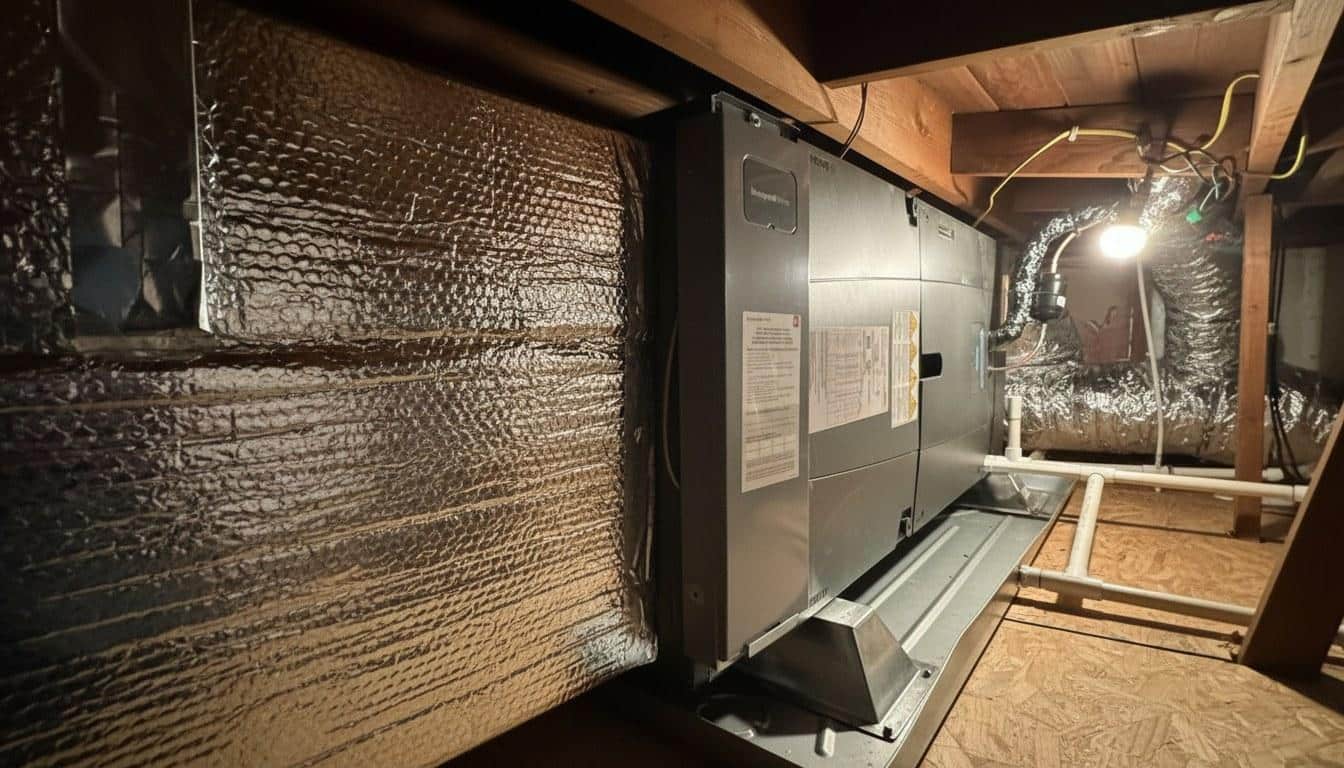
A standard furnace repair quote covers the diagnosed problem — it does not automatically include everything your system might need. Homeowners are often surprised by add-on costs that appear after the technician opens the unit. Knowing what to ask about upfront prevents sticker shock.
- Duct inspection or repair: If airflow problems stem from leaky or disconnected ducts rather than the furnace itself, duct work is a separate scope and cost.
- Air filter replacement: Technicians may recommend a new filter during a repair visit. This is a small cost but is rarely included in the base quote.
- Carbon monoxide testing: A standalone CO safety inspection is sometimes offered as an add-on, particularly after heat exchanger work. It is worth asking for, especially in older homes.
- Refrigerant-side work: If your home has a combination heat pump and gas furnace (a dual-fuel system), any refrigerant-side repairs fall under EPA refrigerant regulations (Section 608) and are priced separately from the furnace repair.
- Permit fees: As noted above, certain repairs require permits. These are typically billed as a pass-through cost on top of labor and parts.
- Secondary repairs discovered during service: Technicians sometimes find a second failing component while fixing the first. A good contractor will explain this before proceeding — not after.
Should You Repair or Replace Your Furnace?
If the repair cost exceeds 50% of the price of a new furnace and your system is more than 15 years old, replacement is usually the smarter financial move. The U.S. Department of Energy recommends this “50% rule” as a general benchmark for heating equipment decisions.
If the repair cost exceeds 50% of the price of a new furnace and your system is more than 15 years old, replacement is usually the smarter financial move.
A new high-efficiency furnace in the Southern California market typically costs between $2,500 and $6,000 installed, depending on system size, brand, and labor. That sounds steep, but a 96% AFUE furnace can use significantly less gas than a 15-year-old unit running at 78% AFUE — the monthly savings compound over time.
As of 2026, homeowners replacing qualifying fossil-fuel heating equipment may be eligible for the Inflation Reduction Act federal tax credit, which covers up to 30% of the cost of certain high-efficiency heating systems, capped at $600 for furnaces. California residents should also check for TECH Clean California rebate programs, which can stack with federal credits on qualifying heat pump upgrades.
| Situation | Repair or Replace? | Reason |
|---|---|---|
| System under 10 years, single component failed | Repair | Most of the system’s useful life remains; repair cost is proportional |
| System 10–15 years, repair under $500 | Repair (evaluate) | May still be cost-effective; get a full system assessment |
| System over 15 years, repair over $800 | Replace (strongly consider) | High repair cost relative to remaining lifespan and efficiency |
| Cracked heat exchanger, any age | Replace | CO risk; heat exchanger replacement often approaches new-unit cost |
| Repeated repairs in the last 2 years | Replace | Cumulative repair spend is eroding replacement ROI |
Across our service calls in Southern California, we find that roughly 4 out of 10 furnaces flagged for a second or third repair within 24 months are operating on cracked or stress-fractured heat exchangers — a safety issue that makes replacement the only responsible path forward.
Roughly 4 out of 10 furnaces flagged for a second or third repair within 24 months are operating on cracked or stress-fractured heat exchangers — a safety issue that makes replacement the only responsible path forward.
How Do You Get an Accurate Furnace Repair Quote?
The more information you can give a contractor before the visit, the faster and more accurate your quote will be. Gathering a few key details takes about five minutes and can prevent unnecessary diagnostic time — which saves you money.
Have this information ready when you call:
- Furnace brand and model number: Usually on a label inside the front panel. This lets the contractor check parts availability before arriving.
- System age: The installation year is often on the same label or in your home’s paperwork. If unknown, the serial number can be decoded to find the manufacture date.
- Symptoms: Describe exactly what the system is doing — no heat, short cycling, unusual noise, pilot light out, error codes on the display. The more specific, the better.
- How long the problem has been happening: A furnace that failed overnight is different from one that has been underperforming for three weeks.
- Whether you’ve had recent service: Prior repairs, parts replaced, or tune-ups in the last 12 months are useful context.
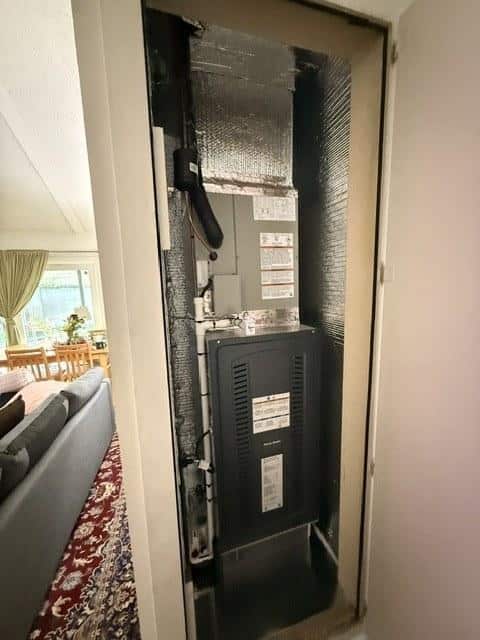
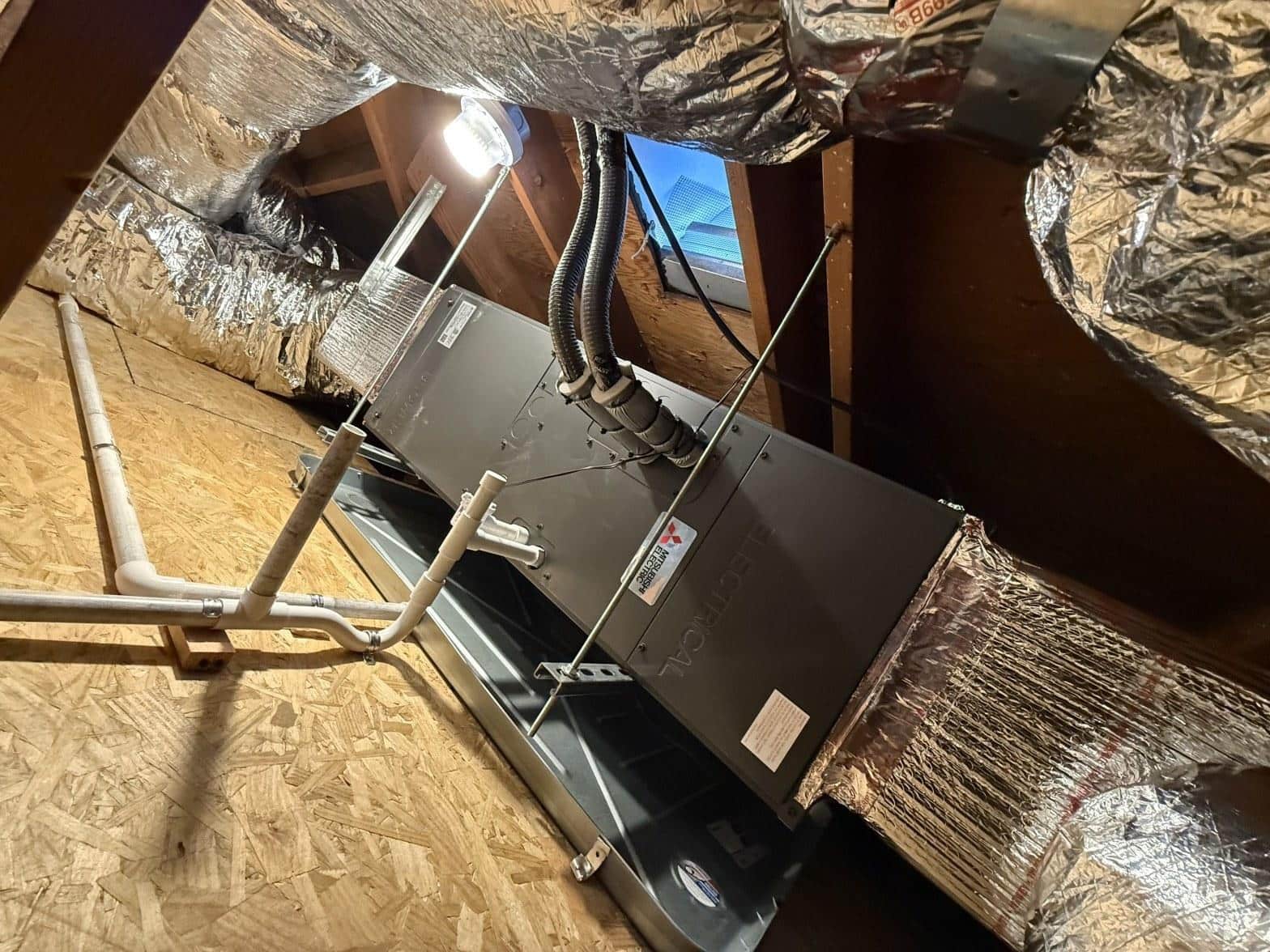
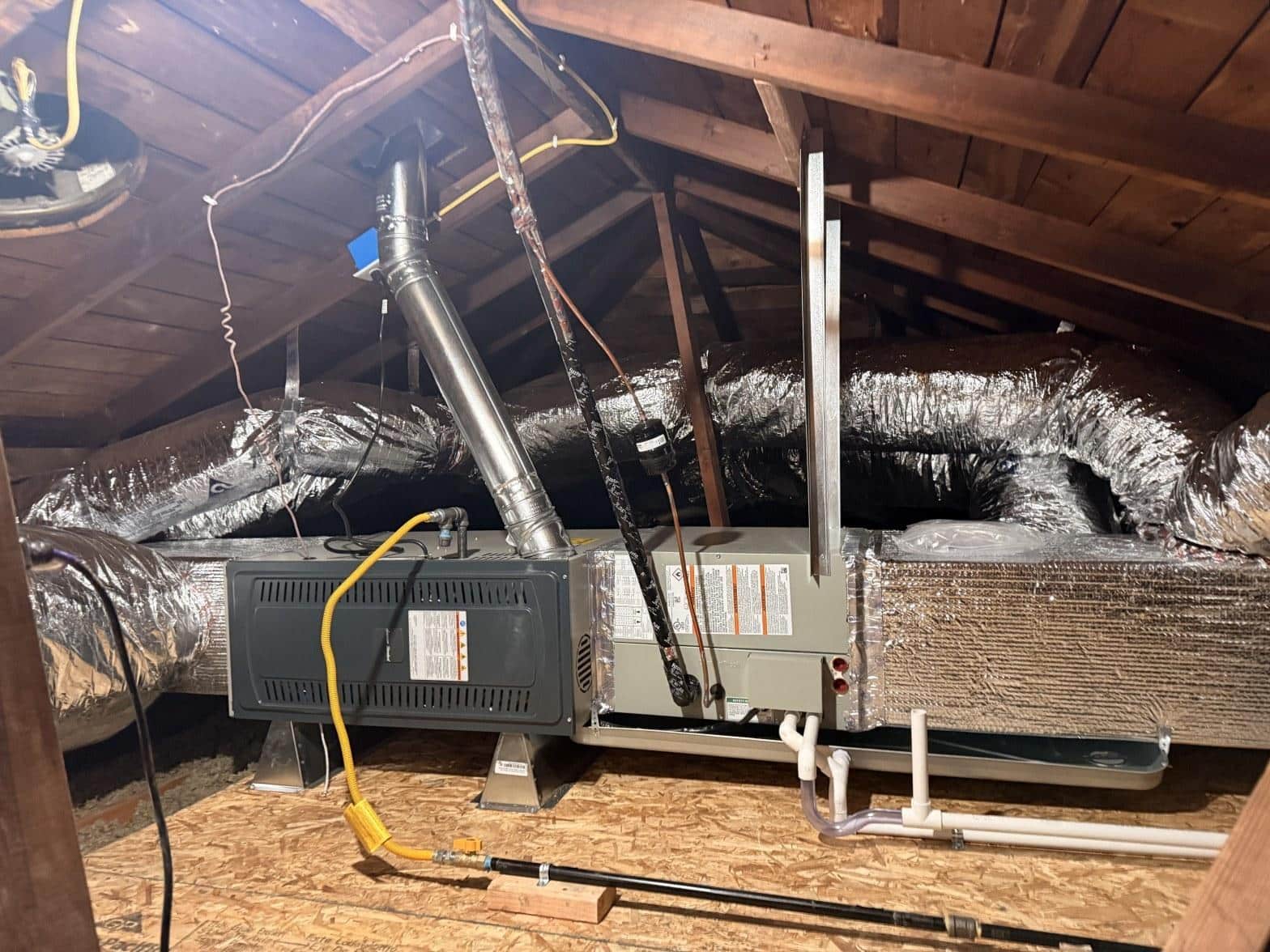
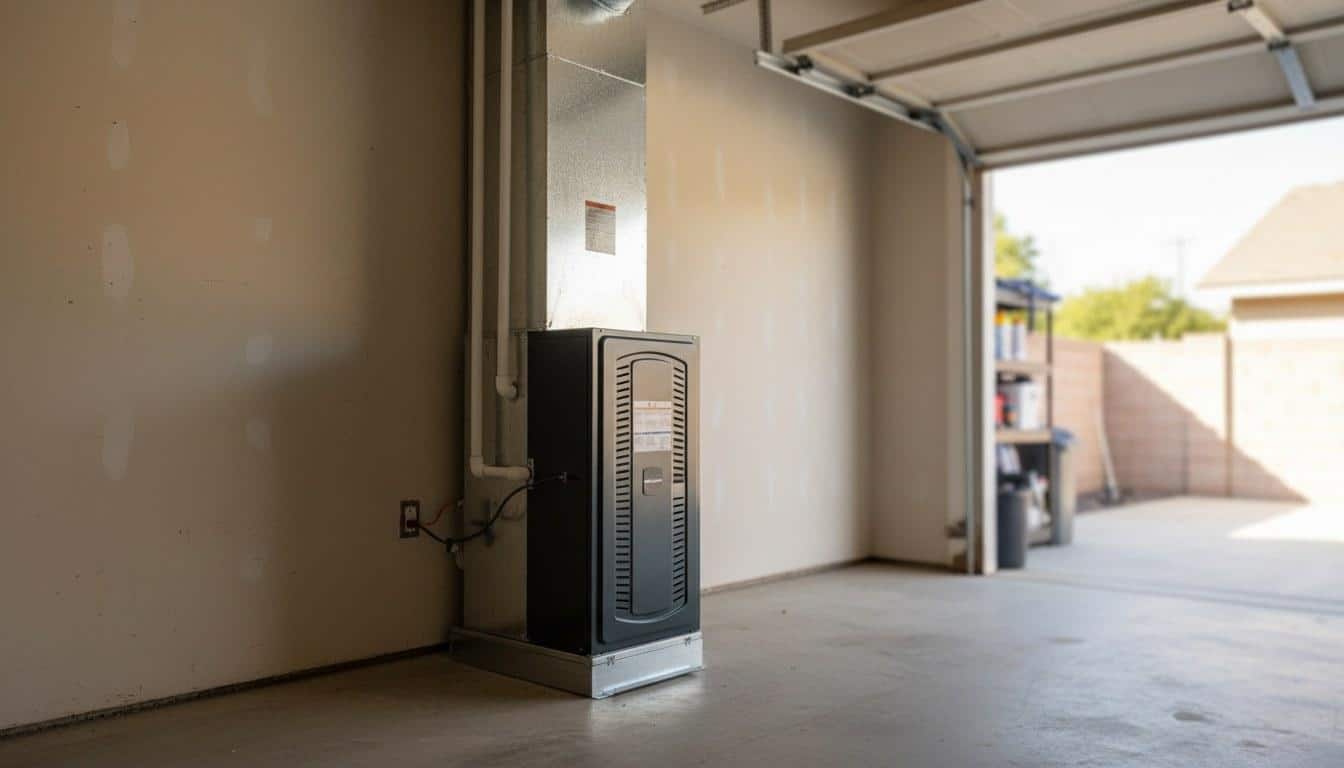
- Access to the unit: Furnaces in tight closets, attic spaces, or crawlspaces take longer to service. Mention this so the contractor can schedule adequate time.
Always ask whether the diagnostic fee is credited toward the repair cost if you proceed. Ask for a written, itemized estimate before authorizing any work. A contractor licensed by the California Contractors State License Board (CSLB) is required to provide a written contract for work over $500 — verify license status at cslb.ca.gov before hiring.
Get a Custom Furnace Repair Quote in Southern California
The market ranges in this guide give you a realistic starting point, but your actual furnace repair cost in 2026 depends entirely on your specific system, the component that has failed, and the scope of work involved. No online guide can replace a hands-on diagnostic.
Shalom Heating & Air serves communities across Los Angeles County, Orange County, and surrounding areas in Southern California. Whether your furnace stopped working overnight or has been underperforming for weeks, the team can diagnose the problem and give you a clear, written estimate before any work begins.
Call (714) 886-2021 to schedule a diagnostic visit or request a custom quote. Same-day and next-day appointments are available for urgent situations. Have your furnace model number and a description of the symptoms ready — it speeds up the process and helps the technician arrive prepared.
Explore our full range of HVAC services across Southern California.
Frequently Asked Questions
How much does it usually cost to repair a furnace in Southern California?
In the Southern California market in 2026, furnace repairs typically range from $150 to $1,500 depending on the part involved and the age of the system. Most single-component repairs — like an igniter, flame sensor, or thermostat — fall between $200 and $500. Complex repairs such as heat exchanger or control board replacement push toward the higher end of the range. Always get a written estimate before authorizing work.
How do I know if my furnace needs repair or if I should just replace it?
If your furnace is more than 15 years old and the repair cost is more than 50% of what a new unit would cost installed, replacement is usually the better financial decision. The U.S. Department of Energy recommends this 50% benchmark as a general guideline. A cracked heat exchanger is one situation where replacement is almost always the right call regardless of age, due to the carbon monoxide risk involved.
Why did my furnace stop working when I turned it on for the first time this winter?
The most common cause is a failed igniter or a dirty flame sensor — both of which can degrade during the long summer months when the furnace sits unused. Other common culprits include a tripped limit switch, a clogged air filter restricting airflow, or a thermostat that needs recalibration. A technician can diagnose the exact cause in a single visit, and most of these repairs are completed the same day.
How long does a furnace repair usually take?
Most standard furnace repairs take between one and three hours from the time the technician arrives. Simple fixes like igniter or flame sensor replacement are often done in under an hour. Control board or blower motor replacements may take two to four hours depending on parts availability and access to the unit. Emergency or after-hours calls may take longer if specialized parts need to be sourced.
Are there any rebates or tax credits that apply to furnace repair or replacement in California?
Rebates generally apply to new equipment installation rather than repairs. As of 2026, the Inflation Reduction Act federal tax credit covers up to 30% of the cost of qualifying high-efficiency heating systems — capped at $600 for furnaces — when you replace an old unit. California's TECH Clean California program offers additional rebates on qualifying heat pump systems. Ask your contractor which incentives apply to your specific situation before committing to a replacement.