Signs Your Furnace Needs Repair: A Complete Troubleshooting Guide
A furnace that blows cold air, makes strange noises, or runs up your energy bill is telling you something is wrong. This guide walks you through the most common warning signs and what to do about them.
Why Do Furnaces Break Down in Southern California?
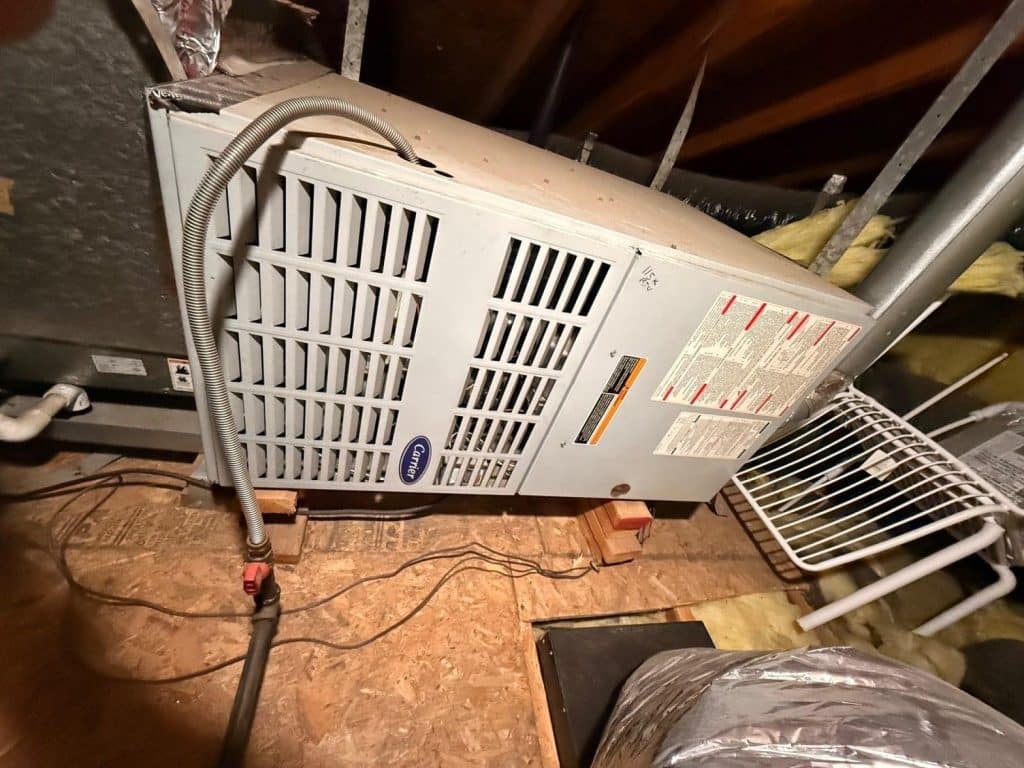
Furnaces in Southern California fail for different reasons than those in colder climates. Short, infrequent heating seasons mean systems sit idle for seven to nine months, then get pushed hard the moment temperatures drop. That stop-and-start cycle is hard on components like igniters, heat exchangers, and blower motors.
The region’s mild climate also means many homeowners skip annual maintenance, assuming a furnace that ran fine last winter needs no attention. In reality, dust and debris accumulate during the off-season, and small issues that would have been caught during a tune-up turn into bigger failures mid-season. According to the U.S. Department of Energy, annual maintenance is one of the most effective ways to extend furnace life and maintain efficiency.
Homes built before 1990 make up a large share of the housing stock across Southern California communities. Older ductwork, aging gas valves, and furnaces running past their 15-to-20-year service life are common factors that drive repair calls every winter season.
What Are the Warning Signs Your Furnace Needs Repair?
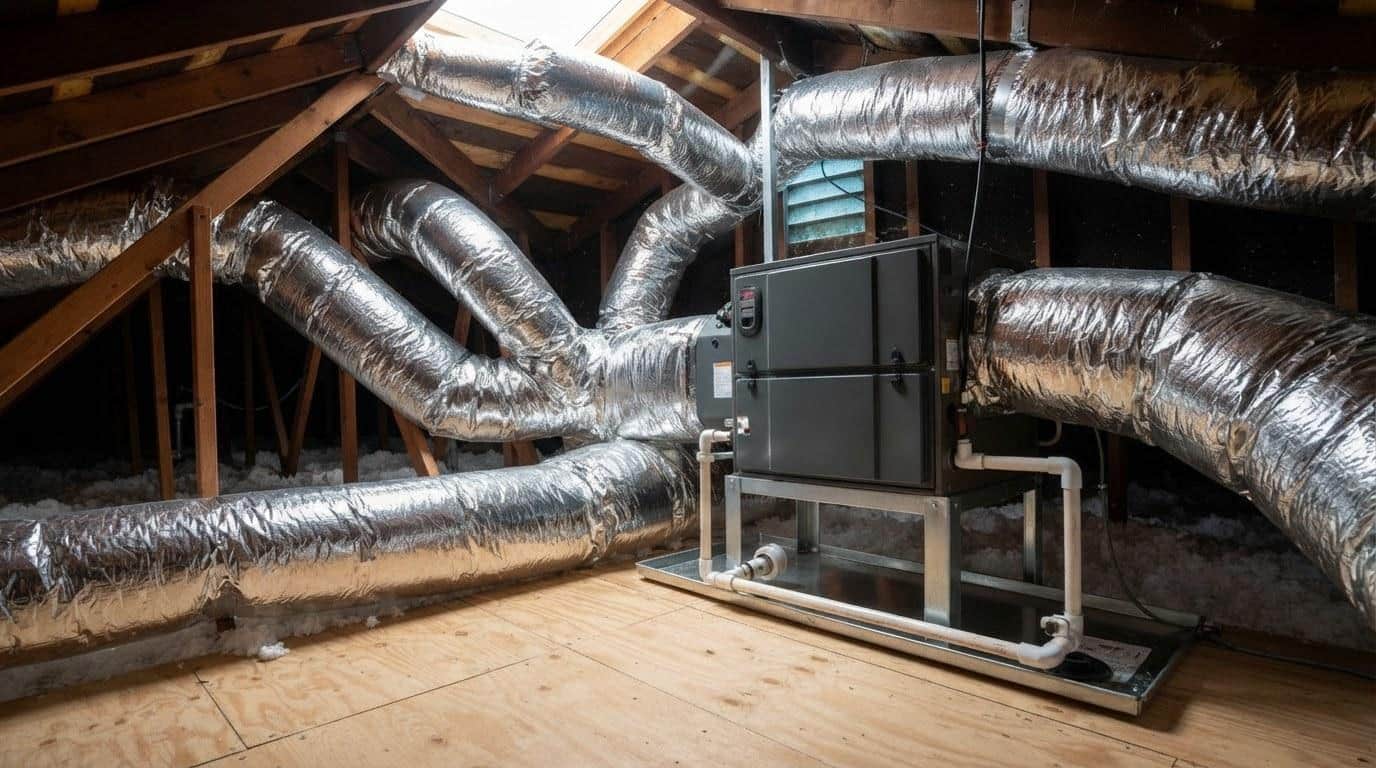
The most reliable signs your furnace needs repair are changes you can see, hear, smell, or feel. Any one of these symptoms warrants a closer look; two or more together usually mean a service call should not wait.
- Cold or weak airflow: Vents push noticeably less warm air than usual, or the air coming out feels room temperature even after the system has been running for several minutes.
- Short cycling: The furnace turns on, runs for a minute or two, shuts off, and repeats. This is often a sign of overheating, a faulty flame sensor, or a clogged filter.
- Yellow or flickering burner flame: A healthy gas furnace flame is steady and blue. A yellow, orange, or flickering flame can indicate incomplete combustion and is a potential carbon monoxide risk.
- Unusual noises: Banging, rattling, squealing, or grinding sounds point to loose panels, a failing blower motor, or worn bearings. A loud boom at startup often means delayed ignition.
- Persistent burning or musty smell: A brief burning smell when the furnace first fires up after months off is normal. A smell that lingers, or a metallic or electrical odor, is not.
- Rising energy bills: A furnace working harder than it should to reach the set temperature will show up as a higher gas bill with no change in usage habits.
- Thermostat inconsistency: Rooms heat unevenly, or the home never quite reaches the temperature the thermostat is set to, even after the system runs for a long time.
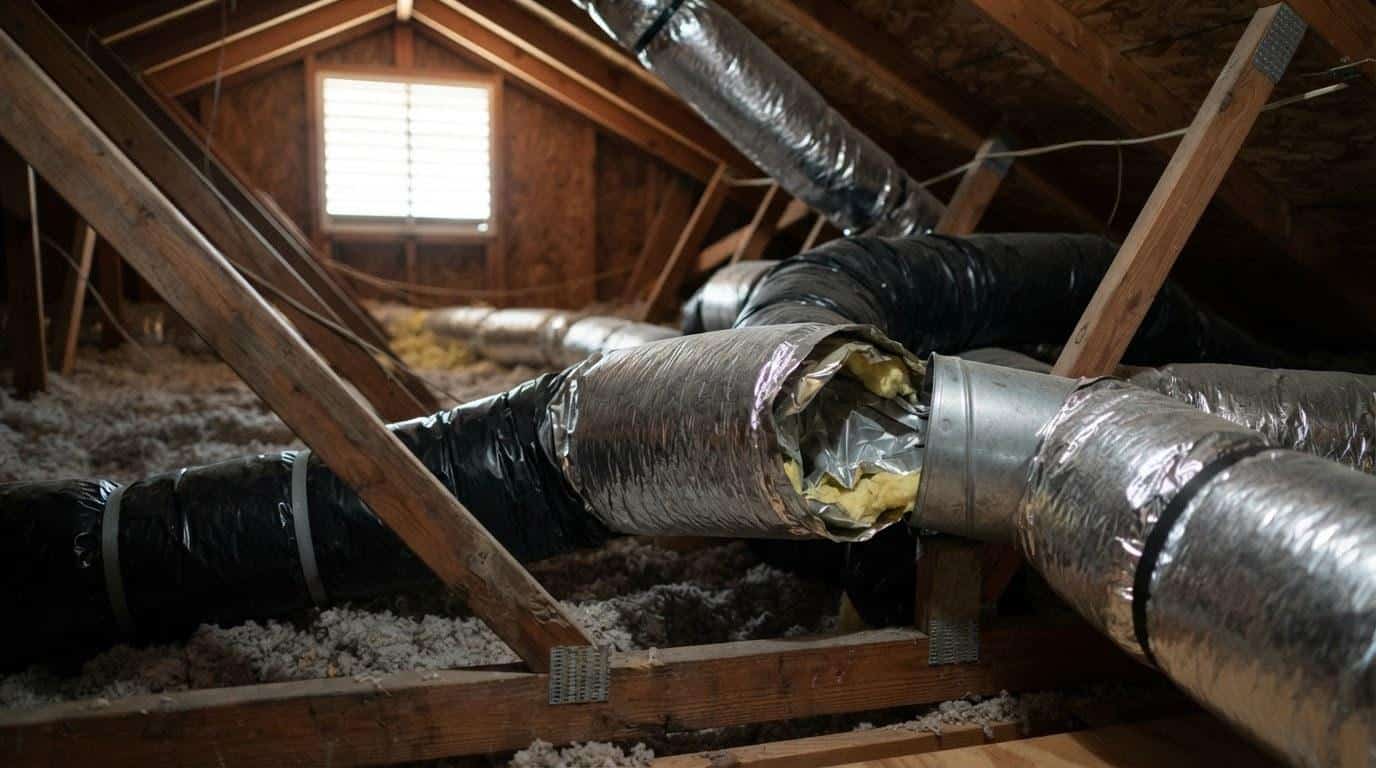
- Excess dust or soot near vents: Visible soot or a sudden increase in dust near supply registers can signal a cracked heat exchanger or duct leak.
Symptom, Likely Cause, and What to Do: A Quick Reference
Use this table to quickly match what you are experiencing to its most likely cause and the recommended next step. DIY steps are limited to safe, no-tools checks; anything involving gas lines, electrical components, or refrigerant requires a licensed technician.
| Symptom | Likely Cause | DIY or Pro? |
|---|---|---|
| Cold air from vents | Clogged filter, pilot light out, failed igniter | Check filter yourself; igniter needs a pro |
| Short cycling | Overheating, dirty flame sensor, restricted airflow | Replace filter yourself; flame sensor needs a pro |
| Yellow or flickering flame | Incomplete combustion, dirty burner, cracked heat exchanger | Pro only; carbon monoxide risk |
| Banging at startup | Delayed ignition, gas buildup | Pro only; gas system issue |
| Squealing or grinding noise | Worn blower motor bearings, loose belt | Pro only; motor or belt replacement |
| Burning or electrical smell | Dust burn-off (normal), wiring issue, overheating motor | If smell persists more than 10 minutes, call a pro |
| Uneven heating | Duct leak, blocked vents, undersized system | Check vents yourself; duct inspection needs a pro |
| Soot near registers | Cracked heat exchanger, duct breach | Pro only; shut system off first |
| Spike in gas bill | Dirty filter, failing heat exchanger, aging system | Replace filter yourself; further diagnosis needs a pro |
What Can You Check Yourself Before Calling a Pro?
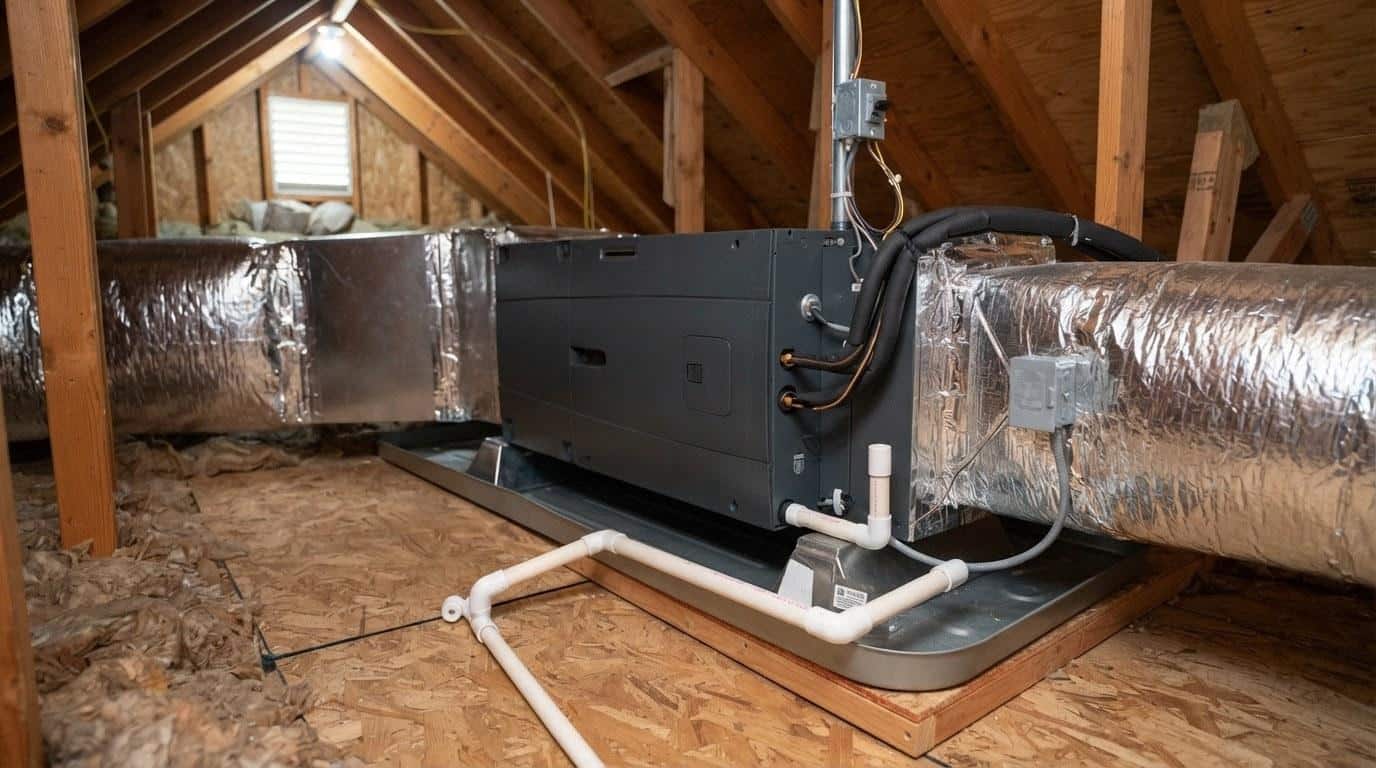
Several safe checks can help you rule out simple causes before scheduling a service call. These steps require no tools and no contact with gas lines or electrical components.
- Check and replace the air filter. A clogged filter is the single most common cause of furnace problems. Most 1-inch filters should be replaced every 30 to 90 days during heating season. Hold the filter up to a light source. If you cannot see light through it, replace it before doing anything else.
- Verify the thermostat settings. Confirm the thermostat is set to “Heat” and the temperature is set at least 5 degrees above the current room temperature. Replace the thermostat batteries if it has them. A dead battery is a surprisingly common reason a furnace will not start.
- Check the circuit breaker. Locate your home’s electrical panel and confirm the furnace breaker has not tripped. If it has, reset it once. If it trips again, stop and call a technician. A breaker that keeps tripping signals an electrical problem in the system.
- Make sure all supply and return vents are open. Walk through the home and confirm no furniture, rugs, or curtains are blocking vents. Closed or blocked vents restrict airflow and can cause overheating and short cycling.
- Inspect the furnace power switch. Most furnaces have a wall switch near the unit that looks like a standard light switch. Confirm it is in the ON position. It is easy to accidentally switch it off.
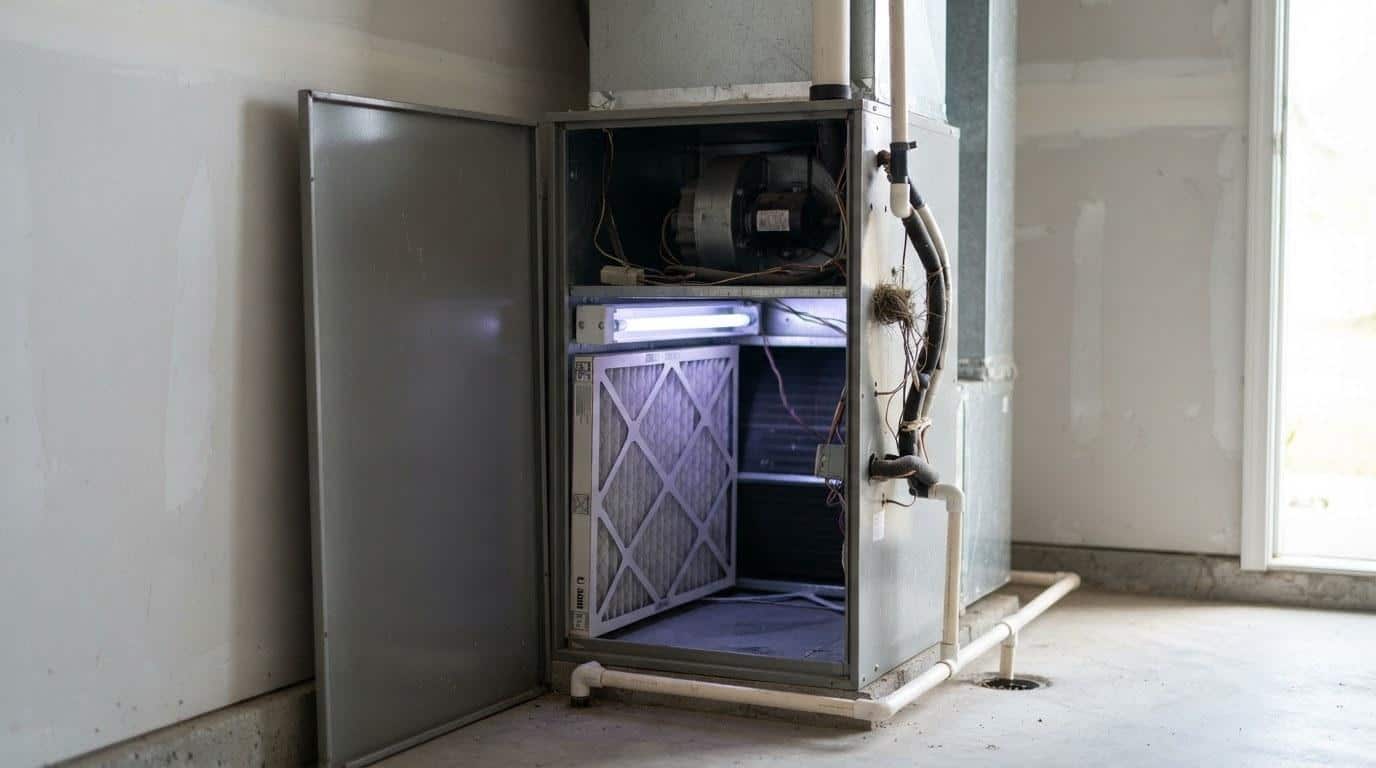
- Check the condensate drain line (if you have a high-efficiency furnace). High-efficiency furnaces, those rated 90% AFUE or above, produce condensate. A clogged drain line can trigger a safety shutoff. Look for standing water near the unit or a full condensate trap.
Our technicians find that a clogged condensate drain on high-efficiency units is one of the first things to check when a homeowner reports a furnace that shuts off on its own but shows no error code on the thermostat display.
When Should You Call a Licensed HVAC Technician?
Call a licensed HVAC professional any time you smell gas, see a yellow flame, notice soot near your vents, or hear a loud bang at startup. These are not situations for DIY troubleshooting. They point to potential carbon monoxide exposure or a gas system issue that requires immediate attention.
Beyond emergencies, you should also schedule a service call when:
- The furnace short cycles repeatedly even after you have replaced the filter and cleared the vents.
- The system runs continuously but the home never reaches the set temperature.
- You notice a persistent burning, metallic, or electrical odor that does not clear within 10 minutes of startup.
- The furnace is 15 years old or older and showing any of the symptoms listed above. At that age, components wear out and efficiency drops significantly.
- Your gas bill has increased noticeably with no change in usage. A furnace running at reduced efficiency can add a meaningful amount to monthly costs.
Technicians licensed by the California Contractors State License Board (CSLB) are required to meet state training and safety standards for gas appliance work. Always verify a contractor’s CSLB license before allowing work on your furnace.
Repairs involving the heat exchanger, gas valve, igniter, or flame sensor also fall under EPA refrigerant regulations and California’s Title 24 building energy standards when the work involves system modifications. A licensed technician knows which permits and inspections apply.
When we open a furnace cabinet on a service call and find the heat exchanger, we look for hairline cracks along the seams first, because that is where stress fractures from years of thermal cycling almost always appear before any other part shows wear.
How Much Does Furnace Repair Usually Cost?
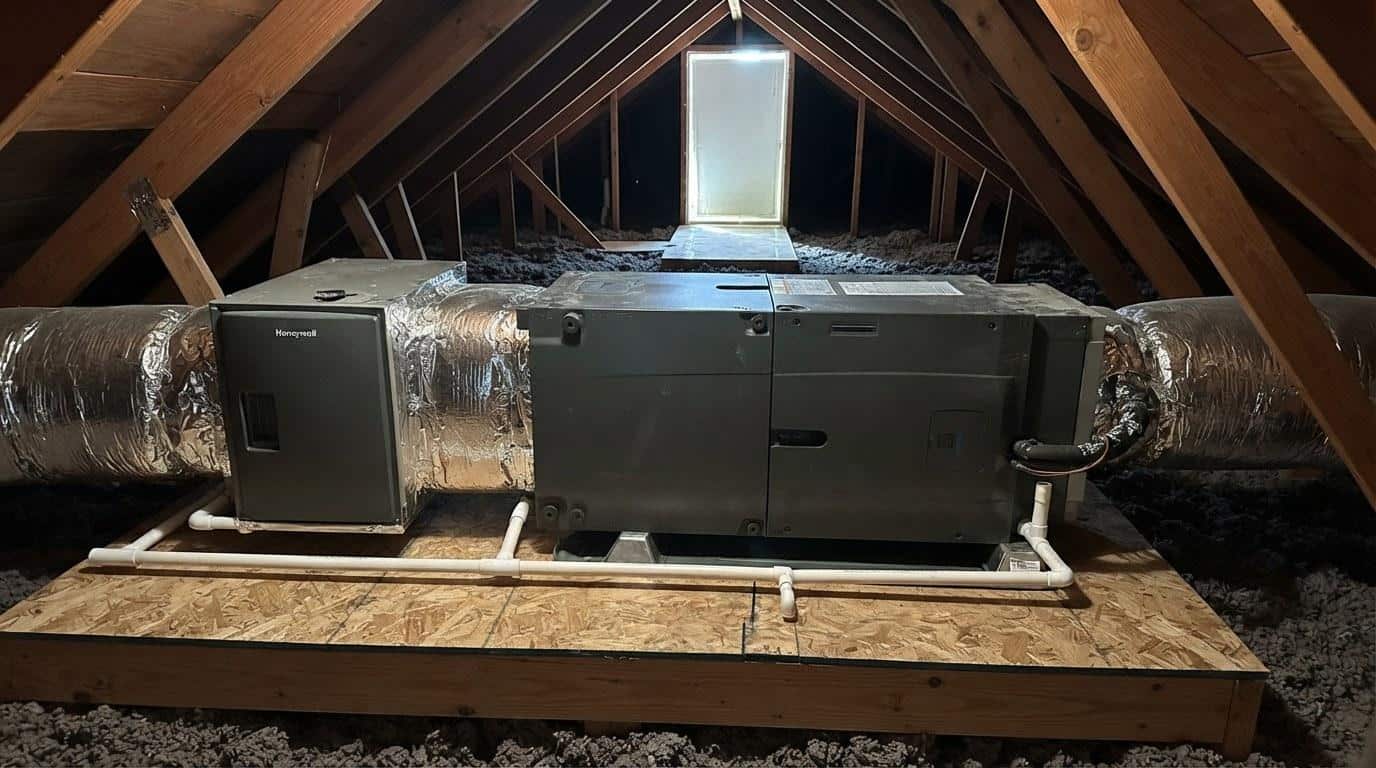
Furnace repair costs in the Southern California market typically range from around $150 for a straightforward fix like an igniter replacement to $1,200 or more for a heat exchanger repair or major component swap. The final cost depends on the part involved, the age and brand of the unit, and the labor required to access it.
Here is a general breakdown of common repair categories and the factors that move the price:
| Repair Type | Typical Market Range (CA) | Key Cost Factors |
|---|---|---|
| Filter replacement (DIY) | $10 to $40 | Filter type (1-inch vs. media filter), MERV rating |
| Igniter replacement | $150 to $300 | Part availability, furnace brand, access difficulty |
| Flame sensor cleaning or replacement | $80 to $200 | Labor time, whether cleaning resolves it or replacement is needed |
| Blower motor replacement | $400 to $800 | Motor type (single-speed vs. variable-speed), part cost |
| Heat exchanger repair or replacement | $600 to $1,500+ | Severity of crack, furnace age, whether replacement is more cost-effective |
| Gas valve replacement | $350 to $700 | Part cost, labor, permit requirements |
| Control board replacement | $400 to $900 | Board availability for older models, labor |
As a general rule, if a repair costs more than 50 percent of the price of a new system and the furnace is over 15 years old, replacement often makes more financial sense. New systems must meet California Energy Commission appliance standards and current AFUE minimums, which can translate to meaningful savings on your monthly gas bill.
If a repair costs more than 50 percent of the price of a new system and the furnace is over 15 years old, replacement often makes more financial sense.
Homeowners replacing an older furnace may also qualify for the Inflation Reduction Act federal tax credit, which as of 2025 covers up to 30 percent of the cost of qualifying high-efficiency heating equipment, up to $600 for furnaces. The TECH Clean California rebate program may offer additional savings for households switching to qualifying heat pump systems.
For an accurate repair estimate, request a custom quote based on your specific system and symptoms. Contact Shalom Heating & Air at (714) 886-2021 for a diagnostic assessment.
Get Expert Furnace Help Across Southern California
If your furnace is showing any of the warning signs covered in this guide, do not wait until the system fails completely. Early diagnosis almost always costs less and causes fewer disruptions than an emergency breakdown in the middle of a cold stretch.
Shalom Heating & Air serves homeowners across Southern California with furnace repair, maintenance, and installation. The team is available to diagnose your system, explain your options clearly, and complete the work to California code standards.
Schedule your furnace inspection or repair today. Call (714) 886-2021 to speak with a technician or book your service appointment. Get a written quote before any work begins so you know exactly what to expect.
Explore our full range of HVAC services across Southern California.
Frequently Asked Questions
How do I know if my furnace needs repair or just a tune-up?
If your furnace is making unusual noises, blowing cold air, short cycling, or causing your gas bill to spike, those are signs your furnace needs repair rather than routine maintenance. A tune-up addresses normal wear like dirty filters and minor adjustments. Repair is needed when a specific component has failed or is failing. When in doubt, a diagnostic visit from a licensed technician will tell you exactly what is going on.
How much does it cost to repair a furnace in Southern California?
Furnace repair costs in the Southern California market typically range from around $150 for simple fixes like an igniter replacement to $1,500 or more for heat exchanger work. The price depends on the part involved, the age and brand of your system, and the labor required. Getting a written quote before work begins is the best way to avoid surprises.
Can I repair my furnace myself?
You can safely handle a few basic checks yourself, like replacing the air filter, resetting a tripped breaker, or confirming thermostat settings. Anything involving gas lines, the heat exchanger, electrical components, or the igniter system should be handled by a licensed HVAC technician. Gas appliance work in California requires a contractor licensed by the California Contractors State License Board (CSLB).
Why is my furnace turning on and off every few minutes?
A furnace that turns on and off repeatedly, called short cycling, is usually caused by a clogged air filter, a dirty flame sensor, or the system overheating due to restricted airflow. Start by replacing the filter and making sure all vents are open and unblocked. If the problem continues after that, a technician will need to inspect the flame sensor and check for any airflow restrictions inside the system.
Is a yellow flame on my furnace dangerous?
Yes, a yellow or orange flame instead of a steady blue one is a warning sign that should not be ignored. It can indicate incomplete combustion, a dirty burner, or a cracked heat exchanger, all of which can allow carbon monoxide to enter your living space. Turn the furnace off and call a licensed HVAC technician before running it again.