Common Furnace Problems: How to Troubleshoot, Repair Costs, and When to Call a Pro
From a furnace that won't ignite to one that short-cycles all night, this guide covers the most common furnace problems Southern California homeowners face — plus real repair cost ranges and clear advice on when to call a pro.
Why Do Furnaces Break Down in Southern California?
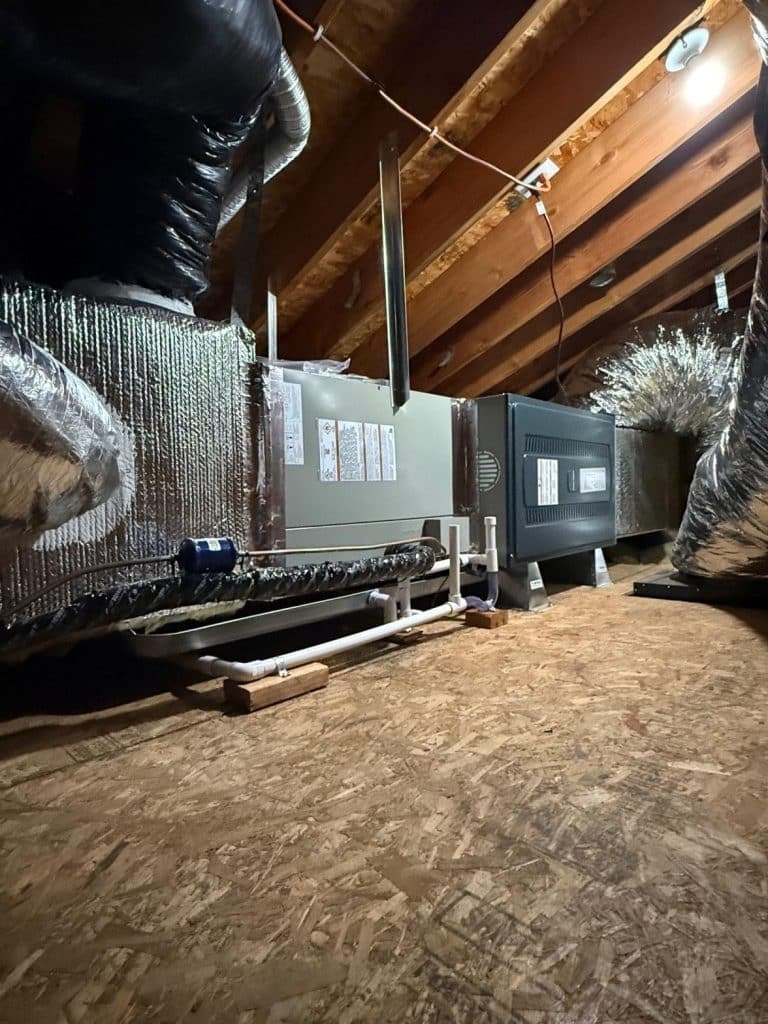
Southern California’s mild winters create a furnace failure pattern that surprises many homeowners: systems sit idle for 8 to 10 months, then get switched on hard when temperatures finally drop. That long dormant period lets dust accumulate on burners, causes igniter components to oxidize, and lets thermostat batteries drain completely. When the first cold night of the season hits, the furnace has to work from a cold start after months of inactivity.
The region’s coastal climate also plays a role. Salt-laden marine air drifts inland and accelerates corrosion on metal components, particularly on older units installed before 2010. Homes built during Southern California’s post-war housing boom often have duct systems that are 40 to 60 years old, adding airflow restrictions that put extra strain on the blower motor and heat exchanger.
Understanding why failures happen makes it much easier to spot common furnace problems early and decide whether a quick DIY fix or a licensed technician is the right call.
What Are the Most Common Furnace Problems Homeowners Report?
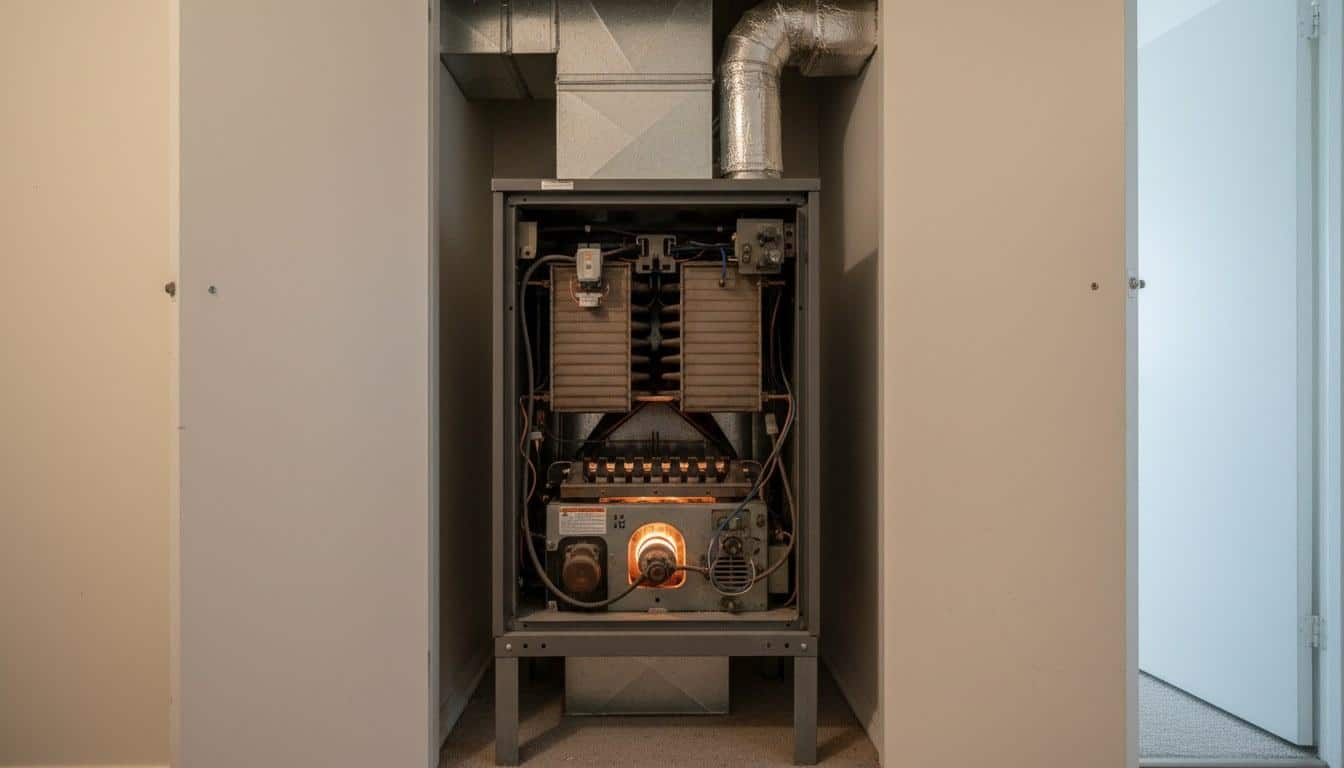
The most common furnace problems fall into six categories: ignition failure, restricted airflow, thermostat faults, short cycling, strange noises, and a cracked heat exchanger. Each one has distinct warning signs that show up before a full breakdown.
- Igniter failure: The furnace runs through its startup sequence but never produces heat. You may hear the blower kick on with no warm air following. Hot surface igniters typically last 3 to 7 years before they burn out.
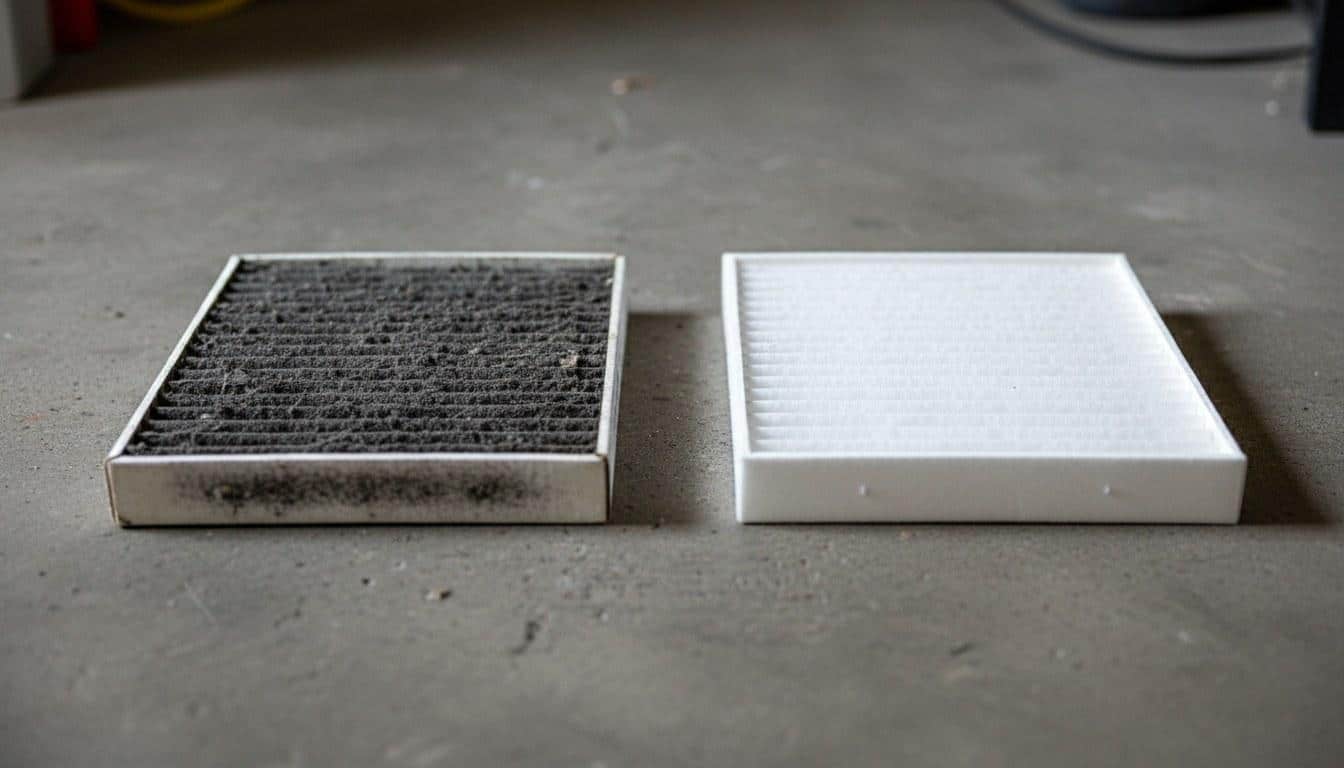
- Clogged air filter: A filter that has not been changed in 60 to 90 days restricts airflow enough to trigger the high-limit switch, shutting the furnace off mid-cycle. This is the single most preventable cause of service calls.
- Faulty thermostat: Dead batteries, a miscalibrated sensor, or a failed control board inside the thermostat can make the furnace behave erratically — running when it should not, or refusing to start at all.
- Short cycling: The furnace turns on, runs for 2 to 5 minutes, shuts off, then repeats. This is usually caused by an overheating unit (often from a dirty filter), a failing flame sensor, or an oversized furnace that heats the space too quickly.
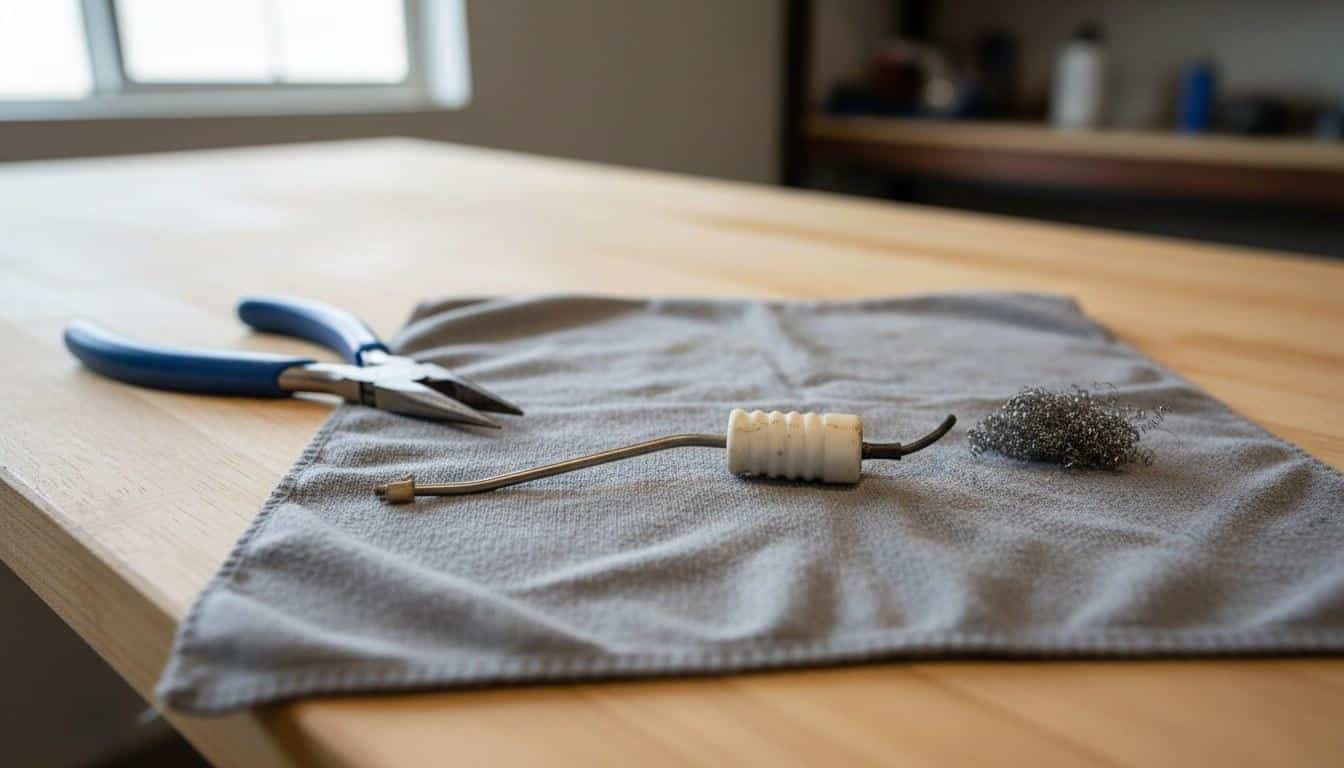
- Dirty flame sensor: The flame sensor is a small metal rod that confirms the burner is lit. A thin layer of oxidation — common after months of non-use — can make it fail to detect the flame, causing the furnace to shut down as a safety measure.
- Cracked heat exchanger: This is the most serious common furnace problem. A crack allows combustion gases, including carbon monoxide, to mix with circulated air. Signs include a yellow or flickering burner flame, soot marks near the furnace, and unexplained headaches in the home.
- Blower motor issues: A motor that hums but does not spin, or one that runs continuously, points to a failed capacitor or a faulty control board. Capacitors are inexpensive parts but must be handled carefully due to stored electrical charge.
- Pilot light or gas valve problems: On older furnaces with standing pilot lights, a draft or thermocouple failure can blow the pilot out. On modern furnaces, a stuck gas valve prevents the burner from receiving fuel even when the igniter works correctly.
Symptom, Likely Cause, and DIY or Pro? (Quick-Reference Table)
Use this table to match what you are seeing or hearing to the most likely cause and decide whether it is safe to handle yourself. Any symptom involving gas smell, carbon monoxide, or sparking wires is always a professional call — no exceptions.
| Symptom | Likely Cause | DIY or Pro? |
|---|---|---|
| No heat, blower runs | Failed igniter or dirty flame sensor | Pro (gas system) |
| Furnace shuts off after 2-5 minutes | Clogged filter, overheating, failing flame sensor | DIY filter check first; Pro if it continues |
| No heat, no blower | Tripped circuit breaker, dead thermostat batteries | DIY (reset breaker, replace batteries) |
| Weak or uneven airflow | Clogged filter, blocked vents, failing blower motor | DIY filter/vent check; Pro for blower motor |
| Loud banging on startup | Delayed ignition, dirty burners, duct expansion | Pro (delayed ignition is a gas hazard) |
| Squealing or screeching | Worn blower belt or failing motor bearings | Pro |
| Yellow or flickering burner flame | Cracked heat exchanger or combustion air issue | Pro immediately — carbon monoxide risk |
| Thermostat shows correct temp but furnace won’t run | Faulty thermostat, tripped limit switch | DIY thermostat check; Pro for limit switch |
| Gas smell near furnace | Gas leak | Leave home, call gas company immediately |
| Furnace runs constantly | Undersized unit, thermostat fault, extreme cold | DIY thermostat check; Pro if it persists |
What Can You Safely Check and Fix Yourself?
Several common furnace problems can be resolved without tools or technical training — and checking these first can save you a $100 to $200 diagnostic service fee. Work through these steps in order before calling a technician.
Step 1: Check the Thermostat
Replace the batteries even if the display looks fine. Set the thermostat to HEAT mode and raise the set point at least 5 degrees above the current room temperature. Confirm the fan is set to AUTO, not ON. A thermostat stuck in ON mode will run the blower continuously regardless of whether the burner is lit, making it feel like the furnace is not heating.
Step 2: Inspect and Replace the Air Filter
Locate the filter slot — usually at the base of the furnace or inside the return air grille. Hold the filter up to a light source. If you cannot see light through it, replace it immediately. The U.S. Department of Energy recommends checking filters monthly and replacing them every 1 to 3 months depending on household dust levels and pet hair. A 1-inch standard filter costs $5 to $20 at any hardware store.
Step 3: Check the Circuit Breaker and Power Switch
Find the furnace’s dedicated breaker in your electrical panel. If it has tripped to the middle position, push it fully to OFF and then back to ON. Also check the furnace’s on/off power switch — it looks like a standard light switch and is often located on the wall near the unit. It gets bumped off accidentally more often than you might expect.
Step 4: Check Vents and Return Grilles
Walk through the home and confirm that all supply vents and return air grilles are open and unobstructed. Furniture placed over a return grille or a closed vent in an unused room can restrict airflow enough to trigger the high-limit safety switch and cause the furnace to short cycle.
Step 5: Reset the Furnace
Most modern furnaces have a reset button — a small red or yellow button on the burner housing. Press it once firmly. If the furnace starts and then shuts off again within a few minutes, do not press reset more than twice. Repeated resets without a successful start can flood the heat exchanger with unburned gas, creating a hazard.
Our technicians respond to roughly 3 times more emergency furnace calls in December and January than in any other two-month window — and in about 40% of those calls, the fix turns out to be a clogged filter or a tripped breaker that the homeowner could have resolved themselves.
When Should You Call a Licensed Furnace Technician?
Call a licensed HVAC professional when you smell gas, see a yellow or flickering burner flame, hear loud banging on startup, or when the furnace has shut down and will not restart after a single reset. These symptoms point to issues that involve combustion safety, gas pressure, or electrical components — none of which are safe for DIY work.
Specific situations that always require a pro include:
- Cracked heat exchanger: This is a carbon monoxide risk. Only a technician with combustion analysis equipment can confirm a crack and assess whether repair or replacement is the right path.
- Igniter replacement: While the part itself is inexpensive (typically $20 to $60), accessing it requires working around gas lines and high-voltage ignition systems.
- Flame sensor cleaning or replacement: The sensor must be removed, cleaned with fine steel wool, and reinstalled correctly. Incorrect reinstallation can cause the furnace to fail to detect flame, creating an unsafe gas buildup condition.
- Gas valve repair or replacement: Any work on the gas valve requires a technician licensed by the California Contractors State License Board (CSLB). Improper gas valve work is illegal and dangerous.
- Blower motor or capacitor replacement: Capacitors store a charge even when the unit is powered off and can cause serious injury if handled without proper discharge tools.
- Any repair on a furnace older than 15 years: Older units may not meet current California’s Title 24 building energy standards, and a technician can advise whether repair or replacement is the smarter investment.
As of California’s 2024 Title 24 update, new furnace installations must meet minimum Annual Fuel Utilization Efficiency (AFUE) ratings. If your furnace is being replaced rather than repaired, ask your technician about ENERGY STAR certified models that may qualify for an Inflation Reduction Act federal tax credit of up to $600 for high-efficiency heating equipment.
How Much Does Furnace Repair Cost in Southern California?
Furnace repair in Southern California typically ranges from $80 to $1,500 or more, depending on the part that failed, the age of the unit, and whether emergency or after-hours service is needed. Most standard repairs fall between $150 and $500.
Here is a breakdown of typical repair cost ranges in this regional market:
| Repair Type | Typical Cost Range | Key Factors |
|---|---|---|
| Diagnostic / service call | $80 – $150 | Often waived or credited if repair is completed same visit |
| Air filter replacement (pro-installed) | $20 – $60 | Filter type and MERV rating |
| Thermostat replacement | $150 – $400 | Smart vs. standard; wiring compatibility |
| Igniter replacement | $150 – $300 | Part availability; furnace brand |
| Flame sensor cleaning or replacement | $80 – $200 | Whether cleaning resolves the issue or part must be replaced |
| Blower motor replacement | $400 – $900 | Motor size, variable-speed vs. single-speed |
| Capacitor replacement | $150 – $300 | Run vs. start capacitor; labor access |
| Gas valve replacement | $300 – $600 | OEM vs. aftermarket part; furnace age |
| Heat exchanger replacement | $800 – $1,500+ | Furnace age often makes full replacement more cost-effective |
| Control board replacement | $300 – $700 | Board availability; furnace model |
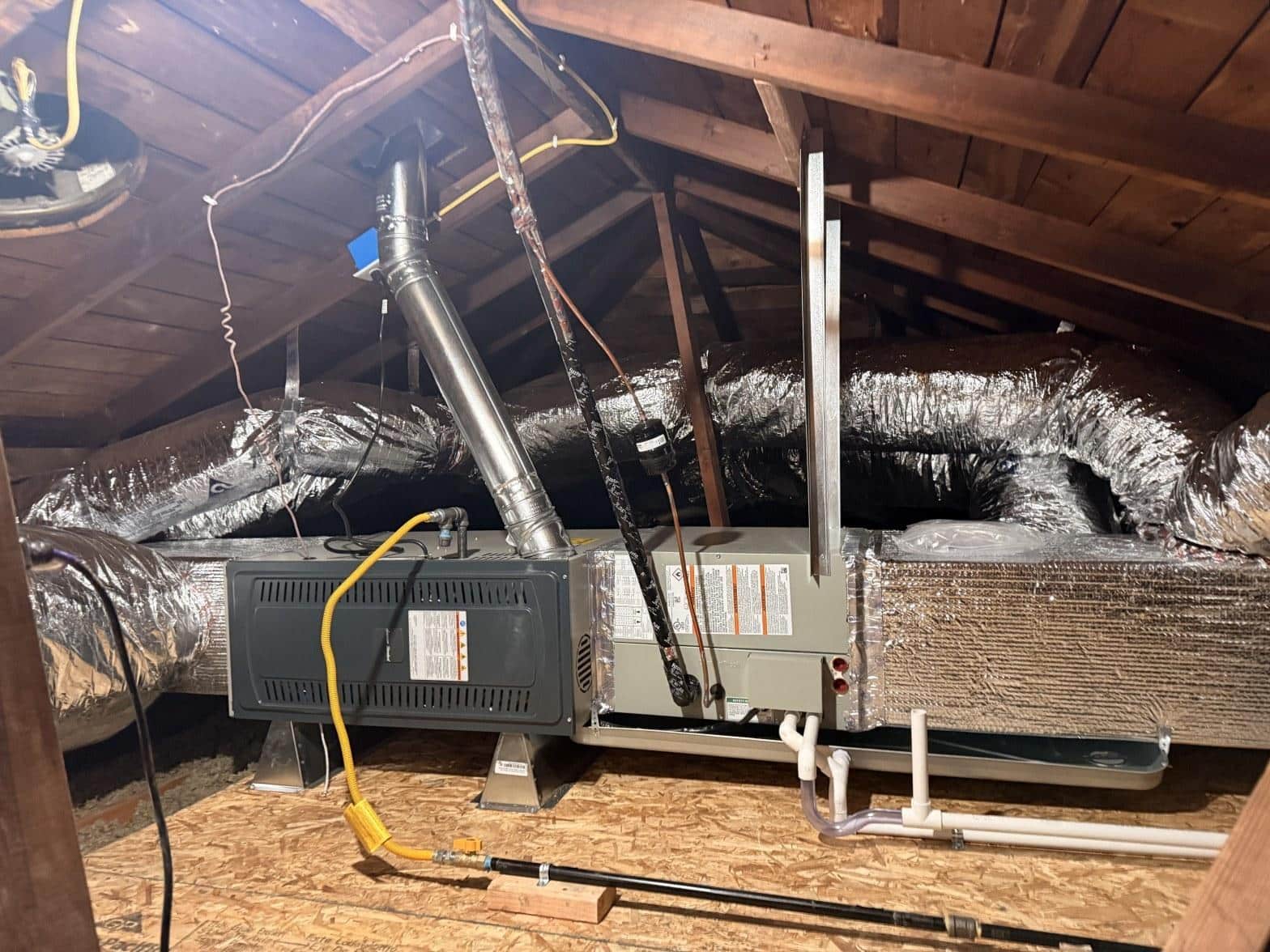
Several factors push repair costs toward the higher end of any range. Emergency or weekend service typically adds $50 to $150 to the base rate. Older furnaces with discontinued parts require special ordering, which adds time and cost. Units in tight mechanical closets or attic installations take longer to access, increasing labor charges.
Our technicians see capacitor and igniter failures most frequently on furnaces between 10 and 18 years old — and in roughly 1 in 4 of those cases, the repair cost exceeds half the value of the unit, making replacement the smarter financial choice.
When evaluating repair versus replacement, a general industry guideline is the 50% rule: if the repair cost exceeds 50% of the price of a new comparable unit, replacement is usually the better long-term investment. ACCA (Air Conditioning Contractors of America) standards also recommend a full Manual J load calculation when replacing a furnace to ensure the new unit is properly sized for the home — oversized furnaces are a leading cause of short cycling and premature wear.
If the repair cost exceeds 50% of the price of a new comparable unit, replacement is usually the better long-term investment.
For an accurate quote on your specific situation, request a custom estimate rather than relying on national averages. Part costs, labor rates, and permit requirements vary across Southern California communities.
Get Expert Furnace Help from Shalom Heating & Air
When common furnace problems go beyond what a filter change or reset can fix, you need a licensed technician who can diagnose the real cause and give you a written quote before any work begins.
Shalom Heating & Air serves homeowners across Southern California with furnace diagnostics, repairs, and full system replacements. Whether your furnace is short cycling, refusing to ignite, or making sounds it should not, the team can pinpoint the issue and walk you through your options — repair, tune-up, or replacement — with honest pricing and no pressure.
Licensed by the California Contractors State License Board (CSLB), Shalom Heating & Air works on all major furnace brands and can advise on ENERGY STAR certified replacement options that may qualify for an Inflation Reduction Act federal tax credit.
Call (714) 886-2021 to schedule a diagnostic visit or get a custom repair quote. Same-day and next-day appointments are available across the region.
Explore our full range of HVAC services across Southern California.
Frequently Asked Questions
How do I know if my furnace just needs a repair or a full replacement?
A good starting point is the 50% rule: if the repair cost is more than half the price of a comparable new furnace, replacement usually makes more financial sense. Furnaces older than 15 to 20 years are also strong replacement candidates, especially if they need a major part like a heat exchanger or control board. A licensed technician can give you a written repair estimate and a replacement quote so you can compare both options side by side.
How much does furnace repair usually cost in Southern California?
Most furnace repairs in Southern California fall between $150 and $500 for common issues like igniter replacement, flame sensor cleaning, or a thermostat swap. More complex repairs — like a blower motor or heat exchanger — can run $800 to $1,500 or more. The diagnostic or service call fee is typically $80 to $150 and is often credited toward the repair if work is completed the same day.
Why does my furnace turn on and then shut off after just a few minutes?
Short cycling — where the furnace runs for 2 to 5 minutes and then shuts off — is most often caused by a clogged air filter triggering the high-limit safety switch, a dirty flame sensor failing to confirm the burner is lit, or an oversized furnace that heats the space too quickly. Start by replacing the air filter. If the problem continues after a fresh filter, call a technician to inspect the flame sensor and limit switch.
Is it safe to keep running my furnace if the flame is yellow instead of blue?
No — a yellow or flickering burner flame is a warning sign that should not be ignored. A healthy furnace flame is steady and blue. A yellow flame often indicates incomplete combustion, which can be caused by a cracked heat exchanger allowing combustion gases to mix with household air. This is a potential carbon monoxide hazard. Turn the furnace off and call a licensed HVAC technician before running the system again.
How often should I have my furnace serviced to avoid common problems?
The U.S. Department of Energy and most HVAC industry groups recommend a professional furnace tune-up once a year, ideally in early fall before the heating season begins. Annual service typically includes cleaning the burners and flame sensor, inspecting the heat exchanger, checking gas pressure, and testing safety controls. In Southern California, where furnaces sit idle for most of the year, that annual check is especially important because dormant components are prone to oxidation and buildup.