Gas Furnace Safety Tips Every Homeowner Should Know
Gas furnaces keep your home warm, but they require regular safety checks to prevent carbon monoxide leaks, fires, and breakdowns. Follow these essential gas furnace safety tips to protect your family all season long.
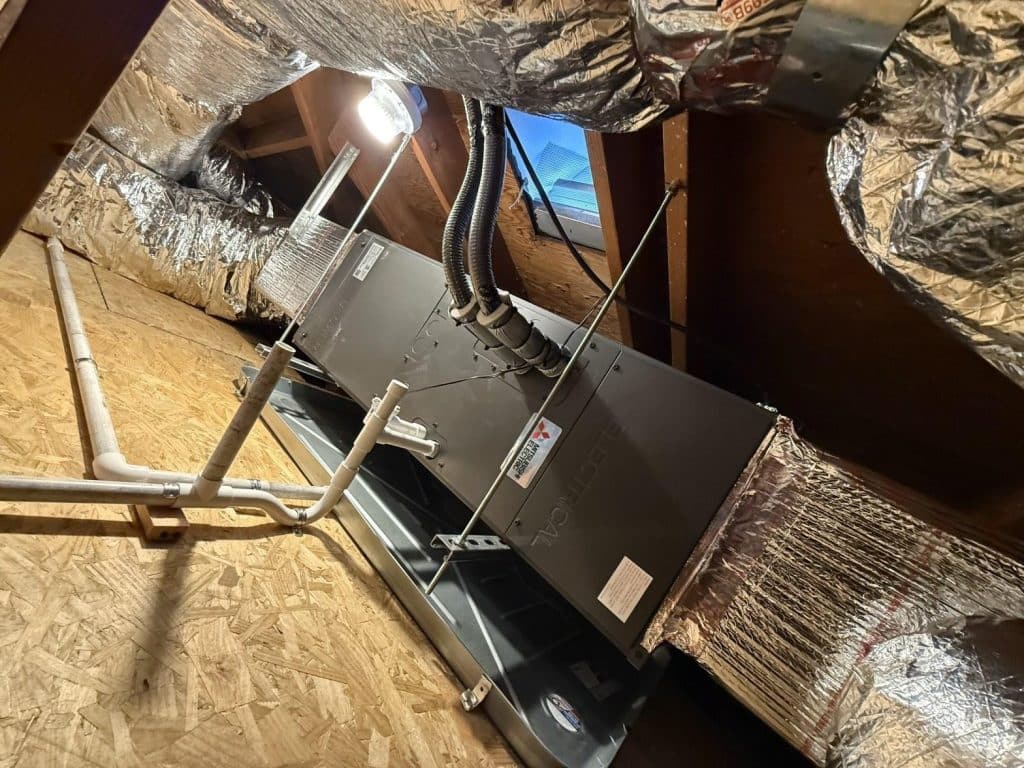
Why Gas Furnace Safety Matters More Than Most Homeowners Realize
Gas furnaces are one of the most reliable heating systems available, but they burn combustible fuel inside your home. A cracked heat exchanger, blocked flue, or faulty igniter can turn a routine heating cycle into a carbon monoxide emergency. The Centers for Disease Control and Prevention reports that carbon monoxide poisoning sends more than 50,000 people to emergency rooms in the U.S. every year, and faulty heating equipment is one of the leading causes.
California’s cooler inland winters and marine-influenced coastal nights mean furnaces in Southern California still log hundreds of run hours each season. That runtime adds wear to burners, heat exchangers, and venting components that many homeowners never inspect. Staying ahead of that wear is what separates a safe furnace from a hazardous one.
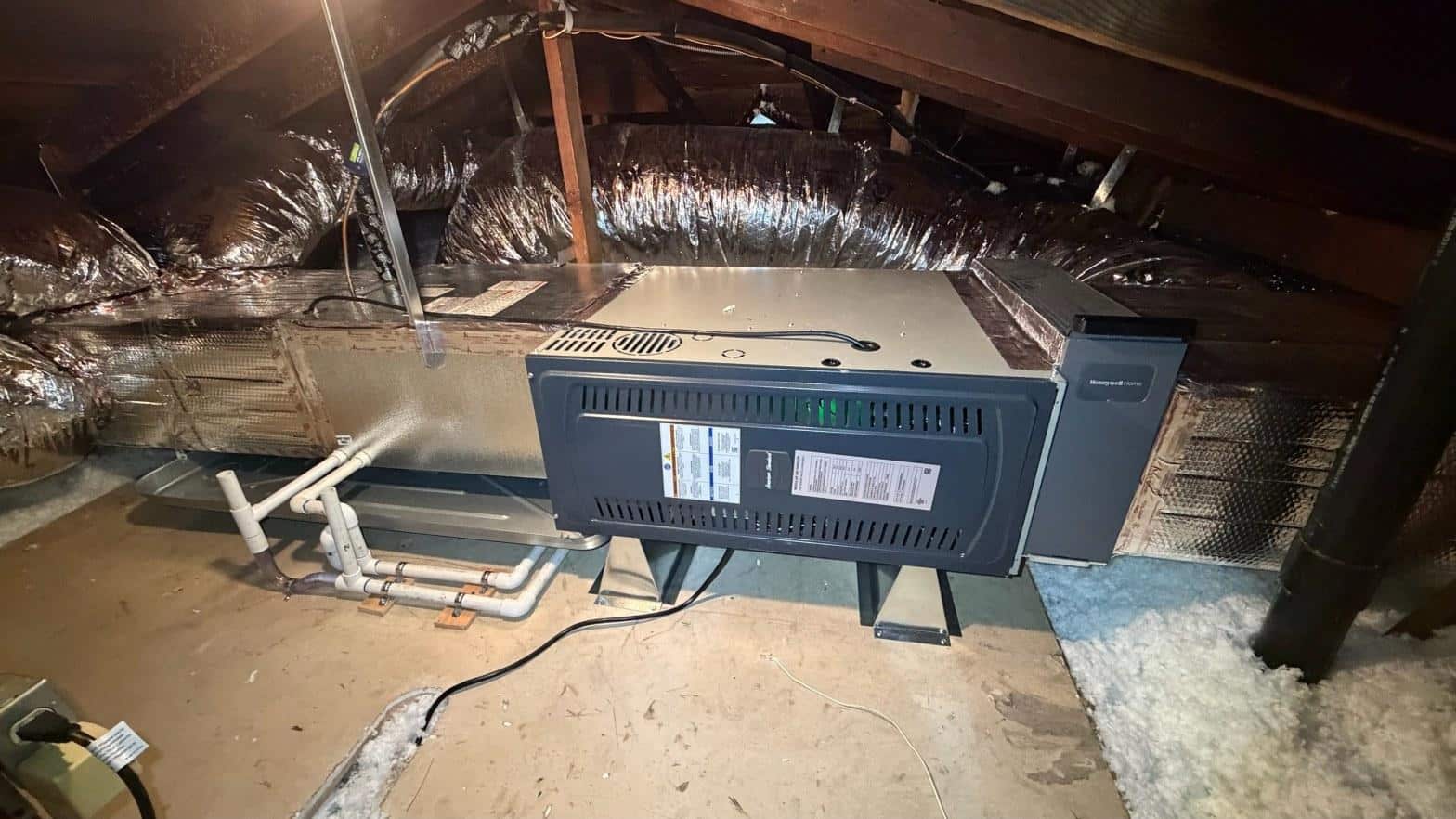
What Are the Most Important Gas Furnace Safety Tips?
The single most impactful gas furnace safety tip is to schedule a professional inspection every year before you turn the heat on for the season. Beyond that annual visit, the following practices keep your system running safely between service calls.
Filter Maintenance
- Replace the air filter every 1-3 months: A clogged filter restricts airflow, forcing the heat exchanger to overheat. Overheating is the most common cause of heat exchanger cracks, which allow carbon monoxide to enter your living space.
- Use a MERV 8-11 filter: This range captures dust and allergens without creating excessive static pressure that strains the blower motor. Higher MERV ratings (13+) can restrict airflow on residential systems not designed for them.
- Check the filter monthly during peak use: In dusty inland areas of Southern California, filters can load up faster than the manufacturer’s baseline estimate.
Carbon Monoxide and Smoke Detectors
- Install a CO detector on every floor: California law requires carbon monoxide detectors in all single-family homes. Place one within 15 feet of each sleeping area.
- Test detectors monthly: Press the test button and replace batteries at least once a year. CO detectors have a lifespan of 5-7 years; check the manufacture date on the back.
- Never ignore a CO alarm: Exit the home immediately, leave the door open, and call 911 from outside. Do not re-enter until emergency responders clear the building.
Clearance and Combustibles
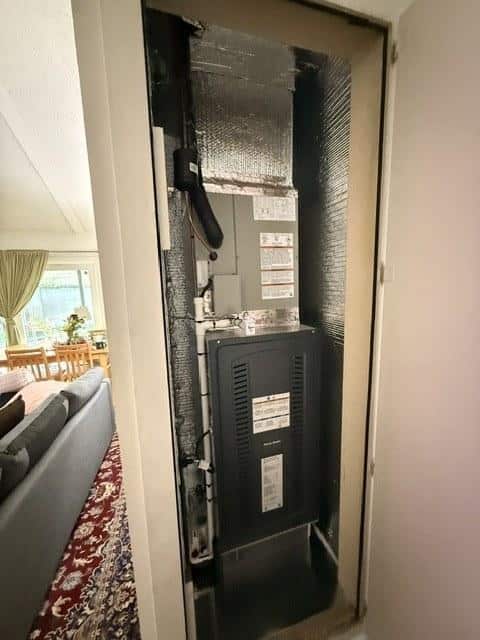
- Keep a 3-foot clearance around the furnace: Boxes, clothing, and stored items near the unit are a fire hazard. This is especially important in garages and utility closets.
- Never store flammable liquids near the furnace: Gasoline, paint thinner, and aerosol cans can ignite from the pilot flame or burner ignition.
- Keep vents and registers unobstructed: Blocking supply or return vents raises system pressure and heat exchanger temperature.
Venting and Flue Checks
- Inspect the flue pipe annually: Look for rust, separation at joints, or visible holes. Combustion gases must travel unobstructed to the outside.
- Check the outdoor vent termination each fall: Bird nests, leaves, and debris can block high-efficiency furnace PVC exhaust pipes, causing the system to shut down or back-draft.
- Never seal off or cap the combustion air intake: Modern furnaces draw fresh air for combustion. Blocking this intake starves the burner and produces incomplete combustion, a primary source of CO.
Gas Line Awareness
- Know where your gas shutoff valve is: The valve is typically on the gas line within a few feet of the furnace. Turn it 90 degrees to close it in an emergency.
- If you smell rotten eggs, act immediately: That sulfur odor is the odorant added to natural gas. Leave the home, do not flip any light switches, and call your gas utility from outside.
- Do not attempt to repair gas lines yourself: Gas line work in California must be performed by a licensed contractor. Improper repairs can cause leaks that lead to fires or explosions.
How Do You Know If Your Furnace Is Dangerous?
Warning signs of a dangerous furnace include a yellow or orange burner flame instead of a steady blue one, soot or black marks around the furnace cabinet, frequent headaches or nausea when the heat runs, and a CO detector that alarms repeatedly. Any of these symptoms warrant an immediate professional inspection.
A yellow or orange burner flame instead of a steady blue one is one of the clearest signs your furnace may be producing dangerous levels of carbon monoxide.
Our technicians respond to roughly 3 times more emergency heating calls in December and January than any other two-month window, and cracked heat exchangers account for nearly 40% of those urgent visits. Most of those cracks were preventable with annual servicing.
The table below summarizes common warning signs, what they likely mean, and whether you can address them yourself or need a licensed technician.
| Warning Sign | Likely Cause | DIY or Pro? |
|---|---|---|
| Yellow or flickering burner flame | Incomplete combustion; possible CO production | Pro — shut down and call immediately |
| Soot or black marks on furnace cabinet | Backdrafting or cracked heat exchanger | Pro — do not operate the unit |
| Rotten-egg odor near furnace | Gas leak | Evacuate and call 911 / gas utility |
| Frequent short-cycling (on/off rapidly) | Overheating from restricted airflow or faulty limit switch | DIY: check filter first; then call Pro |
| Banging or booming at startup | Delayed ignition from dirty burners | Pro — burner cleaning or igniter service |
| CO detector alarming | Carbon monoxide in living space | Evacuate and call 911 immediately |
| Visible rust or corrosion on flue pipe | Moisture intrusion; possible flue breach | Pro — flue inspection and repair |
| Clogged or dirty filter | Reduced airflow, risk of overheating | DIY — replace filter immediately |
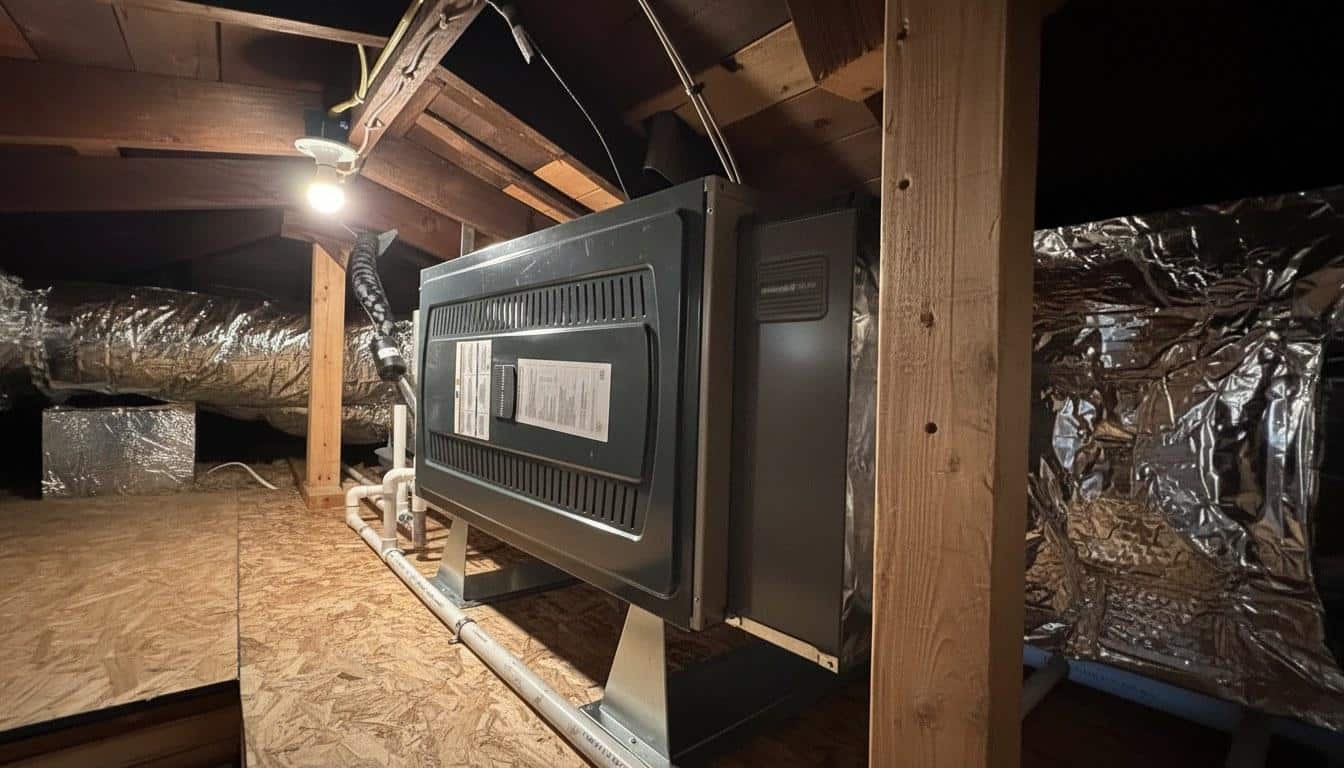
What Does a Professional Furnace Tune-Up Actually Include?
A thorough professional furnace inspection covers roughly 20 individual checkpoints and typically takes 60 to 90 minutes. Skipping this annual visit is the most common reason homeowners end up with mid-winter breakdowns or dangerous CO situations.
Technicians certified to ACCA (Air Conditioning Contractors of America) standards follow a defined protocol that includes both safety and performance checks. Here is what a complete tune-up should cover:
- Heat exchanger inspection: Visually inspect and, on high-efficiency units, use a combustion analyzer to detect cracks or breaches that allow CO to enter the airstream.
- Burner cleaning and inspection: Remove and clean burners, check flame pattern and color, and test igniter resistance (typical igniter lifespan is 4-7 years).
- Flue and venting check: Inspect the entire flue path for obstructions, corrosion, and proper draft. High-efficiency condensing furnaces have PVC exhaust pipes that must be checked for cracks and blockages.
- Gas pressure test: Verify manifold gas pressure matches manufacturer specifications. Incorrect pressure causes incomplete combustion or delayed ignition.
- Blower motor and belt inspection: Check motor amperage draw, lubricate bearings where applicable, and inspect the belt on older belt-drive units.
- Safety control testing: Test the high-limit switch, pressure switches, and rollout switches that shut the system down if conditions become unsafe.
- Filter replacement or inspection: Replace the filter if the homeowner has not already done so, and confirm the correct MERV rating for the system.
- Carbon monoxide test at registers: Use a calibrated CO analyzer to confirm no CO is present in the supply air.
- Thermostat calibration: Verify the thermostat reads accurately and cycles the system correctly.
- System efficiency check: Measure temperature rise across the heat exchanger and compare to the manufacturer’s rated range, typically 35°F to 70°F depending on the unit.
Since California’s Title 24 building energy standards set minimum efficiency requirements for replacement furnaces, a technician can also advise whether your current unit still meets modern standards or is approaching the end of its useful life.
How Much Does Furnace Repair or Inspection Cost in California?
In the Southern California market, a professional furnace tune-up typically ranges from $80 to $150. Repairs vary widely: a capacitor or igniter replacement generally runs $150 to $350, while a heat exchanger replacement can reach $1,500 to $3,500 depending on the unit. Major component failures on older furnaces often make full replacement the more cost-effective path.
The factors that move repair costs up or down include:
- Part type and availability: Igniters, flame sensors, and pressure switches are common and relatively affordable. Heat exchangers and control boards are more expensive and sometimes require special orders.
- System age: Parts for furnaces older than 15-20 years may be discontinued, raising sourcing costs or making replacement the only option.
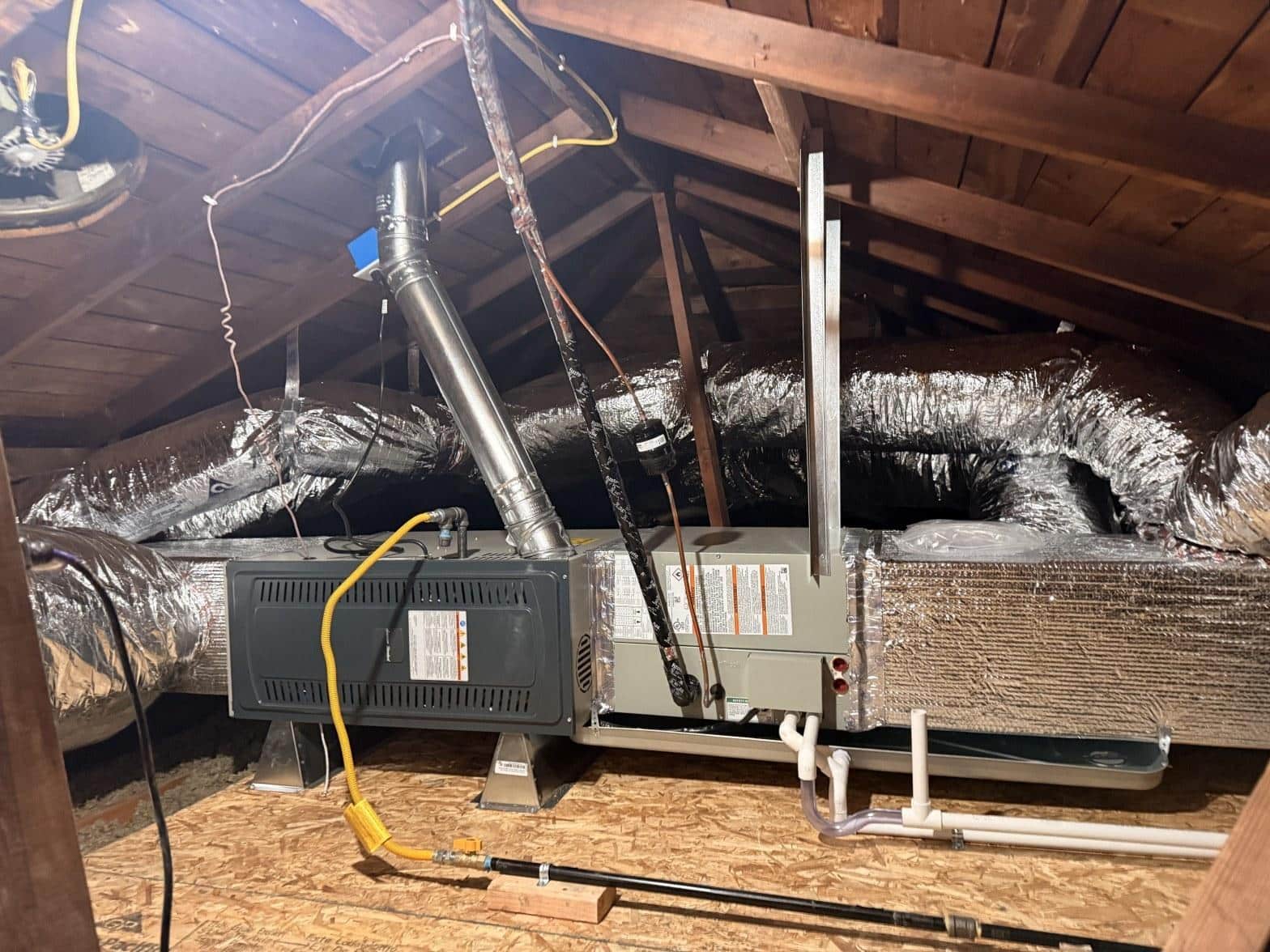
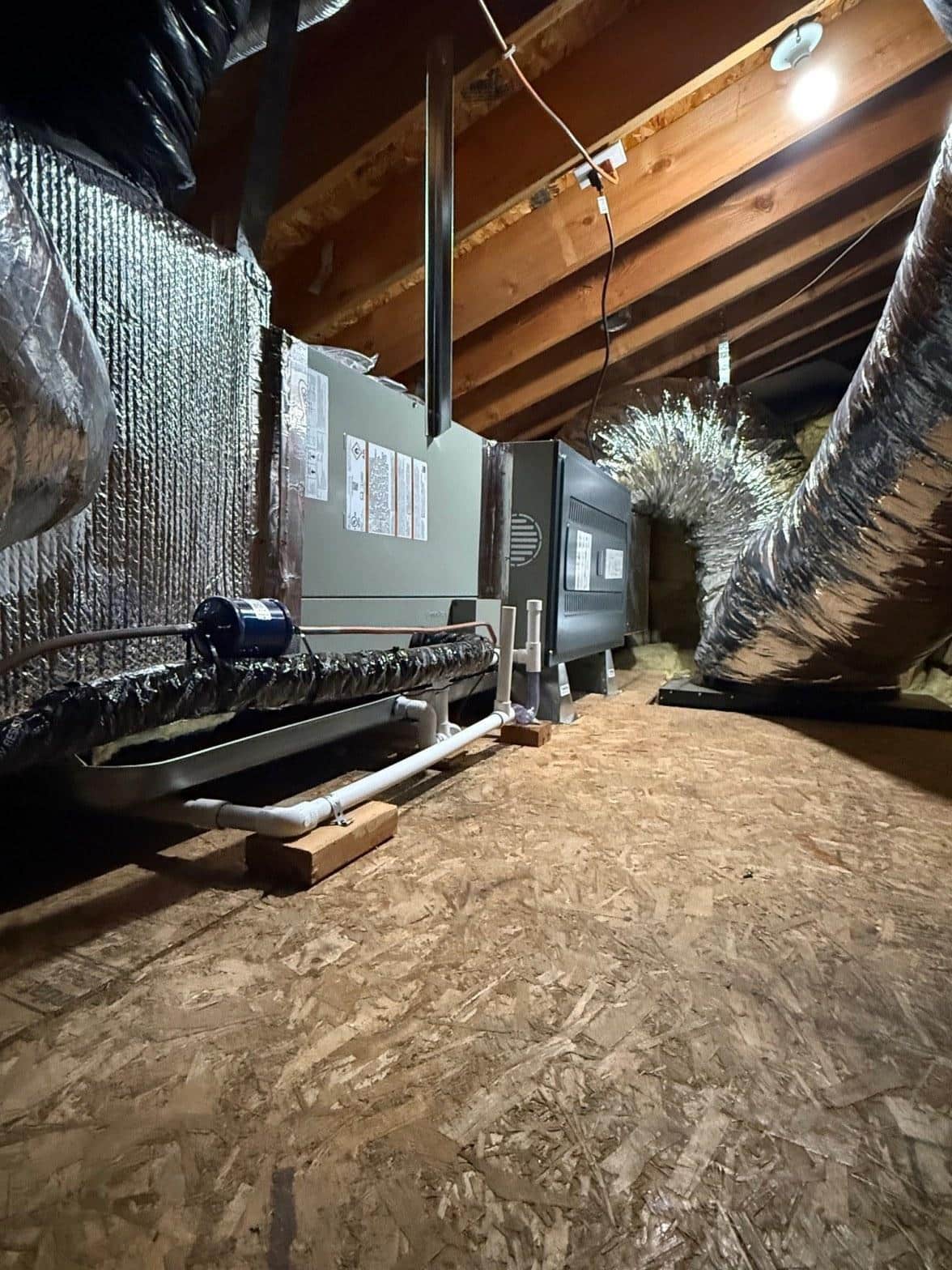
- Access and installation complexity: Furnaces in tight utility closets or attic installations take longer to service than those in open garage locations.
- After-hours or emergency service: Emergency calls outside normal business hours typically carry a premium of $50 to $150 over standard rates in this market.
- Permit requirements: Some repairs and all full replacements in California require a permit, which adds cost but ensures the work is inspected for code compliance.
If your furnace qualifies as a high-efficiency replacement (96% AFUE or higher), the Inflation Reduction Act federal tax credit allows homeowners to claim up to 30% of the cost of qualifying equipment and installation, up to $600 for furnaces as of 2026. California’s TECH Clean California program may also offer additional rebates for switching to a heat pump system. Always request a custom quote before authorizing any repair or replacement work. Call Shalom Heating & Air at (714) 886-2021 for an honest, written estimate.
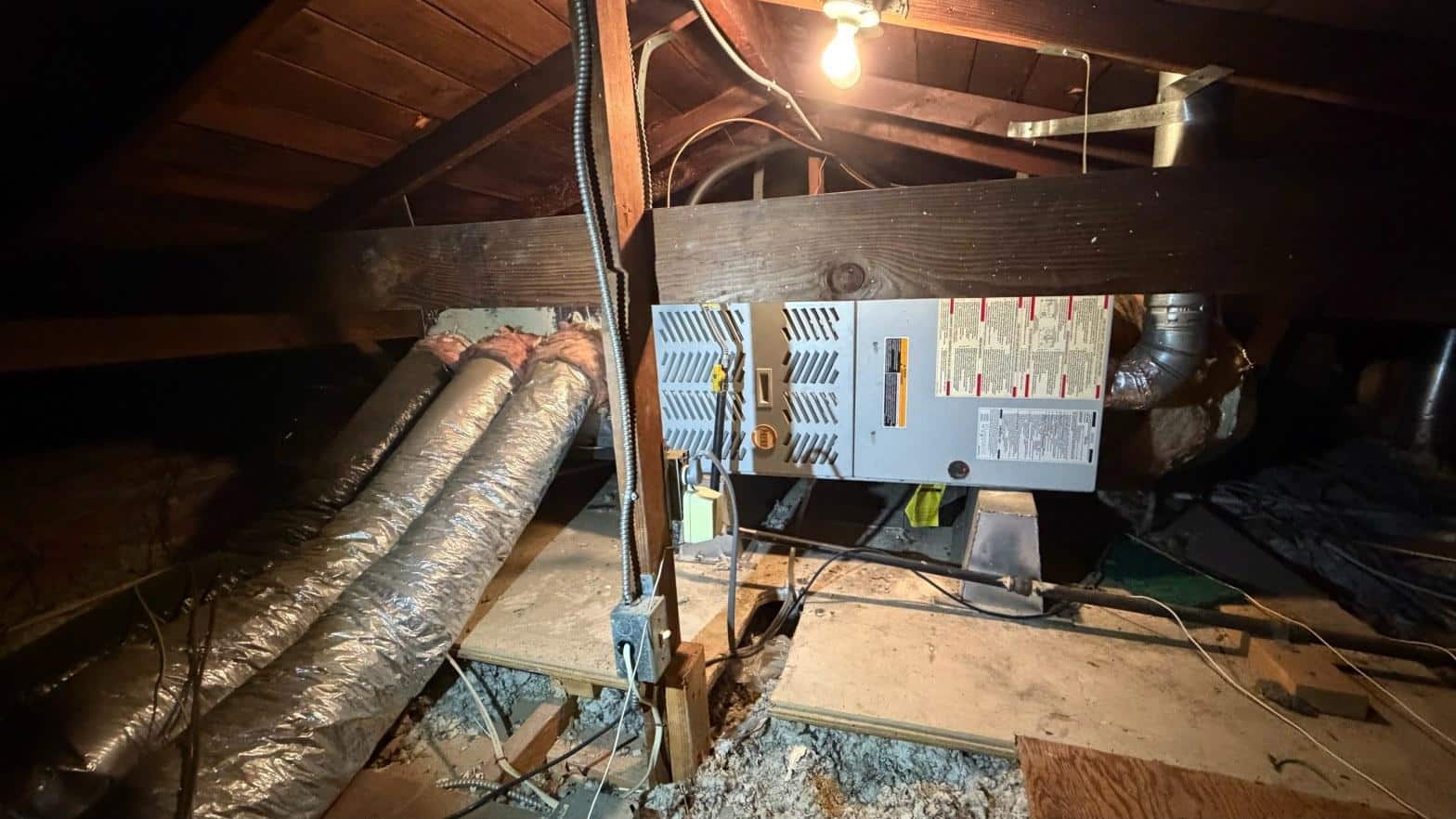
When Should You Replace Instead of Repair Your Furnace?
If your furnace is 15 years or older and the repair cost exceeds 50% of the price of a new unit, replacement is almost always the smarter financial decision. The U.S. Department of Energy recommends using this 50% threshold as a general guide when evaluating aging HVAC equipment.
If your furnace is 15 years or older and the repair cost exceeds 50% of the price of a new unit, replacement is almost always the smarter financial decision.
In our experience, about 1 in 4 furnaces we inspect on systems older than 18 years have a cracked heat exchanger that makes the unit unsafe to operate. Repairing a cracked heat exchanger on an old furnace often costs nearly as much as a new system, and the repaired unit still carries all the other wear of its age.
Additional signs that replacement makes more sense than repair:
- Your heating bills have increased significantly over the past 2-3 seasons with no change in usage habits.
- The furnace has needed repairs in 2 or more consecutive years.
- Your current unit has an AFUE rating below 80%, compared to today’s standard new units at 80-98% AFUE.
- The heat exchanger is confirmed cracked — this is a safety issue, not just a performance issue.
- Replacement parts are no longer available for your model.
- You are planning a home renovation that includes improved insulation, which would allow a properly sized smaller unit to handle the load more efficiently.
New high-efficiency furnaces installed under California’s Title 24 building energy standards must meet minimum AFUE requirements and be sized using a Manual J load calculation. Oversized furnaces short-cycle, wear out faster, and create uncomfortable temperature swings. A licensed contractor should always perform this calculation before recommending equipment size.
For homeowners considering a full HVAC upgrade, ENERGY STAR certified furnaces and heat pump systems may qualify for both the Inflation Reduction Act federal tax credit and California utility rebate programs. Ask your contractor to identify every incentive that applies before you commit to a system.
Get Expert Furnace Help Across Southern California
Following these gas furnace safety tips will protect your family through every heating season. But some checks require calibrated instruments, a trained eye, and a license to perform safely. That is where professional service pays for itself many times over.
Shalom Heating & Air serves homeowners across Southern California with honest diagnostics, licensed repairs, and full system replacements. Whether your furnace needs a tune-up before the cold sets in or you are hearing a warning sign that cannot wait, the team is ready to help. Call (714) 886-2021 to schedule your inspection or request a written quote. Same-day appointments are available for urgent heating concerns.
Explore our full range of HVAC services across Southern California.
Frequently Asked Questions
How do I know if my furnace is leaking carbon monoxide?
The most reliable way to detect carbon monoxide is a working CO detector placed within 15 feet of sleeping areas. Physical symptoms like recurring headaches, dizziness, or nausea that clear up when you leave the house can also signal a leak. A yellow or flickering burner flame and soot marks around the furnace cabinet are visual warning signs worth taking seriously. If your CO detector alarms, leave the home immediately and call 911 from outside.
How much does it cost to repair a furnace in Southern California?
Furnace repair costs in the Southern California market typically range from $150 to $350 for common parts like igniters, flame sensors, or capacitors. More complex repairs such as a heat exchanger replacement can run $1,500 to $3,500 depending on the unit and labor involved. Emergency after-hours service generally adds $50 to $150 to the standard rate. Always request a written estimate before authorizing any work.
How often should a gas furnace be serviced?
A gas furnace should be professionally inspected and tuned up once a year, ideally in the fall before heating season begins. Annual service catches cracked heat exchangers, dirty burners, and failing safety controls before they become emergencies. In addition to professional service, homeowners should replace the air filter every 1 to 3 months and test carbon monoxide detectors monthly.
Is it safe to run a gas furnace with a cracked heat exchanger?
No. A cracked heat exchanger allows combustion gases, including carbon monoxide, to mix with the air circulated through your home. This is a serious safety hazard and the furnace should be shut off immediately until the heat exchanger is repaired or the unit is replaced. A licensed technician can confirm a crack using a combustion analyzer during an inspection.
How do I repair a furnace that won't turn on?
Start by checking the thermostat setting, making sure it is set to heat and the temperature is above the current room temperature. Then check that the furnace power switch is on and the circuit breaker has not tripped. A clogged filter can cause the unit to overheat and shut down on its high-limit switch, so replacing the filter and resetting the system is the next DIY step. If the furnace still won't start after these checks, the issue is likely a failed igniter, flame sensor, or control board, all of which require a licensed technician to diagnose and replace safely.