Signs Your Furnace Needs Repair: A Homeowner’s Troubleshooting Guide
Unusual noises, rising energy bills, and uneven heat are all signs your furnace needs repair. This guide walks you through what to look for, what to check yourself, and when to call a licensed HVAC technician.
Why Do Furnaces Fail in Southern California’s Climate?
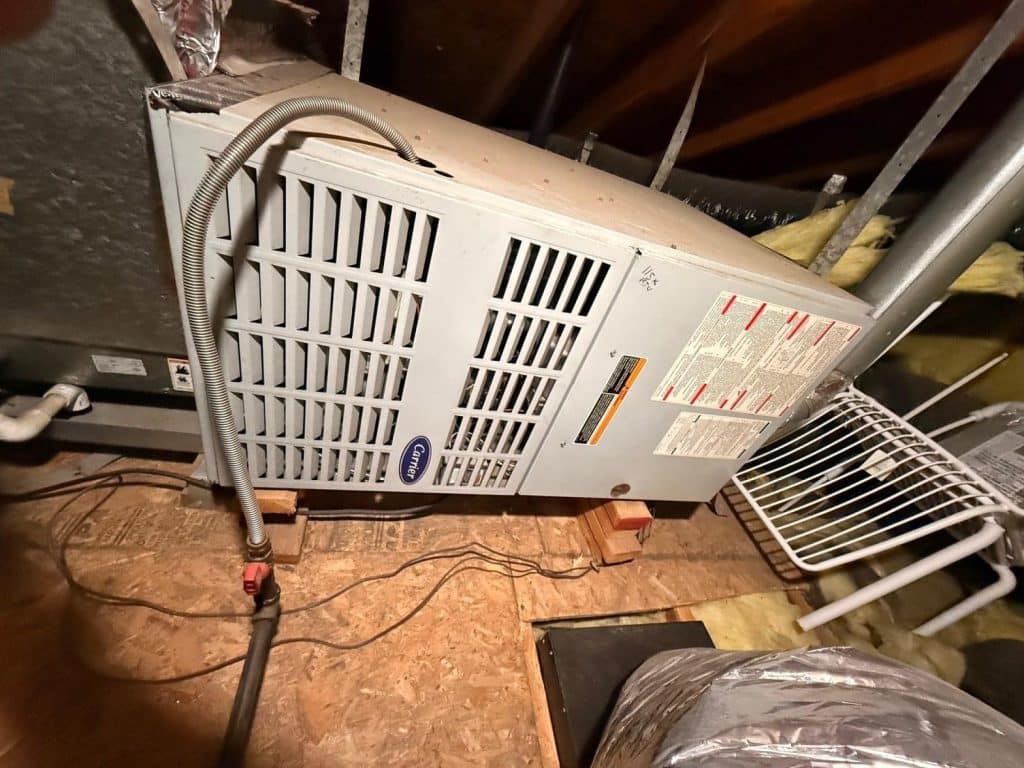
Southern California furnaces often fail not from overuse, but from long stretches of sitting idle followed by sudden heavy demand. A furnace in your area might run fewer than 60 days a year, but when temperatures dip into the low 40s overnight, it has to perform on command.
That stop-and-start pattern stresses ignition components, heat exchangers, and blower motors in ways that constant-use climates do not. Dust and debris accumulate inside the cabinet during the eight or nine months the unit sits dormant, and that buildup can block airflow, coat sensors, and cause the system to overheat the first time it fires up in fall or winter.
Housing stock across the region compounds the issue. Many homes in Los Angeles County and Orange County were built between the 1950s and 1980s, meaning a large share of the installed furnace base is 20 to 40 years old. U.S. Census housing data consistently shows that older housing stock carries a higher share of aging mechanical systems. Components on a furnace that age simply wear out, and the Southern California habit of skipping annual tune-ups accelerates that process.
Our technicians respond to roughly three times more emergency heating calls in December and January than in any other two-month window, almost all of them on units that showed at least one warning sign weeks earlier.
What Are the Warning Signs Your Furnace Needs Repair?
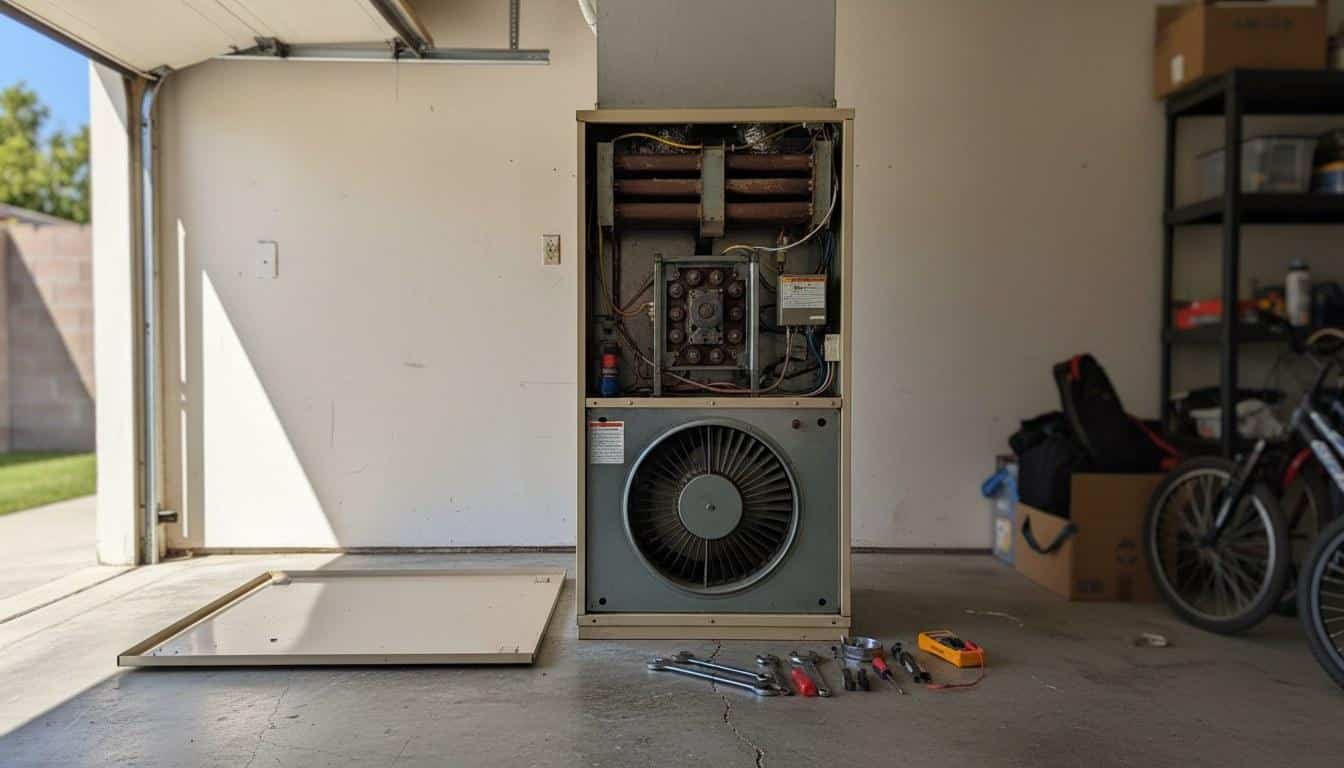
The signs your furnace needs repair are usually visible, audible, or reflected in your utility bill well before the unit stops working entirely. Catching them early is the difference between a modest repair and an emergency call on the coldest night of the year. A related guide on common AC repair warning signs covers similar early indicators homeowners should watch for year-round.
- Unusual noises: Banging, rattling, squealing, or grinding sounds during startup or operation point to loose panels, a failing blower motor bearing, or a cracked heat exchanger.
- Short cycling: The furnace turns on, runs for less than 5 minutes, shuts off, and repeats. This usually signals an overheating issue, a dirty flame sensor, or a failing limit switch.
- Weak or uneven heat: Some rooms stay cold while others reach the set temperature. Causes range from blocked vents and duct leaks to a failing blower motor or undersized equipment.
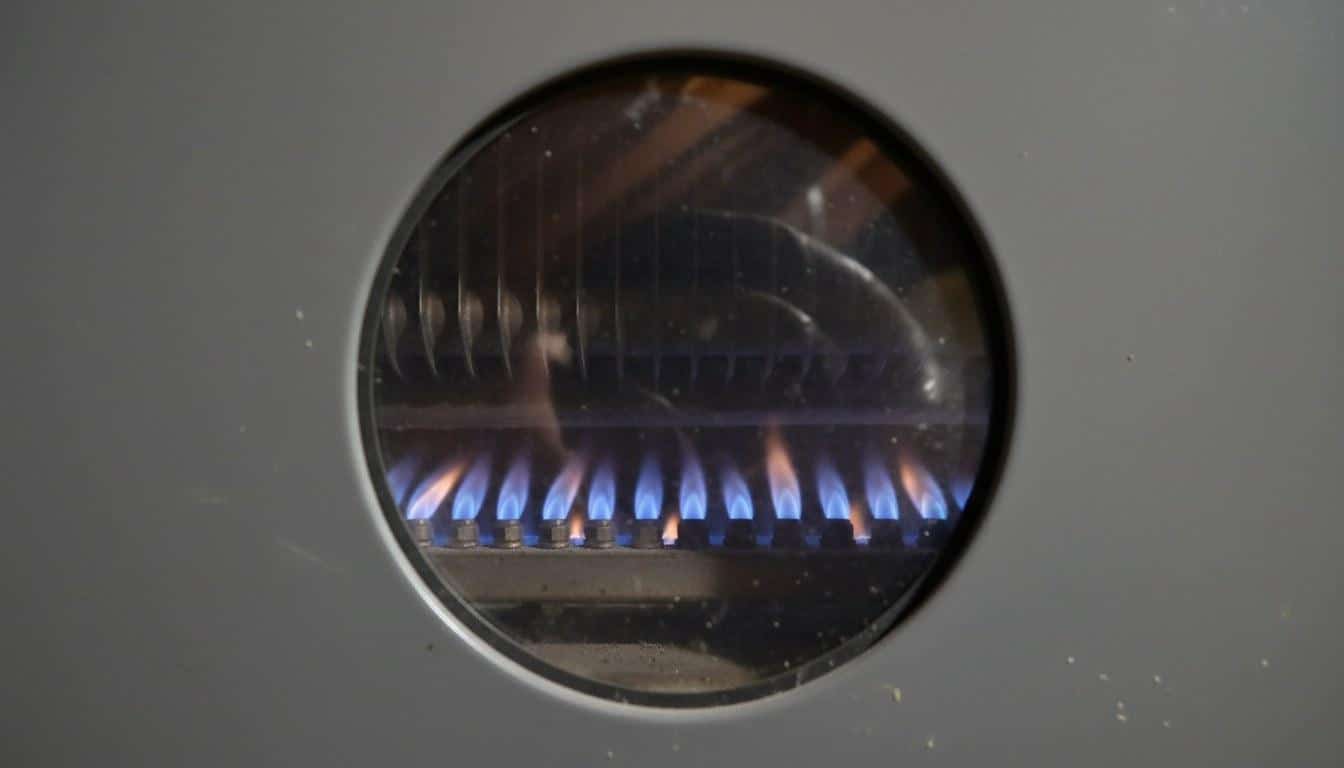
- Yellow or flickering pilot flame: A healthy gas furnace flame is steady and blue. A yellow, orange, or flickering flame can indicate incomplete combustion and a possible carbon monoxide risk.
- Sudden spike in energy bills: A furnace working harder than it should to reach the thermostat setting will consume noticeably more gas or electricity. A 15 to 25 percent increase without a change in usage habits warrants a check.
- Frequent cycling on and off: If the thermostat is set correctly but the system hunts constantly, a dirty filter, a miscalibrated thermostat, or a failing control board may be at fault.
- Soot or dust near vents: Black residue around supply registers can indicate poor combustion or a cracked heat exchanger leaking combustion gases into the airstream.
- Age over 15 years with no recent service: The U.S. Department of Energy notes that most furnaces have a service life of 15 to 20 years. A unit in that range showing any other symptom is a strong repair or replacement candidate.
Symptom, Likely Cause, and DIY or Pro? (Quick Reference Table)
Use this table to match what you are seeing or hearing to the most likely cause and decide whether it is safe to investigate yourself. When in doubt, a licensed tech should always be your next call.
| Symptom | Likely Cause | DIY or Pro? |
|---|---|---|
| No heat, thermostat set correctly | Tripped breaker, dead batteries, or pilot outage | DIY check first; call pro if reset fails |
| Banging on startup | Delayed ignition — gas buildup igniting late | Pro — potential safety issue |
| Squealing or whining | Worn blower belt or failing motor bearing | Pro — motor work requires access and parts |
| Short cycling (under 5 min) | Dirty flame sensor, overheating, or bad limit switch | DIY: check/replace filter; Pro for sensor or switch |
| Yellow or flickering flame | Combustion issue, possible CO risk | Pro immediately — do not run the unit |
| Uneven heat room to room | Duct leak, blocked register, or weak blower | DIY: check registers; Pro for duct or blower work |
| Gas smell near the unit | Gas leak | Leave the home, call the gas company immediately |
| Energy bill up 15–25% | Dirty filter, failing heat exchanger, or aging unit | DIY: replace filter; Pro for heat exchanger diagnosis |
| Soot or black dust at vents | Cracked heat exchanger or poor combustion | Pro — combustion gases in airstream are dangerous |
What Can You Check Yourself Before Calling a Tech?
Several of the most common furnace problems have simple DIY fixes that take under 10 minutes. Run through these steps before scheduling a service call — you may save yourself the trip charge.
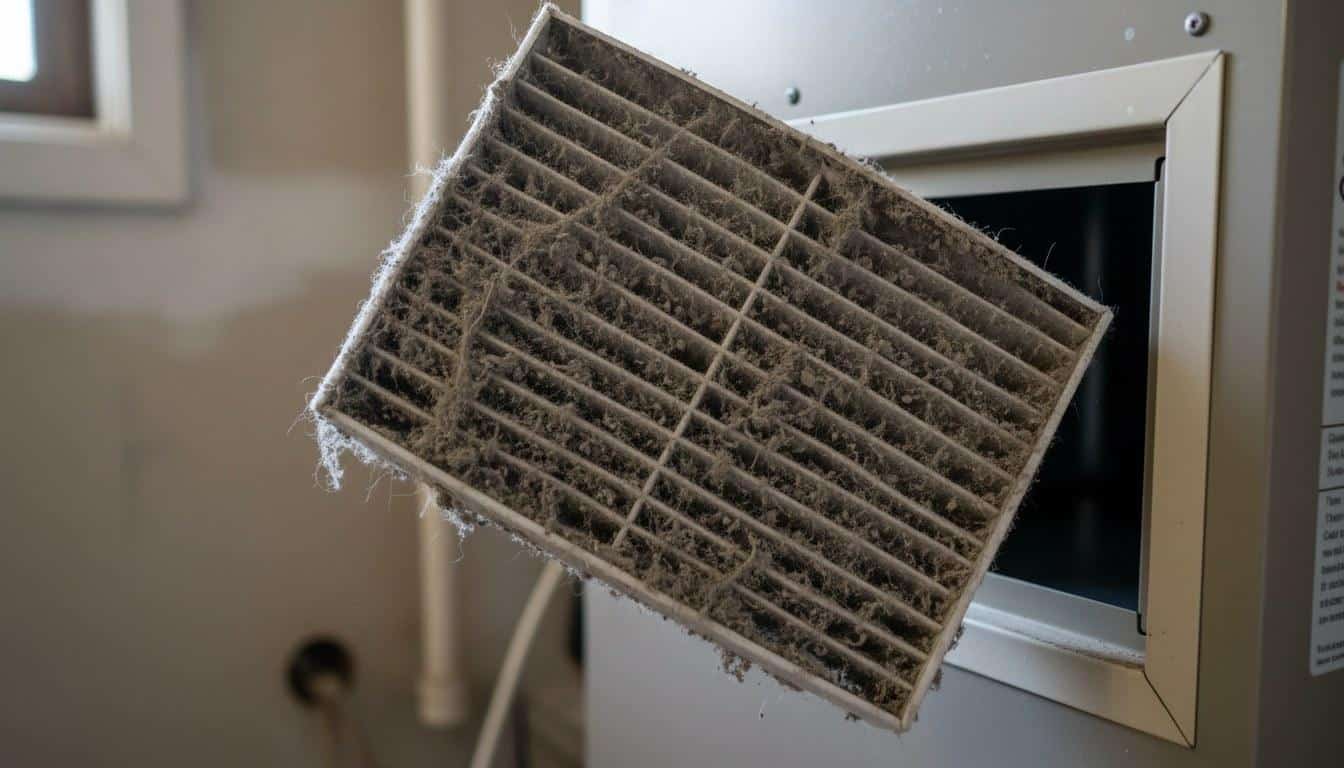
- Check and replace the air filter. A clogged filter is the single most common cause of short cycling, weak airflow, and overheating. Filters in Southern California homes should be replaced every 1 to 3 months during heating season. Hold the old filter up to light — if you cannot see light through it, replace it.
- Check the thermostat settings. Confirm the thermostat is set to HEAT (not COOL or FAN), the temperature is set at least 5 degrees above the current room temperature, and the batteries are fresh. A dead thermostat battery is behind more “no heat” calls than most homeowners expect.
- Check the circuit breaker. Locate the furnace breaker in your electrical panel. If it has tripped, reset it once. If it trips again immediately, stop and call a pro — a repeated trip signals an electrical fault.
- Check the furnace power switch. Most furnaces have a wall switch that looks like a standard light switch near the unit. Confirm it is in the ON position.
- Inspect all supply and return registers. Walk through the home and confirm every register is open and unobstructed by furniture, rugs, or drapes. Blocked registers force the system to work harder and can trigger the high-limit switch.
- Listen during startup. Turn the thermostat up and stand near the furnace. Note the sequence: you should hear the inducer motor start, then ignition within about 30 seconds, then the blower. Any loud bang, grinding, or failure to ignite within 90 seconds is a cue to call a tech.
- Check the condensate drain (high-efficiency units only). Furnaces with an AFUE rating of 90 percent or higher produce condensate. A clogged drain line can trigger a safety shutoff. Check the drain pan under the unit for standing water.
When Should You Call a Licensed HVAC Professional?
Call a licensed HVAC professional immediately if you smell gas, see a yellow or orange flame, notice soot near vents, or hear a loud bang on startup. These symptoms point to combustion or structural issues inside the furnace that carry real safety risks.
Beyond safety-critical symptoms, schedule a professional service call when:
- The DIY steps above did not resolve the problem.
- The furnace is short cycling even with a clean filter and clear registers.
- The blower runs but produces no heat.
- The unit is 15 years old or older and has not had a tune-up in the past 12 months.
- Your carbon monoxide detector has alarmed near the furnace — evacuate first, then call.
- The igniter or flame sensor needs cleaning or replacement (these require disassembly and are not safe DIY tasks).
A licensed technician will inspect the heat exchanger for cracks, test the flue for proper draft, measure the gas pressure, check electrical connections, and verify that the unit meets California’s Title 24 building energy standards for safe operation. Only a contractor Licensed by the California Contractors State License Board (CSLB) should perform gas line work, heat exchanger replacement, or any repair involving refrigerant or combustion components.
Across our service calls in the region, we find that dirty flame sensors account for roughly 30 percent of all “furnace won’t stay on” complaints — a 15-minute professional cleaning that costs far less than a parts replacement if caught early.
How Much Does Furnace Repair Cost in Southern California?
Most furnace repairs in the Southern California market range from about $150 to $650, depending on the part involved and the complexity of the diagnosis. Major component replacements push costs higher.
Most furnace repairs in the Southern California market range from about $150 to $650, depending on the part involved; heat exchanger replacement can exceed $1,000 and often tips the math toward full replacement.
Here is a breakdown of common repair categories and the factors that move the price:
| Repair Type | Typical Market Range (Southern CA) | Key Cost Factors |
|---|---|---|
| Flame sensor cleaning or replacement | $80 – $200 | Labor time, sensor accessibility |
| Igniter replacement | $150 – $300 | Igniter type (hot surface vs. spark), brand availability |
| Blower motor replacement | $300 – $650 | Motor size, variable-speed vs. single-speed, labor access |
| Control board replacement | $350 – $700 | Board compatibility, parts lead time |
| Heat exchanger replacement | $800 – $2,000+ | Furnace age, part availability — replacement often recommended instead |
| Annual tune-up (preventive) | $80 – $150 | Number of systems, add-on filter service |
Emergency or after-hours service calls typically add $50 to $150 to any repair. Parts availability for older or discontinued furnace brands can extend both lead time and cost. Units older than 15 years with a heat exchanger failure are almost always more cost-effective to replace than repair, especially given current ENERGY STAR-rated furnace efficiency gains and the Inflation Reduction Act federal tax credit of up to $600 for qualifying high-efficiency heating equipment.
Units older than 15 years with a heat exchanger failure are almost always more cost-effective to replace than repair, especially given current ENERGY STAR-rated furnace efficiency gains.
TECH Clean California rebate programs may also offset replacement costs for households switching to a heat pump or high-AFUE gas furnace. Ask your contractor to check current program availability when you request a quote.
These ranges reflect regional market conditions and are not quotes from any specific provider. Contact Shalom Heating & Air at (714) 886-2021 for a written estimate on your specific system.
Get Your Furnace Serviced in Southern California
Do not wait for a complete breakdown to address the signs your furnace needs repair. A quick inspection now — before the coldest stretch of the year arrives — almost always costs less than an emergency call at 10 p.m. in December.
Shalom Heating & Air serves homeowners and businesses across Los Angeles County, Orange County, and surrounding communities. Whether you need a diagnostic visit, a flame sensor cleaning, a blower motor replacement, or a full system evaluation, the team is ready to help.
Call (714) 886-2021 to schedule your furnace inspection or request a written repair quote. Same-day appointments are available for urgent heating issues across the region.
Explore our full range of HVAC services across Southern California.
Frequently Asked Questions
How do I know if my furnace needs repair or just a tune-up?
If your furnace is making unusual noises, short cycling, producing uneven heat, or causing a noticeable spike in your energy bill, those are signs your furnace needs repair rather than just routine maintenance. A tune-up addresses cleaning and adjustment; a repair addresses a failed or failing component. When in doubt, a diagnostic visit from a licensed HVAC tech will tell you exactly what the unit needs.
How much does it cost to repair a furnace in Southern California?
Furnace repair costs in the Southern California market typically range from about $150 for a simple flame sensor cleaning to $650 or more for a blower motor replacement. Heat exchanger work can exceed $1,000, at which point replacement often makes more financial sense. The final cost depends on the part involved, the age of the unit, and whether the repair is scheduled or emergency. Call (714) 886-2021 for a written quote from Shalom Heating & Air.
Why does my furnace turn on and off every few minutes?
A furnace that turns on and off repeatedly — called short cycling — is usually overheating and triggering its own safety limit switch. The most common causes are a clogged air filter restricting airflow, a dirty flame sensor that cannot confirm the burner is lit, or a failing limit switch. Start by replacing the air filter; if the short cycling continues, a licensed technician should inspect the flame sensor and limit switch.
Is a yellow flame on my furnace dangerous?
Yes, a yellow or orange flame on a gas furnace is a warning sign that should not be ignored. A healthy burner flame is steady and blue. A yellow flame indicates incomplete combustion, which can produce carbon monoxide. Stop running the furnace and call a licensed HVAC professional for an inspection before using the unit again.
How often should a furnace be serviced to avoid repairs?
The U.S. Department of Energy recommends annual furnace maintenance before the start of each heating season. In Southern California, where furnaces often sit idle for 8 or more months, a fall tune-up is especially important because dust and debris accumulate during the off-season and can cause ignition failures, sensor faults, and overheating when the unit first runs. Annual service typically costs $80 to $150 and can prevent repairs that cost several times more.