High-SEER Central AC: Is the ROI Worth It? A Complete Buying Guide
Upgrading to a high-SEER central AC can cut your cooling bills significantly, but the payback timeline depends on your home, climate, and how much you run the system. This guide walks you through everything you need to know before you buy.
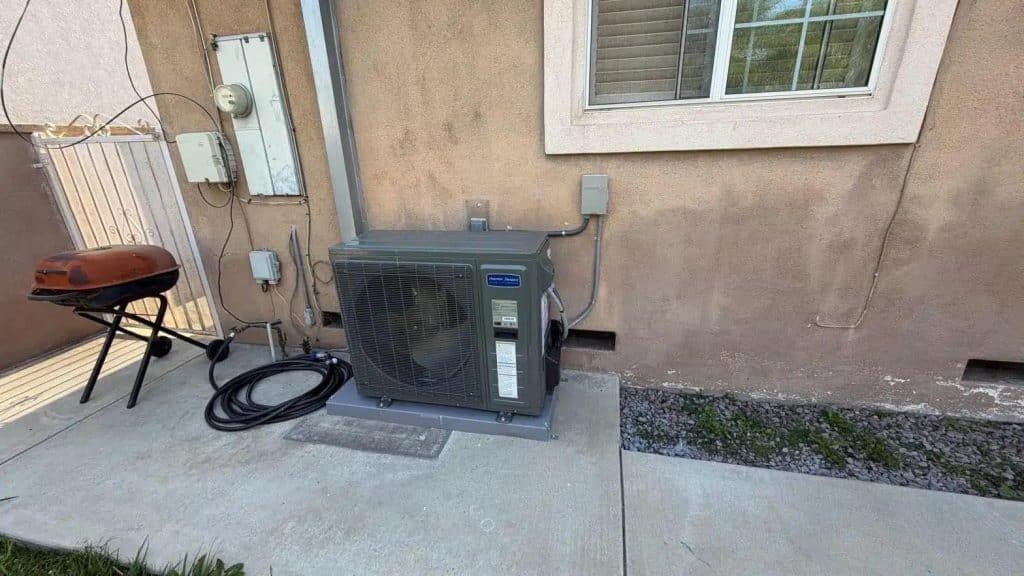
What Is a SEER Rating and Why Does It Matter for Your Wallet?
SEER stands for Seasonal Energy Efficiency Ratio, and it measures how much cooling a system delivers per unit of electricity it consumes over an entire season. The higher the SEER number, the less electricity the system uses to keep your home comfortable. This high seer central ac guide is designed to help you decide whether paying more upfront for a high-efficiency system will actually save you money over time.
As of 2023, the U.S. Department of Energy updated the efficiency standard to a new metric called SEER2, which uses a more realistic test pressure to better reflect real-world performance. The minimum SEER2 rating allowed for new central AC installations in California is 14.3, which is roughly equivalent to the old SEER 15. High-efficiency systems typically start at SEER2 16 and can reach SEER2 24 or higher on premium models.
Think of SEER2 like miles per gallon on a car. A system rated SEER2 22 is not twice as fast as one rated SEER2 11, but it uses roughly half the fuel to do the same job. Over a long, hot California summer, that difference shows up clearly on your utility bill.
California’s warm climate means air conditioners run for six months or more each year in many parts of the state. That extended run time is exactly why efficiency ratings matter more here than in cooler regions. California’s Title 24 building energy standards already push minimum efficiency requirements above the federal baseline, so any system you install in the state must meet a higher bar from the start.
What Does a High-SEER Central AC System Actually Cost?
In the Southern California market, a complete central AC replacement, including equipment and installation, typically ranges from about $4,500 to $12,000 or more depending on system size, efficiency tier, and the complexity of the installation. A standard SEER2 14.3 system sits at the lower end of that range, while a SEER2 20-plus system with variable-speed components sits at the higher end.
Several factors push the installed price up or down:
- System size (tonnage): A 2-ton unit costs less than a 4-ton unit. Proper sizing requires a Manual J load calculation from a qualified contractor, not just a square-footage estimate.
- Efficiency tier: Moving from SEER2 16 to SEER2 20 can add $1,000 to $3,000 to the equipment cost alone.
- Single-stage vs. two-stage vs. variable-speed compressor: Variable-speed systems cost the most upfront but run the most efficiently and maintain steadier indoor temperatures.
- Ductwork condition: If existing ducts leak or are undersized, repairs or replacement add to the total project cost.
- Permit and inspection fees: California requires permits for new HVAC installations, and fees vary by jurisdiction.
- Refrigerant type: Systems using newer, lower-emission refrigerants like R-454B may carry a slight premium as the industry transitions away from R-410A under EPA refrigerant regulations (Section 608).
Federal incentives can offset a meaningful portion of these costs. The Inflation Reduction Act federal tax credit allows homeowners to claim up to 30 percent of the cost of a qualifying high-efficiency heat pump or central AC system, up to $600 for a central AC unit, through at least 2032. California’s TECH Clean California and utility rebate programs may stack on top of that, depending on your utility provider and the system you choose.
The Inflation Reduction Act federal tax credit allows homeowners to claim up to 30 percent of the cost of a qualifying high-efficiency central AC system through at least 2032.
Always request a written, itemized quote before any work begins. Prices vary between contractors, and a detailed quote protects you from surprise add-ons after the job starts.
How Long Does It Take to Break Even on a High-SEER System?
The payback period for a high-SEER central AC system in California typically falls between five and ten years, depending on how often you run the system, your local electricity rate, and how much more you paid for the higher-efficiency model. Homeowners in hotter inland areas with longer cooling seasons generally see faster payback than those in mild coastal zones.
Here is a simplified way to estimate your own payback. If upgrading from a SEER2 14.3 system to a SEER2 20 system saves you roughly 28 percent on cooling electricity, and your annual cooling bill is $1,200, you save about $336 per year. If the efficiency upgrade added $2,500 to the system cost, you break even in roughly seven to eight years. After that, the savings are pure return on investment.
California’s electricity rates are among the highest in the nation, which actually works in favor of high-SEER systems. The more you pay per kilowatt-hour, the more valuable each unit of efficiency becomes. In 2024, average residential electricity rates in California hovered around 28 to 32 cents per kilowatt-hour in many utility territories, roughly double the national average. That gap accelerates the payback math significantly.
In 2024, average residential electricity rates in California hovered around 28 to 32 cents per kilowatt-hour in many utility territories, roughly double the national average, which accelerates the payback math significantly.
Our technicians often find that older systems running at SEER 8 or 10 are still in service in homes across the region. Replacing one of those aging units with a modern SEER2 18 system can cut cooling electricity consumption nearly in half, which changes the payback calculation dramatically.
What Factors Determine Whether a High-SEER System Is Worth It for Your Home?
The three factors with the biggest impact on whether a high-SEER system pays off are how many months per year you run the AC, your local electricity rate, and how long you plan to stay in the home. If all three lean toward higher use and longer ownership, the investment is almost always justified.
How Long Is Your Cooling Season?
Inland communities in Southern California can run central AC from May through October, sometimes longer. A six-month cooling season means the system accumulates thousands of operating hours over its lifespan. More hours equals more savings from higher efficiency. Coastal areas with natural ocean breezes may only need AC for two or three months, which stretches the payback period considerably.
How Well Is Your Home Insulated?
A high-SEER system installed in a poorly insulated home will still work hard to maintain temperature. Before spending extra on a premium AC unit, it is worth checking attic insulation levels (the U.S. Department of Energy recommends R-38 to R-60 for attics in California’s climate zones), sealing duct leaks, and addressing air infiltration around windows and doors. Envelope improvements and a high-SEER system together deliver the best combined return.
Is Your Ductwork in Good Shape?
Studies from the California Energy Commission estimate that leaky ducts can waste 20 to 30 percent of conditioned air before it reaches living spaces. A SEER2 20 system pushing conditioned air through ducts that lose 25 percent of output effectively performs closer to a SEER2 15 in practice. Duct sealing or replacement should be evaluated alongside any high-efficiency equipment purchase.
How Long Do You Plan to Stay?
If you plan to sell the home within three years, the energy savings alone may not recoup the efficiency premium. However, a new high-efficiency system does add measurable value at resale, particularly in a market where buyers increasingly ask about utility costs and ENERGY STAR ratings.
How Do Different SEER Levels Compare? A Side-by-Side Look
This high seer central ac guide would not be complete without a direct comparison of the main efficiency tiers available today. The table below shows how the most common SEER2 levels stack up across the criteria that matter most to California homeowners.
| SEER2 Rating | Efficiency Tier | Typical Compressor Type | Best For | Relative Equipment Cost |
|---|---|---|---|---|
| 14.3 (minimum) | Standard | Single-stage | Mild climates, short cooling seasons, tight budgets | Lowest |
| 16 to 17 | Mid-efficiency | Single-stage or two-stage | Moderate cooling seasons, good payback balance | Moderate |
| 18 to 20 | High-efficiency | Two-stage or variable-speed | Long cooling seasons, high electricity rates, comfort-focused buyers | Higher |
| 21 and above | Premium efficiency | Variable-speed | Maximum savings, whole-home comfort, long-term ownership | Highest |
Variable-speed systems do more than save electricity. They run at lower speeds for longer periods, which removes more humidity from the air and maintains a steadier indoor temperature. In California’s drier climate, humidity control is less of a driver than in the Southeast, but the comfort improvement from steadier temperatures is still noticeable. ENERGY STAR-certified models at SEER2 16 and above are eligible for the most rebate programs and tax incentives.
Two-stage systems offer a middle ground. They run at a lower capacity setting about 80 percent of the time and ramp up to full power only on the hottest days. This alone can reduce energy use by 15 to 20 percent compared to a single-stage unit of the same SEER2 rating, because the system avoids the energy spike of repeated on-off cycling.
What Mistakes Should You Avoid When Buying a High-SEER Central AC?
The most common and costly mistake is buying a high-SEER system without addressing the factors that limit its real-world performance. A premium unit installed incorrectly or paired with leaky ducts will never deliver the efficiency its rating promises.
- Skipping the Manual J calculation: Oversized systems short-cycle, which means they turn on and off too frequently. This wastes energy, increases wear, and reduces dehumidification. Always insist on a proper load calculation before sizing is finalized.
- Choosing SEER2 rating over contractor quality: A SEER2 20 system installed by an under-qualified contractor can underperform a SEER2 16 system installed correctly. Verify that any contractor you hire is licensed by the California Contractors State License Board (CSLB) before signing a contract.
- Ignoring duct condition: As noted above, duct losses can erase much of the efficiency premium you paid for. Ask for a duct leakage test as part of the installation process.
- Focusing only on the equipment price: The cheapest installed price often reflects a lower-efficiency unit or shortcuts in the installation. Compare quotes on equal equipment and scope, not just the bottom-line number.
- Missing rebate and tax credit deadlines: The Inflation Reduction Act federal tax credit and California utility rebates have specific requirements about equipment ratings and installation dates. Confirm eligibility before you commit to a model.
- Buying more SEER than your climate justifies: In a mild coastal zone with a two-month cooling season, a SEER2 22 system may take 15 or more years to pay back its premium. Match the efficiency tier to your actual climate and usage pattern.
- Neglecting maintenance after installation: Even the most efficient system loses performance quickly if filters are not changed, coils are not cleaned, and refrigerant charge is not verified annually. A dirty condenser coil alone can drop effective efficiency by 10 to 15 percent.
How Do You Get the Most Out of a High-SEER System Once It Is Installed?
Proper installation is only the starting point. Ongoing maintenance and smart operation habits determine whether a high-SEER system delivers its rated efficiency year after year. Most manufacturers require annual professional maintenance to keep the warranty valid, and ACCA (Air Conditioning Contractors of America) standards recommend a full tune-up every year before the cooling season begins.
Set Your Thermostat Strategically
The U.S. Department of Energy recommends setting your thermostat to 78 degrees Fahrenheit when you are home and higher when you are away. Each degree you raise the setpoint while cooling reduces energy use by roughly 3 percent. A programmable or smart thermostat paired with a variable-speed system can automate these adjustments and maximize savings without sacrificing comfort.
Keep the Outdoor Unit Clear
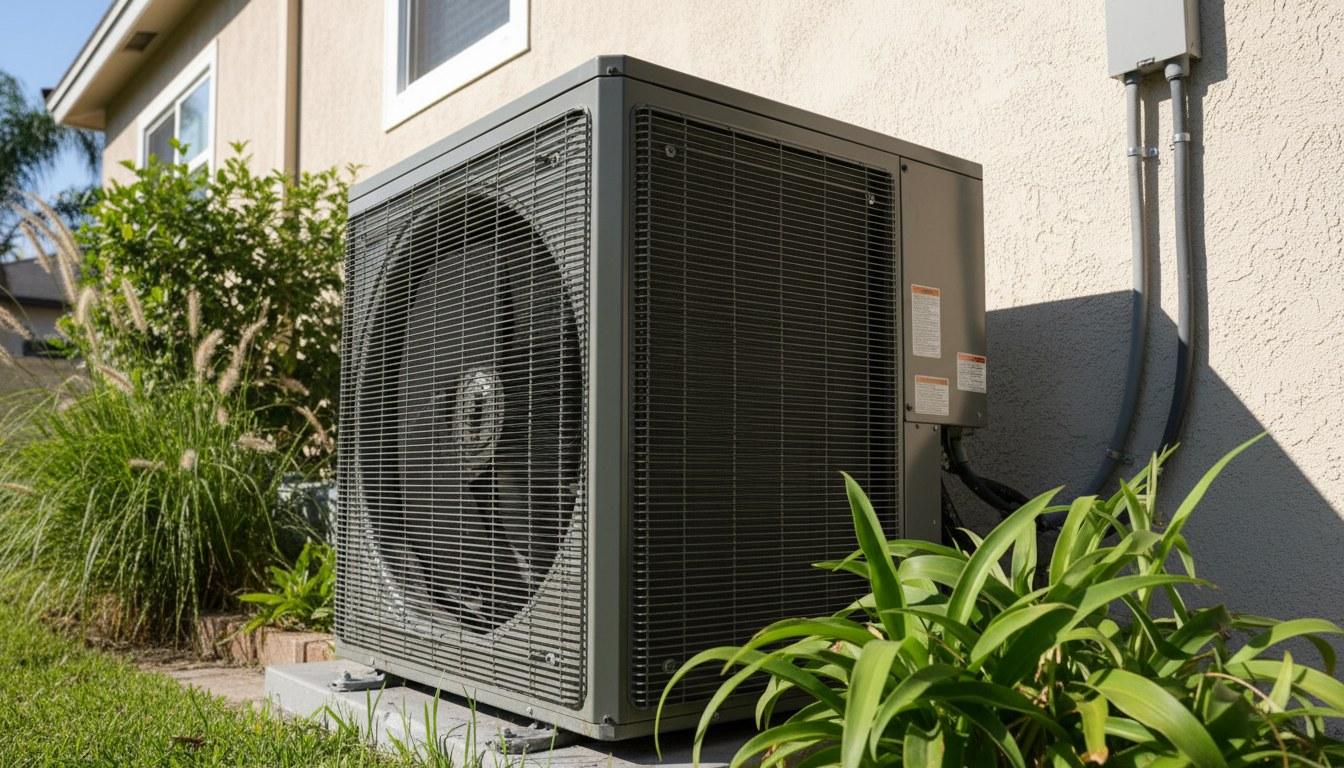
The condenser unit needs at least two feet of clearance on all sides for proper airflow. Overgrown shrubs, stored items, or debris against the unit force the system to work harder and can raise the effective operating temperature of the refrigerant cycle. We see condenser coils clogged with cottonwood seeds, leaf debris, and dried grass clippings on many service calls, and clearing them is one of the fastest ways to restore rated efficiency.
Change Filters on Schedule
A clogged air filter restricts airflow across the evaporator coil, which reduces cooling capacity and forces the system to run longer. Most residential filters should be replaced every 30 to 90 days depending on filter type and household conditions. Thicker media filters (4 to 5 inches) can last up to 12 months but must be the correct MERV rating for your system to avoid airflow restriction.
Schedule Annual Professional Tune-Ups
A professional tune-up includes checking refrigerant charge, cleaning coils, inspecting electrical connections, lubricating moving parts, and verifying airflow. Low refrigerant charge is one of the most common reasons a high-SEER system underperforms. Even a 10 percent undercharge can reduce efficiency by up to 20 percent and can damage the compressor over time if left uncorrected.
Ready to Upgrade? Get Expert Advice from Shalom Heating & Air
Choosing the right efficiency tier for your home is not a one-size-fits-all decision. The payback math, the right system size, and the rebate programs available all depend on your specific home, climate zone, and usage patterns.
Shalom Heating & Air helps homeowners across Southern California navigate this decision with honest, no-pressure guidance. Whether you are comparing SEER2 tiers, trying to understand what rebates you qualify for, or simply need a second opinion on a quote you have already received, the team is ready to help.
Call (714) 886-2021 to schedule a consultation or request a written quote. A licensed, insured technician will evaluate your home, run the numbers, and help you choose a system that delivers real value, not just a high rating on a spec sheet.
Explore our full range of HVAC services across Southern California.
Frequently Asked Questions
How much does it usually cost to replace a central AC unit in Southern California?
A complete central AC replacement in Southern California typically runs between $4,500 and $12,000 or more, depending on system size, efficiency rating, and installation complexity. Higher-SEER systems with variable-speed compressors sit at the top of that range. Federal tax credits and California utility rebates can reduce your out-of-pocket cost, so ask your contractor about eligibility before you commit to a model.
Is a SEER2 20 air conditioner really worth the extra money?
For most California homeowners with a long cooling season and high electricity rates, a SEER2 20 system is worth the premium. The payback period is typically five to nine years, after which the energy savings represent a direct return on your investment. Homeowners in mild coastal areas with shorter cooling seasons should run the numbers carefully, since the payback period can stretch to 12 years or more in those cases.
What is the minimum SEER rating allowed for a new AC installation in California right now?
As of 2023, California requires new central AC installations to meet a minimum SEER2 rating of 14.3, which replaced the older SEER 14 standard under updated federal and state rules. California's Title 24 building energy standards may impose additional requirements depending on the climate zone where your home is located. Your installing contractor is responsible for ensuring the system meets all applicable codes.
Can I get a tax credit for buying a high-efficiency air conditioner?
Yes. The Inflation Reduction Act federal tax credit allows homeowners to claim up to 30 percent of the cost of a qualifying high-efficiency central AC system, up to $600 for a central air conditioner, through at least 2032. To qualify, the system must meet ENERGY STAR efficiency thresholds. California utility rebate programs may also be available and can stack with the federal credit, so check with your utility provider and contractor before purchasing.
How do I know if my current AC system needs to be replaced or just repaired?
If your system is more than 15 years old, requires refrigerant recharging, or needs a repair that costs more than half the price of a new unit, replacement is usually the smarter financial choice. Systems older than 10 years running at SEER 10 or below are also strong replacement candidates, since a modern high-SEER system can cut cooling electricity use by 30 to 50 percent compared to that older equipment. A licensed HVAC technician can assess your system and give you an honest comparison of repair versus replacement costs.