High-SEER Central AC: Is the ROI Worth It? A Complete Buying Guide
High-SEER central AC systems cost more upfront but can cut cooling bills significantly over time. This guide explains how to decide if the investment makes sense for your home.
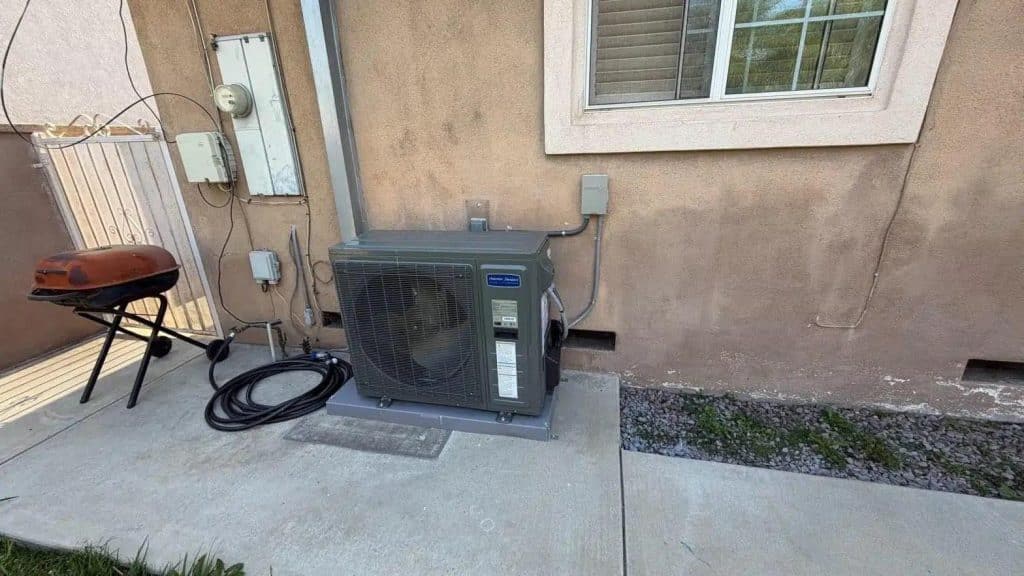
A high-SEER central AC system can cut your cooling costs by 20–40% compared to an older, low-efficiency unit — but whether the ROI is worth it depends on your climate, usage habits, and how you finance the upgrade. This high seer central ac guide walks through every factor that affects payback time, from equipment ratings to California rebate programs, so you can make a confident buying decision.
What Does SEER2 Actually Mean for Your Energy Bill?
SEER2 (Seasonal Energy Efficiency Ratio 2) measures how much cooling an air conditioner delivers per watt-hour of electricity it consumes over an entire cooling season. The higher the number, the less electricity the system uses to produce the same amount of cooling. ENERGY STAR sets the minimum threshold for its certified central AC units at 15 SEER2 as of 2023.
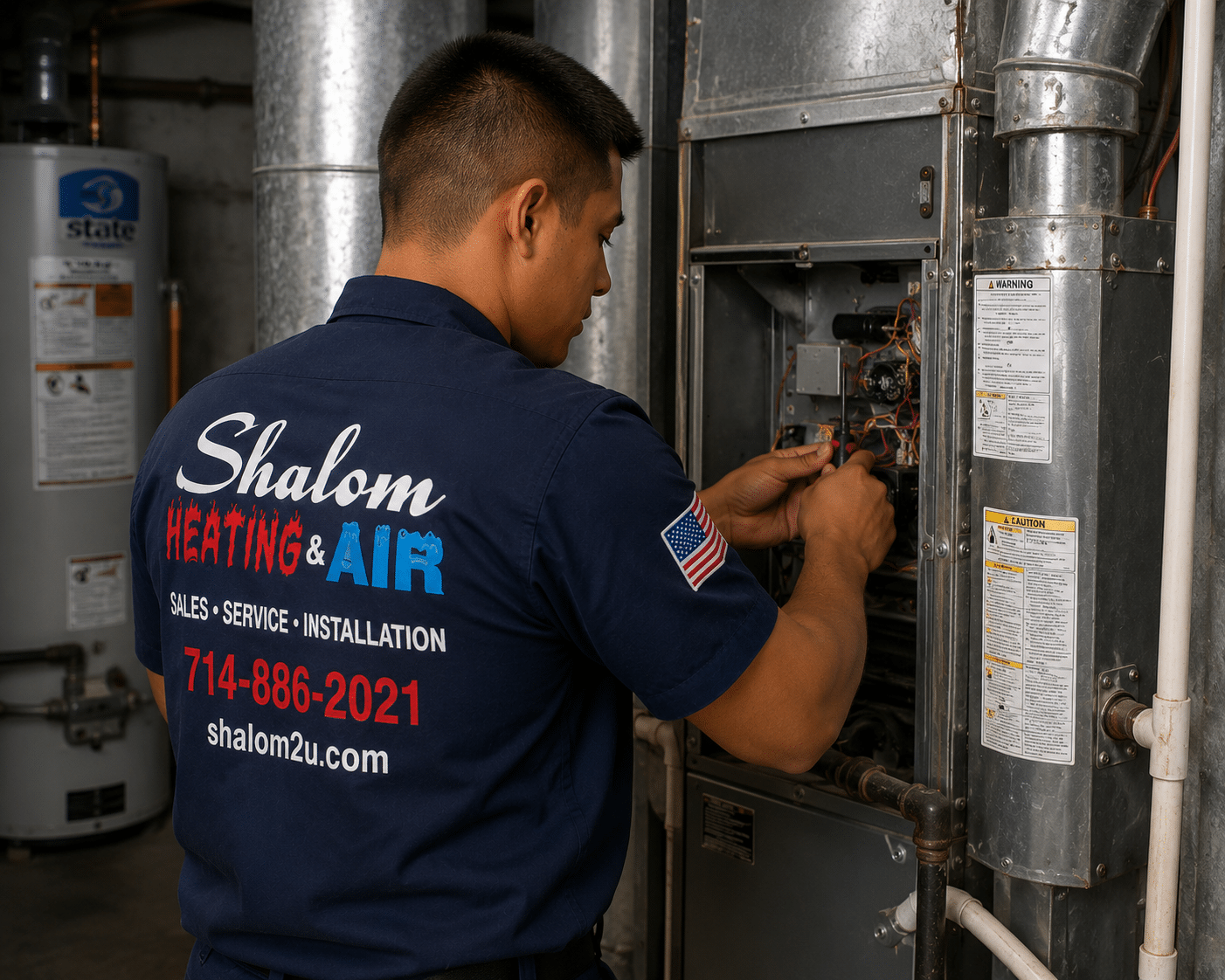
As of the 2023 U.S. Department of Energy regional standards update, new central AC systems sold in the Southwest — including California — must meet a minimum of 15 SEER2. That replaced the older 14 SEER minimum. Systems marketed as “high-efficiency” typically start at 18 SEER2 and can reach 26 SEER2 or higher on top-tier variable-speed models.
The practical impact on your bill is real. A home running a 10-SEER unit that upgrades to a 20-SEER2 system uses roughly half the electricity for the same cooling output. In Southern California, where summer temperatures routinely exceed 95°F and NOAA climate data shows the cooling season stretching from May through October, that efficiency gap adds up fast.
A home running a 10-SEER unit that upgrades to a 20-SEER2 system uses roughly half the electricity for the same cooling output.
What Is a ‘High-SEER’ Rating and Where Does the Bar Start?
In the current market, a central AC system rated at 18 SEER2 or above is generally considered high-efficiency. Systems between 15 and 17 SEER2 meet the new federal minimum but are mid-range, not high-efficiency. Premium systems from major manufacturers now reach 24–26 SEER2 using variable-speed compressors and two-stage cooling.
Here is a quick breakdown of where each tier falls:
- 15–17 SEER2: Meets the 2023 Southwest federal minimum. Good baseline efficiency, lower upfront cost.
- 18–20 SEER2: Solid high-efficiency range. Qualifies for most utility rebates and the Inflation Reduction Act federal tax credit.
- 21–24 SEER2: Premium tier. Variable-speed compressors deliver precise temperature control and quieter operation.
- 25 SEER2 and above: Top-of-market. Best for large homes, high usage, or homeowners planning to stay 10-plus years.
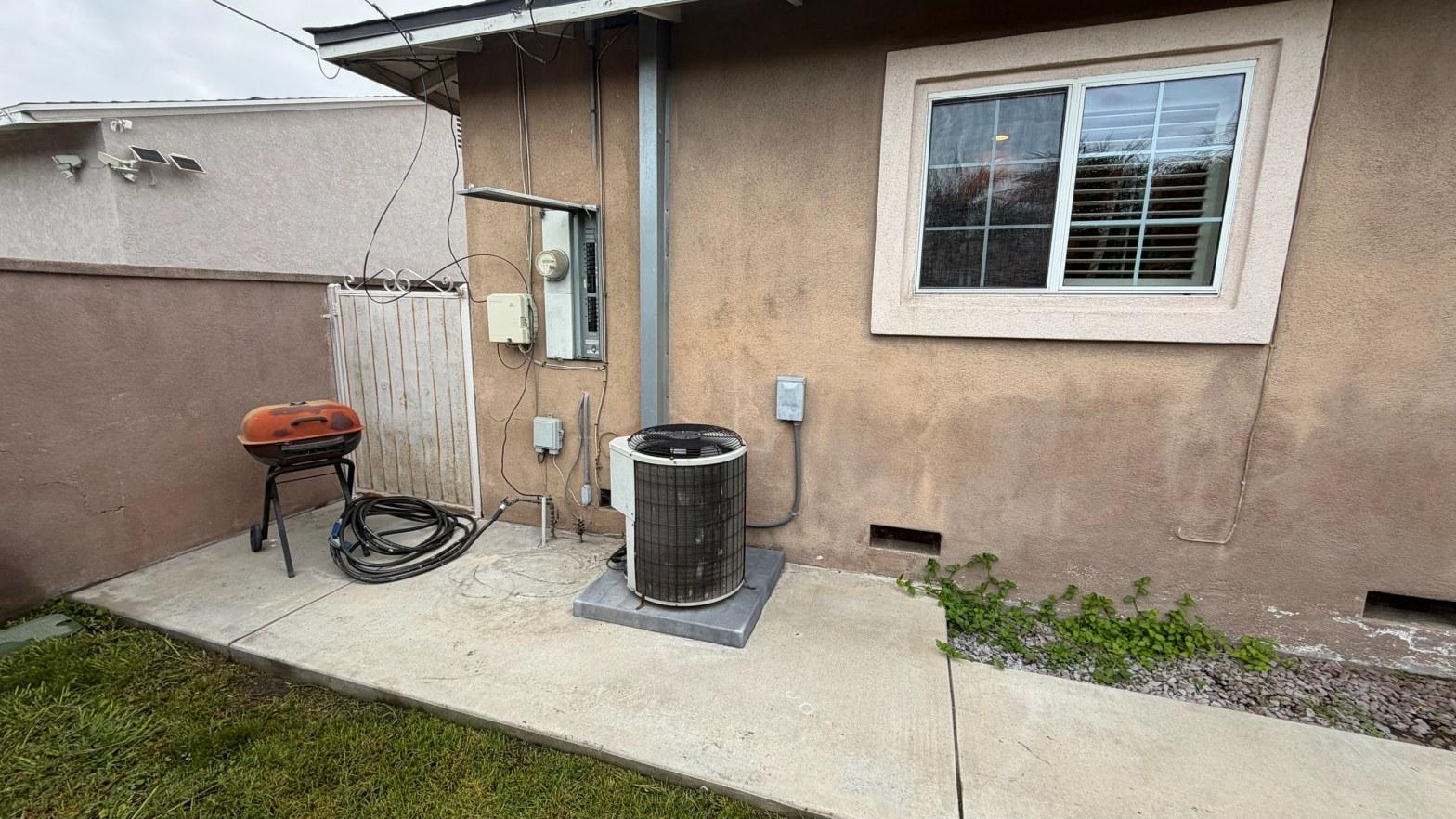
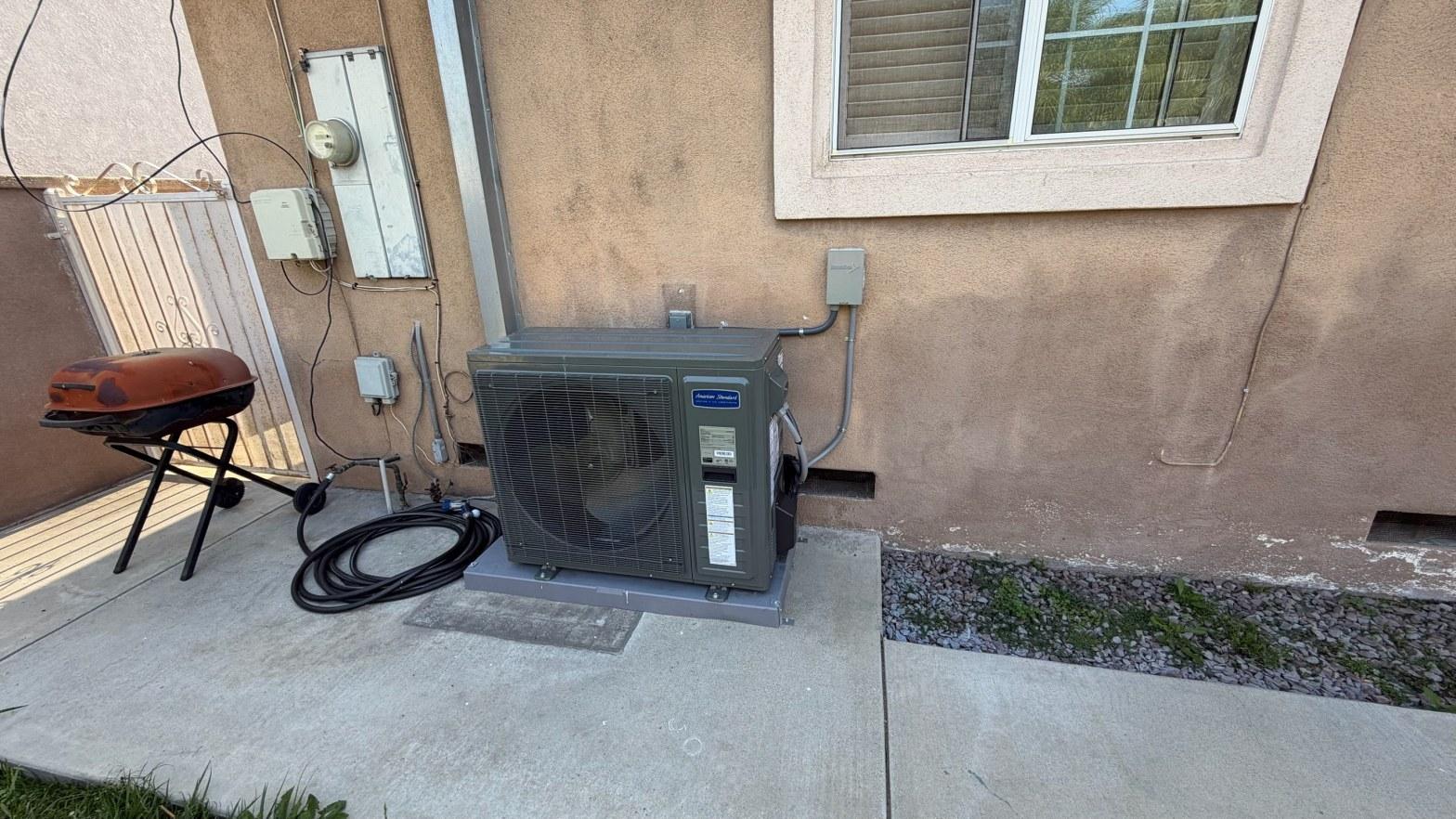
Our technicians replace roughly 3 out of every 5 central AC systems in homes that are still running equipment rated below 13 SEER — units that predate the 2006 federal standards and are now 15 or more years old. Those homes see the largest efficiency gains after an upgrade.
How Much Does a High-SEER Central AC System Cost?
In the Southern California market, a complete central AC installation — equipment plus labor — typically ranges from $4,500 to $12,000 depending on system size, SEER2 rating, and installation complexity. High-SEER systems (18 SEER2 and above) generally sit in the $6,500–$12,000 range before rebates.
Several factors move the price within that range:
- Tonnage (system size): A 2-ton system for a smaller home costs less than a 4- or 5-ton system for a large one. Proper sizing requires a Manual J load calculation per ACCA standards — never just matching the old unit’s size.
- SEER2 rating: Each efficiency tier adds cost. Moving from 15 to 18 SEER2 typically adds $800–$1,500 to equipment cost. Moving from 18 to 24 SEER2 can add another $1,500–$3,000.
- Single-stage vs. two-stage vs. variable-speed compressor: Variable-speed units cost the most upfront but deliver the highest efficiency and comfort.
- Ductwork condition: Leaky or undersized ducts can waste 20–30% of conditioned air. If duct repairs are needed, budget an additional $500–$2,500.
- Refrigerant type: Systems using the newer R-454B or R-32 refrigerant comply with EPA refrigerant regulations (Section 608) and California’s phase-down schedule. These units may carry a small premium but avoid future compliance costs.
- Permit and inspection fees: California’s Title 24 building energy standards require permits for HVAC replacements in most jurisdictions. Permit costs vary by county but typically run $150–$400.
Projects in this category typically range from $4,500 to $12,000 in the regional market, with high-SEER systems at the upper end of that range before incentives. Request a custom quote to get a number specific to your home’s size and existing infrastructure.
What Factors Decide Whether a High-SEER System Pays Off?
The single biggest factor in payback time is how many hours per year your AC actually runs. A home in an inland California valley that runs AC 1,800 hours a year will recover the efficiency premium far faster than a coastal home running it 900 hours a year.
Five variables determine your personal ROI calculation:
- Current system efficiency: Upgrading from a 10-SEER unit saves far more than upgrading from a 14-SEER unit. The older and less efficient your current system, the faster the payback.
- Local electricity rate: Southern California Edison and SDG&E residential rates as of 2024–2025 sit in the $0.30–$0.50 per kWh range on tiered plans. Higher rates mean bigger dollar savings from efficiency gains.
- Home size and insulation: A well-insulated 1,500 sq ft home and a poorly insulated 2,800 sq ft home can have identical cooling loads. Insulation upgrades and air sealing multiply the value of a high-SEER system.
- Thermostat behavior: A programmable or smart thermostat paired with a high-SEER system can increase savings by an additional 10–15% compared to the AC running on a fixed schedule.
- Financing cost: If you finance the upgrade at a high interest rate, the effective cost rises. Zero-interest financing through utility programs or the TECH Clean California rebate program can make the math work in your favor.
A rough payback estimate: a household spending $200/month on summer cooling that cuts usage by 30% saves $60/month, or $360 per cooling season. A $2,000 efficiency premium (the cost difference between a 15 SEER2 and an 18 SEER2 system) pays back in about 5–6 seasons at that rate — before counting rebates.
High-SEER vs. Standard-SEER: How Do They Compare?
This high seer central ac guide would not be complete without a direct comparison across the factors that matter most to homeowners. The table below stacks a standard-efficiency system against a high-efficiency one on the criteria that drive the buying decision.
| Factor | Standard Efficiency (15–17 SEER2) | High Efficiency (18–26 SEER2) |
|---|---|---|
| Upfront equipment cost | Lower ($4,500–$7,000 installed) | Higher ($6,500–$12,000 installed) |
| Monthly energy cost | Higher — less efficient operation | Lower — 20–40% less electricity used |
| Qualifies for federal tax credit | Partial — depends on exact rating | Yes — up to $600 via Inflation Reduction Act federal tax credit |
| Qualifies for utility rebates | Limited or none | Yes — SCE, SDG&E, and TECH Clean California programs |
| Comfort (humidity control, noise) | Single-stage: on/off cycling, less humidity control | Variable-speed: steady temps, quieter, better dehumidification |
| Lifespan expectancy | 15–18 years with maintenance | 15–20 years with maintenance |
| Payback period (typical CA use) | N/A — lower upfront baseline | 4–8 years depending on usage and incentives |
| Title 24 compliance | Meets minimum standard | Exceeds standard — easier permit approval |
For most California homeowners who plan to stay in their home for 7 or more years, the high-efficiency option delivers a positive ROI even without rebates. With rebates, the payback period shrinks to 3–5 years in many cases.
What Mistakes Should You Avoid When Buying a High-SEER Central AC?
The most common and costly mistake is buying a high-SEER system without addressing the ductwork, insulation, and load calculation first — which means you pay a premium for efficiency the system can never fully deliver. Here are the pitfalls to avoid:
- Skipping the Manual J calculation: Oversized systems short-cycle (turn on and off rapidly), which wastes energy, wears components faster, and leaves the home feeling humid. Undersized systems run constantly and never reach setpoint. ACCA-standard Manual J load calculations are the only reliable way to size a system correctly.
- Ignoring duct leakage: A 26 SEER2 system pushing conditioned air through ducts that leak 25% of their airflow into an unconditioned attic is effectively delivering much lower real-world efficiency. Duct testing and sealing should happen before or during the upgrade.
- Choosing the highest SEER2 number without checking the compressor type: A 20 SEER2 variable-speed system often outperforms a 22 SEER2 single-stage system in real-world comfort and longevity. Look at the compressor stage, not just the SEER2 number.
- Not verifying contractor licensing: Only hire contractors licensed by the California Contractors State License Board (CSLB). You can verify a license at cslb.ca.gov before signing any contract.
- Missing the rebate window: TECH Clean California, Southern California Edison, and IRA tax credit deadlines and funding caps change. Applying for rebates after installation rather than before can mean missing out on hundreds or thousands of dollars.
- Assuming the old thermostat is compatible: Many high-SEER variable-speed systems require a communicating or smart thermostat to unlock their full efficiency. Confirm compatibility before purchase.
- Buying based on brand alone: Installation quality has a larger impact on long-term efficiency and reliability than brand name. A well-installed mid-tier unit outperforms a poorly installed premium unit every time.
How Do Rebates and Tax Credits Affect the ROI on a High-SEER System?
Available incentives in California can reduce the net cost of a high-SEER central AC installation by $500 to $3,000 or more, which directly shortens the payback period. Here is what is currently available as of 2025:
- Inflation Reduction Act federal tax credit: Homeowners can claim up to $600 as a nonrefundable tax credit for a qualifying central AC replacement under the Energy Efficient Home Improvement Credit (25C). The system must meet ENERGY STAR efficiency requirements. See the IRS guidelines at irs.gov for current thresholds.
- TECH Clean California: This statewide program offers rebates for high-efficiency HVAC upgrades, including central AC systems that meet specific SEER2 thresholds. Rebate amounts vary by utility territory and equipment type.
- Southern California Edison (SCE) rebates: SCE offers rebates for ENERGY STAR-certified central AC systems. Rebate amounts are updated annually and typically range from $75 to $300 depending on efficiency tier.
- SDG&E and SoCalGas programs: Similar rebate structures apply in San Diego Gas & Electric territory. SoCalREN programs may also offer additional incentives for whole-home efficiency upgrades.
- Financing programs: Some utility and state programs offer zero- or low-interest financing for qualifying upgrades, which changes the effective monthly cost of the investment significantly.
Across our service calls in Southern California, we see homeowners leave an average of $400–$800 in unclaimed rebates on the table simply because they were not told about available programs before installation. Stacking the federal tax credit with a utility rebate and a TECH Clean California incentive can bring the net cost of a high-SEER system much closer to a standard-efficiency unit.
Stacking the federal tax credit with a utility rebate and a TECH Clean California incentive can bring the net cost of a high-SEER system much closer to a standard-efficiency unit.
Ready to Upgrade? Get Expert Guidance from Shalom Heating & Air
Schedule a consultation with Shalom Heating & Air before you buy. A proper Manual J load calculation, duct leakage assessment, and rebate eligibility check take about 60–90 minutes and can save you thousands on the wrong equipment choice. Call (714) 886-2021 to book your appointment — serving homeowners across Southern California.
Get a written quote that includes equipment, labor, permit fees, and any rebates you qualify for before any work begins. That way you know the true net cost and the realistic payback timeline for your specific home.
Explore our full range of HVAC services across Southern California.
Frequently Asked Questions
How much does it usually cost to replace a central AC unit with a high-SEER system in California?
A complete high-SEER central AC installation in Southern California typically runs between $6,500 and $12,000 depending on system size, efficiency rating, and whether ductwork needs attention. That is before applying rebates from utility programs or the Inflation Reduction Act federal tax credit, which can reduce the net cost by $500 to $3,000 or more. Request a custom quote from a licensed CSLB contractor to get a number specific to your home.
What SEER2 rating should I look for when buying a new central AC in California?
California's Southwest region requires a minimum of 15 SEER2 on new central AC systems as of 2023. For a meaningful efficiency upgrade, look for 18 SEER2 or higher — that is the threshold where most utility rebates kick in and where the payback period becomes realistic for most homeowners. If you plan to stay in your home for 10 or more years and have high cooling usage, a 21–24 SEER2 variable-speed system is worth the added investment.
How long does it take for a high-SEER central AC to pay for itself?
The typical payback period for a high-SEER central AC upgrade in California falls between 4 and 8 years, depending on how much you currently spend on cooling, your local electricity rate, and what incentives you capture. Homeowners upgrading from a system rated below 13 SEER often see payback in 3–5 years because the efficiency gap is so large. Stacking the federal tax credit with a utility rebate shortens the timeline further.
Is a variable-speed AC worth the extra cost over a two-stage unit?
For most California homes with long cooling seasons, a variable-speed compressor delivers better real-world efficiency, quieter operation, and more precise humidity control than a two-stage unit. The upfront premium is typically $1,000–$2,500 more than a comparable two-stage system. If you run your AC heavily from May through October, that premium usually pays back within 5–7 years through lower energy bills alone, not counting the comfort improvement.
Do I need a permit to replace my central AC system in California?
Yes, in most California jurisdictions a permit is required for HVAC system replacement. California's Title 24 building energy standards require that replacement systems meet current efficiency minimums and that the installation is inspected. Permit fees typically run $150–$400 depending on the county. Always confirm your contractor pulls the permit — if they suggest skipping it, that is a red flag.