HVAC Maintenance Checklist for Southern California Homeowners: Fall & Winter 2026
Before the cooler months arrive, Southern California homeowners need a clear HVAC maintenance checklist for fall and winter. This guide covers every task, from filter swaps to professional tune-ups, so your system runs safely and efficiently all season.
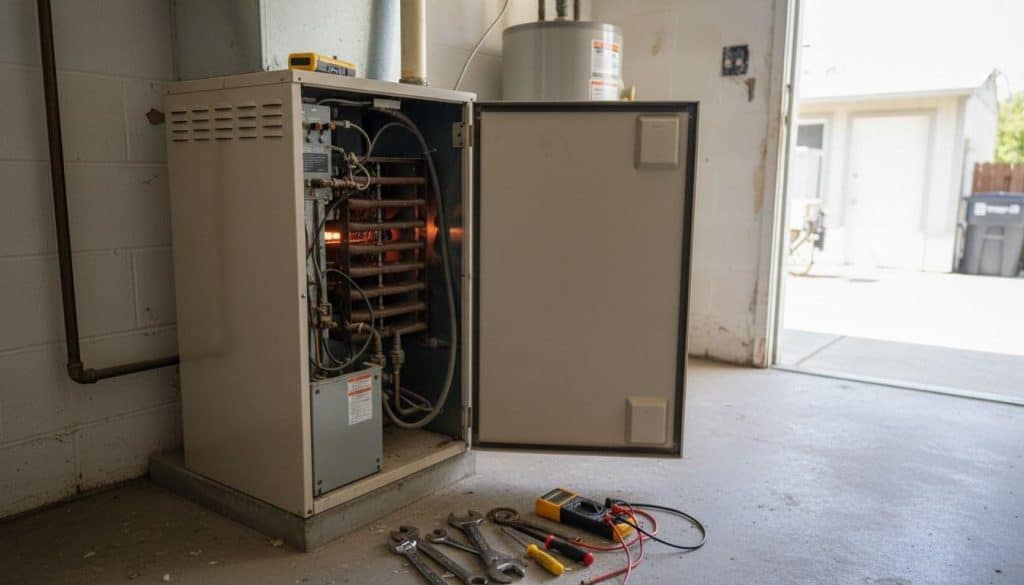
Why Does Fall and Winter HVAC Maintenance Matter in Southern California?
Southern California winters are mild compared to the rest of the country, but temperatures in Los Angeles County and Orange County still dip into the 40s overnight — and some inland areas drop below freezing. A furnace or heat pump that sat unused all summer can develop real problems in those first cold weeks.
The region’s dry Santa Ana winds, wildfire smoke events, and dusty air quality push more debris through your HVAC system than most homeowners expect. That buildup strains motors, clogs filters, and reduces indoor air quality right when you are closing windows and spending more time inside.
Skipping fall maintenance is one of the most common reasons heating systems fail on the coldest nights of the year. A system that breaks down in December typically costs more to repair than one serviced in October, because demand for technicians spikes and parts can take longer to source.
A system that breaks down in December typically costs more to repair than one serviced in October, because demand for technicians spikes and parts can take longer to source.
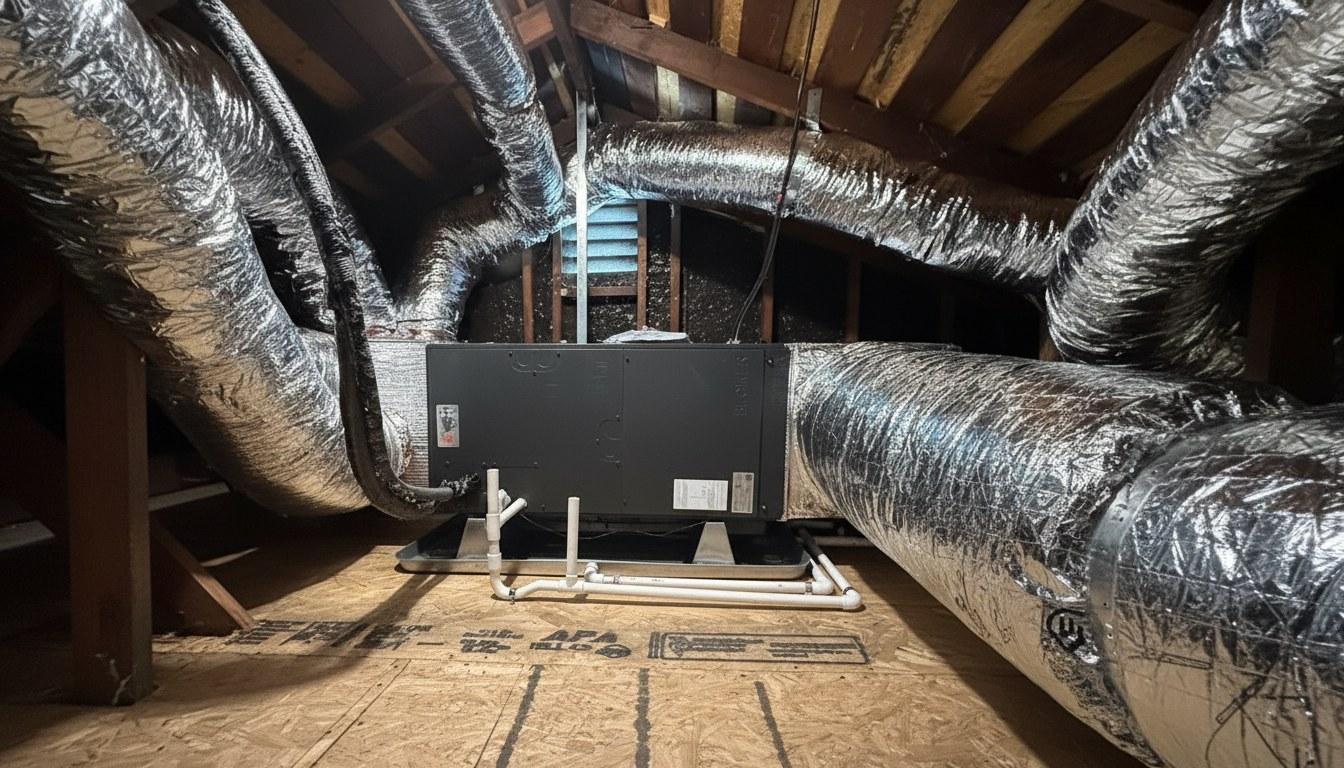
What Is Your Complete HVAC Maintenance Checklist for Fall and Winter in Southern California?
This hvac maintenance checklist for fall and winter in Southern California covers both the tasks homeowners can do themselves and the checks that require a licensed technician. Work through the DIY items first, then book a professional inspection to cover the rest.
| Task | Frequency | DIY or Pro? |
|---|---|---|
| Replace or clean air filter (1-inch filters) | Every 30-60 days | DIY |
| Replace or clean air filter (4-5 inch media filters) | Every 6-12 months | DIY |
| Test thermostat — switch to heat mode and verify response | Each fall (September/October) | DIY |
| Clear debris from outdoor condenser or heat pump unit | Monthly during Santa Ana season | DIY |
| Check and clear condensate drain line | Every 6 months | DIY (flush with vinegar) or Pro |
| Inspect and vacuum supply and return vents | Each fall | DIY |
| Inspect flue and combustion venting (gas furnaces) | Annually | Pro only |
| Test carbon monoxide and smoke detectors | Each fall | DIY |
| Check heat exchanger for cracks | Annually | Pro only |
| Measure refrigerant charge (heat pump systems) | Annually | Pro only — required under EPA refrigerant regulations (Section 608) |
| Lubricate blower motor bearings | Annually | Pro only |
| Inspect electrical connections and capacitors | Annually | Pro only |
DIY Tasks You Can Do Right Now
- Swap the air filter: A dirty 1-inch filter can reduce airflow by 15% or more and force your blower motor to work harder. Use a MERV 8-11 rated filter for a good balance of airflow and particle capture in Southern California’s dusty climate.
- Test heat mode on your thermostat: Set the thermostat 5 degrees above room temperature and confirm warm air comes out within 3-5 minutes. If it blows cold or nothing happens, you have a problem to address before winter.
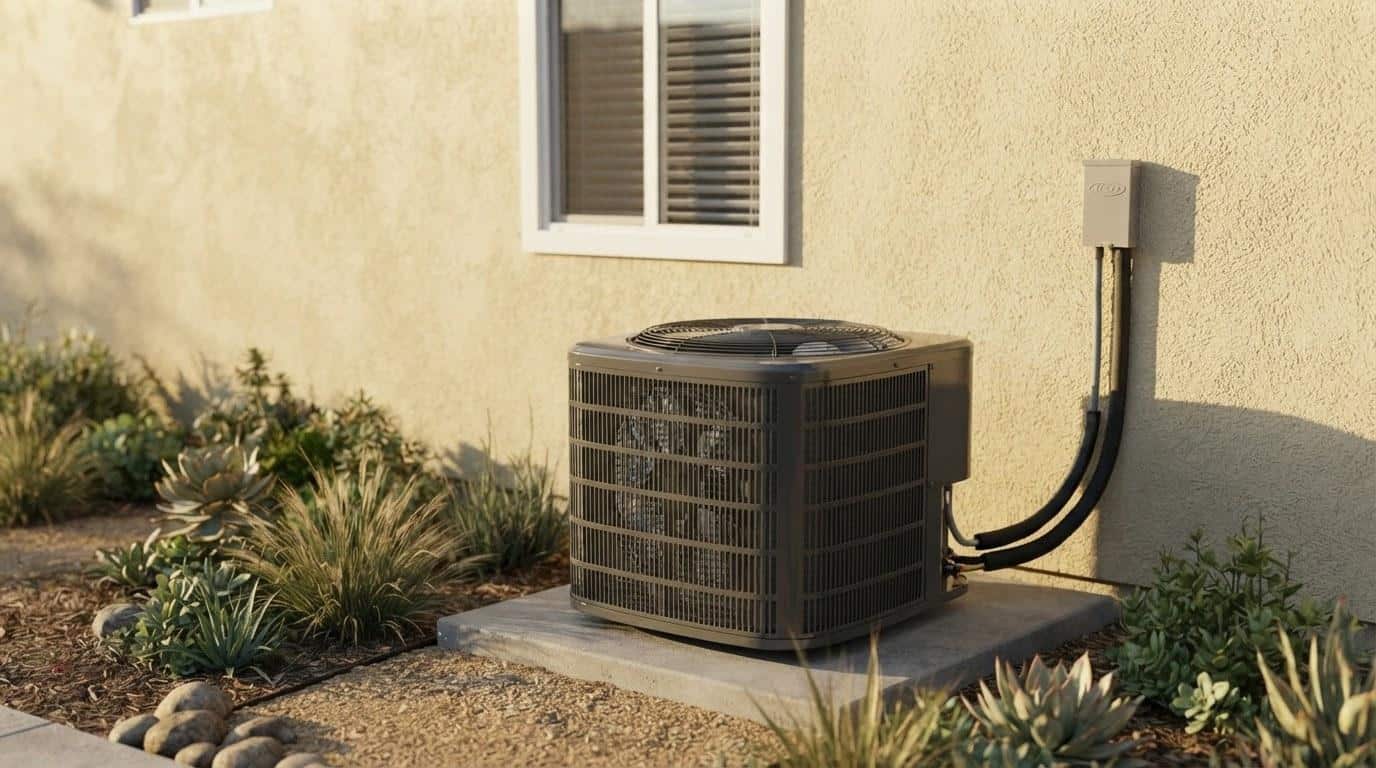
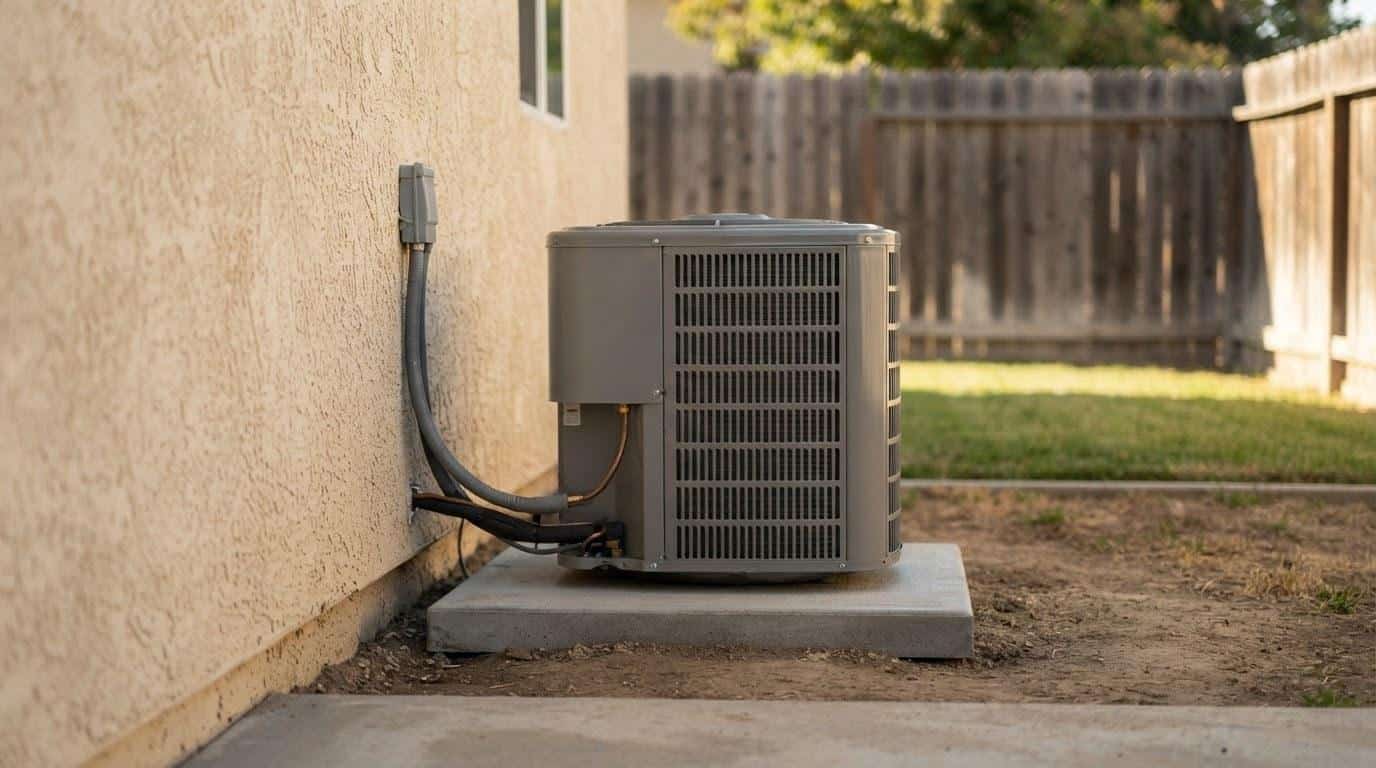
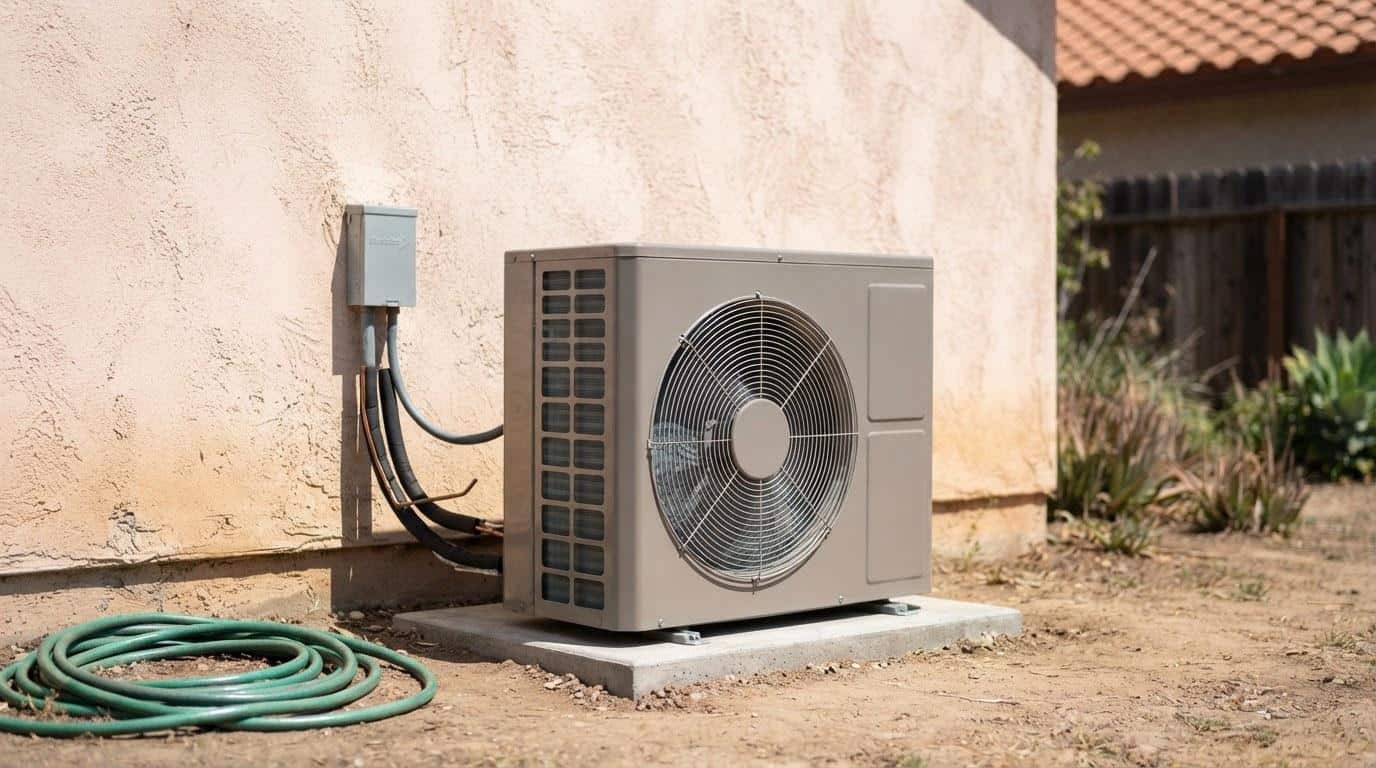
- Clear the outdoor unit: Remove leaves, dirt, and debris from around the condenser or heat pump. Keep at least 18 inches of clearance on all sides.
- Flush the condensate drain: Pour a cup of white vinegar into the drain access port near the air handler. This prevents algae clogs that can cause water damage or trigger a safety shutoff.
- Vacuum supply and return vents: Dusty vents restrict airflow and recirculate particles through your living space. A quick vacuum with a brush attachment takes under 10 minutes.
- Test carbon monoxide detectors: Gas furnaces produce combustion gases. Replace detector batteries every fall and replace the unit itself every 5-7 years per manufacturer guidelines.
- Check weather stripping on doors and windows: Sealing gaps reduces the load on your heating system and helps your HVAC maintain set temperatures more efficiently.
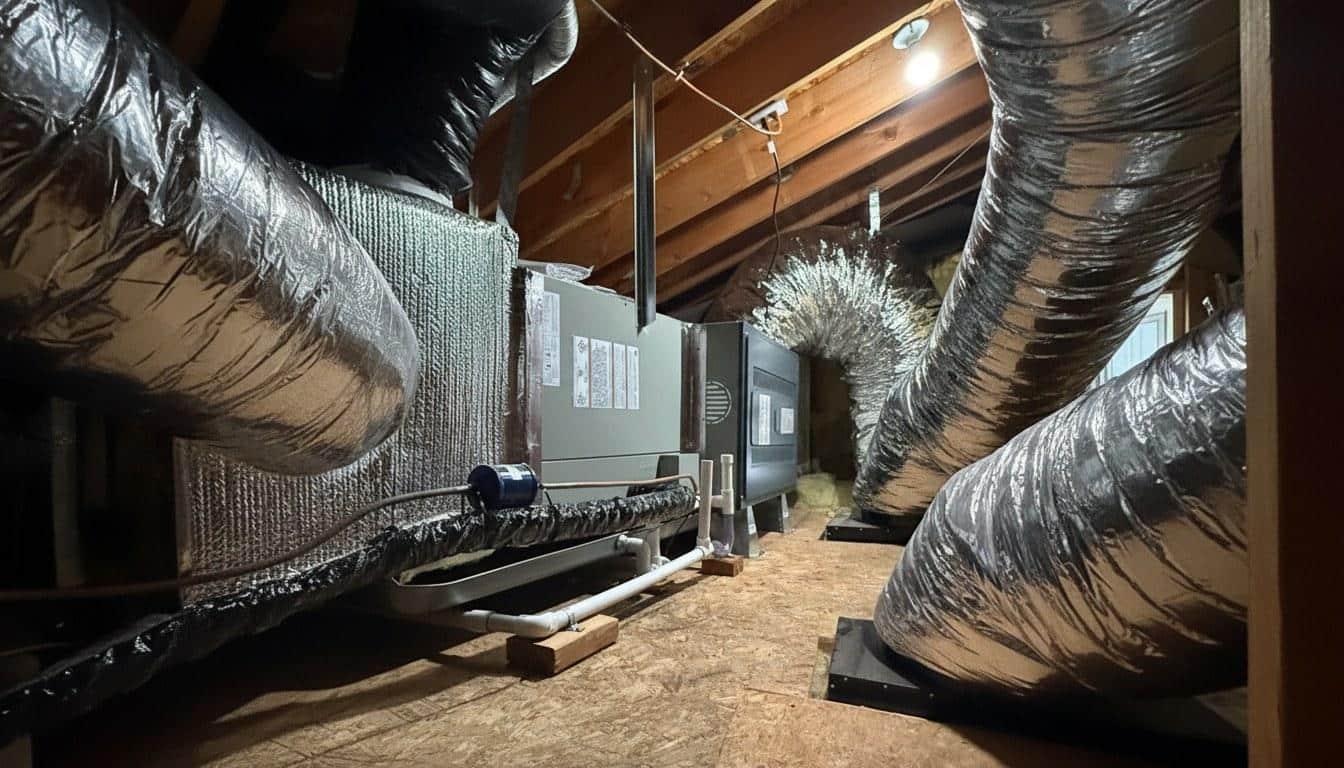
What Should You Do Each Season? A Month-by-Month Breakdown
In Southern California, fall HVAC prep runs from September through November, and winter maintenance covers December through February. The tasks shift slightly each month based on what the weather demands of your system.
September: Pre-Season Prep
- Replace the air filter before the first heating cycle of the season.
- Schedule your professional tune-up — technician availability is best before October demand peaks.
- Test your thermostat in heat mode and replace batteries if it is battery-powered.
- Inspect your furnace or air handler for visible rust, corrosion, or pest intrusion after the summer.
- Check your ENERGY STAR-rated system’s documentation for any manufacturer-recommended seasonal steps.
October: Full System Check
- Complete your professional inspection if not already done.
- Confirm all vents are open and unobstructed by furniture or rugs.
- Check the area around your furnace — clear at least 3 feet of space from any flammable materials.
- Inspect attic insulation if accessible — the U.S. Department of Energy recommends R-30 to R-60 for attics in Southern California’s climate zone.
November: Santa Ana Wind Season Adjustments
- Check and replace the air filter again — Santa Ana wind events load filters with ash and fine particles very quickly.
- Keep the outdoor unit clear of debris blown in by high winds.
- If wildfire smoke events occur, consider upgrading temporarily to a MERV 13 filter and running the system in recirculation mode.
December through February: Winter Monitoring
- Check the air filter monthly — heating cycles run longer and collect more dust.
- Monitor your energy bills. A sudden increase of 15% or more with no change in usage habits often signals a developing mechanical problem.
- Keep the area around your outdoor heat pump free of frost on the rare nights temperatures approach freezing in inland valleys.
- Confirm your emergency heat setting works if you have a heat pump — this is your backup if the primary heating mode fails.
What Does a Professional Fall HVAC Tune-Up Include?
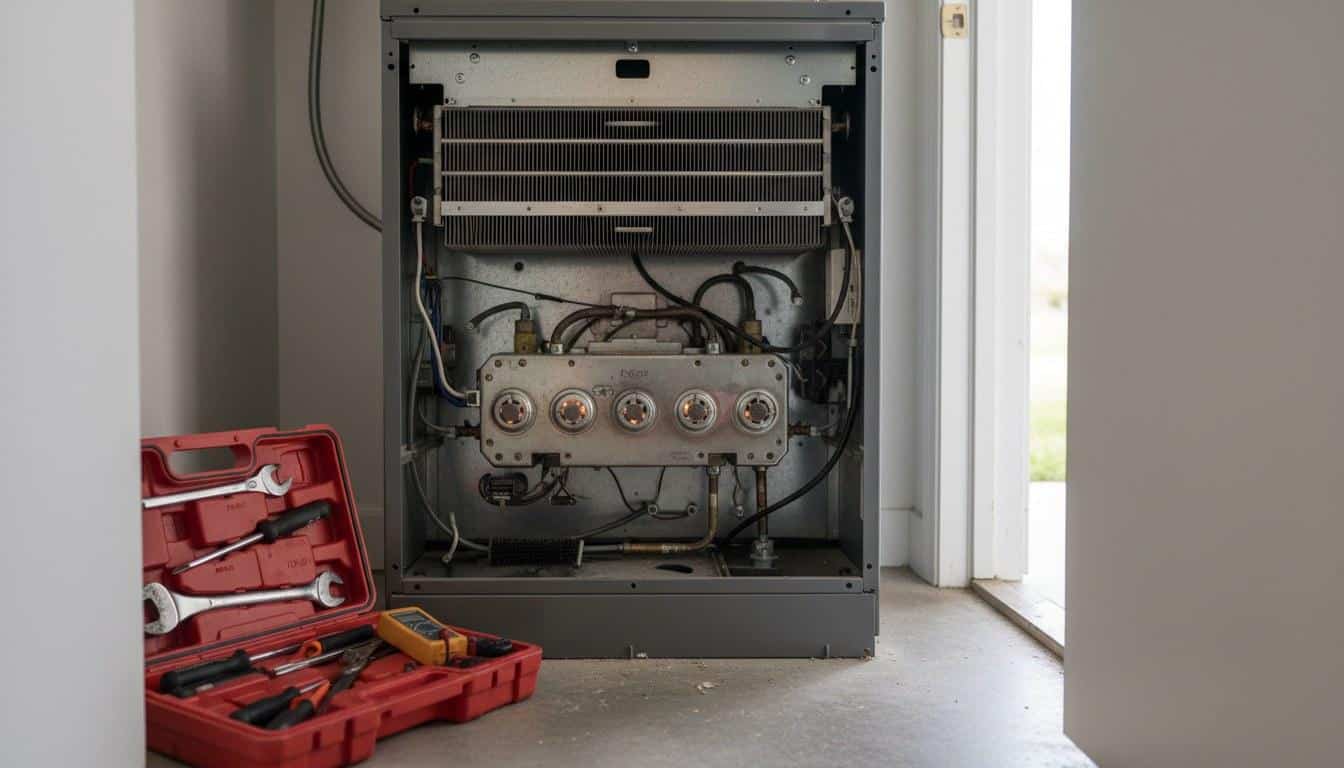
A thorough professional fall tune-up typically takes 60 to 90 minutes and covers 15 to 20 inspection and adjustment points. The technician checks components that homeowners cannot safely access, including the heat exchanger, gas valve, flue venting, and electrical connections.
Our technicians respond to roughly 3 times more emergency heating calls in December and January than in any other two-month window — and in the majority of those cases, a pre-season inspection would have caught the underlying issue before it became a breakdown.
A professional fall inspection includes:
- Heat exchanger inspection: Cracks in the heat exchanger allow combustion gases — including carbon monoxide — to enter your living space. This is a safety-critical check that requires a trained eye and proper tools.
- Flue and venting inspection: The technician checks for blockages, corrosion, and proper draft to ensure combustion gases exit the home safely.
- Gas valve and burner test: Burners are cleaned and tested for even flame pattern. A yellow or uneven flame indicates incomplete combustion.
- Electrical connection tightening: Loose connections cause resistance, heat buildup, and potential failure. All terminals are inspected and torqued to spec.
- Blower motor and belt check: The technician measures amperage draw and inspects belts (on older systems) for wear. A motor drawing more than its rated amperage is close to failure.
- Refrigerant charge measurement (heat pumps): Low refrigerant reduces heating efficiency and is regulated under EPA refrigerant regulations (Section 608). Only certified technicians may handle refrigerants legally.
- Thermostat calibration: The technician verifies the thermostat reads accurately and that the system cycles on and off at the correct set points.
- Airflow measurement: Static pressure readings confirm the duct system is moving air efficiently. High static pressure often points to duct leaks or an undersized return.
- Safety control test: Limit switches, pressure switches, and rollout switches are tested to confirm they shut the system down safely if something goes wrong.
- Filter check and replacement recommendation: The technician confirms the correct filter size and MERV rating for your specific system.
Work completed by a contractor licensed by the California Contractors State License Board (CSLB) protects you if something goes wrong during service. Always verify your technician’s CSLB license number before work begins.
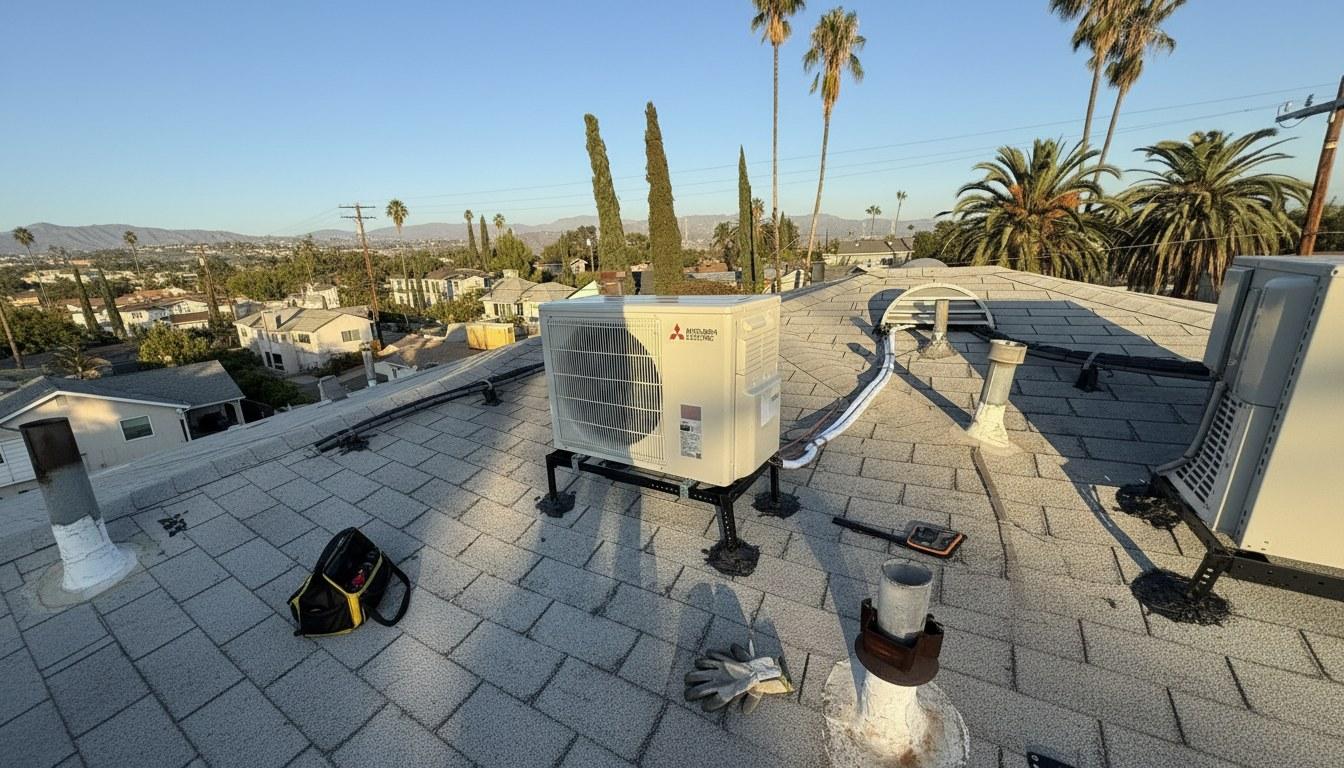
What Warning Signs Should You Watch for Between Services?
Most HVAC problems give you early warning signs before they become full failures. Catching them between annual services can prevent a cold-night breakdown and keep repair costs lower.
Watch for these red flags during fall and winter:
- Short cycling: The system turns on, runs for less than 5 minutes, shuts off, and repeats. This often signals an overheating furnace, a refrigerant issue on heat pumps, or a faulty limit switch.
- Weak or uneven airflow: Some rooms warm up while others stay cold. This can point to duct leaks, a failing blower motor, or a heavily clogged filter.
- Burning smell at startup: A brief dusty smell when the furnace first fires in fall is normal — accumulated dust burning off. A persistent burning smell, especially one that smells like plastic or rubber, means shut the system off and call a technician.
- Yellow or flickering furnace flame: A healthy gas burner produces a steady blue flame. Yellow or orange flames indicate incomplete combustion, which can produce carbon monoxide.
- Unusual noises: Banging on startup, squealing from the blower, or rattling from the cabinet all point to mechanical problems that worsen if ignored.
- Thermostat not responding: If the system does not respond within 3-5 minutes of a setting change, check the filter and circuit breaker first. If those are fine, the thermostat or control board may need attention.
- Higher energy bills with no usage change: A 15% or greater unexplained increase in your gas or electric bill often means the system is working harder than it should — a sign of declining efficiency.
- Visible ice on the outdoor unit: A small amount of frost on a heat pump in cold weather is normal, but thick ice that does not clear during a defrost cycle signals a problem.
How Much Does HVAC Maintenance Cost in Southern California?
In the Southern California regional market, a professional HVAC tune-up or maintenance visit typically ranges from $80 to $200 for a standard single-system inspection. Costs move based on system type, age, and what the technician finds during the visit.
Factors that affect the price of a maintenance visit include:
- System type: Gas furnace inspections, heat pump tune-ups, and dual-fuel system checks each have different labor requirements. Heat pump services that include refrigerant measurement take longer.
- System age: Systems older than 10-12 years often need more time to inspect and may have worn components that need to be addressed during the same visit.
- Add-on repairs: If the technician finds a failing capacitor, a dirty evaporator coil, or a cracked belt during inspection, those repairs are quoted separately. Capacitor replacements in this market typically run $80 to $250 depending on the unit. Coil cleaning generally ranges from $100 to $400.
- Maintenance plan enrollment: Many HVAC companies in Southern California offer annual maintenance agreements that include one or two tune-ups per year, priority scheduling, and discounts on repairs. These plans typically range from $100 to $300 per year and can reduce the cost of each individual visit.
Homeowners who upgraded their systems in 2023 or later may be eligible for the Inflation Reduction Act federal tax credit, which covers up to 30% of the cost of qualifying heat pumps and high-efficiency HVAC equipment. Check with your tax advisor and visit energy.gov for current credit details. California’s TECH Clean California rebate program also offers incentives for heat pump installations that meet efficiency thresholds.
Our technicians find that systems installed before 2015 require at least one additional repair item — most commonly a capacitor or contactor — during roughly 60% of fall tune-up visits, which adds an average of $120 to $180 to the total service cost.
Systems installed before 2015 require at least one additional repair item during roughly 60% of fall tune-up visits, adding an average of $120 to $180 to the total service cost.
For a precise quote based on your system type and condition, contact Shalom Heating & Air directly — pricing varies by scope and no estimate replaces an in-person assessment.
Schedule Your Fall HVAC Service with Shalom Heating & Air
Complete your hvac maintenance checklist for fall and winter in Southern California before the first cold snap arrives — September and October appointments fill faster than most homeowners expect.
Shalom Heating & Air serves homeowners across Southern California with licensed, professional HVAC maintenance, repair, and installation. Whether your system needs a standard tune-up, a heat exchanger inspection, or a full replacement before winter, our team is ready to help.
Call (714) 886-2021 to schedule your fall maintenance visit or request a written quote. Same-week appointments are typically available in September — book now before the season shift drives up wait times.
Explore our full range of HVAC services across Southern California.
Frequently Asked Questions
How often should I change my HVAC filter in the fall and winter in Southern California?
Standard 1-inch filters should be replaced every 30 to 60 days during fall and winter, especially during Santa Ana wind events when ash and fine dust load filters much faster than usual. Thicker 4-inch to 5-inch media filters typically last 6 to 12 months. Check your filter monthly and replace it whenever it looks gray or clogged — a dirty filter is the single most common cause of reduced heating performance.
When is the best time to schedule a furnace tune-up in Southern California?
September is the best month to schedule a furnace or heat pump tune-up in Southern California. Technician availability is highest before the October rush, and you have time to address any problems found before you actually need heat. Waiting until November or December means longer wait times and the risk of going without heat if a repair part needs to be ordered.
How do I know if my furnace is safe to run this winter?
The most important safety check is the heat exchanger — a cracked heat exchanger can allow carbon monoxide to enter your home, and it cannot be detected without a professional inspection. Test your carbon monoxide detector every fall and replace it if it is more than 5 to 7 years old. If your furnace produces a yellow or flickering flame instead of a steady blue one, shut it off and call a licensed technician before running it again.
Can I do HVAC maintenance myself, or do I need a professional?
Homeowners can safely handle filter replacement, thermostat testing, vent cleaning, condensate drain flushing, and clearing debris from the outdoor unit. Tasks involving gas lines, the heat exchanger, electrical components, refrigerant, and flue venting must be done by a licensed HVAC technician — both for safety and to comply with California regulations and EPA refrigerant rules. A professional annual tune-up covers all the items that go beyond DIY reach.
Does my HVAC system need maintenance if I mostly use it for cooling and rarely run the heat?
Yes — systems that sit unused for months often develop problems that only show up when they first run. Dust and debris accumulate in the heat exchanger and burner assembly, belts and bearings can seize from lack of use, and pests sometimes nest inside the cabinet over the summer. A fall inspection catches these issues before they cause a breakdown on a cold night.