Furnace Repair Guide: What CA Homeowners Need to Know Before Calling a Tech
This furnace repair guide covers the most common failure signs, typical repair costs in the CA market, and how to decide between fixing and replacing your system.
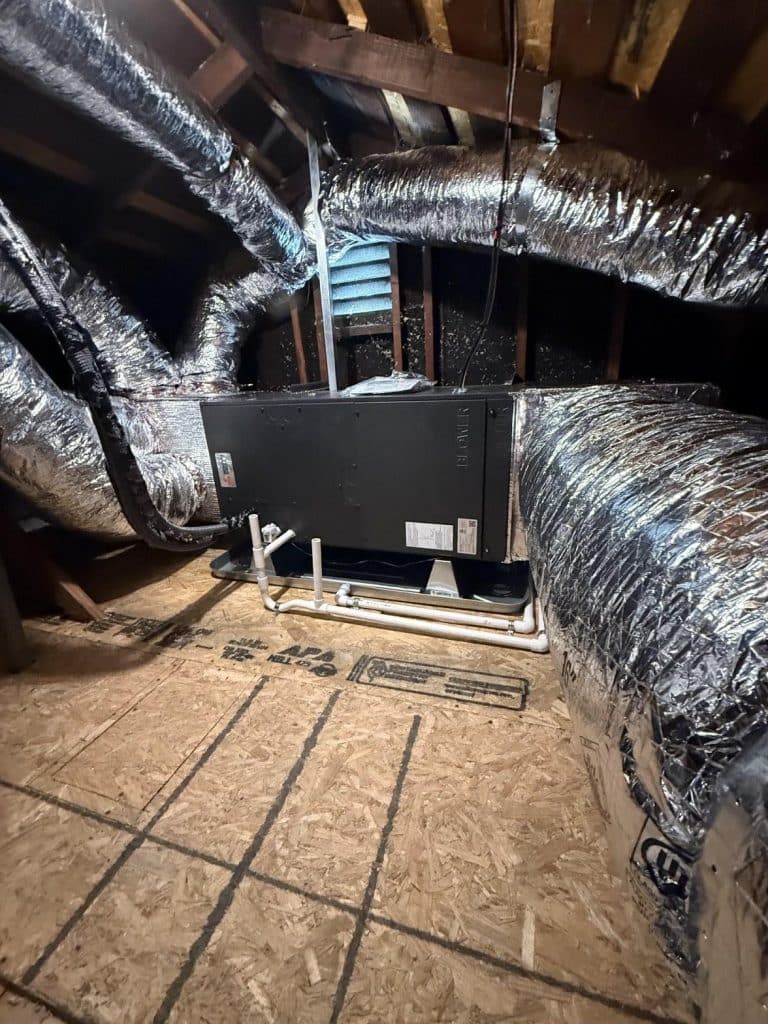
How Do You Know Your Furnace Actually Needs Repair?
Your furnace is signaling a problem well before it stops working entirely. The most reliable warning signs are unusual noises, rising gas or electric bills, uneven heat across rooms, and a system that cycles on and off more than usual. Catching these early is the difference between a $200 fix and a $2,000 emergency call.
Southern California winters are mild compared to much of the country, but overnight lows in the Los Angeles basin regularly drop into the 40s and low 50s from December through February, according to the National Weather Service Los Angeles office. That is enough to make a failing furnace a real comfort and safety problem.
Watch for these warning signs:
- Short cycling: The furnace turns on, runs for less than 5 minutes, then shuts off before the house reaches the set temperature.
- Yellow or orange pilot flame: A healthy gas flame burns blue. Yellow or orange flames suggest incomplete combustion and possible carbon monoxide risk.
- Unusual sounds: Banging, rattling, or squealing that was not there before usually points to a mechanical component — blower wheel, belt, or inducer motor.
- No heat despite the system running: The blower pushes air but it stays cold or lukewarm, often pointing to an igniter or gas valve issue.
- Spike in utility bills: A furnace working harder than it should to maintain temperature burns more fuel. A sudden increase with no change in usage habits is a red flag.
- Age over 15 years: Most residential gas furnaces have a service life of 15 to 20 years. Older units develop problems more frequently and lose efficiency over time.
What Are the Most Common Furnace Problems and Their Causes?
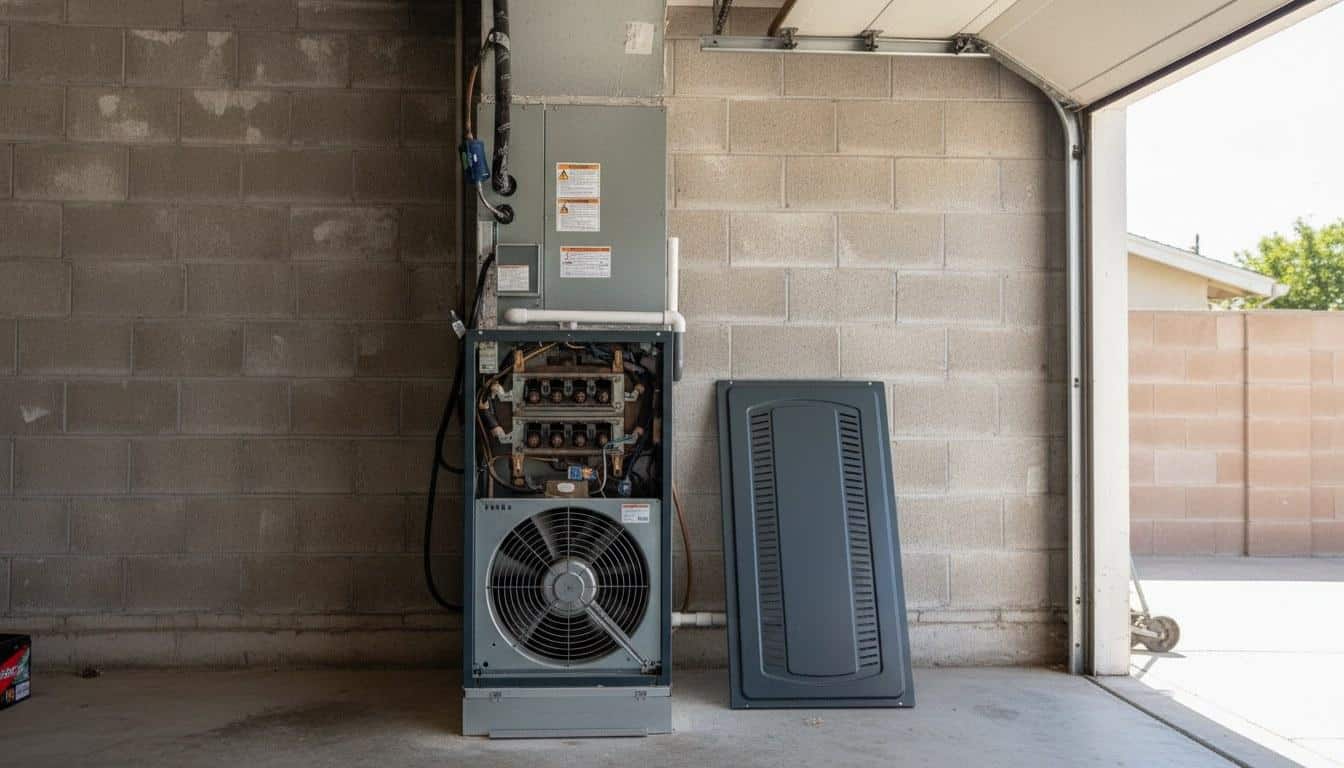
The five most common furnace failures are a faulty igniter, a dirty or failed flame sensor, a clogged filter, a failing blower motor, and a cracked heat exchanger. Each has a distinct symptom pattern and a different repair cost.
Our technicians respond to roughly 3 times more furnace calls in December and January than in any other two-month window, and igniter failures account for nearly 40 percent of those service calls across the region.
| Problem | Common Symptom | Typical Cause | DIY or Pro? |
|---|---|---|---|
| Failed igniter | No heat, blower runs | Normal wear after 5-7 years | Pro recommended |
| Dirty flame sensor | Short cycling | Oxidation buildup on rod | DIY possible (careful) |
| Clogged air filter | Weak airflow, overheating | Filter not changed in 3+ months | DIY |
| Blower motor failure | No airflow, loud hum or squeal | Capacitor failure, bearing wear | Pro required |
| Cracked heat exchanger | CO alarm, soot marks, headaches | Age, thermal stress, improper sizing | Pro required — safety risk |
| Faulty gas valve | No ignition, gas smell | Valve corrosion or electrical fault | Pro required |
| Thermostat miscommunication | System won’t start or runs constantly | Wiring fault, dead battery, calibration | DIY (battery/settings) or Pro |
A cracked heat exchanger is the most serious item on that list. It allows combustion gases, including carbon monoxide, to mix with the air circulating through your home. If a technician finds a crack, the furnace should be shut down immediately until it is repaired or replaced.
How Much Does Furnace Repair Cost in Southern California?
Furnace repair in the Southern California market typically ranges from $100 for a simple flame sensor cleaning to $1,200 or more for a blower motor or control board replacement. The final number depends on the part involved, the age and brand of the unit, and labor time.
Here is a realistic breakdown of common repair ranges in this market:
- Igniter replacement: $150 to $350, including parts and labor. Igniters are the single most replaced furnace component.
- Flame sensor cleaning or replacement: $80 to $200. Cleaning is often enough; a new sensor adds $40 to $80 in parts.
- Blower motor replacement: $400 to $900. Variable-speed motors on higher-efficiency units can push this toward $1,100.
- Control board replacement: $500 to $1,200. Boards vary widely by brand and model year.
- Heat exchanger repair or replacement: $1,000 to $2,500. Because of the labor involved and the safety stakes, many technicians recommend replacement when a crack is found in a unit older than 12 years.
- Gas valve replacement: $300 to $600 for most residential units.
- Thermostat replacement (smart/programmable): $150 to $450 installed, depending on the model.
Labor rates in the greater Los Angeles area and surrounding counties generally run between $85 and $150 per hour. Emergency or after-hours calls typically carry a service fee of $50 to $100 on top of standard rates. Always request a written estimate before any work begins.
California homeowners may also be eligible for the Inflation Reduction Act federal tax credit if they upgrade to a qualifying high-efficiency furnace as part of a repair-or-replace decision. Systems meeting ENERGY STAR efficiency thresholds may qualify for up to $600 in federal credits through 2032.
What Can You Fix Yourself vs. What Requires a Licensed Tech?
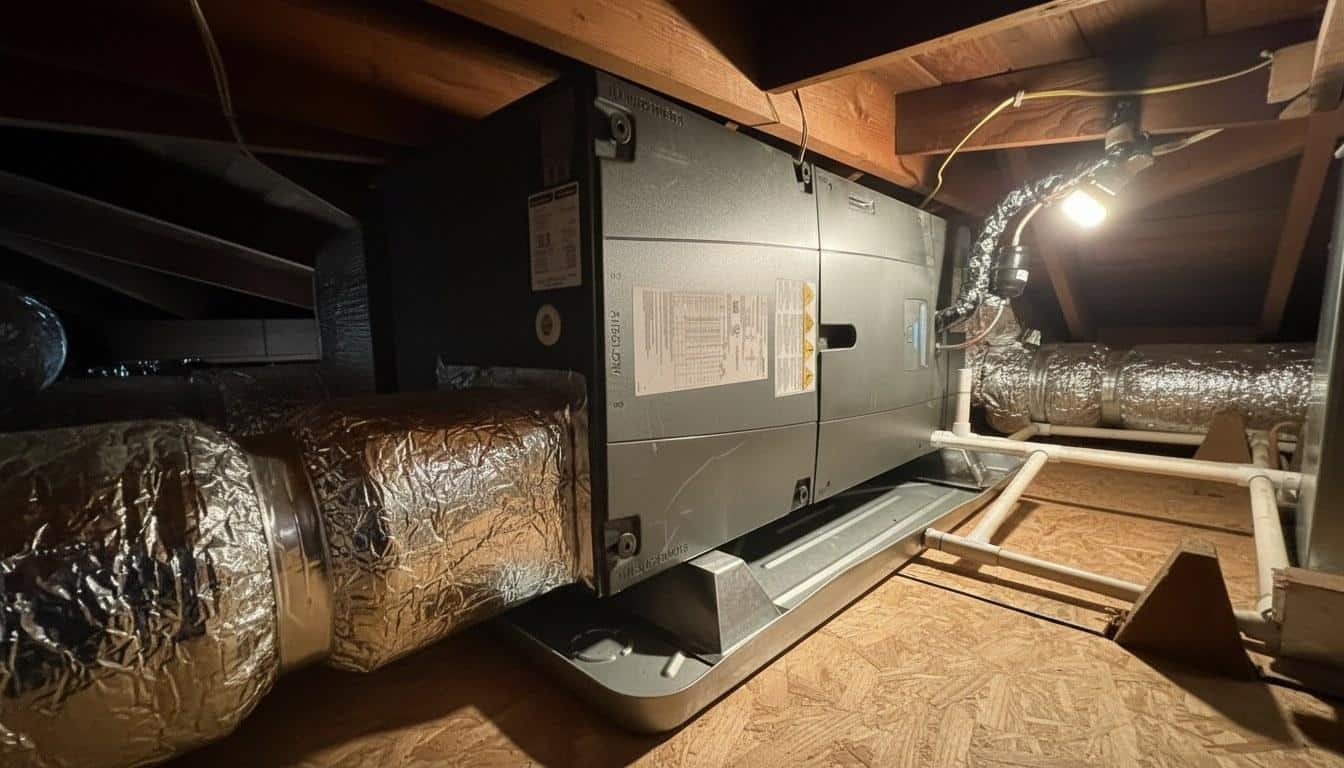
A homeowner can safely handle three things: changing the air filter, replacing thermostat batteries, and resetting a tripped circuit breaker. Everything involving gas lines, refrigerant, electrical components inside the air handler, or the heat exchanger requires a licensed professional.
In California, HVAC contractors must be Licensed by the California Contractors State License Board (CSLB) under a C-20 (Warm-Air Heating, Ventilating and Air-Conditioning) license. Hiring an unlicensed contractor voids most manufacturer warranties and may create liability issues if a gas leak or fire occurs.
Safe DIY tasks:
- Replace the 1-inch or 4-inch filter every 1 to 3 months, depending on household dust levels and pet dander.
- Check that all supply and return vents are open and unobstructed by furniture.
- Replace thermostat batteries (typically AA or AAA) once per year.
- Reset a tripped breaker once — if it trips again, stop and call a tech.
- Clear debris from around the outdoor flue or exhaust pipe after a windstorm.
Tasks that require a licensed HVAC technician:
- Any work on the gas supply line, gas valve, or burner assembly.
- Igniter or flame sensor replacement (involves working near active gas components).
- Blower motor or capacitor replacement.
- Control board diagnostics and replacement.
- Heat exchanger inspection, repair, or replacement.
- Combustion analysis and flue gas testing.
- Any repair that requires pulling a permit under California’s Title 24 building energy standards.
Furnace Repair Guide: Repair vs. Replace — How to Decide
Use the 50 percent rule: if the repair cost exceeds 50 percent of the price of a new furnace, replacement is almost always the smarter financial decision. A new mid-efficiency gas furnace installed in Southern California typically runs $2,500 to $5,000 depending on the unit’s AFUE rating, the brand, and any ductwork modifications needed.
If the repair cost exceeds 50 percent of the price of a new furnace, replacement is almost always the smarter financial decision.
Factors that favor repair:
- The unit is under 10 years old and has been maintained regularly.
- The repair involves a single, well-defined component (igniter, sensor, capacitor).
- The repair cost is under $500 and the heat exchanger is intact.
- The unit still meets current efficiency standards for your climate zone.
Factors that favor replacement:
- The unit is 15 years old or older.
- This is the second or third major repair in 3 years.
- The heat exchanger is cracked.
- The unit uses R-22 refrigerant (phased out under EPA refrigerant regulations (Section 608)) or components are no longer available.
- The AFUE rating is below 80 percent — modern units run at 80 to 98.5 percent AFUE, which can cut heating fuel costs by 15 to 30 percent annually.
Our technicians have found that units installed before 2010 in Los Angeles County and Orange County are significantly more likely to need a second repair within 18 months of the first, making replacement the better long-term value in most of those cases.
Units installed before 2010 in Los Angeles County and Orange County are significantly more likely to need a second repair within 18 months of the first.
What Happens During a Professional Furnace Repair Visit?
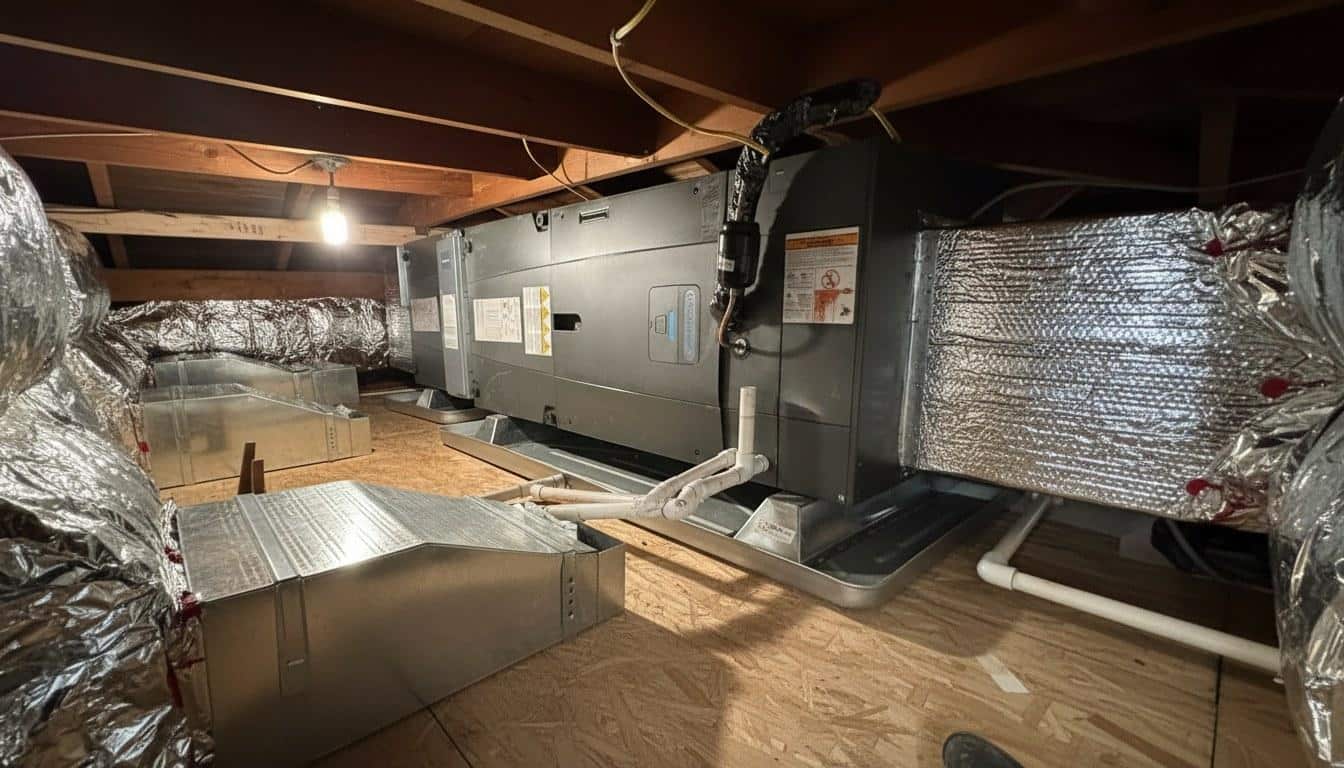
A standard furnace repair visit follows a structured diagnostic sequence that takes 45 minutes to 2 hours, depending on the problem’s complexity. The technician does not just fix the symptom — a thorough visit checks the whole system to catch secondary issues before they cause another breakdown.
Here is what a professional visit typically covers:
- System intake: The tech reviews the unit’s age, model, and service history and asks about symptoms — when they started, how often they occur, and whether any error codes appeared on the thermostat or control board.
- Visual inspection: Check for soot, corrosion, cracked flue pipes, and any obvious physical damage to the heat exchanger, burner, or blower assembly.
- Electrical testing: Measure voltage and continuity at the igniter, flame sensor, control board, and blower motor capacitor using a multimeter.
- Gas pressure test: Verify that manifold gas pressure matches the manufacturer’s specification — typically 3.5 inches of water column for natural gas.
- Combustion analysis: Use a combustion analyzer to check flue gas temperatures and CO levels, confirming safe heat exchanger operation.
- Diagnosis and written estimate: Present findings with a clear explanation and a written quote before any repair work begins.
- Repair and retest: Replace or clean the faulty component, then run the system through at least two full heat cycles to confirm the fix holds.
ACCA (Air Conditioning Contractors of America) standards call for technicians to perform a complete system check — not just address the reported symptom — on every service visit. Ask your contractor whether they follow ACCA service protocols.
Ready to Schedule Furnace Repair in Your Area?
Do not wait for a full breakdown to get your furnace looked at. A small repair caught early almost always costs less than an emergency call in the middle of winter.
Shalom Heating & Air serves homeowners across Southern California with licensed, code-compliant furnace diagnostics and repair. Whether your system is short cycling, blowing cold air, or making a noise it never made before, get a written diagnosis before committing to any repair.
Call (714) 886-2021 to schedule a same-day or next-day furnace inspection. Request your custom quote and get a clear answer on whether repair or replacement makes more sense for your specific unit.
Explore our full range of HVAC services across Southern California.
Frequently Asked Questions
How do I know if my furnace needs repair or just a filter change?
If replacing the filter and checking the thermostat settings does not fix the problem within one heating cycle, the issue is likely mechanical or electrical. Signs like short cycling, no heat despite the blower running, or unusual noises all point to a component failure that needs a professional diagnosis. A filter change costs nothing; ignoring a real mechanical problem can turn a $200 repair into a $1,000 one.
How much does it usually cost to repair a furnace in Southern California?
Most furnace repairs in the Southern California market range from $100 to $1,200, depending on the part and labor involved. Simple fixes like a flame sensor cleaning run $80 to $200, while a blower motor or control board replacement can reach $900 to $1,200. Always get a written estimate before authorizing any work.
How long does a furnace repair take?
Most standard furnace repairs are completed in one to two hours once the technician is on site. More complex jobs — like a blower motor swap or a control board replacement — can take three to four hours, especially if parts need to be sourced. Emergency same-day calls are available in many parts of Southern California.
Is it safe to run my furnace if it's making a banging or rattling noise?
A loud bang at startup often signals delayed ignition, which is a safety concern and should not be ignored. Rattling can mean a loose panel or a failing blower wheel. Turn the system off and call a licensed HVAC technician before running it again — continuing to operate a furnace with ignition problems can damage the heat exchanger or create a carbon monoxide risk.
Can I repair my furnace myself to save money?
Homeowners can safely replace air filters, swap thermostat batteries, and reset a tripped breaker. Any work involving the gas line, burner, igniter, blower motor, or heat exchanger should be handled by a technician Licensed by the California Contractors State License Board (CSLB). Unlicensed repairs can void your manufacturer warranty and create serious safety and liability risks.