High-Efficiency HVAC Systems: A Homeowner’s Buying Guide
This high efficiency hvac guide walks California homeowners through system types, efficiency ratings, real cost ranges, available rebates, and how to avoid the most common buying mistakes.
What Should You Know Before Buying a High-Efficiency HVAC System?
A high-efficiency HVAC system uses significantly less energy than a standard unit to heat or cool the same space, which means lower monthly utility bills and a smaller carbon footprint. This high efficiency hvac guide is designed to help California homeowners cut through the marketing noise and make a confident, well-informed purchase decision.
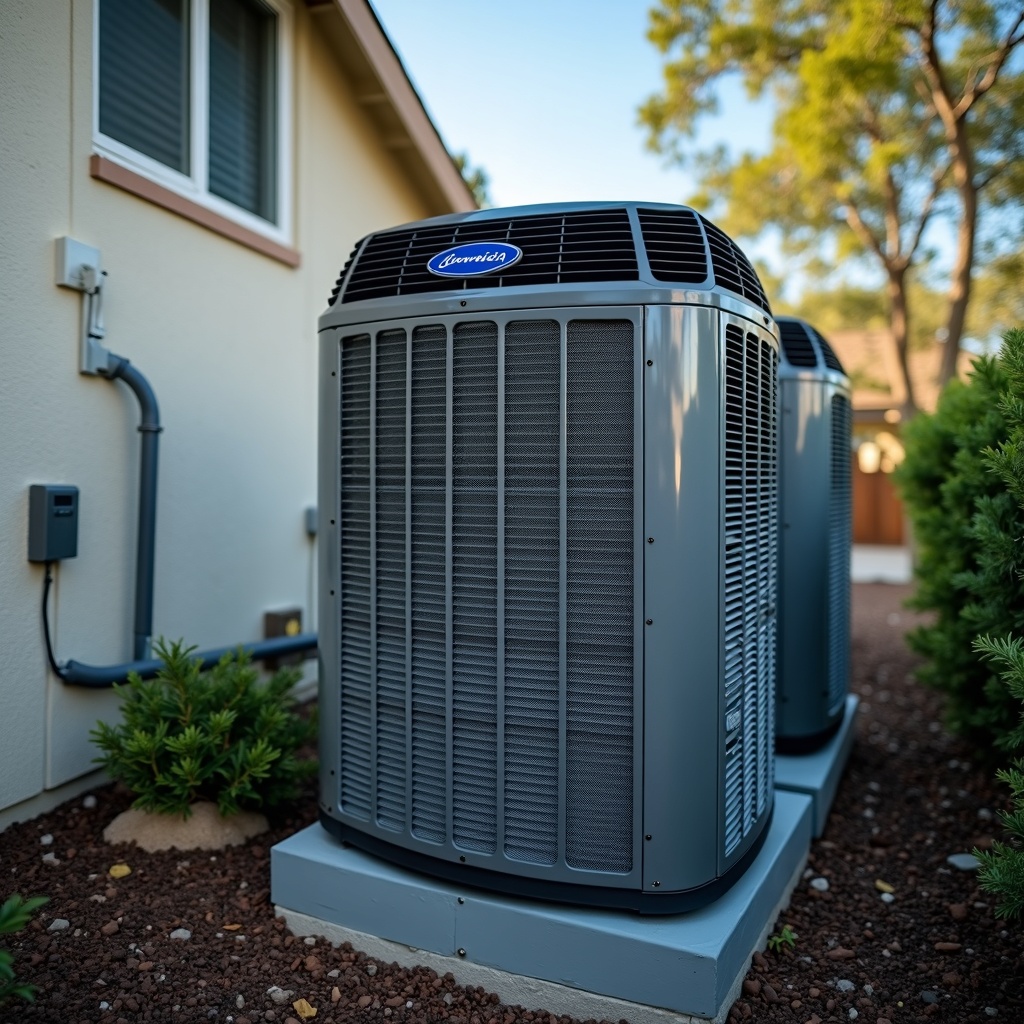
Before you shop, it helps to understand a few key facts. California’s climate varies widely — coastal areas stay mild while inland valleys regularly hit 100°F or more — so the right system for your home depends on where you live, your home’s size, and how your existing ductwork is set up. Getting these factors right matters more than simply buying the unit with the highest rating on the box.
One more thing worth knowing upfront: the efficiency of a new system is only as good as the installation. A top-rated unit installed incorrectly — wrong refrigerant charge, undersized ducts, poor airflow — will underperform a mid-range unit installed properly. Always verify that any contractor you hire is Licensed by the California Contractors State License Board (CSLB) before work begins.
What Do Efficiency Ratings Actually Mean — SEER2, AFUE, and HSPF2?
Efficiency ratings are standardized numbers that tell you how much useful heating or cooling a system delivers for every unit of energy it consumes — the higher the number, the less you spend to run it. The U.S. Department of Energy updated its testing standards in 2023, so you will now see SEER2, HSPF2, and EER2 ratings on new equipment instead of the older SEER, HSPF, and EER labels.
Here is a quick breakdown of the three ratings you will encounter most often:
- SEER2 (Seasonal Energy Efficiency Ratio 2): Measures cooling efficiency over an entire season. As of 2023, the federal minimum for new central AC systems in the Southwest region is 14.3 SEER2. High-efficiency models start at 16 SEER2 and can reach 26 SEER2 or higher.
- AFUE (Annual Fuel Utilization Efficiency): Measures how much of the fuel a furnace burns actually becomes heat. A 96% AFUE furnace converts 96 cents of every dollar of gas into usable heat. The federal minimum is 80% AFUE; high-efficiency furnaces run 90–98% AFUE.
- HSPF2 (Heating Seasonal Performance Factor 2): Measures heat pump heating efficiency over a season. A rating of 8.8 HSPF2 or higher is generally considered high-efficiency under current ENERGY STAR guidelines.
A unit that qualifies as ENERGY STAR certified has been independently verified to meet efficiency thresholds set by the U.S. Environmental Protection Agency. For most California homeowners, targeting at least 16 SEER2 for cooling and 90% AFUE or higher for heating will deliver meaningful savings without pushing into diminishing returns on the purchase price.
Which Type of High-Efficiency System Is Right for Your Home?
The best system type depends on your home’s existing infrastructure, your local climate, and whether you need heating, cooling, or both. California homes span a huge range — from 1950s bungalows with no ductwork to newer tract homes with modern air handlers — so there is no single right answer.
Our technicians replace or upgrade roughly 3 out of every 5 central AC systems they inspect in Southern California with a heat pump or high-efficiency split system, because those homeowners are paying to run equipment that is 15 or more years old and rated well below today’s minimums.
Use the table below to compare the most common high-efficiency system types:
| System Type | Best For | Efficiency Range | Key Advantage | Typical Installed Cost (CA Market) |
|---|---|---|---|---|
| Central Split System (AC + Furnace) | Homes with existing ductwork needing both heating and cooling | 16–26 SEER2 / 90–98% AFUE | Familiar technology, widely serviceable, strong parts availability | $5,000–$14,000 depending on size and efficiency tier |
| Heat Pump (Ducted) | Mild-to-moderate climates; homes wanting one system for heating and cooling | 16–22 SEER2 / 8.8–13 HSPF2 | Moves heat instead of generating it — up to 3x more efficient than resistance heat | $6,000–$16,000 depending on size and brand |
| Mini-Split Heat Pump (Ductless) | Additions, older homes without ducts, or zone-specific comfort | 18–30+ SEER2 | No duct losses; precise zone control; qualifies for strong rebates | $3,500–$10,000 per zone installed |
| Packaged Unit | Homes with rooftop or side-yard units; limited indoor space | 14–18 SEER2 | All components in one cabinet; simpler installation in some homes | $4,500–$11,000 depending on capacity |
| Variable-Speed / Inverter-Driven System | Homeowners prioritizing maximum comfort and lowest operating cost | 20–26+ SEER2 | Runs at partial capacity most of the time — quieter, more even temperatures, lowest bills | $9,000–$18,000 for a full system |
A proper Manual J load calculation — the ACCA industry standard for sizing HVAC equipment — should be performed before any system is selected. Oversizing a unit is one of the most common and costly mistakes in the industry (more on that below).
What Does a High-Efficiency HVAC System Cost in California?
In the California market, a complete high-efficiency HVAC installation — equipment plus labor, permits, and basic ductwork inspection — typically ranges from $6,000 to $18,000 for most residential projects. Several factors push costs toward the higher end of that range.
Key cost drivers include:
- System size (tonnage): Residential systems generally run 1.5 to 5 tons. Each additional ton of capacity adds roughly $500–$1,500 to equipment cost alone.
- Efficiency tier: Stepping from a 16 SEER2 unit to a 20+ SEER2 variable-speed unit typically adds $2,000–$4,000 to equipment cost, often offset by rebates and lower utility bills over 5–10 years.
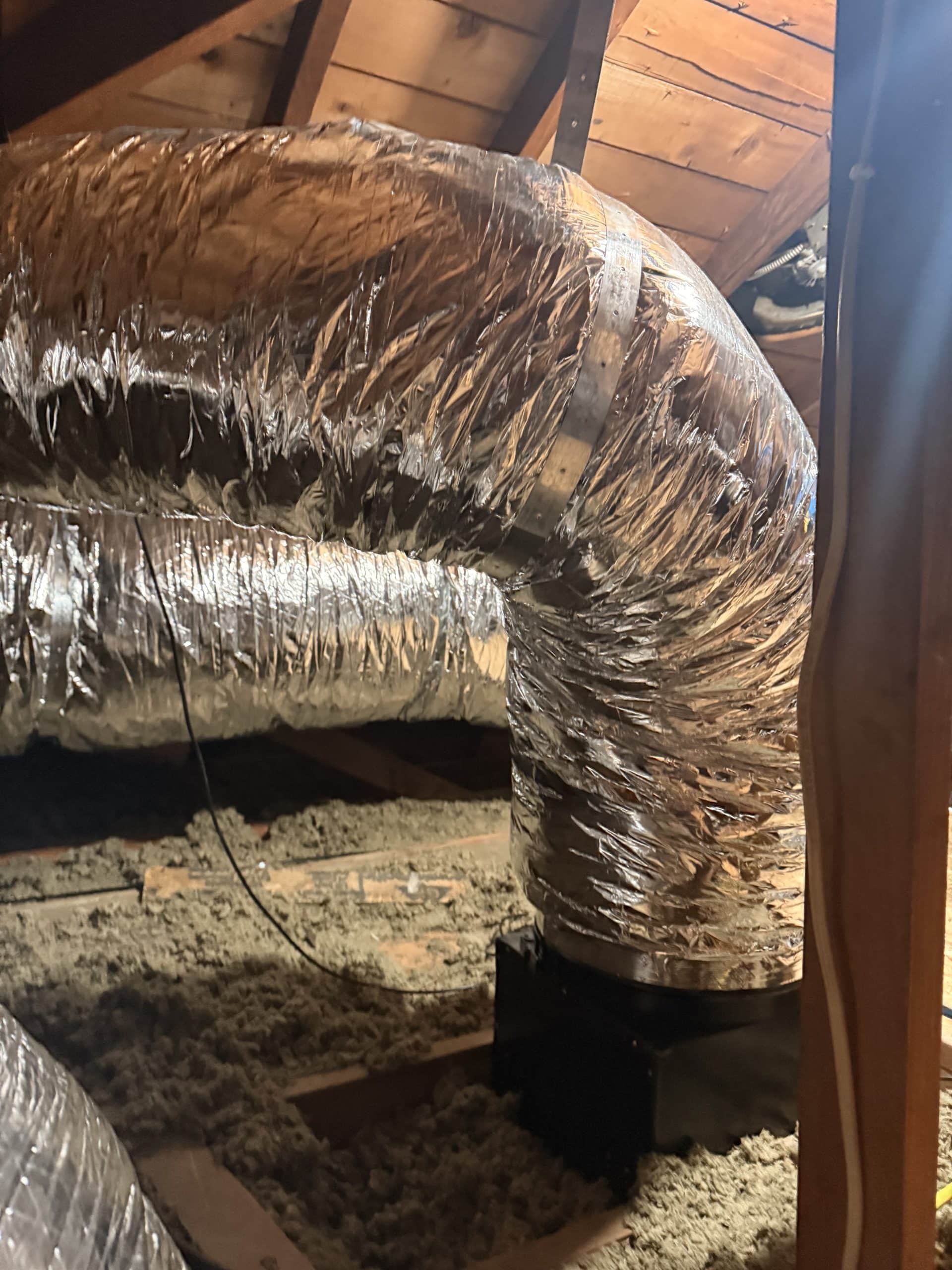
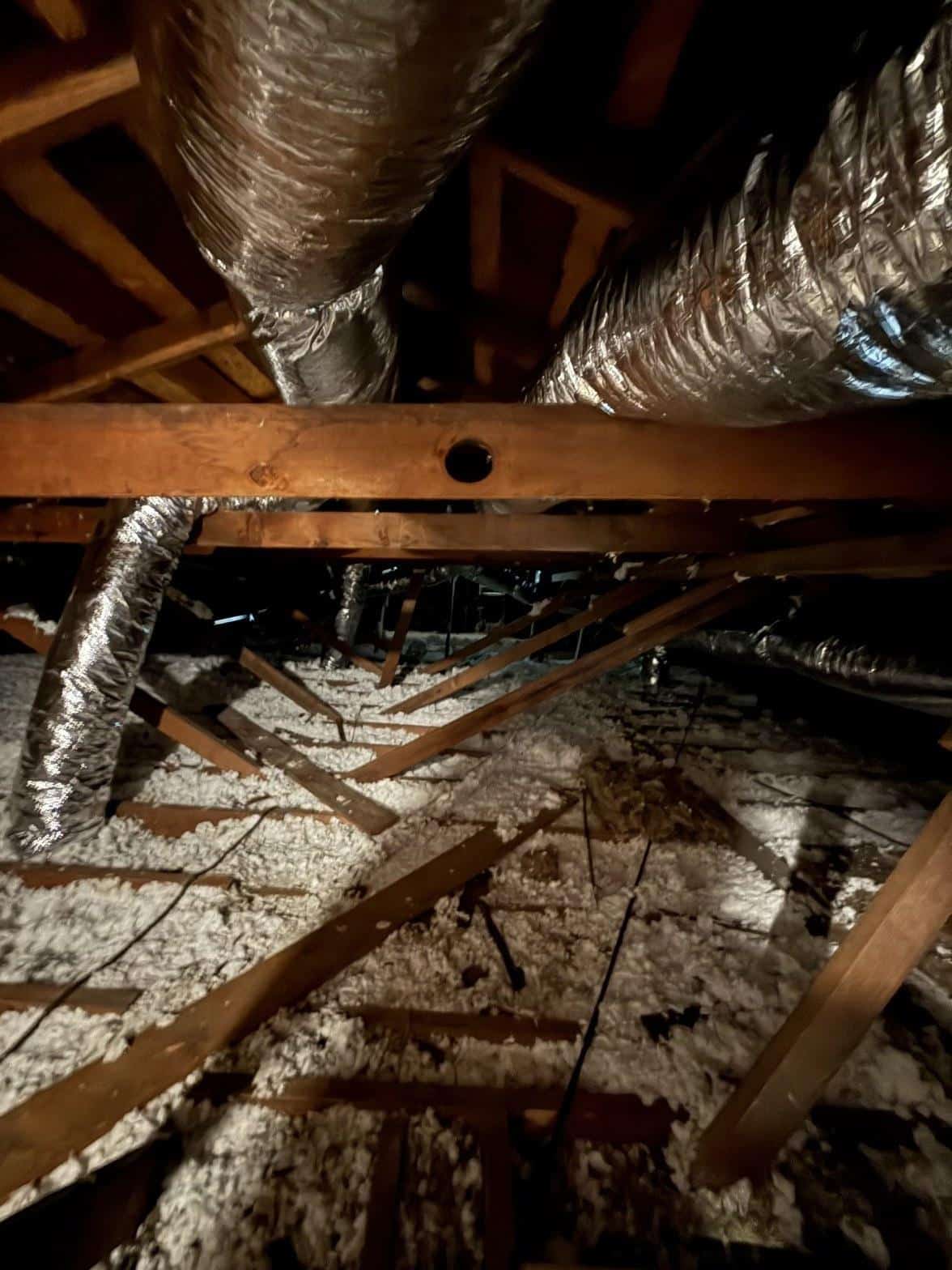
- Ductwork condition: If existing ducts are leaking or undersized, sealing or partial replacement can add $800–$3,500 to the total project.
- Refrigerant transition: New systems use R-410A or the newer R-454B and R-32 refrigerants. If your old system used R-22 (phased out under EPA refrigerant regulations (Section 608)), a full system swap is required.
- Permit and inspection fees: California jurisdictions require permits for HVAC replacements. Fees vary by county but typically run $150–$500.
- Electrical upgrades: Heat pumps and some high-efficiency systems require a dedicated 240V circuit. Adding a circuit can cost $300–$900 depending on panel capacity.
Always request an itemized written quote before any work begins. A quote that bundles everything into a single line item makes it impossible to compare contractors fairly or understand what you are actually paying for.
What Rebates and Tax Credits Can You Get in California?
California homeowners can stack multiple incentives — federal tax credits, state utility rebates, and TECH Clean California program funds — to reduce the net cost of a high-efficiency HVAC upgrade by thousands of dollars. As of 2025, these programs are active and worth pursuing before you finalize your purchase.
Here are the main programs to know:
- Inflation Reduction Act federal tax credit: The Inflation Reduction Act federal tax credit allows homeowners to claim 30% of the cost of qualifying heat pumps and heat pump water heaters, up to $2,000 per year. Central AC systems do not qualify, but heat pumps — ducted and ductless — do. See current details at energy.gov.
- TECH Clean California: This state program offers rebates of $1,000–$4,500 on qualifying heat pump systems installed by participating contractors. Income-qualified households may receive higher amounts.
- SoCalREN and utility rebates: Southern California utilities and the SoCalREN program offer additional rebates on ENERGY STAR-certified equipment. Amounts change annually, so confirm current offers with your utility before purchase.
- Self-Generation Incentive Program (SGIP): If you are pairing a new HVAC system with battery storage, SGIP offers incentives that can further offset costs.
To maximize these incentives, make sure your contractor installs equipment that meets the qualifying thresholds for each program. Not every high-efficiency unit automatically qualifies — the specific model must appear on the program’s approved equipment list.
What Mistakes Should You Avoid When Buying a High-Efficiency HVAC System?
The most expensive mistakes in HVAC buying happen before installation even starts — in the quoting and planning phase. Avoiding these five pitfalls can save you thousands of dollars and years of frustration.
- Skipping the Manual J calculation: Buying a system without a proper load calculation almost always results in an oversized unit. An oversized AC short-cycles — it cools the air quickly but shuts off before removing enough humidity, leaving rooms feeling clammy. It also wears out faster.
- Choosing the highest SEER2 rating without checking payback period: A 26 SEER2 system costs significantly more than a 18 SEER2 unit. In a mild coastal California climate where AC runs fewer hours per year, the payback period on the premium can stretch beyond 15 years. Match efficiency tier to your actual runtime hours.
- Ignoring duct condition: A brand-new high-efficiency system loses 20–30% of its conditioned air through leaky ducts according to U.S. Department of Energy estimates. Test and seal ducts as part of the project, not as an afterthought.
- Hiring an unlicensed contractor to save money: California law requires HVAC contractors to hold a C-20 or C-38 license issued by the CSLB. An unlicensed installation may void the manufacturer warranty, fail inspection, and leave you with no recourse if something goes wrong.
- Not asking about refrigerant type: Systems being installed today should use R-410A, R-454B, or R-32. Avoid any contractor proposing to install equipment that uses R-22, which has been phased out under EPA regulations and is extremely expensive to service.
- Forgetting about California’s Title 24 requirements: California’s Title 24 building energy standards require that replacement HVAC systems meet minimum efficiency thresholds and, in many cases, pass a duct leakage test. Make sure your contractor pulls the correct permit and completes any required verification testing.
Across our service calls in Southern California, we find that roughly 40% of systems that were installed in the past decade are running below rated efficiency — most often because the original installation skipped duct testing or used the wrong refrigerant charge. Getting the installation right the first time is the single best investment you can make.
Ready to Upgrade? Get Expert Advice from Shalom Heating & Air
Choosing the right high-efficiency system is easier when you have a licensed contractor who will size the equipment correctly, handle permit paperwork, and help you claim every available rebate.
Shalom Heating & Air serves homeowners across Southern California with honest assessments, written quotes, and installations that meet California’s Title 24 building energy standards. Whether you are replacing an aging central AC, upgrading to a heat pump, or adding a ductless mini-split to a room addition, the team can walk you through every option and help you use this high efficiency hvac guide to make the best decision for your home and budget.
Schedule your free in-home assessment today. Call (714) 886-2021 to book an appointment or request a custom quote. Get a written, itemized estimate before any work begins — no pressure, no surprises.
Explore our full range of HVAC services across Southern California.
Frequently Asked Questions
How do I know if my current HVAC system is worth replacing with a high-efficiency model?
If your system is 12 or more years old, requires frequent repairs, or carries a SEER rating below 14, replacement almost always makes more financial sense than continued repair. A system that breaks down twice in one season is typically costing you more in repair bills and lost efficiency than a new installation would. A licensed contractor can run a cost-benefit comparison for your specific equipment.
What is the minimum SEER2 rating I should look for in California?
The federal minimum for new central AC systems in the Southwest region is 14.3 SEER2 as of 2023. For meaningful energy savings and rebate eligibility, most California homeowners should target at least 16 SEER2 for cooling-only systems and 18–20 SEER2 for heat pumps. Higher ratings offer better long-term savings but come with a higher upfront cost.
Does a high-efficiency heat pump work in California's hot summers?
Yes — modern heat pumps are rated to provide cooling at outdoor temperatures up to 115°F, which covers even the hottest inland California days. In cooling mode, a heat pump functions identically to a standard air conditioner. The efficiency advantage comes in heating mode, where it moves heat rather than generating it, using 2–3 times less energy than a gas furnace at mild temperatures.
How long does a high-efficiency HVAC installation usually take?
A standard split-system replacement — removing the old equipment, installing the new indoor and outdoor units, and testing the system — typically takes one full day, or 6–10 hours. More complex projects involving new ductwork, electrical panel upgrades, or ductless multi-zone systems may take 2–3 days. Your contractor should give you a clear timeline in writing before work starts.
Can I get both the federal tax credit and a California rebate on the same system?
Yes, federal and state incentives can generally be stacked on the same installation. The Inflation Reduction Act federal tax credit applies to qualifying heat pump systems at 30% of cost up to $2,000, and TECH Clean California rebates are separate funds that do not reduce your federal credit eligibility. Ask your contractor to confirm that the specific model you choose appears on both programs' approved equipment lists.