Heat Pump vs Furnace: Which Heating System Is Right for Your Home?
Choosing between a heat pump and a furnace comes down to your climate, home setup, and energy costs. This guide breaks down everything you need to know.
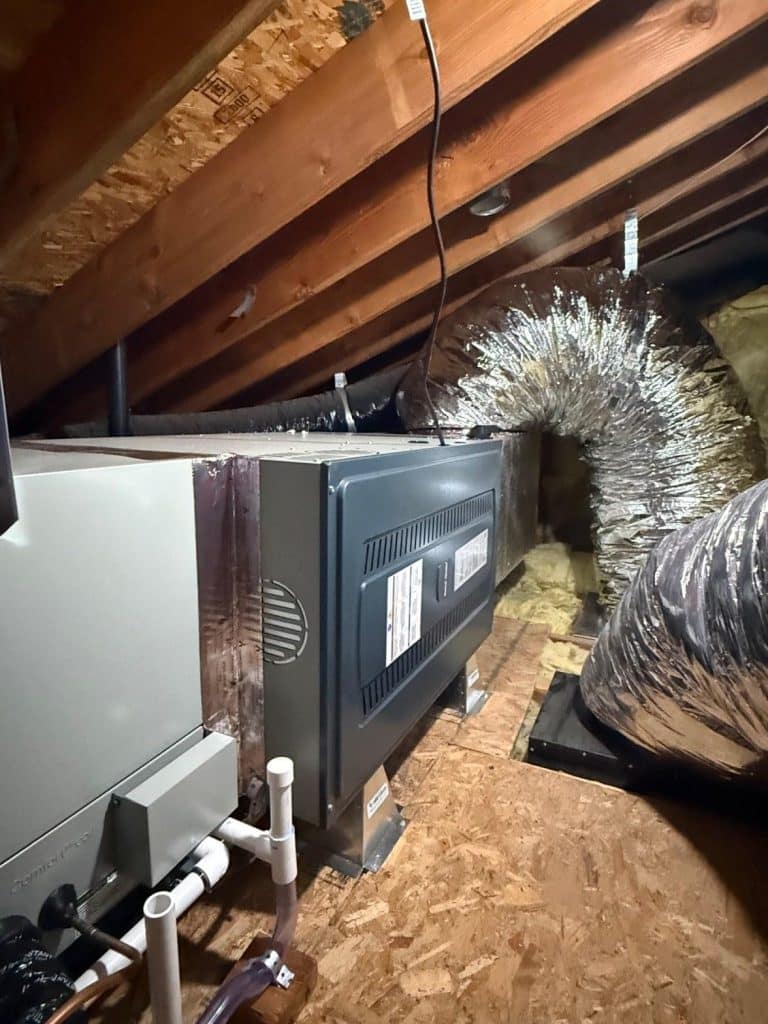
How Does Each System Actually Work?
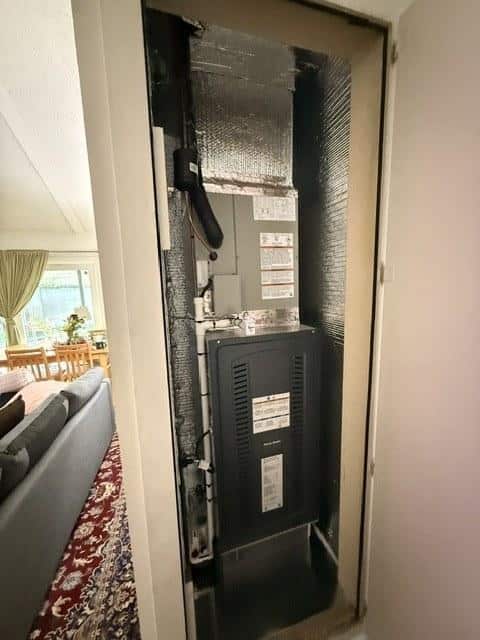
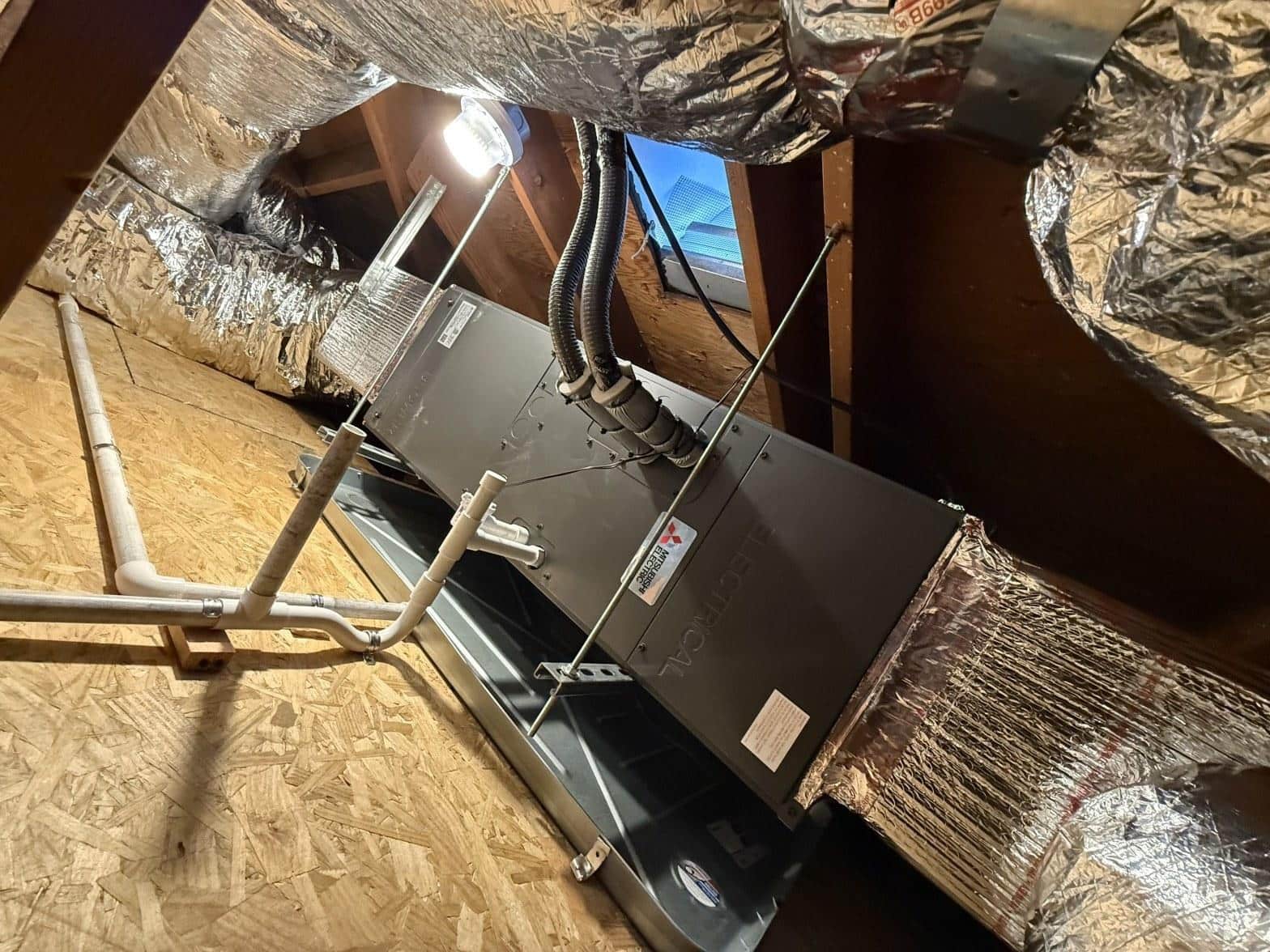
A heat pump moves heat from one place to another using refrigerant, while a furnace burns natural gas (or propane) to generate heat directly inside your home. Both systems deliver warm air through your duct system, but the way they produce that warmth is completely different.
A heat pump is essentially a reversible air conditioner. In winter, it pulls heat energy from outside air and transfers it indoors. In summer, it reverses and acts as a standard central AC. One unit handles both seasons. Modern heat pumps can extract usable heat from outdoor air even when temperatures drop to around 5°F, though efficiency does decrease as it gets colder.
A furnace, by contrast, burns fuel to create heat. A gas furnace ignites a burner inside a heat exchanger, and a blower fan pushes warm air through your ducts. Furnaces are rated by AFUE (Annual Fuel Utilization Efficiency), which measures how much of the fuel actually becomes usable heat. A 96% AFUE furnace converts 96 cents of every dollar of gas into heat.
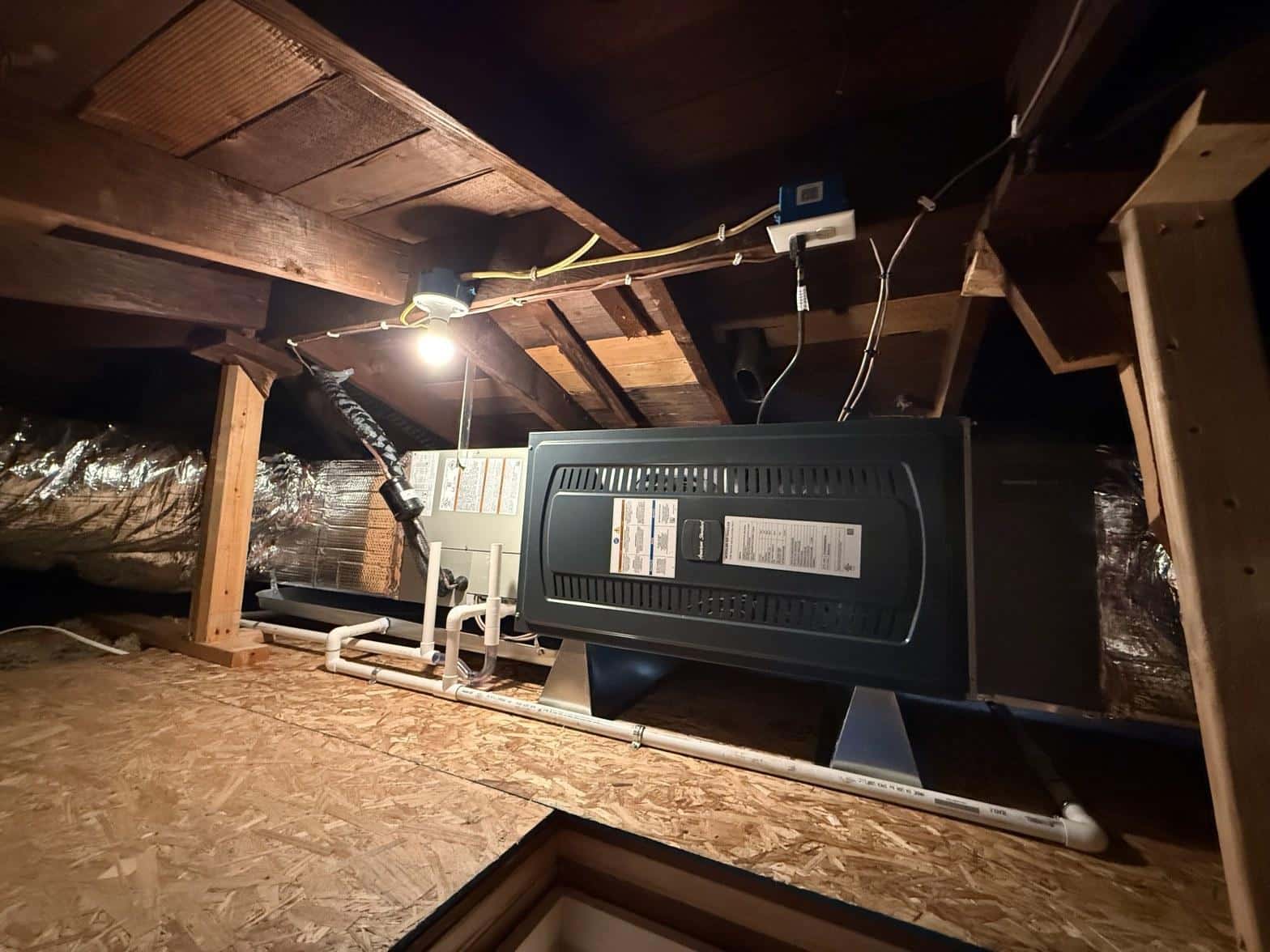
Heat Pump vs Furnace: Head-to-Head Comparison
When comparing heat pump vs furnace side by side, heat pumps win on efficiency and versatility, while furnaces win on raw heat output in extreme cold. For California homeowners, where winter temperatures rarely stay below freezing for extended periods, the heat pump advantage is significant.
The table below covers the most important factors homeowners weigh when making this decision.
| Factor | Heat Pump | Furnace |
|---|---|---|
| Fuel Source | Electricity only | Natural gas or propane |
| Heating & Cooling | Yes — one system does both | Heating only (needs separate AC) |
| Efficiency Rating | Up to 300–400% efficient (moves more heat than it uses) | Up to 98% AFUE (best-in-class gas) |
| Performance in Extreme Cold | Efficient above 30°F; auxiliary heat kicks in below that | Consistent output regardless of outdoor temp |
| Carbon Emissions | Zero on-site combustion | Produces CO2 and requires venting |
| Typical Equipment Lifespan | 15–20 years | 15–30 years |
| California Rebate Eligibility | Yes — strong incentives available | Limited under current CA programs |
| Best Climate Fit | Mild to moderate winters (ideal for Southern CA) | Regions with sustained freezing temperatures |
One thing many homeowners overlook: a heat pump replaces both your furnace and your central AC in a single installation. If your AC is also aging, a heat pump can be a more cost-effective upgrade than replacing two separate systems.
What Does Each System Cost to Install and Run?
In the Southern California market, heat pump installation typically ranges from $4,000 to $9,000, while a gas furnace installation generally runs $2,500 to $6,500, depending on the size of the home and the complexity of the job. These are market-level ranges — your actual cost depends on several factors.
Factors That Affect Installation Cost
- System size (tonnage or BTU output): Larger homes need bigger equipment, which costs more. A proper Manual J load calculation determines the right size — oversizing wastes money and causes comfort problems.
- Ductwork condition: Leaky or undersized ducts add $500 to $2,500 to any installation project.
- Electrical panel upgrades: Heat pumps run on electricity. If your panel is undersized (under 200 amps), an upgrade may be needed.
- Gas line work: Furnaces need a properly sized gas line. If yours needs extending or upgrading, that adds to the furnace cost.
- Brand and efficiency tier: High-efficiency models (SEER2 18+ for heat pumps, 96% AFUE for furnaces) cost more upfront but save money monthly.
Monthly Operating Costs
Heat pumps generally cost less to run in California because they use electricity efficiently and natural gas prices have been volatile. A heat pump producing 3 units of heat for every 1 unit of electricity consumed (a Coefficient of Performance of 3.0) outperforms even the most efficient gas furnace in pure energy-cost terms when electricity rates are reasonable. That said, California’s tiered electricity rates can narrow this gap for heavy users — a factor worth discussing with your installer.
A heat pump producing 3 units of heat for every 1 unit of electricity consumed outperforms even the most efficient gas furnace in pure energy-cost terms.
Our technicians have found that homeowners switching from older gas furnaces (80% AFUE or lower) to modern heat pumps typically see their heating-season energy bills drop by 25–40% in the first full year.
For a custom quote on your specific home, call Shalom Heating & Air at (714) 886-2021.
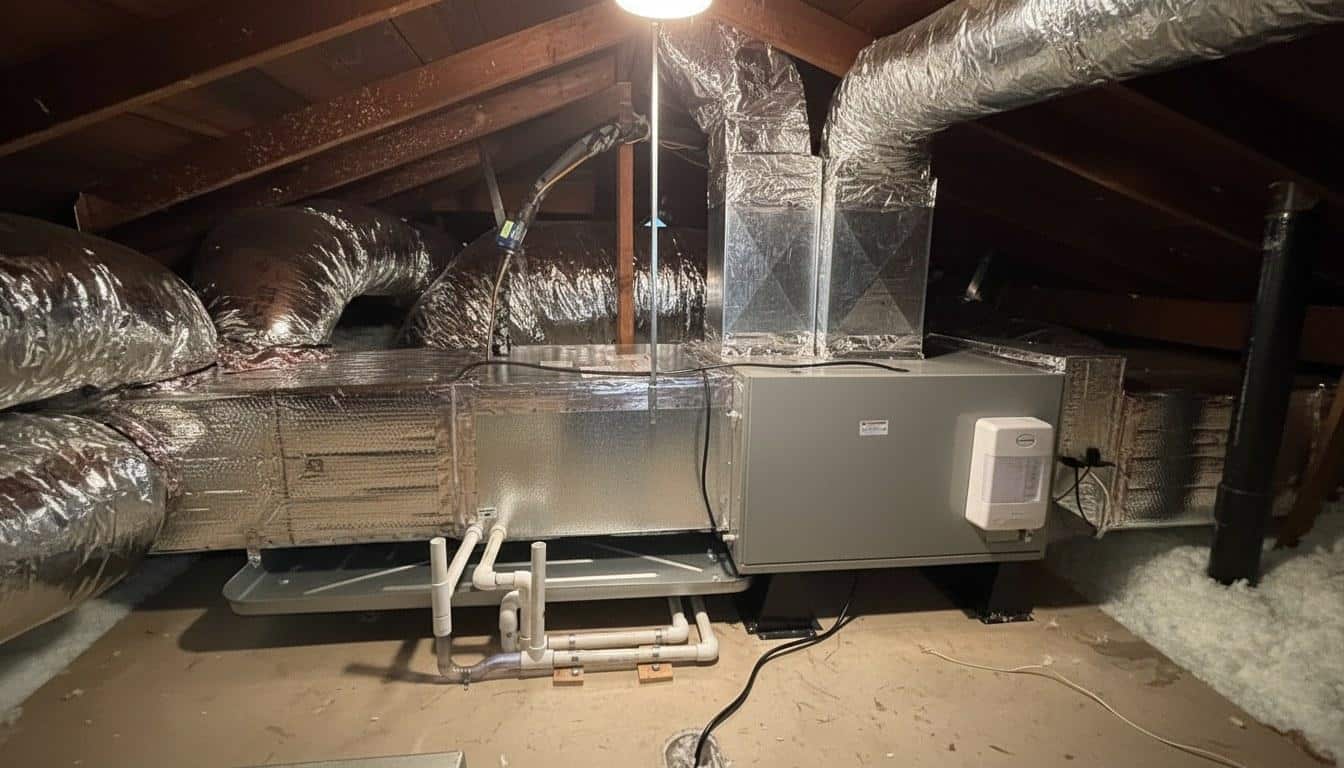
Which System Is Better for California’s Climate?
For most of Southern California, a heat pump is the stronger choice because winter temperatures across the region rarely sustain below 35°F for more than a few days. Heat pumps operate at peak efficiency in exactly this kind of mild, moderate winter climate.
Southern California’s average winter lows in most communities range from 45°F to 55°F — well within the comfort zone where a heat pump delivers 2.5 to 4 times more heat energy than it consumes. A gas furnace, by comparison, converts fuel to heat at a fixed ratio regardless of outdoor conditions.
There are situations where a furnace still makes sense in California:
- Higher-elevation homes: Communities above 3,000 feet see more sustained cold. A dual-fuel system (heat pump paired with a gas backup) is often the best solution here.
- Existing gas infrastructure: If your home already has a well-maintained gas furnace and no AC, and your winters are mild, a furnace replacement may be the simpler near-term fix.
- No panel capacity for a heat pump: If a full electrical upgrade isn’t in the budget right now, a new high-efficiency furnace plus a separate AC may bridge the gap.
California’s Title 24 building energy standards increasingly favor all-electric systems for new construction, and many California utilities are offering incentives specifically to accelerate the shift away from gas appliances. This regulatory direction matters when you’re planning a 15-to-20-year investment.
What Are the Rebates and Tax Credits Available?
California homeowners who install a qualifying heat pump can access both federal tax credits and state or utility rebates that can reduce total project cost by $2,000 to $8,000 or more. These programs make heat pumps significantly more affordable than the sticker price suggests.
California homeowners who install a qualifying heat pump can access federal tax credits and state rebates that reduce total project cost by $2,000 to $8,000 or more.
Federal Incentives
The Inflation Reduction Act federal tax credit (IRS Form 5695) allows homeowners to claim 30% of the cost of a qualifying heat pump installation, up to $2,000 per year. This credit is nonrefundable but can be claimed year after year for additional upgrades. As of 2025, this program remains active — confirm current limits with a tax professional.
California and Utility Programs
- TECH Clean California: A statewide program offering rebates of $1,000 to $4,000 for qualifying heat pump installations through participating contractors.
- SoCalREN: The Southern California Regional Energy Network offers rebates and financing for energy-efficient HVAC upgrades in many communities.
- Utility rebates: SCE and SoCalGas both offer seasonal rebates on qualifying equipment — amounts vary by year and program availability.
- ENERGY STAR certification: Equipment must carry the ENERGY STAR label to qualify for most rebate programs. Always confirm with your installer before purchasing.
Gas furnaces qualify for far fewer incentives under current California programs. High-efficiency furnaces (96% AFUE) may qualify for limited utility rebates, but the depth of incentives available for heat pumps is substantially greater as of 2025.
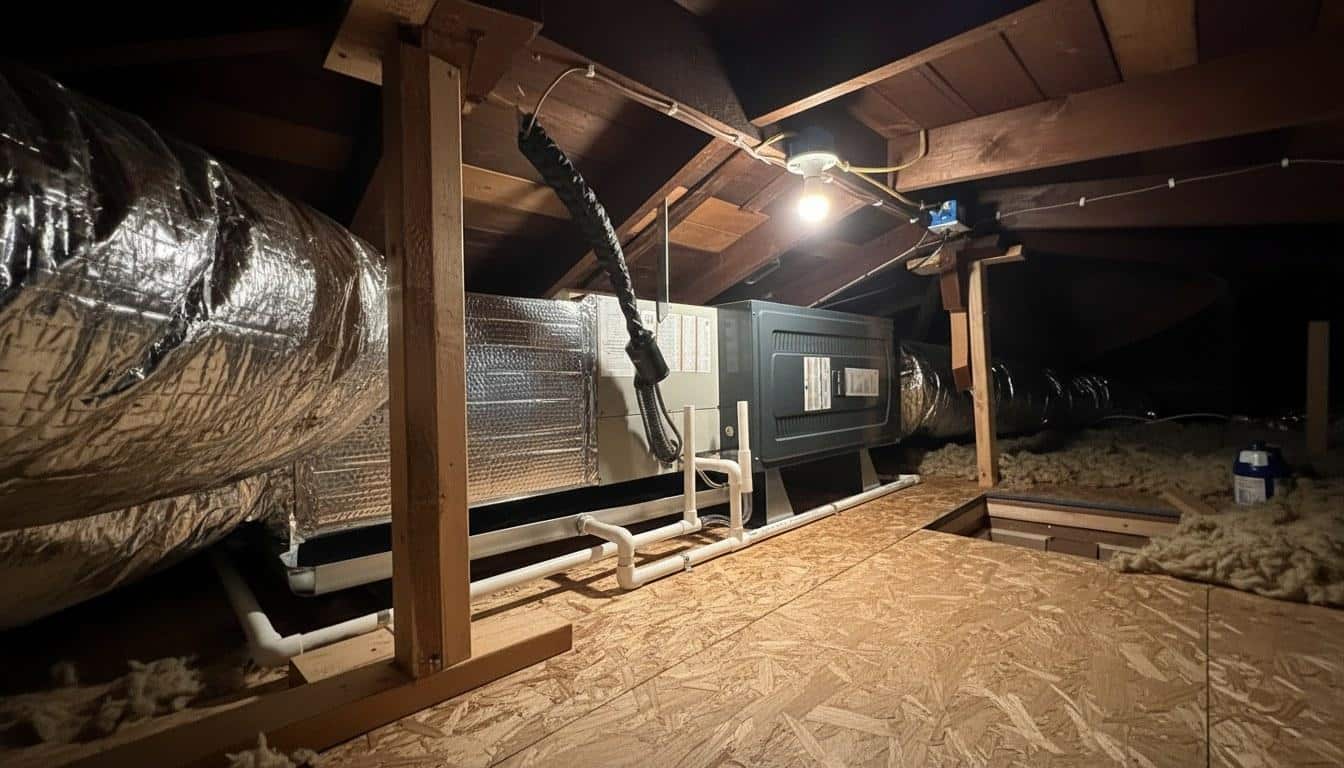
How Do You Know When to Repair or Replace Your Current System?
If your furnace or heat pump is more than 15 years old and repair costs exceed 50% of the replacement cost, replacing it is almost always the smarter financial decision. This is the industry standard rule of thumb, and it holds up in most real-world cases.
Signs Your Furnace Needs Attention
- Uneven heating: Some rooms are warm while others stay cold, even with the thermostat turned up.
- Rising gas bills: A furnace losing efficiency draws more fuel to produce the same heat output.
- Frequent cycling: The system turns on and off more than 3–4 times per hour, which strains the heat exchanger.
- Yellow or flickering burner flame: A healthy gas burner burns blue. Yellow flames can indicate a cracked heat exchanger — a carbon monoxide risk that requires immediate inspection.
- Unusual noises: Banging, rattling, or squealing at startup often signal a failing blower motor or loose components.
Repair vs. Replace Decision Guide
| Situation | Recommended Action |
|---|---|
| System under 10 years old, minor issue | Repair — cost-effective, system has life left |
| System 10–15 years old, repair under $500 | Repair, but start planning for replacement |
| System over 15 years old, repair over $1,000 | Replace — put that money toward a new system |
| Cracked heat exchanger (any age) | Replace immediately — safety issue |
| System over 20 years old, any repair | Replace — parts availability and efficiency both declining |
Furnace repair costs in the Southern California market typically range from $150 to $600 for common issues like igniter replacement, flame sensor cleaning, or blower motor service. Major repairs — heat exchanger replacement, draft inducer motor, or control board — can run $800 to $1,800 or more, depending on the unit and parts availability.
Across our service calls in Southern California, we see roughly 60% of emergency furnace calls involve systems that are 12 years or older, and in most of those cases the homeowner had noticed at least one warning sign (higher bills, short cycling, or uneven heat) for 1–2 seasons before calling.
Ready to Choose? Get Expert Help from Shalom Heating & Air
Choosing between a heat pump and a furnace is a decision that affects your comfort and energy bills for the next 15 to 20 years — get it right with a professional assessment. The right answer depends on your home’s size, insulation, existing ductwork, electrical panel, and local utility rates.
Shalom Heating & Air helps homeowners across Southern California evaluate their options honestly, size equipment correctly using Manual J load calculations, and access every rebate they qualify for. All installations are performed by technicians working under a license issued by the California Contractors State License Board (CSLB).
Schedule your assessment or request a written quote today. Call (714) 886-2021 — same-day consultations available for homeowners across the region.
Explore our full range of HVAC services across Southern California.
Frequently Asked Questions
How much does it usually cost to repair a furnace in Southern California?
Furnace repair costs in Southern California typically range from $150 to $600 for common issues like igniter replacement or flame sensor cleaning. Major repairs such as a heat exchanger or control board replacement can run $800 to $1,800 or more. The age and brand of the unit affect parts availability and labor time. If your system is over 15 years old and the repair quote is over $1,000, replacement is often the smarter investment.
Is a heat pump or a furnace better for a California home?
For most California homes, a heat pump is the better choice because Southern California winters are mild enough that heat pumps operate at peak efficiency throughout the heating season. Heat pumps also provide air conditioning in summer, replacing two systems with one. Homes at higher elevations or in areas with sustained freezing temperatures may benefit from a dual-fuel setup that pairs a heat pump with a gas backup.
How do I know if my furnace needs to be repaired or replaced?
If your furnace is under 10 years old and the repair cost is under $500, repairing it is usually worthwhile. If it is over 15 years old and the repair quote exceeds $1,000, replacement almost always makes more financial sense. A cracked heat exchanger is a safety issue that requires immediate replacement regardless of age. Uneven heating, rising gas bills, and frequent short cycling are early warning signs worth addressing before a full breakdown.
What rebates are available for heat pump installation in California?
California homeowners can access the Inflation Reduction Act federal tax credit, which covers 30% of qualifying heat pump installation costs up to $2,000 per year. The TECH Clean California program offers additional rebates of $1,000 to $4,000 through participating contractors. SoCalREN and local utility programs may stack on top of these, potentially reducing total project cost by $2,000 to $8,000 or more. Equipment must be ENERGY STAR certified to qualify for most programs.
Why is my furnace blowing cold air or not heating properly?
The most common causes of a furnace blowing cold air are a dirty air filter blocking airflow, a faulty igniter that prevents the burner from lighting, or a tripped high-limit switch that shuts the system down to prevent overheating. A clogged flame sensor can also cause the burner to light and then immediately shut off. Start by replacing the air filter — if the problem continues, a technician can diagnose the ignition system or heat exchanger in one visit.