Whole-House Fans: How to Cool Your Home Without AC
A whole-house fan pulls cool outdoor air through open windows and exhausts hot attic air out through roof vents — cutting indoor temps fast without running your AC. This guide covers how they work, what they cost, and how to choose the right one.
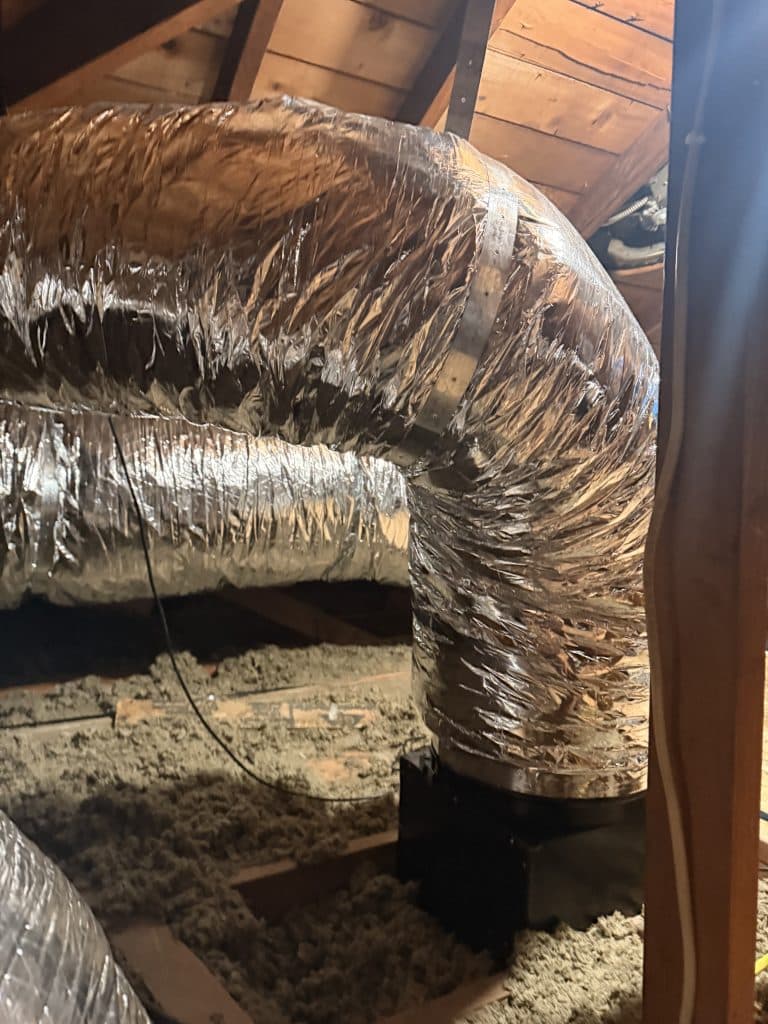
This whole house fan guide answers the most common questions California homeowners ask about this energy-saving cooling option: how the systems work, what they cost, how they are installed, and when they genuinely beat running central air. If your AC bill spikes every summer and your evenings are cool enough to open windows, a whole-house fan could change how you use your home.
What Does a Whole-House Fan Actually Do?
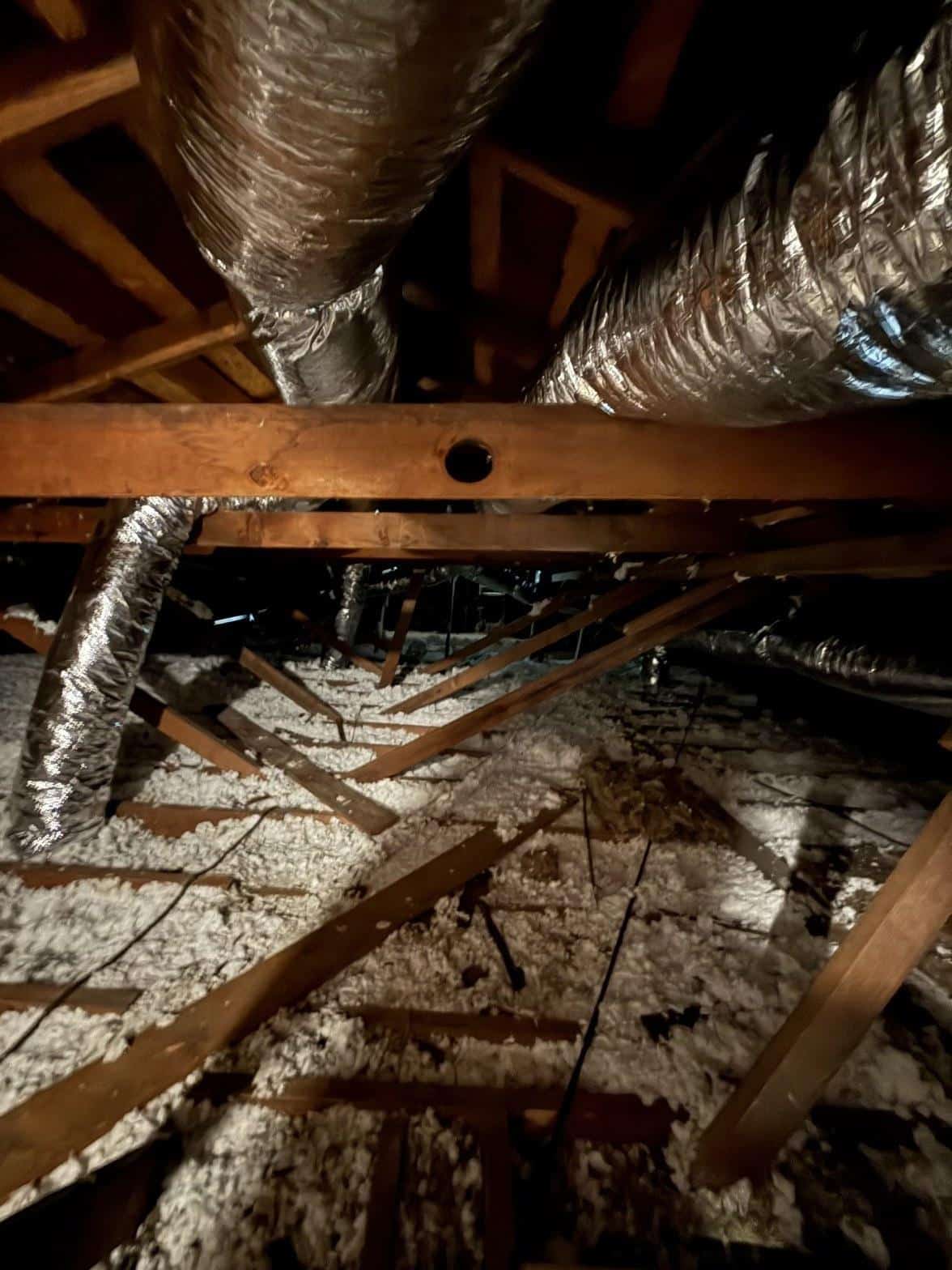
A whole-house fan is mounted in your ceiling and pulls cool outdoor air in through open windows while pushing hot air out of your attic through roof or gable vents. It can drop the indoor temperature by 5 to 10 degrees Fahrenheit in under 15 minutes. That rapid air exchange also flushes stale indoor air, which most AC systems simply recirculate.
The fan works best when outdoor air is cooler than indoor air — typically in the evening, at night, and in the early morning. In much of Southern California, outdoor temperatures fall into the low 60s or upper 50s on many summer nights, making this window of opportunity real and reliable. According to the U.S. Department of Energy, whole-house fans can reduce air conditioning energy use by 50 to 90 percent when used correctly.
A whole-house attic fan works on the same principle as a standard whole-house fan, but some products are specifically marketed as attic fans that only cool the attic space rather than the living area. True whole-house fans move air through the entire home — not just the attic — so confirm the product’s airflow rating before buying.
What Are the Different Types of Whole-House Fans?
There are two main categories: traditional belt-drive or direct-drive fans and modern insulated two-speed or variable-speed ducted fans. Each fits a different budget, noise tolerance, and installation situation.
- Traditional whole-house fans: Large-diameter fans (typically 24 to 36 inches) mounted directly in a ceiling joist bay. They move a high volume of air — often 4,000 to 6,000 cubic feet per minute (CFM) — but they are louder and leave a large uninsulated opening in the ceiling when not in use, which hurts winter energy efficiency.
- Insulated ducted fans (quiet fans): Smaller, high-efficiency motors connected to one or two ceiling grilles via insulated ducts. Brands in this category typically move 1,000 to 3,500 CFM. They are significantly quieter and include insulated dampers that close automatically when the fan is off, meeting California’s Title 24 building energy standards more easily.
- Variable-speed models: Available in both categories, these let you dial airflow from a gentle overnight setting to maximum purge mode. They cost more upfront but offer more flexibility for mixed-use households.
- Whole-house attic fans: Mounted in the attic floor or gable wall, these primarily exhaust attic heat rather than cool living spaces. They can extend the life of roofing materials by keeping attic temps lower, but they are not a substitute for a true whole-house fan if your goal is to cool occupied rooms.
How Much Does a Whole-House Fan Cost?
In the Southern California market, whole-house fan installation projects typically range from $700 to $2,500 depending on the fan type, attic access, and whether additional roof venting is needed. Equipment alone ranges from about $200 for a basic traditional fan to $1,200 or more for a premium insulated ducted model.
Several factors move the final number:
- Fan size and CFM rating: Larger homes need higher CFM fans, which cost more. A general rule of thumb is 2 to 3 CFM per square foot of living space, so a 1,500-square-foot home needs at least a 3,000 CFM fan.
- Attic venting: Whole-house fans require 1 square foot of net free vent area for every 750 CFM of fan capacity. If your attic is under-vented, adding soffit, ridge, or gable vents adds $150 to $500 to the project.
- Electrical work: Most fans require a dedicated 120V or 240V circuit. If the panel is far from the attic, wiring labor adds to the cost.
- Ceiling finish: Drywall patching or trim work around the grille opening can add $100 to $300 depending on the existing ceiling material.
- Insulated vs. traditional: Insulated ducted fans cost $300 to $600 more than comparable traditional models but save money on heating bills by eliminating the large uninsulated ceiling hole.
| Fan Type | Typical Equipment Cost | Typical Installed Cost (Regional Market) | Noise Level | Energy Code Compliance |
|---|---|---|---|---|
| Traditional direct-drive | $200 – $500 | $700 – $1,200 | Moderate to loud | May require added insulation |
| Insulated ducted (quiet) | $500 – $1,200 | $1,200 – $2,500 | Low to very low | Meets California Title 24 more easily |
| Whole-house attic fan only | $150 – $400 | $500 – $1,000 | Moderate | Varies by model |
Always request a custom quote before committing to a project. Scope, attic conditions, and electrical access vary enough that online estimates can be off by hundreds of dollars. Call (714) 886-2021 to get a written quote from Shalom Heating & Air.
Homeowners who pair a whole-house fan with an ENERGY STAR-rated central AC system may also qualify for the Inflation Reduction Act federal tax credit, which covers 30 percent of the cost of qualifying energy-efficiency improvements made through 2032. Confirm eligibility with a tax professional, since the whole-house fan itself must meet specific efficiency thresholds to qualify.
Is Your Home a Good Candidate for a Whole-House Fan?
Most single-story and two-story homes with accessible attic space are good candidates. The key requirement is that outdoor air must cool down to at least 5 degrees below your indoor temperature before the fan becomes effective — a condition that occurs on most summer nights across Southern California.
Check these factors before moving forward:
- Attic access: The fan mounts in a ceiling joist bay or connects to the ceiling via an insulated duct. Finished attics or very shallow roof pitches can complicate installation.
- Roof venting: Insufficient attic venting is the most common reason a whole-house fan underperforms. An HVAC contractor will calculate the required net free vent area before installation.
- Window area: You need enough operable windows to allow air intake. A good rule is at least 1.5 to 2 square feet of open window area for every 1,000 CFM of fan capacity.
- Climate pattern: Homes in inland Southern California valleys, where summer days are hot but nights drop into the 60s, benefit the most. Coastal homes already enjoy natural cooling breezes and may see smaller gains.
- Home size: Whole-house fans scale from small 1,000 CFM units for apartments and condos up to multi-fan systems for homes over 3,000 square feet.
Our technicians see whole-house fan retrofits most often in homes built before 1990 — roughly 60 to 70 percent of the installs we complete — because those houses were built before central AC became standard and already have the attic depth and joist spacing that makes installation straightforward.
How Do You Use a Whole-House Fan Correctly?
Run the fan only when outdoor air is cooler than indoor air, open windows on the lower floors before turning it on, and close the fan’s dampers when you switch to AC. Using it incorrectly wastes energy and can even pull combustion gases from gas appliances back into the home.
- Check outdoor temperature first. Wait until outdoor air is at least 5 degrees cooler than your indoor temperature — typically after 8 or 9 p.m. in most of Southern California during summer.
- Open windows before starting the fan. Open windows in the rooms you want to cool. Start with ground-floor or lower-level windows to draw cool air upward. Never run the fan with all windows closed — this can depressurize the home and backdraft combustion appliances.
- Turn on the fan and let it run. Most homeowners run the fan for 30 minutes to 2 hours to purge the day’s heat. Then they close windows and the fan dampers to trap the cool air inside.
- Close dampers before using AC. If you switch to air conditioning during the day, make sure the whole-house fan’s insulated dampers are fully closed. An open damper leaks conditioned air into the attic, which dramatically reduces AC efficiency.
- Service the fan annually. Lubricate bearings if required by the manufacturer, check belt tension on belt-drive models, and confirm dampers seal completely. Most modern insulated fans are nearly maintenance-free beyond an annual inspection.
One important safety note: if your home has a gas furnace, gas water heater, or any other combustion appliance, the negative pressure created by the fan can pull combustion gases back into living spaces if the appliance is running. Turn off all combustion appliances before running the whole-house fan, or install sealed-combustion appliances that draw outside air directly.
Whole-House Fan vs. Central AC: Which One Should You Use?
A whole-house fan and central AC are not competitors — they work best as a team. Use the fan during cool evenings and nights to pre-cool the home, then use AC sparingly during the hottest afternoon hours. This strategy can cut AC runtime by 4 to 6 hours per day, which translates directly to lower electricity bills.
That said, there are situations where one clearly outperforms the other:
| Situation | Whole-House Fan | Central AC |
|---|---|---|
| Outdoor temp below indoor temp | Ideal — fast, cheap cooling | Unnecessary — wastes energy |
| Outdoor temp above 85°F | Not effective — pulls in hot air | Ideal — sealed system cools regardless |
| High outdoor humidity | Less effective — brings humid air in | Better — dehumidifies while cooling |
| Overnight cooling | Excellent — run 1-2 hrs then close up | Expensive for overnight use |
| Air quality / wildfire smoke days | Do not use — pulls smoke indoors | Use with MERV-13 filter — keeps smoke out |
| Upfront cost | $700 – $2,500 installed | $4,000 – $12,000+ installed |
| Operating cost per hour | Very low (150 – 600 watts) | Higher (2,000 – 5,000+ watts) |
Across our service calls in Southern California, we see homeowners who run their AC from noon to midnight every day in summer. When they add a whole-house fan and shift to running AC only from noon to about 7 p.m., then switch to the fan overnight, their monthly cooling bills drop by roughly 30 to 45 percent in months with mild evenings.
If your home does not yet have central AC, a whole-house fan is an affordable first step that handles the majority of cooling days in a mild coastal or valley climate. When you are ready for full AC, a contractor can size the system correctly using a Manual J load calculation, which accounts for the reduced cooling load a whole-house fan creates. California’s Title 24 building energy standards also encourage this kind of integrated approach to home cooling.
Ready to Add a Whole-House Fan to Your Home?
Schedule a site assessment with Shalom Heating & Air before purchasing equipment. A technician will measure your home’s square footage, check attic depth and venting, inspect the electrical panel, and recommend the right fan size and type for your specific layout. Getting the sizing right on the first visit saves you from buying a fan that is too small to cool your home or too large for your attic venting to handle safely.
Shalom Heating & Air is Licensed by the California Contractors State License Board (CSLB) and serves homeowners across Southern California. Call (714) 886-2021 to book your assessment or get a written quote. Same-day and next-day appointments are available for most whole-house fan consultations.
Explore our full range of HVAC services across Southern California.
Frequently Asked Questions
How do you use a whole-house fan properly?
Open windows on your lower floors before turning the fan on, then run it only when outdoor air is cooler than indoor air — usually in the evening or at night. Let it run for 30 minutes to 2 hours to flush out the day's heat, then close the windows and the fan's dampers to trap cool air inside. Never run the fan with all windows closed, and turn off gas appliances while the fan is operating to prevent backdrafting.
How much does it cost to install a whole-house fan?
In the Southern California regional market, whole-house fan installation typically ranges from $700 to $2,500 depending on the fan type, attic venting conditions, and the electrical work required. Insulated ducted models cost more upfront — usually $1,200 to $2,500 installed — but they are quieter and seal better in winter. Request a custom quote from a licensed contractor to get an accurate number for your specific home.
What does a whole-house fan actually do for your home?
A whole-house fan pulls cool outdoor air in through open windows and exhausts hot air out of your attic through roof or gable vents. This can drop indoor temperatures by 5 to 10 degrees Fahrenheit in under 15 minutes. It also flushes stale indoor air that central AC systems typically just recirculate.
How do I know what size whole-house fan I need?
A general guideline is 2 to 3 CFM (cubic feet per minute) of airflow per square foot of living space. A 1,500-square-foot home typically needs at least a 3,000 CFM fan. Your attic's net free vent area also limits how large a fan you can install — plan for 1 square foot of vent area per 750 CFM of fan capacity. A licensed HVAC contractor can confirm the right size during a site visit.
Can I run a whole-house fan instead of my air conditioner all summer?
A whole-house fan can replace AC on most mild evenings and nights in Southern California, but it cannot cool your home when outdoor temperatures are above 85°F or during high-humidity or wildfire smoke days. The most effective strategy is to use the fan overnight and in the early morning, then switch to AC only during the hottest afternoon hours — this approach can cut AC runtime by 4 to 6 hours per day and reduce cooling bills by 30 to 45 percent in months with mild evenings.