HVAC Refrigerant Regulations in 2026: What the R-22 Phase-Out Means for Your System
R-22 refrigerant is no longer produced or imported in the U.S., and millions of older AC systems still run on it. This guide explains what that means for your home, your wallet, and your next steps.
What Is the R-22 Phase-Out and Why Does It Matter in 2026?
R-22, also called Freon, is a hydrochlorofluorocarbon (HCFC) refrigerant that was banned from U.S. production and import on January 1, 2020, under the EPA’s Section 608 refrigerant regulations. As of 2026, the only legal supply comes from recycled or reclaimed stockpiles, which are shrinking every year. For the millions of homeowners still running pre-2010 air conditioners, this is not a distant policy issue. It directly affects what you pay for repairs and whether your system can be serviced at all.
The phase-out is part of a global effort under the Montreal Protocol to eliminate ozone-depleting substances. R-22 is one of the most damaging of those substances. The U.S. began restricting it in 2010 and completed the ban a decade later. Technicians must be EPA Section 608 certified to handle any refrigerant, including reclaimed R-22. Unlicensed handling is a federal violation.
This r22 refrigerant phase out homeowner guide 2026 is designed to help you understand exactly where you stand, what your options cost, and how to make a smart decision before your system fails on a hot day.
How Do You Know If Your System Uses R-22?
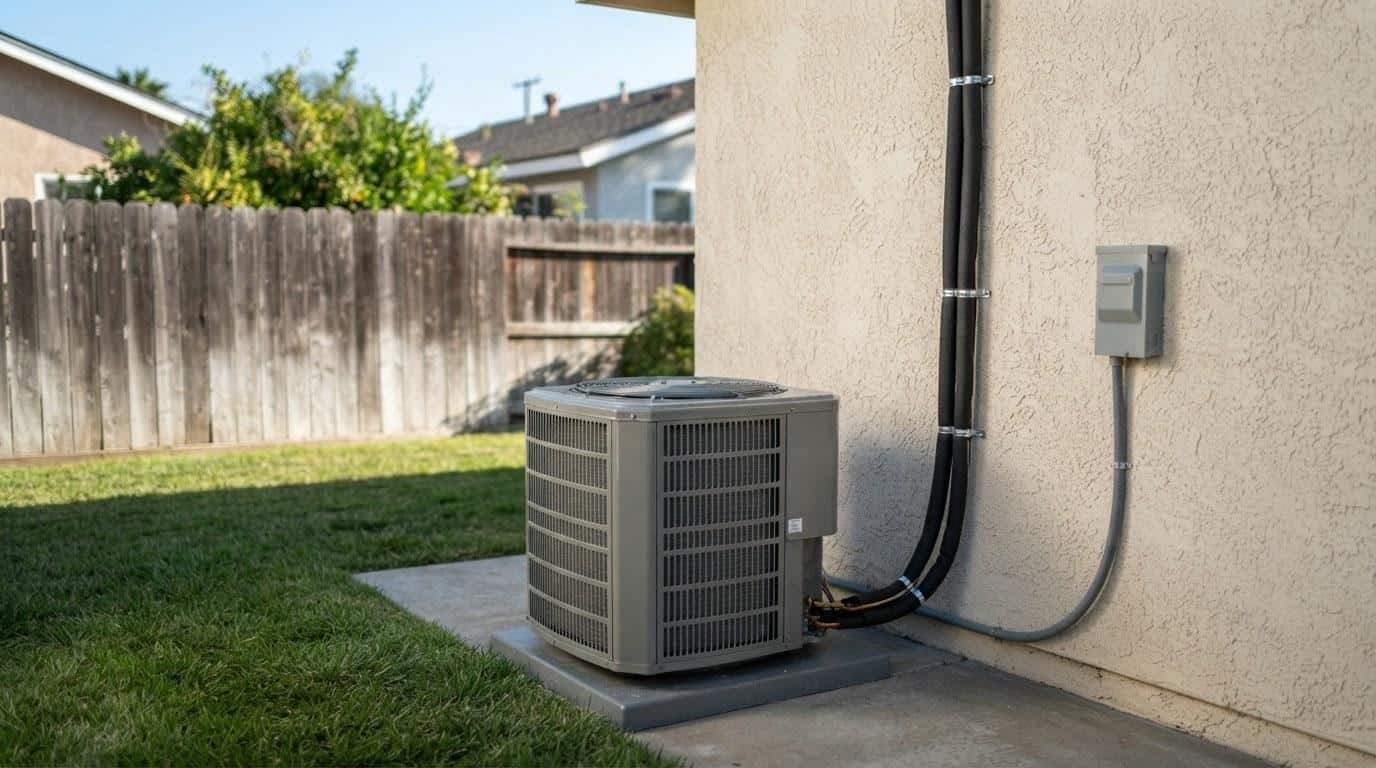
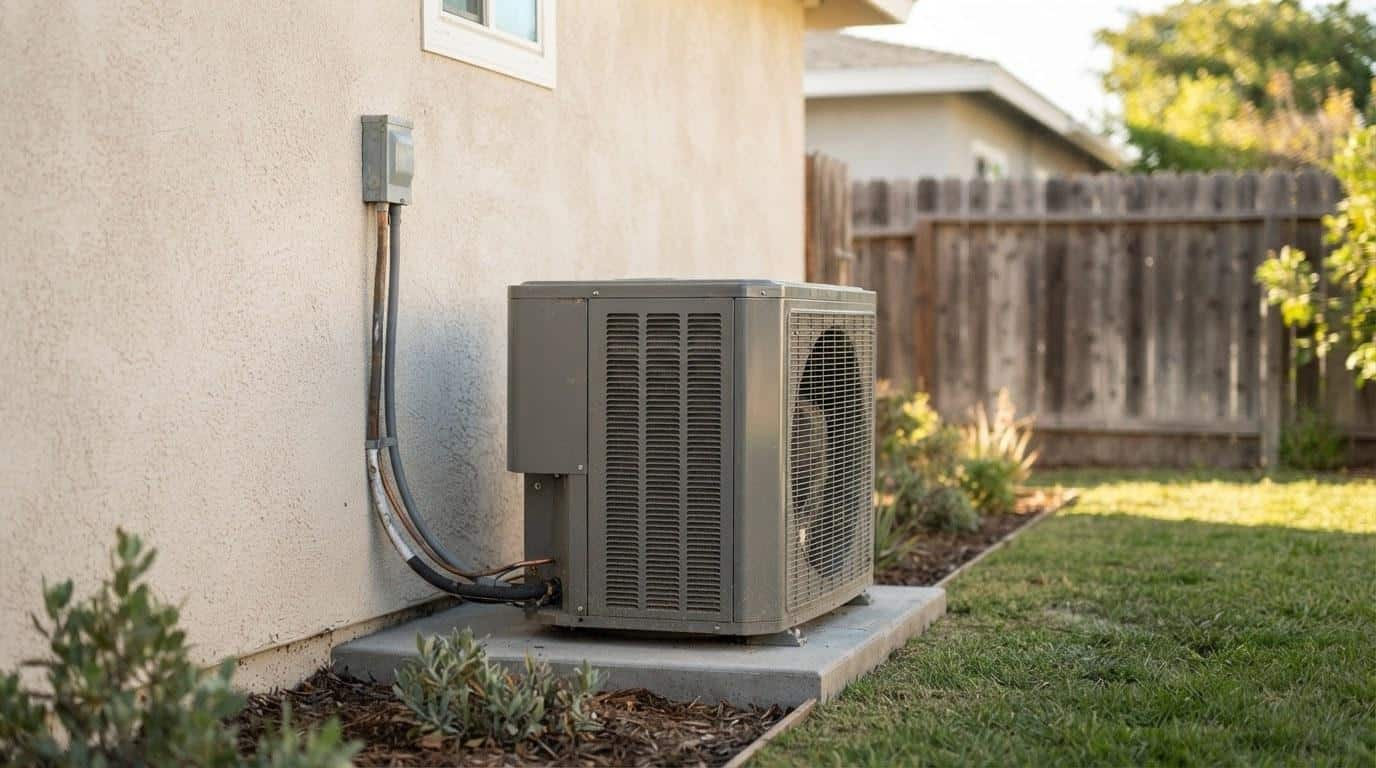
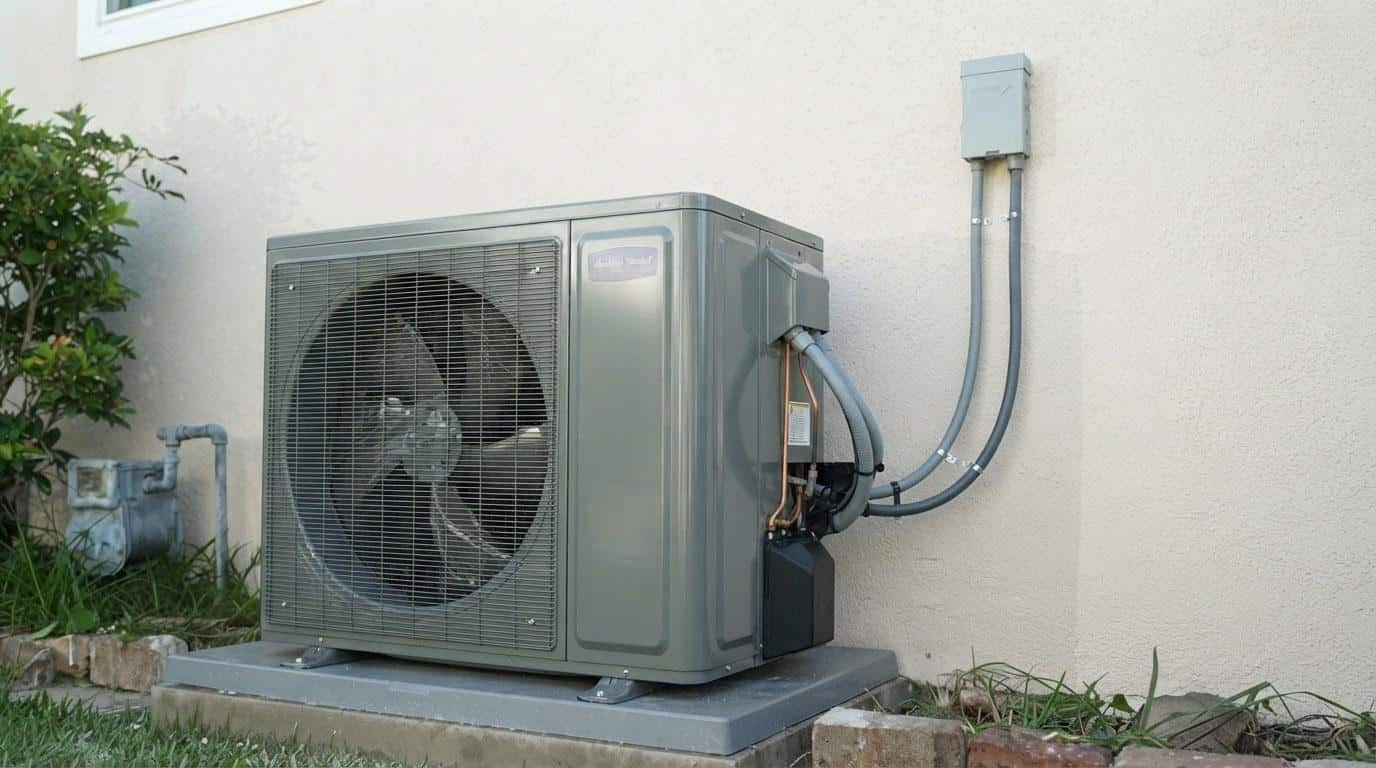
The fastest way to find out is to look at the yellow Energy Guide label or the nameplate sticker on your outdoor condenser unit. Systems manufactured before 2010 almost always use R-22. Systems made from 2010 onward typically use R-410A, a more environmentally friendly refrigerant.
Here are the most reliable ways to identify your refrigerant type:
- Check the outdoor unit label: Look for a line that reads “Refrigerant” or “Charge” followed by a refrigerant code. R-22 will be listed as “HCFC-22” or simply “R-22”.
- Check the manufacture date: The serial number on the unit usually encodes the year of manufacture. Most manufacturers use the first two digits or a letter code to indicate the year.
- Look at the service ports: R-22 systems use a different port size than R-410A systems. A licensed technician can identify this in seconds.
- Review your paperwork: Installation records, warranty documents, or original permits will list the refrigerant type.
- Ask a licensed HVAC technician: If you are unsure, a professional inspection is the most reliable method. A technician licensed by the California Contractors State License Board (CSLB) can confirm the refrigerant type and check the system’s overall condition at the same time.
If your system is 15 years old or older, there is a very high probability it uses R-22. In Southern California, where air conditioners run hard from late spring through early fall, older systems tend to develop refrigerant leaks well before the end of their mechanical life.
What Are Your Options When an R-22 System Needs Refrigerant?
When an R-22 system develops a refrigerant leak or runs low on charge, you have three practical options: recharge with reclaimed R-22, retrofit the system with a drop-in refrigerant substitute, or replace the entire system with a modern unit. Each option has different costs, risks, and long-term implications.
Option 1: Recharge With Reclaimed R-22
Reclaimed R-22 is refrigerant that has been recovered from decommissioned equipment, cleaned, and re-certified for reuse. It is legal to buy and use. However, supply is finite and shrinking. Prices have risen sharply since the 2020 ban and continue to climb. This option makes sense only if the system is otherwise in excellent condition and the leak has been fully repaired, not just topped off.
Our technicians see this regularly: a system that gets topped off without fixing the underlying leak will need another recharge within one to two cooling seasons, doubling the cost for the homeowner.
Option 2: Retrofit With a Drop-In Substitute
Several refrigerant blends are marketed as R-22 substitutes, including R-407C and MO99 (R-438A). These can work in some R-22 systems without a full equipment swap. However, performance can vary, and not every R-22 system is compatible. A retrofit also does not extend the mechanical life of aging components like the compressor or coils. Mismatched refrigerants can void any remaining manufacturer warranty.
Option 3: Full System Replacement
Replacing the system entirely is the only permanent solution. Modern units use R-410A or the newer R-32 and R-454B refrigerants, which have lower global warming potential and are not subject to phase-out restrictions in the near future. A new system also delivers significantly better energy efficiency, measured by the SEER2 rating standard that went into effect in 2023. California’s Title 24 building energy standards now require a minimum SEER2 of 15.2 for new central AC installations in most climate zones.
How Much Does It Cost to Deal With an R-22 System Today?
Recharging an R-22 system with reclaimed refrigerant typically costs between $100 and $300 per pound in today’s market, and most residential systems hold between 3 and 15 pounds of refrigerant. A full recharge on a system with a significant leak can run $600 to $1,500 or more for the refrigerant alone, before labor. Prices vary by region and available supply.
Here is a cost comparison to help you frame the decision:
| Option | Typical Cost Range | Lifespan Benefit | Compliance Status |
|---|---|---|---|
| R-22 recharge (reclaimed) | $600 to $1,500+ for refrigerant plus labor | Short-term only; supply shrinks yearly | Legal with certified technician |
| Drop-in refrigerant retrofit | $300 to $800 including labor | Moderate; does not fix aging hardware | Legal; compatibility must be verified |
| Full system replacement (central AC) | $4,000 to $12,000 depending on size and efficiency | 15 to 20 years on a new system | Fully compliant; eligible for rebates |
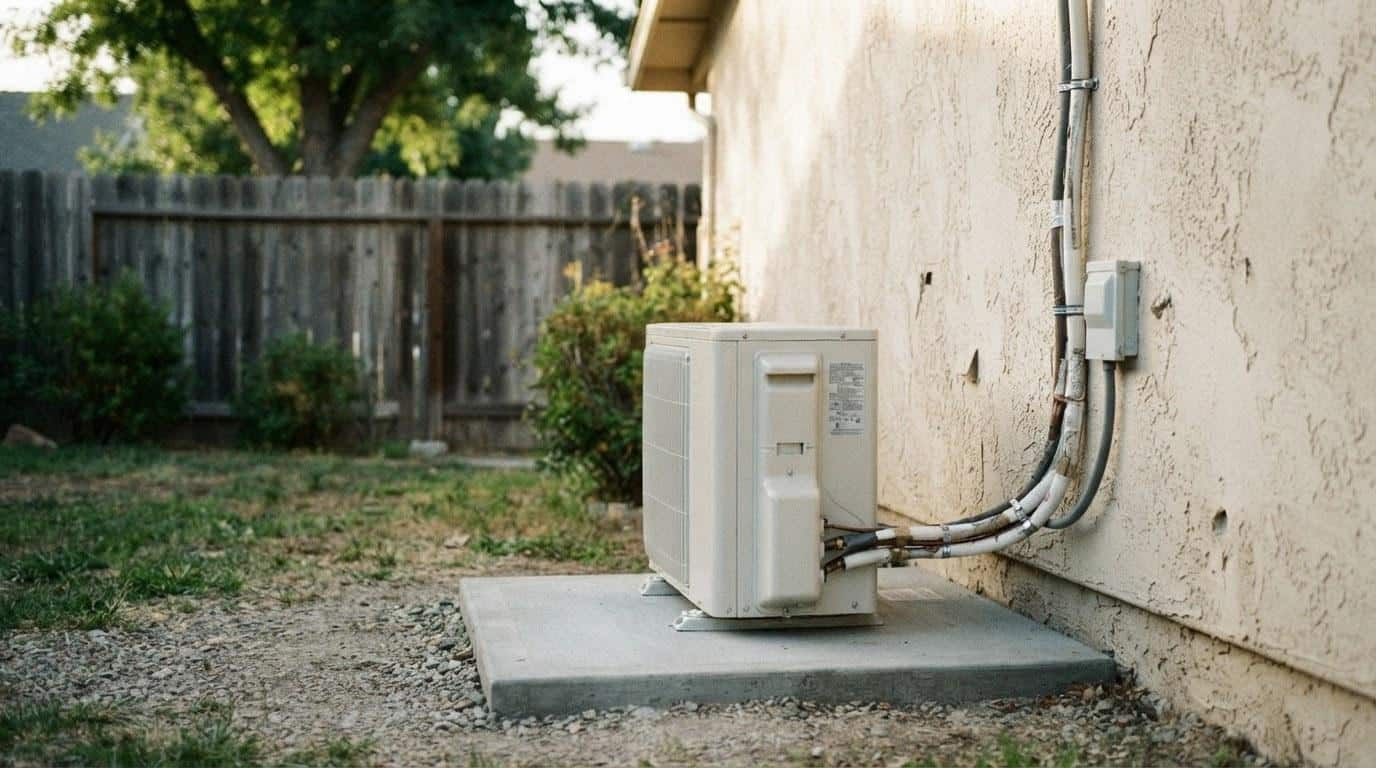
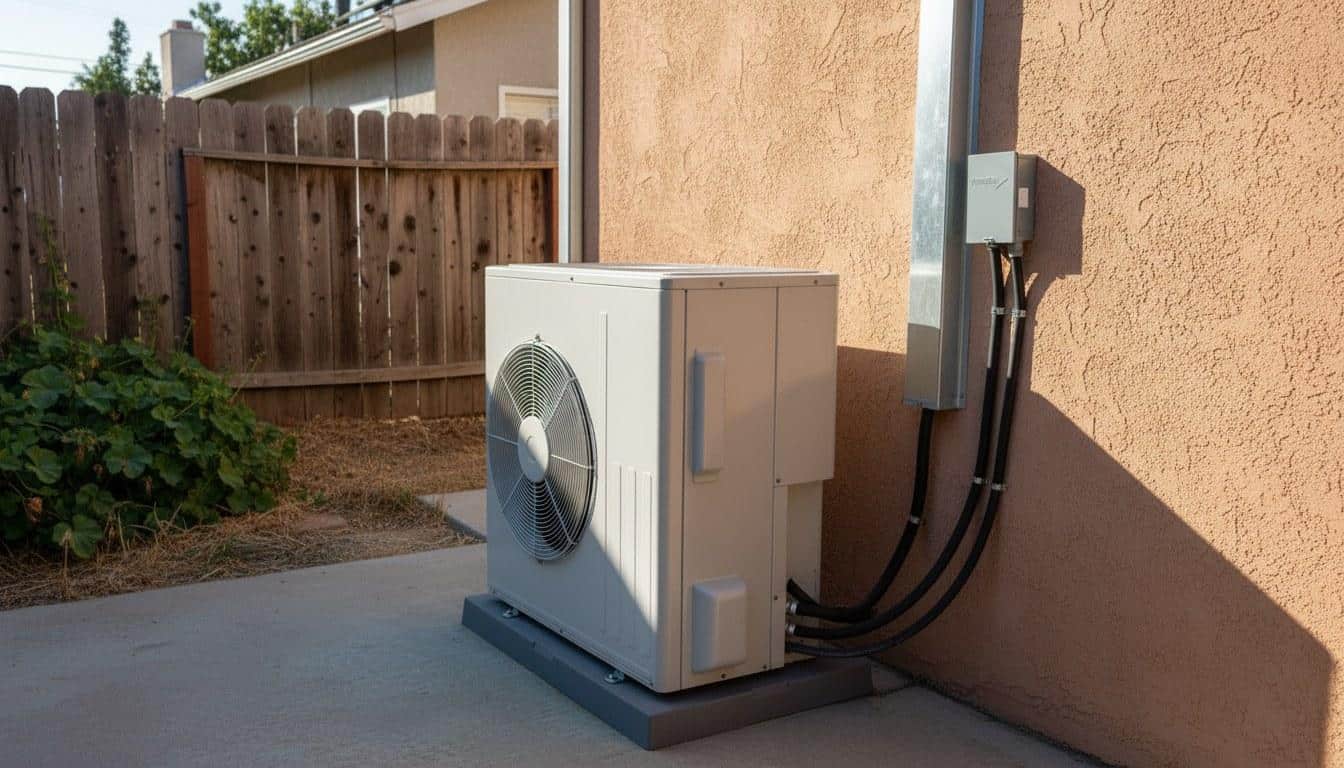
| Ductless mini-split replacement | $3,000 to $9,000 per zone installed | 15 to 20 years; no ductwork required | Fully compliant; eligible for rebates |
These ranges reflect typical regional market conditions in California. Actual costs depend on system size (measured in tons), ductwork condition, access, and the specific equipment selected. Always request a written, itemized quote before any work begins.
One factor homeowners often overlook is the cost of repeated repairs. An R-22 system that is 15 or more years old may also need a new compressor ($1,500 to $2,500), evaporator coil ($800 to $1,500), or capacitor, on top of refrigerant costs. Those repair costs do not come back to you if the system fails a year later.
Should You Repair or Replace Your R-22 Air Conditioner?
A commonly used industry rule is the “5,000 rule”: multiply the system’s age in years by the estimated repair cost. If that number exceeds $5,000, replacement is usually the smarter financial choice. For example, a 14-year-old system facing an $800 repair scores 11,200, well above the threshold.
Beyond the math, consider these factors:
- Age of the system: Central air conditioners have an average lifespan of 15 to 20 years with regular maintenance. A system already at or past that mark is living on borrowed time regardless of refrigerant issues.
- Frequency of repairs: If the system has needed service two or more times in the past three years, the underlying components are likely degrading across the board.
- Energy bills: Older systems with SEER ratings of 10 or below use significantly more electricity than a modern unit rated SEER2 16 or higher. The energy savings from a new system can offset part of the replacement cost over time.
- Refrigerant supply risk: Reclaimed R-22 supply is not guaranteed. A system that needs refrigerant again in two years may face even higher prices or unavailable supply.
- Ductwork condition: If the existing ductwork is leaking or undersized, a system replacement is a good time to address it. Leaky ducts can reduce system efficiency by 20 to 30 percent according to U.S. Department of Energy estimates.
This r22 refrigerant phase out homeowner guide 2026 cannot make the decision for you, but the general guidance from HVAC industry professionals is clear: if your system is over 12 years old and needs a refrigerant recharge, replacement is worth a serious look.
What Rebates and Tax Credits Are Available When You Upgrade?
Homeowners who replace an R-22 system with a qualifying high-efficiency unit may be eligible for the Inflation Reduction Act federal tax credit, which covers up to 30 percent of the installed cost of qualifying heat pumps and central air conditioners, up to $600 for central AC or up to $2,000 for heat pumps, as of the 2024 and 2025 tax years. Check ENERGY STAR’s tax credit guidance for the latest qualifying equipment lists and annual limits.
In addition to federal credits, California homeowners may qualify for:
- TECH Clean California incentives: The TECH Clean California program offers rebates for heat pump installations that replace fossil-fuel or inefficient electric systems. Rebate amounts vary by income level and equipment type.
- SoCalREN rebates: The Southern California Regional Energy Network (SoCalREN) periodically offers rebates for qualifying HVAC upgrades in participating utility territories.
- Utility rebates: Southern California Edison and other utilities offer rebates for ENERGY STAR-certified central air conditioners and heat pumps. Amounts change seasonally, so check with your utility before purchasing.
- California Energy Commission appliance standards: New equipment sold in California must meet California Energy Commission appliance standards, which are often stricter than federal minimums. Buying compliant equipment ensures you qualify for state-level incentives.
To claim the Inflation Reduction Act federal tax credit, keep your itemized installation invoice and the manufacturer’s certification statement. File IRS Form 5695 with your federal return for the year the equipment was placed in service. Income limits do not apply to this particular credit.
Stacking a federal tax credit with a utility rebate and a state program rebate can meaningfully reduce the net cost of a new system. A licensed contractor can help you identify which programs apply to your specific equipment choice and home situation.
Ready to Get Your System Evaluated?
If your air conditioner was installed before 2010, now is the right time to have it assessed by a licensed professional. Waiting until the system fails on a 95-degree day leaves you with fewer options and more pressure to make a fast decision.
Shalom Heating & Air serves homeowners across Southern California and can assess whether your system uses R-22, whether a recharge or retrofit makes sense, or whether replacement is the smarter long-term investment. The team is licensed and insured, and all refrigerant work is performed in compliance with EPA Section 608 regulations.
Call (714) 886-2021 to schedule an evaluation. Get a written quote before any work begins so you can compare your options clearly and take advantage of available rebates and tax credits before the season heats up.
Explore our full range of HVAC services across Southern California.
Frequently Asked Questions
Is it illegal to use R-22 refrigerant in my AC system in 2026?
It is not illegal to own or operate an AC system that uses R-22. What is illegal is producing or importing new R-22, which has been banned since January 1, 2020. Technicians can legally service your system using reclaimed or recycled R-22, but they must be EPA Section 608 certified to handle any refrigerant. Venting refrigerant into the atmosphere is a federal violation regardless of the type.
How long will reclaimed R-22 be available for my old system?
There is no set end date for reclaimed R-22 availability, but supply is finite and shrinking as more old systems are decommissioned. Prices have climbed steadily since the 2020 production ban and are expected to continue rising. Most HVAC professionals recommend planning for system replacement rather than counting on affordable R-22 availability beyond the next few years.
Can I just switch my R-22 system over to R-410A refrigerant?
No, you cannot simply swap R-22 for R-410A in an existing system. R-410A operates at much higher pressure than R-22, and the compressor, coils, and other components in an R-22 system are not designed for it. Attempting this would damage the equipment and create a safety hazard. Drop-in substitute blends like R-407C or R-438A are designed for R-22 systems, but compatibility must be verified by a licensed technician before use.
What tax credit can I get if I replace my R-22 system with a heat pump?
Under the Inflation Reduction Act, homeowners can claim a federal tax credit of up to 30 percent of the installed cost of a qualifying heat pump, up to $2,000 per year. The equipment must meet ENERGY STAR efficiency requirements. This credit applies to the tax year in which the new system is placed in service. Keep your itemized installation receipt and the manufacturer's certification statement to file IRS Form 5695.
How do I know if my AC system is old enough to have R-22?
Any central air conditioning system manufactured before 2010 almost certainly uses R-22. Check the nameplate label on your outdoor condenser unit for the refrigerant type, or look up your system's serial number to find the manufacture date. If you are unsure, a licensed HVAC technician can confirm the refrigerant type during a routine inspection. Shalom Heating & Air can assess your system and explain your options. Call (714) 886-2021 to schedule.