Common Furnace Problems: How to Diagnose, Fix, and Know When to Call a Pro
When your furnace stops working on a cold night, knowing the most common furnace problems can help you figure out what is wrong before you call for help. This guide covers symptoms, likely causes, repair costs, and when a licensed pro is the only safe option.
Why Do Furnaces Break Down in Southern California?
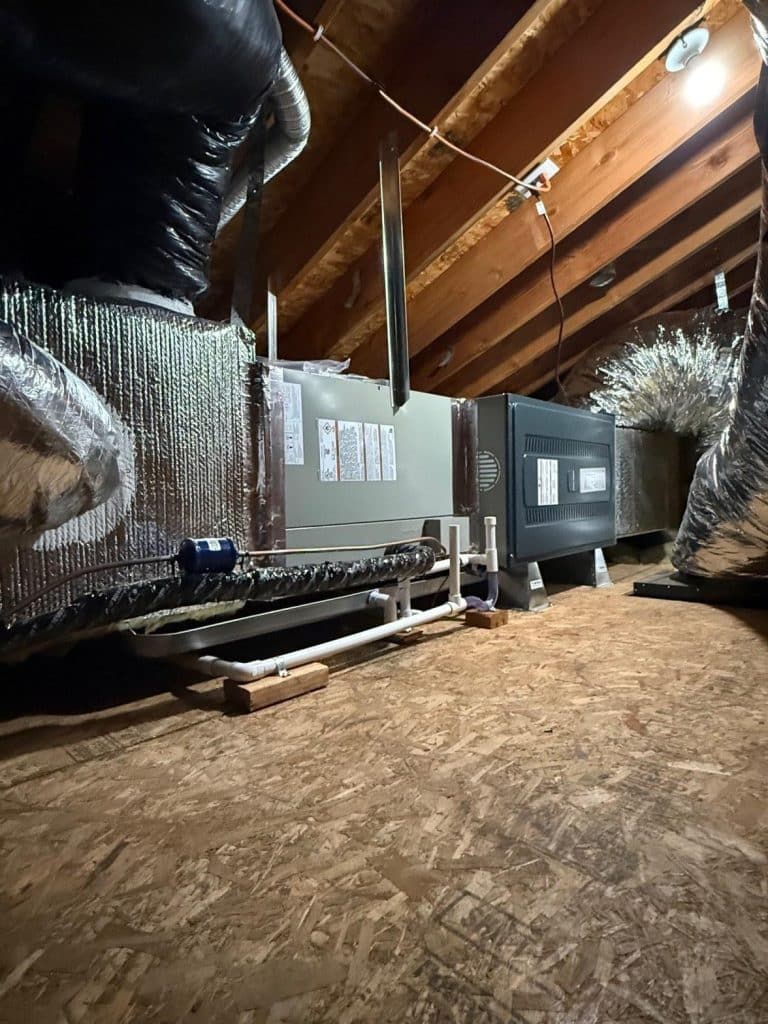
Furnaces in Southern California fail for a different set of reasons than those in colder climates. Because heating seasons here are short, furnaces often sit unused for six months or more, and that long idle period is hard on components.
When a furnace sits dormant through a warm spring and summer, dust accumulates on burners, belts stiffen, and pilot assemblies or ignitors can corrode. Then, when temperatures drop in November or December, the system fires up under stress for the first time in months.
Southern California homes also tend to have older housing stock. Many properties built in the 1970s and 1980s still run on furnaces that are 20 or more years old. The U.S. Department of Energy notes that most furnaces have a service life of 15 to 20 years, so age alone is a major failure factor in this region.
Coastal and inland areas also experience wide temperature swings. On a cold January night, temperatures in parts of Orange County and Los Angeles County can drop into the low 40s or upper 30s, pushing older systems harder than they have been pushed all year.
What Are the Warning Signs Your Furnace Needs Attention?
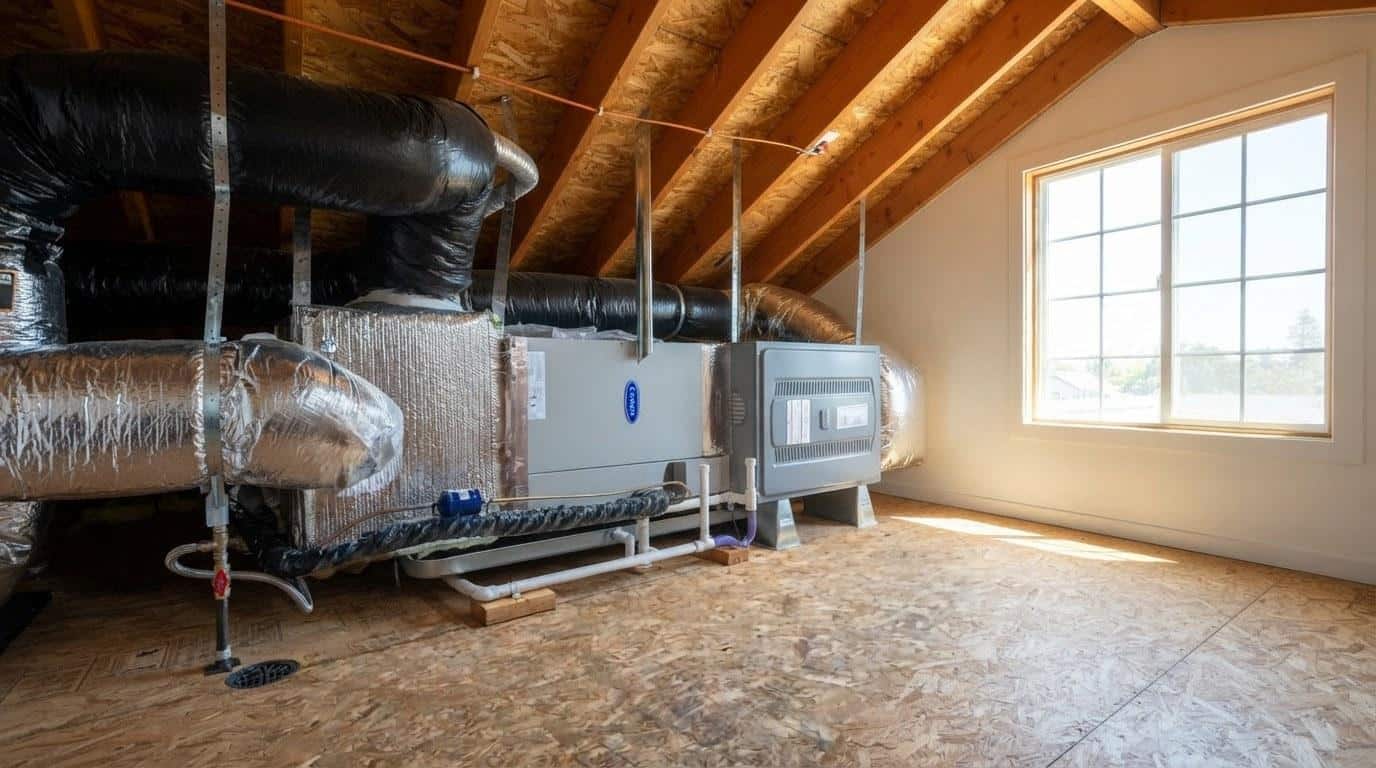
Catch a furnace problem early and you can often avoid a full breakdown. The warning signs below are the ones that show up most often before a system fails completely.
- No heat or weak heat: The thermostat is set correctly but the air coming from vents is cool or only slightly warm.
- Short cycling: The furnace turns on, runs for only a minute or two, then shuts off before the home reaches the set temperature.
- Unusual noises: Banging, rattling, squealing, or a loud boom at startup are all signs that something mechanical or structural has failed.
- Yellow or orange burner flame: A healthy gas burner burns blue. A yellow or flickering flame can signal incomplete combustion or a carbon monoxide risk.
- Spike in energy bills: A furnace working harder than it should will show up on your utility bill before it shows up as a full breakdown.
- Frequent cycling or constant running: Either extreme, cycling too fast or running nonstop, points to a control, sensor, or sizing issue.
- Visible soot or dust around vents: Soot near registers can mean dirty burners, a cracked heat exchanger, or a duct problem pushing combustion byproducts into living spaces.
- Thermostat unresponsive: If the thermostat does not trigger the furnace at all, the issue may be the thermostat itself, the wiring, or the control board.
What Are the Most Common Furnace Problems and Their Causes?
The most common furnace problems fall into a short list of components: the air filter, the ignitor, the flame sensor, the blower motor, and the heat exchanger. Understanding which part is failing helps you decide whether to attempt a fix yourself or call a licensed technician right away.
| Symptom | Likely Cause | DIY or Pro? |
|---|---|---|
| No heat, blower runs | Faulty ignitor or dirty flame sensor | Pro (gas system) |
| Furnace won’t turn on at all | Tripped breaker, dead thermostat, or blown fuse | DIY check first; Pro if wiring is involved |
| Short cycling (turns off too fast) | Overheating due to clogged filter or failed limit switch | DIY for filter; Pro for limit switch |
| Loud bang at startup | Delayed ignition from dirty burners | Pro (gas burner cleaning) |
| Rattling or squealing noise | Loose panel, worn blower belt, or failing blower motor | DIY for panel; Pro for motor or belt |
| Yellow or flickering flame | Incomplete combustion, possible CO risk | Pro immediately |
| Weak airflow from all vents | Clogged filter, collapsed duct, or failing blower | DIY for filter; Pro for duct or blower |
| Soot near registers | Cracked heat exchanger or dirty burners | Pro immediately |
A cracked heat exchanger is the most serious of all common furnace problems. It allows combustion gases, including carbon monoxide, to mix with the air circulated through your home. This is not a DIY repair under any circumstances. If a technician finds a cracked heat exchanger in a furnace older than 15 years, replacement of the full unit is usually the safer and more cost-effective path.
Our technicians frequently find that a dirty flame sensor is the culprit when a furnace lights briefly and then shuts down. The sensor reads a microamp signal from the burner flame, and even a thin layer of oxidation on the rod can cause it to misread and cut the gas supply within a few seconds of ignition.
What Can You Check and Fix Yourself?
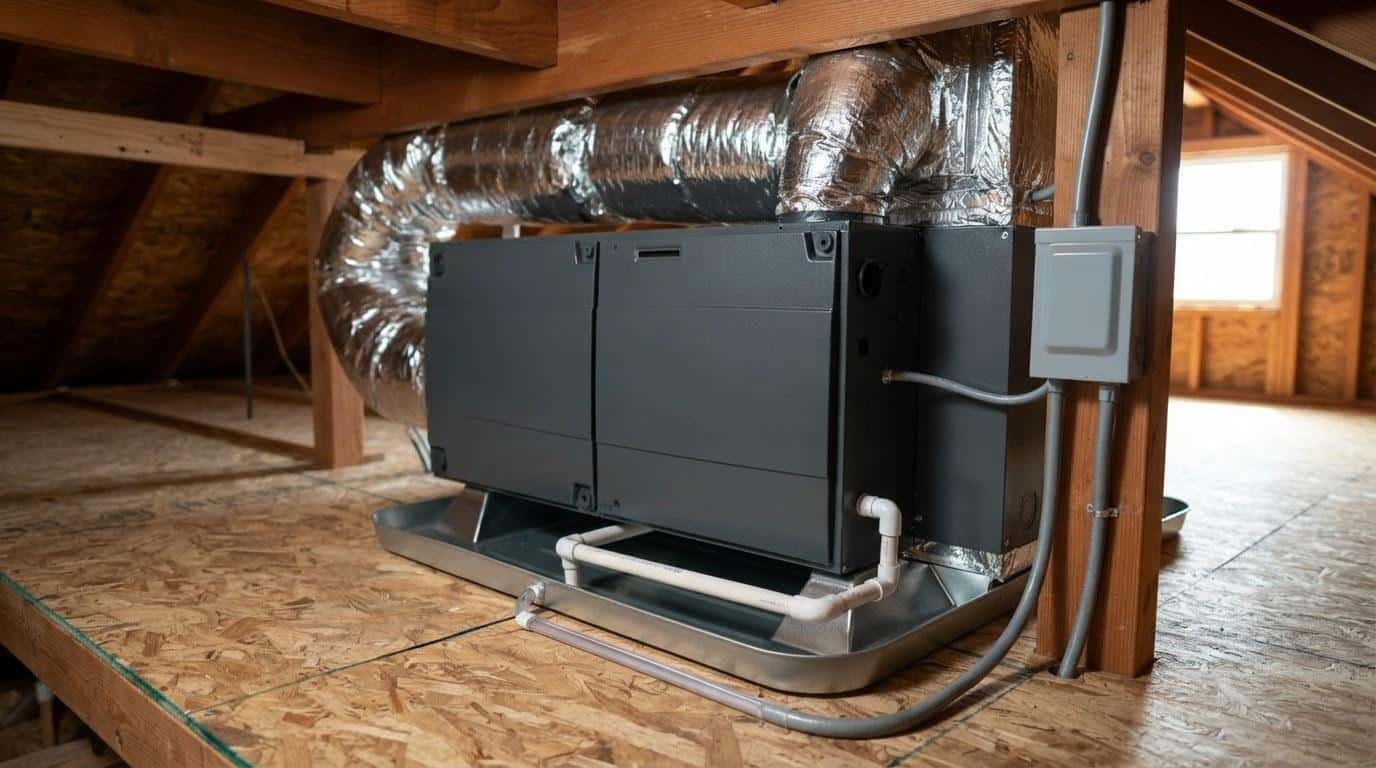
Several common furnace problems have safe, straightforward DIY solutions that do not involve gas lines, electrical panels, or refrigerant. Always turn the thermostat to OFF and the system switch to OFF before opening any access panel.
Step 1: Check and Replace the Air Filter
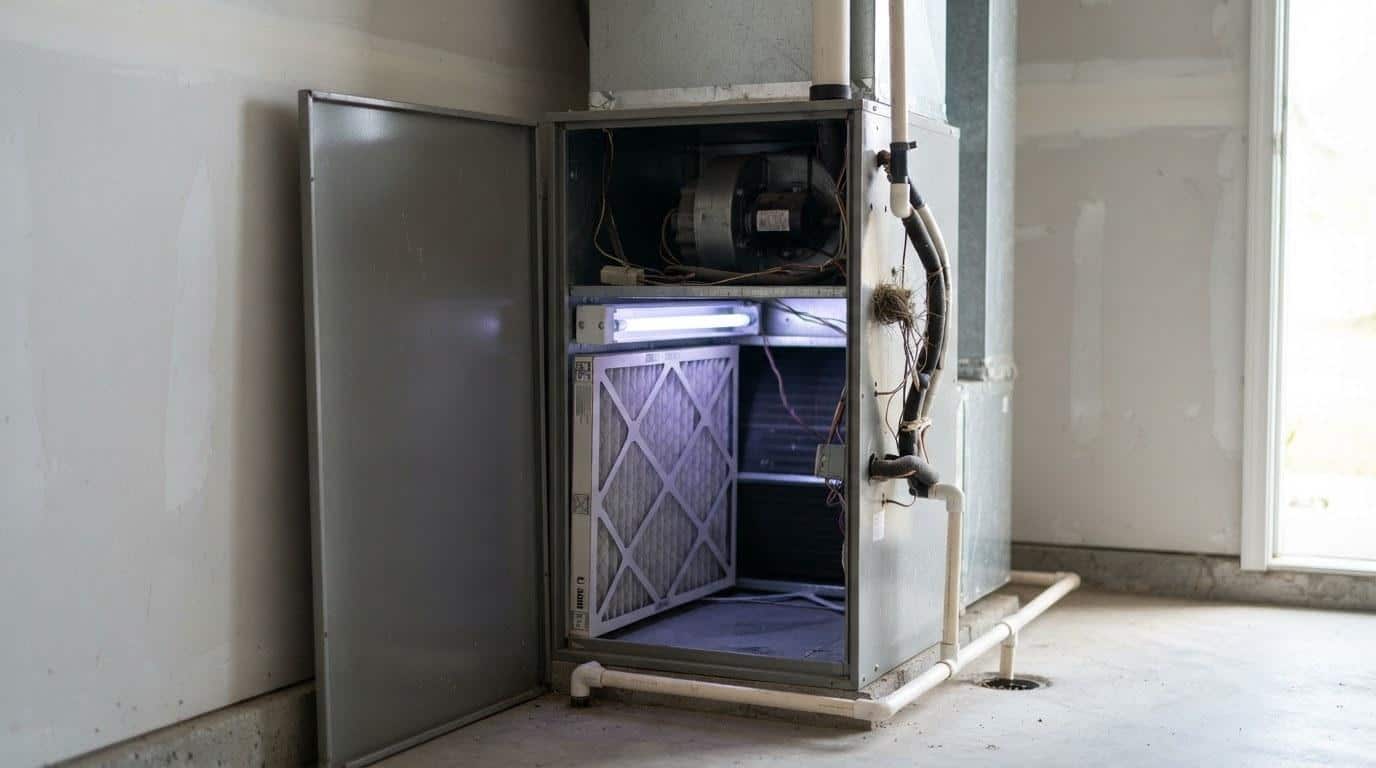
A clogged filter is the single most common cause of furnace short cycling and overheating. Filters should be replaced every 1 to 3 months depending on the filter type and household conditions. A standard 1-inch fiberglass filter needs replacement more often than a 4-inch pleated media filter. Hold the old filter up to a light source. If you cannot see light through it, replace it immediately.
Step 2: Check the Thermostat Settings
Confirm the thermostat is set to HEAT, not COOL or FAN ONLY. Check that the set temperature is at least 5 degrees above the current room temperature. If you have a programmable or smart thermostat, verify that the schedule has not been changed accidentally. Replace the thermostat batteries if it has them; a low battery is a surprisingly common cause of a furnace that appears completely dead.
Step 3: Check the Circuit Breaker and Power Switch
Locate the furnace’s dedicated breaker in your electrical panel. If it has tripped to the middle position, switch it fully off and then back on. Also check the power switch on or near the furnace itself, which looks like a standard light switch. It is easy to bump this switch off accidentally.
Step 4: Check the Condensate Drain Line (High-Efficiency Furnaces)
High-efficiency furnaces with an Annual Fuel Utilization Efficiency (AFUE) rating of 90% or above produce condensate. If the drain line clogs, a float switch shuts the furnace down to prevent water damage. Look for standing water near the furnace base or a visible clog in the clear plastic drain tubing. Clearing the line with a wet-dry vacuum is a safe DIY step.
Step 5: Inspect Vents and Registers
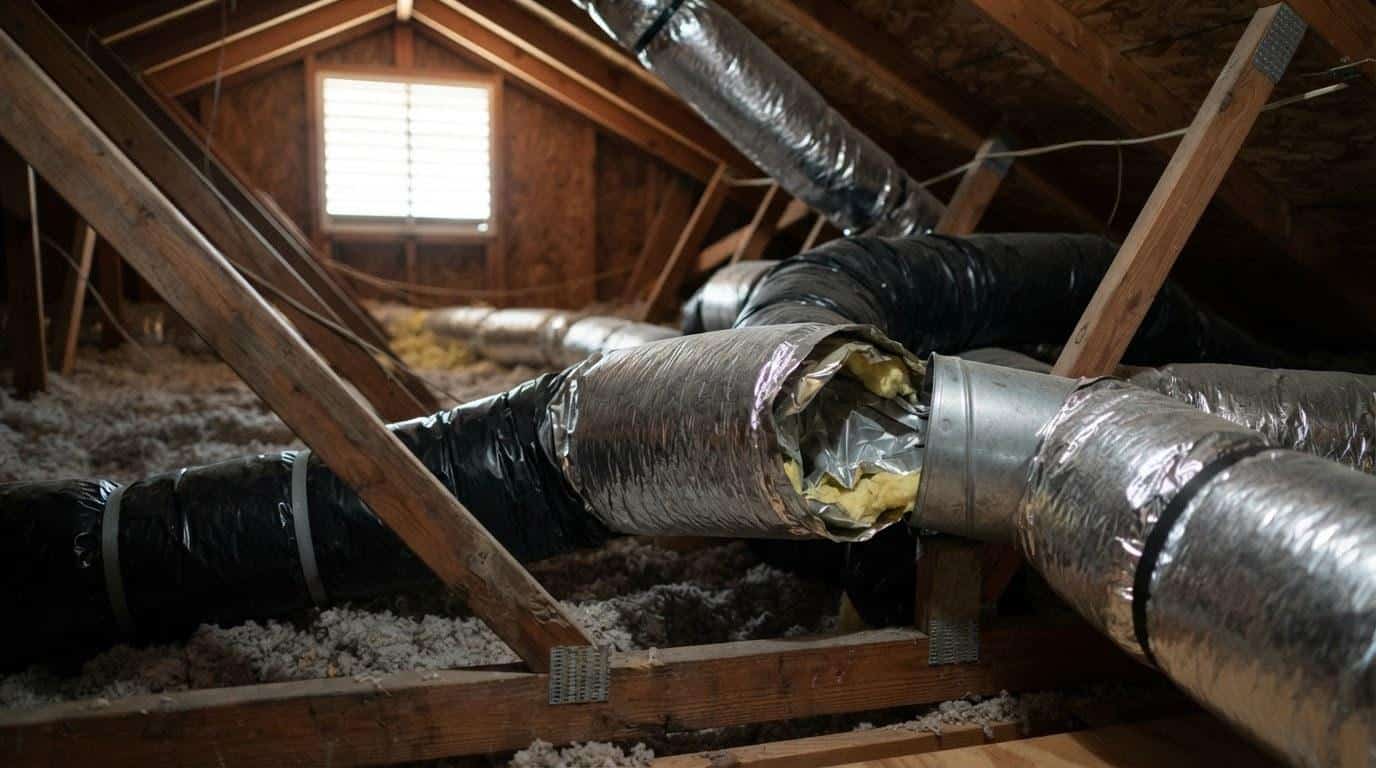
Walk through the home and make sure all supply and return registers are open and unobstructed by furniture, rugs, or drapes. Closing too many registers creates back-pressure that can trigger the high-limit switch and cause short cycling.
How Much Does Furnace Repair Cost?
In the Southern California market, furnace repair typically ranges from around $150 to $650 for most common repairs. More complex jobs, such as a heat exchanger replacement or a control board swap, can run from $700 to $1,500 or more depending on the unit and parts.
Several factors move the cost up or down:
- Part type: An ignitor replacement is one of the least expensive repairs, often in the $150 to $300 range including labor. A blower motor replacement typically runs $300 to $600. A heat exchanger, if the manufacturer even offers one for an older unit, can push past $1,000 in parts alone.
- System age: Furnaces older than 15 years may have discontinued parts that require sourcing, which adds cost and lead time.
- AFUE rating and system type: High-efficiency condensing furnaces have more components (secondary heat exchangers, draft inducers, condensate systems) that can fail and cost more to repair than a standard 80% AFUE unit.
- Diagnostic fee: Most licensed HVAC contractors charge a diagnostic or service call fee, typically in the $75 to $150 range, which may be applied toward the repair cost.
- Permit requirements: Some repairs in California, particularly those involving gas line work, may require a permit under local building codes. Always ask your contractor upfront.
As of 2024, California homeowners may also be eligible for the Inflation Reduction Act federal tax credit, which covers up to 30% of the cost of qualifying high-efficiency heating equipment when a repair leads to a full replacement. The ENERGY STAR federal tax credit page has current eligibility details. The TECH Clean California rebate program also offers incentives for switching to heat pumps and high-efficiency systems.
When the repair cost approaches 50% of the price of a new unit, replacement is usually the smarter financial move. A new furnace that meets California’s Title 24 building energy standards will be more efficient and carry a manufacturer warranty, while an aging system that keeps needing repairs offers neither.
When the repair cost approaches 50% of the price of a new unit, replacement is usually the smarter financial move.
For an accurate number on your specific situation, request a custom quote from a licensed contractor who can inspect the unit in person before giving a price.
When Should You Call a Licensed Furnace Technician?
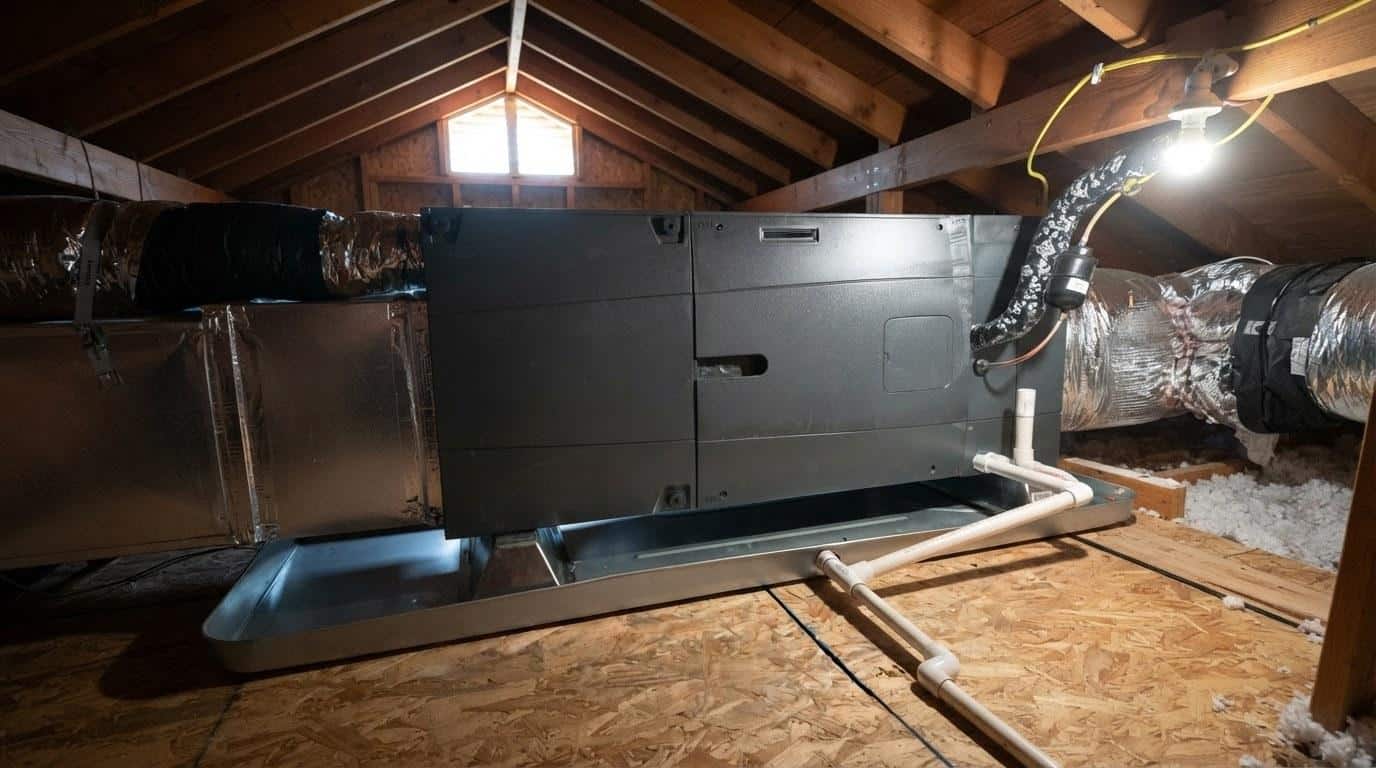
Call a licensed HVAC professional any time the problem involves gas, electrical wiring beyond a breaker reset, refrigerant, or a component inside the furnace cabinet that is not the filter. These are not situations where a mistake is just inconvenient. A gas leak or a cracked heat exchanger can put your household at risk of carbon monoxide poisoning.
Specific situations that require a pro include:
- You smell gas near the furnace. Leave the home, do not use any switches or open flames, and call your gas utility and then an HVAC technician.
- The burner flame is yellow, orange, or flickering instead of steady blue.
- The furnace runs but produces no heat after you have already replaced the filter and confirmed the thermostat is set correctly.
- You hear a loud bang or boom at startup, which often signals delayed ignition from dirty or misaligned burners.
- The furnace is short cycling and a clean filter did not solve the problem, pointing to a failed limit switch or control board.
- You see soot, rust stains, or moisture around the furnace cabinet or on the heat exchanger.
- Your carbon monoxide detector has alarmed. This is an emergency. Evacuate and call 911 before calling an HVAC tech.
California requires HVAC contractors to be Licensed by the California Contractors State License Board (CSLB). Before any work begins, ask for the contractor’s CSLB license number and verify it at cslb.ca.gov. A licensed contractor will also follow EPA refrigerant regulations (Section 608) if the repair involves any refrigerant-side work on a combination heat pump system.
Proper sizing and load calculations matter too. If your furnace has been short cycling for years and no repair has fixed it, the unit may have been oversized to begin with. A qualified technician will perform a Manual J load calculation to determine the right capacity for your home before recommending a replacement.
Get Expert Furnace Help Across Southern California
If your furnace is showing any of the warning signs above, or if you want a professional diagnostic before the heating season peaks, Shalom Heating & Air is ready to help. The team is licensed, insured, and equipped to handle the full range of common furnace problems, from a simple ignitor swap to a full system evaluation.
Schedule your furnace inspection or repair today. Call (714) 886-2021 to book an appointment with Shalom Heating & Air and get a written quote before any work begins. Serving homeowners across Southern California.
Explore our full range of HVAC services across Southern California.
Frequently Asked Questions
How much does it usually cost to repair a furnace in Southern California?
Most furnace repairs in the Southern California market fall between $150 and $650 for common fixes like an ignitor, flame sensor, or limit switch. More involved repairs, such as a blower motor or control board replacement, typically run $300 to $900 or more. A cracked heat exchanger on an older unit can push costs past $1,000, at which point replacement often makes more financial sense. Always get a written estimate before authorizing work.
How do I know if my furnace just needs a repair or a full replacement?
A general rule is that if the repair cost is more than 50% of the price of a new furnace, replacement is usually the better investment, especially if the unit is already 15 or more years old. Frequent breakdowns, rising energy bills, and a yellow burner flame are all signs the system is near the end of its useful life. A licensed HVAC technician can inspect the heat exchanger and major components and give you an honest assessment.
Why does my furnace turn on and then shut off after just a minute or two?
This is called short cycling, and the most common cause is a clogged air filter causing the furnace to overheat and trip the high-limit switch as a safety measure. Replace the filter first. If short cycling continues after a fresh filter is installed, the limit switch itself may be faulty, or there could be a problem with the control board or flame sensor. Those repairs require a licensed technician.
Is it safe to run my furnace if the flame is yellow instead of blue?
No. A yellow or orange burner flame is a warning sign that combustion is incomplete, which can produce carbon monoxide. Turn the furnace off and do not use it until a licensed HVAC technician has inspected the burners and heat exchanger. If your carbon monoxide detector alarms at any point, evacuate the home immediately and call 911.
How do I fix a furnace that won't turn on at all?
Start with the basics: check that the thermostat is set to HEAT and the temperature is set above the current room reading, replace the thermostat batteries, and check the circuit breaker and the power switch on the furnace itself. If none of those steps restore power, the issue is likely inside the furnace, such as a failed control board, a tripped pressure switch, or a wiring fault, and you should call a licensed HVAC technician rather than opening the cabinet yourself.