Mitsubishi Inverter Heat Pumps: A Complete Buying Guide for California Homeowners
Mitsubishi inverter heat pumps can heat and cool your home year-round while using significantly less energy than a traditional system. This guide walks you through the key differences, costs, and what to look for before you buy.
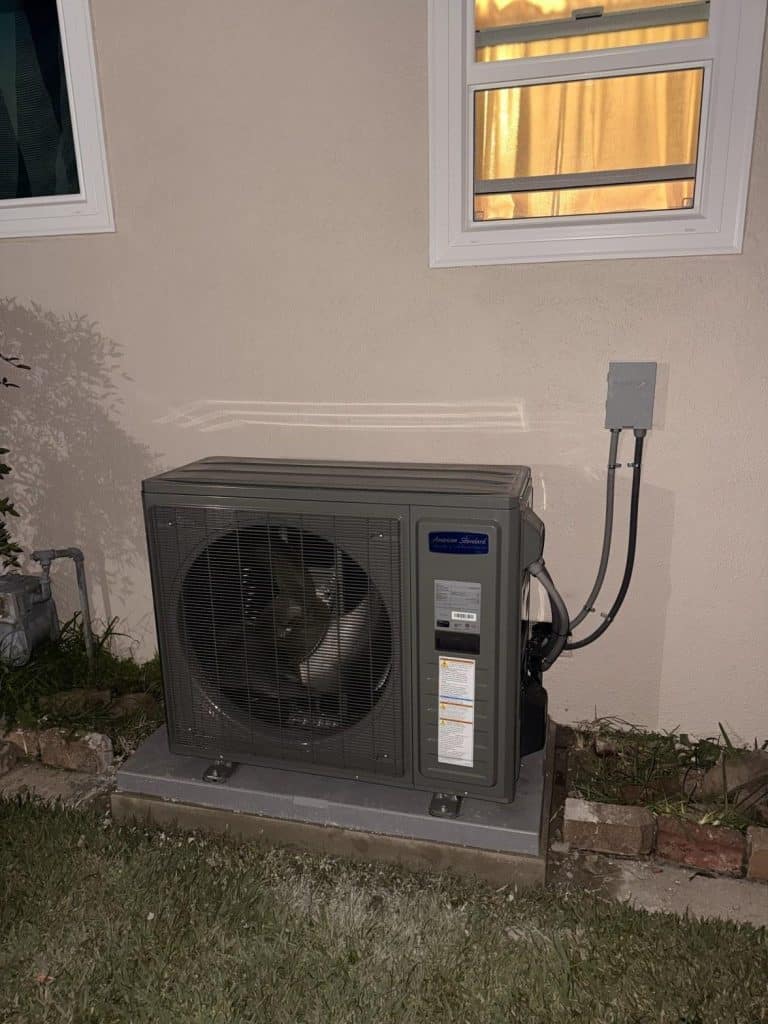
What Makes Mitsubishi Inverter Heat Pumps Different From Standard Systems?
Mitsubishi inverter heat pumps use a variable-speed compressor that constantly adjusts its output to match your home’s exact heating or cooling demand, rather than cycling fully on and off like a traditional single-stage unit. This means the system rarely runs at 100 percent capacity, which cuts energy use and keeps indoor temperatures steady within about 0.5 degrees Fahrenheit of the set point.
A conventional central air conditioner or furnace operates in an all-or-nothing pattern. It blasts at full power until the thermostat is satisfied, then shuts off completely. That on-off cycling wastes energy and creates noticeable hot and cold swings inside the home.
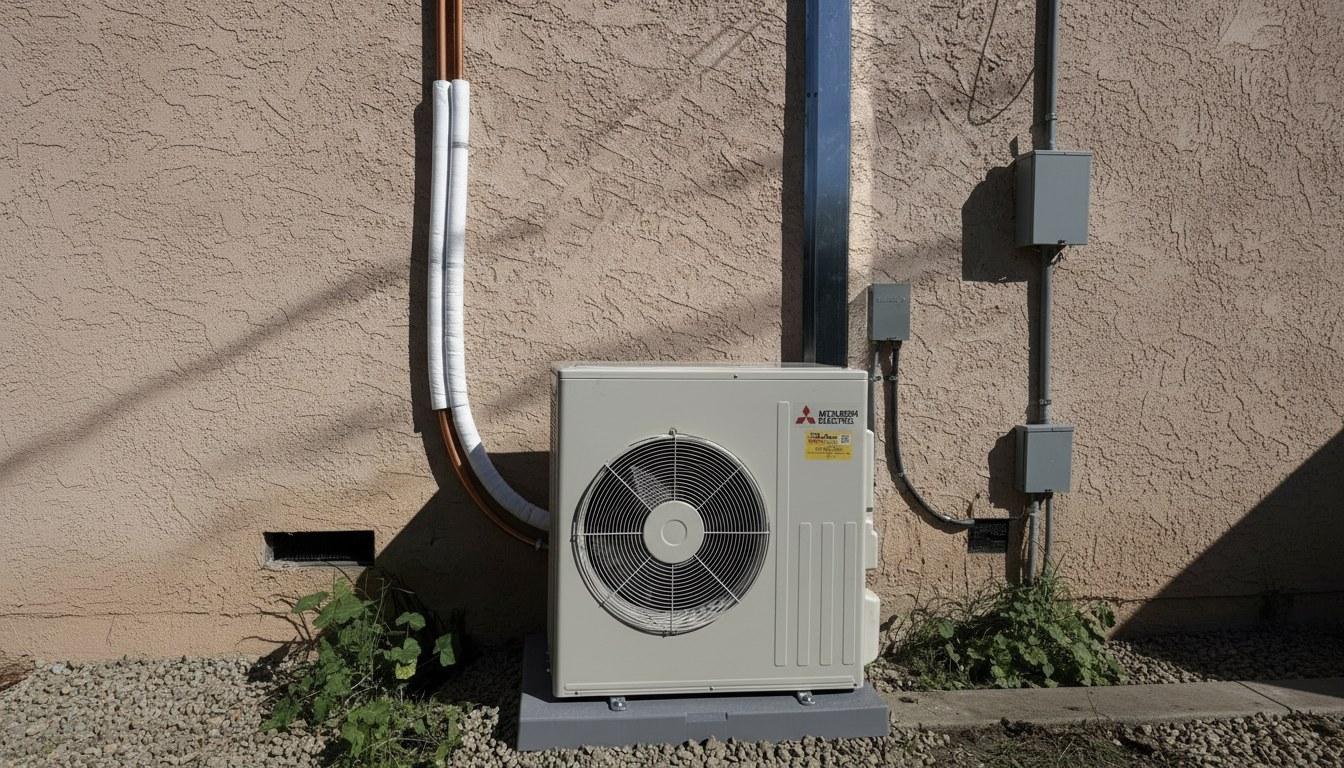
Mitsubishi’s inverter-driven compressors, found in their M-Series and P-Series lineups, ramp up gradually and then settle into a steady, low-power cruise. The result is quieter operation, lower monthly utility bills, and more even comfort throughout every room.
What Types of Mitsubishi Inverter Systems Are Available?
Mitsubishi offers four main inverter heat pump configurations: single-zone ductless mini-splits, multi-zone ductless systems, ducted air handlers, and hyper-heat models designed to operate efficiently even when outdoor temperatures drop below 0 degrees Fahrenheit. Choosing the right type depends on your home’s layout, existing ductwork, and how many zones you want to control independently.
Single-Zone Ductless Mini-Splits
These pair one outdoor condenser with one indoor wall-mounted air handler. They are ideal for additions, garages, converted spaces, or any room that a central system does not reach well. Installation typically takes four to eight hours for a straightforward single-zone setup.
Multi-Zone Ductless Systems
One outdoor unit connects to two to eight indoor air handlers, each with its own thermostat. Every room or zone can be set to a different temperature at the same time. This is a strong choice for two-story homes or households where family members have different comfort preferences.
Ducted Air Handlers
Mitsubishi makes slim-duct and ceiling-cassette air handlers that connect to existing ductwork. These give you inverter efficiency without the look of wall-mounted heads. They work well in homes that already have ducts but want to replace an aging gas furnace or central AC.
Hyper-Heat (H2i) Models
Mitsubishi’s Hyper-Heat lineup maintains full heating capacity at outdoor temperatures as low as 5 degrees Fahrenheit and continues operating down to negative 13 degrees Fahrenheit. For California’s coastal and inland climates, a standard inverter model is usually sufficient, but hyper-heat units add a useful safety margin for mountain communities or unusually cold winters.
| System Type | Best For | Zones | Ductwork Needed? | Typical Installed Cost Range (CA Market) |
|---|---|---|---|---|
| Single-Zone Mini-Split | One room, addition, garage | 1 | No | $3,000 to $6,500 |
| Multi-Zone Ductless | Whole home, multiple rooms | 2 to 8 | No | $8,000 to $20,000+ |
| Ducted Air Handler | Homes with existing ducts | 1 to 2 | Yes | $5,000 to $12,000 |
| Hyper-Heat (H2i) | Cold climates, year-round heating | 1 to 8 | Optional | $4,500 to $22,000+ |
What Does a Mitsubishi Inverter Heat Pump Cost in California?
In the California market, a single-zone Mitsubishi ductless mini-split typically runs between $3,000 and $6,500 fully installed, while a whole-home multi-zone system generally ranges from $8,000 to $22,000 or more depending on the number of zones and complexity of the installation. Equipment cost is only part of the picture; labor, refrigerant line length, electrical upgrades, and permit fees all move the final number.
Several factors push costs higher. Homes that need a new dedicated 240-volt circuit can add $500 to $1,500 to the project. Long refrigerant line sets (over 25 feet per zone) require additional materials. Second-story installations or tight attic access also add labor time.
On the other hand, rebates from programs like TECH Clean California and federal tax credits under the Inflation Reduction Act federal tax credit can reduce out-of-pocket costs by $2,000 to $3,200 or more for qualifying systems. Always request a custom quote that itemizes equipment, labor, and permit costs separately before committing to a project.
Our technicians often find that homes with older single-pane windows or poor attic insulation end up needing a larger system than the square footage alone would suggest, because the actual heat load is higher than a simple room-size estimate predicts.
Which Efficiency Ratings Should You Look for in This Mitsubishi Inverter Heat Pumps Guide?
For cooling, look for a SEER2 rating of at least 16; for heating, a HSPF2 rating of 9 or higher signals strong efficiency in a California climate. As of 2023, the U.S. Department of Energy requires all new residential heat pumps sold in the Southwest region to meet a minimum SEER2 of 15.2, so any new Mitsubishi unit already clears that baseline.
Mitsubishi’s top inverter models reach SEER2 ratings between 20 and 33, which is well above the federal minimum. Higher SEER2 units cost more upfront but deliver lower monthly utility bills. In Southern California, where air conditioning runs for six months or more per year, the payback period on a high-efficiency unit is typically shorter than in cooler climates.
ENERGY STAR-certified Mitsubishi models also qualify for the federal tax credit, which covers 30 percent of the installed cost up to $2,000 per year through 2032. Verify the ENERGY STAR certification number on the product spec sheet before purchase.
California’s California Energy Commission appliance standards add another layer of requirements on top of federal minimums. Any contractor installing equipment in California must use units that meet these state-level standards, so always confirm compliance before signing a contract.
What Rebates and Tax Credits Are Available?
California homeowners buying a Mitsubishi inverter heat pump in 2025 or 2026 can potentially stack a federal tax credit, a utility rebate, and a state program rebate to reduce upfront costs by several thousand dollars. The exact amount depends on household income, the specific model chosen, and which utility serves your home.
- Inflation Reduction Act federal tax credit: Covers 30 percent of installed cost up to $2,000 per year for qualifying heat pumps. Claimed on IRS Form 5695.
- TECH Clean California: A statewide program offering rebates for replacing gas heating with electric heat pumps. Rebate amounts vary by income tier and equipment type, with higher rebates for lower-income households.
- Utility rebates: Southern California Edison, SoCalGas, and other regional utilities offer their own rebate programs that can stack with state and federal incentives. Check your utility’s website for current amounts.
- IRA Low-Income Bonus: Households at or below 80 percent of area median income may qualify for higher rebate amounts through the High-Efficiency Electric Home Rebate Act (HEEHRA) program once it is fully deployed in California.
Rebate programs change frequently. Confirm current availability and amounts directly with your utility and a qualified HVAC contractor before making a purchasing decision.
What Mistakes Should You Avoid When Buying a Mitsubishi Inverter Heat Pump?
The most common and costly mistake is skipping a proper Manual J load calculation and guessing at system size instead. Oversized units short-cycle, which wastes energy and causes excess humidity indoors. Undersized units run constantly and still fail to reach the set temperature on the hottest or coldest days.
- Skipping the load calculation: Always require a Manual J load calculation from any contractor before they recommend a system size. A room-size or square-footage guess is not a substitute.
- Choosing the lowest bid without checking licensing: In California, HVAC contractors must hold a valid C-20 license issued by the California Contractors State License Board (CSLB). Verify any contractor’s license at the CSLB website before signing.
- Ignoring refrigerant regulations: Mitsubishi inverter systems use R-410A or the newer R-32 refrigerant. Any technician handling refrigerants must be certified under EPA refrigerant regulations (Section 608). Ask for proof of certification.
- Buying equipment without confirming rebate eligibility first: Some rebate programs require pre-approval or enrollment before installation. Installing first and applying later can disqualify you from certain incentives.
- Neglecting ductwork condition: If you are adding a ducted Mitsubishi air handler to existing ducts, leaky or undersized ducts will undermine efficiency. Have the ductwork inspected and sealed before the new system goes in.
- Overlooking electrical capacity: Multi-zone systems and hyper-heat models can require a 240-volt, 30- to 50-amp dedicated circuit. Confirm your electrical panel has capacity before the project starts.
- Choosing a contractor unfamiliar with Mitsubishi Diamond Dealer requirements: Mitsubishi’s warranty is strongest when the system is installed by a Diamond Contractor. Ask whether the installer is enrolled in this program before you hire.
How Do You Choose the Right System for Your Home?
Match the system type to your home’s layout, existing infrastructure, and comfort goals rather than defaulting to the cheapest or most popular option. A good fit between system and home is what delivers the efficiency and comfort Mitsubishi inverter systems are known for.
For Homes Without Existing Ductwork
A multi-zone ductless system is almost always the right answer. You avoid the cost of installing new ducts, and each room gets independent temperature control. For a single problem room or an addition, a single-zone mini-split is the most cost-effective solution.
For Homes With Existing Ductwork
A ducted Mitsubishi air handler paired with an inverter outdoor unit lets you keep your existing duct layout while upgrading to variable-speed efficiency. Have the ducts tested for leakage first. According to the U.S. Department of Energy, duct leakage can waste 20 to 30 percent of the energy a system produces, so sealing before installation matters.
According to the U.S. Department of Energy, duct leakage can waste 20 to 30 percent of the energy a system produces, so sealing before installation matters.
For Older Homes With High Heat Loads
Homes built before 1980 often have less insulation and single-pane windows, which raise the heat load significantly. A hyper-heat model with extra capacity headroom is a safer choice than sizing to the minimum. Our technicians often spot this pattern when they pull up the load calculation data: the actual BTU demand is higher than the floor plan suggests once wall and ceiling losses are factored in.
For Homeowners Prioritizing Rebates
If maximizing rebates is the priority, choose an ENERGY STAR-certified model with a SEER2 of at least 16 and confirm it appears on the TECH Clean California qualified products list before purchasing. Pairing the purchase with attic insulation upgrades can unlock additional rebate tiers in some programs.
| Situation | Recommended System Type | Key Consideration |
|---|---|---|
| Single room or addition | Single-zone mini-split | Confirm wall penetration location and electrical access |
| Whole home, no ducts | Multi-zone ductless | Plan head locations early; ceiling height affects airflow |
| Whole home, existing ducts | Ducted air handler + inverter condenser | Test and seal ducts before installation |
| Cold-climate or mountain area | Hyper-Heat (H2i) model | Verify rated capacity at 5 degrees Fahrenheit in spec sheet |
| Maximum rebate eligibility | ENERGY STAR-certified inverter model | Confirm TECH Clean California list inclusion before buying |
Ready to Get Expert Advice?
Choosing the right Mitsubishi inverter heat pump is easier with a licensed professional who can run a proper Manual J load calculation, confirm rebate eligibility, and size the system correctly for your home. Shalom Heating & Air serves homeowners across Southern California and can walk you through every step, from selecting the right model to handling permits and installation.
Get a written quote before any work begins. Call (714) 886-2021 to schedule your assessment and find out which system and rebates are the best fit for your home.
Explore our full range of HVAC services across Southern California.
Frequently Asked Questions
How much does it usually cost to install a Mitsubishi inverter heat pump in California?
A single-zone ductless mini-split typically runs between $3,000 and $6,500 fully installed in the California market. A whole-home multi-zone system generally ranges from $8,000 to $22,000 or more depending on the number of zones, line set length, and any electrical upgrades needed. Federal tax credits and state rebate programs can reduce those numbers by $2,000 to $3,200 or more for qualifying systems.
What is the difference between a standard heat pump and a Mitsubishi inverter heat pump?
A standard heat pump uses a single-speed compressor that runs at full power until the thermostat is satisfied, then shuts off completely. A Mitsubishi inverter heat pump uses a variable-speed compressor that continuously adjusts its output to match the exact heating or cooling demand. The result is steadier indoor temperatures, quieter operation, and lower energy use over time.
Do Mitsubishi inverter heat pumps qualify for the federal tax credit?
Yes, ENERGY STAR-certified Mitsubishi inverter heat pump models qualify for the Inflation Reduction Act federal tax credit, which covers 30 percent of the installed cost up to $2,000 per year through 2032. You claim the credit on IRS Form 5695 when you file your federal taxes. Confirm the specific model's ENERGY STAR certification before purchasing.
How do I know what size Mitsubishi inverter heat pump I need?
The correct size is determined by a Manual J load calculation, which accounts for your home's square footage, insulation levels, window area, local climate data, and ceiling height. A room-size or square-footage guess is not accurate enough and often leads to an oversized or undersized system. Ask any contractor you hire to provide a written Manual J calculation before recommending a system size.
Can a Mitsubishi inverter heat pump replace my gas furnace completely?
In most California climates, yes. Mitsubishi's Hyper-Heat models maintain full heating capacity down to 5 degrees Fahrenheit and continue operating at negative 13 degrees Fahrenheit, which covers the vast majority of California weather conditions. For homes in mountain communities with extreme winters, a hyper-heat model is the safest choice. A licensed HVAC contractor can confirm whether a heat pump alone is sufficient for your specific location and home.