AC Installation Cost: What to Expect and What Drives the Price
AC installation cost in California typically ranges from $3,500 to $12,000 or more depending on system size, efficiency rating, and installation complexity. This guide breaks down every factor so you know what to expect before you call a contractor.
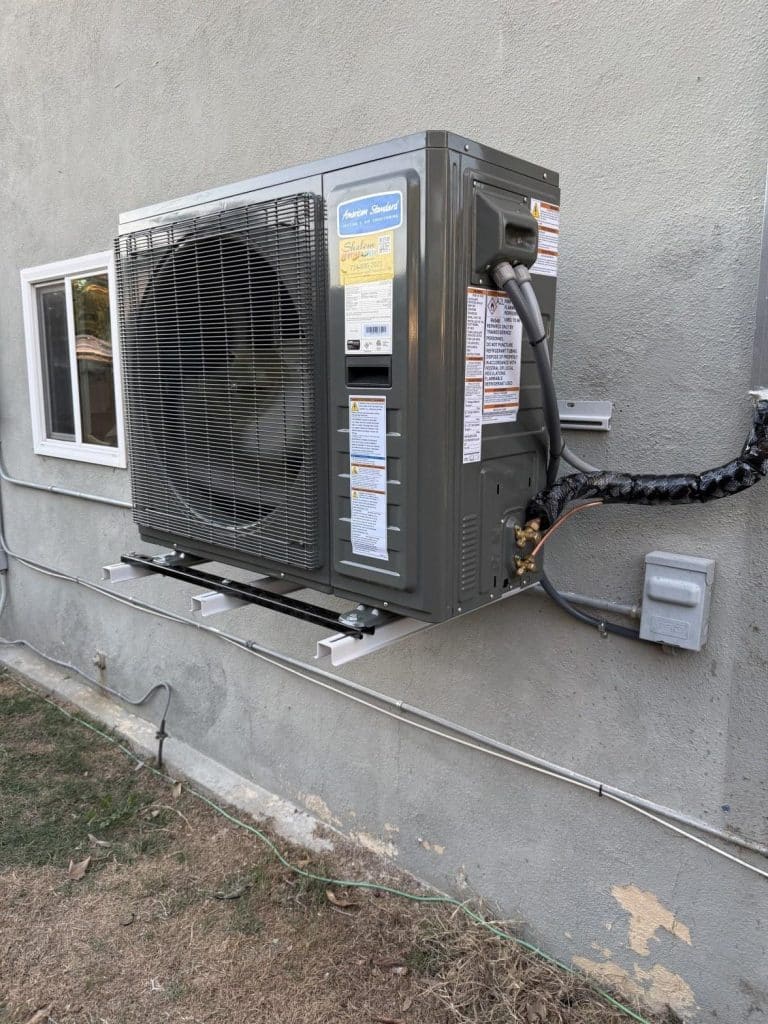
What Does AC Installation Cost in California?
AC installation cost in California typically ranges from $3,500 to $12,000 for a central split system, with most residential projects landing between $4,500 and $8,500. Homes that need new ductwork or electrical upgrades can push past $12,000. These are regional market ranges based on current labor and equipment costs — not quotes from any single contractor.
The wide range exists because no two homes are the same. A 1,200-square-foot condo replacing an existing system is a very different job than a 2,800-square-foot home being fitted with central air for the first time. Understanding what moves the needle helps you evaluate bids and avoid surprises.
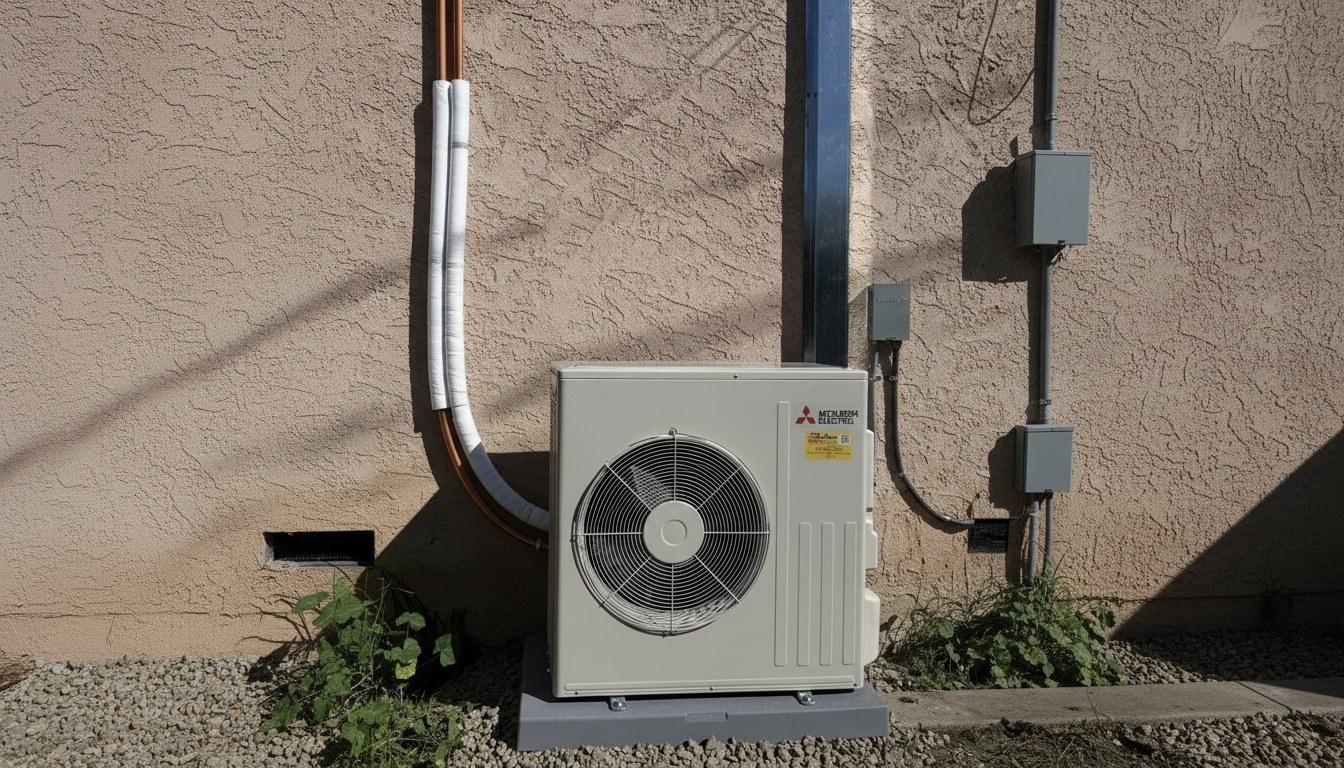
Ductless mini-split systems follow a different pricing curve. A single-zone mini-split generally runs $2,000 to $5,000 installed. Multi-zone systems with three or four indoor heads can reach $8,000 to $15,000 or more, depending on how many zones are added and how far refrigerant lines must run.
What Factors Move the Price Up or Down?
Five factors account for most of the price variation in a Southern California AC installation: system capacity, efficiency rating, ductwork condition, equipment brand tier, and local permit requirements. Knowing how each one affects your quote helps you compare bids fairly and avoid surprises.
System Capacity (Tonnage)
AC systems are sized in tons of cooling capacity. A properly sized system requires a Manual J load calculation based on your home’s square footage, insulation, window area, and orientation. Most Southern California homes need systems between 2 and 5 tons. Equipment cost alone can jump $800 to $1,500 per additional ton, so oversizing is expensive and actually reduces comfort and efficiency.
SEER2 Efficiency Rating
As of January 2023, new residential AC systems sold in the Southwest must meet a minimum ENERGY STAR-aligned SEER2 rating of 15.2 for split systems. Systems rated 16 to 20+ SEER2 cost more upfront but cut monthly electricity bills noticeably. The premium for a 18 SEER2 system over a minimum-compliance unit typically runs $800 to $2,000 depending on capacity.
Ductwork Condition
If your existing ducts are leaky, undersized, or deteriorating, repairs or replacement add cost. Duct sealing alone can run $500 to $1,500 in this market. Full duct replacement in a single-story home typically adds $2,000 to $5,000 to the project total. Our technicians find that roughly 40% of homes in Southern California have duct leakage rates above 20%, which both reduces system performance and can void efficiency rebates if left uncorrected.
Roughly 40% of homes in Southern California have duct leakage rates above 20%, which both reduces system performance and can void efficiency rebates if left uncorrected.
Equipment Brand Tier
There is a real price gap between entry-level, mid-tier, and premium brands. Entry-level equipment from reputable manufacturers starts around $1,200 to $1,800 for the outdoor condenser alone. Premium variable-speed inverter systems from top-tier brands can run $3,500 to $5,500 just for the condenser. Mid-tier systems offer a strong balance of reliability and cost for most households.
Permits and Inspections
California requires a permit for new AC installations in most jurisdictions. Permit fees in Southern California counties generally run $150 to $450 depending on the city. A licensed contractor pulls the permit on your behalf; skipping this step creates problems when you sell the home and may void your equipment warranty.
| Cost Factor | Typical Range Added | Notes |
|---|---|---|
| System size (per extra ton above 2-ton base) | $800 – $1,500 | Requires Manual J load calc |
| High-efficiency upgrade (18+ SEER2 vs. min. 15.2) | $800 – $2,000 | Eligible for rebates and tax credits |
| Duct sealing | $500 – $1,500 | Often required for rebate eligibility |
| Full duct replacement | $2,000 – $5,000 | Single-story home estimate |
| Permit and inspection fees | $150 – $450 | Varies by city/county |
| Air handler / furnace replacement | $1,000 – $2,500 | Often replaced alongside outdoor unit |
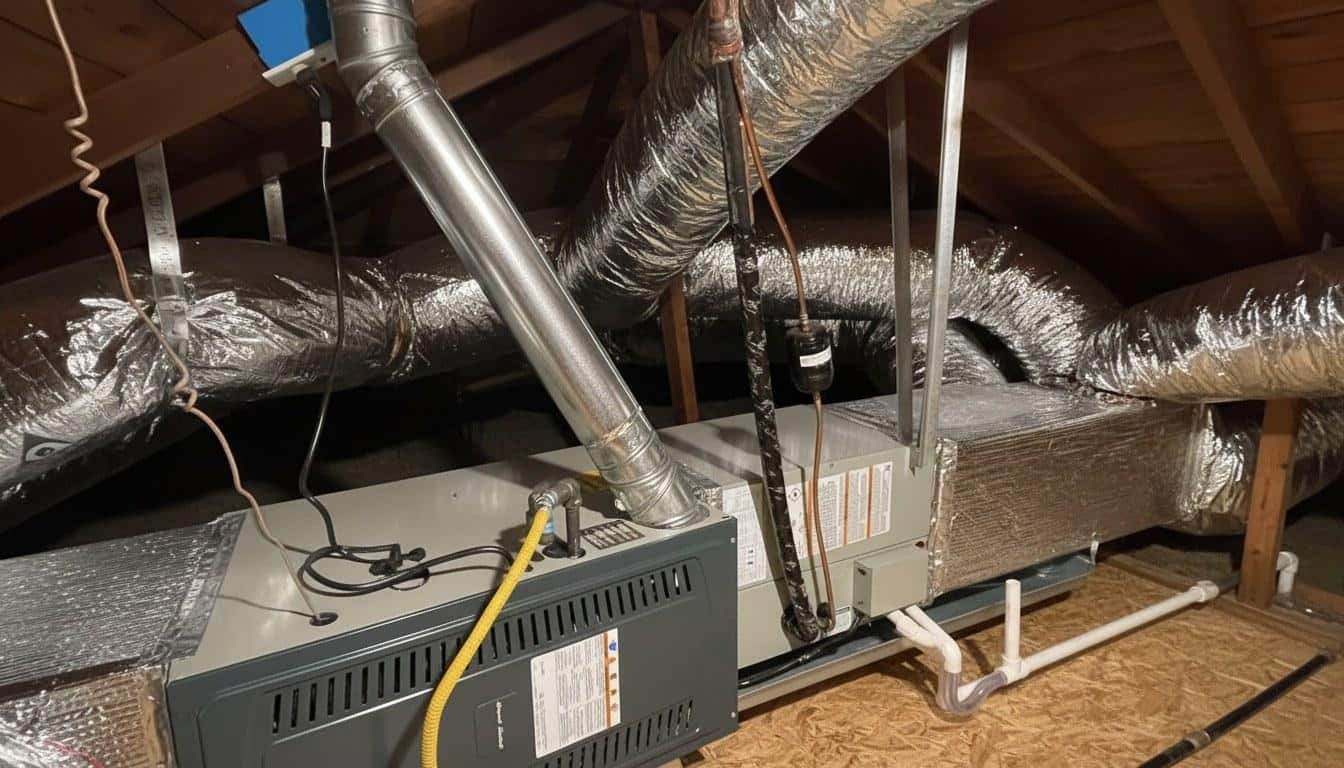
How Do Different Project Types Compare in Price?
The type of installation — replacement, new construction, or first-time retrofit — sets the baseline cost before any system-specific factors are added. The table below shows typical regional market ranges for the most common project shapes across Southern California.
| Scenario | Typical Market Range | What’s Usually Included |
|---|---|---|
| Like-for-like system replacement (existing ducts in good shape) | $3,500 – $6,500 | Equipment, refrigerant, disconnect, thermostat, startup testing |
| Replacement with duct repairs or partial duct replacement | $5,500 – $9,500 | Above plus duct sealing or partial re-run, airflow balancing |
| First-time central AC in a home with no existing ducts | $8,000 – $15,000+ | Full duct system, air handler, condenser, electrical circuit, permits |
| Single-zone ductless mini-split installation | $2,000 – $5,000 | One indoor head, outdoor unit, refrigerant line set, electrical |
| Multi-zone mini-split system (3–4 zones) | $8,000 – $15,000+ | Multiple indoor heads, one outdoor unit, line sets, electrical, permits |
These ranges reflect current Southern California market conditions and move with equipment costs, local permit fees, and labor rates. Projects in areas with higher permit fees or stricter inspection requirements — common across many incorporated cities — tend to sit toward the top of each band.
Which Type of AC System Should You Choose?
The right system type depends on whether your home already has ductwork, your budget, and how many zones of comfort you want. Southern California homeowners generally choose from three main options.
- Central split system: The most common choice. An outdoor condenser pairs with an indoor air handler and uses existing ducts to cool the whole home. Best value for homes with intact ductwork. Total installed cost typically $4,500 to $9,000.
- Ductless mini-split: Ideal for homes without ducts, additions, or room-by-room temperature control. Each indoor head serves one zone. A single-zone system typically runs $3,000 to $5,500 installed; multi-zone systems with 3 to 4 heads can reach $8,000 to $14,000.
- Heat pump system: Provides both heating and cooling from one unit. Highly efficient in Southern California’s mild winters. Qualifies for the largest rebates under the Inflation Reduction Act federal tax credit and TECH Clean California programs. Installed cost is typically $5,500 to $13,000 depending on size and type.
For most Southern California homes with existing ducts, a central split system at 16 to 18 SEER2 offers the best combination of upfront cost, long-term savings, and rebate eligibility. Homes without ducts or with major duct issues often come out ahead with a ductless mini-split when total project costs are compared.
What Is NOT Included in a Standard AC Installation Quote?
Most base quotes cover equipment, refrigerant, basic electrical connections, and standard startup — but several common add-ons can add hundreds or thousands of dollars if they aren’t discussed upfront. Ask your contractor to confirm in writing whether each of these is included or excluded.
- Building permits: California requires permits for new AC installations in virtually every jurisdiction. Permit fees range from $150 to $600 or more depending on the city. Some contractors include permits; others bill them separately.
- Electrical panel upgrades: A dedicated 240-volt circuit is required. If your panel is full or undersized, the upgrade is almost always a separate line item.
- Ductwork repair or replacement: Unless the quote explicitly states duct work is included, assume it is not. Always ask for a duct inspection before signing.
- Smart or programmable thermostat: Many quotes include only a basic thermostat. A Wi-Fi-enabled smart thermostat typically adds $150 to $400 installed.
- Crane or lift rental: Rooftop package units or difficult condenser placements may require a crane. This can add $300 to $800 to the project.
- Haul-away of old equipment: Disposal of the old condenser and air handler is not always included. Confirm this in advance to avoid a surprise fee.
- Extended labor warranty: Equipment manufacturers cover parts, but labor warranties vary widely. A 1- to 2-year labor warranty is reasonable to request in writing.
Are There Rebates or Tax Credits That Lower the Cost?
Yes — Southern California homeowners can stack multiple incentives in 2026, potentially reducing net installation cost by $1,500 to $3,000 or more depending on the system and household income. Here are the main programs to know.
Inflation Reduction Act Federal Tax Credit
The Inflation Reduction Act federal tax credit (Section 25C) allows homeowners to claim 30% of the cost of qualifying high-efficiency AC or heat pump systems, up to $600 for central AC or up to $2,000 for heat pumps. This is a dollar-for-dollar reduction in your federal tax bill, not just a deduction. The credit is available through 2032.
TECH Clean California and Utility Rebates
The TECH Clean California program offers rebates on qualifying heat pumps and high-efficiency systems. Southern California Edison and SoCalGas also run seasonal rebate programs that can add $200 to $800 per qualifying unit. Rebate amounts and availability change each program year, so confirm current offers before purchasing.
Low-Income Assistance Programs
Income-qualified households may qualify for larger rebates or even free system replacement through the California Energy Commission’s HEAR program or utility-run assistance programs. These can cover the full cost of a new system for eligible families.
How Do You Get an Accurate AC Installation Quote?
An accurate quote requires a contractor to physically inspect your home — not just ask for square footage over the phone. Any bid given without an in-home assessment is an estimate at best and could miss duct issues, electrical limitations, or access problems that change the total cost significantly.
Before the appointment, gather the following information to help the contractor give you the most precise quote possible:
- Home square footage and layout: Single-story versus two-story homes cool differently and may need different system configurations.
- Age and condition of existing ductwork: If you have a recent duct inspection report, bring it. If not, ask the contractor to include a duct assessment in their visit.
- Current electrical panel rating: A 200-amp panel is generally sufficient. A 100-amp panel may need upgrading.
- Insulation levels: Attic insulation below R-30 affects how hard the system must work and may affect sizing recommendations.
- Existing equipment model numbers: If you’re replacing an old system, the model numbers help the contractor match refrigerant types and plan the disconnect process.
- Preferred efficiency tier: Decide in advance whether you want a standard-efficiency system or a high-efficiency unit that qualifies for rebates. This affects the quote significantly.
Ask every contractor to provide a written, itemized quote that separates equipment cost, labor, permits, and any add-ons. Compare bids on a line-by-line basis — a lower total price sometimes means excluded items that will be billed later. Verify that each bidding contractor holds an active CSLB license before signing anything.
Also ask whether the contractor will perform a Manual J load calculation. This calculation, developed by the Air Conditioning Contractors of America (ACCA), determines the correct system size for your specific home. A contractor who skips it and sizes by square footage alone is guessing — and an oversized system costs more upfront and performs worse over time.
Get a Custom AC Installation Quote from Shalom Heating & Air
The market ranges in this guide give you a solid starting point, but your actual ac installation cost depends entirely on your home’s specific conditions — duct layout, electrical capacity, system size, and the efficiency tier you choose. There is no substitute for an in-person assessment by a licensed contractor.
Shalom Heating & Air provides written, itemized quotes with no pressure and no hidden fees. Every installation is performed by technicians working under an active CSLB license, and we walk you through available rebate programs so you don’t leave money on the table.
Call (714) 886-2021 to schedule your in-home assessment. Same-week appointments are typically available across Southern California communities. Get the right system, properly sized, at a price you can plan around.
Explore our full range of HVAC services across Southern California.
Frequently Asked Questions
How much does it usually cost to install a new AC unit in my house?
For a central split system in Southern California, AC installation cost typically falls between $3,500 and $12,000, with most homes landing in the $4,500 to $8,500 range. Homes that need new ductwork or an electrical panel upgrade can push past $12,000. The best way to get a firm number is to have a licensed contractor do an in-home assessment — phone estimates based on square footage alone are rarely accurate.
Why is AC installation so expensive in California compared to other states?
California's higher AC installation cost reflects a combination of factors: stricter building permit requirements, California's Title 24 energy standards that mandate higher minimum efficiency ratings, higher regional labor rates, and the cost of disposal and refrigerant handling under EPA Section 608 regulations. These aren't unnecessary costs — they protect homeowners and ensure the system performs correctly over its lifespan.
Can I get a rebate or tax credit on a new AC system in California?
Yes. The Inflation Reduction Act federal tax credit covers up to 30% of the cost of qualifying high-efficiency systems, and California's TECH Clean California program offers additional rebates for heat pump installations. Southern California utility companies also run seasonal equipment rebates that can be stacked with federal credits. To qualify, the system must be installed by a CSLB-licensed contractor and meet minimum efficiency thresholds.
How long does it take to install a new central AC system?
A straightforward like-for-like replacement typically takes one full day — usually 4 to 8 hours. First-time installations that require new ductwork can take 2 to 4 days depending on the home's layout. If an electrical panel upgrade is needed, that work is often scheduled separately and adds another half-day to full day. Your contractor should give you a realistic timeline in the written quote.
What size AC system do I need for my home?
System size is measured in tons of cooling capacity, and the right size depends on your home's square footage, insulation levels, window area, ceiling height, and local climate — not square footage alone. A proper Manual J load calculation, developed by the Air Conditioning Contractors of America, is the industry-standard method for determining correct size. An oversized system costs more upfront, short-cycles, and wears out faster than a correctly sized unit.