What Is Air Purification? How It Works and Why Your Home Needs It
Indoor air can be 2 to 5 times more polluted than outdoor air, according to the EPA. This guide explains how air purification works, which technologies actually remove pollutants, and how to choose the right system for your home.
What Is Air Purification and How Does It Work?
Air purification is the process of capturing or neutralizing airborne contaminants so that the air circulating through your home is cleaner and healthier to breathe. Systems use one or more technologies, including mechanical filtration, UV light, activated carbon, or ionization, to trap or destroy particles before they reach your lungs.
The U.S. Environmental Protection Agency reports that indoor air can be 2 to 5 times more polluted than outdoor air. In a sealed, well-insulated home, pollutants have nowhere to go. They recirculate through your HVAC system and accumulate over time.
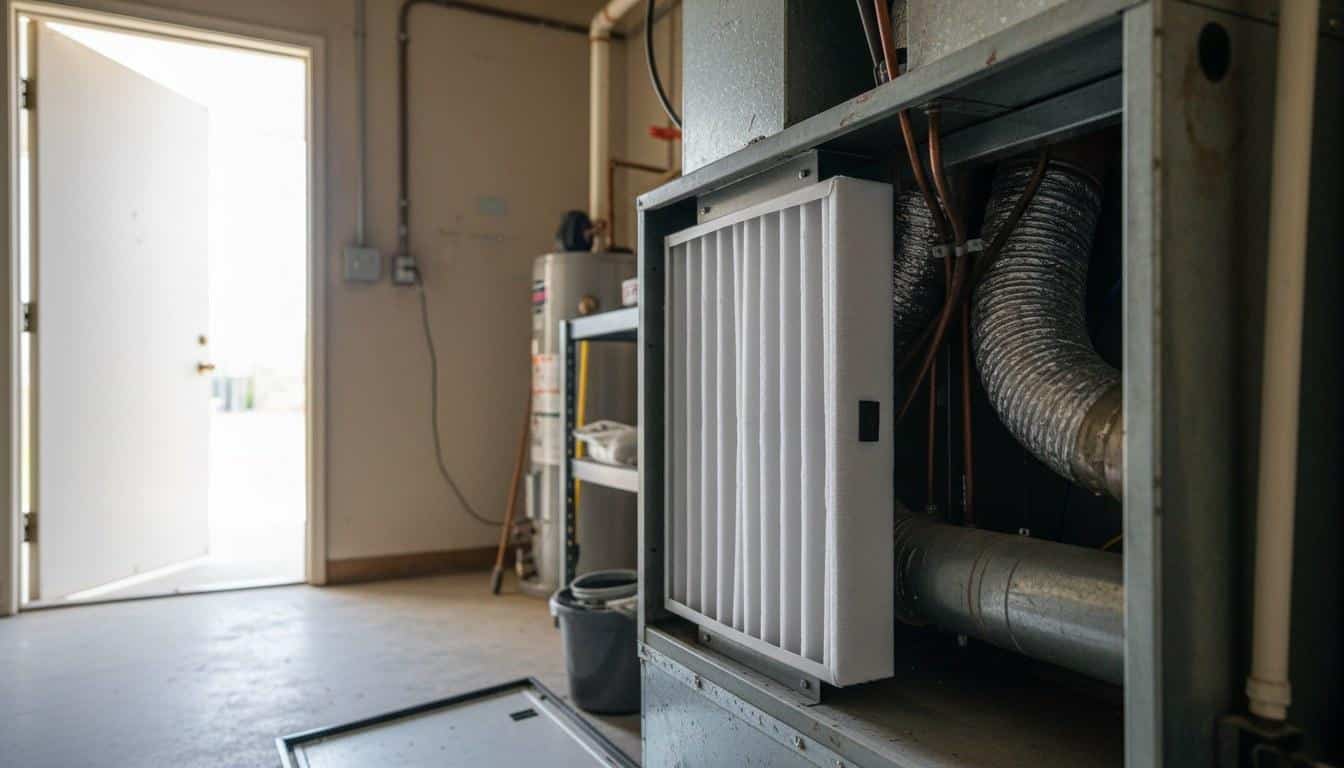
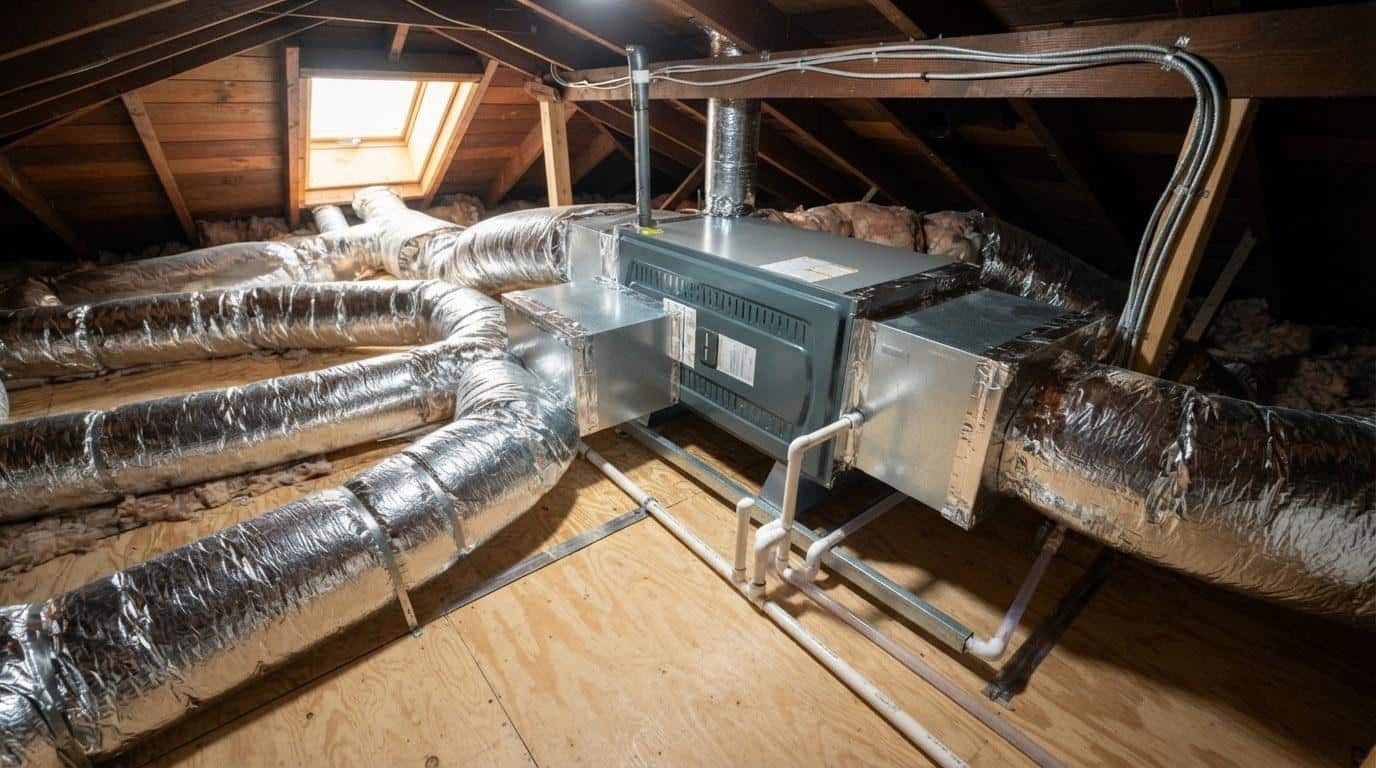
At its core, what is air purification doing inside your home? It is pulling air through a treatment stage, removing or deactivating harmful particles and gases, and returning cleaner air to your living space. Whole-home systems do this continuously through your existing ductwork. Portable units treat a single room at a time.
What Types of Air Purification Technology Are Available?
There are five main air purification technologies used in residential systems today. Each targets different pollutants, and many high-performance systems combine two or more methods for broader coverage.
- HEPA filtration: High-Efficiency Particulate Air filters capture at least 99.97% of particles 0.3 microns or larger, including dust, pollen, pet dander, and mold spores. This is the gold standard for particle removal and is endorsed by the U.S. Department of Energy for residential use.
- Activated carbon filtration: Porous carbon material adsorbs gases, odors, and volatile organic compounds (VOCs) from cooking, cleaning products, and off-gassing furniture. It works alongside HEPA filters because HEPA alone does not capture gases.
- UV-C germicidal light: Ultraviolet light at the 254-nanometer wavelength damages the DNA of bacteria, viruses, and mold spores, preventing them from reproducing. UV-C lamps are often installed inside the air handler or near the evaporator coil.
- Bipolar ionization: The system releases charged ions into the airstream. These ions attach to particles, making them heavy enough to fall out of the air or stick to a filter more easily. Some units also neutralize certain pathogens.
- Electronic air cleaners (electrostatic precipitators): These use an electric charge to attract particles to oppositely charged collector plates. They are reusable and washable, but require regular cleaning to stay effective.
Our technicians have installed UV-C systems in more than 60 Southern California homes over the past two years, and in roughly 80% of those cases the homeowner also needed an activated carbon stage to address cooking odors and VOCs from new flooring or paint.
| Technology | Best For | Removes Gases/Odors? | Removes Particles? | Kills Pathogens? |
|---|---|---|---|---|
| HEPA Filter | Dust, pollen, pet dander, mold spores | No | Yes (99.97% at 0.3 microns) | Partial (traps, does not kill) |
| Activated Carbon | VOCs, odors, smoke gases | Yes | No | No |
| UV-C Germicidal Light | Bacteria, viruses, mold on coils | No | No | Yes |
| Bipolar Ionization | Particles, some pathogens | Partial | Yes | Partial |
| Electronic Air Cleaner | Smoke, fine dust | No | Yes | No |
How Do You Know If Your Home Needs an Air Purifier?
Most homes in Southern California benefit from some form of air purification, especially during wildfire season when outdoor smoke infiltrates even tightly sealed houses. You likely need a system if you or a family member experiences persistent allergy symptoms, asthma flares, or unexplained headaches indoors.
Beyond health symptoms, there are structural and lifestyle factors that raise your home’s indoor pollution load:
- Pets: Dogs and cats shed dander continuously. A home with two or more pets can have particle counts 3 to 4 times higher than a pet-free home.
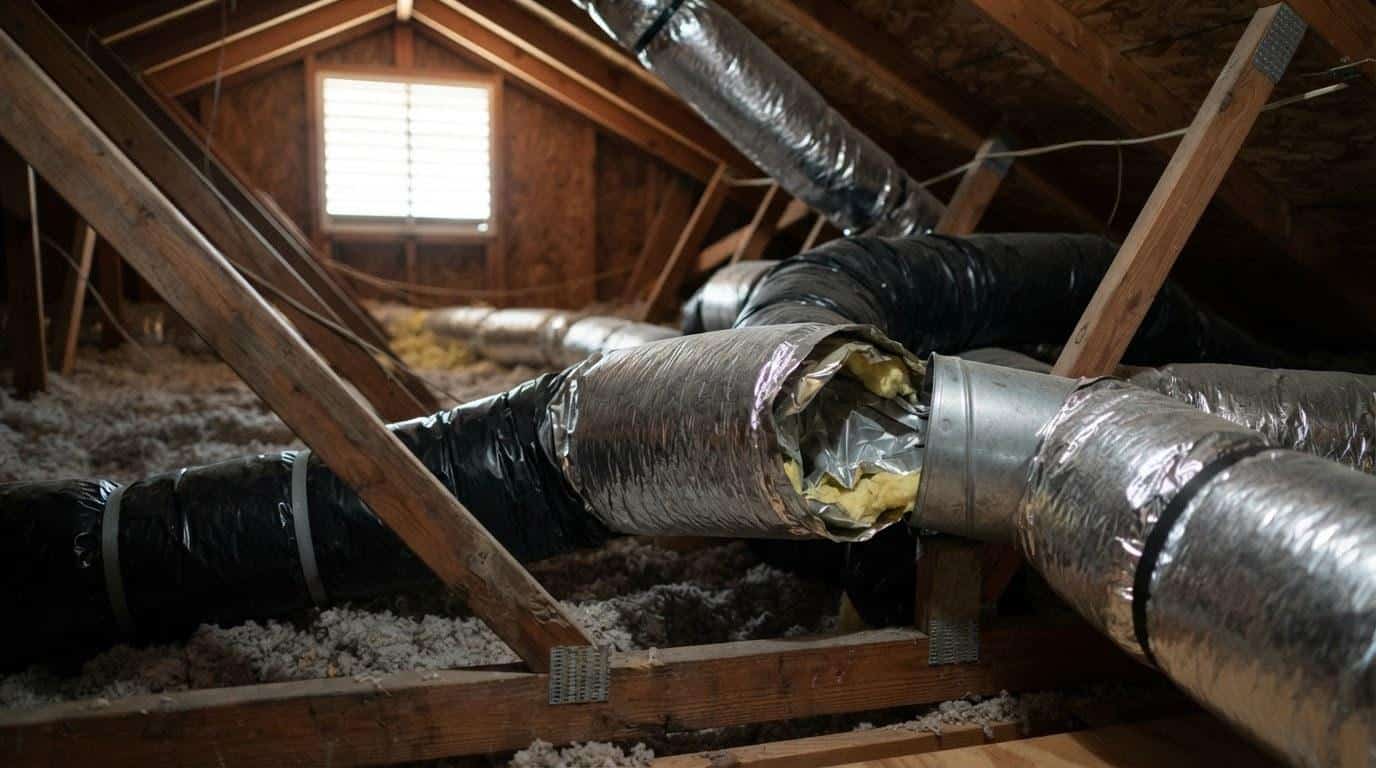
- Older ductwork: Ducts that have not been inspected or sealed in more than 10 years often harbor dust, mold, and debris that circulate every time the HVAC runs.
- New construction or renovation: Fresh paint, adhesives, flooring, and cabinetry off-gas VOCs for weeks to months after installation.
- Gas appliances: Gas stoves and unvented space heaters release nitrogen dioxide and carbon monoxide. An activated carbon stage combined with proper ventilation addresses these gases.
- High humidity: Homes where indoor relative humidity consistently exceeds 60% are prone to mold growth. A purification system with UV-C or HEPA filtration reduces airborne spores.
- Wildfire proximity: California’s fire seasons now run nearly year-round. Fine particulate matter (PM2.5) from wildfire smoke is small enough to penetrate deep into the lungs and bypass standard 1-inch HVAC filters.
California’s Air Resources Board regularly issues air quality alerts across Southern California counties. On those days, a whole-home air purifier running through the HVAC can reduce indoor PM2.5 levels by 50 to 80% compared to a home with only a standard filter.
A whole-home air purifier running through the HVAC can reduce indoor PM2.5 levels by 50 to 80% compared to a home with only a standard filter on high-smoke days.
What Does Indoor Air Purification Actually Remove?
A properly selected air purification system removes five major categories of indoor pollutants: particulate matter, biological contaminants, gases and VOCs, odors, and in some cases, radon decay products. No single technology removes all five, which is why layered systems outperform single-stage units.
Particulate Matter
This includes dust, pollen, pet dander, mold spores, and combustion particles. HEPA filters are the most reliable tool for this category. ENERGY STAR-certified air purifiers must meet strict efficiency standards for particle capture and are independently tested.
Biological Contaminants
Bacteria, viruses, and mold spores fall into this category. UV-C germicidal systems are specifically designed to neutralize these threats. A UV-C lamp installed near the evaporator coil also prevents mold from growing on the coil itself, which is a common source of musty odors in HVAC systems.
Gases and VOCs
Volatile organic compounds come from paint, cleaning supplies, furniture, and building materials. The EPA notes that VOC concentrations indoors are often 2 to 10 times higher than outdoors. Activated carbon is the primary tool for this category.
Odors
Cooking smells, pet odors, and tobacco smoke are largely gas-phase pollutants. Activated carbon adsorbs these molecules. Carbon filters have a finite capacity and typically need replacement every 3 to 6 months depending on pollutant load.
Humidity-Related Pollutants
Excess moisture encourages mold and dust mite growth. While air purifiers do not dehumidify, pairing a purification system with a whole-home dehumidifier addresses moisture-driven indoor air quality problems more completely than either device alone.
How Much Does a Home Air Purification System Cost?
In the Southern California market, whole-home air purification systems typically range from $500 to $3,000 installed, depending on the technology, the size of the home, and whether new wiring or ductwork modifications are needed. Portable standalone units range from $100 to $800 for quality HEPA-rated models.
Several factors push costs toward the higher end of these ranges:
- Home size: A system sized for a 3,000-square-foot home requires a higher-capacity unit and more complex installation than one for a 1,200-square-foot condo.
- Technology stack: Combining HEPA, UV-C, and activated carbon in a single whole-home unit costs more upfront but reduces the need for multiple devices.
- Existing HVAC compatibility: Older air handlers or non-standard duct configurations may require adapters or modifications, adding $150 to $400 to the project.
- Filter replacement costs: HEPA filters for whole-home systems typically cost $50 to $150 per filter and need replacement every 6 to 12 months. UV-C lamps last about 9,000 hours and cost $30 to $80 to replace.
Homeowners may also qualify for the Inflation Reduction Act federal tax credit, which covers certain energy-efficient home upgrades. Depending on the system type and how it integrates with your HVAC, a portion of the installation cost may be deductible. Check the current IRS guidance or ask your tax advisor for specifics.
For an accurate quote on your home, contact Shalom Heating & Air at (714) 886-2021. Every home has different needs, and a site assessment is the only reliable way to size a system correctly.
How Do You Choose the Right Air Purification System?
The right system depends on four variables: your home’s square footage, your primary pollutant concerns, whether you have existing ductwork, and your budget for upfront cost versus ongoing maintenance. Matching these factors to the correct technology prevents overspending on capability you do not need or underspending on a system that cannot handle your actual air quality problems.
Step 1: Identify Your Primary Concern
Allergy and asthma sufferers should prioritize HEPA filtration. Households with mold history or immune-compromised members benefit most from UV-C germicidal systems. Homes with gas stoves, new construction smells, or tobacco smoke need activated carbon as a core component.
Step 2: Decide Between Whole-Home and Portable
Whole-home systems integrate with your HVAC and treat every room simultaneously. They are the better long-term investment for homes over 1,500 square feet. Portable units work well for renters, single-room problems, or as a supplement to a whole-home system in a bedroom or home office.
Step 3: Check MERV and CADR Ratings
For HVAC-integrated filters, look for a MERV rating (Minimum Efficiency Reporting Value) between 11 and 13 for residential use. MERV 14 and above can restrict airflow in systems not designed for high-resistance filters, potentially damaging the blower motor. For portable units, the Clean Air Delivery Rate (CADR) should match or exceed the square footage of the room it will serve. ACCA (Air Conditioning Contractors of America) standards recommend a Manual J load calculation when integrating air quality equipment with an existing HVAC system to confirm the system can handle the added static pressure.
Step 4: Factor in California-Specific Requirements
California’s Title 24 building energy standards govern ventilation rates in new and remodeled homes. If your home has been recently renovated, a licensed contractor can verify that your ventilation and purification setup meets current code. Any contractor you hire should be Licensed by the California Contractors State License Board (CSLB). You can verify a contractor’s license at cslb.ca.gov.
We see homeowners most commonly choose the wrong MERV rating for their existing system. In roughly 1 in 4 service calls involving a new filter upgrade, the filter is too restrictive for the blower, which reduces airflow and can cause the evaporator coil to freeze.
In roughly 1 in 4 service calls involving a new filter upgrade, the filter is too restrictive for the blower, which reduces airflow and can cause the evaporator coil to freeze.
Get Professional Air Quality Help from Shalom Heating & Air
Choosing and installing the right air purification system is straightforward when you start with a professional assessment of your home’s existing HVAC, duct condition, and specific air quality concerns.
Shalom Heating & Air installs and services whole-home air purification systems, UV-C germicidal lights, activated carbon filtration, and HEPA-grade media filters for homeowners across Southern California. Whether you are dealing with wildfire smoke, seasonal allergies, pet dander, or VOCs from a recent renovation, the right system can make a measurable difference in how your home feels every day.
Schedule your indoor air quality assessment or request a custom quote by calling (714) 886-2021. A licensed technician will evaluate your existing system, recommend the right technology stack, and give you a written estimate before any work begins.
Explore our full range of HVAC services across Southern California.
Frequently Asked Questions
How do I know if my home's air quality is bad enough to need a purifier?
Persistent allergy symptoms, musty odors, visible dust buildup on vents, or frequent headaches indoors are common signs that your indoor air quality needs attention. Homes with pets, gas appliances, or recent renovations typically have higher pollutant levels than average. An indoor air quality assessment from a licensed HVAC contractor can measure particulate and VOC levels and give you a clear picture of what your home actually contains.
What is the difference between an air purifier and an air filter?
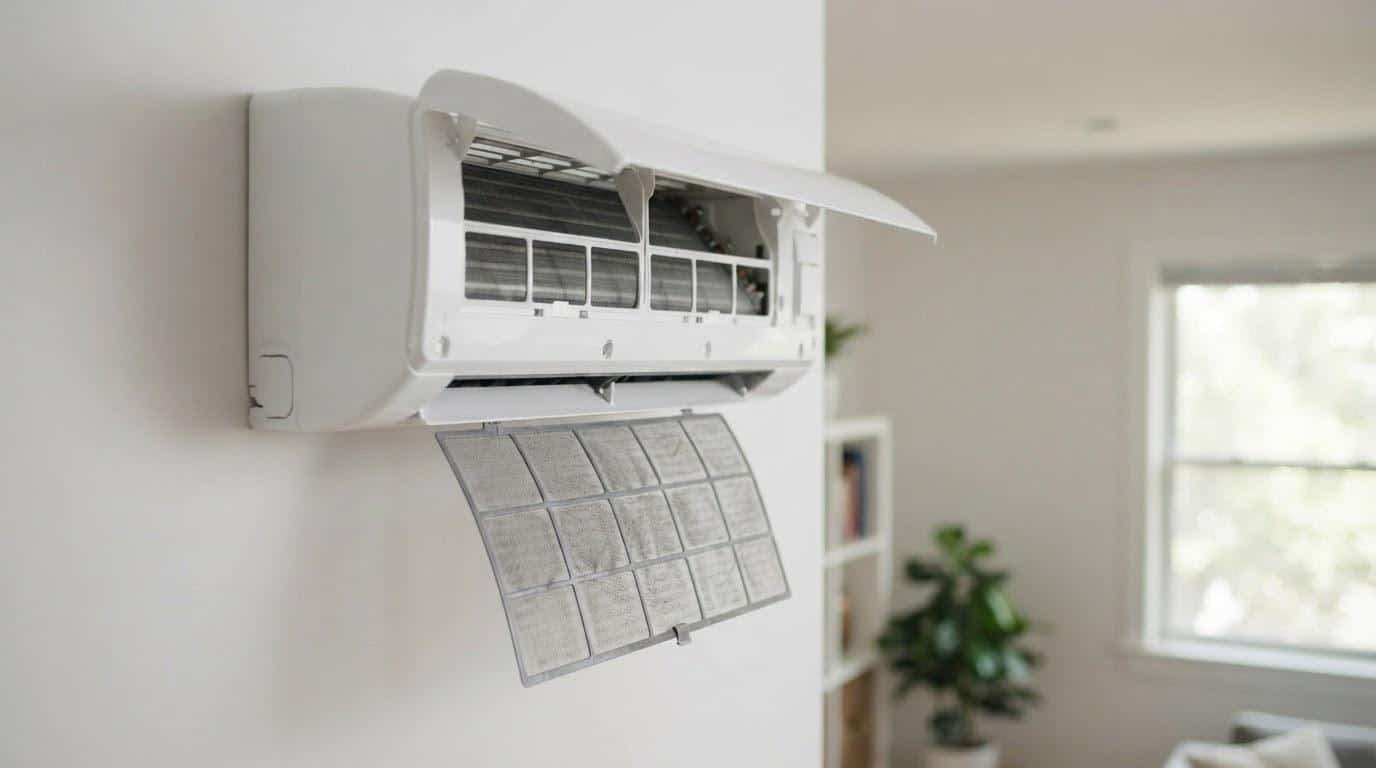
An air filter, like the standard 1-inch filter in your HVAC system, captures larger particles but does little for fine particles, gases, or biological contaminants. An air purifier is a dedicated system that uses advanced technology such as HEPA filtration, UV-C light, or activated carbon to address a much wider range of pollutants. Think of a basic HVAC filter as protecting the equipment, and an air purifier as protecting the people in the home.
How long does it take for an air purifier to clean the air in a room?
Most whole-home systems begin measurably reducing airborne particles within 30 to 60 minutes of operation. A portable HEPA unit rated for a given room size typically achieves a 50% reduction in particle concentration within 20 to 30 minutes in that space. Running the system continuously on a low fan setting is more effective than running it on high for short bursts.
Are whole-home air purifiers worth the cost compared to portable units?
For homes over 1,500 square feet, whole-home systems are generally the more cost-effective long-term choice because they treat every room simultaneously through the existing ductwork without requiring multiple portable units. Installed costs in the Southern California market typically range from $500 to $3,000, while buying quality portable units for every room can exceed that quickly. Whole-home systems also require less daily maintenance and operate quietly in the background.
Do air purifiers help with wildfire smoke in California?
Yes. A whole-home system with a MERV 13 or higher filter combined with an activated carbon stage can reduce indoor PM2.5 levels from wildfire smoke by 50 to 80% compared to a home using only a standard HVAC filter. During active smoke events, it also helps to keep windows and doors closed and set your HVAC to recirculate mode rather than fresh-air intake. Shalom Heating & Air can recommend the right combination of filtration and ventilation controls for your specific system.