Fall HVAC Tune-Up: What a Professional Checks and Why It Matters in Southern California
A fall HVAC tune-up in Southern California is not just a box to check; it is how you catch failing parts before the first cold snap and keep your energy bill from spiking. This guide walks through every step a professional technician takes during that visit.
Why Does a Fall HVAC Tune-Up Matter in Southern California?
Southern California HVAC systems run almost every month of the year, cycling between cooling in summer and heating in fall and winter. That near-constant use accelerates wear far faster than in climates with a true off-season. Catching a failing part in September costs a fraction of an emergency repair call in December when technician schedules are packed.
The region also faces unique stress factors. Coastal areas deal with salt-laden marine-layer air that corrodes condenser coils and electrical contacts. Inland valleys like those in Los Angeles and San Bernardino counties push systems through extreme summer heat before asking them to switch into heating mode. A tune-up bridges those two seasons safely.
As of 2026, California’s Title 24 building energy standards and updated California Energy Commission appliance standards set higher efficiency benchmarks for HVAC equipment. A poorly maintained system drifts below those benchmarks, wasting energy and potentially voiding manufacturer warranties.
What Is on the Fall HVAC Tune-Up Checklist for Southern California Homes?
A thorough fall HVAC tune-up checklist for Southern California covers both the cooling and heating sides of your system, because most homes here use the same air handler for both functions. Skipping the cooling-side checks in fall misses problems that will carry into next summer.
Here is what a complete professional checklist looks like, organized by system area:
- Air filter: Inspect and replace if restricted. A clogged 1-inch filter can reduce airflow by up to 15 percent and force the blower motor to work harder.
- Thermostat calibration: Verify that the thermostat reads actual room temperature within plus or minus 1 degree Fahrenheit and that heating mode activates correctly.
- Heat exchanger inspection: Check for cracks or corrosion that could allow carbon monoxide to enter living spaces. This is the most critical safety check on a gas furnace.
- Burner and ignition system: Clean burners, test the igniter, and verify flame color and pattern. A yellow or orange flame often signals incomplete combustion.
- Flue and venting: Inspect the exhaust flue for blockages, corrosion, or improper slope that could trap combustion gases.
- Refrigerant level check: Confirm refrigerant charge is within manufacturer spec. Low charge forces the compressor to run longer and raises electricity use.
- Condenser and evaporator coils: Clean both coils. Dirty coils can reduce system efficiency by 20 to 30 percent according to ENERGY STAR guidance.
- Electrical connections and capacitors: Tighten all terminals, measure capacitor microfarad ratings, and test contactors for pitting or burning.
- Blower motor and belt: Inspect motor amperage draw, lubricate bearings if applicable, and check belt tension and condition on older units.
- Ductwork visual inspection: Look for disconnected sections, obvious leaks at joints, or crushed flex duct in attic runs that restrict airflow.
- Drain line and drip pan: Flush the condensate drain and confirm the drip pan is clear. A blocked drain can cause water damage within hours during a heavy cooling cycle.
- Safety controls: Test limit switches, pressure switches, and the emergency shutoff to confirm they trip correctly.
Our technicians see a consistent pattern on fall service calls across Southern California: roughly 6 out of every 10 systems have at least one electrical connection that has loosened over the summer, and capacitors on units older than 8 years test outside their rated tolerance about 40 percent of the time.
Capacitors on units older than 8 years test outside their rated tolerance about 40 percent of the time.
What Does a Professional Technician Actually Do During the Visit?
A professional fall tune-up typically takes 60 to 90 minutes for a standard split system. Homes with zoned systems, dual units, or complex ductwork layouts can take 2 to 3 hours. The technician follows a structured sequence that moves from safety-critical checks to efficiency checks to a final operational test.
Here is the order a qualified technician generally follows:
- Review the system’s age, model, and any noted concerns from the previous service.
- Shut the system down safely and inspect the air filter and return grilles.
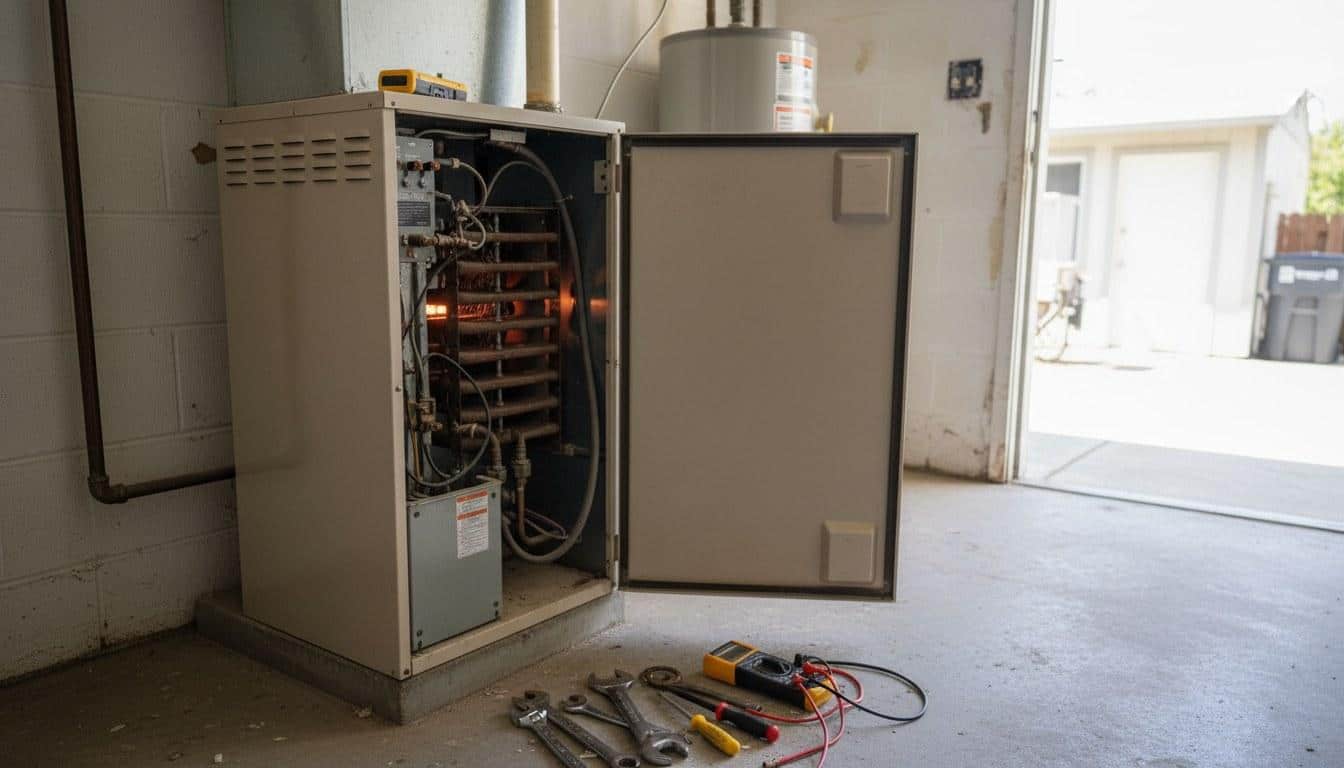
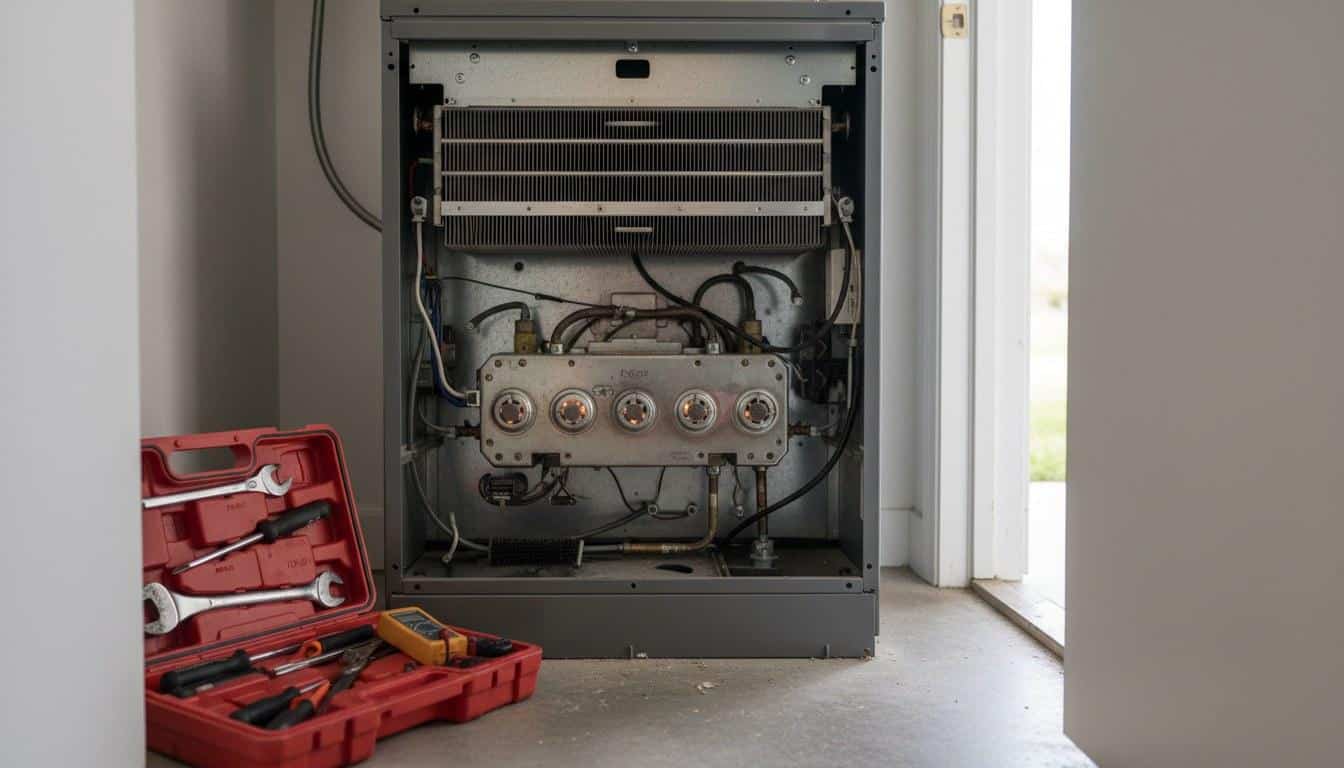
- Move to the furnace or air handler: inspect the heat exchanger, burners, ignition, and flue.
- Test all electrical components at the air handler and outdoor condenser: capacitors, contactors, and wiring terminals.
- Check refrigerant pressure with gauges and compare to manufacturer specifications for the current outdoor temperature.
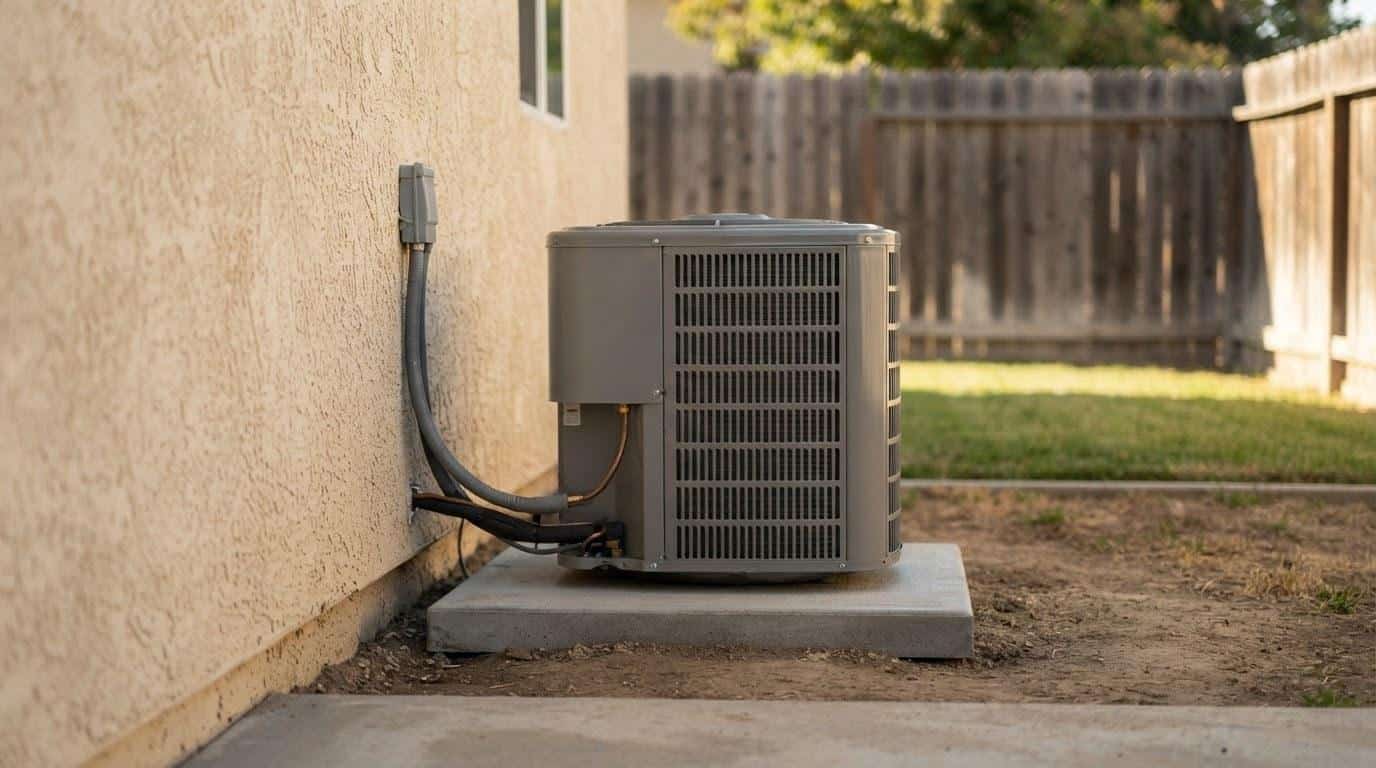
- Clean condenser coils with a low-pressure rinse and clear any debris from around the unit.
- Flush the condensate drain line and inspect the drip pan.
- Restore power, run the system in heating mode, and record supply and return air temperatures. A properly functioning gas furnace should produce a temperature rise of 35 to 65 degrees Fahrenheit across the heat exchanger, per ACCA (Air Conditioning Contractors of America) standards.
- Calibrate or test the thermostat and verify all safety controls.
- Provide a written summary of findings, any parts replaced, and recommendations.
The written summary matters. It creates a service history that helps future technicians diagnose problems faster and supports warranty claims if a covered component fails.
Technicians who follow ACCA standards and perform a Manual J load calculation on new installs use that same systematic approach during tune-ups: measure actual conditions, compare to design specs, and correct any deviation. That discipline separates a real tune-up from a quick filter swap and a visual glance.
How Much Does a Fall HVAC Tune-Up Cost in This Market?
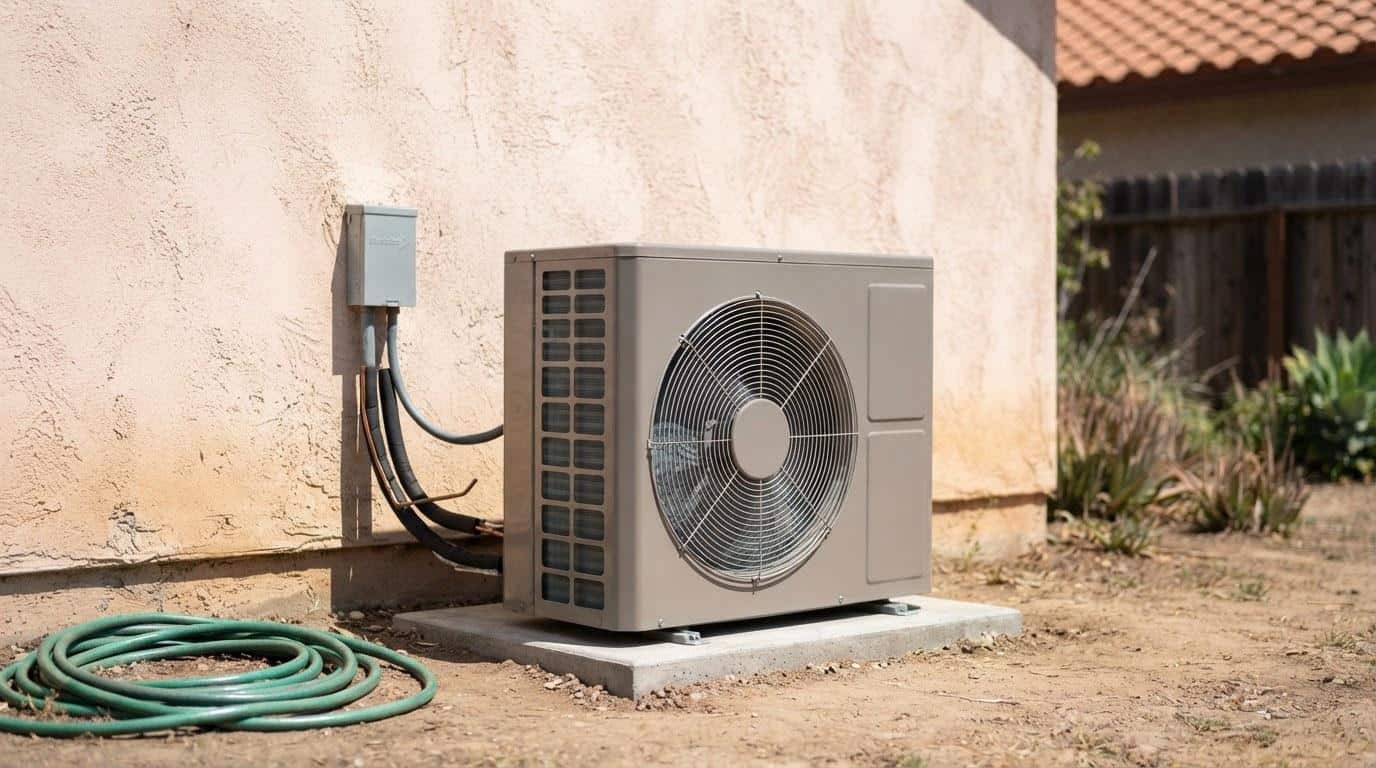
In the Southern California market, a professional fall HVAC tune-up typically ranges from $80 to $175 for a single standard split system. Dual systems, heat pumps, or ductless mini-split setups generally run $150 to $300 depending on the number of indoor heads and the scope of work.
Several factors move the price within those ranges:
| Cost Factor | Effect on Price | Notes |
|---|---|---|
| System type (split vs. heat pump vs. mini-split) | Adds $30 to $75 for heat pumps and multi-zone mini-splits | More components to test and clean |
| Number of systems in the home | Each additional unit adds cost | Two-story homes often have two systems |
| Parts replaced during the visit | Capacitors typically $20 to $60; filters $10 to $40 | Labor is usually included in the tune-up fee |
| System age | Units over 10 years often need more cleaning time | Coil fouling and corrosion take longer to address |
| Ductwork add-ons | Leak testing or sealing quoted separately | Common in older tract homes across the region |
Homeowners who act before mid-October generally find appointment availability easier and avoid the premium scheduling pressure that comes when the first cold nights arrive. For a custom quote based on your specific system and home, call Shalom Heating & Air at (714) 886-2021.
It is also worth noting that the Inflation Reduction Act federal tax credit covers up to 30 percent of the cost of qualifying new high-efficiency HVAC equipment installed through 2032. A tune-up visit is a good time to ask whether your aging system would qualify for replacement credits if it is approaching end of life.
What Warning Signs Should You Watch for Between Services?
Even a well-maintained system can develop problems between annual visits. Catching these signs early keeps a minor fix from becoming a major repair.
- Short cycling: The system turns on and off every few minutes without reaching the set temperature. This often points to a dirty filter, a failing capacitor, or a refrigerant issue.
- Unusual odors: A burning smell at startup can indicate dust burning off heat exchanger surfaces, which is normal after a long off-season. A persistent burning smell or a sulfur-like odor warrants an immediate call to a technician.
- Weak airflow from vents: If rooms that used to heat or cool quickly now lag, check the filter first. If the filter is clean, the blower motor or ductwork may be the issue.
- Higher-than-normal energy bills: A sudden 15 percent or more increase in your electricity or gas bill without a change in usage habits often signals a system working harder than it should.
- Thermostat not responding correctly: If the system does not start within a few minutes of a thermostat call, or runs continuously without shutting off, the thermostat or a control board may need attention.
- Water around the indoor unit: A puddle near the air handler almost always means a blocked condensate drain. Left unaddressed, it can cause mold growth within 24 to 48 hours in Southern California’s warmer fall temperatures.
- Rattling, banging, or squealing sounds: Rattling often means a loose panel or debris in the blower. Squealing points to a worn belt or failing motor bearing. Banging at startup on a gas furnace is a delayed ignition warning that needs prompt attention.
How Do You Choose a Qualified HVAC Contractor?
In California, any HVAC contractor who installs, services, or repairs heating and cooling equipment must hold a valid C-20 (warm-air heating, ventilating, and air-conditioning) license issued by the California Contractors State License Board (CSLB). You can verify any contractor’s license status at cslb.ca.gov before scheduling work.
Beyond the license, look for these qualifications:
- EPA Section 608 certification: Required for any technician who handles refrigerants. EPA refrigerant regulations (Section 608) prohibit unlicensed individuals from purchasing or venting refrigerants.
- Proof of insurance: General liability and workers’ compensation protect you if something goes wrong on your property.
- Written estimates before work begins: A reputable contractor provides a written scope of work and price before any service starts, not after.
- Familiarity with current equipment standards: Ask whether the contractor works with SEER2-rated systems and is familiar with California’s current Title 24 efficiency requirements. SEER2 became the federal minimum rating standard in 2023, replacing the older SEER scale.
- Clear communication about findings: After the tune-up, you should receive a written report listing every item checked, the condition found, and any recommended repairs with pricing.
Across our service calls in Southern California, we find that homeowners who request a written pre-service checklist from their contractor tend to report far higher satisfaction with the visit. When a technician knows you expect documentation, the inspection is more thorough and nothing gets skipped.
Schedule Your Fall Tune-Up Before the Rush Begins
September and early October are the best weeks to book your fall HVAC tune-up in Southern California. Appointment slots fill quickly once nighttime temperatures drop below 60 degrees Fahrenheit and homeowners realize their heat has not run in six months.
A complete fall HVAC tune-up checklist for Southern California homes covers safety, efficiency, and comfort in one visit. It extends equipment life, lowers energy costs, and gives you documented proof that your system is ready for the season. Putting it off until a breakdown happens costs far more in parts, emergency labor, and discomfort.
Shalom Heating & Air serves homeowners across Southern California with licensed, insured HVAC tune-ups, repairs, and full system installations. Call (714) 886-2021 to schedule your fall tune-up before the season rush. Get a written quote before any work begins and know exactly what your system needs going into fall and winter.
Explore our full range of HVAC services across Southern California.
Frequently Asked Questions
How often should I get an HVAC tune-up in Southern California?
Most HVAC manufacturers and industry organizations recommend a professional tune-up at least once a year. In Southern California, where systems run nearly year-round, many homeowners benefit from two visits: one in fall before heating season and one in spring before peak cooling demand. Annual service keeps warranties intact and catches wear before it becomes a breakdown.
What happens if I skip the fall HVAC tune-up?
Skipping a fall tune-up means small problems like a loose electrical connection, a partially blocked drain, or a low refrigerant charge go undetected until they cause a failure. Emergency repair calls typically cost two to three times more than a scheduled tune-up, and parts can take days to arrive during peak season. Equipment that goes without regular service also tends to fail 5 to 10 years earlier than its rated lifespan.
Can I do the fall HVAC tune-up myself?
Homeowners can handle a few tasks safely: replacing the air filter, clearing debris from around the outdoor condenser, and checking that vents are open and unobstructed. However, checking refrigerant levels, testing electrical components, inspecting the heat exchanger for cracks, and flushing the condensate drain properly all require professional tools, EPA Section 608 certification for refrigerant work, and training. A DIY filter swap is a good habit, but it does not substitute for a full professional inspection.
How long does a professional fall HVAC tune-up take?
A standard single split system tune-up takes 60 to 90 minutes. Homes with two systems, a heat pump, or a ductless mini-split with multiple indoor heads can take 2 to 3 hours. The technician should provide a written report of findings before leaving, so budget a few extra minutes for that review at the end of the visit.
Is a fall HVAC tune-up worth it if my system is newer?
Yes. Even systems installed within the last 2 to 3 years benefit from annual service because manufacturer warranties typically require documented maintenance to remain valid. A tune-up also verifies that the system is operating at its rated SEER2 efficiency, which directly affects your monthly energy bill. Catching a refrigerant charge that is slightly off or a drain that is beginning to clog on a newer system is far cheaper than addressing the damage those issues cause over time.