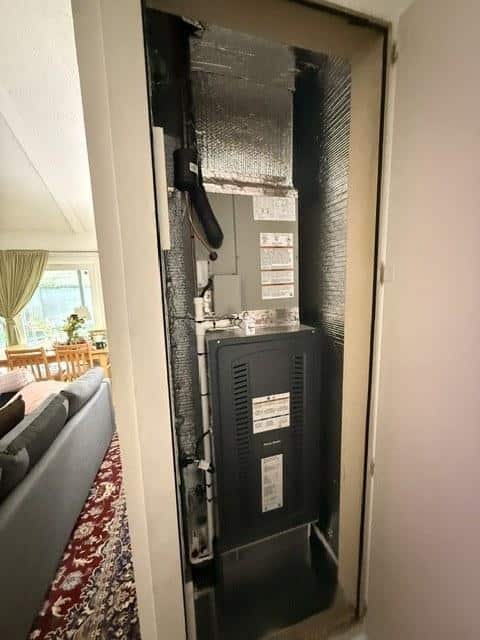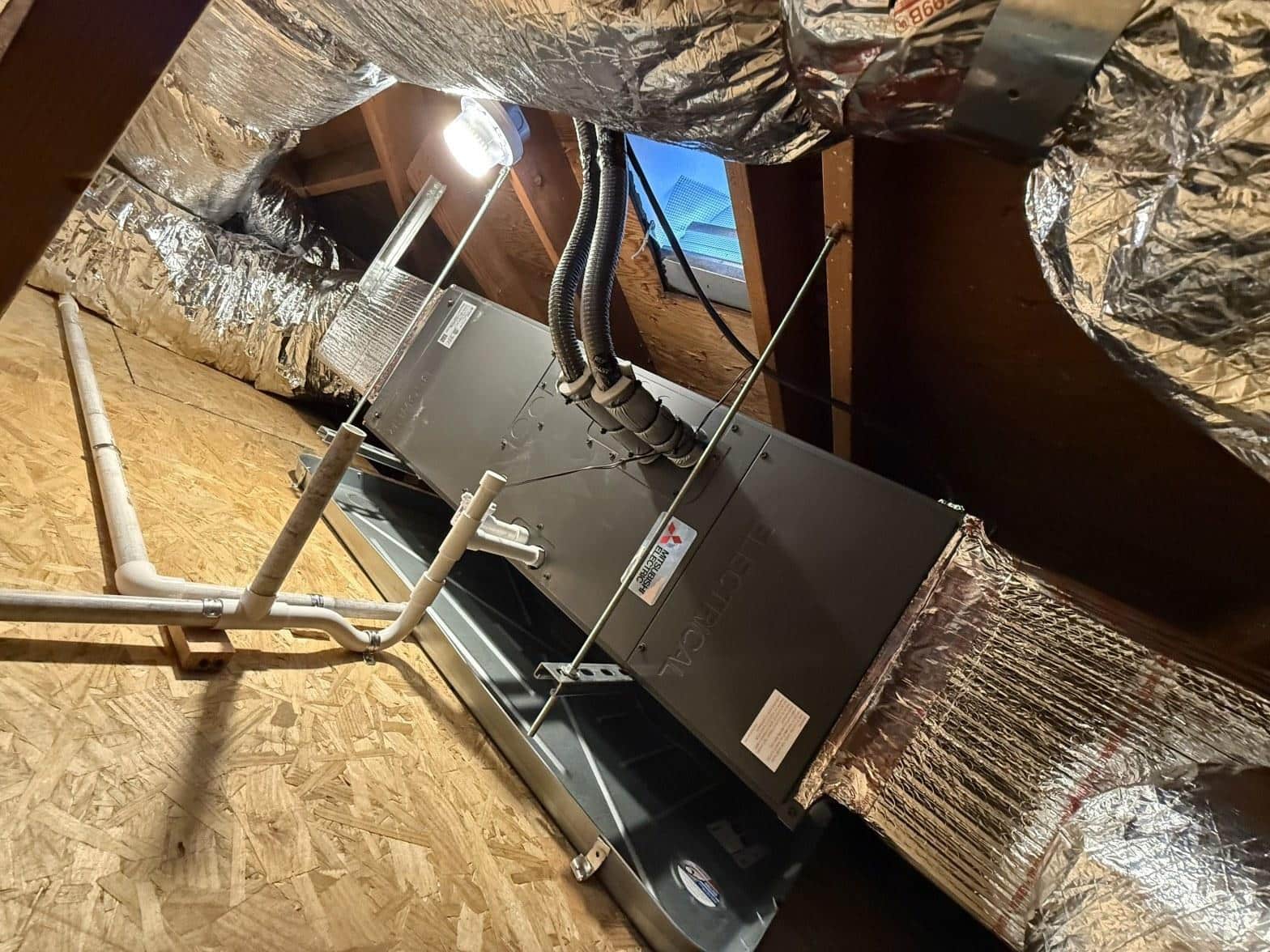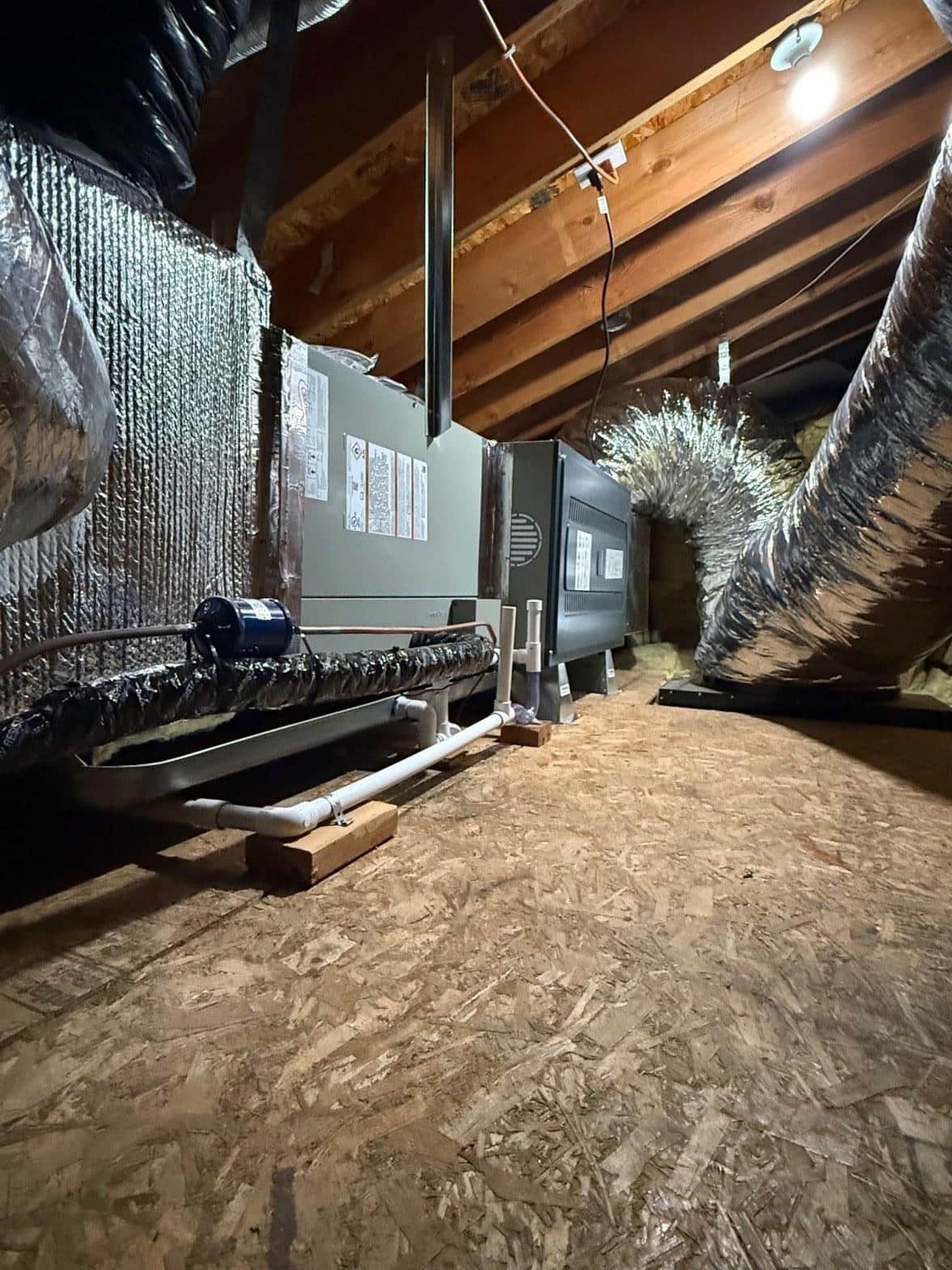
How Long Does a Furnace Last? Signs It’s Time to Replace Yours
Most furnaces last 15 to 20 years, but age alone does not tell the whole story. This guide walks you through the real warning signs that replacement makes more sense than another repair.
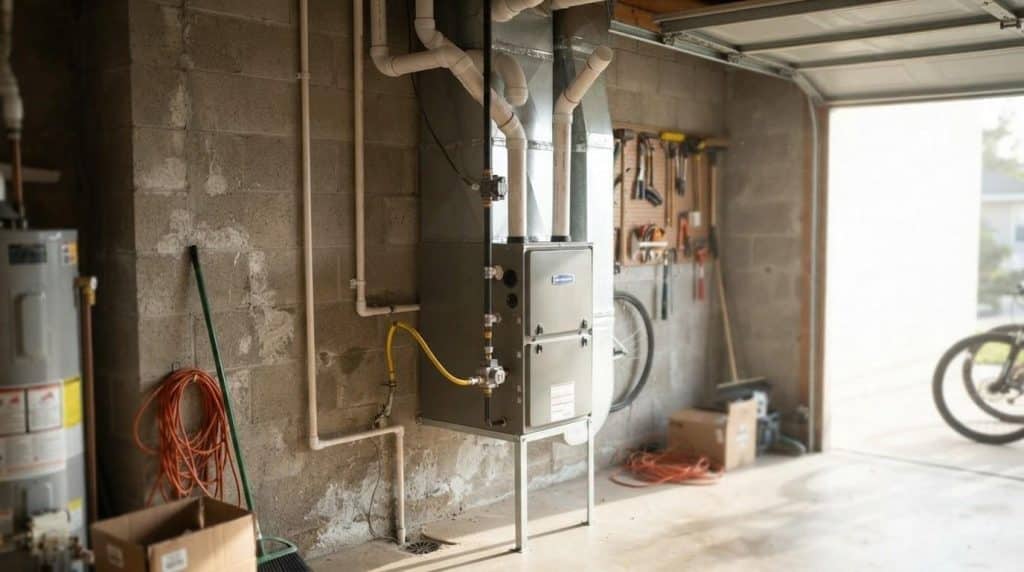
Why Do Furnaces Fail, and How Long Should Yours Last?
Most furnaces last between 15 and 20 years. Gas furnaces on the higher end of that range are typically well-maintained units running in moderate climates, while systems pushed hard through cold winters or neglected for years often fail closer to the 12- to 15-year mark.
In Southern California, furnaces run fewer hours per year than in colder states, which can extend their physical lifespan. However, the region’s older housing stock, some of it built in the 1970s and 1980s, means many homes are still running original units that are well past the 20-year mark. A furnace that old is not just inefficient; it can be a safety risk.
The U.S. Department of Energy notes that modern high-efficiency furnaces can achieve Annual Fuel Utilization Efficiency (AFUE) ratings of 90 percent or higher, compared to 60 to 70 percent for units manufactured before 1990. That gap translates directly to your monthly gas bill.
Understanding how long does a furnace last and the signs to replace it early gives you time to plan financially and shop for the right system rather than scrambling during a breakdown.
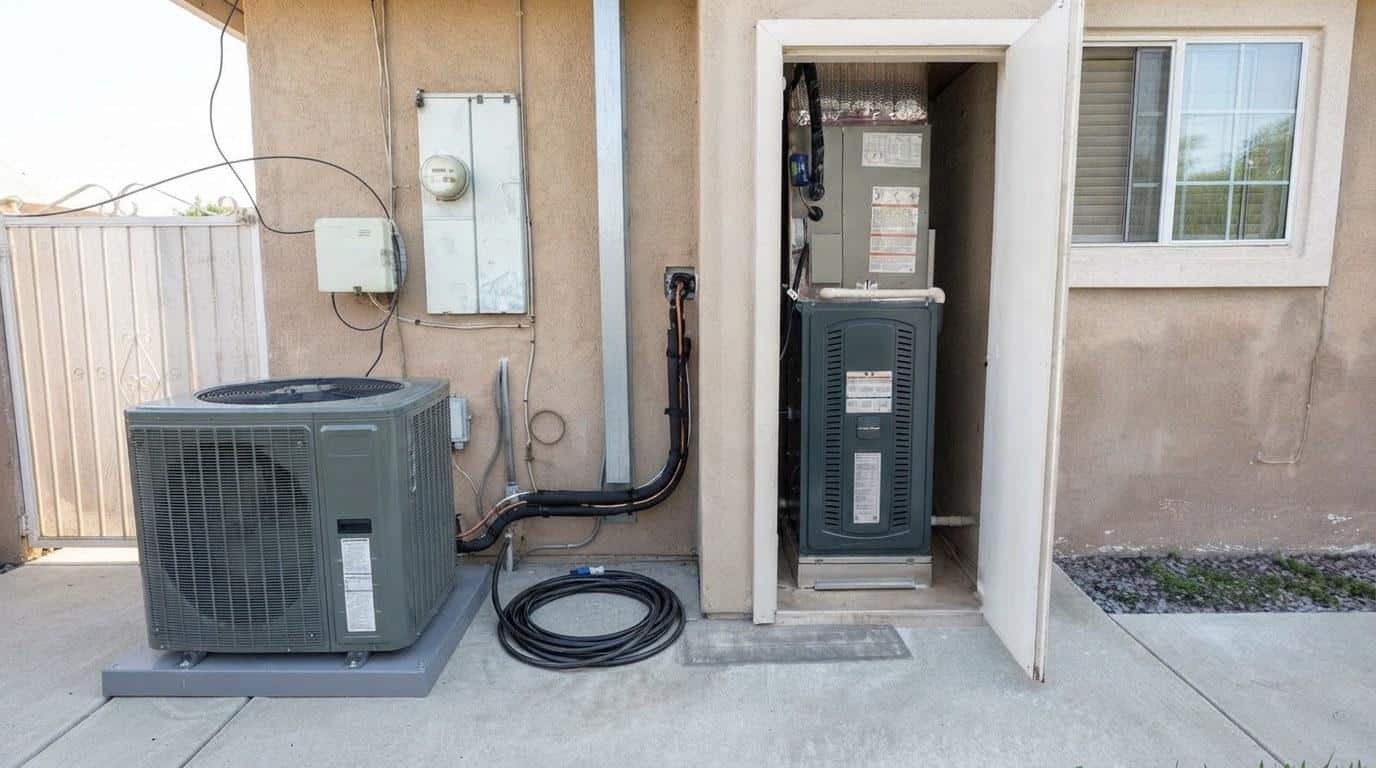
What Are the Warning Signs Your Furnace Needs Attention?
A furnace rarely fails without warning. Most units send clear signals weeks or months before a complete breakdown. Catching these early means you can schedule service on your terms rather than waiting for a cold night to force the issue.
- Age over 15 years: Any furnace older than 15 years should be evaluated annually. Units past 20 years are statistically near the end of their reliable service life.
- Rising energy bills: If your gas bill has climbed noticeably over two or three winters without a change in usage habits, your furnace is likely losing efficiency.
- Uneven heating: Rooms that were comfortable before now feel cold or drafty, even with the thermostat set the same way.
- Frequent cycling: The furnace turns on and off more often than usual, a pattern called short-cycling, which stresses the heat exchanger and blower motor.
- Unusual noises: Banging, rattling, popping, or squealing sounds during startup or operation point to mechanical wear or a cracked heat exchanger.
- Yellow or flickering burner flame: A healthy gas flame is steady and blue. A yellow or orange flame can indicate incomplete combustion and possible carbon monoxide production.
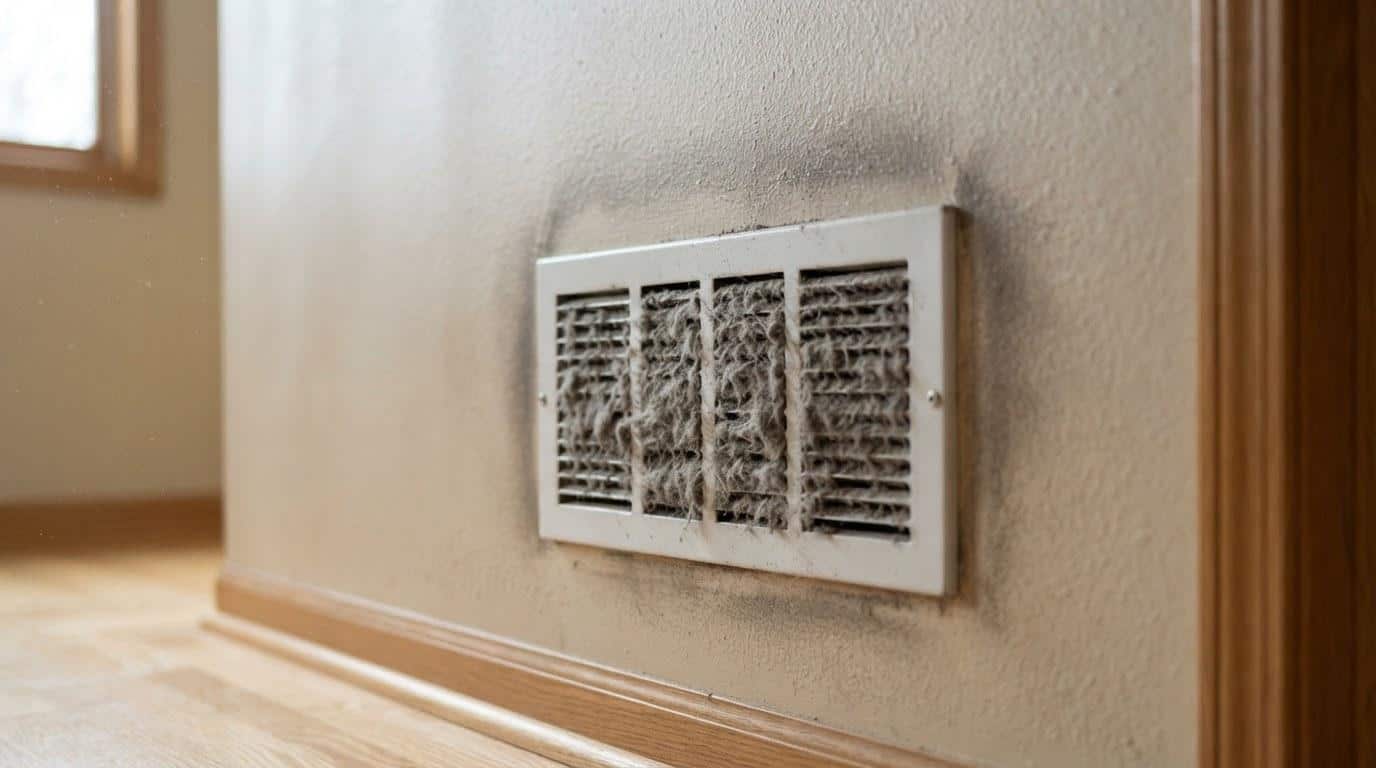
- Excess dust or dry air: An aging furnace loses its ability to filter and humidify air properly, leaving rooms dusty and uncomfortably dry.
- Carbon monoxide detector alerts: Any CO alarm should trigger an immediate shutdown and a professional inspection. A cracked heat exchanger is the most common furnace-related CO source.
Symptom, Likely Cause, and What to Do: A Quick Reference
The table below maps the most common furnace symptoms to their likely causes and tells you whether a DIY check or a licensed technician is the right next step.
| Symptom | Likely Cause | DIY or Pro? |
|---|---|---|
| No heat, blower runs | Faulty igniter or flame sensor | Pro |
| No heat, blower off | Tripped breaker, blown fuse, or failed control board | DIY check breaker first; Pro for board |
| Short-cycling (frequent on/off) | Dirty filter, overheating, or cracked heat exchanger | DIY for filter; Pro for heat exchanger |
| Yellow or flickering flame | Incomplete combustion, possible CO risk | Pro immediately |
| Banging or rattling noise | Loose panels, worn blower bearings, or cracked heat exchanger | Pro |
| High energy bills | Low AFUE efficiency, dirty burners, or duct leaks | DIY filter change; Pro for full tune-up |
| Uneven room temperatures | Duct leaks, blocked vents, or failing blower motor | DIY check vents; Pro for ducts and motor |
| CO detector alarm | Cracked heat exchanger | Pro immediately; evacuate first |
What Can You Check Yourself Before Calling a Pro?
Several furnace issues have simple causes a homeowner can rule out in under 10 minutes. Running through these checks first can save you a service call or help you give the technician better information when you do call.
- Check and replace the air filter. A clogged filter is the single most common cause of short-cycling and reduced airflow. Filters should be replaced every 1 to 3 months depending on household dust levels. Hold the filter up to a light source; if you cannot see light through it, replace it.
- Inspect the thermostat settings. Confirm the thermostat is set to HEAT, not COOL or FAN ONLY. If your thermostat runs on batteries, replace them. A dead thermostat battery is a surprisingly common no-heat call.
- Check the circuit breaker. Locate the furnace breaker in your electrical panel. If it has tripped to the middle position, reset it once. If it trips again immediately, stop and call a pro.
- Verify the furnace power switch is on. Most furnaces have a wall switch near the unit that looks like a standard light switch. It is sometimes flipped off accidentally.
- Check that all supply and return vents are open and unblocked. Furniture, rugs, or closed dampers can restrict airflow enough to cause overheating and short-cycling.
- Look at the condensate drain line (high-efficiency furnaces only). A 90-percent-plus AFUE furnace produces condensate. If the drain line is clogged, a float switch will shut the unit down. Check for standing water near the furnace base.
Our technicians respond to roughly 3 times more no-heat calls in December and January than in any other two-month window across Southern California. In about 1 in 5 of those calls, the fix is a dirty filter or a tripped breaker, issues a homeowner could have resolved in minutes.
When Should You Call a Professional for Furnace Help?
Call a licensed HVAC technician any time you suspect a cracked heat exchanger, smell gas, or see a yellow flame. These are not DIY situations. A cracked heat exchanger can allow carbon monoxide to enter living spaces, which is odorless and potentially fatal.
Beyond safety issues, you should call a pro when:
- The furnace does not respond after you have completed the DIY checks above.
- You hear grinding, banging, or persistent squealing during operation.
- The unit is older than 15 years and has not had a professional tune-up in the past 12 months.
- Your energy bills have increased by 20 percent or more over the past two winters without a clear explanation.
- The furnace has needed two or more repairs in the past 12 months.
Under EPA refrigerant regulations (Section 608), technicians working on HVAC systems that contain refrigerants must hold EPA certification. For furnace work specifically, California requires contractors to hold a valid license issued by the California Contractors State License Board (CSLB). Always verify your technician is Licensed by the California Contractors State License Board (CSLB) before allowing work to begin.
Furnace repair costs in the Southern California market typically range from $150 to $600 for common repairs such as igniter or flame sensor replacement, blower motor service, or control board diagnosis. Heat exchanger replacement, when feasible, can run $500 to $1,500 or more depending on the unit and labor involved. Always request a written estimate before work begins.
How Long Does a Furnace Last and When Do Repair Costs Stop Making Sense?
Understanding how long does a furnace last and the signs to replace it is only half the equation. The other half is knowing when repair costs stop making financial sense. The industry standard rule of thumb is the 50 percent rule: if a repair costs more than 50 percent of the price of a new furnace, and the unit is older than 15 years, replacement is almost always the better investment.
If a repair costs more than 50 percent of the price of a new furnace and the unit is older than 15 years, replacement is almost always the better investment.
New gas furnace installation in the Southern California market typically ranges from $2,500 to $6,000 or more, depending on the unit’s AFUE rating, the size of the home, ductwork condition, and permit requirements under California’s Title 24 building energy standards. High-efficiency units rated at 95 percent AFUE or above cost more upfront but can reduce annual gas consumption significantly compared to a 15-year-old unit running at 70 percent AFUE.
Homeowners who purchase a qualifying high-efficiency furnace may also be eligible for the Inflation Reduction Act federal tax credit, which covers up to 30 percent of equipment and installation costs for certain high-efficiency heating systems, with a maximum credit of $600 for furnaces as of the 2024 tax year. Consult a tax professional to confirm eligibility for your specific situation.
The TECH Clean California rebate program also offers incentives for homeowners who switch from fossil-fuel heating to qualifying heat pump systems. If your furnace is near end of life, this transition can make strong financial sense when stacked with federal credits.
Repair vs. Replace: A Quick Decision Framework
| Situation | Recommended Action | Why |
|---|---|---|
| Unit under 10 years old, single repair under $400 | Repair | Well within expected service life; cost is proportional |
| Unit 10 to 15 years old, repair $400 to $800 | Repair with caution; get a replacement quote too | Approaching mid-life; compare total cost of ownership |
| Unit over 15 years old, repair over $800 | Replace | Repair cost approaches 50% of replacement; efficiency gains justify new unit |
| Cracked heat exchanger, any age | Replace | Safety risk; heat exchanger replacement cost often rivals full replacement |
| Unit over 20 years old, any repair needed | Replace | End of statistical service life; parts availability declining |
ENERGY STAR certified furnaces meet efficiency thresholds set by the ENERGY STAR program, which is jointly administered by the EPA and U.S. Department of Energy. Choosing an ENERGY STAR model ensures you are getting a unit that meets current California Energy Commission appliance standards and qualifies for available rebates.
Across our service calls on units older than 18 years in Southern California, we find that roughly 40 percent have heat exchanger stress cracks or corrosion that is not visible without a combustion analysis. Those units are running, but they are not safe.
Across our service calls on units older than 18 years in Southern California, we find that roughly 40 percent have heat exchanger stress cracks or corrosion that is not visible without a combustion analysis.
Get Expert Furnace Help Across Southern California
If your furnace is showing any of the warning signs above, or if you simply are not sure how long does a furnace last and whether the signs to replace yours have arrived, a professional inspection gives you a clear answer before a breakdown forces the decision.
Shalom Heating & Air provides furnace inspection, repair, and full replacement services for homeowners across Southern California. Whether you need a second opinion on a repair estimate, a tune-up before the heating season, or a full system replacement with a high-efficiency unit, the team is ready to help.
Schedule your furnace inspection or get a written replacement quote today. Call Shalom Heating & Air at (714) 886-2021 to book your appointment.
Explore our full range of HVAC services across Southern California.
Frequently Asked Questions
How much does furnace repair usually cost in Southern California?
Most furnace repairs in the Southern California market range from $150 to $600 for common issues like a failed igniter, dirty flame sensor, or blower motor service. More involved repairs such as a control board replacement or heat exchanger work can run $500 to $1,500 or more. The final cost depends on the part involved, the age of the unit, and labor time. Request a written estimate before any work begins.
How do I know if my furnace needs replacing or just repairing?
If your furnace is older than 15 years and a single repair costs more than 50 percent of what a new unit would cost, replacement is usually the smarter financial move. A cracked heat exchanger is another strong signal to replace rather than repair, since that repair alone can rival the cost of a new system. Getting a written quote for both options from a licensed HVAC contractor helps you compare the true cost of each path.
Why is my furnace turning on and off every few minutes?
Short-cycling, where the furnace turns on and off repeatedly, is most often caused by a clogged air filter restricting airflow and causing the unit to overheat. Other causes include a faulty flame sensor, a malfunctioning limit switch, or in more serious cases, a cracked heat exchanger. Start by replacing the air filter. If the short-cycling continues after that, call a licensed technician for a full diagnosis.
How do I fix a furnace that is not producing heat?
Start by checking the thermostat settings, the furnace power switch, and the circuit breaker. Replace the air filter if it has not been changed recently, and confirm all supply vents are open and unblocked. If the unit still does not produce heat after those checks, the issue is likely a failed igniter, flame sensor, or control board, all of which require a licensed HVAC technician to diagnose and replace safely.
What is a good AFUE rating for a new furnace in California?
California's Title 24 building energy standards require new gas furnaces to meet a minimum AFUE of 80 percent. Most homeowners replacing an older unit choose a 95 percent or higher AFUE model because the efficiency gains reduce annual gas costs and the unit may qualify for the Inflation Reduction Act federal tax credit and ENERGY STAR certification. A licensed HVAC contractor can calculate the payback period for a higher-efficiency unit based on your home's heating load.