How Much Does a Ductless Mini-Split Cost to Run Per Month in Southern California?
Running a ductless mini-split in Southern California typically adds between $30 and $90 to your monthly electric bill, depending on the system size, usage hours, and local utility rates. This guide breaks down exactly what drives that number and how to keep it as low as possible.
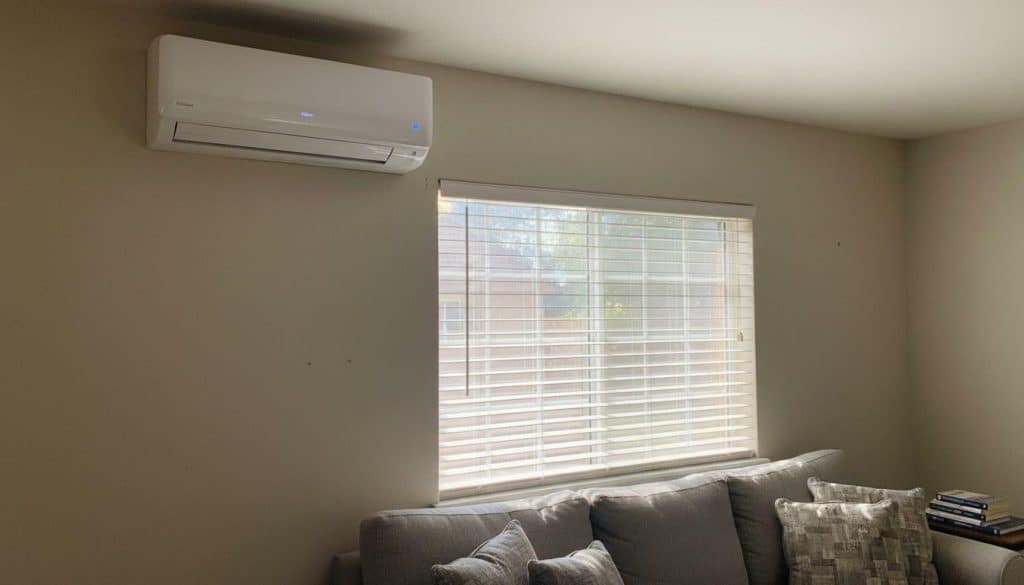
What Does a Ductless Mini-Split Actually Cost to Run Each Month?
A single-zone ductless mini-split in Southern California typically adds $30 to $90 per month to your electric bill under normal use. Larger systems or longer daily run times can push that figure to $120 or more. These ranges assume average daily use of 8 to 10 hours, a system rated between 9,000 and 18,000 BTU, and the tiered electricity rates common across Southern California utilities.
A single-zone ductless mini-split in Southern California typically adds $30 to $90 per month to your electric bill under normal use.
To put a finer point on it: a 12,000 BTU (1-ton) mini-split with a SEER2 rating of 20 or higher draws roughly 0.6 kilowatts per hour at full load. At a blended rate of $0.25 per kilowatt-hour, running it 8 hours a day costs about $36 per month. Drop the SEER2 to 15 and that same usage climbs closer to $48 per month. The math is simple, but the variables add up fast.
The ductless mini split monthly operating cost in Southern California also shifts with the season. Summer cooling months (June through September) tend to run the compressor harder and longer, while mild spring and fall months may cut run time nearly in half.
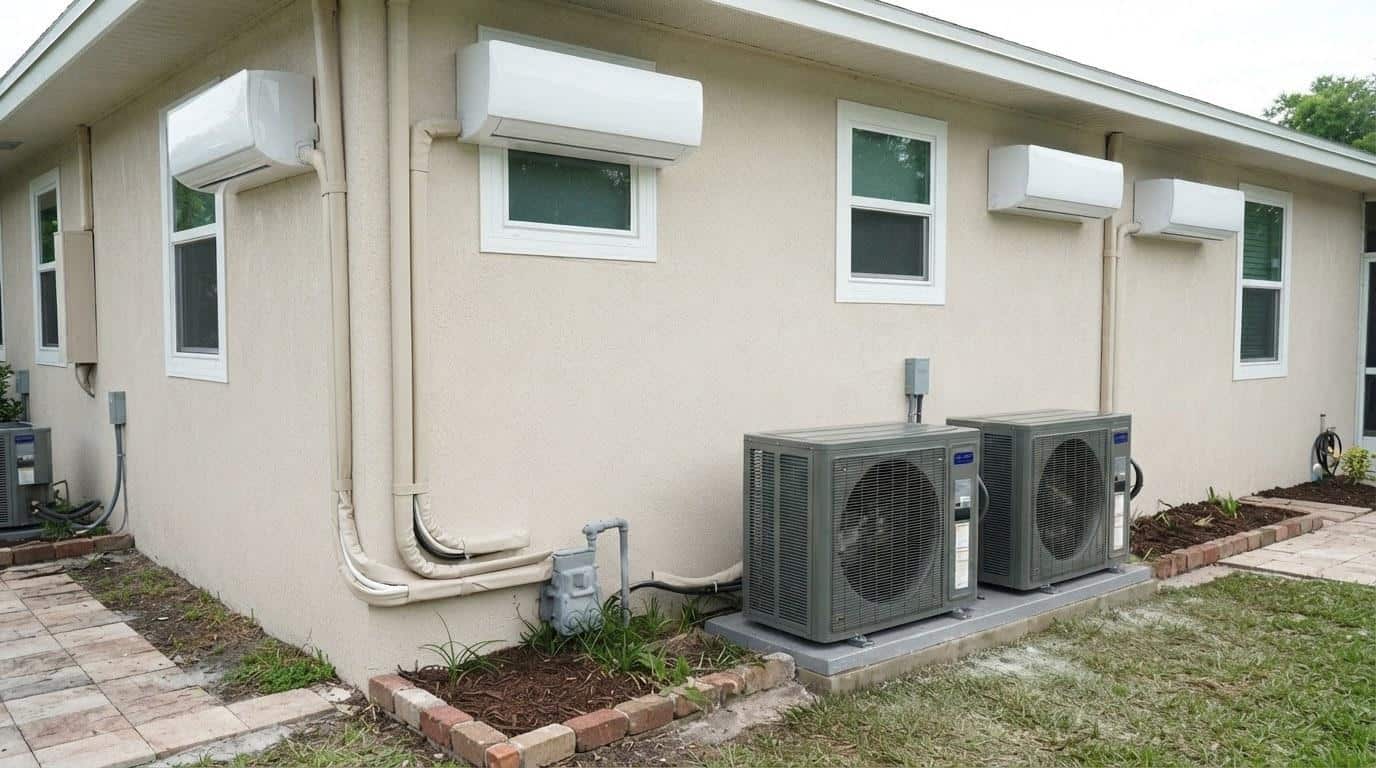
What Factors Drive the Ductless Mini-Split Monthly Operating Cost in Southern California?
Six main factors determine how much electricity your mini-split consumes each month. Understanding each one helps you predict your bill and spot ways to reduce it.
- SEER2 efficiency rating: The higher the SEER2 number, the less electricity the system uses to move the same amount of heat. Units rated SEER2 18 or above, which meet or exceed U.S. Department of Energy recommendations for warm climates, can use 20 to 30 percent less power than older units rated SEER2 14.
- System capacity (BTU): A 9,000 BTU unit serving a small bedroom draws far less power than a 24,000 BTU unit cooling an open-plan living area. Oversizing wastes energy through short-cycling; undersizing forces the compressor to run constantly.
- Daily run hours: A unit running 6 hours a day costs roughly 40 percent less than the same unit running 10 hours a day. Programmable schedules and sleep modes make a measurable difference.
- Indoor and outdoor temperature difference: When the outdoor temperature climbs above 95 degrees Fahrenheit, the compressor works harder to reject heat, drawing more power. Inland communities in Orange County and Los Angeles County regularly see summer highs above 100 degrees, which pushes run costs up compared to coastal areas.
- Insulation and home envelope quality: A poorly insulated room bleeds conditioned air faster, forcing the unit to run longer. Sealing gaps around windows and doors can reduce run time by 15 to 25 percent without touching the system itself.
- Refrigerant and maintenance condition: A system low on refrigerant or with a dirty air filter runs less efficiently. Under EPA refrigerant regulations (Section 608), only certified technicians may handle refrigerant, so any refrigerant-related issue requires a professional service call.
Our technicians often find that dirty evaporator coils are the first thing to check when a homeowner reports a sudden spike in their electric bill. A coil caked with dust forces the blower to work harder and the compressor to run longer, which shows up directly on the monthly statement.
How Do Southern California Utility Rates Affect Your Monthly Bill?
Southern California electricity rates are among the highest in the nation, and the tiered structure used by major utilities means heavy users pay a premium rate on every kilowatt-hour above a baseline allowance. As of 2025, Southern California Edison’s Tier 2 rate exceeds $0.35 per kilowatt-hour for usage above the baseline, which can nearly double the operating cost compared to a flat-rate market.
Time-of-use (TOU) plans add another layer. If your utility bills you at peak rates between 4 p.m. and 9 p.m., running your mini-split at full blast during those hours costs significantly more than pre-cooling your home during off-peak morning hours. Many mini-split systems sold since 2022 include programmable timers specifically designed to shift load away from peak windows.
The TECH Clean California rebate program and the Inflation Reduction Act federal tax credit (up to 30 percent of qualifying equipment costs, capped at $2,000 for heat pumps as of 2026) can offset the upfront cost of a high-efficiency unit, which then pays back through lower monthly bills for years. A system that costs $500 more at purchase but saves $15 per month breaks even in about 33 months.
Single-Zone vs. Multi-Zone: How Does the Number of Zones Change Monthly Costs?
A single-zone system serves one room or area and is the most cost-efficient option if you only need to condition one space. A multi-zone system connects two to five or more indoor air handlers to one outdoor compressor, and monthly costs scale with how many zones run simultaneously.
The table below shows typical monthly operating cost ranges for common system configurations in the Southern California market. These are market-context estimates based on average SEER2 ratings of 18 to 22, 8 to 10 daily run hours, and a blended utility rate near $0.28 per kilowatt-hour. Actual costs depend on your specific utility plan and usage habits.
| System Configuration | Typical Monthly Operating Range | Key Variables |
|---|---|---|
| Single-zone, 9,000 BTU (bedroom or small room) | $20 to $50 per month | Run hours, SEER2 rating, room insulation |
| Single-zone, 12,000 to 18,000 BTU (living area) | $35 to $90 per month | Outdoor temp, daily schedule, ceiling height |
| Two-zone system (both zones active) | $60 to $140 per month | Zone usage overlap, compressor capacity |
| Three- to four-zone system (all zones active) | $100 to $200 per month | Simultaneous demand, system sizing, utility tier |
| Five-zone or whole-home system | $150 to $280 per month | Home size, insulation quality, TOU rate plan |
One practical advantage of multi-zone systems is that you only condition the zones you are actively using. A family that runs only two of four zones during the day can keep costs closer to a two-zone scenario rather than paying for whole-home conditioning all day long. ACCA (Air Conditioning Contractors of America) standards recommend a proper Manual J load calculation for every zone to avoid oversizing, which is one of the most common causes of elevated monthly bills.
How Does a Mini-Split Compare to a Central AC System in Monthly Running Costs?
Ductless mini-splits typically cost 25 to 40 percent less to operate per month than a similarly sized central AC system in the same home, primarily because they eliminate duct losses. Central ducted systems lose 20 to 30 percent of conditioned air through leaky or uninsulated ducts, according to U.S. Department of Energy data. Mini-splits deliver conditioned air directly into the room with no duct losses at all.
Ductless mini-splits typically cost 25 to 40 percent less to operate per month than a similarly sized central AC system in the same home, primarily because they eliminate duct losses.
The comparison shifts when you look at whole-home coverage. A central system may be more cost-effective per square foot when conditioning a large home where every room is in use most of the day. But for homes where only one or two rooms need conditioning at a time, a mini-split’s zone-by-zone control produces clear monthly savings.
California’s Title 24 building energy standards, updated in 2022, set minimum efficiency thresholds for newly installed HVAC equipment. Mini-splits rated at SEER2 16 or higher generally meet or exceed those thresholds, which also makes them eligible for utility rebates that further reduce effective monthly costs.
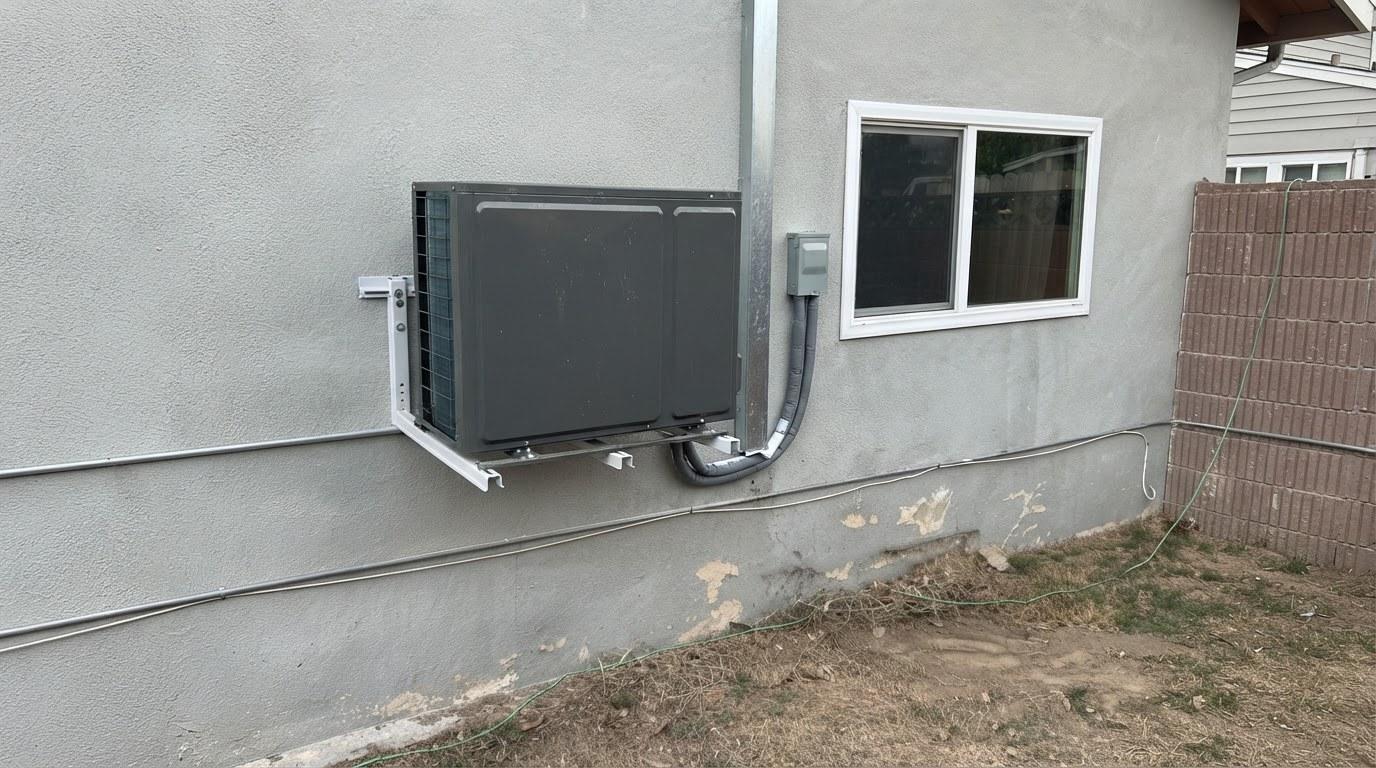
How Can You Lower Your Mini-Split’s Monthly Operating Cost?
The biggest monthly savings come from three areas: smarter scheduling, regular maintenance, and choosing the right efficiency rating at installation. Most homeowners can reduce their ductless mini split monthly operating cost in Southern California by 15 to 30 percent with steps that cost little or nothing.
- Use the programmable timer: Set the system to reach your target temperature before peak utility hours (typically 4 p.m. to 9 p.m.) and reduce output during those windows. Pre-cooling a well-insulated room in the morning costs significantly less than fighting afternoon heat at peak rates.
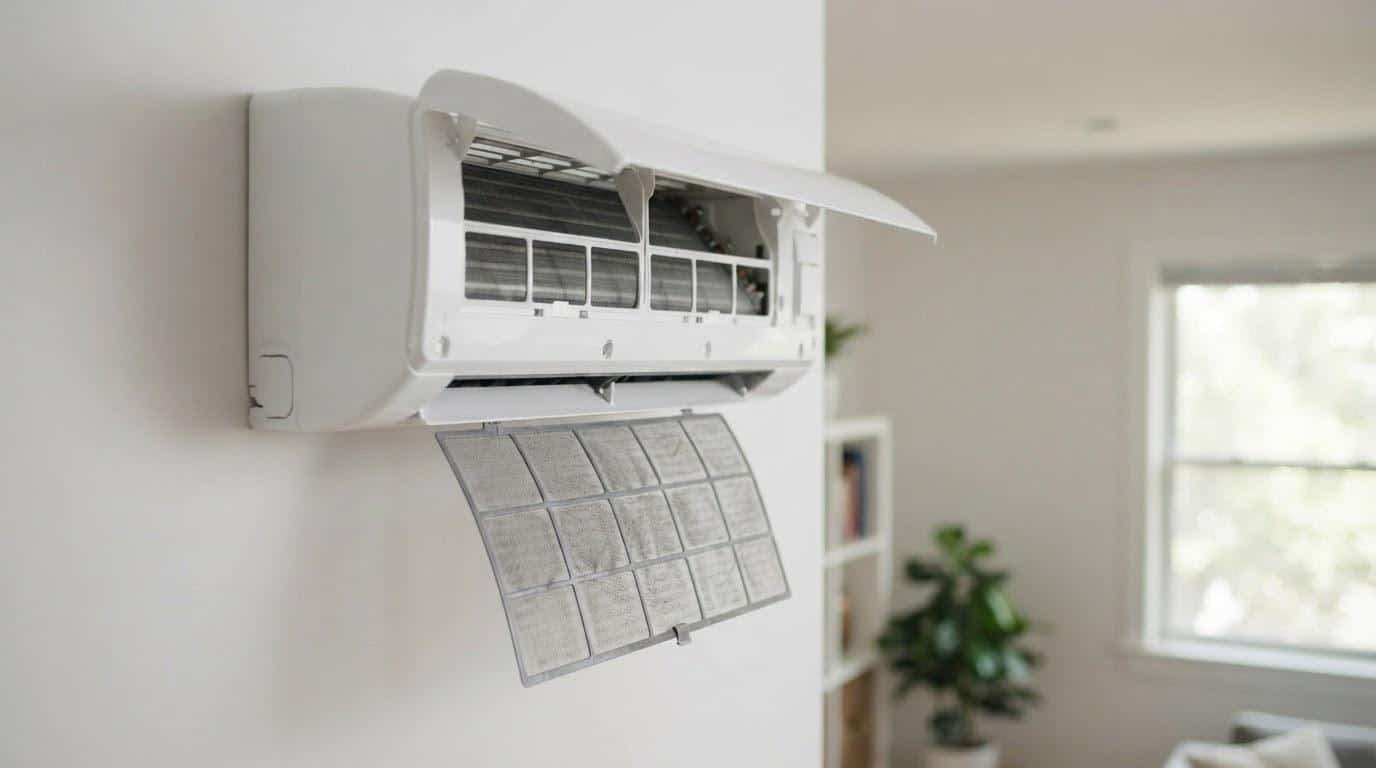
- Keep the filter clean: Manufacturers recommend cleaning the washable filter every two to four weeks during heavy-use months. A clogged filter reduces airflow, forces the blower motor to work harder, and raises power draw noticeably.
- Set the thermostat to 78 degrees Fahrenheit in summer: The U.S. Department of Energy recommends 78 degrees as the sweet spot for cooling efficiency. Every degree lower increases energy use by roughly 3 percent.
- Use ceiling fans together with the mini-split: A ceiling fan on low allows you to raise the thermostat set point by 2 to 4 degrees without losing comfort, cutting compressor run time.
- Schedule annual professional maintenance: A technician can check refrigerant charge, clean the evaporator and condenser coils, and verify electrical connections. A well-maintained system maintains its rated efficiency; a neglected one can lose 5 to 15 percent efficiency per year.
- Seal the room envelope: Weatherstripping doors and windows in the conditioned zone prevents conditioned air from escaping, reducing the load on the system without any changes to the equipment itself.
- Choose ENERGY STAR-certified equipment: ENERGY STAR-certified mini-splits meet strict efficiency criteria and often qualify for additional utility rebates that offset purchase cost and reduce long-term operating expenses.
When we inspect systems that are running harder than expected, a refrigerant charge that has drifted low is one of the most common findings. Even a small refrigerant deficit forces the compressor to run longer to reach the set temperature, and the homeowner sees the result on the next electric bill without any obvious sign that something is wrong.
Get a Custom Quote for Your Home
Every home is different. The square footage of your rooms, the insulation in your walls, the direction your windows face, and your local utility rate plan all combine to determine your actual monthly operating cost. The ranges in this guide give you a realistic starting point, but a proper Manual J load calculation is the only way to size a system correctly and predict real-world running costs.
Shalom Heating & Air serves communities across Southern California and can assess your home, recommend the right system size and efficiency tier, and walk you through available rebates including the Inflation Reduction Act federal tax credit and TECH Clean California incentives. Choosing a contractor who is Licensed by the California Contractors State License Board (CSLB) protects you and ensures the installation meets California’s Title 24 building energy standards.
Call (714) 886-2021 to request a custom quote. Have the square footage of the spaces you want to condition, your current utility plan name, and any existing equipment details ready. That information helps the team give you an accurate estimate rather than a ballpark figure.
Explore our full range of HVAC services across Southern California.
Frequently Asked Questions
How much does it cost to install a ductless mini-split in Southern California?
Installation costs in the Southern California market typically range from $3,000 to $8,000 for a single-zone system, depending on the brand, BTU capacity, and installation complexity. Multi-zone systems covering two to four rooms generally range from $6,000 to $15,000 or more. These figures cover equipment and labor but may not include permit fees or electrical panel upgrades.
How is a ductless mini-split installed in a home?
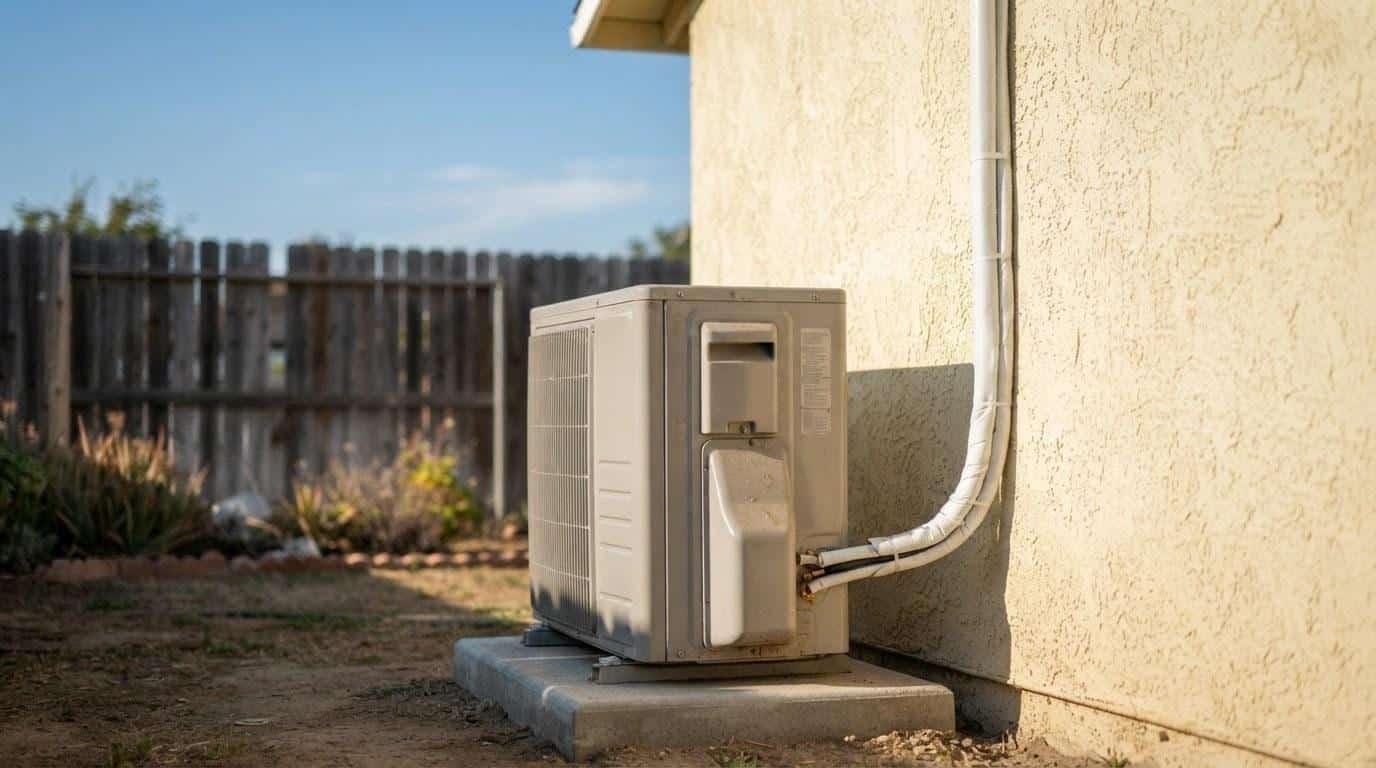
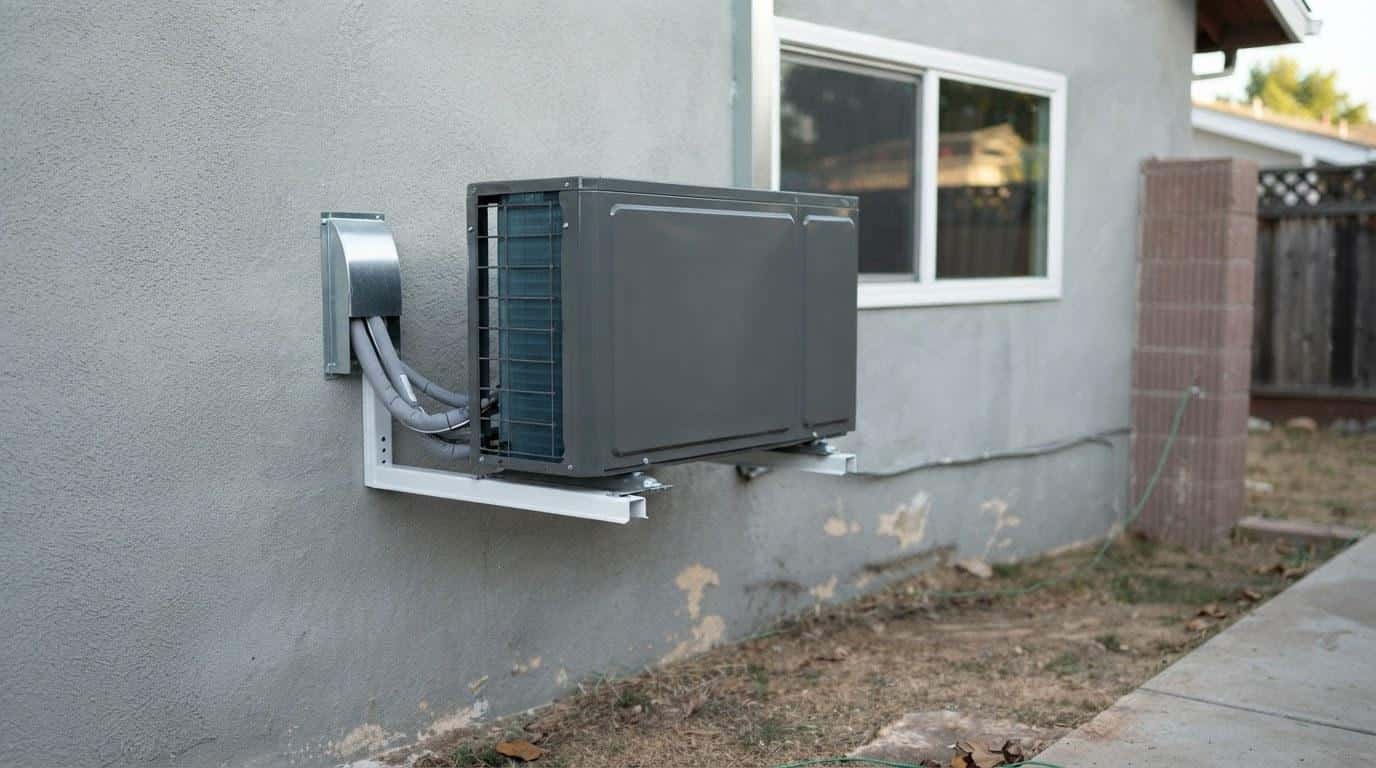
A ductless mini-split installation involves mounting the indoor air handler on a wall or ceiling, placing the outdoor compressor unit on a pad beside the home, and connecting the two through a small hole in the wall with refrigerant lines, a condensate drain, and electrical wiring. Most single-zone installations take four to eight hours. A licensed HVAC contractor handles the refrigerant connections, which require EPA Section 608 certification.
Why is my mini-split using more electricity than I expected?
The most common causes are a dirty air filter restricting airflow, a refrigerant charge that has drifted low, an oversized or undersized unit short-cycling, or running the system during peak utility rate hours. Checking the filter first costs nothing. If the filter is clean and the bill is still high, a professional maintenance visit can diagnose refrigerant and electrical issues.
Are there rebates that can reduce the cost of running a mini-split in California?
Yes. The Inflation Reduction Act federal tax credit covers up to 30 percent of qualifying heat pump mini-split costs, capped at $2,000 per year as of 2026. The TECH Clean California program and Southern California utility rebate programs offer additional incentives for high-efficiency ENERGY STAR-certified equipment. Ask your installer to identify all programs you qualify for before purchasing.
How do I find a reliable mini-split installer near me in Southern California?
Look for a contractor who is Licensed by the California Contractors State License Board (CSLB), carries liability insurance, and performs a Manual J load calculation before recommending a system size. Shalom Heating & Air serves communities across Southern California and can provide a site assessment and written quote. Call (714) 886-2021 to get started.