Wildfire HVAC Preparation Guide: Protect Your System Before Smoke Arrives
Wildfires send smoke, ash, and fine particles straight into your HVAC system. This guide covers every step to protect your equipment and keep indoor air safe before, during, and after a fire event.
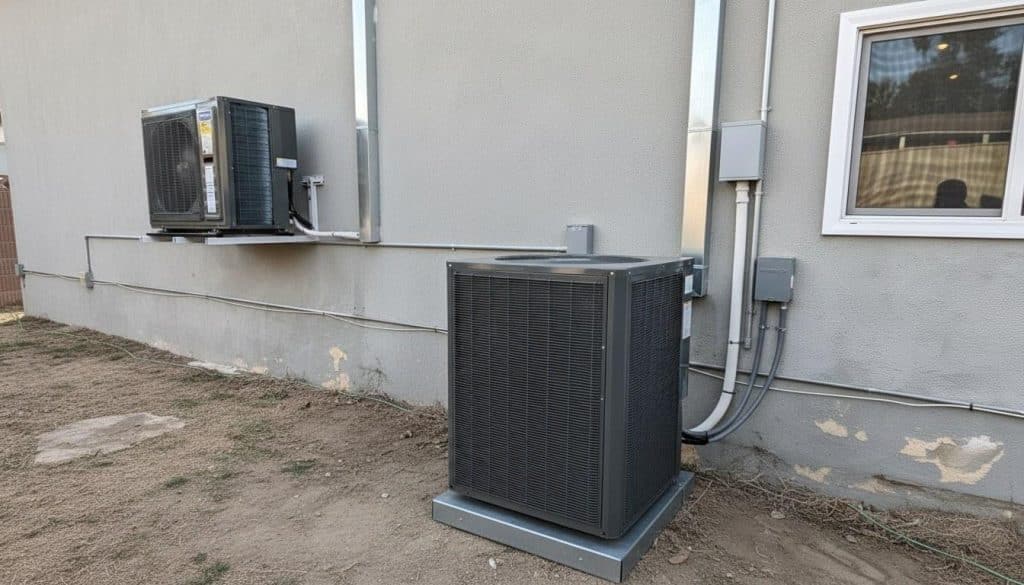
Why Does Wildfire Smoke Damage HVAC Systems?
Wildfire smoke carries particles as small as 0.3 microns — fine enough to pass through standard 1-inch filters and coat blower wheels, coils, and ductwork in a single fire event. The ash and chemical residue left behind can corrode metal components and degrade indoor air quality for weeks after the fire is out. California’s fire seasons have grown longer and more intense, making HVAC protection a year-round concern rather than a seasonal one.
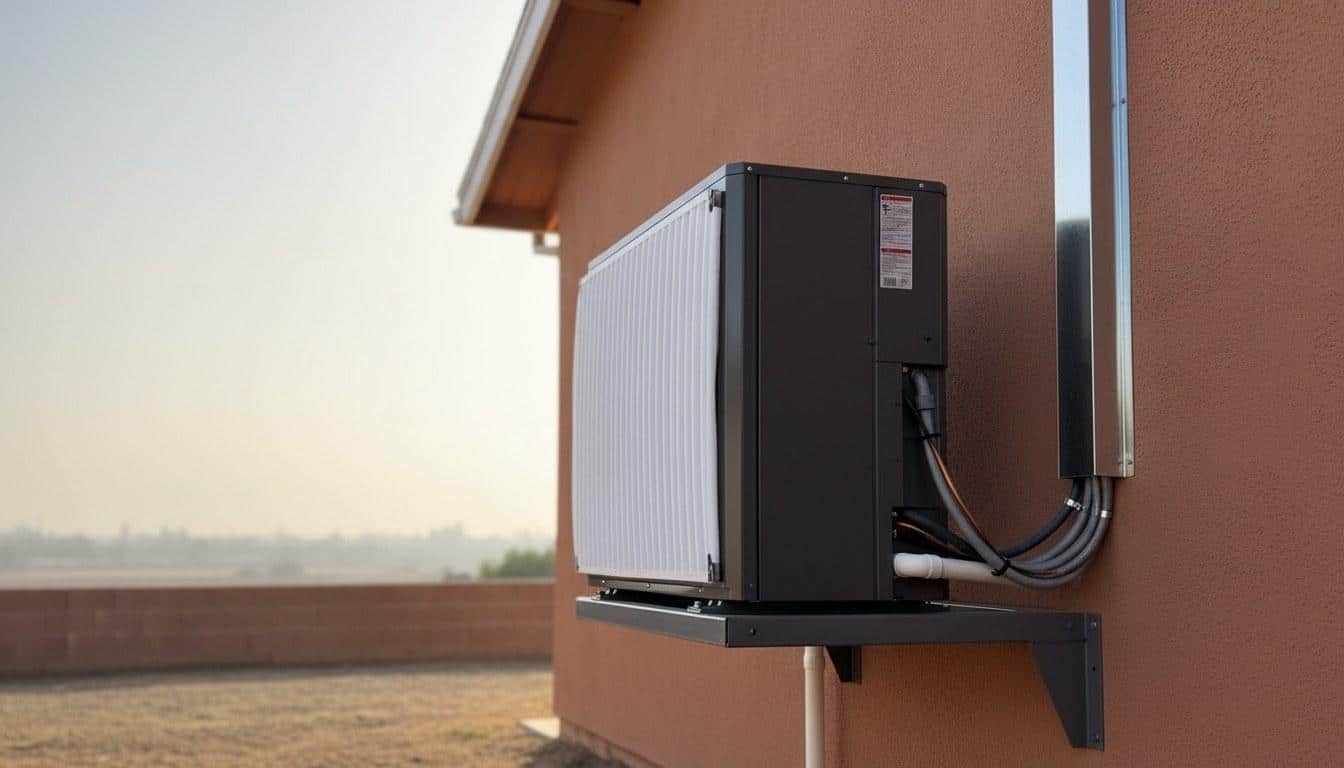
The biggest risk is not the visible ash you can wipe off a shelf. It is the PM2.5 particulate matter — particles 2.5 microns or smaller — that infiltrate your system through return-air intakes, duct leaks, and gaps around air handlers. Once inside the system, those particles recirculate through every room in your home every time the fan runs.
Our technicians have found visible soot coating on evaporator coils after fire events where homeowners never shut their systems off — in some cases, the buildup was thick enough to reduce airflow by 20 to 30 percent on units that were otherwise in good condition.
What Is a Wildfire HVAC Preparation Guide and Why Does It Matter in California?
A wildfire HVAC preparation guide is a step-by-step plan to protect your heating and cooling equipment from smoke infiltration, particle damage, and post-fire contamination. In California, where wildfire activity can affect air quality across entire counties for days or weeks, this preparation is as important as having working smoke detectors.
Southern California’s climate creates a specific challenge. The region’s dry Santa Ana wind events can push smoke from fires hundreds of miles away directly into residential neighborhoods. Communities across Los Angeles County, Orange County, and the surrounding region can experience Air Quality Index (AQI) readings above 150 — the “Unhealthy” threshold — even when the nearest fire is far away.
California’s Title 24 building energy standards require homes to have some level of mechanical ventilation, which means your HVAC system is constantly pulling outdoor air inward. That design feature, which saves energy in normal conditions, becomes a liability when outdoor air quality collapses during a fire event. A proper wildfire HVAC preparation guide addresses exactly that vulnerability.
Which HVAC Filters Actually Block Wildfire Smoke?
A MERV 13 filter is the minimum rating recommended for blocking wildfire smoke particles. MERV 13 captures at least 75 percent of particles in the 0.3 to 1.0 micron range, which covers the most dangerous fine particles in wildfire smoke. Standard 1-inch filters rated MERV 8 or below capture less than 20 percent of those same particles.
Here is how common filter ratings compare for smoke protection:
| Filter Rating | Particle Size Captured | Smoke Effectiveness | Typical Change Interval |
|---|---|---|---|
| MERV 8 (standard 1-inch) | 3 microns and larger | Low — misses most smoke particles | Every 90 days |
| MERV 11 | 1 micron and larger | Moderate — catches larger smoke particles | Every 60 days |
| MERV 13 | 0.3 microns and larger | High — recommended for wildfire events | Every 30 days during fire season |
| MERV 16 / HEPA | 0.1 microns and larger | Very high — requires system compatibility check | Every 30 days or per manufacturer spec |
One important caution: not every HVAC system can handle a MERV 13 filter without modifications. Higher-rated filters are denser, which increases static pressure and can strain blower motors on older or undersized systems. Before upgrading, have a technician confirm your system’s static pressure tolerance. The U.S. Department of Energy recommends checking manufacturer specs before jumping to a higher MERV rating.
During an active smoke event, check your filter every 7 to 10 days. A filter that normally lasts 90 days can become fully loaded in under 2 weeks when outdoor PM2.5 levels are elevated.
How Should You Shut Down and Seal Your HVAC System During a Wildfire?
When outdoor AQI exceeds 150 (Unhealthy) or local authorities issue an air quality emergency, shut your HVAC system off entirely and switch to recirculation mode on any portable air cleaners. Running your central system during peak smoke events pulls contaminated outdoor air directly into your home.
Follow these steps in order when a wildfire threatens your area:
- Check AQI before acting: Use AirNow.gov to monitor real-time air quality. An AQI above 100 warrants filter inspection; above 150 warrants system shutdown.
- Switch the thermostat to “Off”: Do not leave the system in “Fan Only” mode — this still pulls outdoor air through the return intakes.
- Close the fresh-air damper: If your system has an energy recovery ventilator (ERV) or heat recovery ventilator (HRV), close or disable the outdoor air intake manually. This is usually a lever or switch near the unit.
- Seal return-air grilles temporarily: Use painter’s tape and a layer of plastic sheeting over large return vents if smoke is actively infiltrating. Remove these seals as soon as outdoor air quality improves.
- Deploy portable HEPA air purifiers: Place one unit per 300 to 500 square feet in the rooms where your family spends the most time. Run them on high during the event.
- Install a fresh filter before restarting: Once AQI drops below 100 and stays there for at least 24 hours, install a clean MERV 13 filter before turning your system back on.
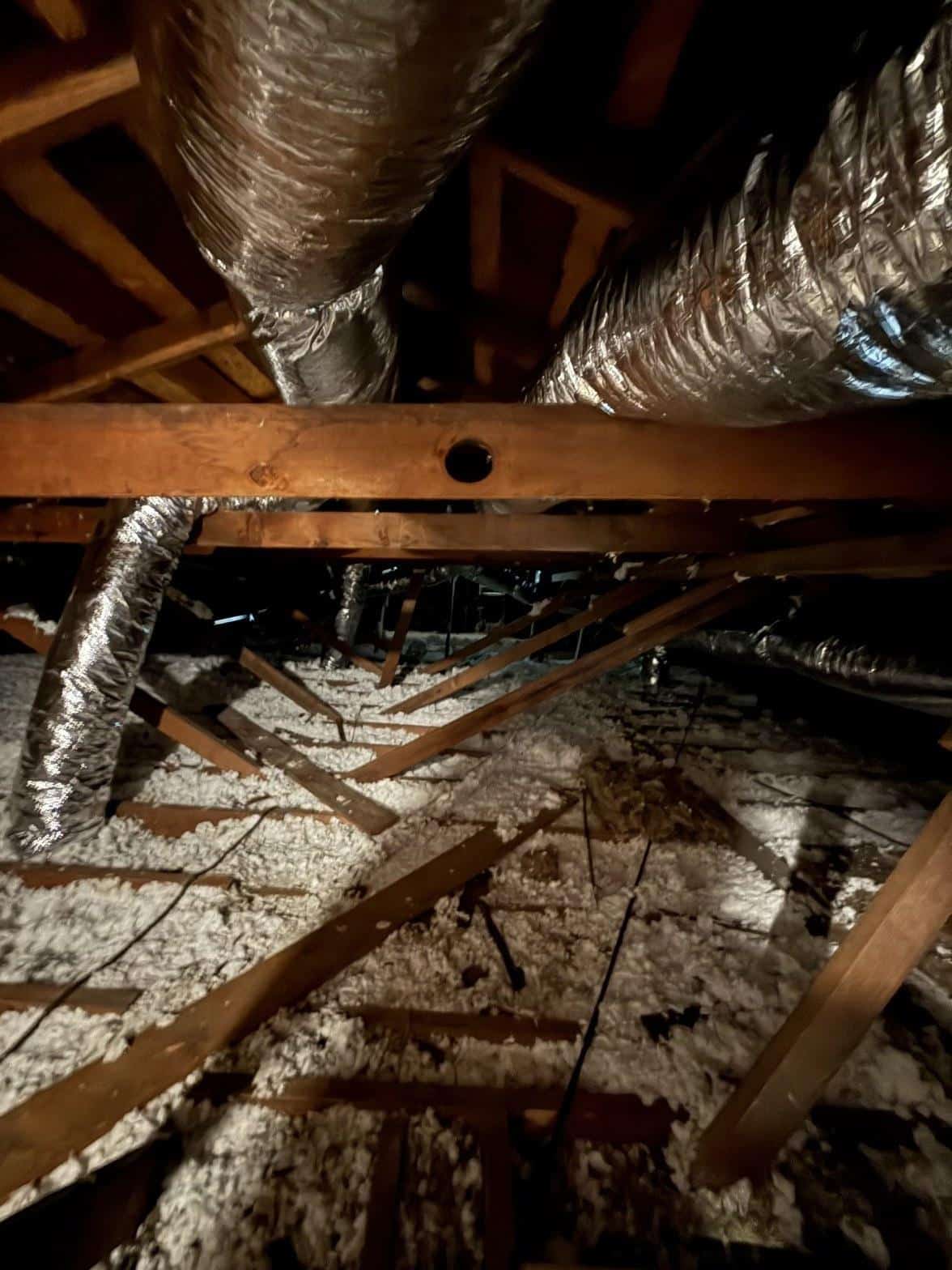
Homes with significant duct leakage face a compounding problem. The ENERGY STAR duct sealing program estimates that the average home loses 20 to 30 percent of conditioned air through duct leaks — and those same gaps let smoke in even when the system is off. Aeroseal or mastic duct sealing before fire season is one of the highest-value upgrades a Southern California homeowner can make.
What Does Wildfire Smoke Do to AC and Furnace Components?
Wildfire smoke deposits acidic ash and fine carbon particles on every surface inside your HVAC system. Over time, this corrodes aluminum evaporator coil fins, clogs the condensate drain, fouls the blower wheel, and leaves a persistent odor in ductwork that no amount of running the fan will clear.
Here are the specific components most at risk and what smoke exposure does to each:
- Evaporator coil: Ash deposits reduce heat transfer efficiency. Acidic particles accelerate corrosion on aluminum fins, shortening coil life by 3 to 5 years on heavily exposed systems.
- Blower wheel: Fine carbon particles coat the blades and reduce airflow. A 15 percent reduction in blower efficiency translates directly to higher energy bills and longer run times.
- Condensate drain pan: Ash mixes with condensation to form a sludge that clogs the drain line and can cause water damage inside the air handler.
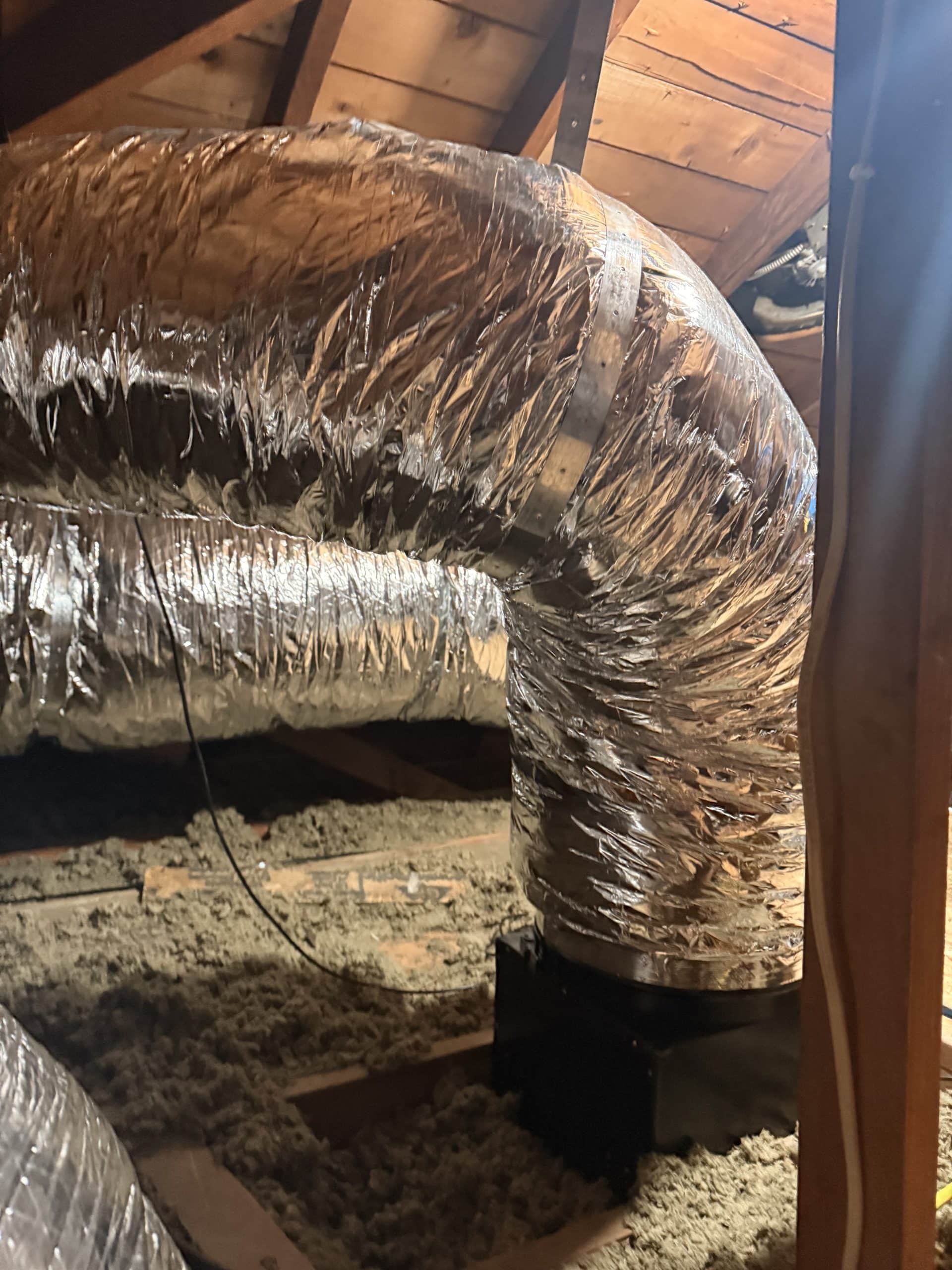
- Ductwork interior: Smoke odor compounds — including volatile organic compounds (VOCs) from burning structures — absorb into duct liner insulation and can off-gas for months.
- Capacitors and contactors: Fine conductive particles settling on electrical components can cause premature failure, especially in outdoor condenser units left uncovered during a fire event.
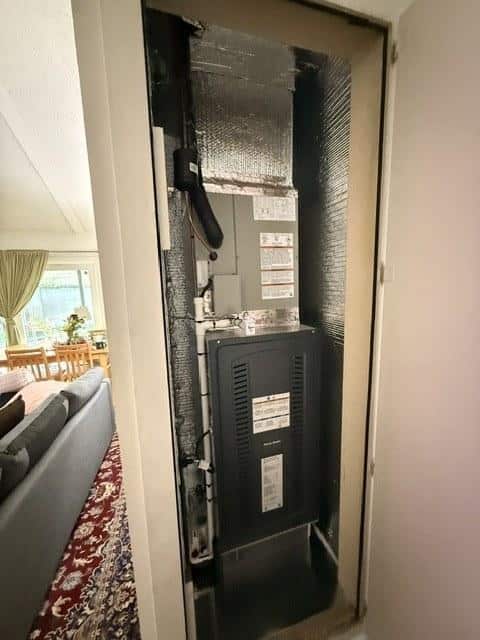
- Heat exchanger (furnaces): Ash infiltration through the return system can coat the heat exchanger and create a fire risk if the system is run before cleaning.
Across our service calls following major Southern California fire seasons, we see blower wheel replacement needs increase roughly 40 percent in the months following a significant smoke event compared to normal seasonal averages — a clear sign that many homeowners run their systems without shutting down during the worst air quality days.
How Do You Restore Your HVAC System After a Wildfire?
After a wildfire event, your HVAC system needs a professional inspection before returning to normal use. A thorough post-fire restoration includes filter replacement, coil cleaning, blower wheel cleaning, duct inspection, and an odor assessment — all completed before you run the system for extended periods.
Here is what a complete post-wildfire HVAC restoration covers:
- Filter replacement: Remove and discard the filter used during the smoke event. Even if it looks fine, it is fully loaded with fine particles.
- Coil cleaning: Both the evaporator (indoor) and condenser (outdoor) coils should be professionally cleaned with a non-acidic coil cleaner to remove ash deposits.
- Blower wheel cleaning: The blower wheel requires disassembly for thorough cleaning. This is not a DIY task — the wheel must be balanced after cleaning or vibration damage will follow.
- Condensate drain flush: Flush the drain line with a diluted bleach solution (1 cup bleach per gallon of water) to clear ash sludge and prevent mold growth.
- Duct inspection and cleaning: If smoke was actively drawn through the system, a duct inspection with a camera is the only reliable way to assess contamination. Duct cleaning by an NADCA-certified technician may be warranted.
- Odor treatment: Persistent smoke odor in ductwork often requires a combination of ozone treatment and encapsulant application to the duct liner. This is different from standard duct cleaning.
- Electrical component check: A technician should inspect capacitors, contactors, and control boards for evidence of ash contamination before the system is returned to full operation.
In terms of cost, post-fire HVAC restoration projects in the Southern California market typically range from $300 to $1,200 depending on system size, the extent of contamination, and whether duct cleaning is required. Coil cleaning alone generally falls in the $150 to $400 range. These are market ranges — scope and complexity move the final number. For an accurate assessment of your specific system, request a custom quote from Shalom Heating & Air.
Post-fire HVAC restoration projects in the Southern California market typically range from $300 to $1,200 depending on system size and the extent of contamination.
Homeowners should also check whether their homeowner’s insurance covers smoke damage to HVAC systems. Many policies do include mechanical damage from smoke events, particularly if the home was in a declared disaster area. Document the contamination with photos before any cleaning begins.
Get Professional Wildfire HVAC Help Before the Next Fire Season
Schedule your wildfire HVAC preparation inspection before fire season peaks — not during an active event when technicians are booked out days in advance. A pre-season inspection takes roughly 60 to 90 minutes and covers filter compatibility, static pressure testing, duct leakage assessment, and a review of your system’s fresh-air intake controls.
Shalom Heating & Air provides wildfire HVAC preparation and post-fire restoration services across Southern California. Whether you need a MERV 13 filter upgrade, a duct sealing assessment, or a full post-fire system cleaning, our team is ready to help you protect your equipment and your family’s air quality. Shalom Heating & Air is licensed by the California Contractors State License Board (CSLB) and carries full liability insurance on every job.
Call (714) 886-2021 to schedule your pre-season HVAC inspection or post-fire restoration assessment. Same-day and next-day appointments are available for homeowners across the region. Get a written quote before any work begins — no surprises, no pressure.
Explore our full range of HVAC services across Southern California.
Frequently Asked Questions
Should I turn off my AC during a wildfire?
Yes. When outdoor AQI exceeds 150, turn your central AC and heating system completely off. Running the system during a high-smoke event pulls contaminated outdoor air through your return intakes and distributes fine smoke particles throughout every room. Use portable HEPA air purifiers on recirculation mode instead until outdoor air quality improves.
What MERV filter should I use for wildfire smoke?
A MERV 13 filter is the minimum recommended rating for wildfire smoke protection. It captures at least 75 percent of particles in the 0.3 to 1.0 micron range, which covers the most harmful fine particles in smoke. Before upgrading, have a technician confirm your system can handle the increased static pressure — not all systems are compatible without modifications.
How do I get smoke smell out of my air ducts after a wildfire?
Persistent smoke odor in ductwork requires more than running the fan. A combination of professional duct cleaning, ozone treatment, and encapsulant application to the duct liner is typically needed. Standard air fresheners or running the system longer will not remove VOCs that have absorbed into the duct insulation. Contact a licensed HVAC technician for a duct inspection and odor assessment.
How often should I change my HVAC filter during wildfire season?
During active smoke events or elevated fire season conditions, check your MERV 13 filter every 7 to 10 days. A filter that normally lasts 90 days can become fully loaded in under 2 weeks when outdoor PM2.5 levels are high. Replace it immediately if it appears gray or brown, or if you notice reduced airflow from your vents.
Does homeowner's insurance cover HVAC damage from wildfire smoke?
Many homeowner's insurance policies do cover mechanical damage to HVAC systems caused by smoke events, especially in areas under a declared disaster designation. Coverage varies by policy and insurer. Document all contamination with photographs before any cleaning or repairs begin, and contact your insurance provider to confirm your specific coverage before authorizing restoration work.