HVAC Contractor License in California: What the C-20 Credential Really Means for Homeowners
Hiring an HVAC contractor in California without checking their C-20 license can leave you with voided permits, failed inspections, and zero legal protection. This guide explains exactly what the credential covers and how to verify it in minutes.
What Is the C-20 License and Why Does It Matter?
The C-20 Warm-Air Heating, Ventilating and Air-Conditioning license is the credential issued by the California Contractors State License Board (CSLB) that legally allows a contractor to install, repair, or maintain HVAC systems in California. Any project valued at $500 or more in combined labor and materials requires a licensed contractor under California Business and Professions Code Section 7028. Without this license, the contractor is operating illegally, and you as the homeowner carry most of the risk.
California has more than 290,000 active licensed contractors across all classifications, but not all of them hold a C-20. The C-20 is specific to heating, ventilation, and air conditioning work. It is different from a general contractor’s B license, which does not automatically authorize HVAC system installation or repair.
The CSLB requires C-20 applicants to pass a trade exam and a law-and-business exam, carry general liability insurance, and either hold or employ someone with at least four years of journeyman-level HVAC experience. That vetting process is what separates a credentialed professional from someone with a van and a set of tools.
How Do You Verify a California HVAC Contractor License?
You can verify any contractor’s CSLB license for free at cslb.ca.gov using the contractor’s name, business name, or license number. The lookup takes under two minutes and shows you the license classification, current status, expiration date, bond amount, and any disciplinary actions on record.
Here is exactly what to check when you pull up a contractor’s record:
- License classification: Confirm it shows “C-20” for HVAC work. A B (General Building) or C-10 (Electrical) license does not cover HVAC systems.
- License status: It should read “Active.” Expired, suspended, or revoked licenses are red flags that disqualify the contractor from legal work.
- Workers’ compensation: The record will show whether the contractor carries workers’ comp. If a worker is injured on your property and the contractor has no coverage, you may be held liable.
- Bond: California requires licensed contractors to carry a $25,000 surety bond as of 2023. This bond protects you if the contractor fails to complete work or causes damage.
- Disciplinary history: Look for any citations, suspensions, or arbitration awards. Even one unresolved complaint is worth asking about before signing a contract.
Write the license number down before any work begins. If a contractor refuses to provide it or gives you a number that does not match their name on the CSLB site, stop the conversation and find someone else.
What Does the C-20 License Actually Cover?
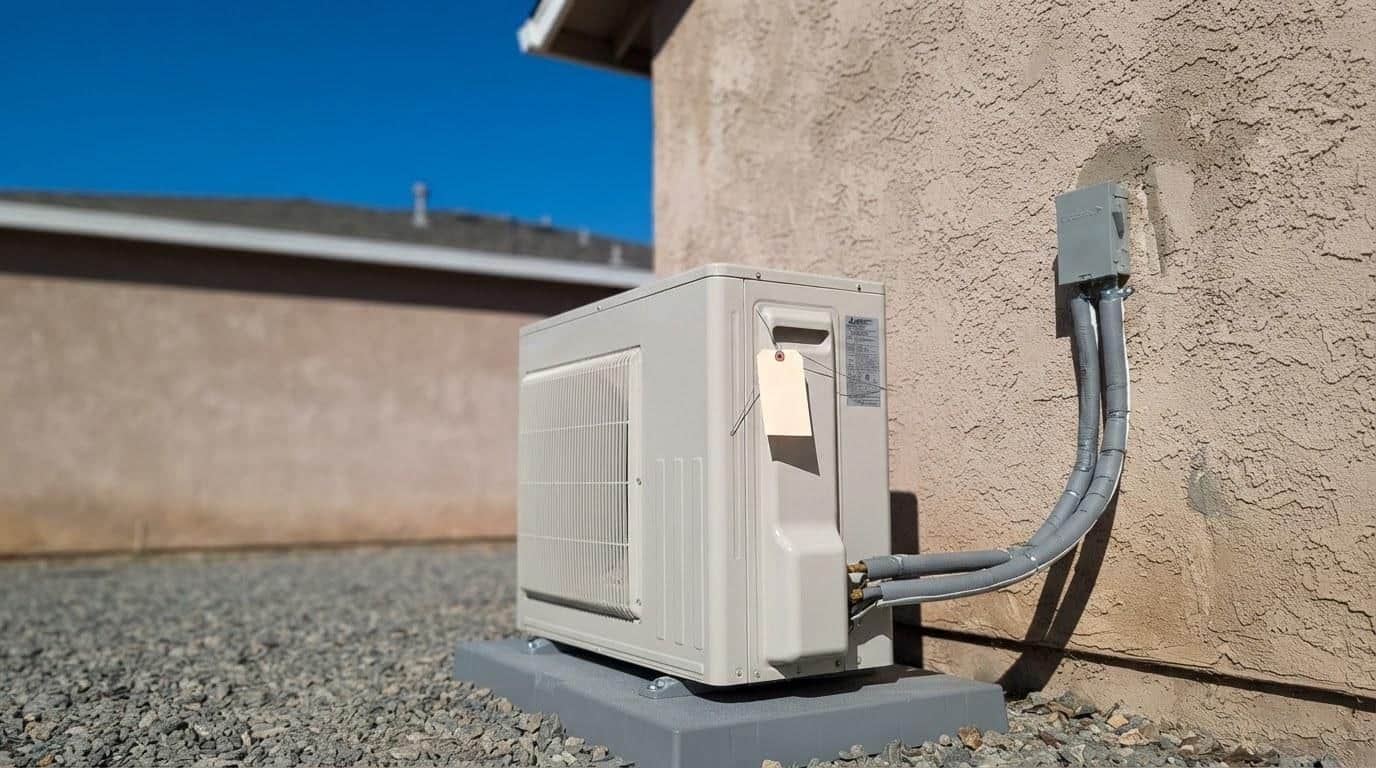
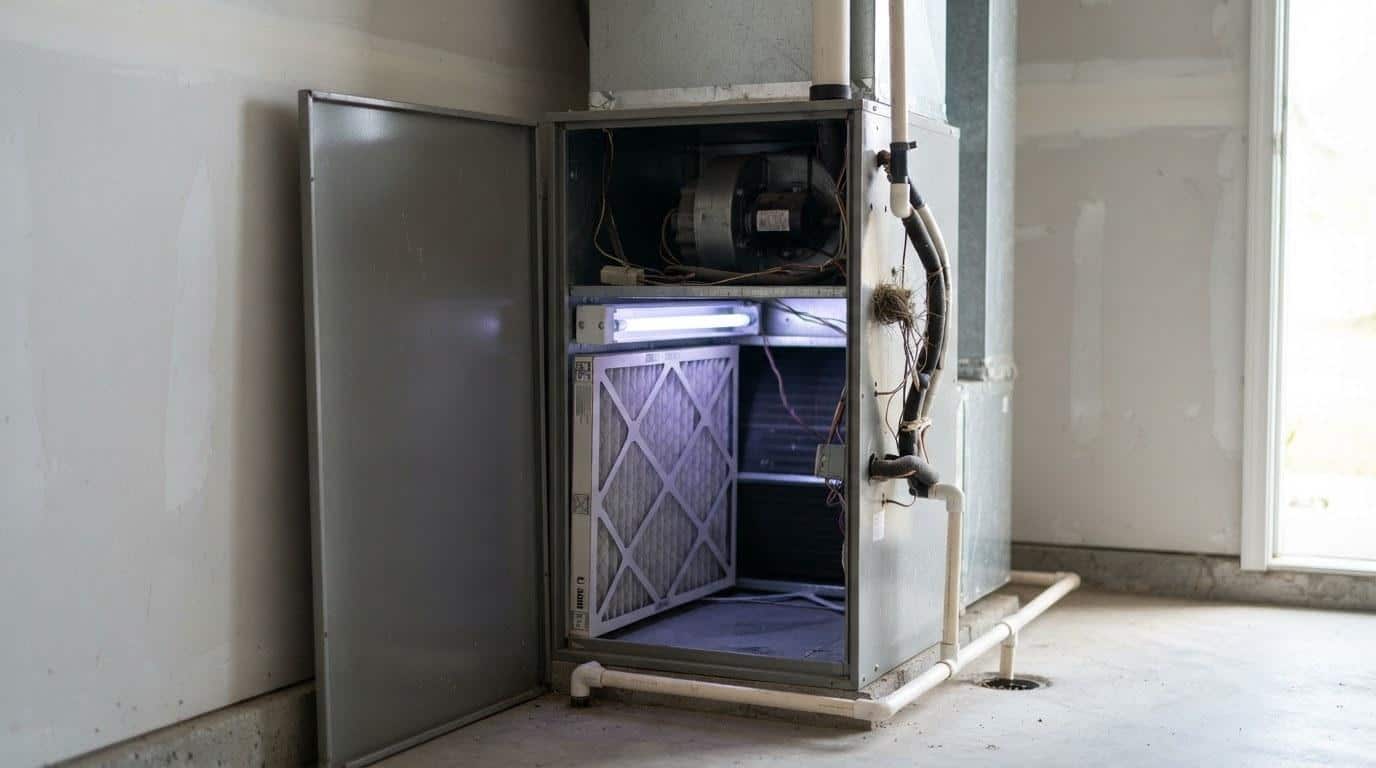
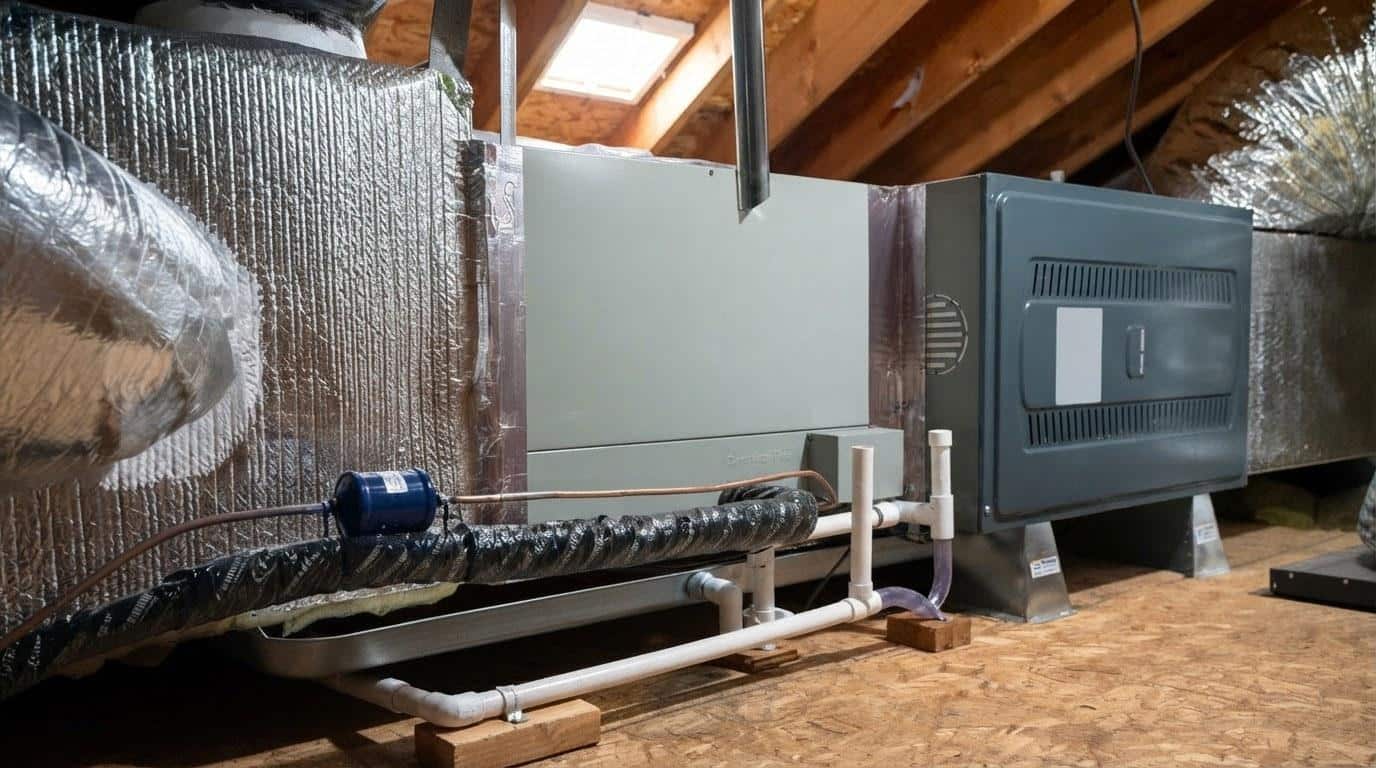
A C-20 license authorizes contractors to install, service, and repair warm-air heating systems, air conditioning systems, ventilation equipment, ductwork, and related controls. It covers both residential and commercial HVAC work in California. The scope is broad enough to include furnace installation, central AC replacement, ductless mini-split systems, heat pumps, and indoor air quality equipment.
Here is a breakdown of what falls inside and outside the C-20 scope:
| Work Type | Covered by C-20? | Notes |
|---|---|---|
| Central AC installation or replacement | Yes | Includes refrigerant handling under EPA Section 608 |
| Furnace installation or repair | Yes | Gas line connections may also require a C-36 plumbing sub |
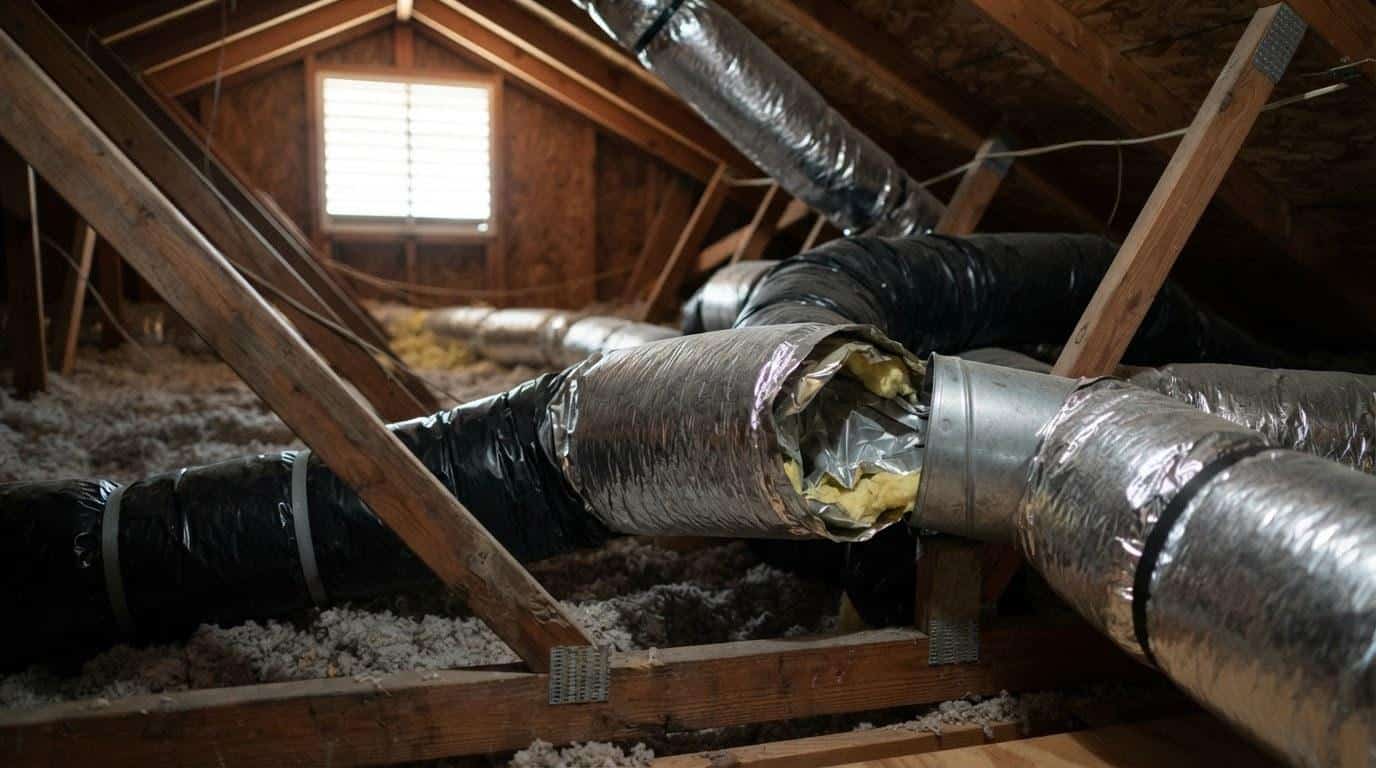
| Ductwork installation and repair | Yes | Covered under the C-20 scope |
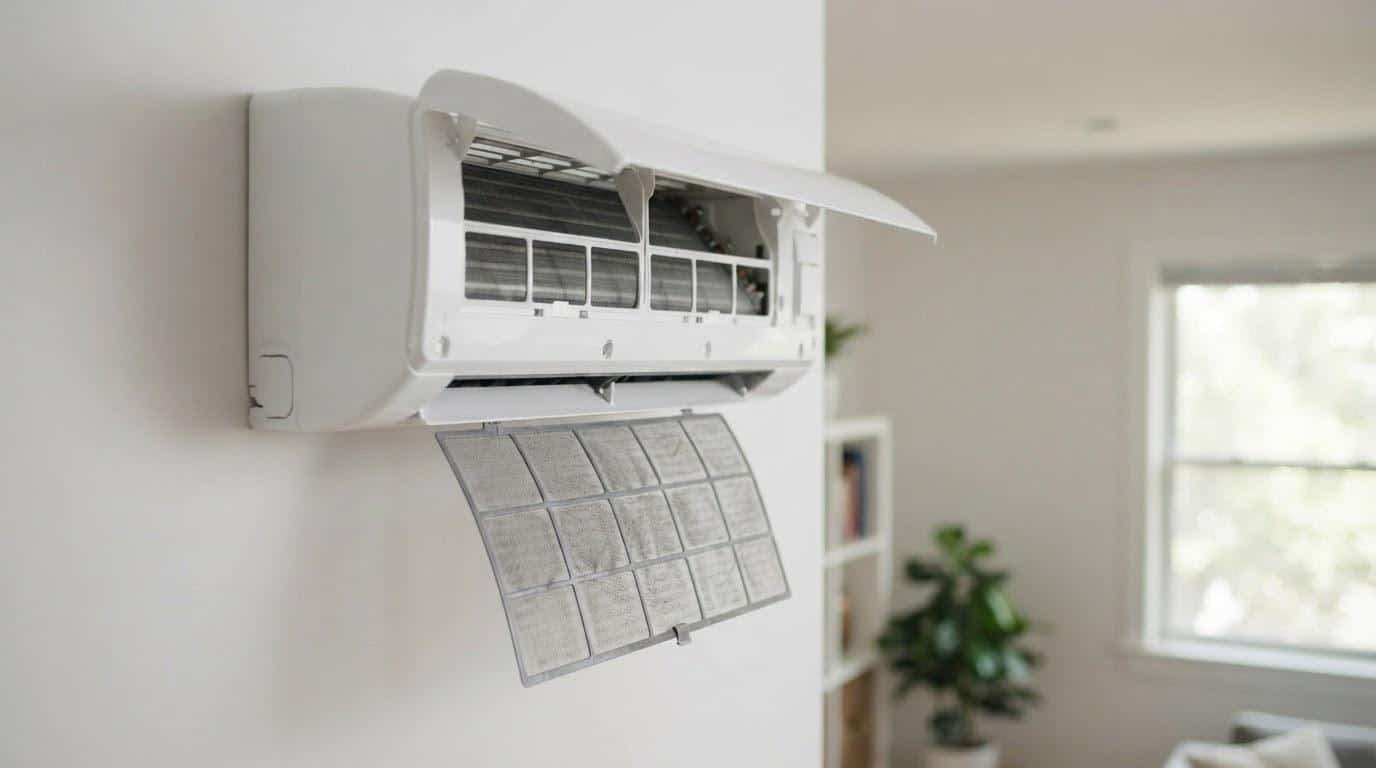
| Ductless mini-split systems | Yes | Electrical tie-in may require a C-10 licensed electrician |
| Heat pump installation | Yes | Qualifies for Inflation Reduction Act federal tax credits |
| Electrical panel upgrades | No | Requires a C-10 Electrical license |
| Gas line extensions | No | Requires a C-36 Plumbing license |
Refrigerant work is a separate compliance layer. Technicians who handle refrigerants must hold an EPA Section 608 certification in addition to the contractor’s C-20 license. This federal rule applies to anyone who purchases or handles regulated refrigerants, including the newer HFC blends now common in modern systems. Ask your contractor whether their technicians hold current Section 608 cards.
Our technicians carry their Section 608 cards on every service call. When we arrive for an AC repair or refrigerant recharge, we routinely find that the system’s refrigerant type has been mislabeled on the service port tag, which matters because mixing refrigerants can damage the compressor and void the manufacturer warranty.
What Are the Red Flags of an Unlicensed HVAC Contractor?
The most common warning sign is a contractor who asks for a large cash payment upfront, cannot provide a CSLB license number on the spot, or quotes a price far below every other estimate you received. Unlicensed operators cut costs by skipping permits, insurance, and proper refrigerant disposal, and those shortcuts become your problem when something goes wrong.
Watch for these specific red flags before signing anything:
- No written contract: California law requires a written contract for any home improvement project over $500. A contractor who resists putting terms in writing is a serious warning sign.
- Cash-only payment demands: Legitimate contractors accept checks or cards. A cash-only requirement often means the contractor is avoiding a paper trail.
- No permit pulled: Most HVAC replacements require a local building permit. A contractor who says “we don’t need a permit for this” is likely wrong and may be unlicensed.
- Unsolicited door-to-door offers: High-pressure same-day offers from contractors who just “happened to be in the area” are a common setup for unlicensed work.
- No proof of insurance: Ask for a certificate of insurance before work starts. A legitimate contractor will provide one without hesitation.
- License number that does not match: Always cross-reference the number on the CSLB site. Some unlicensed operators use a friend’s or former employer’s license number.
If you hire an unlicensed contractor and something goes wrong, you have very limited legal recourse. The CSLB’s Contractors’ State License Board Arbitration Program and its Contractor Recovery Fund are only available to homeowners who hired a licensed contractor. Unlicensed work also voids most homeowner’s insurance claims related to the work and can trigger failed inspections that must be corrected at your own expense.
How Do Efficiency Standards and Permits Connect to Licensing?
California’s Title 24 building energy standards require that new HVAC equipment meet minimum efficiency thresholds, and only a licensed contractor can legally certify that installed equipment meets those standards on a permit application. As of the California Energy Commission’s 2022 Title 24 update, residential air conditioners must meet a minimum SEER2 rating of 15 in most California climate zones, up from the prior 14 SEER standard.
Permits matter for several practical reasons beyond code compliance:
- Home resale: Unpermitted HVAC work shows up in disclosure documents and can delay or kill a sale. Buyers and their inspectors routinely check permit histories.
- Insurance claims: If an unpermitted system causes a fire or water damage, your insurer may deny the claim on the grounds that the work was not code-compliant.
- Manufacturer warranties: Many equipment warranties require installation by a licensed contractor with a pulled permit. Skipping the permit can void a 10-year parts warranty on the first day.
- Utility rebates: Programs like TECH Clean California and SoCalREN rebates require documentation of licensed installation to qualify. An unlicensed job disqualifies you from rebates that can reach several hundred dollars.
The Inflation Reduction Act federal tax credit for qualifying heat pumps and high-efficiency HVAC equipment also requires that the equipment meet ENERGY STAR standards and that the installation be performed correctly. While the IRS does not explicitly require a licensed contractor in the tax code language, an installation that fails inspection because it was done without a license can undermine your ability to document the credit if audited.
How to Use This hvac contractor license california guide When Hiring
Use this hvac contractor license california guide as a practical checklist every time you hire an HVAC contractor, whether for a routine tune-up or a full system replacement. The steps below take about 15 minutes total and can save you thousands of dollars in liability and repair costs.
- Get at least two written bids. Compare scope of work, equipment model numbers, SEER2 ratings, and warranty terms, not just the bottom-line price.
- Ask for the CSLB license number before the appointment. Verify it at cslb.ca.gov before anyone sets foot in your home.
- Confirm insurance. Ask for a certificate of general liability insurance and, if the contractor has employees, workers’ compensation coverage.
- Ask who pulls the permit. The licensed contractor should pull the permit, not ask you to do it. A homeowner who pulls their own permit assumes liability for the work.
- Check the equipment’s SEER2 rating. For California climate zones, the minimum is 15 SEER2 for split-system central AC as of 2023. Higher ratings (17-20 SEER2) may qualify for rebates.
- Ask about refrigerant certification. Confirm that the technicians handling refrigerant hold current EPA Section 608 certification.
- Get a written contract. It should include the license number, start and completion dates, payment schedule, and a description of all work to be performed.
The ACCA (Air Conditioning Contractors of America) recommends that any new system installation include a Manual J load calculation to right-size the equipment for your home’s square footage, insulation level, and window area. An oversized system short-cycles, wears out faster, and fails to dehumidify properly. Ask your contractor whether they perform a Manual J before specifying equipment.
In our experience, the most common issue we find when a homeowner calls about a system that “never feels right” is that the previous contractor installed equipment sized by a rule of thumb rather than a proper load calculation, leaving the system oversized for the actual heat gain of the home.
Ready to Work with a Licensed HVAC Contractor?
Shalom Heating & Air is Licensed by the California Contractors State License Board (CSLB) and carries the insurance and bonding California law requires. Whether you need AC repair, furnace service, a new heat pump, or a full system replacement, you can verify our credentials before you book and get a written quote before any work begins.
Homeowners across Southern California rely on properly credentialed contractors to protect their investment, keep their permits clean, and qualify for rebates and tax credits. Do not let an unlicensed operator put your home, your warranty, or your insurance at risk.
Call (714) 886-2021 to schedule a service call or request a written estimate. Book your appointment before the season peaks and get the documentation you need to stay compliant and comfortable.
Explore our full range of HVAC services across Southern California.
Frequently Asked Questions
How do I check if my HVAC contractor is licensed in California?
Go to cslb.ca.gov and use the free license lookup tool. Enter the contractor's name, business name, or license number. Confirm the license classification shows C-20, the status is Active, and the bond and insurance information are current. This takes under two minutes and should be done before any work begins.
What happens if I hire an unlicensed HVAC contractor in California?
Hiring an unlicensed contractor for a job valued over $500 leaves you with very limited legal recourse if something goes wrong. You lose access to the CSLB's Contractors' Recovery Fund, the work may fail inspection, your homeowner's insurance could deny related claims, and any manufacturer warranty on the equipment may be voided. The contractor is also committing a misdemeanor under California Business and Professions Code Section 7028.
Does a California general contractor license cover HVAC work?
Not automatically. A B (General Building) license allows a general contractor to perform HVAC work only if they subcontract to a licensed C-20 contractor or if HVAC is incidental to a larger project. For standalone HVAC installation or repair, the contractor performing the work must hold a C-20 license.
Do HVAC technicians in California need a separate refrigerant certification?
Yes. Any technician who purchases or handles regulated refrigerants must hold an EPA Section 608 certification under federal law, separate from the contractor's CSLB C-20 license. Ask your contractor to confirm that their technicians carry current Section 608 cards before any refrigerant work is performed.
What is the minimum SEER2 rating for a new AC system in California?
As of 2023, California's Title 24 building energy standards require a minimum SEER2 rating of 15 for most residential split-system central air conditioners. Higher-efficiency systems rated 17 SEER2 or above may qualify for utility rebates through programs like TECH Clean California or SoCalREN. Only a licensed C-20 contractor can certify compliance on a permit application.