How Indoor Air Quality Changes in Fall and Winter, and What Southern California Homeowners Can Do
When windows close for fall and winter, indoor air quality can drop fast, and Southern California homeowners face extra challenges from wildfire smoke residue and dry heating air. This guide covers what changes, why it matters, and what you can do about it.
Why Does Indoor Air Quality Get Worse in Fall and Winter?
Indoor air quality drops in fall and winter primarily because homes are sealed shut for weeks at a time, cutting off natural ventilation. Without fresh outdoor air cycling through, pollutants, allergens, and moisture imbalances build up indoors.
During warmer months, open windows allow a steady exchange of indoor and outdoor air. Once temperatures drop and windows stay closed, that exchange stops. The epa.gov/indoor-air-quality-iaq/introduction-indoor-air-quality” rel=”noopener” target=”_blank”>U.S. Environmental Protection Agency notes that indoor air can be two to five times more polluted than outdoor air, and that gap widens when ventilation is reduced.
Indoor air can be two to five times more polluted than outdoor air, and that gap widens when ventilation is reduced.
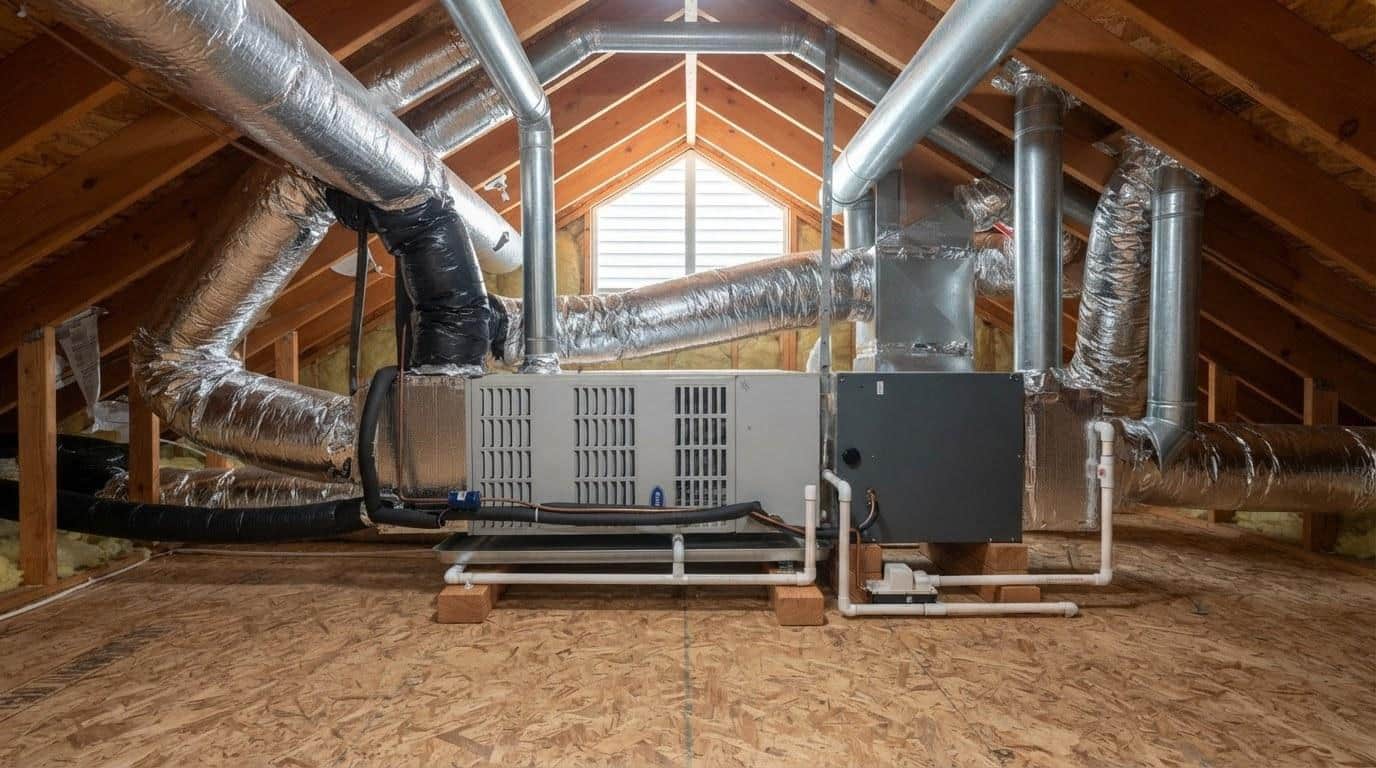
In Southern California, fall and winter bring their own specific pressures. Wildfire season often overlaps with cooler weather, meaning smoke particles can infiltrate homes and settle into ductwork before windows close for good. Then, when heating systems kick on for the first time in months, they push accumulated dust, debris, and smoke residue directly into living spaces.
What Are the Biggest Indoor Air Quality Threats This Season?
The four most common indoor air quality threats in fall and winter are: accumulated dust and allergens, wildfire smoke residue in ductwork, heating system odors from combustion or dirty components, and low indoor humidity that dries out airways and makes pollutants easier to inhale.
Sealed-Home Dust and Allergen Buildup
When a home is closed up, dust mites, pet dander, mold spores, and pollen that drifted in during fall all stay trapped. Without ventilation, concentrations rise steadily. People who suffer from asthma or allergies often notice symptoms worsen by December even though outdoor pollen counts are low.
Wildfire Smoke Residue
Southern California’s wildfire season typically runs from late summer through early winter. Fine smoke particles, known as PM2.5, are small enough to pass through standard HVAC filters and settle inside ductwork, on coil surfaces, and in insulation. AirNow.gov, managed by the EPA and NOAA, tracks PM2.5 levels and has recorded multiple days each fall where Southern California air quality reaches “Unhealthy” or worse. When the heater turns on after a smoky stretch, that residue gets pushed back into the air you breathe.
First-Run Heating Odors
That burning smell when you first turn on the furnace in October or November is usually dust burning off the heat exchanger. It should clear within 20 to 30 minutes. If the odor persists, smells like burning plastic, or returns on subsequent uses, that is a sign of a dirty filter, a failing component, or a cracked heat exchanger, all of which require professional attention.
Low Indoor Humidity
Heating systems, especially forced-air furnaces, push warm dry air through the home. Indoor relative humidity can drop below 30 percent during heavy heating use. The American Society of Heating, Refrigerating and Air-Conditioning Engineers (ASHRAE) recommends keeping indoor humidity between 30 and 60 percent for comfort and health. Below 30 percent, mucous membranes dry out, making it easier for viruses and airborne particles to cause irritation and infection.
What Indoor Air Quality Fall Winter Tips Should Every Homeowner Follow?
The most effective indoor air quality fall winter tips homeowners can act on right now are: replace or upgrade HVAC filters, schedule a professional system inspection, add whole-home air purification, and control indoor humidity with a humidifier. These steps address the root causes rather than just masking symptoms.
Filter Upgrades
Standard 1-inch fiberglass filters capture large particles but let fine dust, smoke particles, and allergens pass through. Upgrading to a MERV-11 or MERV-13 filter can capture particles as small as 1 micron, including many smoke particles and mold spores. Check filters every 30 days during heavy heating use and replace them at least every 60 to 90 days.
Seasonal Duct Cleaning and Inspection
If your home was exposed to heavy wildfire smoke in the past 12 months, a professional duct inspection is worth scheduling before winter heating begins. Smoke residue and accumulated dust inside ducts can re-enter your living space every time the system runs. Our technicians find significant debris accumulation in roughly 40 percent of duct systems that have not been inspected in more than three years, and the rate climbs sharply in homes near wildfire corridors.
Our technicians find significant debris accumulation in roughly 40 percent of duct systems that have not been inspected in more than three years.
Ventilation Strategies for Sealed Homes
Even in winter, periodic ventilation helps. On days when outdoor air quality is rated Good or Moderate on AirNow, opening windows for 10 to 15 minutes in the morning can flush stale indoor air without significantly affecting your heating bill. Energy recovery ventilators (ERVs) are a more permanent solution, bringing in fresh outdoor air while capturing heat from outgoing stale air, reducing energy waste by up to 70 to 80 percent compared to simply opening a window.
Source Control
- Switch to low-VOC products: Candles, cleaning sprays, and air fresheners release volatile organic compounds (VOCs) that accumulate fast in sealed homes. Look for products labeled low-VOC or fragrance-free.
- Store chemicals properly: Paints, solvents, and pesticides should be stored in a sealed garage or shed, not inside the living space.
- Use exhaust fans: Run kitchen and bathroom exhaust fans during and for 15 minutes after cooking or showering to remove moisture and combustion byproducts before they spread.
- Vacuum with a HEPA filter: Standard vacuums can re-release fine particles. A vacuum with a true HEPA filter traps particles down to 0.3 microns.
What Does a Professional IAQ Service Actually Include?
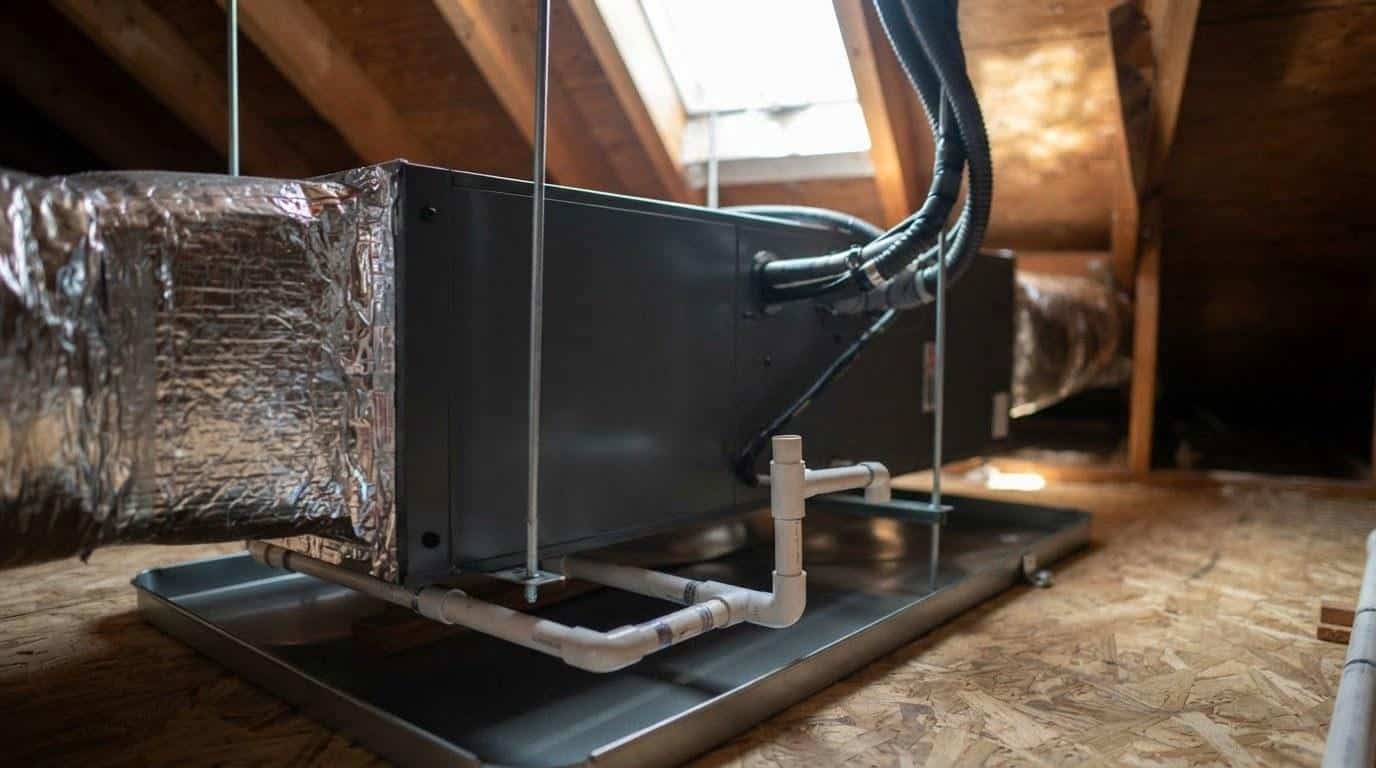
A professional indoor air quality assessment typically takes 60 to 90 minutes and covers your HVAC system, ductwork, filtration, ventilation, and humidity levels. The technician uses instruments to measure airborne particle counts, carbon dioxide levels, and relative humidity, then recommends targeted solutions.
Here is what a thorough professional IAQ visit generally covers:
- HVAC filter inspection and replacement: Checking the current filter’s MERV rating and condition, and recommending an upgrade if needed.
- Duct visual inspection: Looking for leaks, debris buildup, mold, or smoke residue that could contaminate airflow.
- Coil and blower cleaning: Dirty evaporator coils and blower wheels are major sources of recirculated allergens and mold spores.
- Combustion safety check: For gas furnaces, the technician checks the heat exchanger for cracks, which can allow carbon monoxide to enter the living space.
- Humidity measurement: Using a calibrated hygrometer to check current indoor humidity and assess whether a whole-home humidifier is warranted.
- Air purifier evaluation: Reviewing whether your current purification setup (if any) is sized correctly for your home’s square footage.
- Carbon monoxide detector check: Confirming detectors are functional and placed correctly, especially near sleeping areas and gas appliances.
As of 2026, California’s Title 24 building energy standards increasingly emphasize mechanical ventilation in tightly sealed new construction, which means newer homes in the region may already have ERVs or heat recovery ventilators (HRVs) installed. If your home was built after 2014, ask your technician to verify these systems are operating correctly before winter.
How Do You Choose the Right Air Purification or Humidity Control Solution?
The right solution depends on your home’s size, your specific air quality concerns, and your existing HVAC setup. Whole-home systems integrated into your ductwork outperform portable units for homes larger than 1,500 square feet.
The table below compares the most common IAQ solutions available to homeowners this season:
| Solution | Best For | Coverage | Typical Market Cost Range | Professional Install? |
|---|---|---|---|---|
| MERV-13 Upgrade Filter | General dust, allergens, smoke particles | Whole home (via HVAC) | $20 to $60 per filter | DIY possible; pro recommended for fit check |
| Whole-Home HEPA Air Purifier | Wildfire smoke residue, fine particles, pet dander | Whole home (duct-mounted) | $500 to $2,500 installed | Yes, integrated into ductwork |
| UV-C Air Purifier (in-duct) | Mold spores, bacteria, viruses | Whole home (duct-mounted) | $400 to $1,500 installed | Yes |
| Whole-Home Humidifier (bypass or fan-powered) | Dry air from forced-air heating | Whole home (duct-mounted) | $300 to $1,200 installed | Yes, tied into HVAC and plumbing |
| Energy Recovery Ventilator (ERV) | Sealed-home stale air, CO2 buildup | Whole home | $1,000 to $3,500 installed | Yes |
| Portable HEPA Air Purifier | Single room or bedroom | Up to 500 sq ft per unit | $100 to $500 per unit | No |
Whole-home systems qualify for the Inflation Reduction Act federal tax credit in certain configurations. As of 2026, the IRS allows a credit of up to 30 percent on qualifying energy-efficient home improvement projects, which can include certain ventilation and air quality upgrades. Check the ENERGY STAR federal tax credit page for the current eligible product list before purchasing. The TECH Clean California rebate program may also offer additional incentives for qualifying equipment installed by a licensed contractor.
For homes larger than 2,000 square feet, a Manual J load calculation can help size a whole-home humidifier correctly so it maintains the 30 to 60 percent relative humidity range ASHRAE recommends without over-saturating walls or windows.
What Warning Signs Tell You Your Indoor Air Quality Needs Attention?
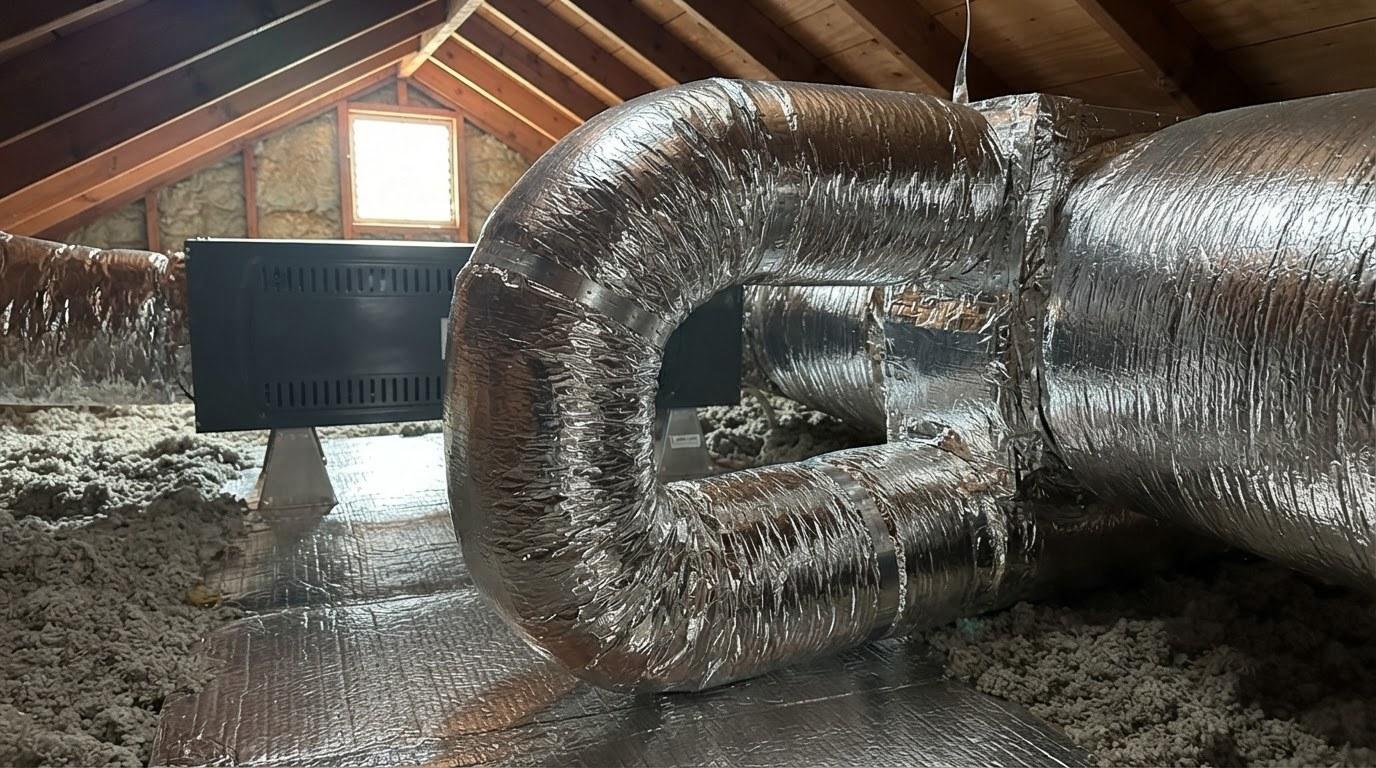
The clearest warning signs that your indoor air quality has declined are persistent allergy-like symptoms indoors, musty or chemical odors that do not clear, visible dust on vents within days of cleaning, and condensation on windows during heating season.
Watch for these specific red flags between professional service visits:
- Persistent sneezing, coughing, or eye irritation indoors: If symptoms improve when you leave the house, indoor air is likely the cause.
- Musty smell from vents: This often signals mold growth on the evaporator coil or inside ductwork, which can spread spores through the entire home.
- Burning or dusty odor lasting more than 30 minutes after the heater starts: Normal first-run dust burns off quickly. A lingering smell needs professional diagnosis.
- Visible dust accumulation on vent covers within a week of cleaning: This suggests a filter that is no longer capturing particles effectively.
- Condensation on interior window surfaces: Excess indoor humidity above 60 percent encourages mold growth on walls and window frames.
- Static electricity shocks becoming frequent: This is a sign indoor humidity has dropped below 30 percent, the level where dry air irritates airways and carries more airborne particles.
- Carbon monoxide detector alarm: This is an emergency. Evacuate immediately and call 911 before calling any HVAC company.
- Smoke odor from vents during a wildfire event: Even if your home seems sealed, fine particles can infiltrate through gaps around doors, windows, and utility penetrations.
Our technicians respond to roughly three times as many calls about heating odors and indoor air complaints in October and November compared to any other two-month period, which lines up directly with first-run furnace use and the tail end of wildfire season in Southern California.
Schedule Your Fall or Winter IAQ Service
Improving your home’s air quality before the coldest weeks arrive is one of the most practical things you can do for your family’s health this season. Filter upgrades, duct inspections, whole-home purifiers, and humidity control each address a different layer of the problem, and combining them delivers the most consistent results.
Shalom Heating and Air provides indoor air quality assessments, air purification installation, humidity control solutions, and full HVAC maintenance for homeowners across Southern California. The company is licensed by the California Contractors State License Board (CSLB) and carries insurance, so you can schedule with confidence.
For a custom quote or to book a seasonal IAQ inspection, call (714) 886-2021. A technician will assess your system, measure your current air quality, and recommend the right combination of solutions for your home’s size and needs.
Explore our full range of HVAC services across Southern California.
Frequently Asked Questions
Why does my house smell dusty or stale when I first turn on the heat in fall?
That dusty smell comes from particles that settled on the heat exchanger, blower, and inside the ducts over the spring and summer sitting idle. When the furnace runs for the first time, heat burns off that layer of dust and pushes it into the air. The odor should clear within 20 to 30 minutes. If it lingers longer or smells like burning plastic or chemicals, turn the system off and call an HVAC technician to inspect the unit before running it again.
How often should I change my air filter in fall and winter?
During heavy heating use, check your filter every 30 days and plan to replace it at least every 60 to 90 days. If you have pets, allergies, or live in an area affected by wildfire smoke, monthly replacement is a better target. A clogged filter not only reduces air quality but also forces your HVAC system to work harder, raising energy bills and accelerating wear on the blower motor.
Can wildfire smoke really get into my ductwork even when my windows are closed?
Yes. Fine smoke particles, called PM2.5, are small enough to enter homes through gaps around doors, window frames, and utility penetrations even when the home appears sealed. Once inside, they can be pulled into the return air side of your HVAC system and deposit on coil surfaces and inside ducts. When the heater runs later in the season, those particles get redistributed into your living space. A duct inspection and coil cleaning after a significant smoke event can remove the residue before it becomes a recurring problem.
What indoor humidity level should I keep my home at during winter?
ASHRAE recommends keeping indoor relative humidity between 30 and 60 percent year-round. During winter heating season, forced-air systems can drive humidity below 30 percent, which dries out mucous membranes and makes it easier for airborne particles and viruses to cause irritation. A whole-home humidifier connected to your HVAC system can maintain the correct range automatically without the refilling and mold risks that come with portable tabletop units.
Is a portable air purifier good enough for my whole house, or do I need a whole-home system?
Portable HEPA air purifiers work well for a single room up to about 400 to 500 square feet, but they cannot clean the air throughout a larger home. For homes over 1,500 square feet, a whole-home system integrated into your existing ductwork is far more effective because it treats all the air that circulates through your HVAC system. Whole-home systems also require less maintenance than running multiple portable units and are quieter during operation.