How Much Does AC Installation Cost in Southern California? A 2026 Pricing Guide
AC installation in Southern California typically runs between $3,500 and $12,000 in 2026, depending on system size, efficiency rating, and installation complexity. This guide breaks down every cost factor so you can plan with confidence.
What Does AC Installation Cost in Southern California in 2026?
AC installation cost in Southern California in 2026 typically falls between $3,500 and $12,000 for a complete central air system. Most homeowners pay somewhere in the $5,000 to $8,500 range once equipment, labor, and permits are included. These figures reflect current regional market conditions, which have been shaped by rising equipment costs, updated California Energy Commission appliance standards, and the transition to higher-efficiency SEER2-rated equipment that took effect in 2023.
At the low end, a straightforward swap of an existing system in a smaller home with intact ductwork can come in close to $3,500. At the high end, a large home needing a new air handler, extensive duct repairs, and a high-efficiency variable-speed system can push past $12,000. Understanding where your project falls on that spectrum starts with knowing the key cost drivers.
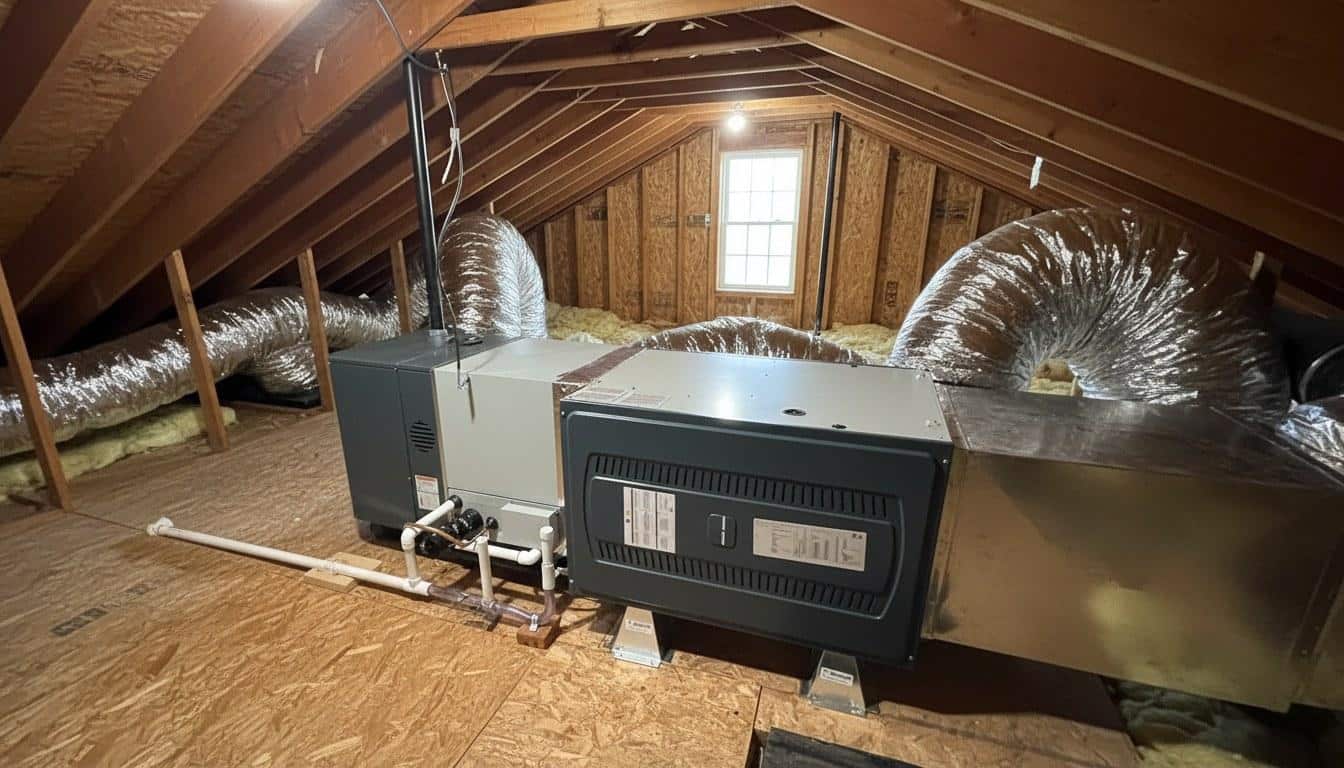
What Factors Move the Price Up or Down?
Five factors account for most of the price variation in a Southern California AC installation: system capacity, efficiency rating, ductwork condition, equipment brand tier, and local permit requirements. Knowing how each one affects your quote helps you compare bids fairly and avoid surprises.
System Capacity (Tonnage)
AC systems are sized in tons of cooling capacity. A properly sized system requires a Manual J load calculation based on your home’s square footage, insulation, window area, and orientation. Most Southern California homes need systems between 2 and 5 tons. Equipment cost alone can jump $800 to $1,500 per additional ton, so oversizing is expensive and actually reduces comfort and efficiency.
SEER2 Efficiency Rating
As of January 2023, new residential AC systems sold in the Southwest must meet a minimum ENERGY STAR-aligned SEER2 rating of 15.2 for split systems. Systems rated 16 to 20+ SEER2 cost more upfront but cut monthly electricity bills noticeably. The premium for a 18 SEER2 system over a minimum-compliance unit typically runs $800 to $2,000 depending on capacity.
Ductwork Condition
If your existing ducts are leaky, undersized, or deteriorating, repairs or replacement add cost. Duct sealing alone can run $500 to $1,500 in this market. Full duct replacement in a single-story home typically adds $2,000 to $5,000 to the project total. Our technicians find that roughly 40% of homes in Southern California have duct leakage rates above 20%, which both reduces system performance and can void efficiency rebates if left uncorrected.
Roughly 40% of homes in Southern California have duct leakage rates above 20%, which both reduces system performance and can void efficiency rebates if left uncorrected.
Equipment Brand Tier
There is a real price gap between entry-level, mid-tier, and premium brands. Entry-level equipment from reputable manufacturers starts around $1,200 to $1,800 for the outdoor condenser alone. Premium variable-speed inverter systems from top-tier brands can run $3,500 to $5,500 just for the condenser. Mid-tier systems offer a strong balance of reliability and cost for most households.
Permits and Inspections
California requires a permit for new AC installations in most jurisdictions. Permit fees in Southern California counties generally run $150 to $450 depending on the city. A licensed contractor pulls the permit on your behalf; skipping this step creates problems when you sell the home and may void your equipment warranty.
| Cost Factor | Typical Range Added | Notes |
|---|---|---|
| System size (per extra ton above 2-ton base) | $800 – $1,500 | Requires Manual J load calc |
| High-efficiency upgrade (18+ SEER2 vs. min. 15.2) | $800 – $2,000 | Eligible for rebates and tax credits |
| Duct sealing | $500 – $1,500 | Often required for rebate eligibility |
| Full duct replacement | $2,000 – $5,000 | Single-story home estimate |
| Permit and inspection fees | $150 – $450 | Varies by city/county |
| Air handler / furnace replacement | $1,000 – $2,500 | Often replaced alongside outdoor unit |
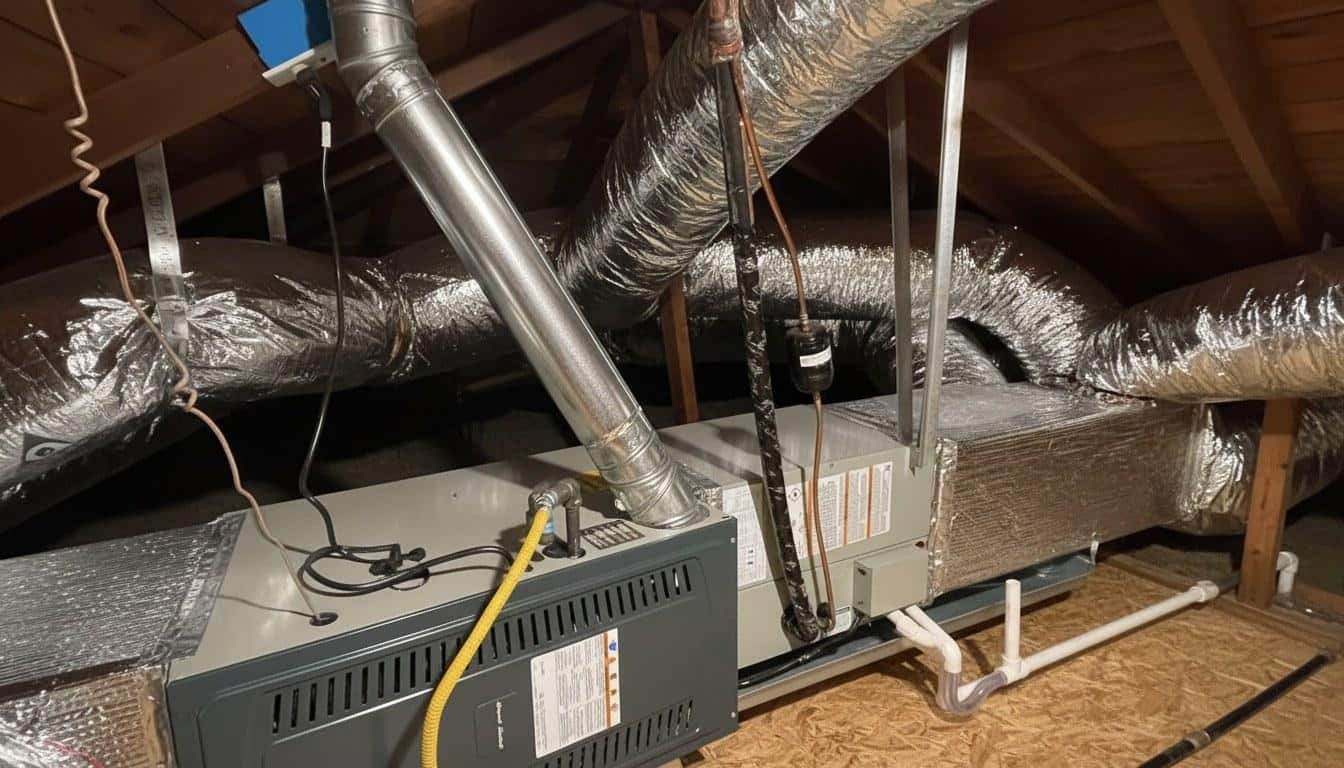
Which Type of AC System Should You Choose?
The right system type depends on whether your home already has ductwork, your budget, and how many zones of comfort you want. Southern California homeowners generally choose from three main options.
- Central split system: The most common choice. An outdoor condenser pairs with an indoor air handler and uses existing ducts to cool the whole home. Best value for homes with intact ductwork. Total installed cost typically $4,500 to $9,000.
- Ductless mini-split: Ideal for homes without ducts, additions, or room-by-room temperature control. Each indoor head serves one zone. A single-zone system typically runs $3,000 to $5,500 installed; multi-zone systems with 3 to 4 heads can reach $8,000 to $14,000.
- Heat pump system: Provides both heating and cooling from one unit. Highly efficient in Southern California’s mild winters. Qualifies for the largest rebates under the Inflation Reduction Act federal tax credit and TECH Clean California programs. Installed cost is typically $5,500 to $13,000 depending on size and type.
For most Southern California homes with existing ducts, a central split system at 16 to 18 SEER2 offers the best combination of upfront cost, long-term savings, and rebate eligibility. Homes without ducts or with major duct issues often come out ahead with a ductless mini-split when total project costs are compared.
Are There Rebates or Tax Credits That Lower the Cost?
Yes — Southern California homeowners can stack multiple incentives in 2026, potentially reducing net installation cost by $1,500 to $3,000 or more depending on the system and household income. Here are the main programs to know.
Inflation Reduction Act Federal Tax Credit
The Inflation Reduction Act federal tax credit (Section 25C) allows homeowners to claim 30% of the cost of qualifying high-efficiency AC or heat pump systems, up to $600 for central AC or up to $2,000 for heat pumps. This is a dollar-for-dollar reduction in your federal tax bill, not just a deduction. The credit is available through 2032.
TECH Clean California and Utility Rebates
The TECH Clean California program offers rebates on qualifying heat pumps and high-efficiency systems. Southern California Edison and SoCalGas also run seasonal rebate programs that can add $200 to $800 per qualifying unit. Rebate amounts and availability change each program year, so confirm current offers before purchasing.
Low-Income Assistance Programs
Income-qualified households may qualify for larger rebates or even free system replacement through the California Energy Commission’s HEAR program or utility-run assistance programs. These can cover the full cost of a new system for eligible families.
How Do You Know When to Replace vs. Repair Your AC?
If your system is older than 15 years, needs a repair costing more than 50% of a new system’s price, or uses R-22 refrigerant (which is no longer manufactured), replacement is almost always the smarter financial choice. Repairs on aging equipment under EPA refrigerant regulations (Section 608) can get expensive fast because R-22 refrigerant now costs several times more than the newer R-410A or R-32 alternatives.
Use this quick framework to decide:
- System age under 10 years: Repair is usually worth it unless the compressor has failed (compressor replacement alone can run $1,200 to $2,500).
- System age 10 to 15 years: Weigh repair cost against a new system. If the repair exceeds $1,500, get a replacement quote for comparison.
- System age over 15 years: Replacement almost always makes more financial sense, especially with available rebates and the efficiency gains of a new system.
- R-22 refrigerant system: Replace now. Recharging an R-22 system can cost $600 to $1,500 per service call and only delays the inevitable.
- Frequent breakdowns: Two or more repairs in a single season is a strong signal that the system is nearing end of life.
Across our service calls in Southern California, we see roughly 3 out of 5 systems flagged for major repair on units older than 12 years ultimately get replaced within 18 months anyway — making the repair cost money that could have gone toward a new, more efficient system.
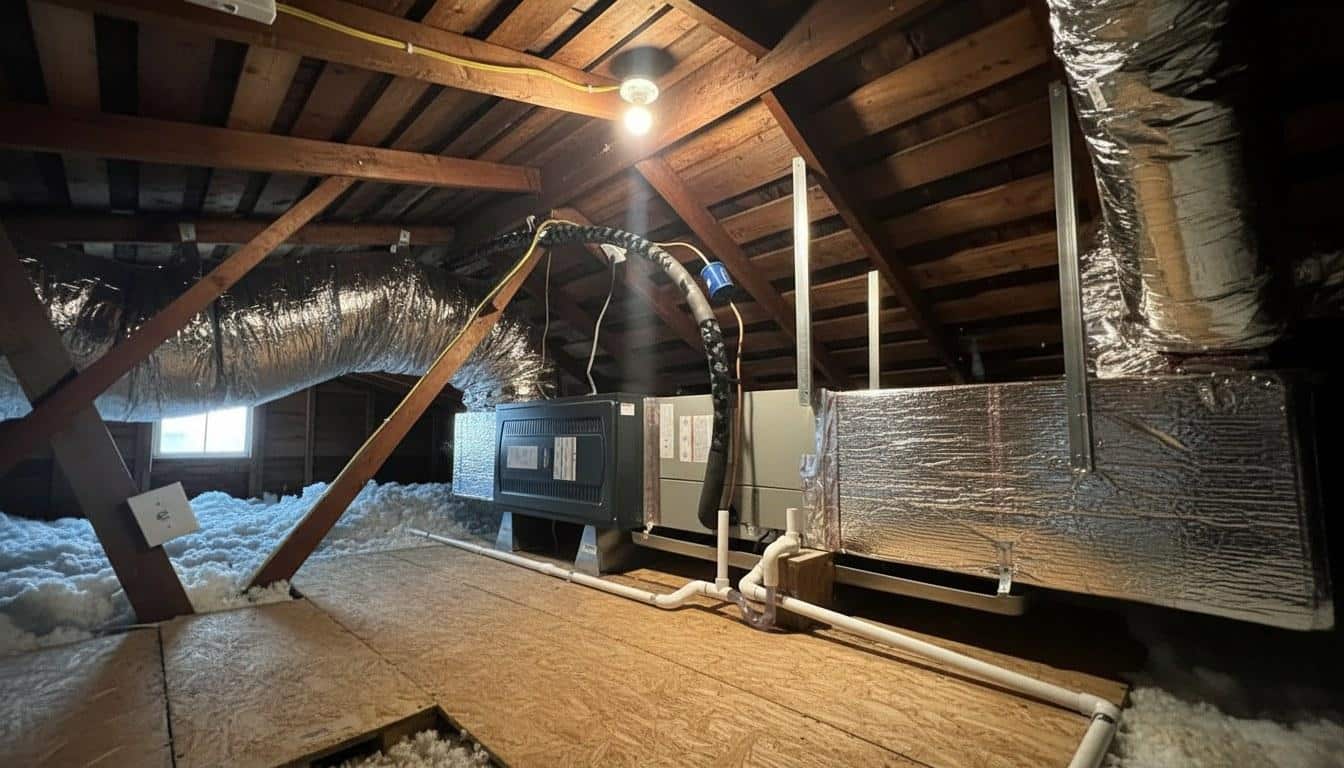
How Do You Get an Accurate Quote and Avoid Overpaying?
The single best way to get an accurate quote is to require a written, itemized estimate that lists equipment model numbers, SEER2 rating, labor hours, permit fees, and warranty terms separately. Vague quotes that bundle everything into one number make it impossible to compare bids fairly.
Steps to Get a Fair Quote
- Ask every contractor to perform or reference a Manual J load calculation before recommending a system size. Any contractor who sizes by square footage alone is guessing.
- Request the equipment model number and look up the manufacturer’s published SEER2 rating independently to verify the efficiency claim.
- Confirm the contractor is Licensed by the California Contractors State License Board (CSLB). You can verify any license at cslb.ca.gov in under two minutes.
- Ask whether the permit is included in the quote and who pulls it. A legitimate contractor always pulls their own permit.
- Get at least two written quotes before deciding. In the Southern California market, quotes for the same scope can vary by $1,000 to $2,500 between contractors.
Red Flags to Watch For
- No written quote: Any contractor who only gives a verbal price should be avoided.
- Pressure to decide same day: Legitimate contractors give you time to compare.
- No mention of permits: Skipping permits is a code violation in California.
- Unusually low bid: A quote 30% below others often means undersized equipment, unlicensed labor, or missing scope items like duct inspection.
- No load calculation: Oversized systems short-cycle, waste energy, and wear out faster.
When comparing quotes for AC installation cost in Southern California in 2026, make sure every bid covers the same scope — same tonnage, same SEER2 rating, same ductwork assessment, and same permit inclusion. An apples-to-apples comparison is the only way to know which quote is actually the best value.
Our team sees homeowners overpay by an average of $900 to $1,400 when they accept the first quote without requesting itemized breakdowns — a pattern that shows up most often during peak summer demand in June and July when contractors are busiest and customers are most anxious to get cool fast.
Get a Free AC Installation Quote in Southern California
Schedule your free in-home assessment before summer demand peaks. A written, itemized quote from Shalom Heating & Air includes a proper load calculation, current equipment pricing, permit fees, and a full ductwork assessment — so you know exactly what you are paying for and why.
Call (714) 886-2021 to book your appointment. Shalom Heating & Air serves homeowners across Southern California with installations, repairs, and tune-ups on all major brands and system types.
Explore our full range of HVAC services across Southern California.
Frequently Asked Questions
How much does it usually cost to install a new AC unit in Southern California right now?
In 2026, most Southern California homeowners pay between $5,000 and $8,500 for a complete central AC installation, including equipment, labor, and permits. Smaller homes with intact ductwork can come in closer to $3,500, while larger homes or those needing duct work can reach $12,000 or more. Getting a written itemized quote from a licensed contractor is the best way to know your specific cost.
How much does it cost to repair an AC unit instead of replacing it?
Common AC repairs in Southern California typically range from $150 to $600 for capacitor or contactor replacements, $600 to $1,500 for refrigerant leak repairs, and $1,200 to $2,500 for compressor replacement. If your repair quote exceeds 50% of a new system's cost and your unit is over 10 years old, replacement usually makes more financial sense — especially with current rebates available.
Are there any rebates or tax credits for AC installation in California in 2026?
Yes. The Inflation Reduction Act federal tax credit covers 30% of qualifying high-efficiency AC or heat pump costs, up to $600 for central AC or $2,000 for heat pumps, through 2032. California utility programs and TECH Clean California add additional rebates of $200 to $800 or more depending on the system and your utility provider. Income-qualified households may qualify for even larger assistance.
How do I know what size AC system my house actually needs?
The correct size is determined by a Manual J load calculation, which accounts for your home's square footage, ceiling height, insulation levels, window area, and local climate data. A 2,000 square foot Southern California home typically needs a 3 to 4 ton system, but this varies significantly. Never accept a size recommendation based on square footage alone — that approach leads to oversized systems that short-cycle and wear out faster.
How long does a new AC installation take to complete?
A standard central AC replacement on a home with existing ductwork typically takes one full day — usually 4 to 8 hours for an experienced crew. If duct repairs or replacement are needed, the project can extend to 2 days. New installations in homes without existing ductwork are larger projects that may take 3 to 5 days depending on home size and duct layout complexity.