What to Expect During AC Repair: A Homeowner’s Complete Guide
Wondering what to expect during AC repair? This guide walks you through the full process — diagnosis, common repairs, typical costs, and what separates a quality fix from a quick patch.
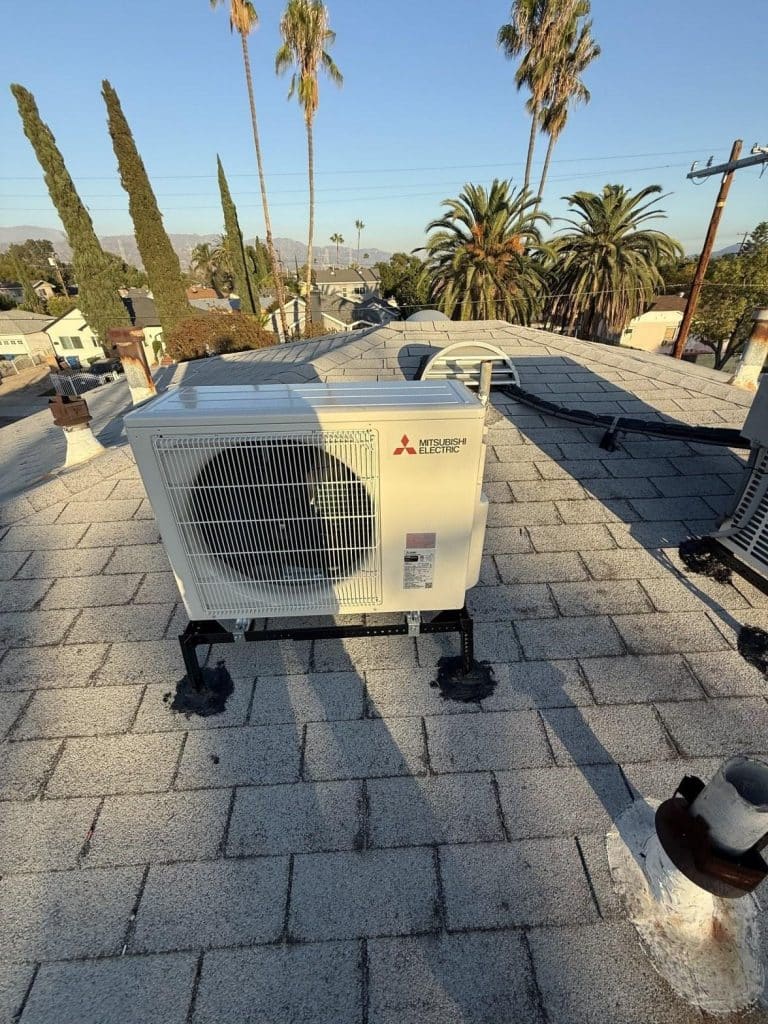
What Happens Step by Step During an AC Repair Visit?
During an AC repair visit, the technician will inspect your system, identify the root cause, explain the repair options, complete the approved work, and run a final performance test — all typically within one to three hours. Understanding this sequence helps you stay informed and avoid being caught off guard when the tech arrives.
Here is the standard flow of what to expect during ac repair from start to finish:
- System walkthrough: The technician asks about symptoms — when the problem started, any unusual sounds, and how the system has been running lately.
- Visual and electrical inspection: The tech checks the air handler, condenser unit, electrical connections, capacitors, contactors, and refrigerant lines for obvious damage or wear.
- Diagnostic testing: Using gauges, multimeters, and temperature probes, the technician measures refrigerant pressure, voltage, amperage draw, and supply/return air temperatures.
- Written estimate: Before any repair begins, a reputable contractor will give you a written breakdown of parts and labor costs. Never approve work without this step.
- Repair and parts replacement: Once you approve the estimate, the technician completes the repair — swapping a failed capacitor, recharging refrigerant, replacing a contactor, or addressing whatever the diagnosis found.
- Final performance test: The system is run through a full cycle. The tech verifies that supply air is 15 to 20 degrees Fahrenheit cooler than return air, which is the standard indicator of proper cooling.
- Summary and recommendations: The technician explains what was done, flags any other components showing wear, and advises on maintenance timing.
Our technicians complete roughly 60 to 80 diagnostic calls across Southern California each month during peak summer, and the single most common surprise homeowners report is not knowing that a written estimate was their right before any work begins. Ask for it every time.
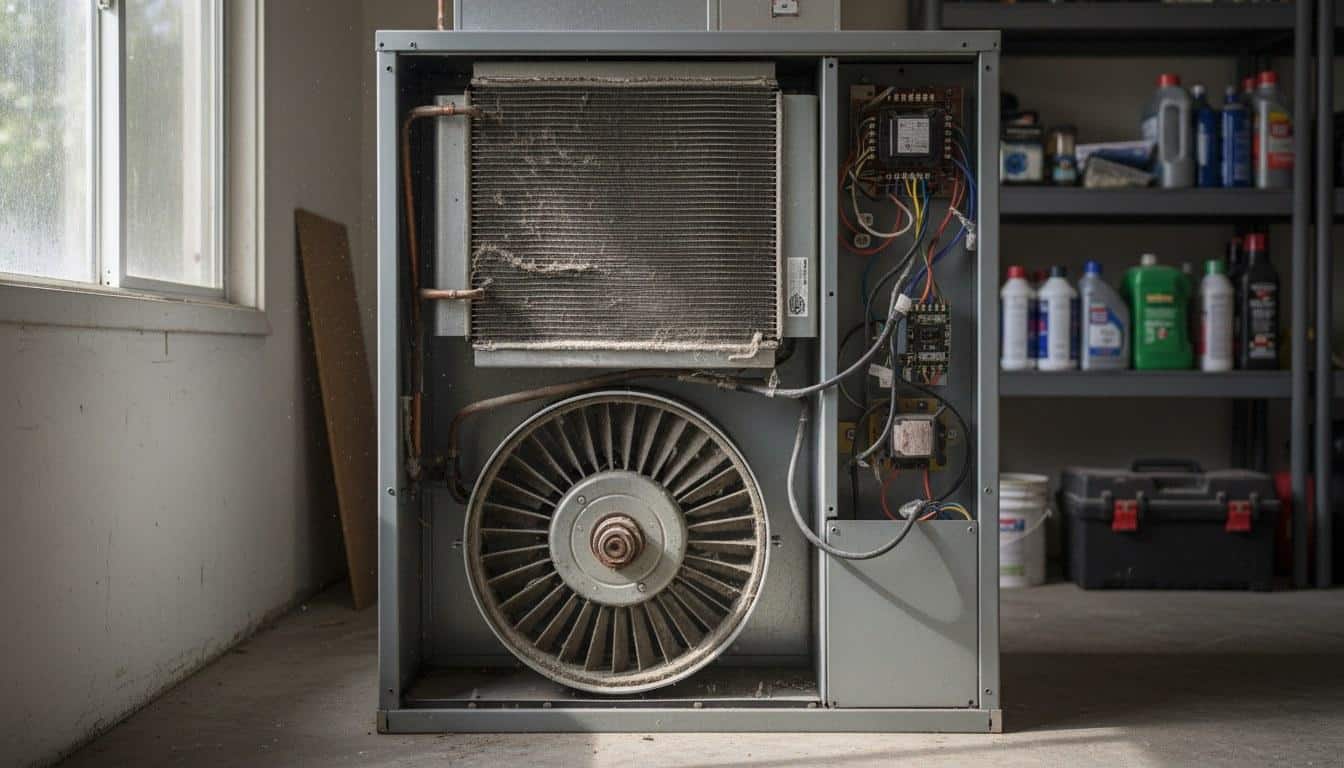
What Are the Most Common AC Repairs and How Long Do They Take?
Capacitor failure, refrigerant leaks, dirty evaporator or condenser coils, and failed contactors account for the majority of residential AC repair calls in Southern California. Most of these repairs are completed in under two hours when parts are on hand.
Here is a breakdown of the most frequent repairs, their typical causes, and estimated repair time:
| Repair Type | Common Cause | Typical Repair Time | DIY or Pro? |
|---|---|---|---|
| Capacitor replacement | Heat stress, age (over 10 years) | 30 to 60 minutes | Pro — electrical hazard |
| Refrigerant recharge / leak repair | Pinhole leaks, worn Schrader valves | 1 to 3 hours | Pro — EPA Section 608 required |
| Contactor replacement | Pitting, corrosion, age | 30 to 45 minutes | Pro — electrical hazard |
| Dirty coil cleaning | Skipped maintenance, poor filtration | 1 to 2 hours | Pro for evaporator; DIY for condenser fins |
| Clogged condensate drain | Algae, debris buildup | 30 to 60 minutes | DIY possible |
| Blower motor replacement | Bearing wear, overheating | 2 to 4 hours | Pro |
| Compressor replacement | Electrical failure, refrigerant loss | 4 to 8 hours | Pro — major repair |
Refrigerant work requires a technician certified under EPA refrigerant regulations (Section 608). Homeowners cannot legally purchase or handle refrigerants like R-410A or the newer R-454B on their own. If a contractor offers to recharge your system without checking for leaks first, that is a red flag — a proper repair finds and seals the leak before adding refrigerant.
Compressor repairs are the most time-intensive and expensive. If your compressor has failed and your system is more than 12 to 15 years old, replacement of the full system is often the smarter financial choice — more on that in the next section.
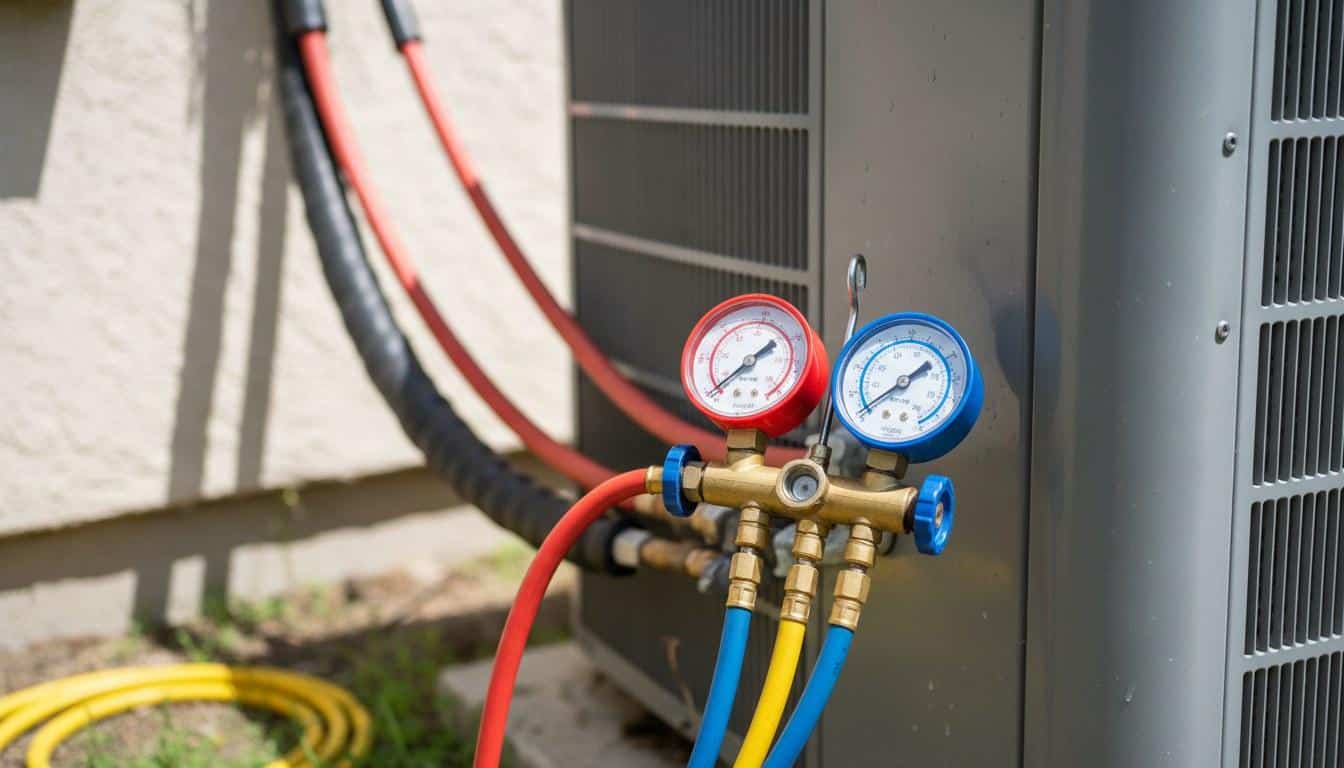
How Much Does AC Repair Typically Cost in Southern California?
AC repair costs in the Southern California market generally range from $150 for a simple capacitor swap to $1,800 or more for a blower motor or refrigerant leak repair on an older system. Compressor replacement can reach $2,500 to $3,500 depending on the unit size and refrigerant type.
Several factors push costs up or down:
- Part cost and availability: Proprietary parts for older or discontinued systems can cost two to three times more than standard components.
- Refrigerant type: R-22 (phased out since 2020) is significantly more expensive per pound than R-410A. Systems still running R-22 often make replacement more cost-effective than repeated recharges.
- System age: Units older than 10 years tend to have multiple worn components, which can turn a single-part repair into a multi-item service call.
- Access difficulty: Attic-mounted air handlers or rooftop units take longer to service, which increases labor time.
- Emergency or after-hours service: Weekend and late-evening calls typically carry a premium over standard weekday rates.
- SEER2 rating of the system: Higher-efficiency systems sometimes use more complex components that cost more to replace.
As of 2023, the Inflation Reduction Act federal tax credit offers up to 30% back (capped at $600) on qualifying high-efficiency HVAC equipment purchases. If a repair estimate approaches the cost of a new system, it is worth asking about replacement credits before committing to the repair.
Always request a written itemized estimate before approving any repair. For an accurate quote on your specific system, contact Shalom Heating & Air at (714) 886-2021.
How Do You Know If Your AC Needs Repair or Full Replacement?
If your AC system is under 10 years old and the repair cost is less than half the price of a new unit, repair is almost always the right call. If the system is 15 years or older and the repair exceeds $1,000, replacement typically delivers better long-term value.
If your AC system is under 10 years old and the repair cost is less than half the price of a new unit, repair is almost always the right call.
The U.S. Department of Energy recommends replacing AC systems when repair costs approach 50% of the replacement cost, especially when the unit is more than 10 years old. This is sometimes called the “50% rule” in the HVAC industry.
Watch for these signs that replacement may be smarter than another repair:
- Repeated repairs: Two or more major repairs in a single season signal systemic decline.
- R-22 refrigerant: This refrigerant was phased out by the EPA as of January 2020. Recharging an R-22 system is costly and only delays the inevitable.
- SEER rating below 14: Older systems with low efficiency ratings cost significantly more to operate each month compared to modern units rated at 15 SEER2 or higher.
- Uneven cooling throughout the home: This often points to duct problems or an undersized system — issues a repair alone will not solve.
- System age over 15 years: Most residential AC units have a service life of 15 to 20 years under normal California conditions.
- Compressor failure on an older unit: A failed compressor on a system older than 12 years almost always makes full replacement the better investment.
A qualified technician can run a Manual J load calculation to confirm whether your existing system was properly sized for your home in the first place. An undersized or oversized unit will keep breaking down no matter how many repairs you make.
What Should You Look for When Hiring an AC Repair Contractor?
The most important credentials to verify are a valid CSLB license, EPA Section 608 certification for refrigerant handling, and proof of liability insurance — these three protect you if something goes wrong during the repair.
In California, all HVAC contractors must be licensed by the California Contractors State License Board (CSLB) under a C-20 (Warm-Air Heating, Ventilating and Air Conditioning) classification. You can verify any contractor’s license status for free on the CSLB website before scheduling service.
Beyond licensing, here is what separates a quality contractor from a low-bid risk:
- Written estimates before work begins: No reputable contractor should start repairs without your written approval of the cost.
- Diagnostic fee transparency: Ask upfront whether the diagnostic fee is waived or applied toward the repair cost if you proceed.
- Parts warranty: Quality contractors back their parts for at least 90 days, and many offer 1-year labor warranties.
- No pressure upsells: A trustworthy tech explains what is worn and lets you decide — they do not manufacture urgency around borderline components.
- ACCA standards compliance: Contractors following Air Conditioning Contractors of America (ACCA) standards perform load calculations and sizing checks rather than guessing.
- Clear communication: The technician should explain the diagnosis in plain language before touching a single part.
When searching for a/c repair near me, do not let price alone drive the decision. A $79 diagnostic special from an unlicensed contractor can turn into a $3,000 problem if refrigerant is mishandled or a part is installed incorrectly.
Our technicians average fewer than 5 callback calls per 100 service visits — a rate we track internally because callbacks are the clearest signal that a repair was done right the first time.
How Can You Prevent Costly AC Repairs in the Future?
Annual professional maintenance — ideally completed each spring before temperatures climb — is the single most effective way to prevent emergency repairs and extend your system’s service life by 3 to 5 years.
California’s climate puts AC systems under sustained stress. In many inland communities, systems run nearly continuously for 4 to 5 months per year. That kind of runtime accelerates wear on capacitors, contactors, and refrigerant seals.
Homeowners can handle several maintenance tasks themselves between professional visits:
- Replace air filters every 1 to 3 months: A clogged filter forces the blower to work harder, raising energy use and accelerating motor wear. Use a filter rated MERV 8 to 11 for most homes.
- Keep the condenser unit clear: Maintain at least 2 feet of clearance around the outdoor unit. Trim shrubs and remove debris after windy days.
- Flush the condensate drain annually: Pour a cup of diluted bleach down the drain line each spring to prevent algae clogs that can cause water damage.
- Check the thermostat settings: A thermostat set to “fan on” instead of “auto” runs the blower continuously, adding unnecessary wear and humidity problems.
- Listen for new sounds: Rattling, grinding, or squealing are early warning signs. Catching them early almost always means a smaller repair bill.
California’s Title 24 building energy standards and programs like TECH Clean California also incentivize high-efficiency system upgrades that reduce long-term repair frequency. If your system is aging, ask about qualifying rebates when you schedule your next service call.
Get Expert AC Repair Help Across Southern California
Schedule your AC repair or diagnostic visit before the next heat wave hits. Shalom Heating & Air serves homeowners across Southern California with licensed, EPA-certified technicians ready to diagnose and fix your system the right way. Call (714) 886-2021 to book your appointment or request a written estimate. Same-day and next-day availability is offered during peak season — do not wait until your system stops working entirely to make the call.
Explore our full range of HVAC services across Southern California.
Frequently Asked Questions
How long does an AC repair visit usually take at my house?
Most residential AC repair visits take one to three hours from arrival to completion. Simple fixes like a capacitor or contactor swap are often done in under an hour, while refrigerant leak repairs or blower motor replacements can take three to four hours. If a part needs to be ordered, a follow-up visit will be scheduled once it arrives.
How much does it cost to repair an AC unit in Southern California?
In the Southern California market, AC repair costs typically range from $150 for a minor part like a capacitor to $1,800 or more for refrigerant leak detection and repair. Compressor replacement generally falls between $2,500 and $3,500 depending on system size. The best way to get an accurate number is to request a written itemized estimate from a licensed contractor like Shalom Heating & Air at (714) 886-2021.
Why is my air conditioner blowing warm air even though it's running?
Warm air from a running AC is most often caused by low refrigerant due to a leak, a failed capacitor preventing the compressor from starting, or a dirty condenser coil that cannot release heat properly. A licensed technician can diagnose the exact cause with pressure gauges and electrical testing in about 30 to 45 minutes. Do not ignore this symptom — running the system in this condition can damage the compressor.
Can I recharge my own AC refrigerant at home?
No — handling refrigerants legally requires EPA Section 608 certification, and the refrigerants used in home AC systems are not available for purchase by uncertified individuals. Attempting a DIY recharge with automotive refrigerant cans is not compatible with home systems and can cause serious damage. Always hire a certified HVAC technician for any refrigerant work.
How do I know if my AC compressor needs to be repaired or replaced?
A compressor that hums but does not start, trips the breaker repeatedly, or causes the outdoor unit to run without cooling the home is likely failed or failing. If your system is under 10 years old, compressor repair or replacement may be worthwhile. On systems older than 12 to 15 years, the cost of a new compressor often approaches the cost of a full system replacement, making a new unit the smarter long-term investment.