How to Prevent AC Breakdowns: A Complete Maintenance Guide for CA Homeowners
Preventing AC breakdowns starts with consistent maintenance — filter changes, coil cleaning, and annual professional tune-ups. This guide covers every step CA homeowners need to keep their system running all summer.
Why Does AC Maintenance Matter So Much in Southern California?
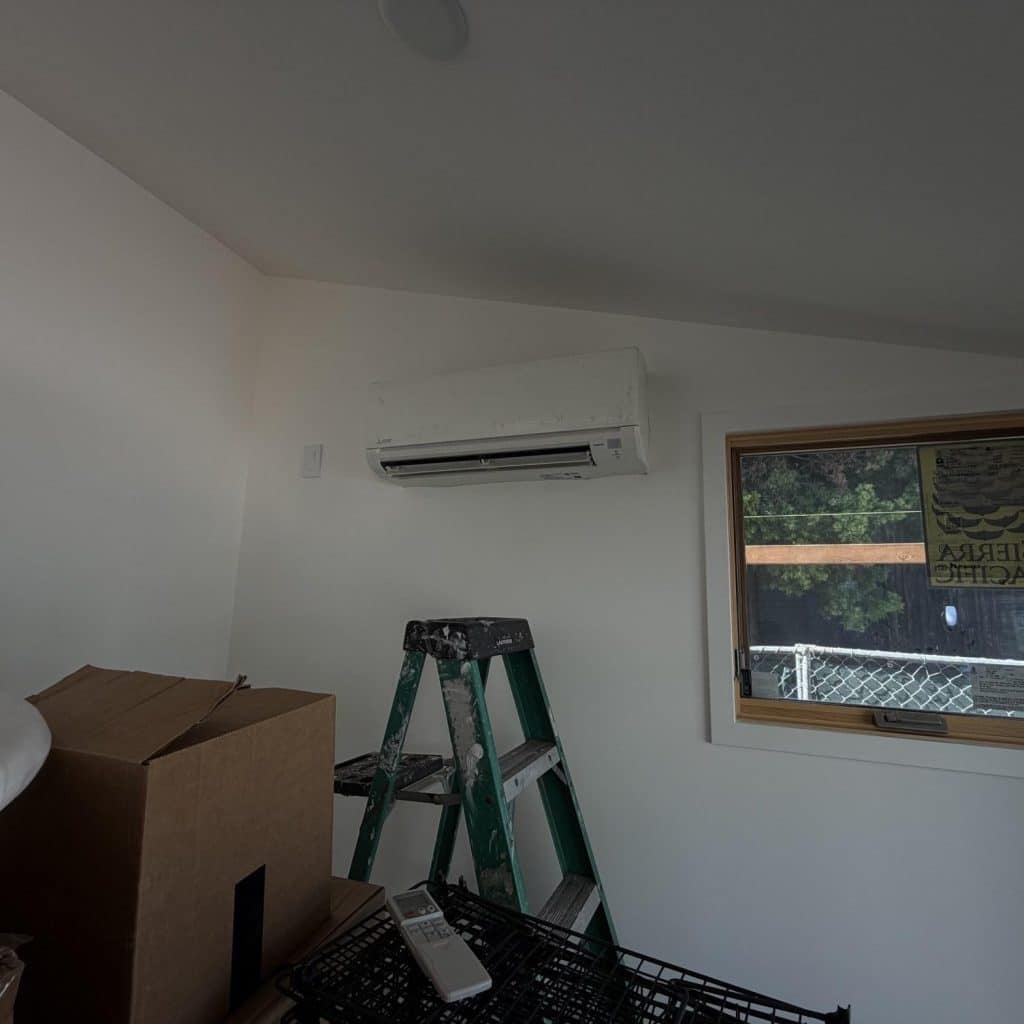
Southern California air conditioners run harder and longer than systems in most other parts of the country. Summer temperatures across Los Angeles County, Orange County, and surrounding communities regularly exceed 90°F, and many homes run their AC for 6 to 8 months of the year. That extended runtime puts real stress on every component — compressors, capacitors, coils, and refrigerant lines all degrade faster under heavy use.
The region’s air also carries fine dust, pollen, and in coastal areas, salt-laden moisture from marine-layer fog. These particles clog filters and corrode coil fins faster than in drier inland climates. According to NOAA climate data, the Los Angeles basin averages fewer than 35 days of measurable rainfall per year, which means dust accumulates on outdoor units without the natural rinse that wetter climates provide.
The result: a neglected system in this region is far more likely to fail on the hottest day of the year than a system that receives consistent care. Knowing how to prevent AC breakdowns is not just about saving money — it is about staying comfortable and safe when temperatures spike.
How to Prevent AC Breakdowns: A Season-by-Season Checklist
Preventing AC breakdowns is a year-round effort, not a single annual task. Each season brings different risks, and addressing them at the right time keeps small issues from turning into costly repairs. The checklist below organizes the most important tasks by season.
Spring (March through May)
Spring is the most important season for AC maintenance in Southern California. This is the window to catch problems before the cooling season peaks.
- Schedule a professional tune-up: Book before May to avoid the summer rush. Most HVAC companies are fully booked by June.
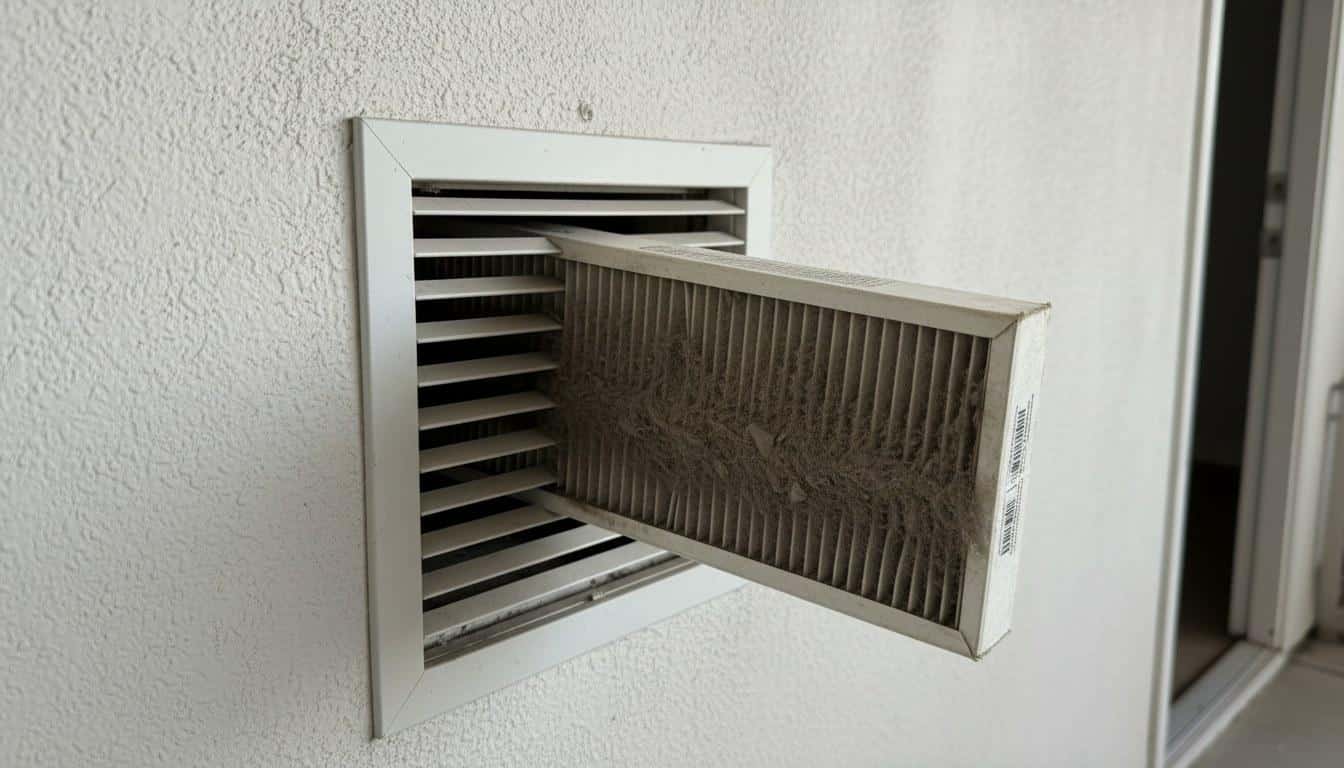
- Replace the air filter: Start the season with a fresh filter rated MERV 8 to MERV 11 for residential use.
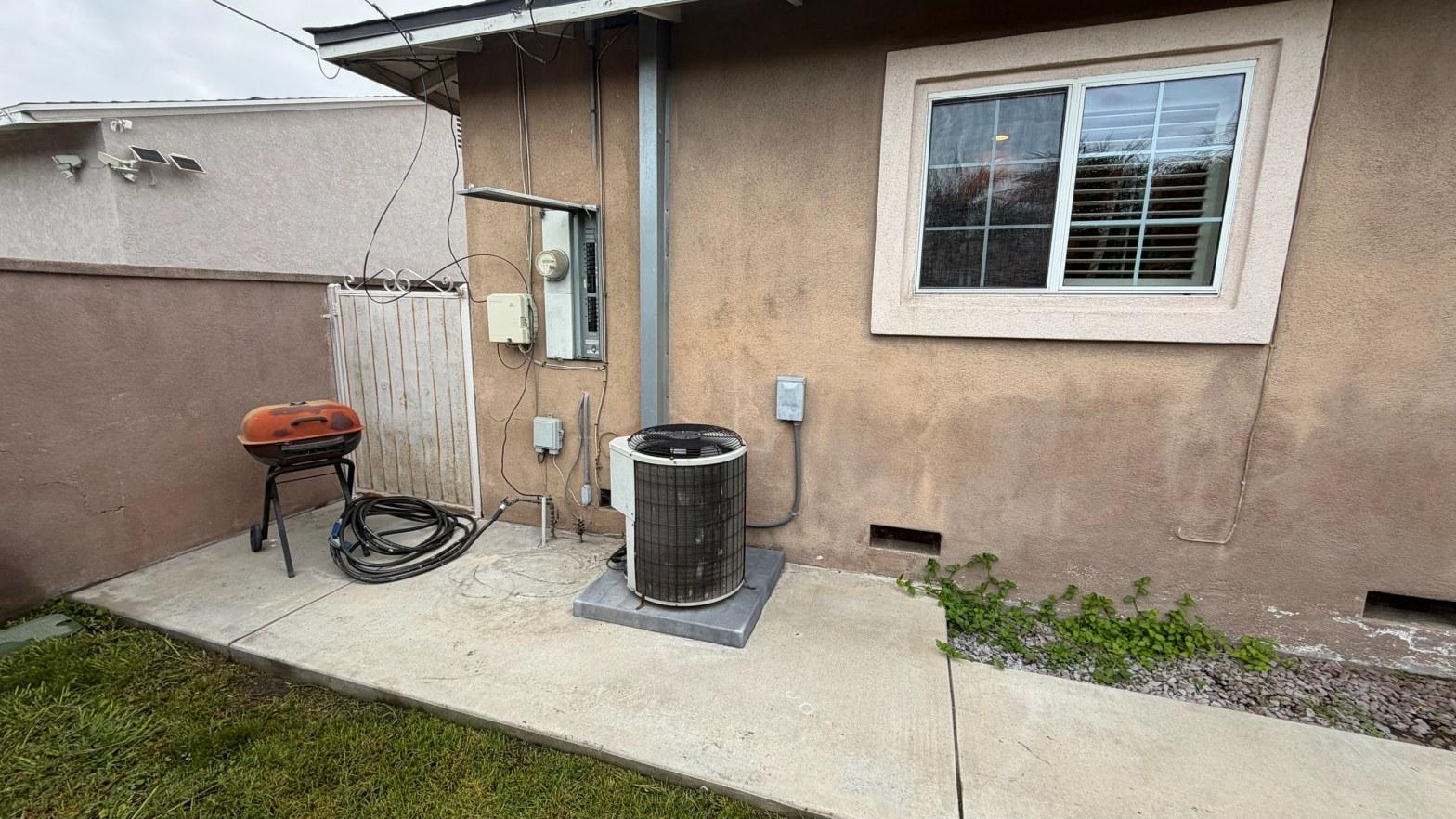
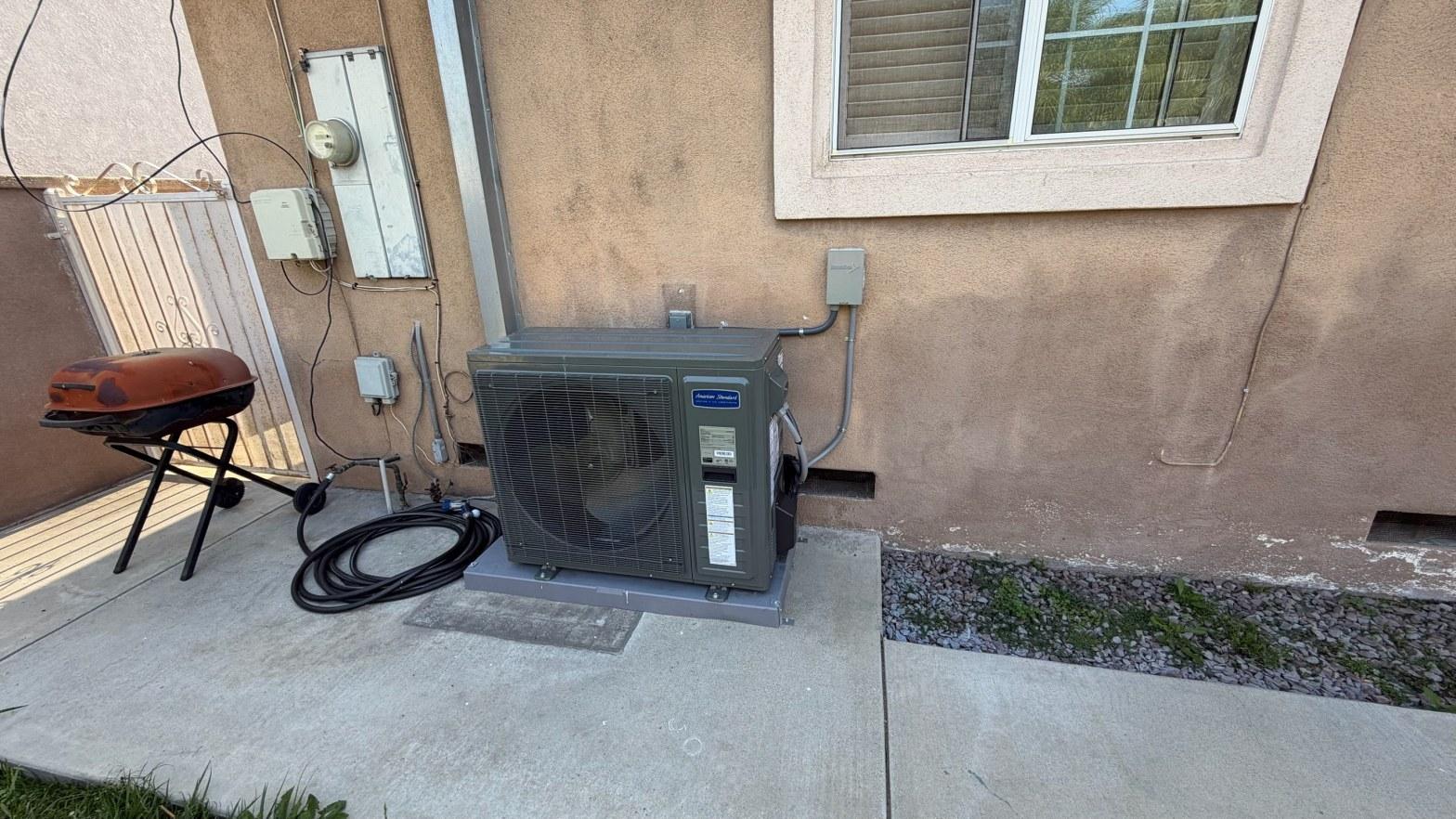
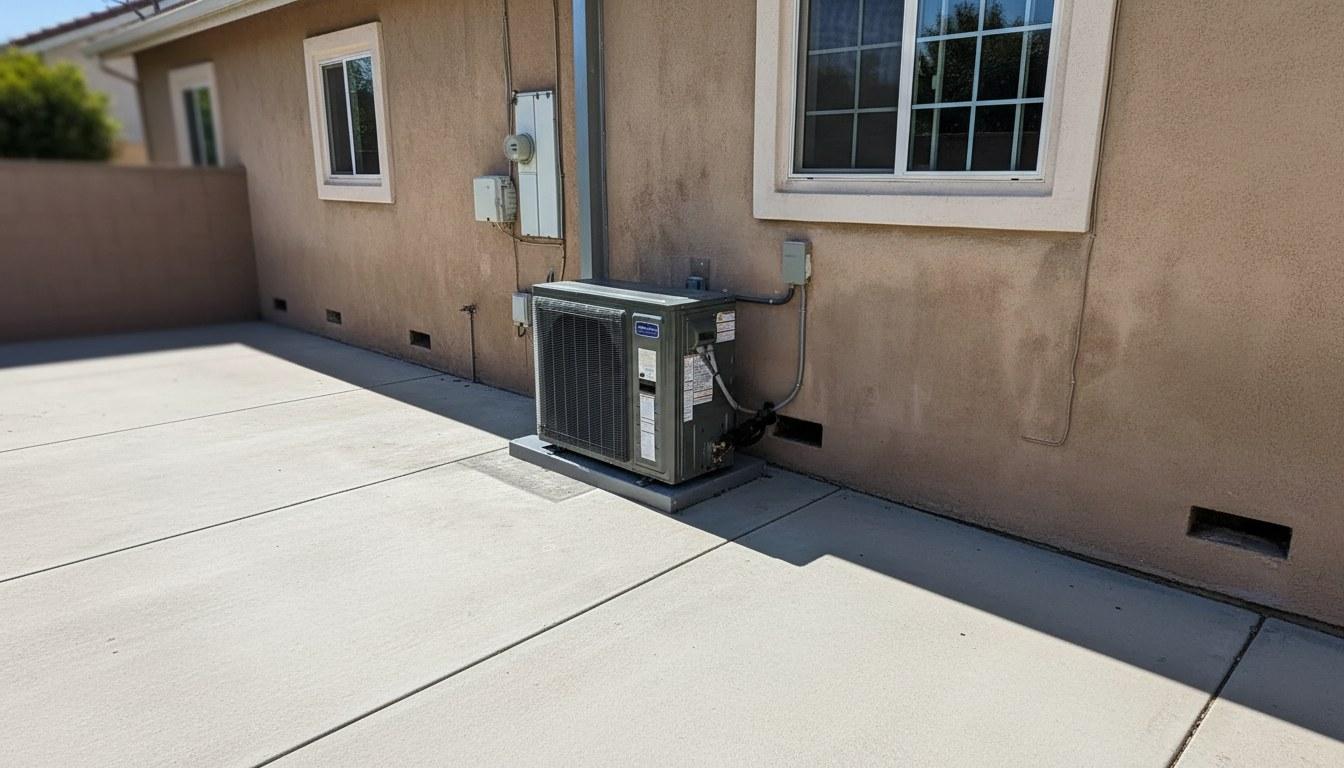
- Clear the outdoor condenser unit: Remove leaves, dirt, and any debris that accumulated over winter. Keep at least 2 feet of clearance on all sides.
- Test the thermostat: Switch to cooling mode and verify the system reaches the set temperature within 20 minutes.
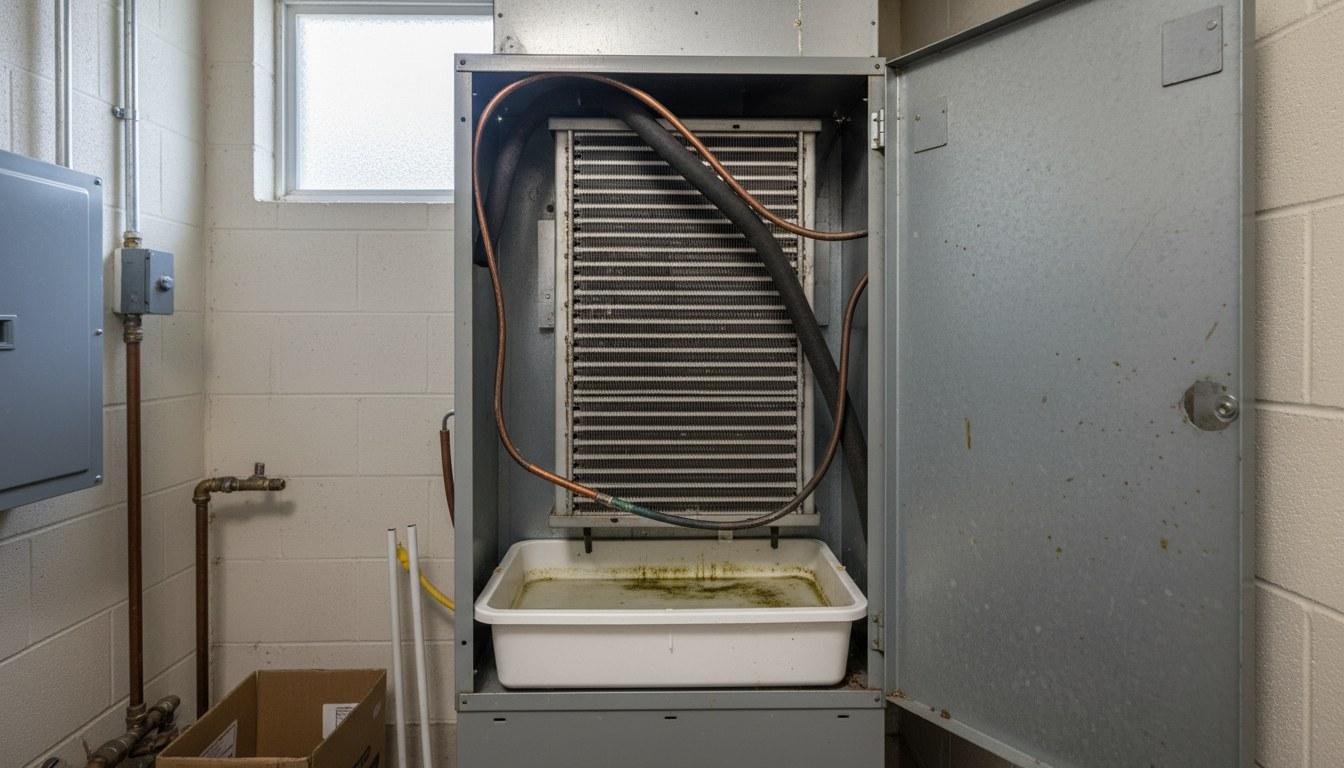
- Inspect the condensate drain line: Pour a cup of water into the drain pan to confirm it flows freely. A clogged line causes water damage and system shutdowns.
- Check refrigerant lines for insulation damage: The foam wrap on copper lines running into the home should be intact, with no cracks or gaps.
Summer (June through September)
During peak cooling season, the focus shifts to monitoring and keeping the system clean under heavy load.
- Check the air filter monthly: In dusty inland areas or homes with pets, filters can clog in as little as 30 days during summer.
- Keep vents open and unobstructed: Closing vents in unused rooms increases static pressure and strains the blower motor.
- Monitor energy bills: A sudden 15-20% increase in electricity use without a change in habits often signals a developing mechanical issue.
- Listen for unusual sounds: Grinding, rattling, or squealing that starts mid-season should be addressed before the system fails entirely.
Fall (October through November)
- Replace the filter again: End-of-season filter changes protect the system during any remaining warm days and prepare it for heating season.
- Rinse the condenser coils: A gentle rinse with a garden hose (not a pressure washer) removes summer dust buildup from the outdoor unit fins.
- Cover the condenser if not in use: A breathable mesh cover protects the unit from falling debris without trapping moisture.
Winter (December through February)
- Inspect ductwork for leaks: Gaps in duct joints waste conditioned air and force the system to work harder. The U.S. Department of Energy estimates that duct leakage accounts for up to 30% of energy waste in typical homes.
- Check the electrical disconnect box: Confirm the disconnect near the outdoor unit is secure and shows no signs of corrosion.
- Plan for spring service early: Book your tune-up appointment in January or February to lock in a preferred time slot.
What Does an Annual Professional AC Tune-Up Include?
A standard professional AC tune-up takes 60 to 90 minutes and covers a 20-point inspection that homeowners cannot fully replicate on their own. Key checks include refrigerant pressure levels, electrical connections, capacitor health, coil condition, and blower motor performance. Technicians also calibrate the thermostat, test safety controls, and measure system airflow in cubic feet per minute (CFM).
Here is what a thorough professional service covers:
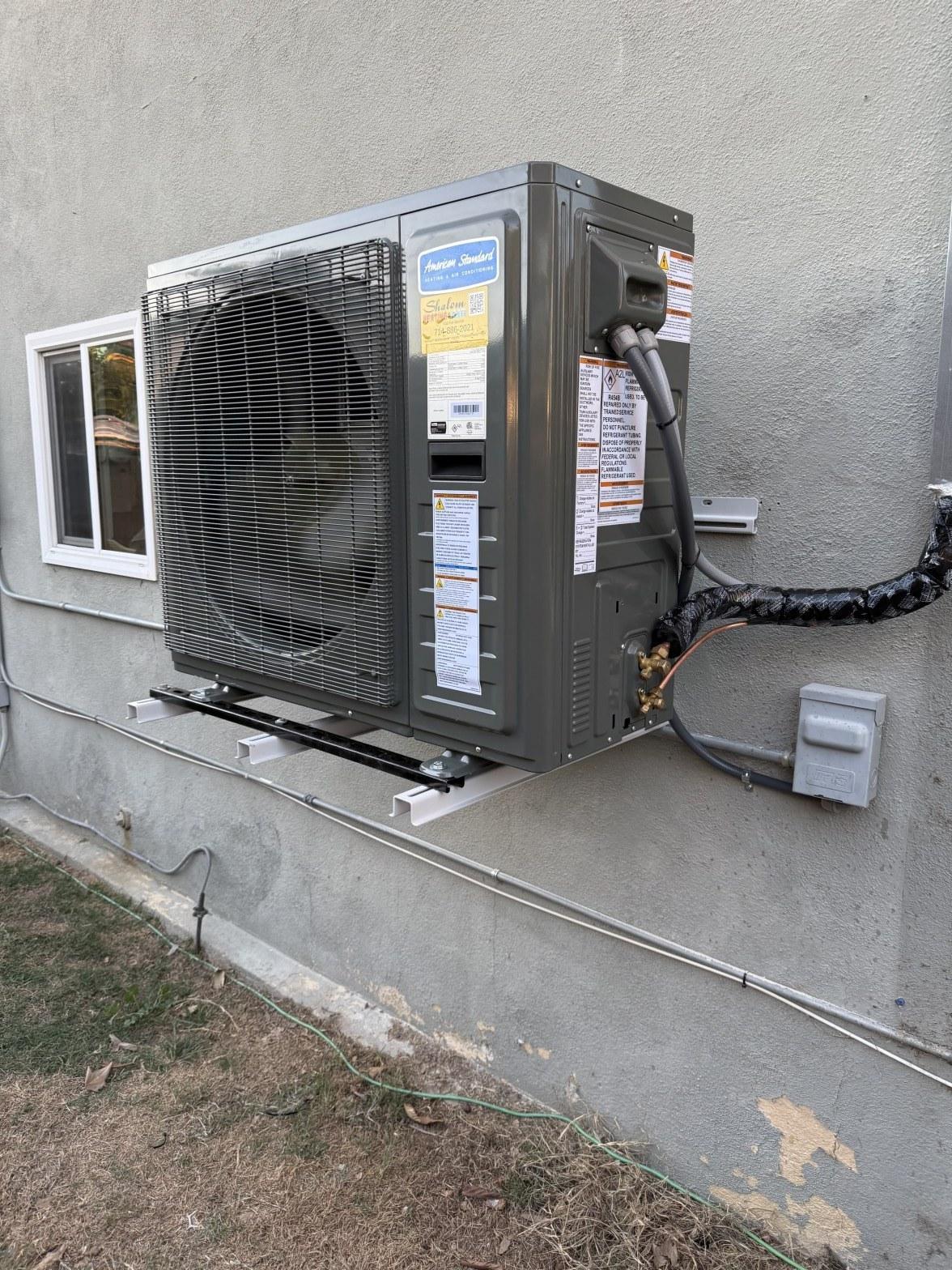
- Refrigerant level check: Low refrigerant usually means a leak. Under EPA refrigerant regulations (Section 608), only certified technicians may handle refrigerant. Systems that have been converted from R-22 to R-410A or the newer R-454B require a technician who understands each refrigerant’s pressure profile.
- Capacitor and contactor testing: Capacitors are the single most common part replaced during summer service calls. Our technicians replace capacitors on roughly 40 to 50 units each summer across the region, nearly all of them on systems more than 10 years old.
- Evaporator and condenser coil cleaning: Dirty coils reduce heat transfer efficiency by 20-30%, forcing the compressor to run longer cycles.
- Condensate drain flush: A technician clears the drain line with compressed air or a wet-dry vacuum to prevent water backup.
- Electrical connection tightening: Loose connections cause arcing, which can damage control boards that cost $300 to $700 to replace.
- Blower motor and belt inspection: The technician checks motor amperage draw against the nameplate rating and lubricates bearings where applicable.
- Thermostat calibration and system test: The system runs through a full cooling cycle while the technician measures supply and return air temperatures. A properly functioning system should produce a temperature differential of 16 to 22°F between supply and return air.
In California, work on HVAC systems must be performed by a contractor licensed by the California Contractors State License Board (CSLB). Always verify your technician’s CSLB license number before authorizing any repair or service work.
As of 2024, California’s Title 24 building energy standards also require that replacement systems meet minimum SEER2 efficiency ratings — currently 15.2 SEER2 for split systems in the state’s climate zones. A professional technician can advise you on whether your current system still meets these standards or whether an upgrade would qualify for an Inflation Reduction Act federal tax credit of up to $600 for qualifying high-efficiency equipment.
What Are the Most Common AC Maintenance Tasks — and How Often Should You Do Them?
Most AC maintenance failures happen not because homeowners do not know what to do, but because they do not know how often to do it. The table below gives a clear schedule for every key task.
| Maintenance Task | Recommended Frequency | DIY or Professional? |
|---|---|---|
| Air filter replacement | Every 1-3 months (monthly in dusty or pet households) | DIY |
| Condenser unit debris clearing | Monthly during cooling season | DIY |
| Condensate drain inspection | Every 3 months | DIY (flush) / Pro (deep clear) |
| Thermostat test and calibration | Every spring before cooling season | DIY (test) / Pro (calibration) |
| Evaporator coil cleaning | Annually | Professional |
| Condenser coil rinse | Twice yearly (spring and fall) | DIY (rinse) / Pro (deep clean) |
| Refrigerant level check | Annually | Professional only (EPA Section 608) |
| Electrical connections and capacitor check | Annually | Professional |
| Ductwork leak inspection | Every 2-3 years | Professional |
| Full system tune-up | Once per year (spring preferred) | Professional |
ENERGY STAR program guidelines recommend annual professional maintenance as the baseline for keeping a central air conditioner operating at rated efficiency. Systems that skip annual service typically see efficiency drop by 5% or more per year, which adds up to meaningfully higher electricity bills over a 3 to 5 year period.
What Warning Signs Should You Watch for Between Services?
Even a well-maintained system can develop problems between tune-ups. Catching warning signs early is one of the most practical ways to prevent AC breakdowns from becoming expensive emergency repairs. Watch for these red flags and act on them promptly.
- Warm or weak airflow from vents: This points to a clogged filter, low refrigerant, or a failing blower motor. Check the filter first. If the filter is clean, call a technician.
- Ice on the refrigerant lines or indoor coil: Ice buildup means restricted airflow or low refrigerant. Turn the system off and let it thaw for 2-3 hours before running it again. If ice returns, the system needs professional service.
- Unusual sounds — grinding, squealing, or banging: Grinding usually means a motor bearing is failing. Squealing can indicate a slipping belt or dry motor shaft. Banging often signals a loose or broken component inside the air handler. All three require prompt attention.
- Frequent short cycling: If the system turns on and off every 5-10 minutes without completing a full cooling cycle, it may be oversized, low on refrigerant, or have a failing thermostat or control board.
- Water pooling near the indoor unit: A clogged condensate drain is the most common cause. Left unaddressed, it can damage drywall, flooring, and the air handler cabinet within 24-48 hours.
- Musty or burning smell from vents: Musty odors indicate mold growth in the drain pan or on the evaporator coil. A burning smell suggests an electrical issue — turn the system off immediately and call a technician.
- Electricity bills rising without explanation: A 15% or higher spike in your cooling-season bill, with no change in usage habits, often means the system is working harder than it should due to a developing mechanical issue.
How Does Poor Maintenance Lead to Expensive Repairs?
Neglecting routine maintenance does not just reduce comfort — it creates a chain reaction of component failures that turns a $150 tune-up into a $1,500 repair or a full system replacement. Understanding how failures cascade helps homeowners see why prevention is always cheaper than repair.
The most common failure chain starts with a dirty air filter. When airflow is restricted, the evaporator coil gets too cold and freezes. Ice blocks airflow further, causing the compressor to work against high head pressure. Over time, that stress shortens the compressor’s life. Compressor replacement typically ranges from $1,200 to $2,500 in the Southern California market, depending on system size and refrigerant type — and on older systems, that cost often makes full replacement the more economical choice.
A second common failure path involves capacitors and contactors. These small electrical components degrade with heat exposure. On systems that run 8 or more hours per day during summer, a capacitor that was borderline healthy in spring can fail completely by July. Capacitor replacement on its own costs $150 to $350. But if a failed capacitor causes the compressor to hard-start repeatedly before the homeowner notices, the compressor itself can fail — turning a minor repair into a major one.
We see this pattern consistently across service calls in the region: systems that skipped professional maintenance for 3 or more consecutive years account for the majority of compressor failures and full replacements we respond to each summer.
Systems that skipped professional maintenance for 3 or more consecutive years account for the majority of compressor failures and full replacements we respond to each summer.
Refrigerant leaks are another costly consequence of deferred maintenance. A slow leak that goes undetected for a full season can starve the compressor of lubrication (refrigerant carries the compressor oil), causing internal damage that cannot be repaired — only replaced. Leak detection and repair in the regional market typically ranges from $250 to $600 depending on leak location and refrigerant type, compared to $1,500 to $3,500 or more for compressor replacement.
For homeowners considering an upgrade, TECH Clean California and SoCalREN rebate programs currently offer incentives for replacing older, lower-efficiency systems with heat pumps or high-SEER2 central AC units. A professional can help you determine whether your system’s repair costs justify replacement and whether you qualify for available rebates or the Inflation Reduction Act federal tax credit.
Schedule Your AC Maintenance with Shalom Heating & Air
Spring is the best time to get ahead of summer AC failures — and appointments fill up fast across communities in Los Angeles County, Orange County, and the surrounding region. Do not wait for a breakdown to find out your system needs service.
Shalom Heating & Air provides professional AC tune-ups, repairs, and installations for homeowners throughout CA. Whether you need a routine maintenance visit before the heat arrives or you are dealing with a system that is already showing warning signs, the team is ready to help.
Call (714) 886-2021 to schedule your appointment. Get a written quote before any work begins, and ask about current rebate programs that may offset the cost of a new system if yours is more than 15 years old.
Explore our full range of HVAC services across Southern California.
Frequently Asked Questions
How much does it usually cost to repair an AC unit in Southern California?
AC repair costs in the Southern California market typically range from $150 to $650 for common repairs like capacitor replacement, refrigerant recharge, or condensate drain clearing. More complex repairs such as compressor replacement generally range from $1,200 to $2,500 depending on system size. Getting a written estimate before any work begins helps you compare options and decide whether repair or replacement makes more financial sense.
How do I know if my AC compressor needs to be repaired or replaced?
Signs that your AC compressor may need attention include the system blowing warm air despite running, loud grinding or clanking sounds from the outdoor unit, and the outdoor unit humming but not starting. A technician will test the compressor's amperage draw and compare it to the nameplate rating — a reading well above spec usually means the compressor is failing. On systems older than 10-12 years, replacement is often more cost-effective than compressor repair.
Why is my air conditioner running but not cooling the house?
The most common reasons an AC runs without cooling are a clogged air filter restricting airflow, low refrigerant due to a leak, a frozen evaporator coil, or a failing compressor. Start by checking and replacing the air filter. If the filter is clean and the system still is not cooling, turn it off and call a licensed HVAC technician — continuing to run a system with low refrigerant or a frozen coil can cause compressor damage.
How often should I schedule professional AC maintenance?
ENERGY STAR and the U.S. Department of Energy both recommend at least one professional AC tune-up per year, ideally in spring before the cooling season starts. In Southern California, where systems run 6-8 months per year, annual service is the minimum — some homeowners with older systems or high-use households benefit from a second check in early fall. Consistent annual service is the single most reliable way to prevent AC breakdowns and extend system life.
Can I fix an AC refrigerant leak myself?
No — handling refrigerant requires EPA Section 608 certification, and it is illegal for uncertified individuals to purchase or work with refrigerants. If you suspect a refrigerant leak (signs include ice on the lines, warm air from vents, or a hissing sound near the outdoor unit), turn the system off and call a licensed HVAC technician. In the Southern California market, refrigerant leak detection and repair typically ranges from $250 to $600 depending on the leak location and refrigerant type.