AC Repair Guide: What to Expect, What It Costs, and When to Call a Pro
When your AC stops cooling, knowing what is wrong and what it will cost can save you time and money. This guide walks you through the most common AC problems, what repairs typically run in the Southern California market, and how to find a qualified technician.
What Are the Most Common AC Repairs?
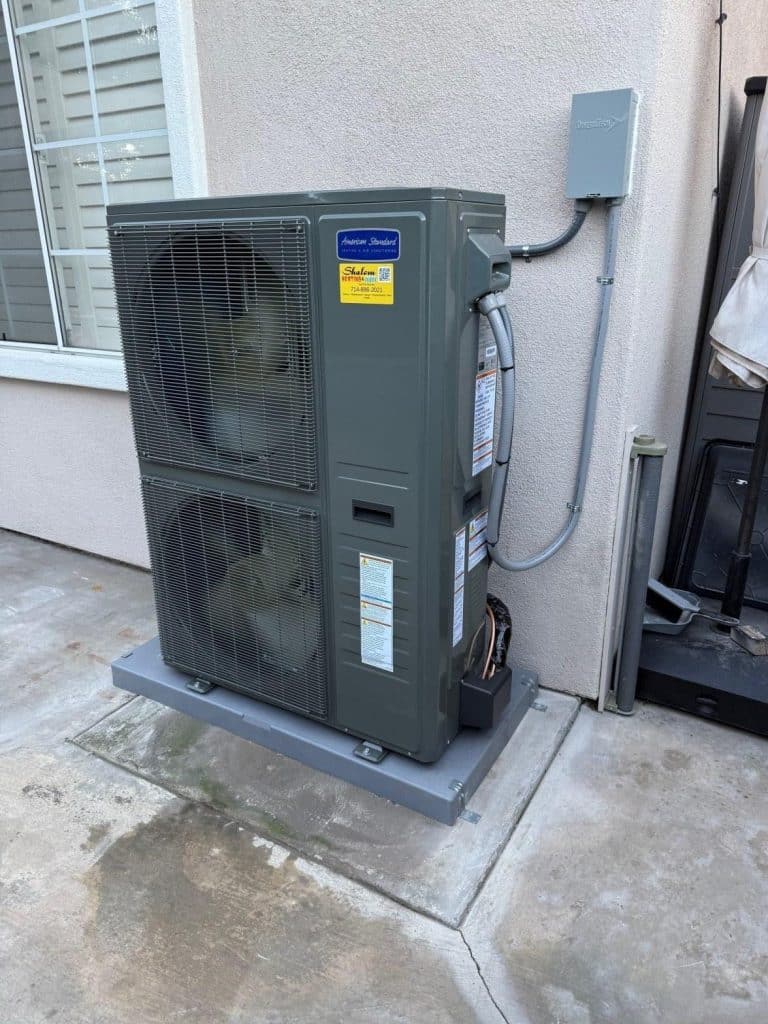
The most common AC repairs involve capacitors, refrigerant levels, condenser coils, fan motors, and clogged drain lines. Most of these problems develop gradually and show clear warning signs before the system fails completely. Catching them early is almost always cheaper than waiting for a full breakdown.
Here is a breakdown of the repairs HVAC technicians handle most often across Southern California:
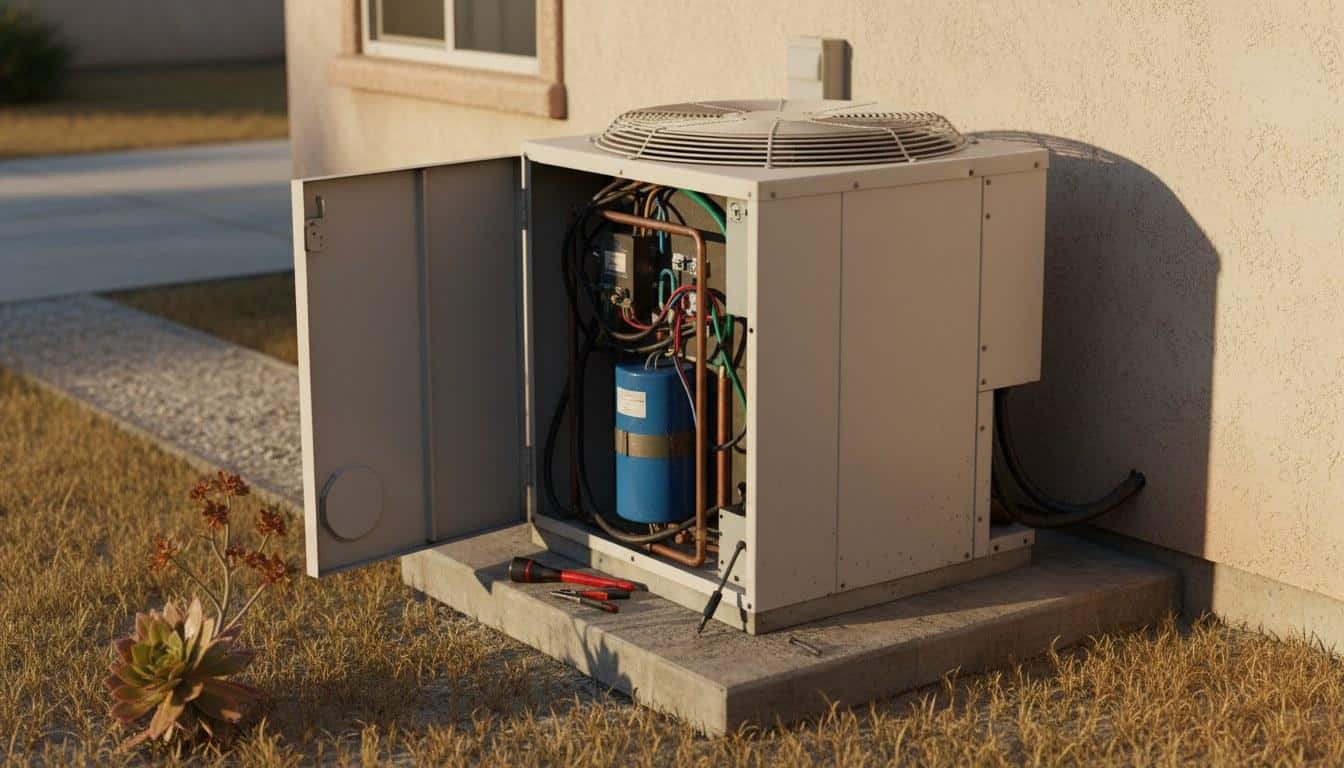
- Capacitor failure: The capacitor starts and runs the compressor and fan motors. When it fails, the system may hum but not cool. This is one of the most frequent summer service calls.
- Low refrigerant or refrigerant leak: If the system is low on refrigerant, it cannot transfer heat efficiently. Under EPA refrigerant regulations (Section 608), only certified technicians may handle refrigerants, so this is never a DIY fix.
- Dirty or frozen evaporator coil: Restricted airflow from a clogged filter can cause the coil to ice over and block cooling entirely. Thawing and cleaning the coil restores function in most cases.
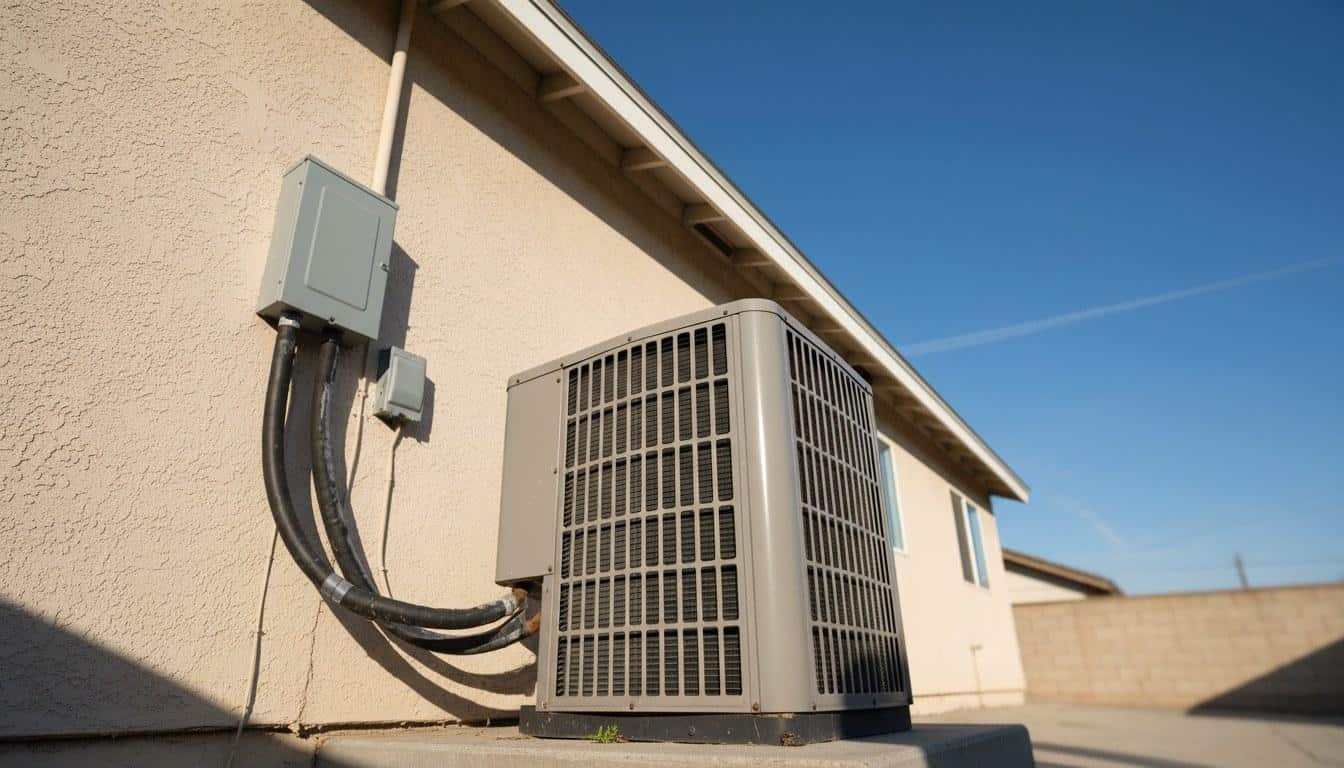
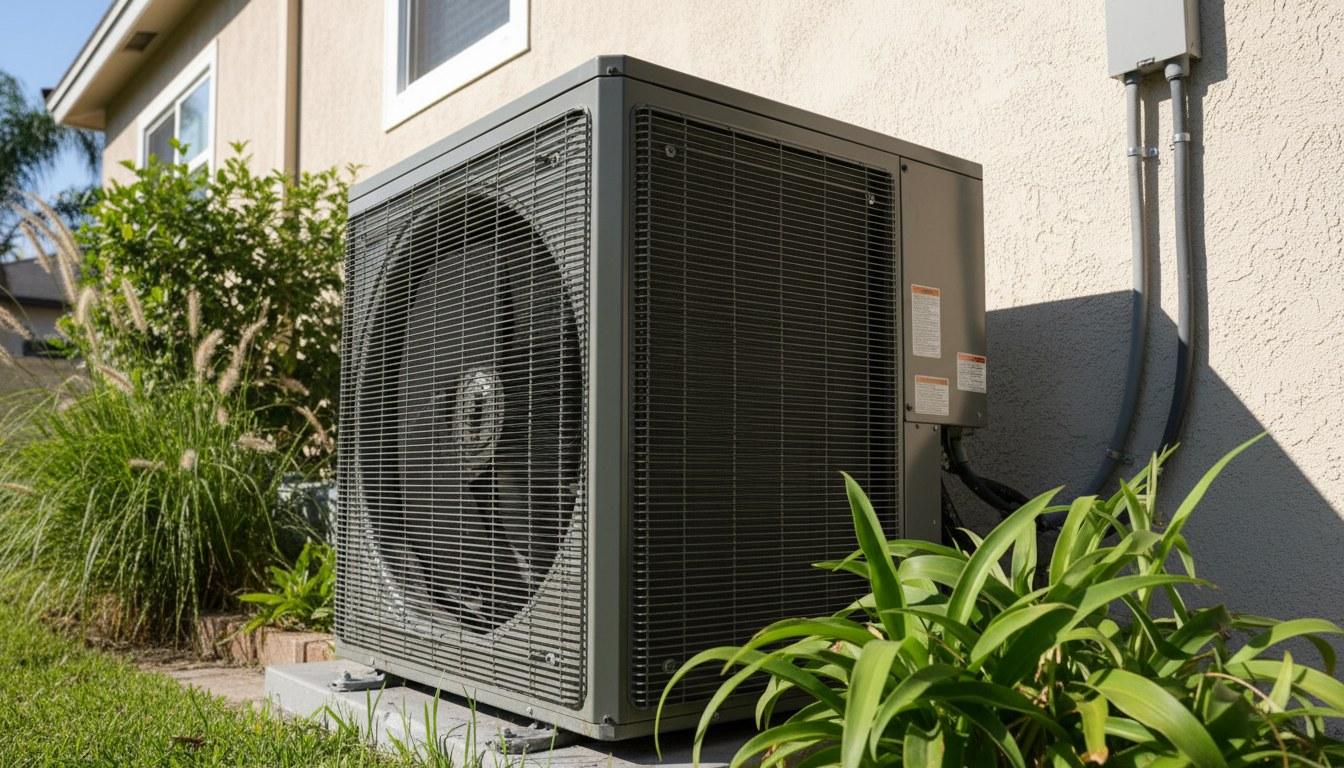
- Condenser coil fouling: The outdoor unit pulls in dust, pollen, and debris. A heavily fouled condenser coil forces the compressor to work harder and shortens its life.
- Fan motor failure: Both the indoor blower motor and the outdoor condenser fan motor can burn out. A failed motor means no airflow or no heat rejection.
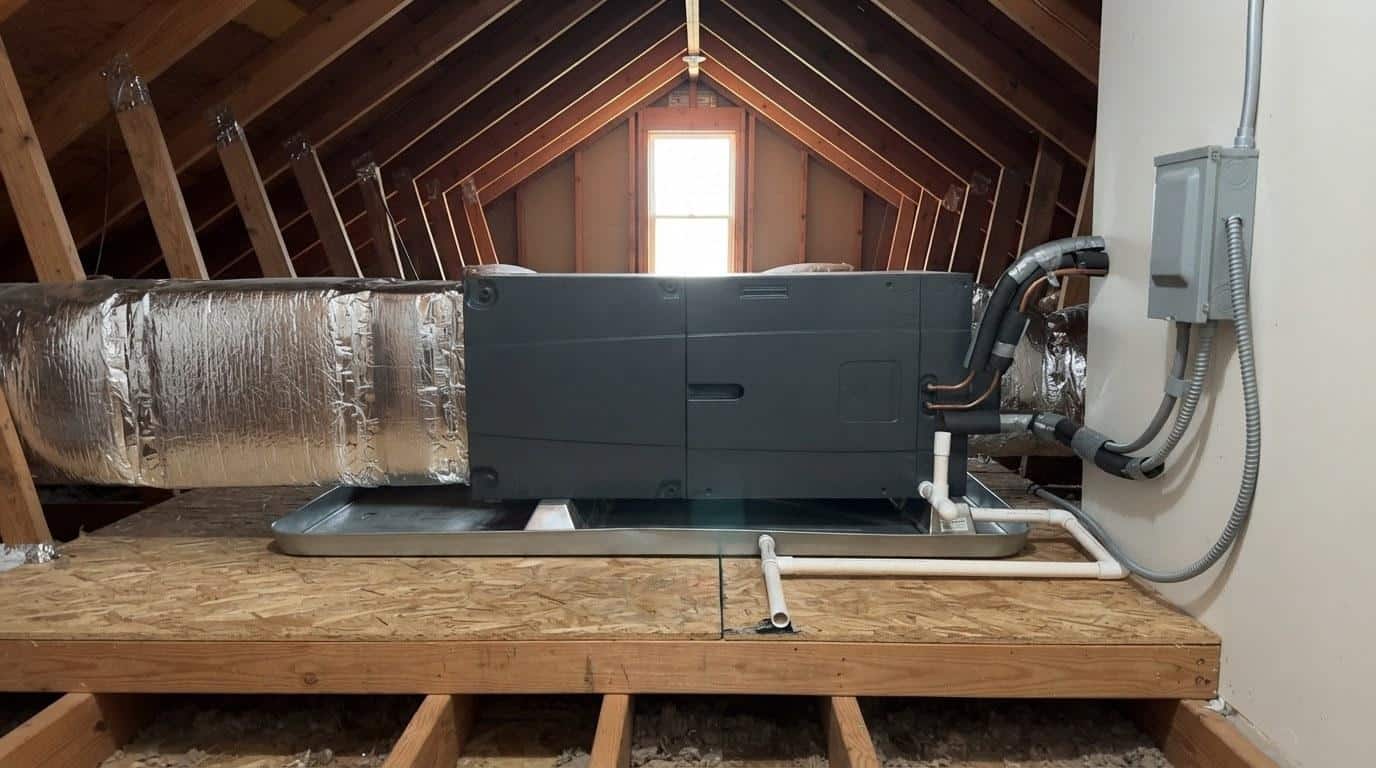
- Clogged condensate drain line: The drain line removes humidity from the air. When it clogs, water backs up into the air handler and can trigger a safety shutoff or cause water damage.
- Thermostat or control board issues: A miscalibrated thermostat or a faulty control board can cause short cycling, no cooling calls, or erratic operation.
Our technicians often find that when a condenser coil is heavily fouled, the compressor is already running at elevated pressure, which shows up in the refrigerant readings before any other symptom appears. Catching that early avoids a much more expensive compressor replacement later.
How Much Does AC Repair Cost in Southern California?
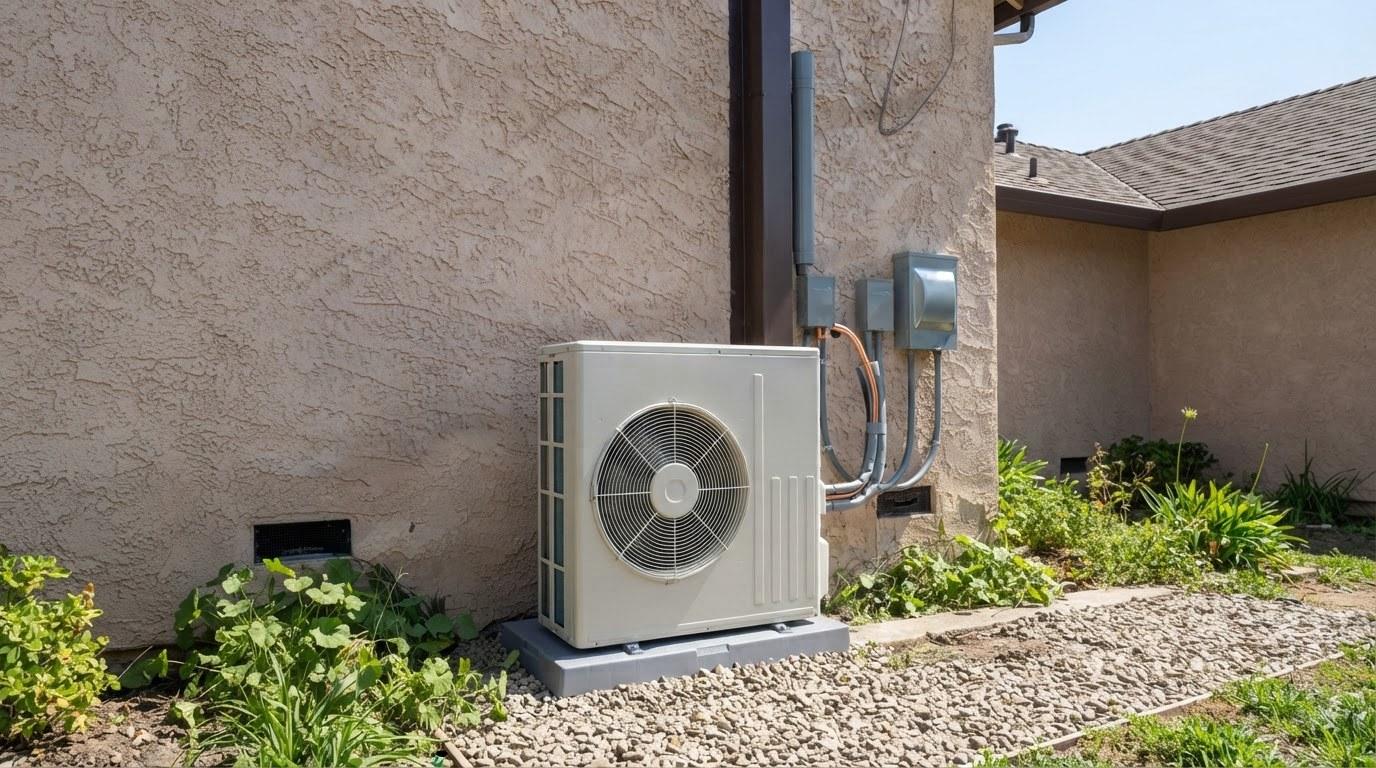
In the Southern California market, most residential AC repairs typically range from around $150 to $1,500, depending on the part involved, the refrigerant type, and system access. Compressor replacement is the most expensive single repair and can run $1,200 to $2,500 or more. Minor fixes like capacitor swaps or drain line clearing generally fall at the lower end of that range.
The table below shows typical cost ranges for the most common repairs in this market. These are market context figures, not quotes from any single contractor.
| Repair Type | Typical Market Range (CA) | Key Cost Drivers |
|---|---|---|
| Capacitor replacement | $150 to $350 | Single or dual-run, tonnage of unit |
| Refrigerant recharge (R-410A) | $200 to $600 | Amount needed, leak detection included or not |
| Refrigerant recharge (R-22 legacy) | $400 to $1,000+ | R-22 is phased out; supply is limited and expensive |
| Evaporator or condenser coil cleaning | $150 to $400 | Degree of fouling, coil access |
| Fan motor replacement | $300 to $700 | Indoor blower vs. outdoor condenser fan, motor size |
| Condensate drain clearing | $75 to $250 | Severity of clog, access to the drain pan |
| Thermostat replacement | $150 to $500 | Smart thermostat vs. standard, wiring complexity |
| Compressor replacement | $1,200 to $2,500+ | Tonnage, refrigerant type, warranty status |
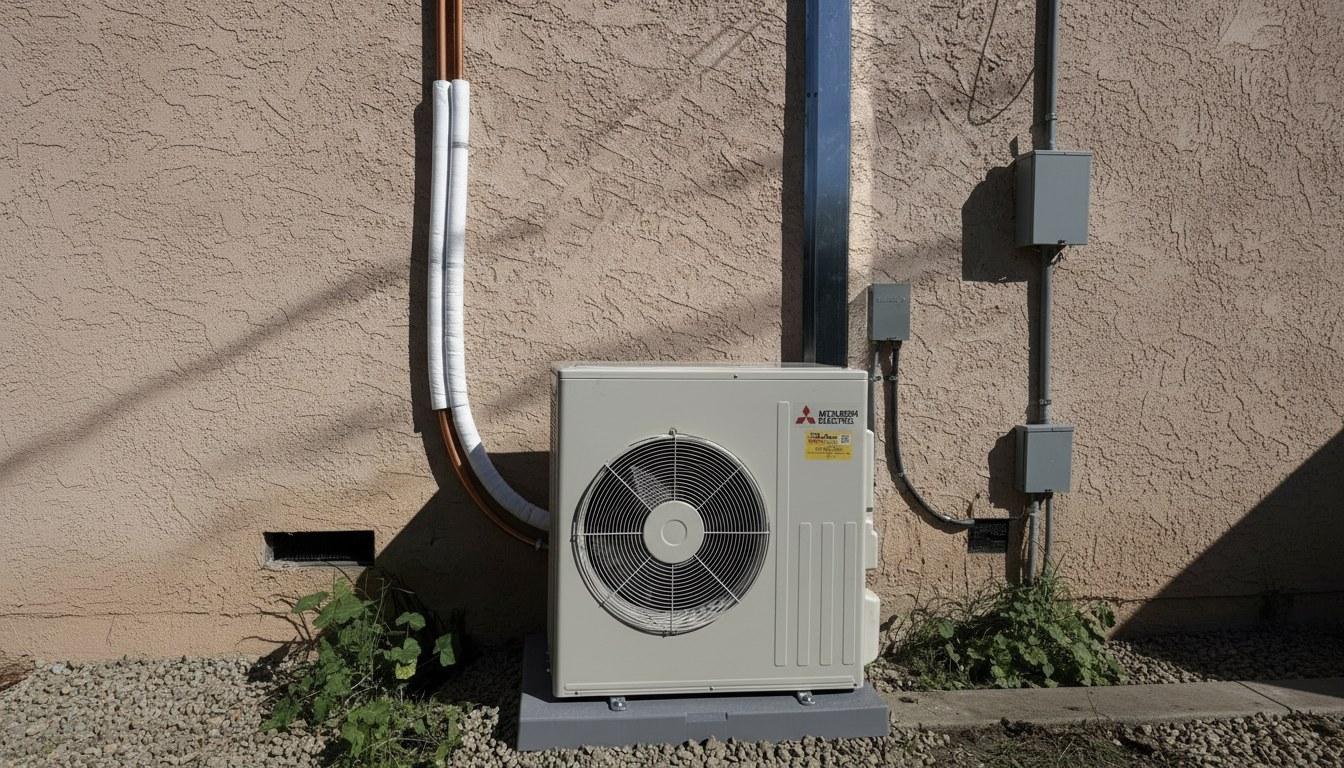
Several factors push costs up or down. Systems older than 10 years may require harder-to-find parts. Units using legacy R-22 refrigerant face higher material costs because R-22 production ended under the EPA’s phaseout schedule. Ductless mini-split repairs can differ from central system repairs in labor time and part sourcing.
For an accurate number on your specific system, request a custom quote before any work begins. Call (714) 886-2021 to schedule a diagnostic visit.
How Do You Know When Your AC Needs Professional Service?
Your AC needs professional service when it is blowing warm air, making unusual noises, producing weak airflow, tripping the circuit breaker, or leaking water around the air handler. These are not problems that resolve on their own. Ignoring them typically leads to a larger repair bill or a full system failure during a heat wave.
Watch for these specific warning signs:
- Warm air from vents: If the air coming out is room temperature or warmer, the compressor or refrigerant circuit likely has a problem.
- Short cycling: The system turns on and off every few minutes without completing a full cooling cycle. This stresses the compressor and raises energy bills.
- Grinding, banging, or squealing sounds: These often point to a failing motor bearing, a loose blower wheel, or a refrigerant line vibration issue.
- Ice on the unit: Ice on the evaporator coil or refrigerant lines means airflow is blocked or refrigerant is low. Running the system while iced can damage the compressor.
- Water pooling near the air handler: A backed-up condensate drain or a frozen coil that thawed can leave standing water, which promotes mold growth inside the air handler.
- Sudden spike in energy bills: A system working harder than it should draws more power. If your bill jumps without a change in usage habits, have the system checked.
- Thermostat unresponsive: If the system does not respond to thermostat changes, the issue could be the thermostat itself, the control board, or a wiring fault.
A good rule of thumb from the U.S. Department of Energy: if your system is running but not keeping the home within 20 degrees of the outdoor temperature on a hot day, something is wrong and a technician should inspect it. Southern California summers regularly push temperatures above 90 degrees Fahrenheit in inland communities, so a struggling system gets exposed quickly.
Repair vs. Replace: How Do You Decide?
The standard industry rule is to replace an AC system when the repair cost exceeds 50 percent of the cost of a new unit, especially if the system is 10 years old or older. A newer system under warranty almost always makes sense to repair. An aging system near the end of its useful life is usually better replaced.
The standard industry rule is to replace an AC system when the repair cost exceeds 50 percent of the cost of a new unit, especially if the system is 10 years old or older.
Use the factors below to guide the decision:
- System age: Central AC systems have a typical lifespan of 15 to 20 years with proper maintenance. If your unit is 12 or more years old and facing a major repair, replacement is often the smarter investment.
- Refrigerant type: Systems using R-22 refrigerant cannot be updated to use newer refrigerants without replacing the equipment. Every repair on an R-22 system is a short-term fix on a dead-end platform.
- Repair frequency: If you have paid for two or more significant repairs in the past three years, the cumulative cost is likely approaching replacement cost anyway.
- Efficiency rating: As of 2023, new AC systems sold in the Southwest must meet a minimum SEER2 rating of 14.3 under updated U.S. Department of Energy efficiency standards. A 10-year-old unit likely runs at SEER 10 to 13, meaning a new system can cut cooling energy use significantly.
- Active warranty: If the compressor or coil is still under the manufacturer’s parts warranty, repair costs drop substantially. Always check warranty status before deciding.
California homeowners replacing a system may also qualify for the Inflation Reduction Act federal tax credit, which covers up to 30 percent of the cost of qualifying high-efficiency heat pumps and AC equipment through 2032. The TECH Clean California program may offer additional rebates depending on the equipment and utility territory. A qualified contractor can confirm eligibility during a quote visit.
What Does a Professional AC Repair Visit Actually Include?
A standard professional AC repair visit begins with a system diagnostic, followed by a written explanation of what is wrong, and then the repair itself once you approve the work. A thorough technician does not just fix the reported symptom. They check the whole system to make sure nothing else is about to fail.
Here is what a professional visit typically covers, step by step:
- System diagnostic: The technician measures supply and return air temperatures, checks refrigerant pressure, inspects electrical components, and tests the thermostat response.
- Visual inspection: The outdoor condenser coil, indoor air handler, ductwork connections, and drain pan are all checked for visible damage, fouling, or leaks.
- Electrical testing: Capacitors, contactors, and wiring connections are tested with a multimeter. A failing capacitor often reads outside its rated microfarad tolerance before it fails completely.
- Refrigerant check: Refrigerant pressure is measured against the manufacturer’s specifications. If a leak is suspected, a leak detection test is performed. Any refrigerant work must comply with EPA refrigerant regulations (Section 608).
- Repair recommendation and approval: The technician explains the findings in plain language and provides a written estimate before touching anything. You approve the scope before work begins.
- Repair and retest: After the repair, the technician runs the system through a full cooling cycle and confirms temperatures, pressures, and airflow are back within normal range.
Work completed to ACCA (Air Conditioning Contractors of America) standards includes a proper load check to confirm the system is sized and operating correctly for the space it serves, not just that it turns on. This matters especially after a major component replacement.
How Do You Choose a Qualified AC Repair Contractor?
Choose an AC repair contractor who holds a valid C-20 (Warm-Air Heating and Air Conditioning) license issued by the California Contractors State License Board (CSLB), carries liability insurance, and provides a written estimate before any work begins. These three requirements protect you from unlicensed work, uninsured liability, and surprise charges.
Here is what to verify before hiring:
- CSLB license verification: You can confirm any contractor’s license status for free at cslb.ca.gov. A valid license means the contractor has passed state exams and carries workers’ compensation coverage.
- EPA 608 certification: Any technician handling refrigerants must hold an EPA Section 608 certification. Ask for it if refrigerant work is involved.
- Written estimate: A reputable contractor provides a written breakdown of parts and labor before starting. Verbal estimates leave you with no recourse if the bill comes in higher.
- Warranty on parts and labor: Ask what warranty the contractor provides on the repair itself, separate from any manufacturer parts warranty.
- No-pressure diagnostic: A trustworthy contractor will complete the diagnostic, explain the findings, and let you decide. High-pressure upselling during a service call is a red flag.
Across Southern California, homeowners in communities across the region, communities across the region all deal with the same summer heat load and the same pool of contractors. The licensing and verification steps above apply regardless of which part of the region you are in. HVAC repair in Anaheim carries the same code requirements as air conditioning repair in Cerritos or anywhere else in the state.
This ac repair guide is most useful when you use it before you hire, not after a problem has already been mishandled. Checking credentials takes five minutes and can save hundreds of dollars.
Ready to Get Your AC Fixed? Contact Shalom Heating & Air
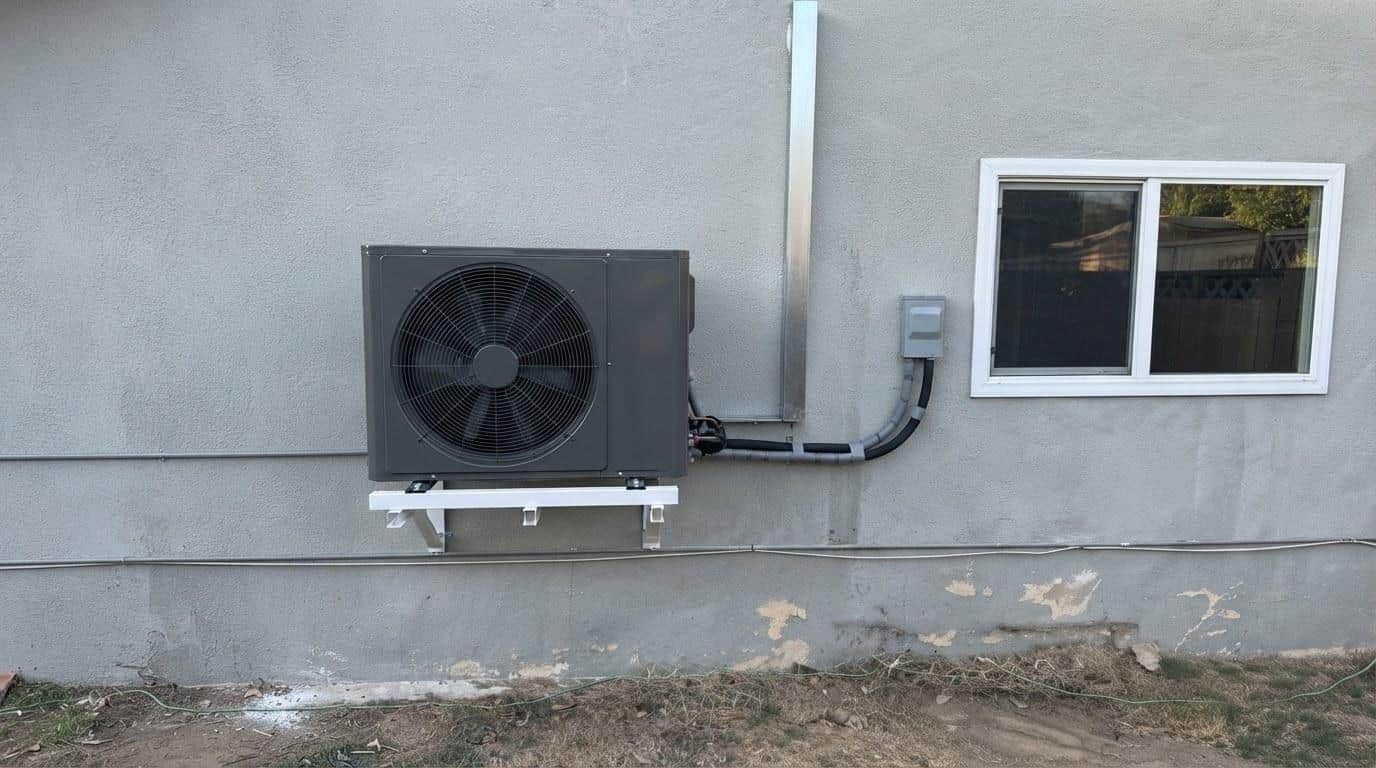
When your AC stops working, you want a licensed, insured contractor who will diagnose the problem honestly and fix it right the first time. Shalom Heating & Air serves homeowners across Southern California with AC repair, heating service, ductless mini-split work, indoor air quality solutions, and more.
Licensed by the California Contractors State License Board (CSLB), Shalom Heating & Air provides written estimates before any work begins and stands behind its repairs. Whether your system is short cycling, blowing warm air, or making a noise it never made before, the team can diagnose and resolve it.
Call (714) 886-2021 to schedule your diagnostic visit. Get a written quote before any work starts and know exactly what you are paying for before the repair begins.
Explore our full range of HVAC services across Southern California.
Frequently Asked Questions
How much does it usually cost to repair an AC unit in Southern California?
Most residential AC repairs in Southern California typically range from about $150 to $1,500, depending on the part and the complexity of the work. Minor repairs like capacitor replacements or drain line clearing fall at the lower end. Compressor replacement is the most expensive single repair and can exceed $2,000. The best way to get an accurate number is to schedule a diagnostic visit and get a written estimate before approving any work.
How do I know if my AC needs refrigerant or just a cleaning?
If your AC is blowing air that is slightly cool but not cold, and the outdoor unit is running normally, low refrigerant is a likely cause. If the system is barely moving air at all, a dirty evaporator coil or clogged filter is more likely the issue. A technician will measure refrigerant pressure and check airflow to tell you which problem you have. Only an EPA-certified technician can legally handle refrigerants under Section 608 regulations.
Should I repair my old AC or just replace it?
If the repair cost is more than 50 percent of the cost of a new system and the unit is 10 or more years old, replacement usually makes more financial sense. Systems using legacy R-22 refrigerant are especially strong candidates for replacement because R-22 is no longer produced and recharging it is expensive. A new high-efficiency system may also qualify for the Inflation Reduction Act federal tax credit, which covers up to 30 percent of qualifying equipment costs through 2032.
Why is my air conditioner running but not cooling the house?
The most common reasons an AC runs without cooling are low refrigerant, a dirty evaporator coil, a failed capacitor, or a frozen coil caused by restricted airflow. Start by checking your air filter and replacing it if it is dirty, then see if the outdoor unit is running. If both look normal but the house is still not cooling, the system needs a professional diagnostic to find the exact cause.
How long does a typical AC repair take?
Most common AC repairs, such as a capacitor swap, a condensate drain clearing, or a fan motor replacement, are completed in one to three hours during a single visit. Refrigerant leak detection and recharge can take two to four hours depending on where the leak is located. Compressor replacement is the longest job and may require a full day, especially if parts need to be ordered. A technician can give you a time estimate once the diagnostic is complete.