AC Spring Maintenance Checklist: Get Your Air Conditioner Ready Before Summer Heat Hits
Spring is the best time to run through an ac spring maintenance checklist before California's heat arrives. This guide covers every task homeowners should do now, plus the signs that mean it's time to call a licensed technician.
Why Does Spring AC Maintenance Matter So Much in Southern California?
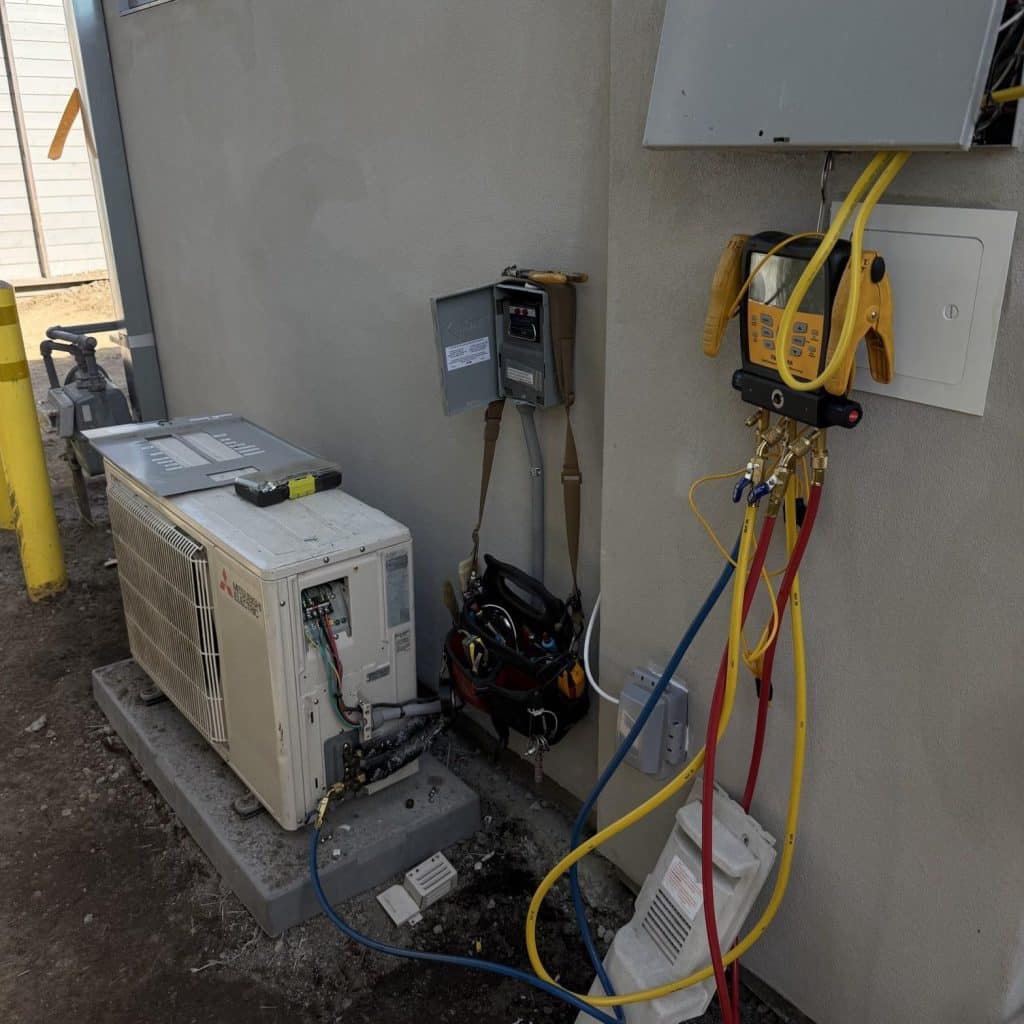
Southern California summers push air conditioners hard, with inland temperatures regularly climbing above 95°F from June through September. A system that sat idle all winter needs to be checked before that load arrives. Skipping spring prep is one of the most common reasons homeowners end up calling for emergency air conditioning repair in the middle of a heat wave, when technician schedules are packed and wait times stretch into days.
According to the U.S. Department of Energy, a well-maintained central air conditioner uses significantly less energy than a neglected one, and routine upkeep extends equipment life well beyond the industry average of 15 to 20 years. In a region where the cooling season can run six months or more, that difference adds up fast on your utility bill.
Spring is also the right window because HVAC technicians are not yet fully booked. Once June arrives, air conditioning service appointments in communities across Orange County and Los Angeles County fill within days. Getting ahead of the rush means you choose your schedule, not the other way around.
What Is on a Complete AC Spring Maintenance Checklist?
A thorough ac spring maintenance checklist covers eight core areas: the air filter, condenser coils, evaporator coils, refrigerant charge, electrical connections, thermostat calibration, ductwork, and the condensate drain line. Working through each one in order takes most homeowners one to two hours for the DIY portions, with a professional tune-up adding another 60 to 90 minutes on top.
Filter Replacement
A clogged filter is the single most common cause of reduced airflow and early compressor failure. Standard 1-inch filters should be replaced every 30 to 90 days depending on household dust levels and whether pets are present. Thicker 4-inch media filters can last up to 12 months, but spring is a good time to swap them regardless.
Condenser Unit Cleaning
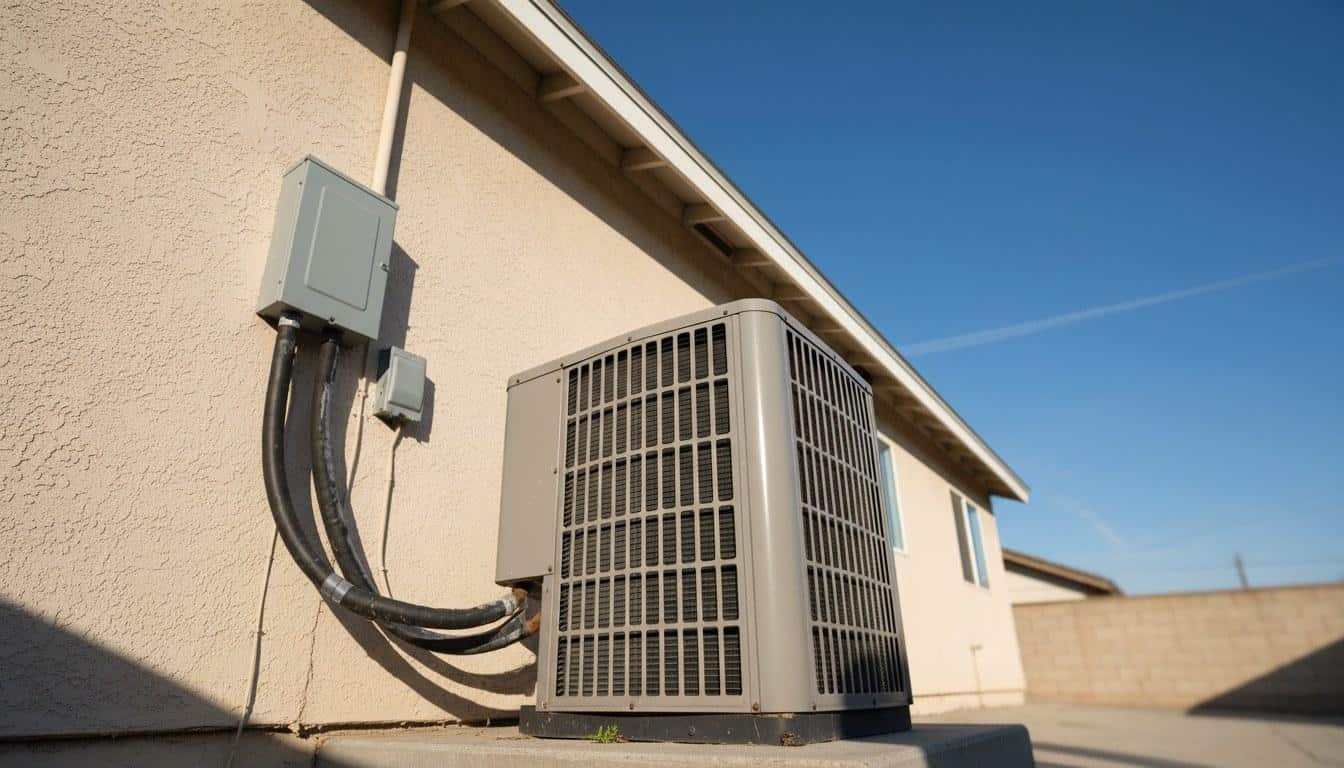
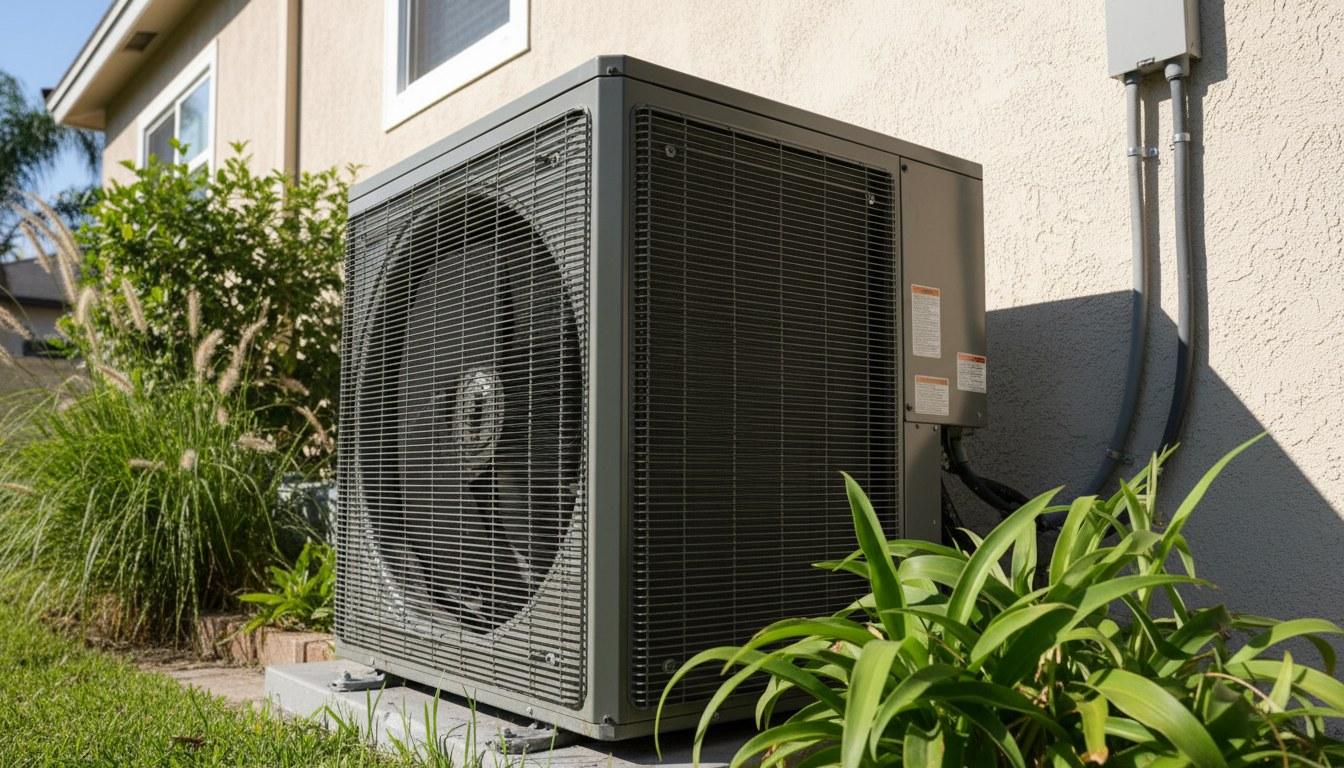
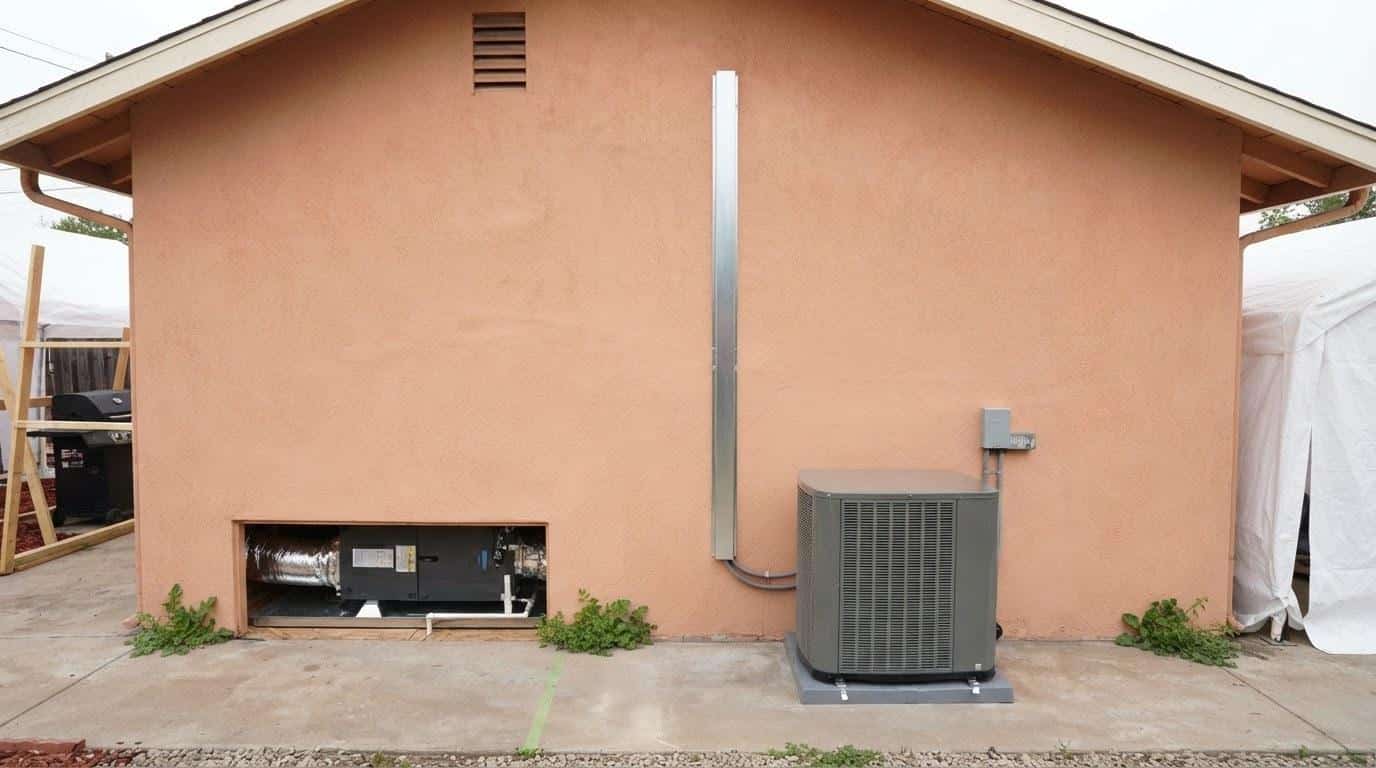
The outdoor condenser collects leaves, cottonwood, and dust over winter. Rinse the fins gently with a garden hose from the inside out to avoid bending them. Keep at least 2 feet of clearance around the unit on all sides. Our technicians often find the fins on the back panel are the most clogged because that side faces prevailing winds, yet it is the side homeowners are least likely to inspect.
Evaporator Coil Inspection
The indoor evaporator coil sits inside the air handler and is harder to access. Dirty coils reduce heat transfer efficiency and can cause the coil to freeze, shutting the system down. This step is best left to a licensed technician who can also check for refrigerant leaks at the same time.
Refrigerant Level Check
Low refrigerant is almost always the result of a leak, not normal consumption. Under EPA refrigerant regulations (Section 608), only certified technicians may purchase and handle refrigerants like R-410A. If your system uses the older R-22, note that it has been phased out of production since 2020, making repairs more expensive as supplies tighten.
Thermostat Calibration
A thermostat that reads 2 to 3 degrees off can cause your system to short-cycle or run longer than needed. Smart thermostats compatible with ENERGY STAR ratings can reduce cooling costs by up to 8 percent annually according to EPA estimates. Spring is a good time to test the thermostat in cooling mode before you actually need it.
Condensate Drain Line Flush
The condensate drain removes moisture pulled from indoor air. A clogged drain line can cause water damage to ceilings and walls, and it triggers the safety float switch that shuts the system off. Flush the line with a cup of diluted white vinegar every spring to prevent algae buildup.
Ductwork Visual Check
Leaky ducts waste 20 to 30 percent of conditioned air before it reaches living spaces, according to DOE data. Walk your attic or crawlspace and look for disconnected sections, visible gaps at joints, or insulation that has fallen away from flex duct. Sealing leaks with mastic sealant or metal-backed tape (not standard duct tape) is a high-return repair.
Leaky ducts waste 20 to 30 percent of conditioned air before it reaches living spaces, making duct sealing one of the highest-return repairs a homeowner can make.
Electrical Connection Inspection
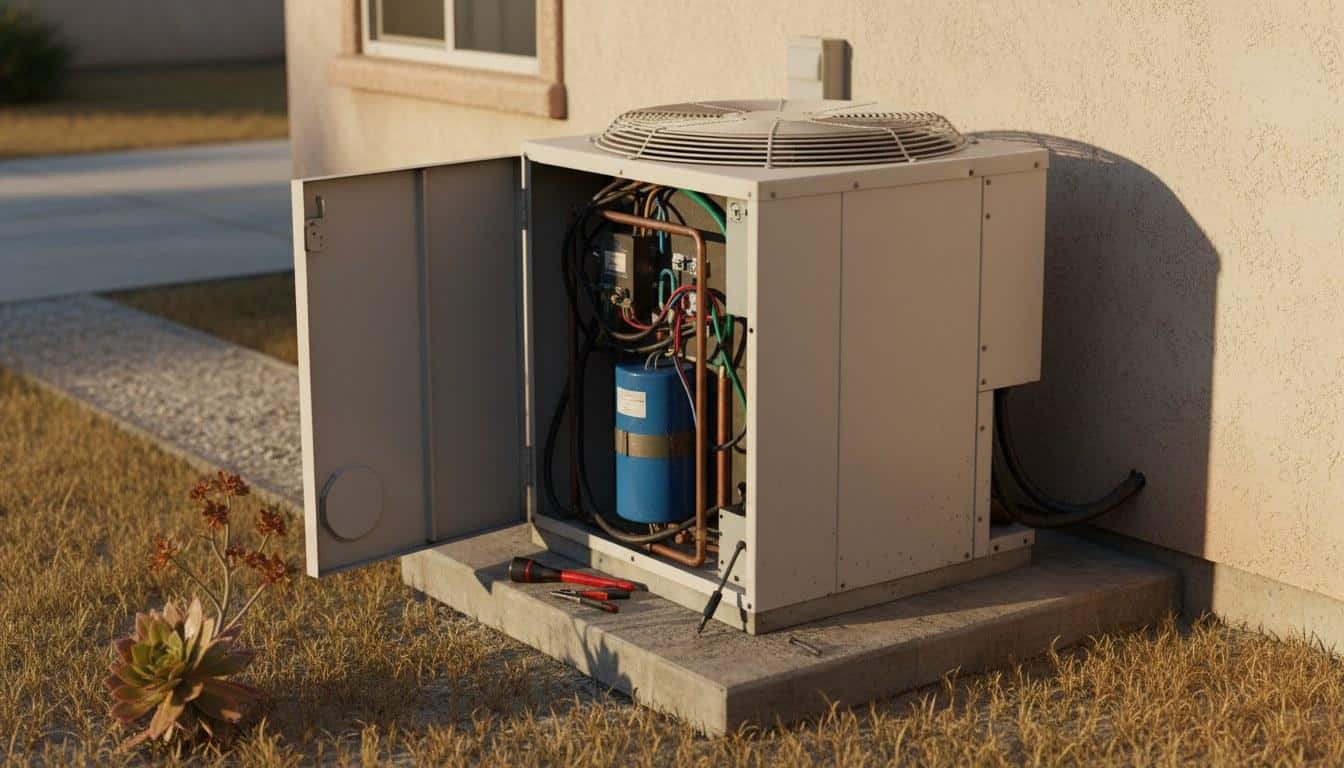
Loose or corroded electrical connections are a fire and equipment risk. This step requires turning off power at the disconnect box before opening the unit’s electrical panel. Unless you are comfortable working around electrical components, leave this to a licensed professional.
Which Tasks Can You Do Yourself and Which Need a Pro?
Homeowners can safely handle filter changes, condenser rinsing, thermostat testing, and drain line flushing. Everything involving refrigerant, electrical panels, or internal coil access requires a licensed HVAC technician. The table below breaks it down clearly.
| Task | Frequency | DIY or Pro? |
|---|---|---|
| Air filter replacement | Every 1 to 3 months | DIY |
| Condenser coil rinse | Every spring | DIY (exterior fins only) |
| Condensate drain flush | Every spring | DIY |
| Thermostat test and calibration | Every spring | DIY (basic test); Pro (calibration) |
| Evaporator coil cleaning | Annually | Pro |
| Refrigerant level check | Annually or if cooling drops | Pro only (EPA Section 608) |
| Electrical connection tightening | Annually | Pro |
| Ductwork leak inspection and sealing | Every 3 to 5 years | Pro (thorough); DIY (visible gaps) |
| Blower motor and belt check | Annually | Pro |
| Safety controls and capacitor test | Annually | Pro |
What Does a Professional AC Tune-Up Actually Include?
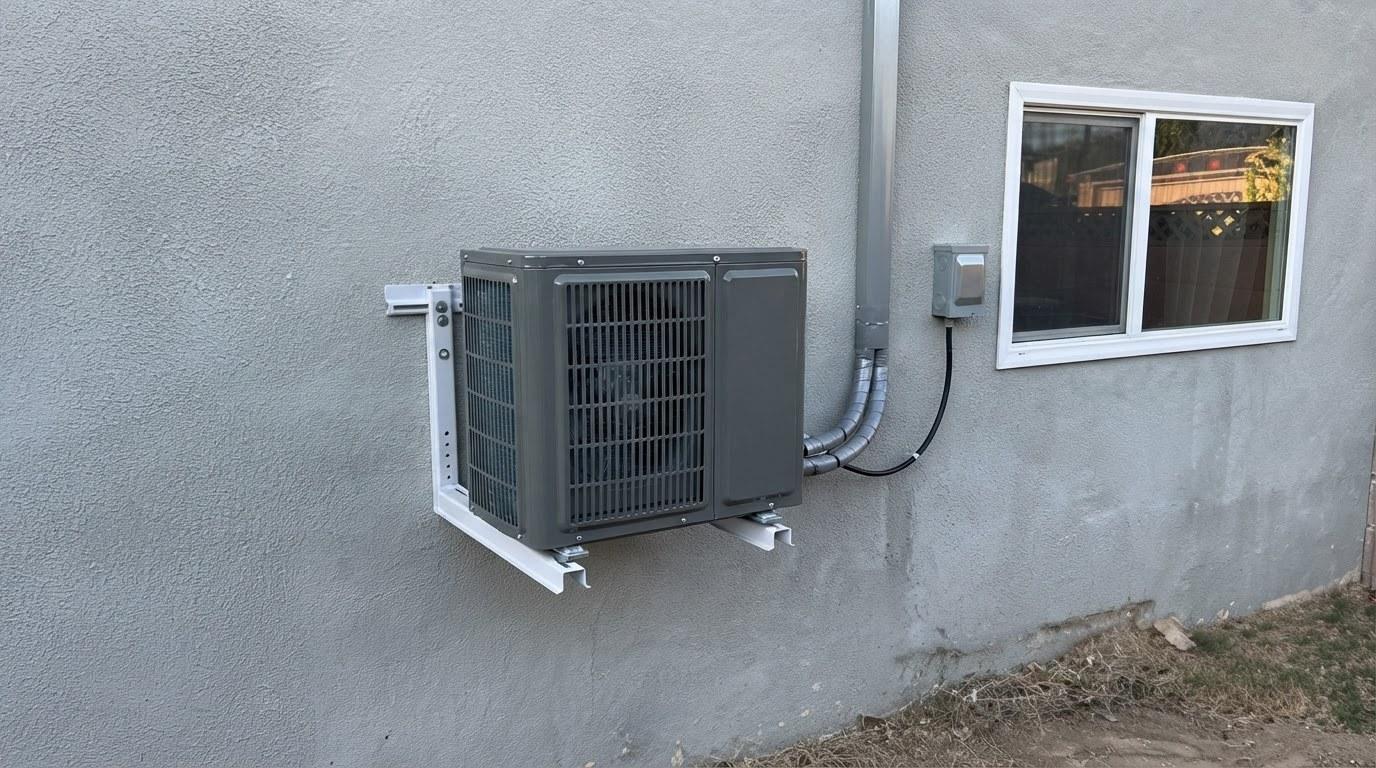
A professional spring tune-up typically takes 60 to 90 minutes and covers a 20-point inspection that goes well beyond what a homeowner can do with a garden hose and a flashlight. Technicians use calibrated gauges, multimeters, and manufacturer diagnostic specs to catch problems that are invisible to the naked eye.
A standard professional visit generally includes:
- Refrigerant pressure test: Gauges confirm the system holds the correct charge for its rated capacity. Low pressure points to a leak that must be located and repaired before recharging.
- Capacitor and contactor check: Capacitors are the most frequently replaced component in Southern California systems because heat degrades them faster than in cooler climates. A weak capacitor causes hard starts and shortens compressor life.
- Blower motor amperage reading: A motor drawing more current than its nameplate rating is working too hard, usually because of a dirty blower wheel or failing bearings.
- Evaporator coil cleaning: Technicians use coil-safe foaming cleaners to remove biological buildup that reduces heat transfer and contributes to poor indoor air quality.
- Electrical connection torque check: Loose terminals cause arcing, which can burn wiring and trip breakers at the worst possible time.
- Thermostat and controls calibration: The technician verifies the thermostat reads accurately and that staging controls respond correctly for two-stage or variable-speed systems.
- Airflow measurement: Static pressure readings across the system reveal duct restrictions, dirty coils, or undersized return air that rob efficiency.
- Safety controls test: High-pressure cutoffs, float switches, and limit switches are cycled to confirm they will shut the system down before damage occurs.
California’s Title 24 building energy standards require that HVAC systems meet minimum efficiency thresholds, and proper refrigerant charge is part of that compliance picture. A licensed technician familiar with California’s Title 24 building energy standards will document the system’s condition in a way that supports any future permit or rebate application.
Homeowners in Southern California may also qualify for rebates through the TECH Clean California program when upgrading to higher-efficiency equipment as part of a service visit. Ask your technician whether your current system’s SEER2 rating qualifies for any available incentives.
What Warning Signs Should You Watch for Between Services?
Between annual tune-ups, your air conditioner will often signal trouble weeks before it fails completely. Catching these early saves the cost of emergency air conditioning repair and prevents the discomfort of a breakdown on a 100-degree day.
- Warm air from vents: If the system runs but blows air that is not noticeably cooler than room temperature, the most common causes are low refrigerant, a frozen evaporator coil, or a failing compressor.
- Weak airflow: Reduced air volume from registers usually points to a clogged filter, a dirty blower wheel, or a duct that has collapsed or disconnected.
- Short cycling: A system that turns on and off every few minutes is often oversized, has a refrigerant problem, or has a failing thermostat. Short cycling puts enormous stress on the compressor.
- Unusual noises: Banging or clanking suggests a loose component inside the air handler or compressor. Squealing points to a worn belt or dry motor bearing. Clicking at startup and shutdown is normal; clicking that continues during operation is not.
- Water pooling near the air handler: Standing water means the condensate drain is blocked or the drain pan has cracked. Left unaddressed, this causes mold growth and ceiling damage.
- Spike in energy bills: A system working harder than it should will show up on your utility statement before it shows up as a breakdown. Compare your May and June bills year over year.
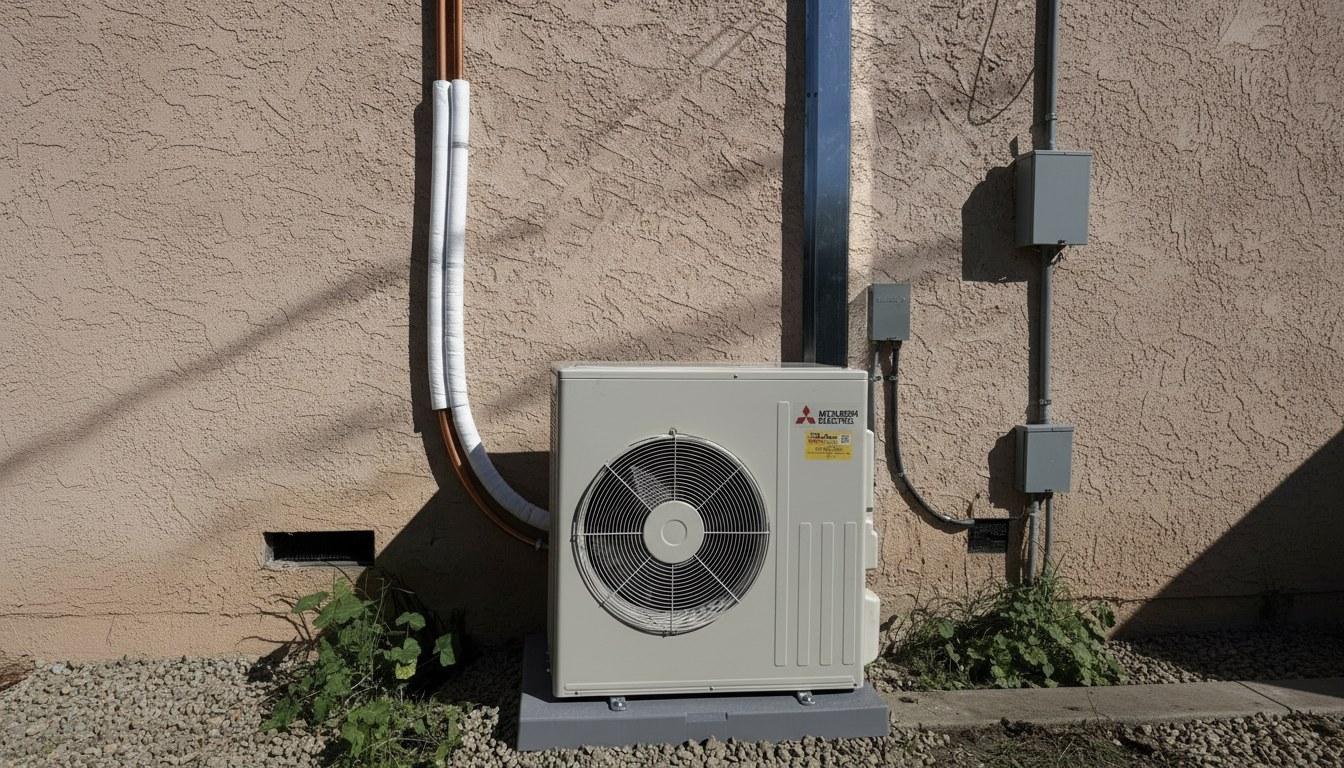
- Ice on the refrigerant lines: Visible frost or ice on the copper lines running to the outdoor unit is a sign of restricted airflow or low refrigerant. Turn the system off and call a technician before the ice melts and floods the drain pan.
- Musty or burning odors: A musty smell points to mold in the evaporator coil or drain pan. A burning smell suggests an electrical issue and warrants an immediate service call.
How Much Does Spring AC Maintenance Cost in This Market?
In the Southern California market, a professional spring AC tune-up typically ranges from $80 to $200 for a standard central air system, depending on system size, age, and what the inspection turns up. That base cost covers the inspection and cleaning; any repairs identified during the visit are quoted separately.
In the Southern California market, a professional spring AC tune-up typically ranges from $80 to $200 for a standard central air system, depending on system size, age, and what the inspection turns up.
Here is how common follow-up repairs typically price out in this region:
| Service | Typical Market Range | Key Cost Factors |
|---|---|---|
| Spring tune-up (inspection and cleaning) | $80 to $200 | System size, number of zones |
| Capacitor replacement | $150 to $350 | Capacitor type, run vs. start |
| Refrigerant recharge (R-410A) | $150 to $400 per pound added | Amount needed, leak repair required |
| Condensate drain line clearing | $75 to $200 | Severity of blockage, access |
| Evaporator coil cleaning (deep) | $100 to $400 | Coil access, degree of buildup |
| Thermostat replacement (smart) | $150 to $500 installed | Model, wiring compatibility |
| Duct sealing (partial) | $300 to $1,000 | Linear footage, attic access |
The Inflation Reduction Act federal tax credit offers homeowners up to 30 percent back on qualifying high-efficiency heat pump systems and certain HVAC improvements installed through 2032. If your system is more than 12 to 15 years old and this spring’s inspection reveals significant issues, replacing rather than repairing may be the better financial decision. A licensed technician can walk you through the numbers before any work begins.
For a custom quote based on your specific system and situation, contact Shalom Heating & Air directly rather than relying on regional averages.
Schedule Your Spring AC Tune-Up Before Summer Books Up
Running through a complete ac spring maintenance checklist now, in April or May, gives you the best chance of catching small problems before they become expensive failures. Filters, drain lines, and condenser coils are straightforward DIY tasks. Refrigerant checks, electrical inspections, and coil cleaning require a licensed professional with the right tools and certifications.
Shalom Heating & Air serves homeowners across Southern California and is licensed by the California Contractors State License Board (CSLB). Whether you need a full spring tune-up, a refrigerant check, or a second opinion on a repair quote you received, the team is ready to help before the summer rush begins.
Call (714) 886-2021 to book your spring AC service appointment. Getting on the schedule now means you are not scrambling when the first heat wave of 2026 arrives.
Explore our full range of HVAC services across Southern California.
Frequently Asked Questions
How much does it usually cost to repair an AC unit in Southern California?
Most AC repairs in the Southern California market range from $150 to $1,500 depending on what failed. Capacitor replacements and refrigerant recharges are on the lower end, while compressor replacements can run $1,200 or more. Getting a spring inspection done before a breakdown is almost always cheaper than paying for emergency service in July. Request a written quote before any work begins so you can compare options.
How do I know if my AC needs refrigerant or just a cleaning?
If your system blows air that feels slightly cool but never gets the house down to your set temperature, low refrigerant is a likely cause. If airflow feels weak but the air is cold, a dirty filter or coil is more likely. Only a technician with calibrated gauges can confirm refrigerant charge, and only EPA-certified technicians are allowed to handle refrigerants under Section 608 regulations.
What happens if I skip spring AC maintenance and just wait until something breaks?
Skipping annual maintenance shortens equipment life and raises the odds of a breakdown during peak heat, when technician wait times can stretch to several days. A neglected system also runs less efficiently, which shows up as higher electricity bills month after month. Most manufacturers also require documented annual maintenance to keep warranty coverage valid, so skipping a tune-up can void your protection.
How often should I replace my AC air filter?
Standard 1-inch filters should be replaced every 30 to 90 days. Homes with pets, high dust levels, or anyone with allergies should replace them closer to the 30-day mark. Thicker 4-inch media filters can last up to 12 months but should still be checked each spring. A clogged filter is one of the most common causes of reduced airflow and early compressor wear.
Is spring really the best time to schedule AC maintenance, or can I do it anytime?
Spring, specifically April and May, is the best window because technicians are not yet fully booked and you have time to schedule any needed repairs before summer heat arrives. Waiting until June or July means competing with everyone else who skipped spring service, and you may wait days for an appointment during a heat wave. Completing your ac spring maintenance checklist now keeps your options open.