
5 AC Heat Wave Myths Costing Tustin Homeowners Money
The Truth About Running Your Central Air Conditioner During Tustin Heat Waves
When temperatures climb past 95°F in Tustin—and they regularly do during summer heat waves—your central air conditioner faces its toughest test. Most homeowners make the same expensive mistakes based on persistent myths about how AC systems work during extreme heat. With electricity rates averaging 35 cents per kilowatt-hour in Tustin, these misconceptions can add $50 to $150 monthly to your cooling bills. The good news: understanding what actually maximizes central air conditioner efficiency Tustin heat wave conditions requires debunking five common myths that cost you money while making your home less comfortable.
📋 In This Guide
Myth #1: Cranking Your Thermostat Down to 65°F Cools Your Home Faster
The Reality: Your central air conditioner operates at the same speed whether you set it to 65°F or 78°F. Setting an extreme temperature doesn’t make the compressor work faster—it just makes it run longer, wasting energy without accelerating cooling. Air conditioners are generally designed to tackle a temperature difference of up to 20 degrees between indoor cold air and outdoor warm air. When heat waves bring temperatures exceeding 100 degrees, your air conditioner will struggle to cool your home into the 70-degree range.
During Tustin heat waves, set your thermostat to a realistic 78–80°F instead. Each degree set above 72 can save you up to 3% on your cooling costs. If you’re used to 72°F, gradually adjust upward by one degree every few days until you find your comfort threshold. Pair this with ceiling fans running counterclockwise to create a wind-chill effect that makes the space feel 3–4 degrees cooler without touching the thermostat.
Myth #2: Closing Vents in Unused Rooms Reduces Cooling Costs
The Reality: Modern central air conditioning systems are balanced for your home’s entire duct network. Closing vents creates pressure imbalances that force your system to work harder, not smarter. The increased static pressure can cause the evaporator coil to freeze, refrigerant levels to become unbalanced, and ductwork to develop leaks at seams.
Keep all vents open during heat waves, even in rarely used rooms. Your system was sized and installed by an hvac contractor in Tustin based on the assumption of unrestricted airflow throughout your home. If certain rooms overheat while others stay comfortable, the issue is likely inadequate insulation, duct leakage, or an improperly balanced system—problems that closing vents will only worsen. Schedule an assessment with HVAC services in Tustin to identify the root cause rather than creating new problems.
Myth #3: Turning Your AC Off While You’re Out Saves More Than Adjusting It
The Reality: Completely shutting off your central air conditioner during a 95°F+ Tustin heat wave forces your system into recovery mode when you return. Your home’s interior temperature might climb to 90°F or higher, and all the thermal mass—walls, furniture, flooring—absorbs that heat. When you restart the system, it must run continuously for hours to remove both the air temperature and the radiant heat from every surface.
You can save as much as 10% a year on heating and cooling by simply turning your thermostat back 7°-10°F for 8 hours a day from its normal setting. During summer heat waves, raise your thermostat to 85–88°F when leaving for work rather than turning the system off entirely. Your AC will maintain a baseline temperature, preventing excessive heat buildup. Modern programmable thermostats make this automatic—set it to return to 78°F an hour before you arrive home. This strategy balances efficiency with comfort far better than the on/off approach.
Myth #4: A Struggling AC During Heat Waves Just Needs More Refrigerant
The Reality: Refrigerant doesn’t get “used up” like gasoline. If your central air conditioner struggles during Tustin heat waves—running constantly but never reaching the set temperature—low refrigerant indicates a leak, not normal depletion. But refrigerant issues are just one of many heat-wave performance problems.
Common Heat Wave Performance Issues
Check for these problems before calling for AC repair in Tustin:
- Dirty air filters: Replace monthly during heavy-use periods. Clogged filters restrict airflow by 25–40%, forcing your system to run longer cycles.
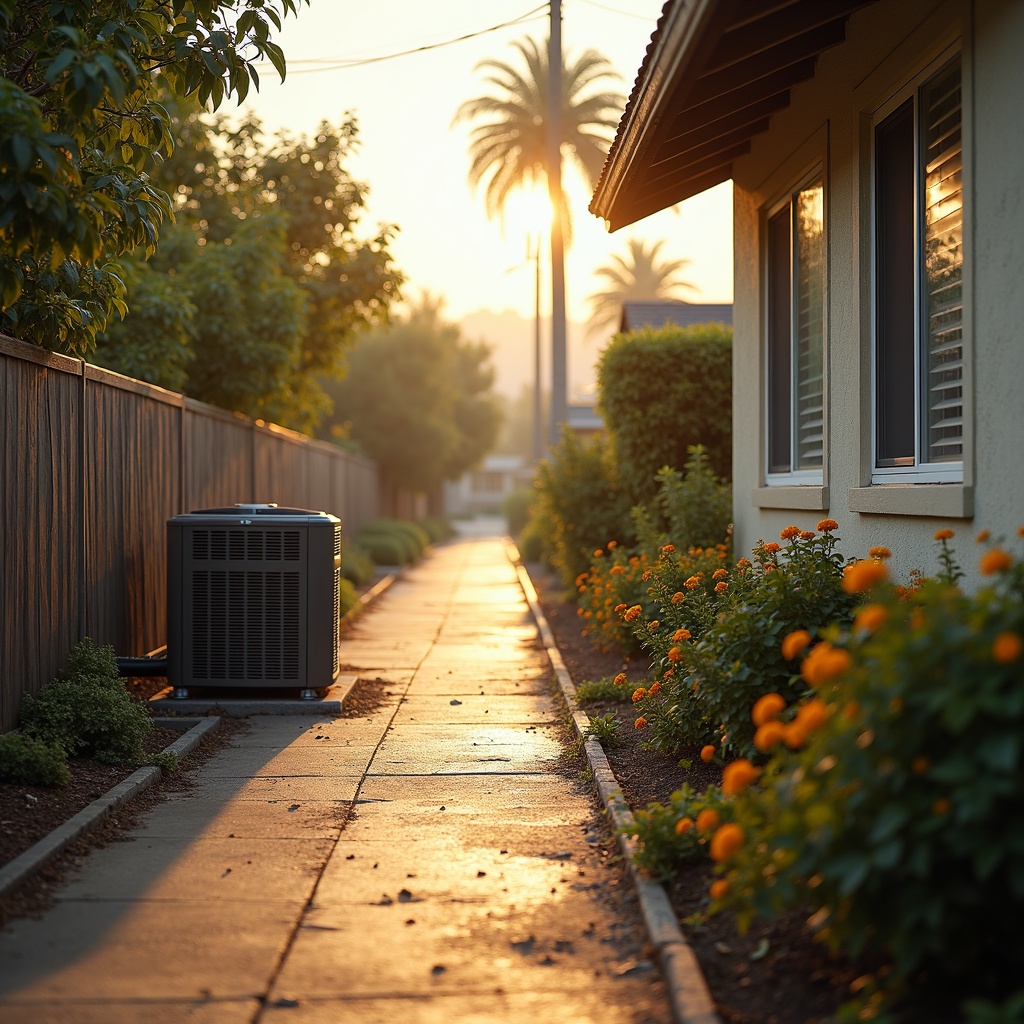
- Blocked condenser units: Clear vegetation, debris, and obstructions within 24 inches of your outdoor unit. Restricted airflow reduces efficiency by 10–15%.
- Dirty condenser coils: Dust, cottonwood seeds, and pollen coat outdoor coils. Annual professional cleaning restores heat transfer capacity.
- Thermostat location: If your thermostat sits in direct sunlight or near heat-generating appliances, it reads artificially high temperatures and triggers excessive cooling cycles.
If you’ve addressed these issues and your system still can’t maintain temperature during heat waves, refrigerant leaks, compressor wear, or undersized equipment may be the culprit. Contact Shalom Heating & Air at (714) 886-2021 for diagnostic service that identifies the actual problem rather than guessing.
Myth #5: Running Your AC Continuously During Heat Waves Will Break It
The Reality: Central air conditioners are engineered to run extended cycles during extreme heat. The concern isn’t continuous operation—it’s continuous operation without achieving the set temperature. If your system runs all day but maintains 78°F, that’s normal heat-wave performance. If it runs all day and your home climbs to 82°F or higher, that signals a problem.
Supporting Your System During Extended Operation
Help your central air conditioner handle heat-wave conditions:
- Close blinds on south and west-facing windows: Direct sunlight adds 1,000+ BTUs of heat per window. UV-blocking cellular shades or blackout curtains reduce solar heat gain by 45%.
- Shift heat-generating activities: Run dishwashers, ovens, and dryers after 8 PM when outdoor temperatures drop. These appliances can raise indoor temperatures 5–10 degrees.
- Improve attic ventilation: Attic temperatures in Tustin can reach 150°F during heat waves. Proper ventilation and radiant barriers reduce heat transfer to living spaces.
- Maintain indoor humidity: High humidity makes temperatures feel 5–8 degrees warmer. Ensure your AC’s condensate drain isn’t clogged, preventing proper dehumidification.
If your properly maintained system struggles despite these measures, you may have an undersized unit or inadequate ductwork for your home’s cooling load. Tustin temperatures typically range from 45°F to 84°F and rarely exceed 93°F, but those rare extreme events reveal system limitations. A load calculation from a qualified contractor determines whether replacement or upgrades are warranted.
Year-Round Efficiency: Preparing for Next Summer’s Heat
Maximizing central air conditioner efficiency during Tustin heat waves starts months before temperatures spike. Schedule spring maintenance with an experienced hvac contractor in Tustin between March and May. Technicians will clean coils, check refrigerant levels, test capacitors, calibrate thermostats, and identify worn components before they fail during peak demand.
Consider upgrading to a programmable or smart thermostat if you’re still using a manual dial model. These devices optimize runtime schedules, adjust temperatures based on occupancy, and provide usage data that reveals efficiency opportunities. Many integrate with indoor air quality in Tustin systems to manage both temperature and ventilation.
If your central air conditioner is 12+ years old, evaluate replacement before it fails during a heat wave. Modern high-SEER2 systems use 20–40% less energy than older models, and the improved efficiency compounds during extreme weather when your AC runs longest. Convenient HVAC financing options make upgrades affordable, and utility rebates often offset $300–$800 of installation costs.
Tustin’s tight-knit community of roughly 80,000 residents knows that reliable cooling isn’t a luxury—it’s essential for home comfort and property value protection. Whether you’re in Tustin Ranch managing a larger property or Old Town Tustin maintaining a vintage home, professional service ensures your central air conditioner delivers efficient performance when you need it most.
Experiencing heat-wave cooling problems? Shalom Heating & Air provides same-day service throughout Tustin’s 92780 and 92782 ZIP codes. Our technicians diagnose issues accurately, explain options clearly, and restore comfort quickly. Call (714) 886-2021 or visit our contact page to schedule service. We serve Orange, Anaheim, and surrounding communities with the same commitment to quality and transparency.
❓ Frequently Asked Questions
How long should my AC run during a Tustin heat wave?
It's normal for your central air conditioner to run nearly continuously during extreme heat days when outdoor temperatures exceed 95°F. As long as the system maintains your set temperature (typically 78-80°F during heat waves), extended runtime isn't harmful. Contact Shalom Heating & Air at (714) 886-2021 if your AC runs constantly but can't maintain comfortable temperatures.
What's the most efficient thermostat setting during 100-degree weather?
Set your thermostat to 78-80°F during extreme heat waves. Air conditioners can typically handle a 20-degree temperature difference between indoor and outdoor air, so expecting 72°F when it's 100°F outside forces your system into inefficient continuous operation that may never reach the set point.
Can closing blinds really reduce AC costs in Tustin?
Yes, closing blinds on south and west-facing windows during peak sun hours reduces solar heat gain by up to 45%. Direct sunlight through windows can add over 1,000 BTUs of heat per window, significantly increasing your cooling load and forcing your AC to run longer cycles.
Should I turn off my AC when leaving for work during heat waves?
No, raise your thermostat to 85-88°F instead of turning your AC completely off. Shutting down allows your home and all its contents to absorb extreme heat, requiring hours of continuous runtime to recover. Maintaining a higher baseline temperature uses less total energy than the recovery cycle.
📖 More Tips for Tustin
-
 How Much Should You Spend Before Replacing Your HVAC? A Tustin Property Value Analysis
Facing expensive HVAC repairs in Tustin? Learn how to decide between repair and replacement using the 5,000 rule,…

