
Central AC Brands for Long Beach: 2026 Seasonal Guide
Why Central Air Gets Confused With Heat Pumps and Mini-Splits in Long Beach
When Long Beach homeowners start researching cooling solutions, they quickly encounter three distinct technologies that all promise comfort: central air conditioners, heat pumps, and ductless mini-splits. Understanding the difference matters because choosing the wrong system can cost thousands in wasted investment. Central air conditioners are cooling-only systems that distribute refrigerated air through existing ductwork, making them ideal for homes built before 2000 when ducted HVAC was standard. Heat pumps reverse their cycle to provide both heating and cooling, while mini-splits avoid ductwork entirely with individual wall-mounted units.
📋 In This Guide
Long Beach’s coastal climate sits in a unique zone where temperatures rarely drop below 50°F or climb above 85°F for extended periods. This moderate range tempts many homeowners toward heat pumps or mini-splits, but central air conditioning is the standard choice for homes with existing ductwork, providing consistent, whole-home cooling. The key distinction: if your home already has ducts from a furnace installation, central AC leverages that infrastructure without requiring new wall penetrations or室内机 units in every room.
The timing element becomes critical when you understand that by simply choosing the right time to buy, you could shave off 10-15% of that cost. For a $7,000 central AC system, that’s $700 to $1,050 in savings just by waiting for the right season. This seasonal pricing guide helps you navigate not just which brand to choose, but when to buy it for maximum value in Long Beach’s specific market conditions.
January Through March: Prime Planning Season for Long Beach Coastal Protection
Winter months represent the strategic window for Long Beach homeowners to research and commit to central air purchases. HVAC companies experience a lull in business during the colder months, which often prompts them to offer their most competitive prices of the year on both equipment and installation services. More importantly, winter allows time to address Long Beach’s unique coastal challenge: salt air corrosion.
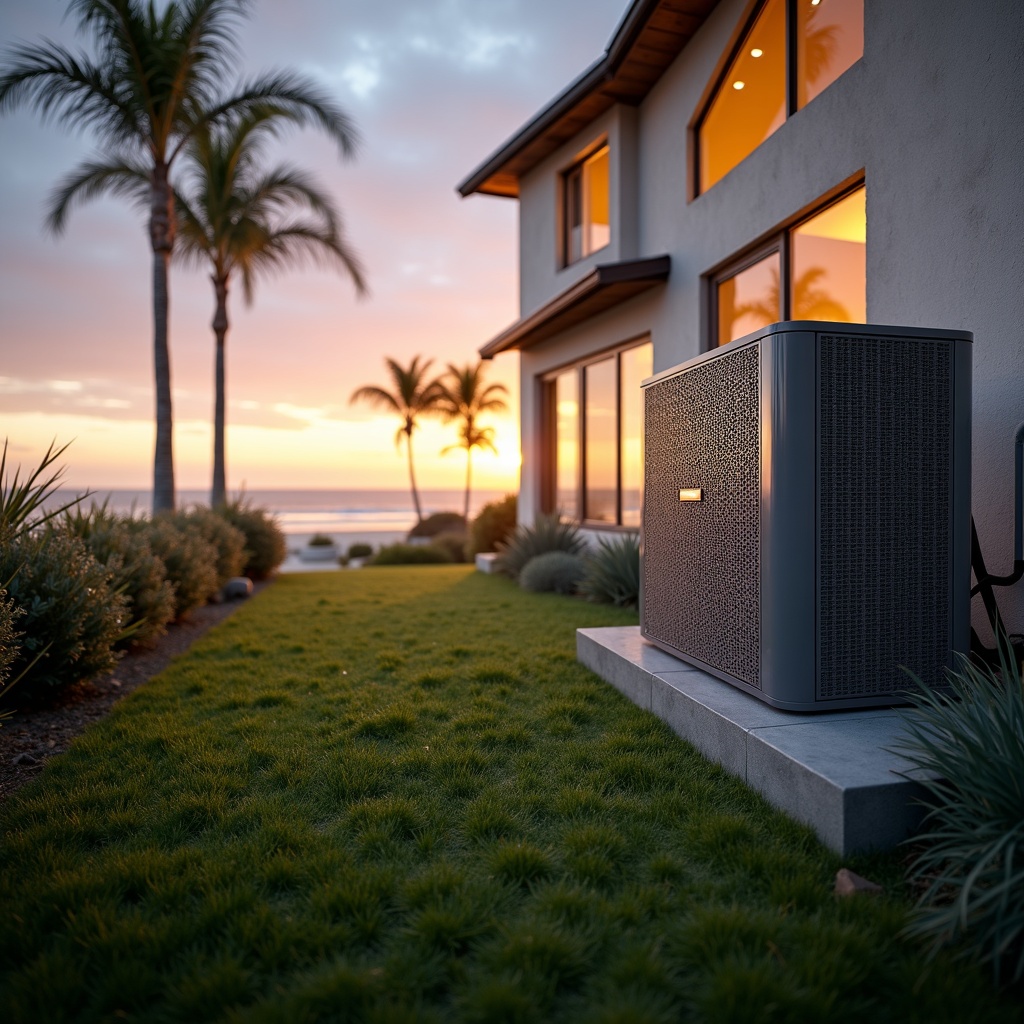
Living within three miles of the Pacific Ocean means the salty air can accelerate the deterioration of outdoor units, leading to rust and corrosion on metal components. Not all brands handle this equally well. Trane’s all-aluminum spine fin coil design has demonstrated superior coastal resistance in multi-year salt exposure tests, while standard copper-aluminum coils from budget brands can fail within 5-7 years in Long Beach’s coastal neighborhoods like Alamitos Beach and East Village Arts District.
January through March is when manufacturers release new model-year equipment, which means last year’s inventory gets discounted. The best month to buy a new air conditioner is the one that works best for you between October and February. November to January offers the biggest savings – about 15-20% off regular prices. For Long Beach homeowners, this window aligns perfectly with the need to specify coastal-rated components before the spring installation rush begins.
Brands offering specific coastal protection features include Carrier’s Coastal models with protective zinc cladding, Lennox systems with coil coatings, and Trane’s corrosion-resistant aluminum construction. When working with an hvac contractor in Long Beach, specify these coastal features during winter consultations to ensure proper equipment ordering before spring demand surges.
April Through May: Installation Season Before Summer Heat Arrives
Spring represents the ideal installation window for Long Beach central air systems. Temperatures remain comfortable enough that homes don’t desperately need cooling, yet contractors can test systems under moderate load before peak summer stress arrives. If you decide to make your purchase in the spring, it’s important to start shopping well in advance, before the warmer months arrive. This approach ensures more affordable prices and shorter installation wait times.
This season matters particularly for Long Beach’s 40% owner-occupied homes, where property owners can schedule installations without disrupting tenant comfort. Landlords managing rental properties benefit from spring timing by ensuring cooling systems work reliably before lease renewals and summer occupancy peaks. A properly timed installation also allows for Indoor Air Quality in Long Beach system integration before allergy season intensifies.
April and May also align with when federal tax credits and California utility rebates are fully funded for the year. For 2026, split systems need SEER2 ≥ 17.0 and EER2 ≥ 12.0, while packaged systems need SEER2 ≥ 16.0 and EER2 ≥ 11.5 to qualify for federal credits. Long Beach homeowners should verify rebate availability through Southern California Edison before committing to specific efficiency levels, as higher-SEER systems command premium pricing that rebates help offset.
💰 Typical Central AC Installation Cost Ranges in Long Beach
- Entry-Level System (14.3 SEER2): $5,000–$7,000 installed
- Mid-Efficiency System (16-17 SEER2): $7,000–$10,000 installed
- Premium System (18+ SEER2, coastal-rated): $10,000–$14,000 installed
- Coastal Coil Coating Add-On: $300–$600
- Smart Thermostat Upgrade: $200–$500
June Through August: Emergency Premium Season to Avoid
Summer represents the worst financial timing for central AC purchases in Long Beach. The best month to buy a new air conditioner is definitely not during a heatwave. Emergency installations during hot months can cost 10-25% more than planned replacements in cooler months. Beyond pricing, summer installations create genuine discomfort as contractors disconnect existing systems during the hottest outdoor temperatures.
Long Beach’s coastal humidity compounds summer installation challenges. While inland areas like Lakewood see dry heat, Long Beach’s proximity to the Pacific means higher moisture levels that make even moderate temperatures feel uncomfortable without AC. Homeowners who wait until their system fails during a July heat wave face days without cooling while contractors work through emergency queues.
Brand availability becomes severely constrained during summer peaks. Popular coastal-rated Trane and Carrier models that sit in stock during winter often become back-ordered by June, forcing homeowners to accept whatever inventory remains. This limitation particularly affects Long Beach’s diverse neighborhoods, where Downtown Long Beach’s multi-story buildings, Alamitos Beach’s coastal cottages, and inland areas near Los Angeles require different tonnage capacities and configurations.
If summer replacement becomes unavoidable, prioritize contractors who maintain relationships with multiple distributors. Companies like Shalom Heating & Air often secure allocation from manufacturers by pre-ordering seasonal inventory, giving them access to equipment when other contractors face shortages. Call (714) 886-2021 to verify current equipment availability before committing to summer installation timelines.
September Through October: Clearance Season for Last-Year Models
Fall presents Long Beach’s second major buying opportunity as manufacturers and distributors clear previous model-year inventory. Fall offers the best combination of selection and savings for AC purchases. Retailers want to clear summer inventory, including new ac units, before winter arrives. This timing particularly benefits budget-conscious Long Beach homeowners willing to accept last year’s technology at substantial discounts.
The performance difference between consecutive model years typically involves minor efficiency improvements or smart thermostat integration rather than fundamental cooling capacity changes. A 2025 Lennox Merit series 14.3 SEER2 unit cleared in September 2026 delivers identical cooling performance to the 2026 model, often at 15-20% lower cost. For Long Beach’s median $730,000 homes where HVAC represents a necessary but unglamorous investment, these savings matter.
Fall installations also allow contractors to identify any coastal corrosion on existing outdoor units before removing them. The biggest concern for your air conditioning unit when it’s near the ocean is the condenser coil. A condenser coil is usually made of aluminum or copper, with a protective oxide layer. Constant exposure to salt in the air erodes this layer, and then the metal itself, leading to costly air conditioning repairs. September inspections reveal whether previous systems failed prematurely due to inadequate coastal protection, informing better brand choices for replacements.
Long Beach landlords managing multiple rental properties should target September-October for portfolio upgrades. Coordinating multiple installations during the same seasonal window often yields volume discounts from contractors and ensures consistent equipment across properties, simplifying future Ac Repair in Long Beach service needs.
November Through December: Rock-Bottom Pricing With Weather Flexibility
Late fall and early winter deliver the absolute lowest pricing for central AC systems in Long Beach. Looking at these numbers, you can see why winter is the best time to buy a new AC unit. December’s 90% price index compared to June’s 105% represents a 15% difference. That’s real savings just by timing your purchase right. Long Beach’s mild winter climate makes this timing even more advantageous than in regions with harsh cold.
Unlike northern climates where winter installations require working in freezing conditions, Long Beach’s typical 55-65°F December temperatures allow comfortable outdoor work. Contractors appreciate scheduling installations during these months because they can work without extreme heat stress, often resulting in more meticulous installations. The relaxed pace allows proper refrigerant charging, duct sealing verification, and comprehensive system testing that rushed summer jobs sometimes compromise.
November and December also represent when HVAC financing promotions peak. Manufacturers and distributors push year-end sales quotas with aggressive 0% APR offers on qualified systems. Long Beach homeowners with good credit can often finance premium coastal-rated systems through these programs, spreading $10,000+ installations across 24-36 months without interest charges. Check Convenient HVAC Financing Options for current promotional availability.
The psychological barrier to buying AC in December creates opportunity. Most homeowners don’t think about cooling when outdoor temperatures hover in the 50s, which means contractor schedules remain open and negotiating leverage shifts to buyers. This timing allows Long Beach homeowners to secure installation dates during their preferred weeks rather than accepting whatever slots remain during busy seasons.
Brand-by-Brand Coastal Performance and Seasonal Pricing Patterns
| Brand | Coastal Corrosion Rating | SEER2 Range | 3-Ton System Price | Best Buy Month |
|---|---|---|---|---|
| Trane | Excellent (All-aluminum spine fin coil) | 14.3–22 SEER2 | $7,000–$11,500 | January, November |
| Carrier | Very Good (Coastal models available) | 13.8–24 SEER2 | $6,500–$11,000 | December, September |
| Lennox | Very Good (Coil coating options) | 14.3–28 SEER2 | $6,800–$12,000 | January, October |
| Rheem | Good (Standard coatings) | 14.3–20 SEER2 | $5,500–$9,500 | February, November |
| Goodman | Fair (Requires aftermarket coating) | 14.3–18 SEER2 | $4,800–$7,500 | December, September |
| American Standard | Excellent (Same coils as Trane) | 14.3–22 SEER2 | $6,800–$11,000 | January, November |
| Daikin | Very Good (Advanced coatings) | 15.2–24 SEER2 | $7,200–$12,500 | February, October |
Trane: Winter Discounts on Proven Coastal Durability
Trane’s all-aluminum spine fin coil design has earned its reputation through independent coastal testing. After seven years of being exposed to the elements, the Trane coil is still withstanding saltwater corrosion better than both of the other brands. To conclude, Trane is the winner of our saltwater corrosion experiment. For Long Beach neighborhoods within one mile of the Pacific like Alamitos Beach, this durability translates to 15-20 year system lifespans versus 8-12 years for brands using copper-aluminum coils.
Trane systems typically see deepest discounts during January when dealers clear previous-year inventory. For a 4-ton system, a Trane XR16 costs about $5,500 for equipment. Full installation ranges from $11,500 to $14,000, reflecting its premium features and strong reputation. Long Beach pricing tends slightly higher due to coastal specification requirements, but January purchases can reduce installed costs by $1,200-$1,800 compared to June peak pricing.
Carrier: Flexible Pricing With Broadest Dealer Network
Carrier maintains the largest authorized dealer network in Southern California, giving Long Beach homeowners more competitive bidding opportunities. When you buy a Carrier unit, the company requires your contractor to be certified by Carrier. This exclusivity ensures a quality installation and comes with an impressive 10-year warranty if you register within 90 days. The extensive dealer network means parts availability rarely creates service delays, particularly important for rental property managers.
Carrier’s Infinity series includes models specifically rated for coastal environments with enhanced coil protection. September clearances often discount these premium models as dealers make room for next-generation equipment. For Long Beach’s median $80,000 household income demographic, Carrier’s mid-range Comfort series delivers solid coastal performance at accessible pricing, particularly during off-season months.
Lennox: Premium Efficiency at Highest Initial Cost
Lennox manufactures the highest-SEER residential central AC systems available in 2026, with signature series models reaching 28 SEER2. Lennox consistently costs $130–$222 more than Trane for equivalent systems, with the largest price gaps appearing in higher-efficiency models. Long Beach homeowners prioritizing minimum long-term energy costs find Lennox compelling despite premium pricing, especially when targeting federal tax credit qualification.
October represents optimal Lennox buying timing as dealers transition between model years. The efficiency difference between consecutive years rarely exceeds 0.5 SEER2, making previous-year clearance models financially attractive. Lennox dealers in Long Beach typically bundle smart thermostats and extended warranties during fall promotions, adding value beyond base equipment discounts.
Budget Brands: Goodman and Rheem for Cost-Conscious Buyers
Goodman and Rheem central AC systems deliver minimum-SEER compliance at substantially lower price points than premium brands. The Carrier Comfort 14 is the most budget-friendly. Equipment starts at $2,800, and full installation is around $6,500. It provides solid performance without extra features. At this size, Carrier usually has the lowest price. Goodman pricing often undercuts even Carrier’s budget lines, with complete 3-ton systems installing for $4,800-$6,500 during November-December clearances.
The coastal corrosion tradeoff requires careful evaluation for Long Beach installations. Standard Goodman and Rheem systems use copper-aluminum coils without enhanced coastal protection, making aftermarket coil coating essential for seaside locations. Adding $400-$600 for protective coating still yields total costs below premium brands, but homeowners should budget for 10-12 year replacement cycles rather than the 15-20 years Trane or American Standard deliver in salt air.
How Long Beach’s Coastal Zones Affect Brand Selection and Timing
Distance from the Pacific Ocean creates distinct corrosion risk zones that should inform both brand choice and installation timing. Within about one mile of the shoreline corrosion risks are highest; downwind, salt can impact equipment three to five miles inland. Long Beach’s prevailing westerly winds mean neighborhoods like Alamitos Beach, Belmont Shore, and Downtown Long Beach waterfront areas face maximum salt exposure, while eastern areas near Lakewood see progressively reduced coastal effects.
High-risk coastal zone homeowners (within 1 mile of ocean) should prioritize Trane, American Standard, or Carrier Coastal models even during peak summer pricing if emergency replacement becomes necessary. The premium cost for coastal-rated equipment remains lower than replacing a standard system in 7-8 years versus getting 15+ years from properly specified equipment. These homeowners benefit most from winter planning that allows time to source coastal-specific components.
Moderate-risk zones (1-3 miles from ocean) covering much of central Long Beach can consider broader brand options with coil coating protection. Rheem and Lennox systems with factory or field-applied coatings perform adequately in these areas when combined with annual maintenance including coil rinsing. Spring installation timing allows contractors to apply protective coatings during moderate temperatures when materials cure optimally.
Lower-risk inland zones (3+ miles from ocean) approaching Lakewood and Los Angeles boundaries face minimal coastal corrosion and can select brands based purely on efficiency and price considerations. These homeowners gain maximum benefit from September-October clearance timing, as any major brand will deliver expected 15-year lifespans without special coastal protection.
Year-Round Maintenance Schedules to Extend Coastal System Lifespan
Even premium coastal-rated central AC brands require proactive maintenance in Long Beach’s salt-air environment. Frequent rinsing can go a long way in removing salt deposits before they cause damage. Use fresh water from a garden hose to rinse off the unit every few weeks. Tip: Avoid using power washers, as high pressure can bend the unit’s delicate fins. This simple monthly practice extends coil life regardless of brand or initial coating quality.
March and September represent optimal professional maintenance timing. Pre-summer March service ensures systems perform reliably before June-August peak loads, while post-summer September maintenance identifies any corrosion developing before winter humidity accelerates damage. Long Beach homeowners should verify contractors inspect condenser coils for salt buildup, not just change filters and check refrigerant levels.
Coastal homeowners within one mile of the Pacific should consider quarterly professional inspections rather than standard annual service. Your proximity to the shoreline should determine how often you schedule service. Industry recommendations suggest quarterly inspections for homes less than a mile from the coast, semi-annual visits for those one to three miles away, and standard annual service for inland properties. While this increases annual maintenance costs by $200-$400, it prevents the $3,000-$5,000 coil replacement that salt corrosion causes when caught too late.
When coordinating seasonal maintenance, specify anti-corrosion treatments if your system wasn’t factory-coated. Modern epoxy-based coil coatings can be field-applied during service visits, adding a protective barrier that substantially extends equipment life. Ask your HVAC services in Long Beach provider about Blue Gold or similar coatings specifically formulated for coastal environments.
Smart Timing Strategy: Buying Now for Installation Later
Sophisticated Long Beach homeowners separate purchase timing from installation timing to maximize savings. November-December represents optimal buying months when prices bottom out, but installing during comfortable April-May weather creates the best homeowner experience. This approach requires contractors who hold purchased equipment or manufacturers offering delayed delivery programs.
Pre-purchasing during November-December clearances locks in rock-bottom pricing while avoiding installation discomfort. Homeowners pay deposits securing specific equipment at year-end closeout prices, then schedule actual installation for spring when contractors can work methodically without extreme heat stress. This strategy works particularly well for Long Beach rental properties where installation can be scheduled between tenant move-out and move-in periods.
Manufacturer financing promotions sometimes conflict with optimal purchase timing. Zero-percent APR offers frequently launch in March-April when demand accelerates, while November-December brings cash discounts instead. Long Beach homeowners with available savings should prioritize November-December cash discounts that reduce total system cost, while those requiring financing may accept slightly higher April pricing to access promotional interest rates. Calculate total five-year costs including interest before deciding between these approaches.
Equipment pre-ordering also hedges against supply disruptions. The 2025-2026 refrigerant transition from R-410A to R-32 and R-454B creates potential inventory shortages as manufacturers retool production lines. Long Beach homeowners who commit to systems during early 2026 winter months secure allocation before potential spring-summer shortages, avoiding the forced equipment substitutions that emergency summer buyers sometimes face.
When to Call Shalom Heating & Air for Your Long Beach Central AC Project
The ideal contact timing depends on your current system status and coastal location. Homeowners with functioning AC systems older than 10 years should initiate consultations during October-November to capture year-end pricing and secure spring installation slots before schedules fill. This proactive approach avoids emergency summer replacements that cost 15-25% more and limit equipment choices.
Coastal-zone homeowners within one mile of the Pacific should schedule consultations during winter months even if current systems function adequately. Salt-air corrosion accelerates unpredictably, and systems appearing functional in November can fail catastrophically by July when contractors face weeks-long backlogs. Winter consultations allow thorough assessment of coil condition, duct integrity, and whether preemptive replacement makes financial sense before emergency situations force hasty decisions.
Landlords managing Long Beach rental properties benefit from portfolio assessments during January-February when contractors can inspect multiple properties and develop coordinated replacement schedules. Multi-unit projects often yield 10-15% volume discounts and ensure consistent equipment across properties, simplifying future maintenance coordination. Call (714) 886-2021 to discuss portfolio assessment availability and seasonal pricing programs.
Emergency situations require immediate contact regardless of season. If your Long Beach central AC fails during summer, don’t delay hoping for better timing. However, ask contractors about temporary solutions that might bridge you to fall clearance season. Window units or portable ACs can sometimes provide enough cooling to survive summer heat, allowing you to capture September-October clearance pricing on permanent central AC replacement rather than paying June-July premiums.
Shalom Heating & Air maintains relationships with all major manufacturers, giving Long Beach homeowners access to coastal-rated Trane, Carrier, and Lennox equipment even during peak demand periods. Our team understands the specific corrosion challenges your neighborhood faces and can recommend appropriate brands and protection strategies based on your distance from the Pacific. Whether you’re in Alamitos Beach requiring maximum coastal protection or eastern Long Beach where standard systems perform adequately, proper brand selection matched with optimal seasonal timing delivers the best long-term value for your investment.
