
Central AC Compressor Failure in Anaheim: What Happens
What Compressor Failure Looks Like When You Wait Too Long
Most Anaheim homeowners don’t realize their central air conditioner compressor is failing until they’re sitting in an 85-degree living room mid-July, watching their energy bill spike while their system runs non-stop without cooling. By the time the outdoor unit stops working entirely, the damage has often progressed beyond a simple fix. Understanding central air conditioner compressor failure Anaheim residents face during extended cooling seasons can save you thousands in emergency repairs and protect your family’s comfort when you need it most.
📋 In This Guide
💰 Typical Compressor Repair Cost Ranges
- Compressor replacement (parts + labor): $1,800–$2,800
- Full system replacement: $3,500–$6,500
- Diagnostic inspection: $150–$500
- Refrigerant refill (if needed): $150–$350
How Central AC Compressors Fail: The Progressive Breakdown
The compressor acts as the heart of your central air conditioning system, pressurizing refrigerant and maintaining the continuous cycle that removes heat from your Anaheim home. When this component begins to fail, the deterioration rarely happens overnight. Instead, homeowners experience a cascade of increasingly severe symptoms that signal internal damage is accelerating.
Early-stage compressor failure manifests as hard starting—you’ll hear the outdoor unit struggling to turn on, making clicking sounds or humming without actually running. The system may trip your circuit breaker repeatedly as the failing motor draws excessive current trying to overcome internal resistance. These warning signs indicate electrical problems or mechanical wear inside the sealed compressor housing.
As damage progresses, you’ll notice loud banging, grinding, or rattling noises from the outdoor unit. These sounds indicate internal components like pistons or scrolls are no longer functioning smoothly. The metal-on-metal contact generates heat and metal shavings that contaminate the refrigerant system, spreading damage to other components. What started as a repairable issue in one component now threatens your entire Ac Repair in Anaheim system.
Temperature Performance Decline
When compressor efficiency drops, your system runs longer cycles without achieving the set temperature. Rooms furthest from the air handler stay warm even when the thermostat shows the system is running. In Anaheim’s climate—where summer temperatures regularly exceed 90°F and cooling season extends from May through October—a struggling compressor forces your system to operate nearly continuously. This extended runtime accelerates wear on every component while driving up monthly energy costs by 30-50%.
Complete System Shutdown
The final stage is total compressor failure, where the outdoor unit won’t start at all or runs without circulating refrigerant. At this point, warm air blows from your vents because the system can’t complete the cooling cycle. Emergency repairs during Anaheim’s peak summer heat can cost significantly more due to high demand for qualified HVAC technicians and the urgency of restoring comfort in homes that can reach dangerous indoor temperatures within hours.
Common Causes of Compressor Failure in Anaheim Homes
Anaheim’s extended cooling season places unique stress on central air conditioning systems. Unlike regions where AC units rest for six months annually, local compressors operate heavily from late spring through early fall, accumulating significantly more runtime over their lifespan. This prolonged operation reveals weaknesses faster and makes regular maintenance critical for preventing premature failure.
| Failure Cause | How It Damages Compressor | Prevention Method |
|---|---|---|
| Dirty condenser coils | Blocks heat dissipation, causing overheating | Annual professional cleaning |
| Refrigerant leaks | Low pressure forces compressor to overwork | Seal leak, recharge refrigerant |
| Electrical issues | Voltage fluctuations damage motor windings | Install surge protector, check connections |
| Blocked airflow | Reduces system efficiency, increases runtime | Replace filters monthly, clear debris |
| Age-related wear | Internal components deteriorate over time | Plan replacement at 12-15 years |
Electrical problems rank among the top causes of compressor failure. Capacitor failure prevents the compressor from starting properly, while contactor issues create arcing that damages electrical connections. Voltage spikes from California’s grid fluctuations can burn out motor windings inside the sealed compressor. Once electrical damage occurs internally, the entire compressor assembly typically requires replacement—these hermetically sealed units cannot be opened for internal repairs.
Refrigerant-related issues create a different failure pattern. When refrigerant levels drop due to leaks in the line set or coil connections, the compressor must work harder to achieve the same cooling effect. This overwork generates excessive heat that breaks down lubricating oil and accelerates bearing wear. Eventually, the compressor seizes or burns out completely. Systems using older R-22 refrigerant face additional challenges since this phased-out substance costs significantly more to recharge, making repairs on older systems increasingly expensive.
Compressor Replacement vs. Full System Replacement: The Financial Reality
When an HVAC services in Anaheim professional diagnoses compressor failure, you face a critical decision that depends on multiple financial and practical factors. The choice between replacing just the compressor or installing a complete new system affects not only your immediate costs but your comfort reliability and energy bills for years to come.
Compressor replacement alone typically costs $1,800-$2,800 for parts and labor, though prices can exceed $3,000 for larger systems or premium variable-speed compressors. This includes safely recovering existing refrigerant, installing the new compressor, evacuating the system, and recharging with fresh refrigerant. Labor accounts for roughly half this cost, as the complex multi-hour process requires EPA-certified technicians with specialized equipment.
However, compressor replacement makes financial sense only in specific scenarios. If your system is under 8 years old, the compressor is still under manufacturer warranty, and the rest of the system has no significant issues, replacing just the compressor extends your system’s life at a fraction of full replacement cost. Most HVAC manufacturers offer 10-year parts warranties, so if your compressor fails at year seven, you may only pay labor costs of $600-$1,200.
When Full Replacement Becomes the Smarter Investment
For systems over 10-12 years old, the calculation shifts dramatically. Your out-of-warranty compressor replacement might cost $2,500, but within 2-3 years you’ll likely face additional repairs to the condenser fan motor, evaporator coil, or air handler components. These cumulative costs easily exceed $4,000-$5,000—approaching the price of a complete new system that includes a full warranty and dramatically improved efficiency.
Modern high-efficiency systems with SEER2 ratings of 16-18 can reduce cooling costs by 30-40% compared to older 10-SEER units common in Anaheim homes built before 2010. For a typical household spending $200 monthly on summer cooling, that translates to $60-$80 in monthly savings during the six-month cooling season, recovering much of the system cost over 7-8 years. As a reputable hvac contractor in Anaheim, we help homeowners evaluate these long-term costs against immediate repair expenses to make informed decisions.
Warning Signs You’re Headed Toward Compressor Failure
Recognizing early symptoms of compressor distress allows you to address problems before catastrophic failure occurs, potentially saving thousands in emergency repairs or collateral damage to other system components. These warning signs progress in predictable patterns, giving homeowners multiple opportunities to intervene.
The first indicator is often subtle temperature inconsistency. Your home takes longer to cool in the afternoon, or upstairs rooms never quite reach the thermostat setting. This performance decline indicates the compressor is losing efficiency—it’s still functioning but no longer generating adequate pressure to move heat effectively. At this stage, a professional inspection can identify whether the root cause is repairable refrigerant leaks, capacitor failure, or internal compressor wear.
Unusual noises from the outdoor unit signal mechanical problems inside the compressor. Grinding sounds indicate bearing failure, while loud banging or clanking suggests internal components have broken loose. These noises often start intermittently—only during startup or shutdown—then become constant as damage worsens. Once you hear metal-on-metal grinding, internal contamination has likely begun, spreading metal shavings through the refrigerant system. This contamination can damage the expansion valve and Frozen Evaporator Coil? How to Safely Thaw and Fix Your AC in Anaheim if not addressed immediately.
Electrical Warning Signs
Circuit breaker trips specifically when the AC attempts to start indicate electrical overcurrent—the compressor motor is drawing excessive amperage trying to overcome internal resistance or short circuits. Never simply reset the breaker repeatedly; this pattern means dangerous electrical conditions exist that can damage your home’s wiring or create fire hazards. A licensed HVAC technician should measure actual versus rated amperage draw to determine whether the compressor motor has failed.
Hard starting is another critical electrical symptom. You’ll hear the outdoor unit humming or buzzing without the compressor actually starting, or it takes 10-15 seconds of struggling before the unit finally kicks on. This often indicates capacitor failure—the capacitor provides the electrical boost needed for startup. While capacitor replacement is a relatively inexpensive repair ($150-$300), ignoring this symptom forces the compressor to work much harder on every startup, accelerating wear and eventually causing motor burnout.
The Cost of Delaying Compressor Repairs in Anaheim’s Climate
When Anaheim homeowners notice early compressor failure symptoms but postpone repairs, they trigger a costly chain reaction that affects far more than just the initial problem. The unique climate demands of this region—where systems run 180+ days per year—amplify the financial and comfort consequences of delay.
Operating a system with a failing compressor drives energy consumption dramatically higher without providing proportional cooling. The struggling compressor runs longer cycles, draws more current, and generates excessive heat that the condenser fan must work overtime to dissipate. Homeowners often see monthly cooling bills increase 40-60% as the system loses efficiency. For a typical Anaheim household, that’s an extra $80-$120 monthly during peak summer—$400-$600 over a single season in wasted energy costs.
More seriously, a failing compressor spreads contamination throughout the refrigerant system. As internal bearings wear or pistons score cylinder walls, metal particles circulate with the refrigerant oil. These particles lodge in the expansion valve, scratch the evaporator coil tubing, and damage the condenser coil. When the compressor finally fails completely, technicians must flush the entire refrigerant system, replace the filter-drier, and sometimes replace the evaporator coil—turning a $2,200 compressor job into a $4,500-$6,000 repair with extensive Ductwork Replacement Costs in Anaheim: 2026 Guide and component work.
Emergency service timing creates additional costs. Compressor failures peak during July-August heatwaves when every HVAC company in Orange County is booked solid with emergency calls. You’ll face 3-5 day wait times for service appointments, premium pricing for after-hours or weekend emergency calls (often $200-$400 surcharges), and limited equipment availability. Scheduling repairs proactively during spring allows you to avoid peak-season premiums and secure better appointment times.
Beyond financial costs, the health and safety implications matter significantly for vulnerable residents. Indoor temperatures in Anaheim homes can reach 95-100°F within hours when AC fails during summer. For elderly residents, young children, or family members with respiratory conditions, these temperatures create genuine health risks. Many homeowners end up paying for temporary hotel accommodations ($150-$250 nightly) while waiting for emergency repairs, adding hundreds more to the total cost of delay.
Protect Your Investment: Professional Diagnosis and Solutions
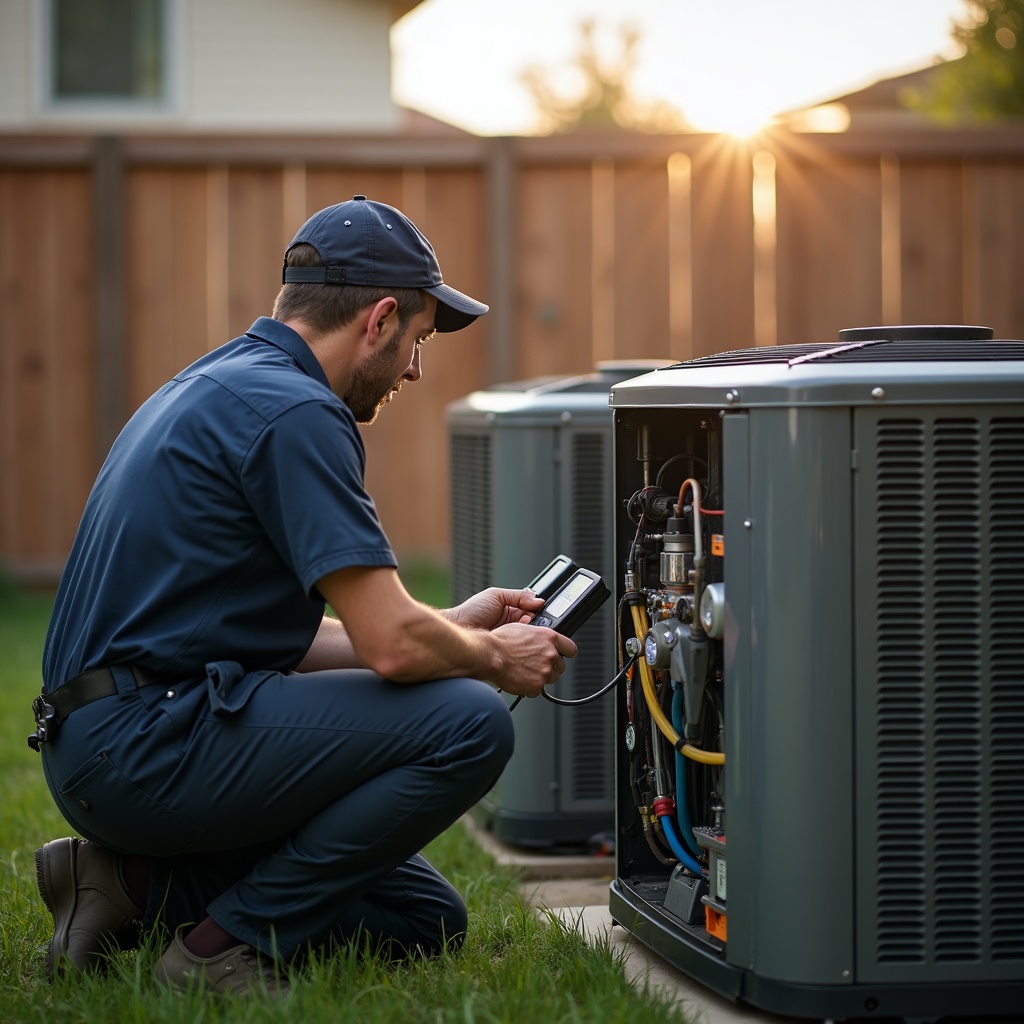
When you suspect compressor problems, professional diagnosis by a qualified HVAC contractor in Anaheim provides critical information you can’t obtain through DIY troubleshooting. Technicians use specialized gauges to measure refrigerant pressures on both the low and high sides of the system, comparing actual readings against manufacturer specifications. These pressure readings reveal whether the compressor is generating adequate compression or losing efficiency internally.
Electrical testing measures actual amperage draw against the rated amperage listed on the compressor nameplate. Draws significantly above rating indicate motor problems or mechanical binding. Technicians also test the capacitor’s microfarad rating, check contactor condition, and verify proper voltage supply. This comprehensive electrical assessment identifies whether supporting components have failed or the compressor itself needs replacement.
For systems showing early failure signs, technicians can sometimes extend compressor life through targeted interventions. Adding POE (polyolester) oil supplements lubrication if oil has degraded. Installing hard-start kits helps worn compressors overcome starting difficulty. Cleaning condenser coils improves heat dissipation and reduces operating temperatures. While these measures won’t resurrect a truly failed compressor, they can buy additional months or seasons for systems where replacement isn’t immediately feasible.
When replacement becomes necessary, professional installation quality determines how long your new compressor lasts. Proper installation includes complete refrigerant recovery, vacuum evacuation to remove moisture and contaminants, refrigerant charging by weight rather than pressure, and installation of a new filter-drier. Technicians should provide documentation of gauge readings, evacuation time, and refrigerant charge to protect your warranty coverage. Many manufacturers void warranties if installation doesn’t meet their specifications.
Shalom Heating & Air provides comprehensive compressor diagnostics and replacement services throughout Anaheim, from West Anaheim to Anaheim Shores. Our NATE-certified technicians carry the diagnostic equipment needed to accurately assess your system’s condition and provide honest recommendations about repair versus replacement. We explain the financial implications of each option so you can make informed decisions based on your home’s specific situation and your budget. For urgent compressor issues or questions about unusual system behavior, call us at (714) 886-2021 to schedule a thorough inspection.
Don’t wait until complete system failure forces emergency repairs at premium pricing. Early intervention when you first notice performance decline, unusual noises, or rising energy bills gives you control over timing and costs. We’ll help you understand exactly what’s happening with your compressor, provide accurate cost estimates for all your options, and complete repairs with the quality workmanship that extends your system’s lifespan. Whether you need compressor replacement, full system upgrade, or guidance on the most cost-effective path forward, our team delivers the expertise and transparency Anaheim homeowners deserve.
