
Why Newport Beach Requires Fences Around HVAC Units — What Homeowners Need to Know Now
If you’re planning an HVAC upgrade this season in Newport Beach, there’s a crucial detail you need to know before installation day: the city requires protective fencing around certain outdoor HVAC equipment. This isn’t a suggestion or an optional upgrade — it’s a code requirement that homeowners in neighborhoods like Balboa Peninsula, Corona del Mar, and Newport Coast must follow. Understanding these regulations now can save you from installation delays, failed inspections, and unexpected costs later.
📋 In This Guide
- ▸When Newport Beach Requires HVAC Equipment Fencing
- ▸Materials and Design Standards for HVAC Fencing
- ▸The Permitting Process and Timeline Considerations
- ▸Cost Implications for Newport Beach Homeowners
- ▸Avoiding Common Mistakes and Code Violations
- ▸Working With Experienced Newport Beach HVAC Contractors
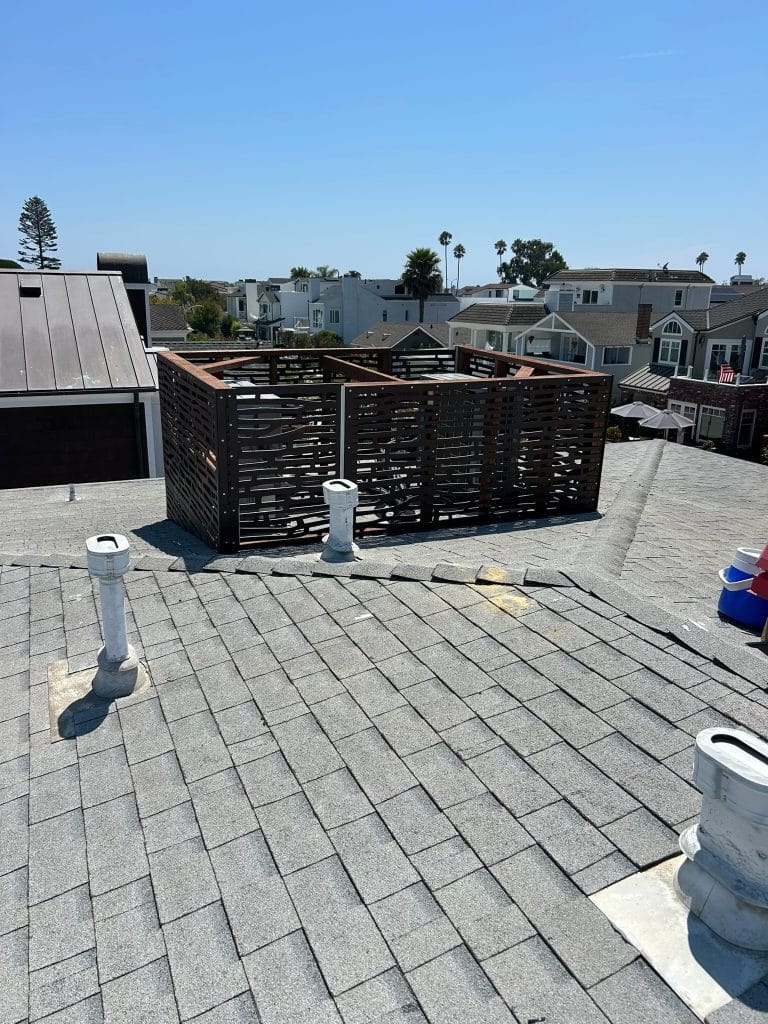
This requirement reflects Newport Beach’s commitment to maintaining aesthetic standards in a community where median home values exceed $2.3 million. The city recognizes that visible mechanical equipment can impact curb appeal and property values, which is why they’ve implemented specific guidelines for HVAC installations. For homeowners investing in premium AC repair in Newport Beach or complete system replacements, compliance with these fencing rules is non-negotiable.
When Newport Beach Requires HVAC Equipment Fencing
The city mandates protective fencing for ground-level HVAC equipment that’s visible from public streets, sidewalks, or neighboring properties. This applies to both new installations and replacement units, particularly in residential zones throughout Dover Shores and Eastbluff. The requirement typically covers condensing units, heat pumps, and package systems positioned at ground level rather than on rooftops.
Rooftop installations generally exempt homeowners from fencing requirements since the equipment isn’t visible from street level. However, ground-mounted systems — which are common in older Newport Beach homes built before the 1990s — almost always trigger the fencing mandate. The city’s building department evaluates each installation based on visibility and placement, making a pre-installation consultation essential.
What many homeowners don’t realize is that replacing an existing unit can trigger updated code requirements. Even if your old system didn’t have fencing, your new installation may need it. The permitting process brings your property into compliance with current standards, which have evolved significantly over the past decade as Newport Beach has refined its development guidelines.
Materials and Design Standards for HVAC Fencing
Newport Beach doesn’t just require any fence — the enclosure must meet specific design and material standards that align with the city’s architectural character. Acceptable materials typically include wood slat fencing, decorative metal panels, stucco walls, or composite materials that complement your home’s exterior. The key requirement is that the fencing must screen the equipment from view while maintaining visual harmony with the property.
Height restrictions apply, with fencing typically ranging from 36 to 48 inches depending on the unit’s size and location. The enclosure must provide adequate clearance around the equipment — generally 18 to 24 inches on the service side and 12 inches on other sides — to ensure proper airflow and technician access. This clearance is critical for system efficiency and future HVAC services in Newport Beach.
Color matching is another consideration. The fence should blend with your home’s palette rather than stand out as an afterthought. Many homeowners in higher-income areas like Newport Coast choose custom designs that incorporate landscaping elements, transforming a code requirement into an attractive property feature. Integrating climbing plants or coordinating the fence with existing hardscaping creates a cohesive look that actually enhances curb appeal.
The Permitting Process and Timeline Considerations
Every HVAC replacement or new installation in Newport Beach requires a permit, and the fencing component adds a layer of complexity to the approval process. Reputable contractors familiar with local codes — like those providing air conditioning repair and installation throughout Orange County — will handle the permitting as part of your project.
The timeline typically extends 7-10 business days for permit approval, though this can vary during peak construction seasons. The city reviews your plans to ensure compliance with setback requirements, height restrictions, and aesthetic guidelines. If your property falls within a historic district or has specific homeowners association rules, additional approvals may be necessary.
Installation coordination is crucial. Some contractors install the fence simultaneously with the HVAC equipment, while others complete the mechanical work first and follow with the enclosure. The latter approach can be problematic because the city inspector may require the fencing to be in place before signing off on the HVAC permit. Clarifying this sequence with your contractor upfront prevents delays and ensures you’re not left without cooling during Newport Beach’s warm months.
Cost Implications for Newport Beach Homeowners
Budget planning should account for fencing as a required component, not an optional add-on. Basic enclosures typically range from $800 to $1,500, while custom designs using premium materials can cost $2,000 to $4,000 or more. These figures reflect the higher labor and material costs common in Newport Beach’s construction market.
The investment protects more than just code compliance. Proper fencing shields your equipment from accidental damage, reduces noise transmission to outdoor living spaces, and can even improve system longevity by preventing debris accumulation. For homes with elaborate outdoor entertaining areas — common throughout Corona del Mar — a well-designed enclosure maintains the seamless aesthetic that makes coastal California living so appealing.
Financing options can help manage these costs. Many homeowners combine HVAC replacement and fencing expenses into a single project, taking advantage of convenient HVAC financing options that spread payments over manageable terms. This approach makes sense when you’re already investing $8,000 to $15,000 or more in a complete system upgrade.
Avoiding Common Mistakes and Code Violations
The most frequent error is assuming you can skip the fence because your neighbor doesn’t have one. Code requirements change, and older installations may have been grandfathered under previous regulations. Your new installation must meet current standards regardless of what’s already in the neighborhood.
Another mistake is treating the fence as an afterthought. Some homeowners complete the HVAC installation and delay the fencing, only to discover they can’t get final approval without it. This leaves you in a frustrating position where your new system is operational but technically not permitted, creating potential issues if you try to sell your home.
DIY fencing rarely meets code requirements. While it’s tempting to save money by building your own enclosure, inspectors frequently reject homemade fences that don’t meet structural, clearance, or aesthetic standards. Working with experienced contractors who understand Newport Beach’s specific requirements ensures compliance the first time.
Homeowners should also verify that contractors pull proper permits rather than attempting unpermitted work. The city actively enforces code compliance, and unpermitted installations can result in fines, mandatory removal, and complications when you sell your property. The relatively minor cost of proper permitting is insignificant compared to the liability of code violations in Newport Beach’s high-value real estate market.
Working With Experienced Newport Beach HVAC Contractors
Choosing a contractor who knows Newport Beach’s specific requirements makes all the difference. Local expertise means your team understands not just the mechanical aspects of HVAC installation but also the city’s permitting process, inspection standards, and timing considerations. This knowledge streamlines your project and prevents costly mistakes.
Shalom Heating & Air has completed hundreds of installations throughout Newport Beach, working closely with the city’s building department to ensure every project meets current codes. We coordinate all aspects of your installation — from equipment selection and placement to fencing design and final inspection — so you experience a seamless process from start to finish.
Our team understands that the fence requirement isn’t just about compliance; it’s an opportunity to enhance your property. We work with you to design enclosures that complement your home’s architecture while meeting all technical requirements for equipment performance. This attention to detail reflects our commitment to serving Newport Beach homeowners who expect both quality and professionalism.
If you’re planning an HVAC upgrade this season, don’t let the fencing requirement catch you by surprise. Contact Shalom Heating & Air at (714) 886-2021 to schedule a consultation. We’ll assess your property, explain your options, handle all permitting, and complete your installation with the proper enclosure in place — ensuring you stay cool, comfortable, and fully compliant with Newport Beach regulations.
