
Why AC Systems Struggle in Cerritos During 100+ Heat Waves
When temperatures in Cerritos, CA push past the 100-degree mark, air conditioning systems across the city face their toughest test of the year. Heat waves put enormous stress on every component of a residential cooling system, and even well-maintained units can struggle to keep up when the mercury climbs that high. Understanding why this happens — and what can be done about it — helps homeowners stay ahead of breakdowns and costly emergency Cerritos AC repair calls.
At Shalom Heating & Air, we see a significant spike in service requests during extreme heat events. Many of the issues we respond to could have been prevented with proper preparation. This guide explains what happens to your AC system during triple-digit heat and how to protect your investment before the next heat wave arrives.
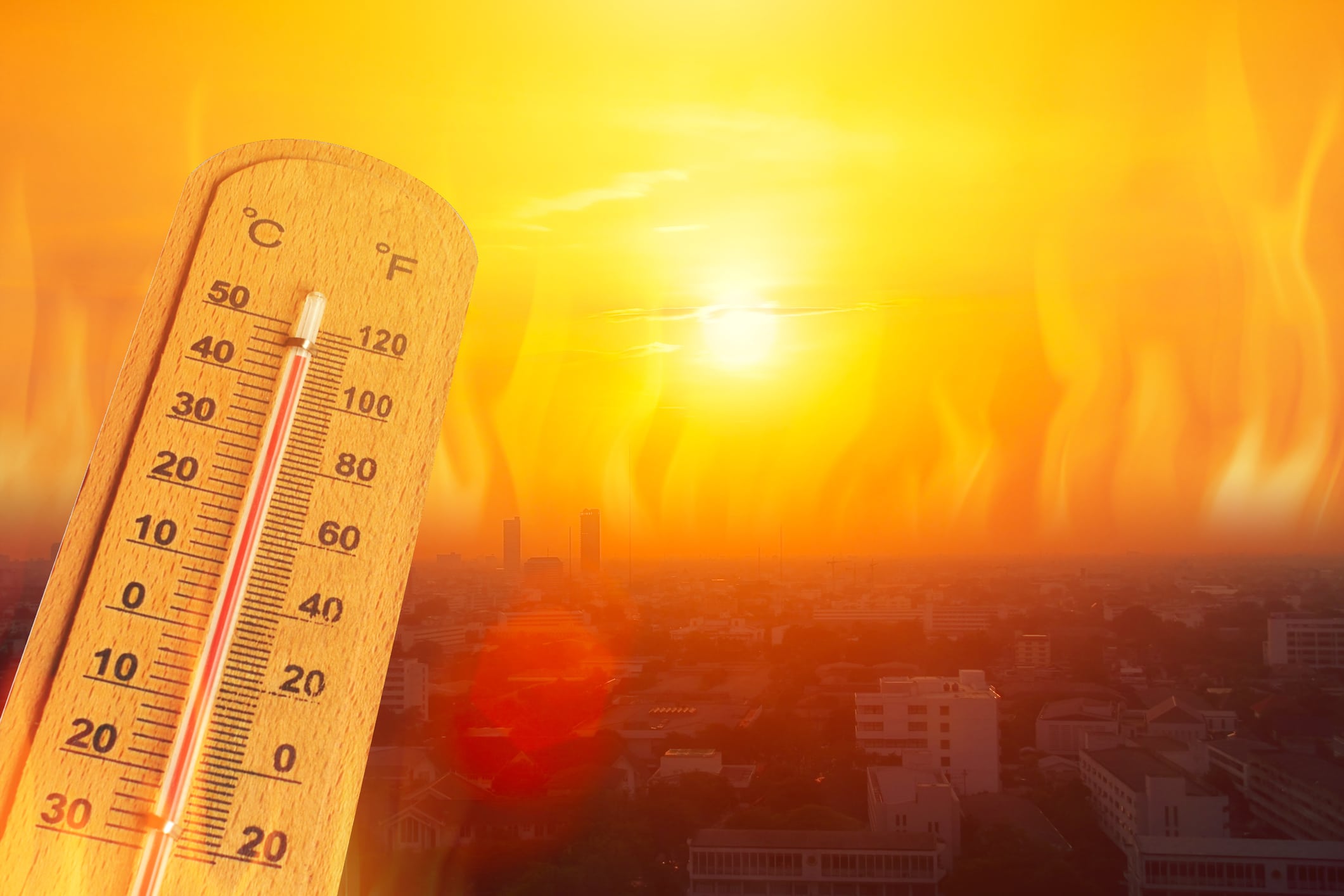
How Extreme Heat Pushes AC Systems Past Their Limits
Most residential air conditioners are engineered to cool a home effectively when outdoor temperatures are in the mid-90s or below. Once temps climb above 100 degrees, the system has to work significantly harder to maintain indoor comfort. The outdoor condenser struggles to release heat into air that is already extremely hot, and the compressor runs longer cycles with shorter rest periods. This constant operation accelerates wear on critical components and pushes the entire system closer to failure.
During a heat wave, AC systems face these specific challenges:
These are not signs of a broken system — they are the reality of what happens when a standard residential AC unit meets extreme conditions it was not fully designed to handle on its own.
What Makes Cerritos Especially Vulnerable to Heat Wave AC Failures
Cerritos sits in the southeastern corner of Los Angeles County, an inland area that does not benefit from the same coastal breezes that moderate temperatures closer to the ocean. During regional heat waves driven by Santa Ana winds or high-pressure systems, Cerritos can experience multiple consecutive days above 100 degrees with overnight lows that barely dip below 80.
That lack of nighttime cooling is a critical factor. When outdoor temperatures stay elevated after sunset, the AC system never gets a true rest period. The compressor continues to cycle through the night, building up cumulative heat stress that would not occur in areas where temperatures drop significantly in the evening.
Additionally, many Cerritos homes were built during the 1960s and 1970s housing boom. While these homes are well-established, their original HVAC systems and insulation levels were designed for a different era of climate expectations. Older ductwork may have developed leaks, insulation may have settled or degraded, and original AC systems have long since been replaced — sometimes with units that were not properly sized for the home’s current cooling demands.
The Components Most at Risk During Extreme Heat
Not every part of an AC system is equally affected by extreme heat. Certain components bear the heaviest load and are the most likely to fail when temperatures spike.
The Compressor — This is the heart of the cooling system. During a heat wave, the compressor runs almost continuously, generating significant internal heat. If refrigerant levels are even slightly low or the condenser coil is dirty, the compressor has to work even harder, raising the risk of overheating and permanent damage.
Capacitors — Start and run capacitors store and release electrical energy to power the compressor and fan motors. Extreme heat weakens capacitors faster than normal conditions, and a failed capacitor can shut down the entire system instantly. This is one of the most common emergency repair calls during heat waves.
The Condenser Fan Motor — The fan in the outdoor unit pulls air across the condenser coil to release heat. When ambient temperatures exceed 100 degrees, the fan motor works overtime to move enough air. Bearings wear out faster, and motors can burn out entirely if they have not been lubricated or inspected recently.
Refrigerant Levels — Even a small refrigerant leak that goes unnoticed during mild weather becomes a major problem in extreme heat. Low refrigerant reduces cooling capacity and forces the compressor to run harder and hotter, creating a cycle that can lead to complete system failure.
What Cerritos Homeowners Can Do Before the Next Heat Wave
The best time to prepare for extreme heat is before it arrives. A system that has been properly maintained going into summer has a far better chance of surviving a heat wave without breaking down. Here are steps that make a real difference.
Preparation steps to protect your AC system:
- 1Schedule a professional tune-up before peak summer heat
- 2Replace air filters and keep spares on hand for mid-season changes
- 3Clear all debris, plants, and obstructions from around the outdoor unit
- 4Close blinds and curtains on sun-facing windows during peak hours
- 5Avoid setting the thermostat drastically lower during a heat wave
- 6Use ceiling fans to help circulate cooled air more evenly
- 7Seal gaps around doors and windows to minimize heat infiltration
These steps reduce the overall workload on the AC system, giving it the best chance of performing well even when outdoor conditions are extreme. A system that enters a heat wave with clean coils, proper refrigerant levels, and solid electrical connections is far less likely to fail than one running on deferred maintenance.
Heat Wave AC FAQ
Common Questions About AC Performance During Extreme Heat in Cerritos
Stay Cool Through Every Cerritos Heat Wave
Heat waves are unavoidable in Southern California, but AC breakdowns do not have to be. With the right preparation and professional support, your cooling system can hold up through even the most intense stretches of summer heat.
If your air conditioner is struggling during hot weather or you want to get ahead of potential problems before the next heat wave, Shalom Heating & Air is here to help. Contact us for professional AC repair and maintenance in Cerritos and make sure your system is ready for whatever summer brings.
