
-
 Your Cypress Home's Pre-Summer System Check: Small City, Big HVAC Expectations
Cypress homeowners need comprehensive spring HVAC maintenance to prepare for California's intense summer heat. Learn essential tasks, local…
-
The HVAC Replacement Myth Most Cypress Homeowners Believe — And What the Numbers Actually Say
Most Cypress homeowners believe if their HVAC turns on, it's worth keeping. This costly myth ignores the financial…
-
How Santa Ana Winds Affect Your AC System in Cypress
Santa Ana winds create unique challenges for Cypress AC systems. Learn how heat surges, airborne dust, and debris…
-
5 HVAC Summer Energy Myths Busted for Bellflower Homes
Debunking five dangerous HVAC myths costing Bellflower families hundreds each summer. This myth-busting checklist reveals evidence-based strategies to…
-
Will Your HVAC Make Wildfire Smoke Worse? What Bellflower Homeowners Get Wrong
Wildfire smoke doesn't just threaten outdoor air quality—it can cause expensive damage to your HVAC system. Learn how…
-
HVAC Repair vs. Replace: Complete Cost Guide for Bellflower Homeowners
Bellflower homeowners face tough choices when HVAC systems fail. This comprehensive cost guide explains the 5,000 Rule, typical…
-
Is It a Frozen Coil or Something Else? A Bellflower Homeowner's Diagnostic Guide
Step-by-step guide for Bellflower homeowners dealing with frozen evaporator coils, including symptoms, DIY troubleshooting, and prevention strategies for…
-
Winter Air Quality in Bellflower: 5 Steps To Take Today
Sealed homes during Bellflower's winter trap dust, VOCs, and even wildfire smoke—worsening allergies and straining HVAC systems. Learn…
-
Will Your HVAC Make Wildfire Smoke Worse? What Bellflower Homeowners Get Wrong
Wildfire smoke doesn't just threaten outdoor air quality—it can cause expensive damage to your HVAC system. Learn how…
-
HVAC Repair vs. Replace: Complete Cost Guide for Bellflower Homeowners
Bellflower homeowners face tough choices when HVAC systems fail. This comprehensive cost guide explains the 5,000 Rule, typical…
-
Is It a Frozen Coil or Something Else? A Bellflower Homeowner's Diagnostic Guide
Step-by-step guide for Bellflower homeowners dealing with frozen evaporator coils, including symptoms, DIY troubleshooting, and prevention strategies for…
-
HVAC Wildfire Season Preparation in Cerritos
Cerritos homeowners risk emergency repairs, efficiency losses, and thousands in unexpected costs by delaying spring HVAC maintenance before…
-
Is Your HVAC Worth Fixing? A Dollar-for-Dollar Breakdown for Cerritos Homeowners
Facing HVAC repairs in Cerritos? This comprehensive guide breaks down repair costs, replacement expenses, the 5,000 Rule, energy…
-
Why AC Systems Struggle in Cerritos During 100+ Heat Waves
Learn why residential AC systems in Cerritos struggle during triple-digit heat waves and the steps homeowners can take…
-
What Skipping Pre-Summer HVAC Maintenance Costs Buena Park Homeowners
Spring offers a critical window for HVAC preparation before summer heat arrives. This comprehensive maintenance checklist helps Buena…
-
After-Hours AC Repair: Buena Park Cost Breakdown
Most Buena Park homeowners believe emergency AC service automatically doubles the cost—but that's the industry's biggest misconception. Understanding…
-
What Delaying Your HVAC Decision Will Cost You in Buena Park
Deciding between HVAC repair and replacement? Understand the true costs, energy savings, California rebates, and smart financial framework…
-
Top 5 AC Problems in Buena Park Every Summer
From refrigerant leaks to thermostat failures, these are the top 5 AC problems Buena Park homeowners deal with…
-
The Hidden Cost of Skipping Spring HVAC Prep in Brea
Spring HVAC preparation in Brea prevents costly summer breakdowns. This comprehensive checklist covers essential maintenance tasks, professional tune-ups,…
-
Thermostat Broken? 7 Fixes That Save Brea Homeowners
Your Brea thermostat isn't just broken—it's sending the wrong signals to your entire HVAC system. Learn which of…
-
When Your HVAC Fails in Brea: What Ignoring the Decision Costs You
Facing an HVAC breakdown in Brea? This comprehensive guide compares repair vs replacement costs, explains the 5,000 rule,…
-
AC Condenser Replacement
When your outdoor AC condenser stops working, Shalom Heating & Air provides expert Brea AC repair to restore…
❓ Frequently Asked Questions
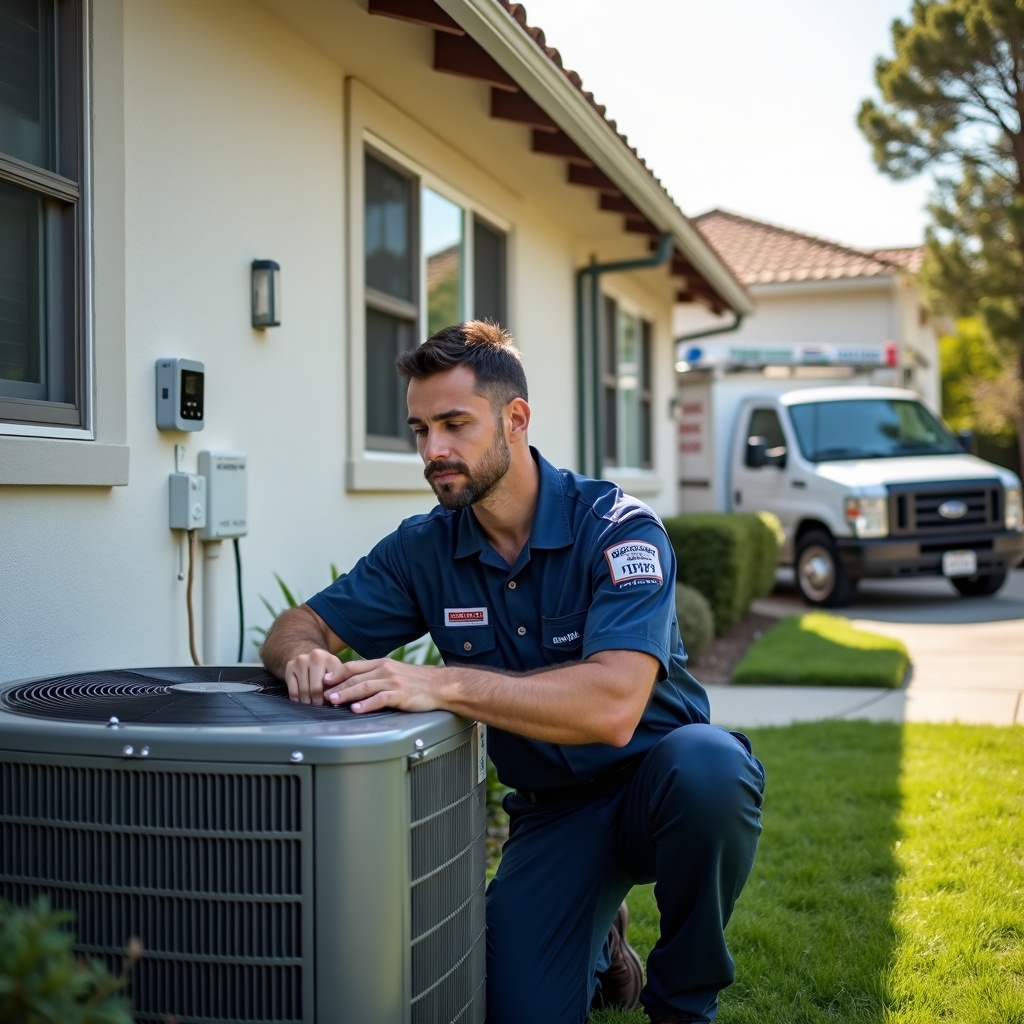
How much does an AC tune-up cost in Cypress, California?
Professional AC tune-ups in Cypress typically cost $70 to $200 for comprehensive maintenance including coil cleaning, refrigerant check, electrical inspection, and thermostat calibration. This modest investment prevents costly mid-summer breakdowns and improves efficiency by 10-15%, saving $150-$300 annually on cooling costs.
What percentage can smart thermostats really save on summer cooling bills?
Independent studies show smart thermostats save 10-12% on heating and 15% on cooling costs on average. In Cypress's hot climate with high electricity rates (30¢/kWh), homeowners typically save $100-$180 annually, with payback periods of 12-18 months after installation and utility rebates.
When should I schedule AC maintenance to prepare for Cypress summer heat?
Schedule your AC tune-up in April or early May—before summer demand peaks and temperatures climb. Waiting until June means competing with hundreds of other homeowners for service appointments, often paying premium emergency rates, and losing weeks of potential energy savings during the cooling season.
Can I contact Shalom Heating & Air for energy-saving HVAC assessments in Cypress?
Yes, Shalom Heating & Air provides comprehensive energy efficiency assessments for Cypress homeowners, identifying the highest-ROI improvements for your specific home and equipment. Call (714) 886-2021 to schedule a pre-summer AC optimization that reduces cooling costs 15-25% throughout the entire season.
📖 More Tips for Cypress


🏘️ Same Topic in Nearby Cities
❓ Frequently Asked Questions
How often should I change my HVAC filter during winter in Bellflower?
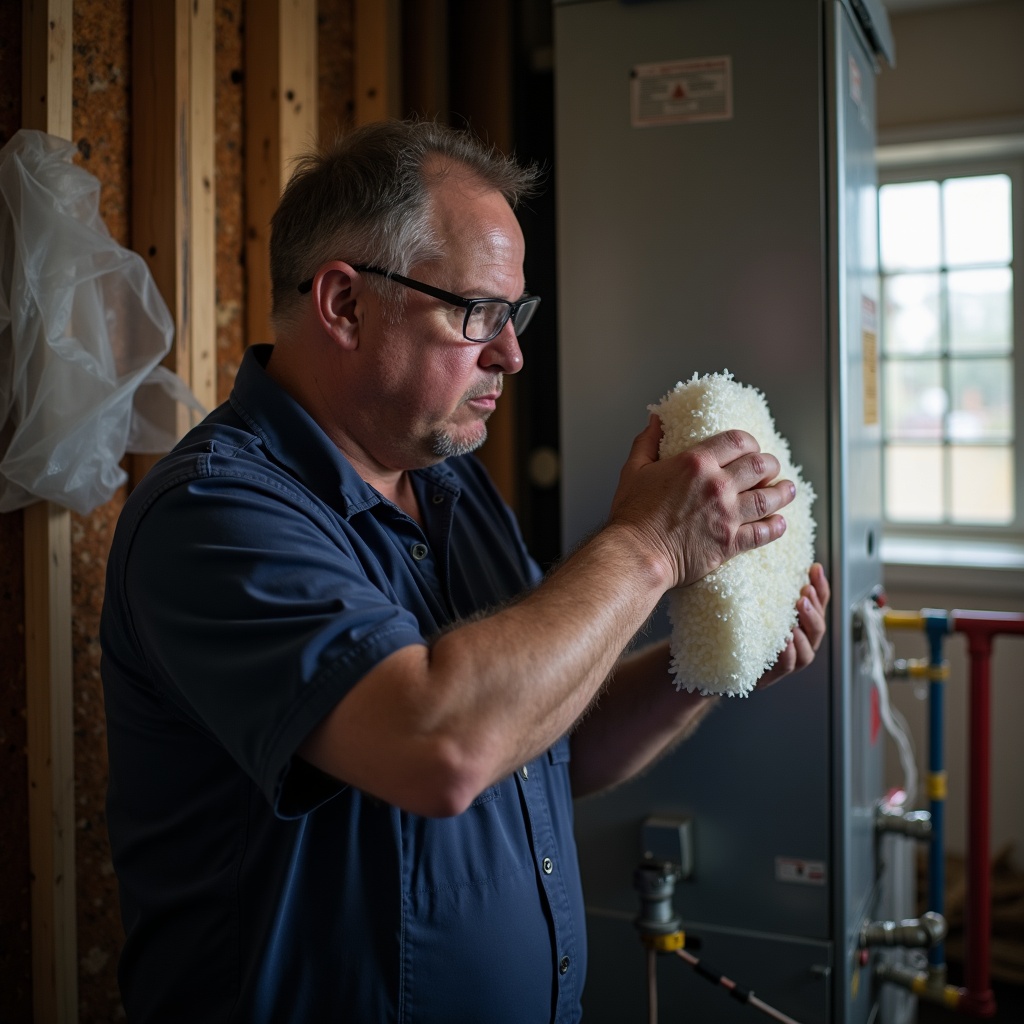
Change MERV 8-11 filters every 60-90 days under normal conditions, but check monthly during winter when your heating system runs frequently. If you have pets, allergies, or notice reduced airflow, replace filters every 30-60 days to maintain indoor air quality and system efficiency.
Can wildfire smoke affect indoor air quality in Bellflower during winter?
Yes, California wildfires now occur year-round, and smoke can travel over 100 miles from fire zones. Even during winter, Bellflower homes can experience smoke infiltration that worsens respiratory symptoms and deposits toxic particulates indoors if your HVAC system isn't equipped with proper filtration.
What are the signs my home has poor indoor air quality?
Common signs include persistent headaches, fatigue, dry or itchy skin, worsened allergy or asthma symptoms, excessive dust accumulation, musty odors, and condensation on windows. If symptoms improve when you leave the house, indoor air quality issues are likely the cause.
Should I contact Shalom Heating & Air for an indoor air quality assessment?
Yes, especially if household members experience unexplained respiratory issues or if your home is older with potential ductwork problems. Shalom Heating & Air at (714) 886-2021 provides comprehensive indoor air quality testing and solutions tailored to Bellflower homes, including filter upgrades, UV light systems, and whole-home purification.
📖 More Tips for Bellflower


🏘️ Same Topic in Nearby Cities
❓ Frequently Asked Questions
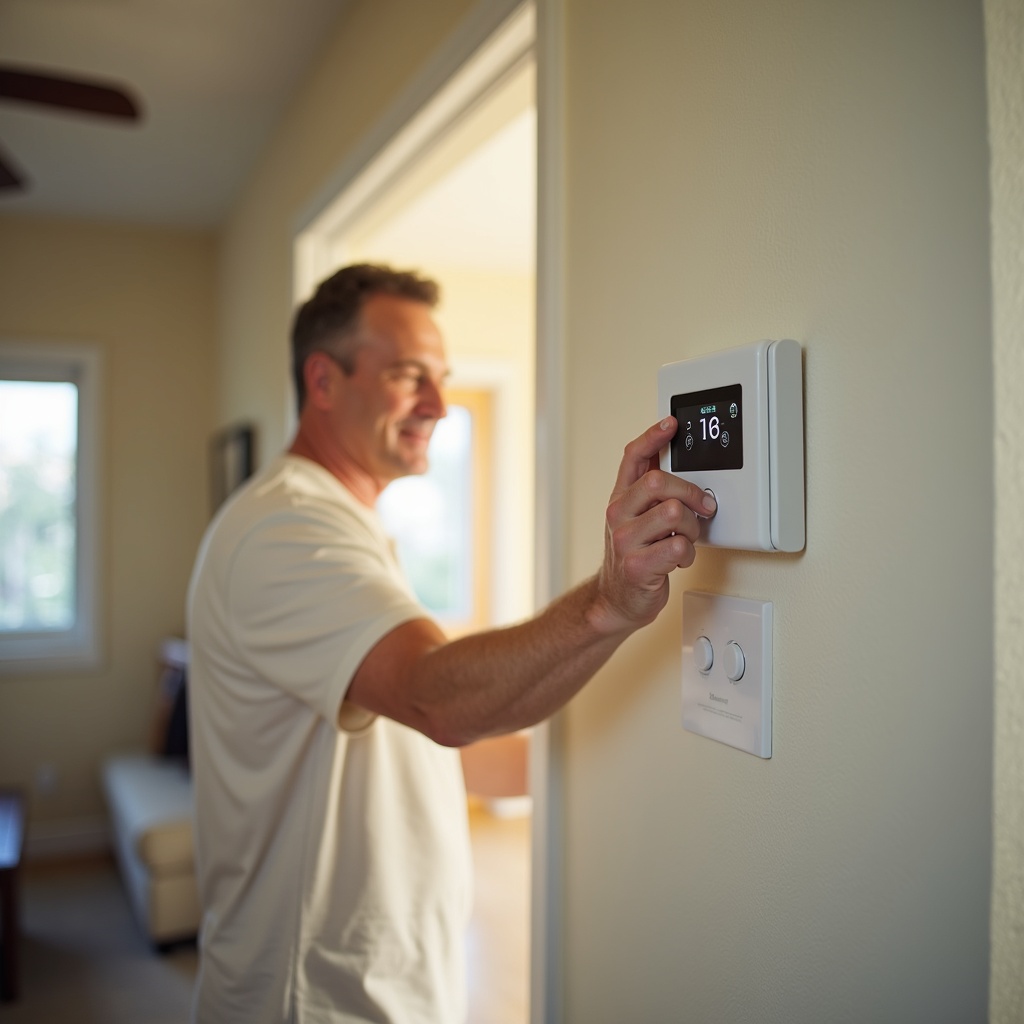
How much can I actually save by raising my thermostat to 78 degrees in Bellflower?
Raising your thermostat from 72°F to 78°F saves approximately 3% per degree, totaling about 18% on cooling costs. For a typical Bellflower home spending $250 monthly during summer, that's $45 per month or $180–$270 over the cooling season. The savings are even greater if you program setbacks during work hours.
What are Southern California Edison peak hours and how do they affect my AC costs?
SCE peak hours run from 4–9 p.m. or 5–8 p.m. depending on your plan, when electricity costs 2–3 times more than off-peak rates. Running your air conditioner during these hours can account for 60–70% of your daily cooling costs even though it's only 20–25% of the day. Pre-cooling before 4 p.m. and coasting through peak hours can save 20–30% monthly.
Should I close vents in unused rooms to save energy during Bellflower summers?
No, closing vents increases pressure in your ductwork, forces air through existing leaks, and makes your blower motor work harder—often increasing energy use rather than reducing it. Your HVAC system is designed to distribute air throughout your entire home based on calculated loads. Keep all vents open and address comfort issues through proper duct sealing and system balancing instead.
How often should I call Shalom Heating & Air for summer AC maintenance in Bellflower?
Schedule professional maintenance annually each spring before cooling season begins. Shalom Heating & Air at (714) 886-2021 provides comprehensive tune-ups that catch efficiency problems before they waste hundreds in energy costs. Between professional visits, replace your air filter monthly during heavy-use months for optimal performance and lower bills.
📖 More Tips for Bellflower

🏘️ Same Topic in Nearby Cities
📖 More Tips for Cerritos


🏘️ Same Topic in Nearby Cities
❓ Frequently Asked Questions
How long can an AC run continuously during a Buena Park heatwave before it breaks?
Most residential AC systems can run continuously for 24–48 hours during extreme heat if properly maintained, but extended operation without rest cycles accelerates wear on the compressor and fan motors. Systems over 10 years old or those with deferred maintenance are at highest risk of failure when running non-stop during heatwaves above 100°F.
What should I do first if my AC stops cooling during a 100-degree day?
Check your thermostat settings and circuit breaker immediately, then verify the outdoor unit's fan is spinning. If the compressor hums but the fan doesn't move, turn off the system and call for emergency service — continuing to run it will damage the compressor. Move vulnerable family members to a cooler location while waiting for repairs.
Can Shalom Heating & Air provide same-day emergency service during heatwaves?
Yes, Shalom Heating & Air prioritizes emergency no-cooling calls during extreme heat events and stocks common failure parts like capacitors and fan motors for same-visit repairs. Call (714) 886-2021 as soon as you notice cooling problems — response times extend during peak heatwave periods due to call volume, so early contact improves your chances of same-day service.
Why does my AC freeze up when it's 105 degrees outside?
Frozen evaporator coils during extreme heat indicate restricted airflow from a dirty filter, blocked return vents, or low refrigerant levels that drop coil pressure below freezing. The system runs constantly trying to cool your home, but without proper airflow or refrigerant charge, moisture on the coil freezes instead of evaporating, blocking heat absorption and shutting down cooling completely.
📖 More Tips for Buena Park


🏘️ Same Topic in Nearby Cities

❓ Frequently Asked Questions
How often should I change my HVAC filter during Brea's allergy season?
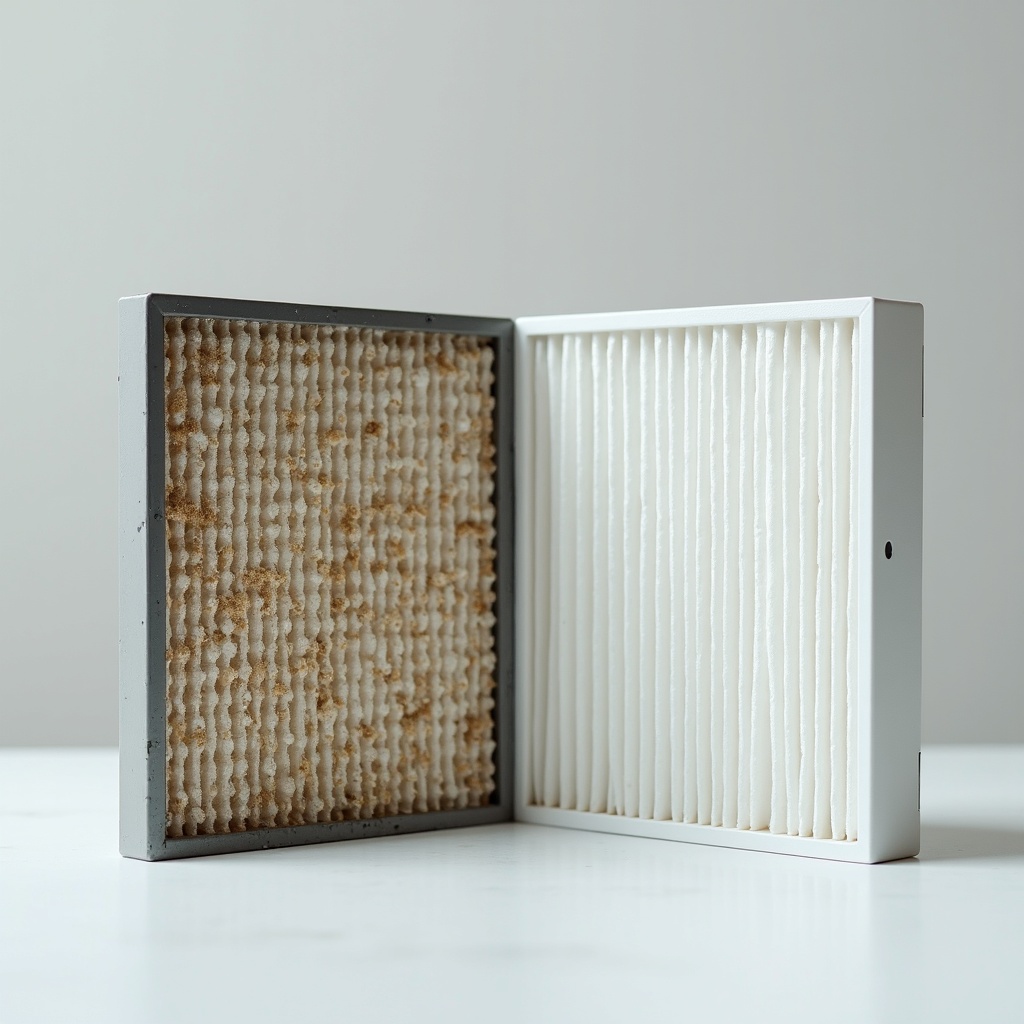
Replace MERV 11–13 filters every 60 days during Brea's peak allergy months (March through October). Higher pollen counts and continuous fan operation load filters faster than during winter months. Check filters monthly—if they look visibly dirty before 60 days, replace them immediately to maintain optimal air quality.
Can UV lights in my HVAC system reduce pollen allergies?
UV lights kill bacteria, viruses, and mold but don't capture pollen particles. They work best alongside MERV 11+ mechanical filters that trap pollen while UV handles microbial contaminants. For pollen-specific relief, prioritize filter upgrades over UV installation unless you also have mold concerns.
Is professional duct cleaning worth it for Brea allergy sufferers?
Duct cleaning provides value when combined with upgraded filtration, especially for homes with 8+ years of buildup, recent renovations, or visible contamination. Expect to pay $350–$450 for thorough cleaning in Brea. However, upgrading to MERV 11–13 filters delivers more consistent allergy relief for most homeowners at lower cost.
Should I contact Shalom Heating & Air for indoor air quality concerns?
Call Shalom Heating & Air at (714) 886-2021 for professional air quality assessments, filter compatibility verification, UV purifier installation, and duct cleaning in Brea. Their technicians evaluate your specific system, recommend solutions matched to your budget, and ensure upgrades don't compromise HVAC efficiency or lifespan.


