Furnace Repair in Huntington Beach: When to Repair vs Replace Your Heater
Why Do Furnaces Fail in Huntington Beach, CA?
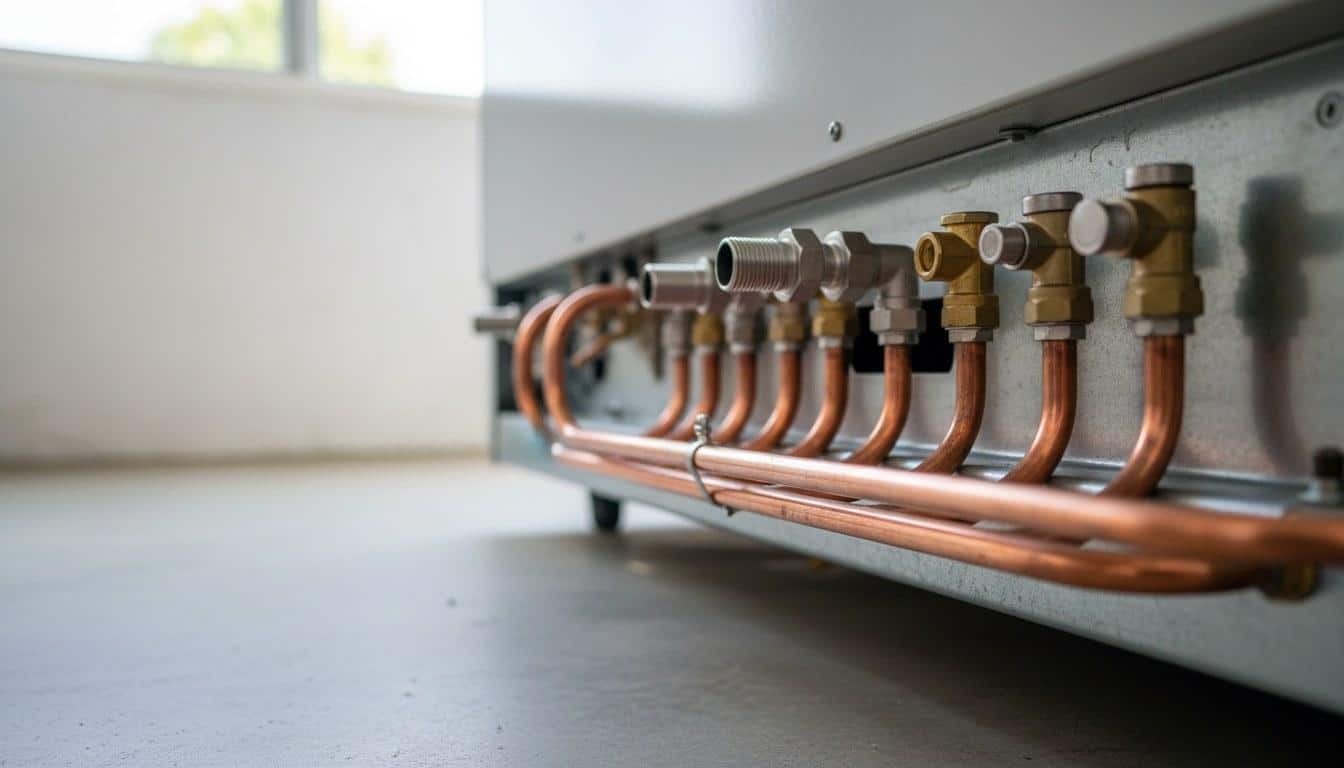
Furnaces in Huntington Beach, CA face a unique set of stresses that accelerate wear faster than in most California inland cities. The coastal marine layer brings salt-laden moisture that corrodes heat exchangers and burner components, while the dry Santa Ana winds that sweep through Orange County each fall spike heating demand suddenly after months of low use.
Most Huntington Beach homes in ZIP codes 92646 and 92648 were built between the 1960s and 1990s. That puts a large share of local furnaces at or past the 20-year mark, which is the point where repair frequency and cost both climb sharply. NOAA data shows Southern California’s average heating season runs roughly 4 to 5 months, but coastal areas like Huntington Harbour and Seacliff can see the marine layer push indoor humidity above 70% on winter mornings, promoting rust inside the heat exchanger (the metal chamber that warms air before it reaches your vents).
Furnaces that sit idle through long, mild summers also develop igniter failures and cracked flame sensors more often than units that run year-round. If you have not had a tune-up recently, our Huntington Beach furnace maintenance checklist covers the annual steps that prevent most of these failures before they happen.
What Are the Warning Signs Your Furnace Needs Repair in Huntington Beach?
Seven symptoms tell you a furnace needs attention before it fails completely. Catching these early is the difference between a $150 igniter swap and a $3,000 heat exchanger replacement.
- No heat or weak heat: The furnace runs but air coming from vents stays cool or barely warm, pointing to a failed igniter, bad gas valve, or cracked heat exchanger.
- Short cycling: The furnace turns on and off every few minutes instead of completing a full heating cycle. This often means an overheating unit, a dirty flame sensor, or a clogged filter.
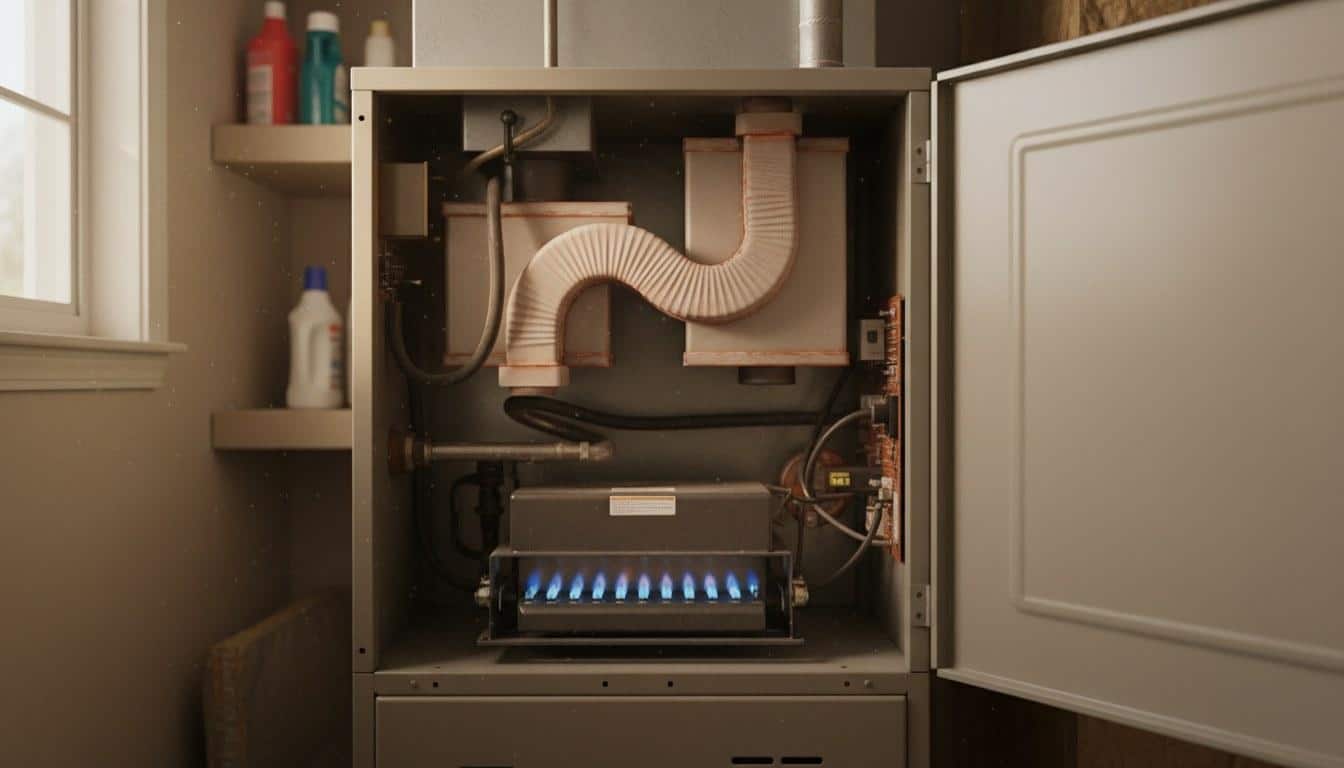
- Yellow or orange burner flame: A healthy gas burner burns blue. Yellow or orange flames signal incomplete combustion and possible carbon monoxide risk — stop using the furnace and call a pro the same day.
- Unusual noises: Banging at startup, squealing from the blower motor, or rattling in the cabinet all point to mechanical wear that worsens quickly if ignored.
- Rising gas or electric bills: A furnace losing efficiency uses more fuel to produce the same heat. If your bill jumps noticeably with no change in usage, the furnace is working harder than it should.
- Frequent pilot or ignition failures: If you have reset the igniter or relit the pilot more than twice in one season, the component is near the end of its life.
- Carbon monoxide detector alarm: This is an emergency. Leave the home immediately, call 911, and do not re-enter until cleared. A cracked heat exchanger is the most common furnace-related CO source.
| Symptom | Likely Cause | DIY or Pro? |
|---|---|---|
| No heat, furnace runs | Failed igniter or bad flame sensor | Pro — involves gas system |
| Short cycling every 3-5 minutes | Dirty filter, blocked flue, or overheating limit switch | DIY filter first; Pro if it continues |
| Yellow or orange flame | Incomplete combustion, possible CO risk | Pro — same day, do not delay |
| Banging at startup | Delayed ignition from dirty burners | Pro — burner cleaning required |
| Squealing blower | Worn blower motor belt or bearings | Pro — motor replacement |
| Rattling cabinet | Loose panel, worn inducer motor | DIY panel check; Pro for inducer |
| CO detector alarm | Cracked heat exchanger | Emergency — call 911 first |
What Can You Safely Check Yourself Before Calling a Pro?
Three checks take less than 10 minutes and resolve roughly 20% of furnace no-heat calls without any tools. Always turn the thermostat to HEAT and set it at least 5 degrees above the current room temperature before assuming the furnace has failed.
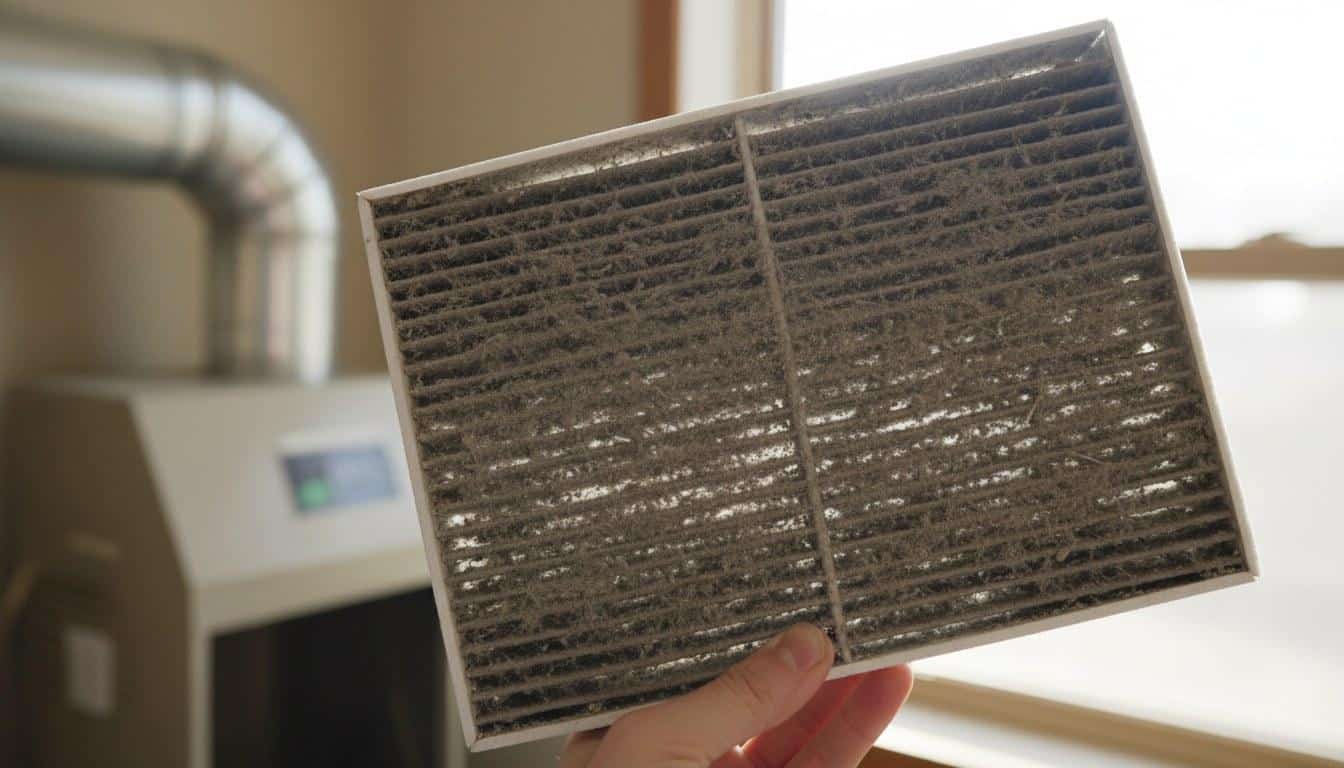
- Check and replace the air filter. A clogged 1-inch filter is the single most common cause of short cycling and overheating in Huntington Beach homes. Hold the filter up to a light — if you cannot see light through it, replace it. Filters in coastal ZIP codes like 92649 (Huntington Harbour) collect salt particulates faster and typically need replacement every 30 to 45 days during the heating season.
- Confirm the thermostat settings and batteries. Switch the thermostat from AUTO to ON to see if the blower runs at all. Replace the batteries if the display is dim. A dead thermostat battery is responsible for a surprising number of service calls each November when homeowners turn on heat for the first time.
- Check the circuit breaker and furnace power switch. The furnace has a dedicated 120-volt circuit breaker in your main panel. If it has tripped, reset it once. Also check the furnace power switch on the wall near the unit — it looks like a light switch and is often accidentally flipped off. Do not reset a breaker more than once; repeated tripping means an electrical fault that needs a licensed technician.
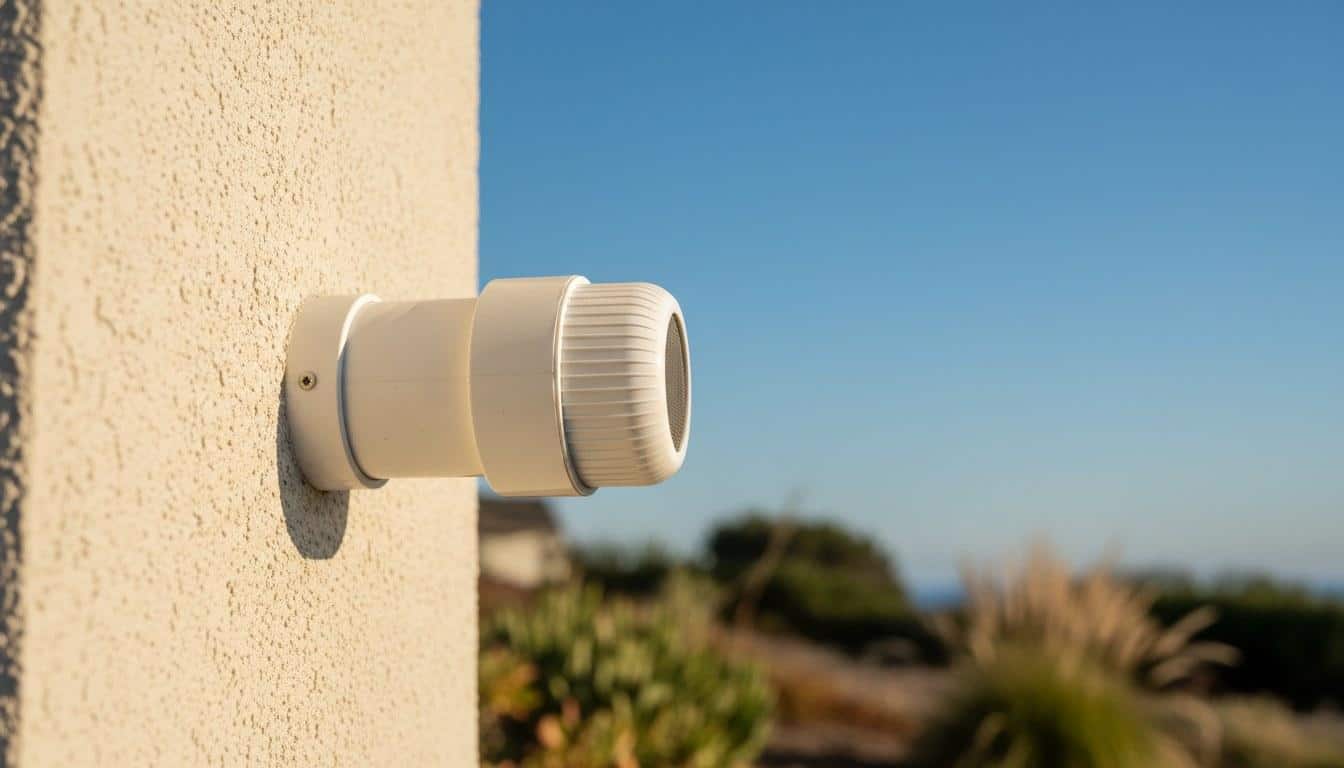
- Inspect the flue pipe for obvious blockages. If your furnace vents through a PVC pipe (common on high-efficiency models installed after 2000), check that the outdoor termination cap is clear of debris, bird nests, or insulation. A blocked flue shuts the furnace down as a safety measure. Do not attempt to clear a metal flue — that requires a pro.
How Much Does Furnace Repair Cost in Huntington Beach?
Furnace repair costs in the Huntington Beach, CA regional market typically range from $150 to $900 for most common repairs, with major component replacements running $900 to $1,800 depending on the part and equipment brand. The repair-vs-replace decision usually comes down to two factors: the age of the unit and the cost of the specific repair relative to a new system.
Common repairs and their typical market ranges in Southern California:
- Igniter replacement: Generally $150 to $300. Igniters on Carrier, Trane, and Lennox units are widely stocked and usually swapped in under an hour.
- Flame sensor cleaning or replacement: Typically $80 to $200. A dirty flame sensor is one of the most common causes of short cycling on Goodman and Carrier units over 8 years old.
- Blower motor replacement: Usually $400 to $900, depending on motor size and brand. Variable-speed motors on newer Lennox or Trane systems cost more than single-speed motors.
- Heat exchanger replacement: This is the most expensive common repair, typically $1,000 to $2,000 or more. At this price point, replacing the entire furnace is often the smarter financial move, especially on a unit over 15 years old.
- Control board replacement: Generally $500 to $900. Control boards vary widely by brand, and Mitsubishi ductless systems use different boards than ducted gas furnaces.
A useful rule: if the repair cost exceeds 50% of the price of a new system and the furnace is 15 or more years old, replacement typically delivers better long-term value. As of 2026, the Inflation Reduction Act federal tax credit offers up to $600 for qualifying high-efficiency furnace replacements, which can shift the math further toward replacing an aging unit. See the current credit details at energy.gov.
If the repair cost exceeds 50% of the price of a new system and the furnace is 15 or more years old, replacement typically delivers better long-term value.
New furnaces installed in California must also meet California’s Title 24 building energy standards, which set minimum AFUE (Annual Fuel Utilization Efficiency) ratings for replacement equipment. Check the current requirements at energy.ca.gov. Higher-efficiency units (96% AFUE or above) may also qualify for SoCalREN or TECH Clean California rebates that reduce upfront cost. For a written quote specific to your system, contact Shalom Heating & Air at (714) 886-2021.
When Should You Call a Professional for Furnace Repair in Huntington Beach?
Call a licensed HVAC technician the same day if you see a yellow flame, smell gas, hear grinding or banging, or if your CO detector activates. These are not situations where waiting a few days is safe.
Beyond emergencies, call a pro any time your DIY checks do not resolve the problem within one attempt. Gas furnace work — including burner cleaning, heat exchanger inspection, refrigerant-adjacent equipment, and any electrical component replacement — requires a technician licensed by the California Contractors State License Board (CSLB). You can verify any contractor’s license at cslb.ca.gov.
Our technicians respond to roughly 3 times more emergency furnace calls in the October-through-December window than any other three-month period in Huntington Beach, CA — almost always on units that had a warning symptom (short cycling or weak heat) the homeowner ignored for several weeks before the full failure.
Our technicians respond to roughly 3 times more emergency furnace calls in the October-through-December window than any other three-month period in Huntington Beach, CA.
What a licensed technician does on a furnace repair call in Huntington Beach:
- Measure gas pressure at the manifold and verify it matches the furnace manufacturer’s specification (typically 3.5 inches water column for natural gas).
- Test the heat exchanger for cracks using a combustion analyzer and visual inspection — a cracked exchanger leaks carbon monoxide into living space and is an immediate replacement trigger.
- Clean and test the flame sensor, igniter, and burners.
- Check the blower motor amperage draw and compare it to the nameplate rating to catch motors near the end of their service life before they fail.
- Inspect the flue system for proper draft and check for back-drafting, which is more common in tightly sealed newer homes in the Goldenwest and Pacific City areas.
- Verify thermostat calibration and wiring connections.
A standard diagnostic and repair visit typically takes 1 to 2 hours for most common failures. Complex repairs like heat exchanger or blower motor replacement can extend to 3 to 4 hours, and some parts may require a return visit if they need to be ordered for less common equipment brands.
Get Furnace Repair Help in Huntington Beach, CA
If your furnace is showing any of the warning signs above, do not wait until the first cold front of the season to address it. Furnace repair in Huntington Beach is faster and less expensive when the problem is caught early, before a minor component failure becomes a heat exchanger crack or a blower motor burnout.
Shalom Heating & Air serves all Huntington Beach ZIP codes — 92646, 92647, 92648, and 92649 — including neighborhoods from Downtown Huntington Beach to Huntington Harbour. Call (714) 886-2021 to schedule a same-day diagnostic or to get a written repair-vs-replace estimate before any work begins. If you decide a new system makes more sense, ask about current TECH Clean California rebates and the Inflation Reduction Act federal tax credit to reduce your out-of-pocket cost.
Frequently Asked Questions
How much does furnace repair usually cost in Huntington Beach?
Most furnace repairs in Huntington Beach, CA fall between $150 and $900 in the regional market, depending on which component has failed. Simple fixes like a flame sensor cleaning or igniter swap sit at the low end, while blower motor or control board replacements run higher. Heat exchanger replacement can exceed $1,500, which is the point where replacing the furnace often makes more financial sense. Contact Shalom Heating & Air at (714) 886-2021 for a written estimate specific to your unit.
How do I know if my furnace needs to be repaired or replaced?
If your furnace is under 15 years old and the repair cost is less than 50% of the price of a new unit, repair is usually the better choice. If the furnace is 15 to 20 years old, is on its second or third major repair, or has a cracked heat exchanger, replacement typically delivers better long-term value. As of 2026, the Inflation Reduction Act federal tax credit offers up to $600 for qualifying high-efficiency replacements, which can tip the math toward a new system.
Why is my furnace blowing cold air in Huntington Beach?
Cold air from a running furnace almost always points to a failed igniter, a dirty flame sensor that shuts the burner off prematurely, or an overheating limit switch triggered by a clogged air filter. Start by replacing the air filter and checking thermostat settings. If the problem continues after those steps, the furnace needs a diagnostic by a licensed HVAC technician — the flame sensor or igniter will need to be tested and likely replaced.
How do I fix a furnace that keeps turning on and off?
A furnace that short cycles — turning on and off every few minutes — is usually overheating. The most common cause is a clogged air filter blocking airflow, which you can check and fix yourself in about five minutes. If a fresh filter does not stop the short cycling within one full heating cycle, the problem is likely a faulty limit switch, a dirty flame sensor, or a blocked flue pipe, all of which require a licensed technician to diagnose and repair safely.
Is it safe to run my furnace if the flame is yellow instead of blue?
No — stop using the furnace immediately if the burner flame is yellow or orange instead of blue. A yellow flame indicates incomplete combustion, which can produce carbon monoxide, a colorless and odorless gas that is dangerous at low concentrations. Turn off the furnace at the thermostat, open windows if you smell anything unusual, and call a licensed HVAC technician the same day. In Huntington Beach, CA, call Shalom Heating & Air at (714) 886-2021 for same-day service.